
The John Rick persimmon is a variety that is extremely popular among fruit growers worldwide. It belongs to the Virginia persimmon family, and its fruits are large and fragrantly sweet. It's an ideal choice for those who value flavor and ease of care.
Description of the variety
| Characteristic | John Rick |
|---|---|
| Fruit diameter | 5-10 cm |
| Peel color | orange-red |
| Tree height | 380-400 cm |
| Fruit weight | 150-170 g |
| Frost resistance | up to -34°C |
John Rick is an exclusive variety distinguished not only by its excellent taste but also by its distinctive appearance. It was named after the famous American actor John Rick, who was an undoubted fan.
Varietal characteristics:
- persimmon has a diameter of 5 to 10 cm;
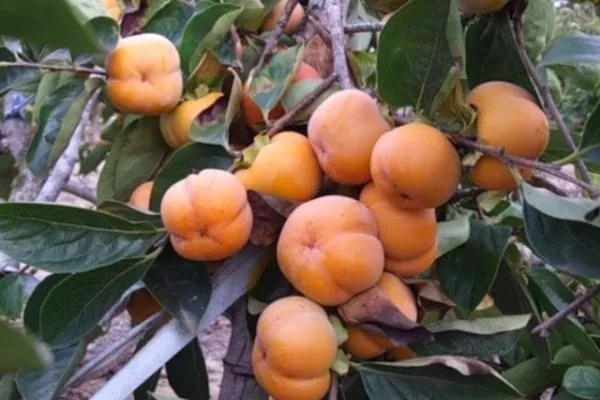
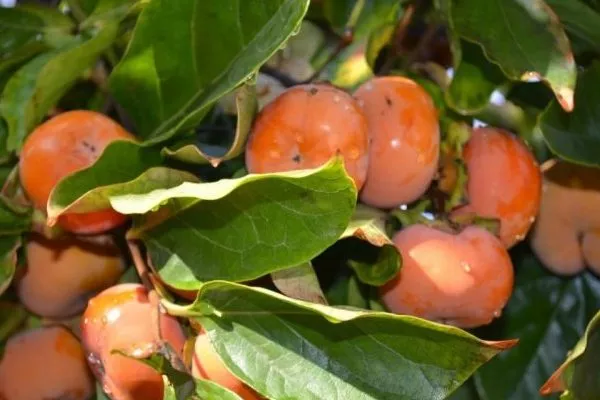
- the fruit's peel is a rich orange-red color and has a smooth texture;
- With age, the skin becomes softer and acquires a brighter color;
- On the surface of the peel you can see small bumps and ribs, which give the John Rick persimmon its unique appearance;
- inside this variety hides juicy and soft pulp, white in color with small seeds;
- the tree reaches a height of about 380-400 cm, it has a dense and spherical crown;
- the leaves have a dark green tone and a shiny surface;
- the flowers are small, white, and resemble stars;
- the fruits are particularly large in size – up to 150-170 g each;
- they resemble the shape of a ball or apple, but with slightly flattened ends;
- The pulp is especially juicy, sweet and aromatic.
Main characteristics
The fruits of the John Rick tree are characterized by an exquisite flavor. They are eaten fresh or used to create a variety of sweets, preserves, and infusions. Besides their versatility, John Rick has other qualities that are best learned about in advance:
- begins to bear fruit already four years after planting;
- the harvest time falls in the second half of the autumn season;
- the variety is self-fertile, which makes it independent of other crops for pollination;
- fruits can retain their quality for up to two to three months at room temperature, but to maintain freshness and taste, it is better to store them in the refrigerator;
- At a young age, John Rick persimmon needs to be protected from cold, but this variety is highly frost-resistant after maturity and can easily withstand winter weather conditions down to -29-34 degrees Celsius;
- This variety has increased resistance to various diseases and pests, but, like any plant, it is susceptible to damage under unfavorable conditions, so it should be regularly checked for diseases and insects in order to take timely measures;
- the taste of persimmon is both sweet and slightly sour, reminiscent of a mixture of pineapple, mango and orange aromas;
- its aroma is particularly rich and pleasant, which makes it a popular element for decorating a site;
- natural habitat: southern Russia, USA;
- Frost hardiness zones (average minimum): 3.
The Unique Properties of Persimmon by John Rick
John Rick's persimmon is a veritable treasure trove of beneficial elements, including minerals and protective antioxidants. It is rich in vitamins C, E, A, calcium, magnesium, and other essential nutrients. These nutrients have a beneficial effect on the immune system, maintain skin elasticity, and reduce the risk of cardiovascular problems.
The importance of including John Rick's persimmon in your diet:
- A source of antioxidants, including vitamins and flavonoids. Antioxidants protect cells from the damaging effects of free radicals, maintaining health and preventing the development of serious diseases such as cancer and cardiovascular disease.
- It's a treasure trove of dietary fiber, which promotes proper gastrointestinal function, strengthens intestinal microflora, and facilitates better nutrient absorption. Fiber also promotes regular bowel movements and prevents digestive problems.

Precautions for Eating Persimmons by John Rick
Before enjoying the aromatic John Rick persimmon, it's important to ensure it's beneficial and not harmful. To do this, consider several important factors:
- Fruit ripeness. It's important to select persimmons that have reached peak ripeness. These persimmons should be soft to the touch, have a rich color, and show no signs of damage on the surface. If the fruit is not yet ripe, you can leave it for a few days to ripen.
- Balanced consumption. John Rick's persimmon is a real treat, but due to its high fructose content, it should be consumed in moderation. Keep in mind that excessive consumption of persimmons can lead to digestive problems, including diarrhea and stomach pain. Avoid eating more than 2-3 fruits.
- Quality. First, check each fruit for damage and mold.
- Peeling. It is recommended to remove the peel before consumption, as it can be rough and astringent.
Remember that following these simple rules will help you avoid unwanted consequences when consuming John Rick persimmon and enjoy its aroma and beneficial properties exclusively for health.
Growing and care
For the John Rick persimmon to fully reveal its potential, it requires special conditions:
- It is best to choose a place filled with sunlight and protected from gusts of wind for planting;
- For successful growth, it is necessary that the groundwater level does not fall below 100 cm;
- The soil in which the persimmon will grow should be loamy or contain sand.
- ✓ Organic matter content of at least 3%.
- ✓ The depth of groundwater is not less than 1.5 m.
To grow John Rick yourself, you'll need seeds of this variety. Be careful when choosing a supplier to ensure high-quality plants:
- Prepare the soil for planting. John Rick persimmon prefers light, nutritious soil with good drainage. Before planting the seeds, be sure to add an organic fertilizer to ensure the plant receives all the necessary nutrients.
- Choose a suitable container or pot for growing persimmon. It should be large and deep enough to provide the plant with the necessary space to grow.
- Fill the selected container with the prepared substrate.
- Plant the seeds at a depth of about 2-3 cm and cover them with a light layer of soil. Make sure the soil around the seeds is properly moist: it should be moist, but not too moist.
- Place the container with plantings in a warm place where there will be enough bright sunlight, as John Rick persimmon needs a lot of light to grow at any stage of its life.
Water the persimmon, keeping the soil moderately moist throughout the growing season. Avoid overwatering to prevent root rot. - Once the first green shoots appear and the plants have become strong, move the persimmon to open ground or a larger pot. Handle the root system carefully during transplanting to avoid damaging the plant.
Continue to care for your persimmon, feeding it with organic and mineral nutrients as needed. Don't forget to prune the plant regularly to shape its crown and maintain its health.

Reviews
John Rick is a unique persimmon variety that produces not only delicious fruits but also rich in nutrients. Given the right conditions for planting and subsequent care, it can be successfully grown in virtually any region of our country, as it is quite frost-resistant.