
A well-designed fertilizing schedule is the key to healthy and productive persimmons. At each stage of development, the tree requires different nutrients, and timely application helps develop strong shoots, fruit set, and improve resilience to adverse conditions.
Types of fertilizers for persimmons to ensure they grow quickly and bear fruit abundantly
Persimmons are not only a source of tasty and healthy fruit, but also a true gem in any garden. To maintain fruit production, it's important to ensure proper and timely fertilization. There are several effective fertilizers available.
Organic
One of the most effective ways to feed persimmons is by adding organic fertilizers. They not only provide the plant with essential nutrients but also significantly improve the structure and composition of the soil.
Popular organic fertilizers:
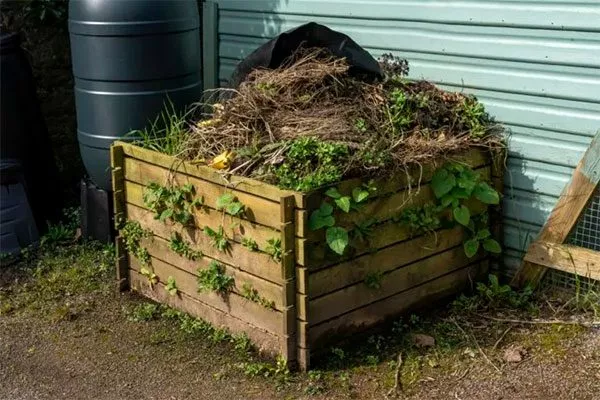
- Compost – A mixture of rotted plant and animal remains. It improves soil aeration, enriches it with beneficial microflora, and promotes better nutrient absorption.

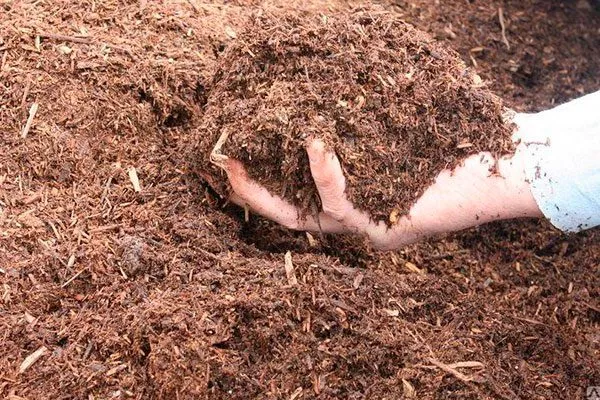
- Humus - A byproduct of manure decomposition, it is particularly valuable due to its high organic content. It has a positive effect on soil structure and provides persimmons with all the necessary nutrients.
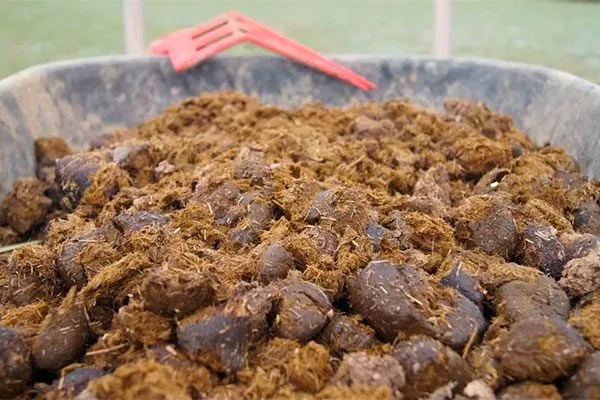
- Manure - A traditional organic fertilizer made from a mixture of straw, manure, and other organic matter. It nourishes plants and stimulates growth.
- Ready-made compositions – Balanced mixtures specially designed for fruit trees. They provide complete nutrition and support the health of persimmons throughout all stages of the growing season.
Minerals
In addition to organic fertilizers, persimmons require minerals and microelements to ensure proper development, strengthen the immune system, and increase yields.
Effective fertilizers:
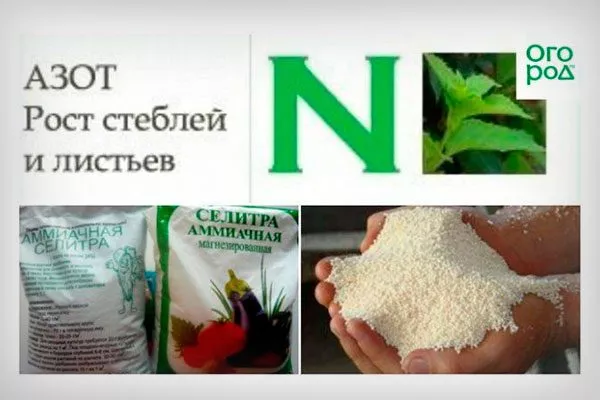
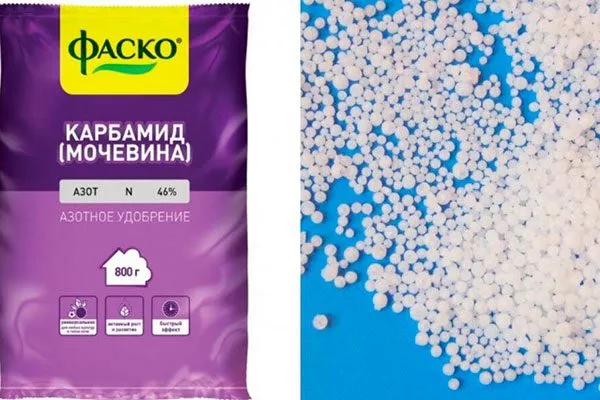
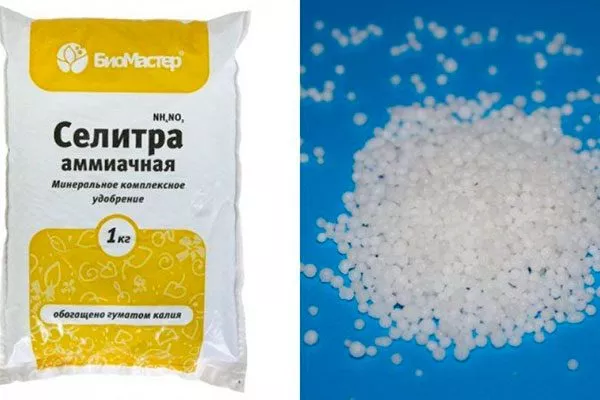
- Nitrogen – They stimulate active growth and are especially important in the early stages of development or when the plant is weakened. Ammonium nitrate and urea have proven effective.
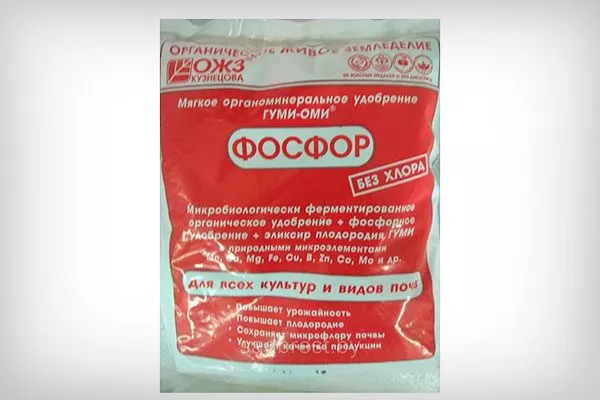
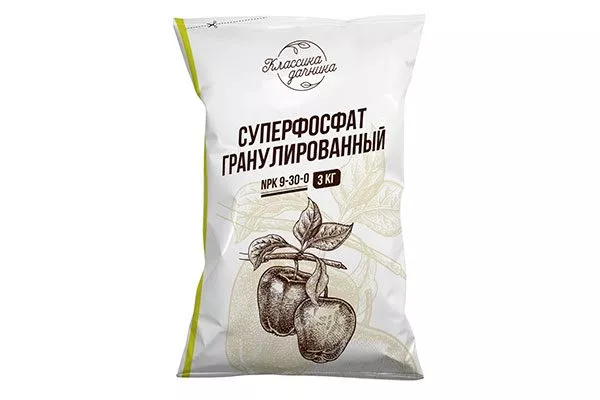
- Phosphorus – Promote the development of a strong root system and increase the tree's vitality. Superphosphate is the best option.
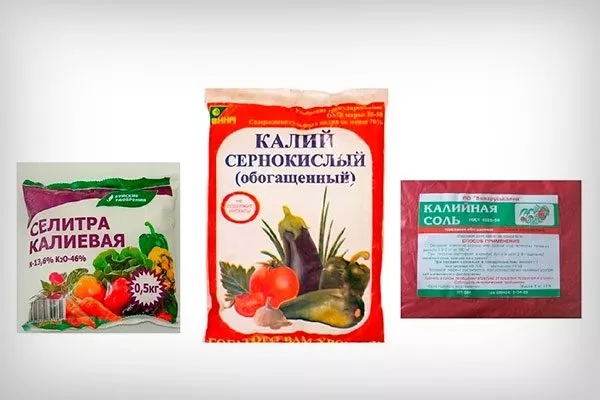
- Potassium – They improve fruiting and strengthen resistance to disease and adverse conditions. Potassium nitrate or bird droppings are used as a source of potassium.
In addition to essential nutrients, persimmons also require trace elements—iron, zinc, manganese, and copper. These can be applied as part of complex fertilizers or as targeted fertilizers based on appropriate salts. This approach helps maintain the tree's health and stimulates high-quality fruiting.
Foliar nutrition
One effective way to nourish persimmon is foliar feeding, which delivers nutrients through the leaves. This method quickly replenishes nutrient deficiencies and maintains the plant's health.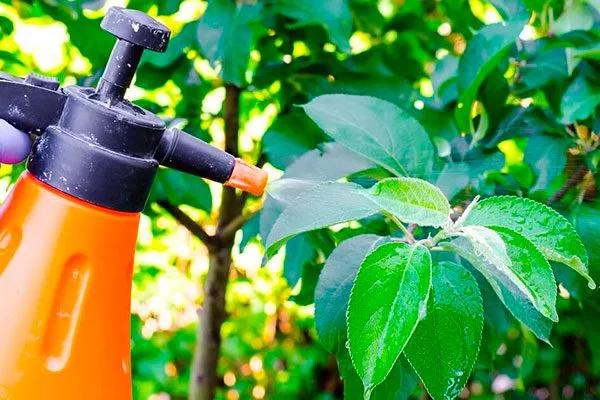
For foliar nutrition, use a solution based on organic or mineral fertilizers and spray it onto the foliage using a sprayer. This ensures even distribution of nutrients and their rapid absorption by plant cells.
Stages of persimmon fertilizing during the season
Persimmons are fertilized several times during the season, with the fertilizer composition selected depending on the plant's development stage. Different fertilizers are used at different times of the year.
In the spring
In spring (after bud break), apply nitrogen fertilizer to stimulate active growth of shoots and leaves. Nitrogen is essential for the growth of green mass and preparation of the tree for flowering.
The most optimal feeding during this period is the following:
- urea;
- mullein infusion;
- ammonium nitrate solution.
In summer
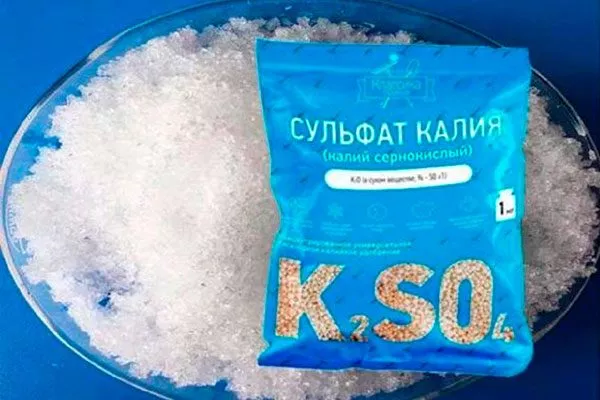
In summer (during flowering and fruit formation), the tree requires potassium and phosphorus. These elements promote fruit set, improve fruit quality, and support the overall health of the plant.
Use the following types of fertilizers:
- Superphosphate;
- potassium sulfate;
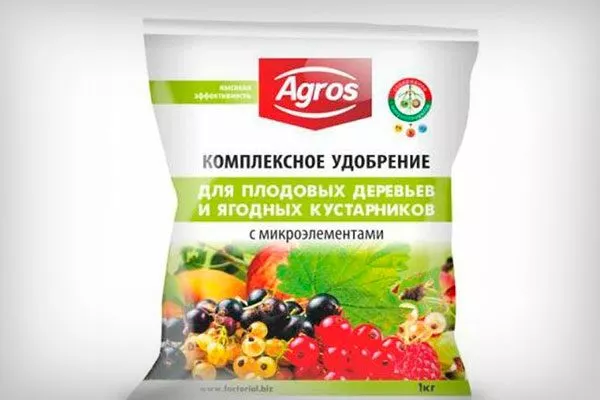
- complex compositions for fruit trees.
In the fall
In the fall (after harvest), apply a fertilizer rich in potassium and phosphorus to increase frost resistance and promote flower bud formation for the following season. Ash infusion is especially effective during this period.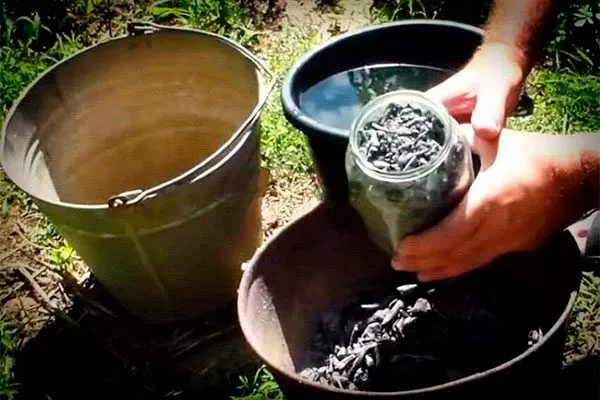
When is the best time to feed persimmon?
Unlike many other fruit crops, persimmons require special fertilization at planting. Experts do not recommend fertilizing this tree at planting time, as it is sensitive to excess nutrients during the early growth period.
The first feeding is recommended no earlier than one to two years after planting. You can use the plant's condition as a guide: if the leaves lose their color or the shoots grow weakly, this may be a sign to apply fertilizer.
Approximate feeding schedule for young persimmon:
- At one year of age, use 250-500 ml of a balanced mineral fertilizer with a 10-10-10 formula.
- Apply fertilizer in March, June and September for the first two years.
- Starting from the third year, reduce the number of feedings to twice a year - in spring (March) and at the beginning of summer (June).
Keep in mind that overfertilizing can cause unwanted effects, such as leaf drop. Therefore, it's important to monitor the tree and adjust the dosage if necessary, based on its appearance and overall condition.
Why are ash and compost so important for growth and fruiting?
Ash is a valuable natural fertilizer, rich in potassium, calcium, and magnesium, which are essential for active plant growth and development. It has many positive qualities:
- improves soil structure;
- increases soil fertility;
- helps protect against some pests.
Persimmon responds particularly well to ash fertilizers:
- improves the taste of fruits;
- strengthens the tree's immunity;
- promotes overall plant health.
However, it's important to use ash in moderation. Persimmon is sensitive to alkaline soil, so too much can disrupt the acid-base balance, weakening the plant and reducing productivity.
Compost is equally important for persimmon growth. This fully rotted organic matter not only provides the tree with nutrients but also enriches the soil with beneficial microorganisms and improves moisture permeability and air circulation.
Compost helps form a fertile soil layer and create a stable, balanced environment around the roots. Regular application helps maintain the health of the persimmon, stimulate growth, and improve disease resistance.
Recommendations for fertilizing persimmon
To ensure your plant grows well, produces fruit, and remains healthy, it's important to fertilize wisely. While overfeeding is not recommended, depriving it of nutrients is also undesirable.
Basic tips for fertilizing persimmons to help you avoid mistakes:
- Apply fertilizer regularly, but in moderation. Excessive amounts of nutrients can be just as harmful as a deficiency, causing, for example, fruit drop.
Fertilizers should be applied evenly and in stages – persimmon responds better to nutrition in moderate doses, distributed throughout the seasons. - Do not fertilize persimmons during the flowering and fruiting periods – at this time, all the tree’s energy is directed toward fruit formation, and excess nutrition can cause stress or ovary shedding.
- Consider your soil type and climate. In arid regions, more frequent tilling and possibly additional organic matter for moisture retention will be necessary.
- Monitor the plant's appearance. If you notice signs of nutrient deficiency (pale leaves, weak growth, fruit drop), check the soil and adjust the fertilizing schedule if necessary.
Persimmon is a heat-loving and demanding tree, but with proper care, it delights with not only a lush crown but also sweet, juicy fruits. For stable growth and a bountiful harvest, the plant requires adequate nutrition. It's important to know what to feed the plant, as well as the timing, dosage, and application guidelines.