
Bull's Heart is a variety of persimmon prized for its large fruits with juicy, fleshy pulp. They have an excellent flavor, becoming sweet and soft when fully ripe, and lose their astringency when lightly frozen. This variety is characterized by high winter hardiness and undemanding cultivation, making it suitable for a wide range of climates.
Description of the Bull's Heart persimmon variety
This variety is grafted onto frost-resistant rootstock, making it successfully cultivated in various regions of the country. The plant loves light, requires little care, and has a strong immune system.
Characteristics of fruits and trees
The plant reaches 2.5 to 5 m in height, forming a wide, spreading crown. Distinguishing qualities:
- trunk – thin, often slightly curved;
crown – wide and spreading;

- leaves - dense, oval-elongated, rich dark green in color, they stand out effectively against the background of brightly colored fruits.
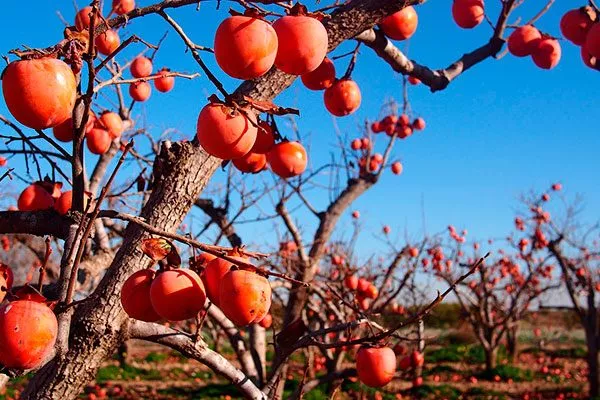
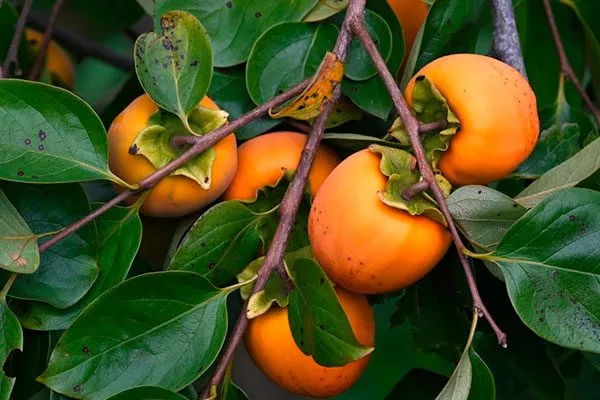
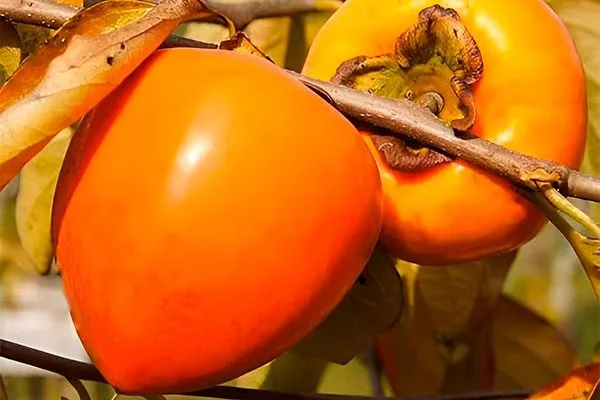
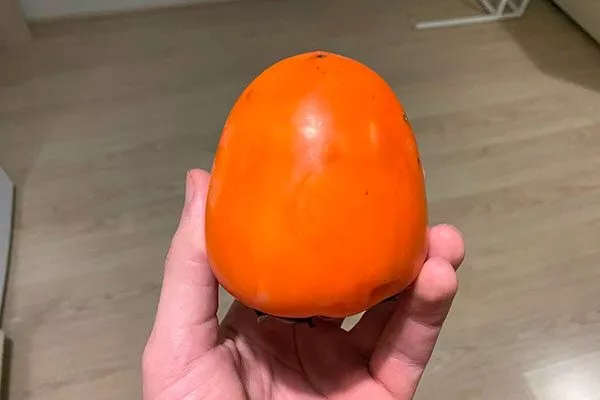
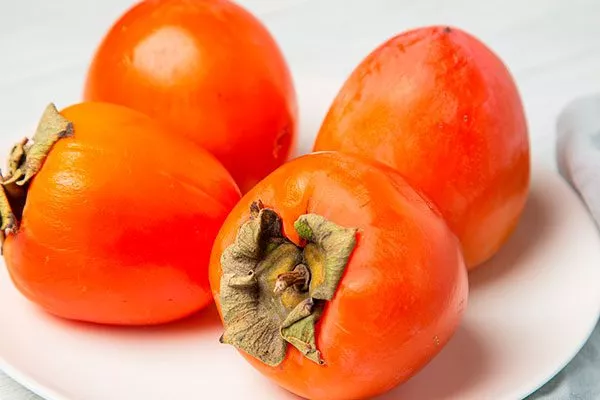
This variety is renowned for its large, juicy, and very sweet heart-shaped fruits. They are completely seedless, making them particularly convenient to eat. Their main characteristics include:
- size - reach up to 8 cm in diameter;
- weight - fluctuates between 300 and 400 g, sometimes reaching 500 g;
- skin – thin, with a glossy sheen;
- coloring – bright orange with a brownish tint, giving it an attractive appearance.
| Parameter | Indicator | Comparison with other varieties |
|---|---|---|
| Tree height | 2.5-5 m | Medium-sized |
| Fruit diameter | Up to 8 cm | Larger than most varieties |
| Fruit weight | 300-500 g | A record among persimmons |
| Fruit shape | Heart-shaped | Unique to persimmon |
| Presence of seeds | None | Rare quality |
Ripening and fruiting periods, productivity
Bull's Heart is a mid-season variety, ripening from mid- to late October. Fruits are primarily formed on shoots from the current season.
The crop is early maturing: the first fruits appear as early as the third year after planting, and the tree begins to produce its full fruit by the age of five. With proper care, including regular fertilizing, watering, and pest control, a single mature tree can yield 60 to 80 kg.
Flowering and pollination
Persimmons begin blooming three to four years after planting, usually in May and continuing until the end of June. Flowers form in the leaf axils, usually singly, rarely in clusters. They are bell-shaped with a four-petaled calyx.
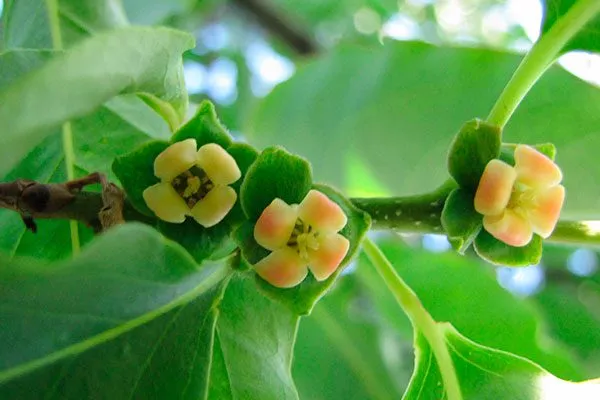
The color varies from yellow to beige and depends on the light level: in full sun, the color becomes lighter. Each ovule produces only one ovule. Additional planting of other varieties is not required—the plant is self-pollinating.
Chemical composition and scope of application
The Bull's Heart persimmon is low in calories—only 62 kcal per 100 g—making it ideal for those following a healthy diet. It contains:
- proteins – 1.4 g;
- fats – 0.9 g;
- carbohydrates - 15.6 g.
The variety is versatile in use: it is eaten fresh, added to desserts, used to make compotes, jams, and other homemade preserves.
Benefit
The Bull's Heart persimmon is a true treasure trove of vitamins and microelements, making it rightfully considered a valuable health fruit. It's rich in beneficial substances:
- vitamin C – strengthens the immune system;
- potassium – supports kidney function;
- magnesium – essential for the heart and blood vessels;
- calcium – responsible for bone strength;
- iron - improves hematopoiesis processes;
- B vitamins – are necessary for stable brain function, normalizing appetite, combating stress and increasing performance.
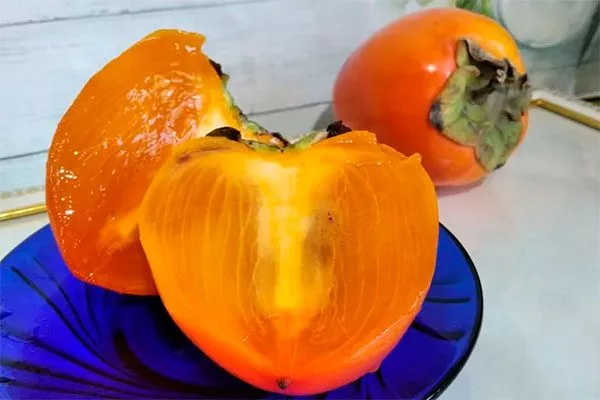
The catechin contained in the fruits has a pronounced anti-inflammatory effect and has a beneficial effect on the reproductive health of both men and women.
Harm and contraindications
Despite its rich vitamin and mineral content, the Bull's Heart persimmon is not without its contraindications and requires moderate consumption. Excessive vitamin C consumption, when consumed in excess, can negatively impact health. Consuming unripe fruits often causes constipation due to their high tannin content.
This fruit is not recommended for people with diabetes and is contraindicated for children with metabolic disorders due to its beta-carotene content. Caution should be exercised in the following situations:
- kidney diseases;
- obesity;
- tendency to allergies.
Frost resistance of Bull's Heart persimmon
The Bychye Serdtse variety is grafted onto frost-resistant rootstock and can withstand temperatures down to -25 to -30°C without affecting yield, but these temperatures are typical for mature, well-rooted trees. Young seedlings require protection from the cold for the first two years after planting.
The root system and grafting site are particularly vulnerable. In temperate climates, hill the tree in the fall, apply a layer of mulch around the trunk, and cover the trunk with non-woven material. In southern regions, such measures are not necessary—in mild winters, persimmons overwinter successfully without additional cover.
Growing Bull's Heart Persimmon
For planting, it's preferable to purchase seedlings that are two to three years old. If the root system is exposed, ensure that the roots are well developed, free of mechanical damage and dry spots.
Selecting a site and preparing the soil
Grow persimmons in well-drained areas with sandy or loamy soil. It's important to keep the groundwater level below 75 cm, as excess moisture can cause root rot.
The tree requires protection from strong drafts and cold winter winds. In northern regions, plant seedlings against a building wall for additional protection. If you plan to plant several trees, allow at least 2 square meters of space for each.
Before planting, dig over the soil and improve its fertility by adding peat, sand, and humus. In wet soils, be sure to provide drainage to prevent excess moisture from accumulating, which can affect the plant's health.
- ✓ Soil pH: 6.0-6.5 (neutral or slightly acidic)
- ✓ Humus content: not less than 3%
- ✓ Depth of the fertile layer: minimum 60 cm
- ✓ Drainage layer: 15-20 cm of crushed stone or expanded clay
- ✓ Distance to buildings: at least 3 m
- ✓ Wind protection: hedge at a distance of 4-5 m
Seeds – step by step
Propagating persimmons this way is quite challenging, as 90% of the fruits are seedless. Seeds are a rare exception. Even if you manage to collect planting material, there's no guarantee that seedlings will emerge.
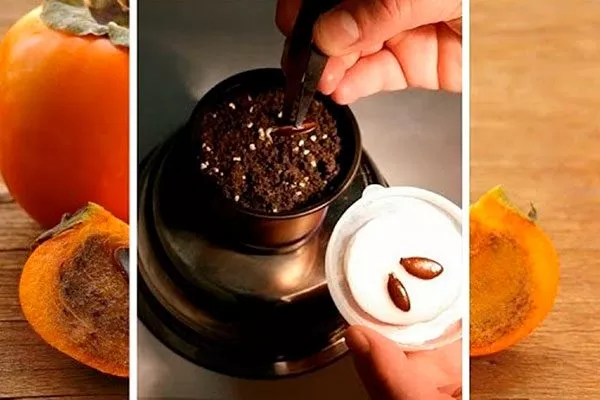
Step-by-step instructions:
- Remove the seeds from fully ripe fruits and wash them thoroughly to remove any remaining pulp.
- Wrap in a damp cloth or place in wet cotton wool, then transfer to a sealed bag. Leave for 10 days to soften the shell. Make sure to keep the material moist.
- Prepare a mixture of peat, compost, sand and soil in equal parts, with the addition of wood ash.
- Fill the container with prepared soil.
- Plant each seed in a separate 500 ml container, making a 3 cm deep hole.
- Place the container in a bright location away from heat sources, maintaining room temperature. Water about once a week.
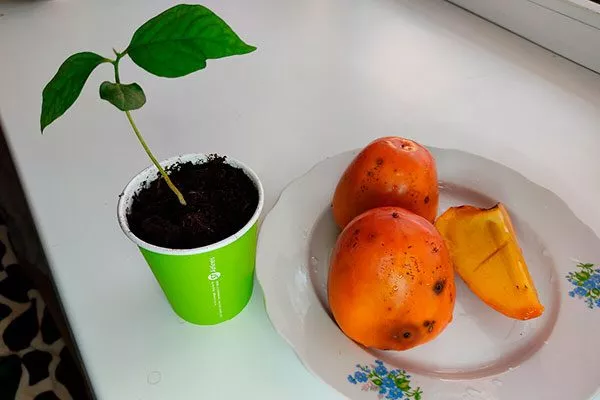
Seedlings - instructions
Purchase plants that are two or three years old. They should be in a shipping container or with a root ball. It's important that the root system is well developed, free of dry spots and mechanical damage if exposed.
Follow these recommendations:
- Before planting, treat the roots of the seedling with an antifungal agent and place them in a growth stimulator for two hours to improve rooting.
- The best time for cultivation is spring (April) or autumn, with at least one and a half months between planting and the first frosts to ensure good rooting.
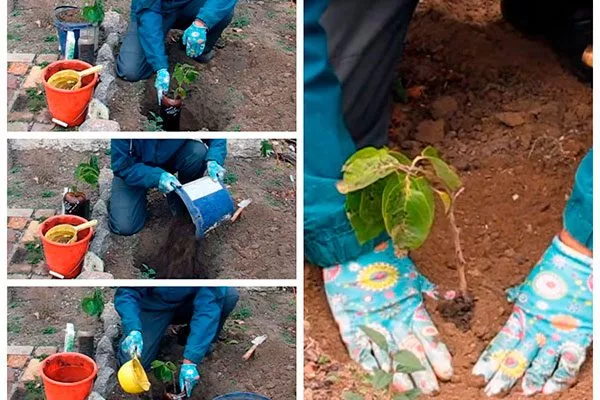
Step-by-step instructions:
- Dig a hole and mix the turf layer of soil with compost and sand in equal parts, add nitrogen-containing fertilizer.
- Place a layer of drainage material at the bottom of the hole to prevent water stagnation. Pour 1/3 of the prepared soil into the bottom of the hole, forming a cone-shaped mound. Drive a stake into the hole to secure the seedling.
- Place the plant in the hole, grafting it south, and carefully spread the roots along the mound. Fill with the remaining soil, compact it gently, and fill the hole completely.
- Secure the trunk of the seedling to the stake with twine and water it generously.
A day after planting, apply mulch around the trunk to retain moisture and protect the roots.
Seedling adaptation schedule
- 1-14 days: daily watering with 5-7 liters of water
- 15-30 days: watering every other day with 10 liters
- 1-3 months: watering 2 times a week with 15 liters
- 3-6 months: watering once a week with 20 liters
- 6-12 months: watering 2 times a month with 25 liters
How to care?
To successfully grow persimmons outdoors, several aspects of care must be considered to ensure optimal conditions for growth and fruiting. Follow standard agricultural practices:
- Watering. The plant requires additional moisture in hot and dry regions. During the summer, water 2-3 times a month, preferably in the evenings. Monitor the soil to avoid waterlogging. If rainfall is heavy, you can stop watering.
- Pruning and crown shaping. This is an important part of persimmon care, helping to control the tree's growth and shape. Follow these recommendations:
- first year – shorten the tallest shoots to 80 cm;
- second year - trim skeletal branches to 40 cm;
- third and subsequent years – thin out the crown, removing crookedly growing shoots;
- annually – perform sanitary pruning, removing weak, diseased and dry branches;
- once every 15 years – Perform rejuvenation pruning, which involves cutting the tree almost to the root to stimulate the growth of new shoots.
- Fertilizers. Persimmon thrives in nutritious soils, and regular fertilization is essential for healthy growth. Follow this schedule:
- In the spring. Apply nitrogen fertilizers (urea or rotted manure) – this promotes the growth of green mass.
- In summer. After flowering, add phosphorus and potassium to improve fruiting and boost plant immunity.
- In autumn. After harvesting, fertilize with phosphorus-potassium mixtures to strengthen the tree before winter.
| Indicator | Watering rate | Frequency | Control method |
|---|---|---|---|
| Young trees | 10-15 l | 2 times a week | Soil sample at a depth of 20 cm |
| Mature trees | 30-50 l | Once every 2 weeks | Leaf turgor |
| Flowering period | 40-60 l | Once every 10 days | Soil moisture meter |
| Before harvesting | 20-30 l | Once every 3 weeks | Visual assessment of fruits |
Harvesting and storage
Begin harvesting the fruit at the end of October. When removing the fruit from the tree, grasp it by the receptacle, avoiding damage, and unscrew it carefully, like a light bulb. To prevent damage, store the persimmons in individual boxes.
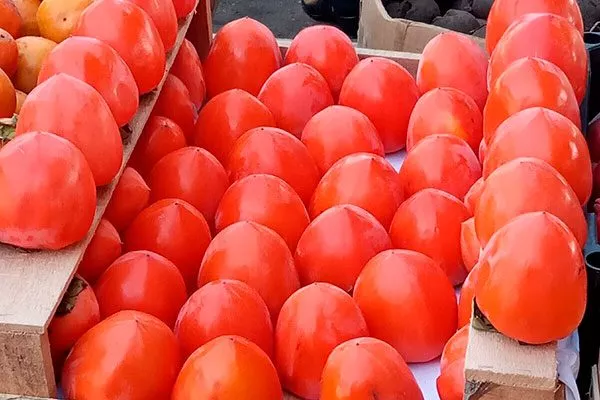
Fruits have a limited shelf life. At temperatures around 0°C and low humidity, they retain their appearance and flavor for three months. At room temperature, they remain fresh for no more than two weeks.
Process persimmons immediately after harvesting.
How to choose a ripe fruit in the store?
Pay attention to the persimmon's appearance. A ripe fruit has a bright, rich orange color, while a light orange color may indicate unripeness.
Other distinctive features:
- The skin of a ripe persimmon is thin, smooth and amber-colored, with the flesh often visible through it.
- The surface must be clean, without scratches, cracks or dark spots that indicate damage or deterioration.
- An important aspect is the firmness of the fruit. A jelly-like consistency indicates overripeness, meaning the fruit won't keep for more than a few days. Conversely, an overly firm consistency indicates underripeness.
Interesting facts
The variety's name derives from the shape of its fruits, which resemble the heart of a large animal. Other unusual qualities include:
- This variety is known for its meaty and juicy flesh. Like other persimmon varieties, Bull's Heart contains tannins, which can impart an astringent taste to the fruit if it's not fully ripe. However, once fully ripened, these tannins break down, leaving the fruit sweet and soft.
- Ox Heart Persimmon is rich in vitamins A and C, and also contains a large amount of fiber, which helps improve digestion and strengthen the immune system.
- This variety is popularly nicknamed "aristocrat" for its exquisite flavor, enormous size, and soft texture. In Crimea and the Caucasus, it is often given as a sign of respect—a symbol of generosity and prosperity.
Pros and cons
Reviews
The Bull's Heart persimmon attracts gardeners with its high productivity and excellent taste. This variety is ideal for processing—jams and compotes made from the fruit have a vibrant aroma. Proper planting and timely care ensure a high-quality harvest with minimal cultivation problems.