
Brown spots on persimmon leaves are one of the most common problems faced by gardeners and houseplant owners. They can appear due to disease, improper care, or environmental factors. Proper diagnosis of the cause and timely preventative measures help maintain the plant's health and ensure consistent fruiting.
Causes of brown spots and treatment methods
This is a warning sign that something is wrong with the plant. Spots can be the result of diseases, pests, or unfavorable growing conditions. To maintain the tree's health and ensure full fruiting, it's important to promptly identify the cause and take appropriate measures.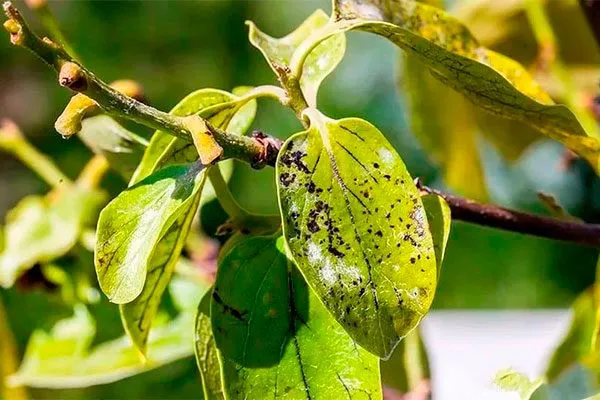
Fungal infections
Fungal infections are the most common cause of brown spots on persimmon leaves. They spread quickly in high humidity, stagnant air, and dense canopies. These diseases are dangerous because they weaken the entire tree, reduce yield, and even kill it.
Anthracnose
One of the most common fungal diseases of persimmon, it appears as dark brown spots with a dry, necrotic center. The spots gradually expand, the edges become jagged, and the affected tissue thins. Over time, the leaves dry out, curl, and fall prematurely.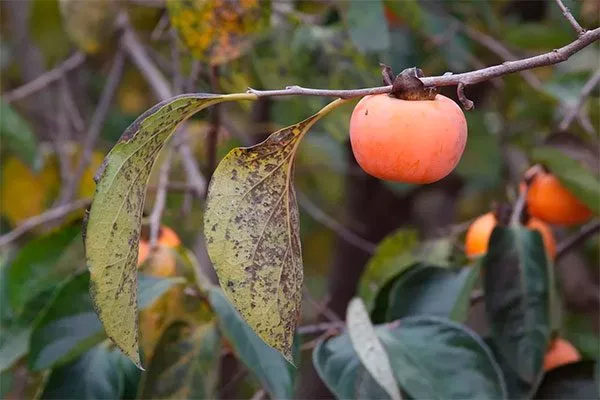
How to fight:
- promptly remove affected leaves and branches and dispose of them outside the area;
- treat the tree with fungicides (Topaz, Skor, Horus, Fundazol), alternating the preparations to prevent the pathogen from becoming accustomed to the disease;
- in spring and early summer, use copper-containing products (Bordeaux mixture, copper sulfate) for prevention;
- Ensure air circulation: thin out the crown and avoid dense plantings.
Late blight
It typically develops in waterlogged soil and stagnant moisture. Symptoms include brown, water-soaked spots, most often starting at the leaf margin and gradually moving toward the center. Affected leaves wilt, and in severe infestations, entire shoots may dry out.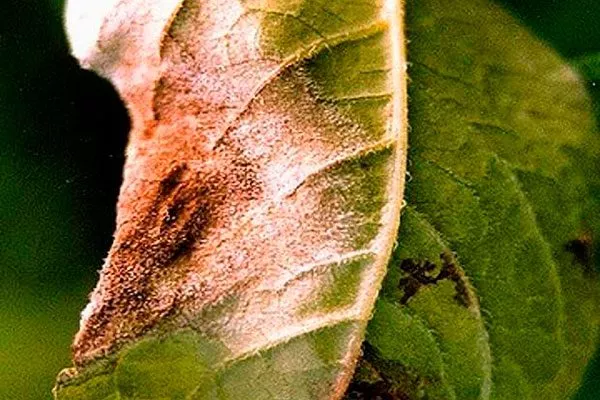
Methods of control:
- normalize watering: avoid over-watering, improve soil drainage;
- use systemic fungicides (Ridomil Gold, Ordan, Previcur);
- at the first signs of disease, spray both the leaves and the soil around the plant;
- Use preventative mulching to prevent fungal spores from landing on leaves during rain.
Alternaria
It appears as rounded brown spots with characteristic concentric rings. The spots can merge into large patches, covering large areas of the leaf. In severe cases, leaves fall off, and the plant weakens, losing the ability to develop normally.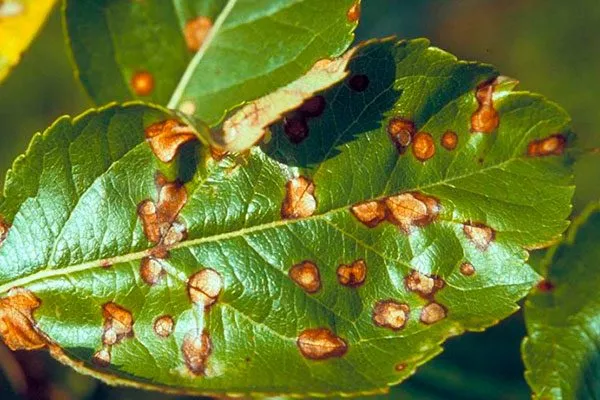
What to do:
- remove and burn affected leaves, do not leave them in the garden;
- spray with preparations against alternaria (Abiga-Peak, HOM, Horus, Topaz);
- Strengthen the plant’s immunity with foliar feeding of microelements (iron, magnesium, zinc);
- Keep your garden clean: remove fallen leaves promptly and loosen the soil.
Parasitic organisms
Insect pests pose a serious threat to persimmons. They damage leaves, suck the sap from cells, weaken the plant, and leave characteristic brown spots and dots. When infested, these pests cause severe foliage deformation, stunted growth, and reduced yield.
Spider mite
One of the most dangerous pests for indoor and garden persimmons. It's difficult to spot with the naked eye, but signs of damage are obvious: small brown spots appear on the leaves, which gradually turn yellow and lose their elasticity.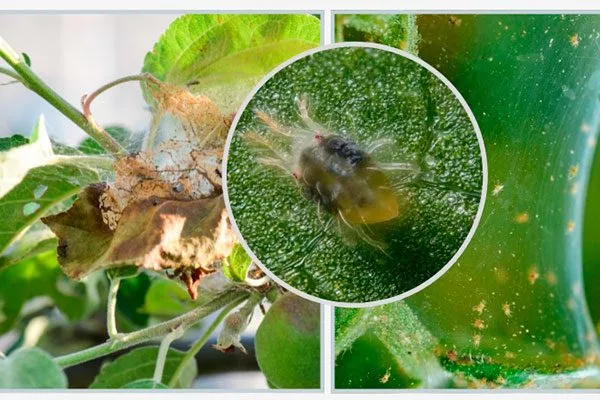
A thin white web can be seen on the underside of the leaf. In severe infestations, the leaves dry up and fall off.
Methods of control:
- in the early stages, washing the leaves with a soap solution helps;
- The biological preparation Fitoverm is effective against mites when grown indoors and in greenhouses;
- in case of severe infestation, use insecticides (Actellic, Neoron, Sanmite), strictly following the instructions;
- Increase air humidity regularly – parasites actively reproduce in a dry environment.
Aphid
The insects reproduce quickly and can infest entire shoots in a short time. Leaves curl, turn yellow, become sticky due to insect excretions, and become covered with small, brownish-brown spots.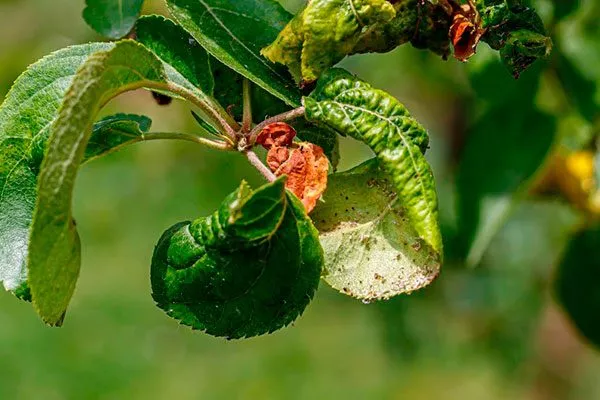
Weakened plants are more susceptible to fungal infections, as the sticky film on the leaves creates favorable conditions for fungal spores.
How to fight:
- at the first signs, spray the plant with an infusion of garlic, onion or tobacco;
- the use of biological preparations is effective – Fitoverm, Iskra-Bio;
- in case of severe infestation, use systemic insecticides (Actellic, Confidor, Bi-58);
- Attract natural enemies of aphids - ladybugs and lacewings, which quickly reduce the number of pests in the garden.
Poor quality care
Even without diseases or pests, persimmons can suffer from improper care. Any errors in watering, fertilizing, or growing conditions are reflected in the leaves. Brown spots in such cases are a kind of "alarm signal" from the plant that it is experiencing stress.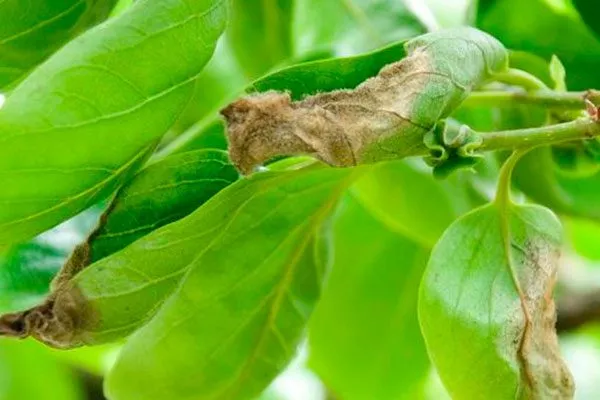
The main signs and causes of poor care:
- Lack of moisture. During hot periods, persimmon leaves are especially sensitive to drying out. Insufficient watering causes the tissue to die off at the edges, forming brown, dry spots. With prolonged moisture deficiency, the leaves curl, and plant growth slows.
Water regularly, but don't overwater, depending on the soil's moisture content: the top layer should dry out slightly between waterings. Use mulch (straw, compost, or sawdust) to retain moisture and reduce soil overheating. - Excess of salts and fertilizers. Excessive application of mineral solutions or hard water for irrigation lead to the accumulation of salts in the soil. This causes root burns and disruption of leaf nutrition. Brown spots resembling chemical burns appear on the leaf surface.
Apply fertilizer sparingly, following the recommended dosage. Alternate organic and mineral fertilizers to avoid overloading the plant. Periodically flush the soil with a gentle watering (a gentle "shower") to remove excess salts. - Micronutrient deficiency. A deficiency of iron, magnesium, and potassium causes chlorosis: the leaves turn lighter, and yellowish and brown spots appear on them. This is not an infection, but a consequence of a nutritional imbalance.
Use foliar feeding with iron, magnesium, and potassium chelates. Add ash or compost to the soil to improve its composition. If there is a severe deficiency, regularly spray the leaves with micronutrients to ensure rapid absorption. - Poor air circulation. Dense plantings or growing persimmons indoors without ventilation lead to water stagnation. Under such conditions, brown spots quickly appear on the leaves and the risk of fungal diseases increases.
Thin out the crown, removing excess shoots and crowding branches. Ensure adequate space between trees when planting. If persimmons are grown in a greenhouse or indoors, ventilate the area regularly.
Overwatering of the soil
Waterlogging in the root zone is one of the most common causes of brown spots. When the soil is overwatered, the roots are deprived of oxygen, and their respiration is impaired. This leads to tissue rot and weakening of the entire plant.
As a result, the leaves begin to signal a problem: water-soaked brown spots appear, wilting, and general deterioration. The problem can be recognized by characteristic symptoms:
- brown spots appear on the leaves, combined with general lethargy;
- the leaf becomes soft, watery, and may lose elasticity;
- mold or green plaque is visible on the soil surface;
- The tree sheds some of its ovaries and the yield decreases.
The main cause is overwatering or prolonged rainfall without proper drainage. Moisture stagnates, and soil fungi and bacteria begin to proliferate, causing root rot. Even a mature tree can become weakened, and young seedlings often die.
To protect persimmons from overwatering, it is important to plan a care system in advance:
- Organization of the drainage layer. When planting (crushed stone, expanded clay, coarse sand) helps prevent water from lingering at the roots.
- Irrigation regulation. It's better to water less frequently but deeply than frequently and sparingly. The moisture should reach the roots and not stagnate in the top layer.
- Loosening the soil. Improves air exchange, facilitates the evaporation of excess moisture and prevents the formation of a dense crust.
- Adjusting watering during the rainy season. In case of prolonged precipitation, stop irrigation completely and, if possible, organize water drainage from the area.
- Mulching. Using organic matter helps retain moisture during drought, but if there is excess rainfall, make the mulch layer thinner to avoid stagnation.
External stimuli
Sometimes brown spots on leaves appear not due to disease or improper care, but due to external factors. Air pollution, chemical burns, or acidic precipitation can negatively impact the plant's health. In such cases, the leaves become spotty, lose their healthy color, and age faster.
Main problems:
- Chemical burns. Incorrect use of pesticides and fertilizers often results in leaf damage. If the product is applied in too high a concentration or during hot, sunny weather, brown burns remain on the leaf blade, which eventually dry out and fall out.
Always dilute products strictly according to the instructions. Apply on a cloudy day or in the evening, away from direct sunlight. If in doubt, apply to one plant or a few leaves first and observe the reaction. - Polluted atmosphere. If trees grow near roads or industrial facilities, persimmon leaves can suffer from exhaust fumes and harmful emissions. Small brown and gray spots appear on them, the foliage thins, and the plant becomes more susceptible to disease.
If possible, plant persimmons away from sources of pollution. Regularly spray the leaves with clean water to wash away settled dust and gas particles. Improve the overall growing conditions: feeding, watering, and mulching help offset environmental stress. - Acid rain and environmental factors. In areas with unfavorable environmental conditions, plant leaves often suffer from acid rain. This damages the upper layers of the leaf, causing necrotic brown spots, especially along the veins. Over time, these leaves fall off more quickly.
After heavy rains, rinse the leaves with clean water whenever possible. Strengthen the plant's immunity with regular micronutrient fertilization. Choose organic products and eco-friendly care products to avoid overloading the tree with unnecessary chemicals.
Prevention methods
A healthy persimmon tree is the result of consistent care. To keep the leaves green and the harvest abundant, it's important not only to treat existing spots but also to prevent them from occurring. Prevention involves a comprehensive approach.
Follow the watering regime
Watering regimen directly impacts leaf health. If the soil dries out, the plant suffers from moisture deficiency, causing dry, brown spots to appear on the leaves. If the soil is overwatered, the spots become waterlogged and gradually develop into rot. Therefore, maintaining a balance is essential.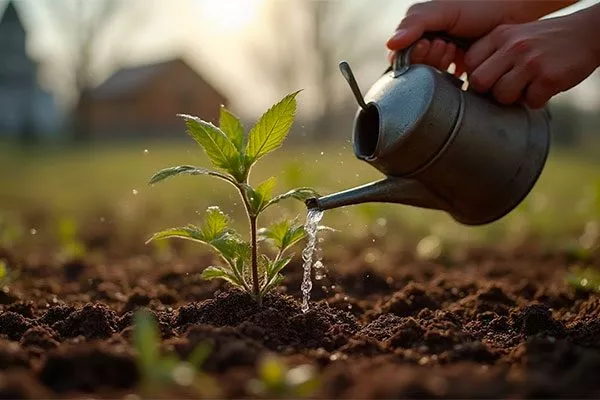
Recommendations:
- water the plant in the morning so that by evening the moisture has time to be absorbed and the excess evaporates;
- always direct water to the roots, avoiding contact with the leaves;
- in pot culture, make sure that the liquid in the tray does not stagnate, and drain it after 15-20 minutes;
- When growing in the garden, provide a drainage layer and mulch the area around the tree trunk to prevent moisture from stagnating near the roots.
Monitor soil pH levels
Incorrect soil acidity is often the hidden cause of brown spots. If the soil is too alkaline, the plant cannot absorb iron, magnesium, and manganese, causing chlorosis and spotting. If the soil is too acidic, the root system suffers.
How to proceed:
- the optimal pH for persimmon is 6-6.8;
- if the soil is alkaline, water it with slightly acidified water (a few grains of citric acid per 1 liter) or add high-moor peat;
- if the values are high, use ash or dolomite flour;
- Check the acidity at least once a season using test strips or a pH meter.
Ventilate the room
In greenhouses or apartments, persimmons often suffer from stagnant air. High humidity and lack of air movement create a favorable environment for fungal growth. Even with good watering, leaves begin to turn brown if a "hothouse" develops around them.
Helpful tips:
- ventilate the room daily for at least 15-20 minutes;
- Avoid strong drafts, especially cold ones, to avoid stressing the plant;
- leave sufficient space between plants – the crowns should not touch;
- When growing indoors, install a small fan on low speed to provide air circulation.
As a result, the risk of fungal diseases and the appearance of brown spots is significantly reduced.
Treat for parasites
Insects are often the cause of brown spots on leaves. Spider mites, aphids, and other pests leave traces of their activity, weakening the plant and opening the door to infection.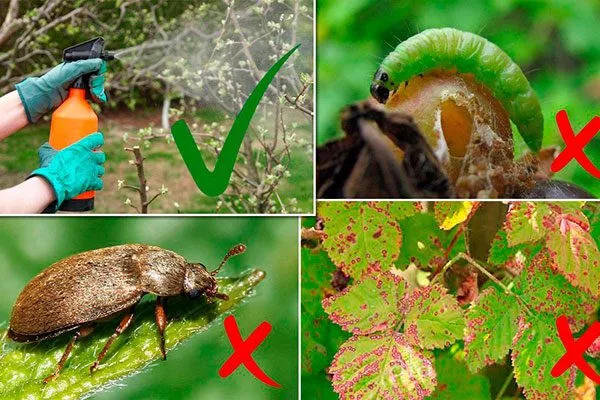
To avoid this:
- inspect the leaves regularly, especially the underside;
- at the first signs of damage, spray the plant with a soap solution, garlic or tobacco infusions;
- once a month, carry out preventative treatment with biological preparations (for example, Fitoverm);
- In case of mass infestation, use insecticides, but strictly according to the instructions.
Use medicinal sprays
Even if a tree appears healthy, preventative treatments can help protect it from hidden infections. Spraying is especially important during periods of high humidity and temperature fluctuations.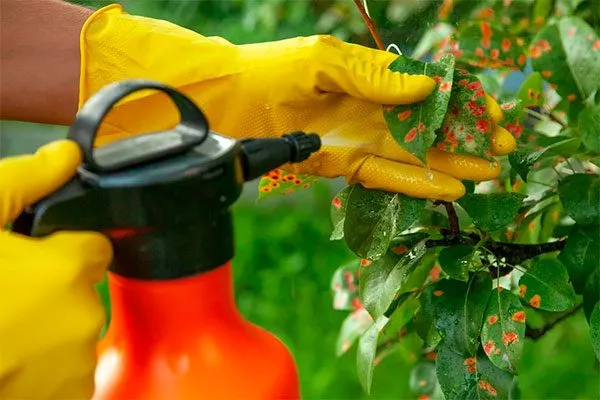
Adviсe:
- in spring and early summer, use biofungicides (for example, based on Bacillus subtilis);
- in rainy summers, the use of copper-containing preparations is allowed, but not more than once every 10-14 days;
- It is better to spray in the evening or in cloudy weather to prevent the leaves from getting burned;
- Try to evenly wet both the top and bottom surfaces of the leaf.
Such measures create a protective barrier and reduce the likelihood of developing fungal infections.
Remove diseased leaves promptly
Any affected leaves are a source of infection for the healthy part of the plant. If they are not removed promptly, the disease spreads quickly.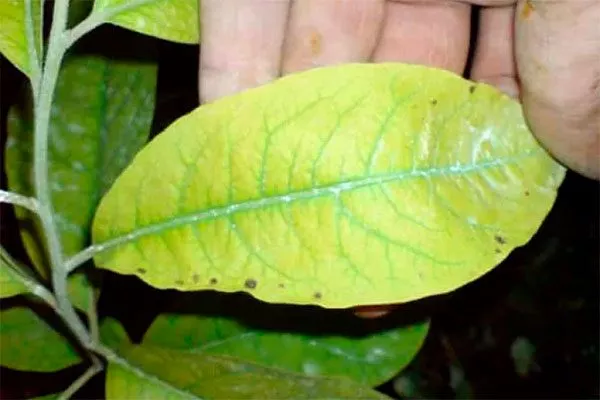
What to do:
- use only clean, disinfected instruments;
- remove the leaves along with the petiole, capturing a small area of healthy tissue;
- Dispose of all cut parts immediately, do not leave them under the tree and do not use them for compost;
- After pruning, treat the plant with a mild fungicide to consolidate the result.
Regular inspection and sanitary cleaning of the crown help keep the tree in good condition even in unfavorable conditions.
Brown spots on persimmon leaves are a sign that the plant needs attention. The causes can be varied, but timely diagnosis and comprehensive preventative measures help maintain the health of the plant and prevent crop losses. Taking care of the leaves directly impacts the health of the tree and the quality of the fruit.