
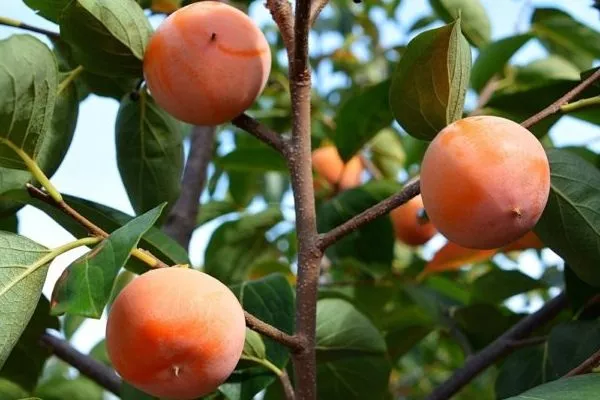
The God's Gift persimmon is a winter-hardy variety bred for cultivation in temperate climates. The tree is characterized by its compact size, disease resistance, and low maintenance. The fruits ripen early, have a rich flavor, and a pleasant aroma. This variety is suitable for home gardens and orchards in central Russia.
Description of the variety
God's Gift was created by crossing the Nikitskaya Burgundy variety with the winter-hardy Virginia persimmon. The cultivar's creator and originator is V. N. Derevyanko. Key characteristics:
- the tree grows up to 2.5-3 m in height;
- flowers can be male, female or bisexual;
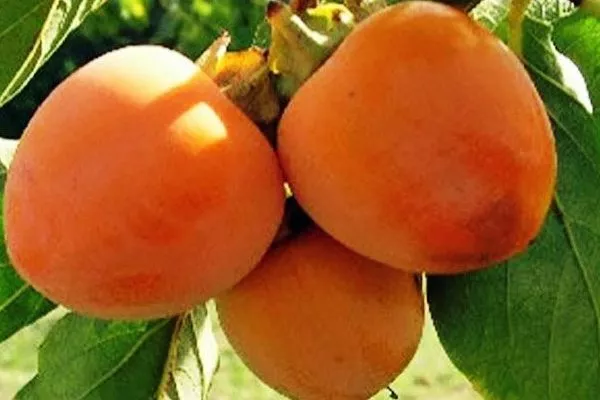
- the fruits are medium-sized, weighing from 70 to 120 g, have a slightly flattened shape and a round cross-section;
- The main color of persimmon is red or orange.
Main characteristics
The Bozhiy Dar variety is highly winter-hardy, withstanding temperatures down to -29°C and falling into hardiness zone 5. It exhibits high resistance to diseases and pests, making it particularly easy to grow.
Growing and care
To ensure the plant takes root successfully and produces a stable harvest, it's important to follow the planting recommendations. Key requirements:
- Choose a sunny, wind-protected site. A south or southwest-facing garden, near a fence or house wall, is ideal. Avoid areas with stagnant cold air and a high water table (closer than 1.5 m from the surface).
- The plant prefers light, well-drained soils with a neutral or slightly acidic pH (6-7). Avoid planting in heavy clay or waterlogged soil. If necessary, improve the soil composition by adding sand, humus, and ash.
Step-by-step instructions:
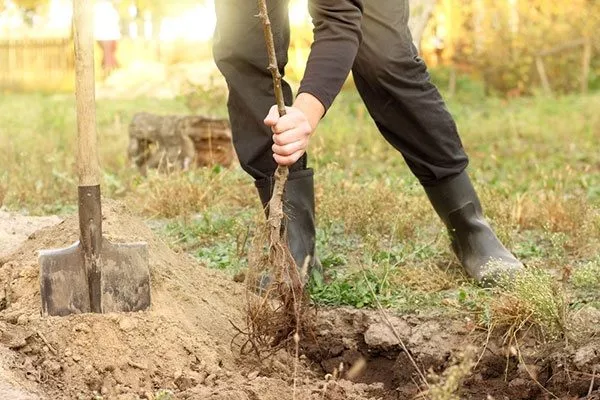
- Dig a planting hole about 60-70 cm deep and wide. Place a drainage layer of gravel or crushed stone (10-15 cm) at the bottom.
- Prepare a nutrient mixture: mix the excavated soil with humus (1:1), add 200 g of wood ash and 50 g of superphosphate. Pour some of the mixture into the hole, forming a mound.
- Place the seedling, carefully spreading out the roots. Cover the root system with the remaining mixture, compacting the soil periodically to eliminate air pockets.
- Water the plant with warm water (20-30 liters). Mulch the area around the trunk with peat, humus, or sawdust to retain moisture and protect it from temperature fluctuations.
- Install a support (stake) and tie up the seedling to protect it from the wind.
To ensure the crop thrives and produces fruit, provide it with comprehensive care. Follow standard agricultural practices:
- Watering. During the first year of growth, water the tree approximately three times a month, and subsequently no more than three to four times per season. The amount of water depends on the age of the plant and the size of the crown, but should not be less than 50-70 liters. Stop watering 1.5 months before the end of the growing season—this improves the taste and shelf life of the fruit.
- Top dressing. Persimmon responds well to organic fertilizers: apply 2 kg of compost under the tree in the spring once every 3-4 years. Suitable mineral fertilizers include nitroammophoska or complex mixtures like Kemira.
- Trimming. Begin shaping the crown in the second year after planting. Leave the trunk 50-60 cm tall. For structuring, choose a sparsely tiered method or create a bowl-shaped configuration.
Despite a strong immune system, the plant can be susceptible to various challenges. The key is to begin treatment promptly:
| Disease/Pest | Symptoms/Signs | Control measures |
| Soft scale insect | Causes the formation of soft, rounded growths on the trunk and branches. | Remove the affected areas and treat with insecticides - Aktara or Confidor. |
| Woodworm | It gnaws passages and holes in shoots and trunks. | The treatment is the same as for an attack by soft scale insects. |
| Seaside mealybug | Forms a white cottony coating on leaves, stems and flowers. | Insecticides Aktara and Confidor are effective. |
| Scab | It appears as brown spots on the leaves, which gradually turn black and crack. | After removing the damaged parts, use Bordeaux mixture. |
| Gray mold | Causes grey spots on leaves and fruits – they become covered with a grey coating. | Spray with copper sulfate. |
| Powdery mildew | It appears as a white coating on the leaves. | Apply one of the fungicides - Topaz or Skor. |
| Bacterial cancer | Causes the formation of dark spots and ulcers on the trunk and branches. | Treat with antibacterial drugs - Fitolavin or Gamair. |
| Black spot | Accompanied by black spots on leaves and shoots. | Copper sulfate or Bordeaux mixture will help solve the problem. |
| Fusarium | Causes wilting and yellowing of leaves, as well as a pink bloom on the stems. | For spraying, use fungicides - Fundazol or Maxim. |
Reviews
God's Gift combines hardiness, high yields, and excellent flavor. This compact tree fits easily into a small garden, requires little care, and produces fruit reliably. The sweet, aromatic fruits are ideal for fresh eating. These qualities have made this variety popular not only with experienced gardeners but also with beginners.