
Pollination plays a crucial role in pear fruiting, especially for self-sterile varieties. Without a suitable pollinator, a tree may bloom but not produce fruit. Even self-fertile varieties produce better fruit with cross-pollination. To ensure a consistent harvest, it's important to choose the right "neighbors," consider flowering times, and attract pollinating insects to the garden.
How does a pollinator influence pear development?
A pollinator is another pear variety that blooms at the same time and is biologically compatible. Its pollen is transferred by bees, bumblebees, or other insects to the flowers of the host variety, ensuring complete fertilization.
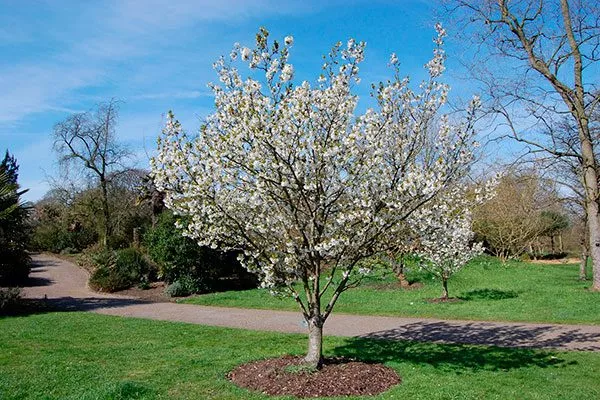
As a result of the presence of a pollinator:
- the number of ovaries increases;
- the quality and size of fruits improves;
- the harvest becomes stable from year to year.
If there is no “neighbor” nearby, the pear tree may bloom profusely, but there will be little or no fruit.
How does pear pollination occur in natural conditions?
Pear trees require a pollinator to produce fruit. Most varieties are partially or completely self-sterile, meaning they cannot be effectively pollinated by their own pollen. Without cross-pollination, fruit buds either do not form at all, or only very few are produced.
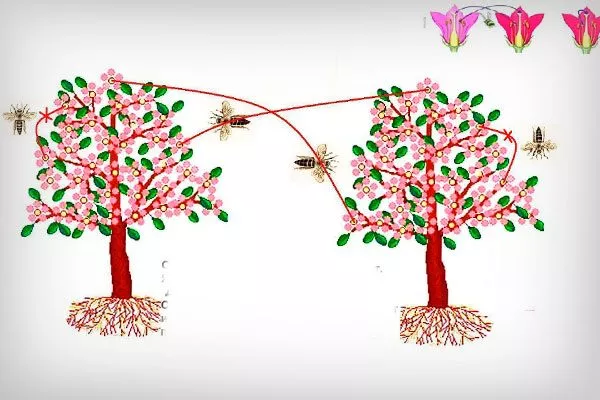
Pollen from the pollinator tree can be transferred:
- insects (bees, bumblebees);

- by the wind.
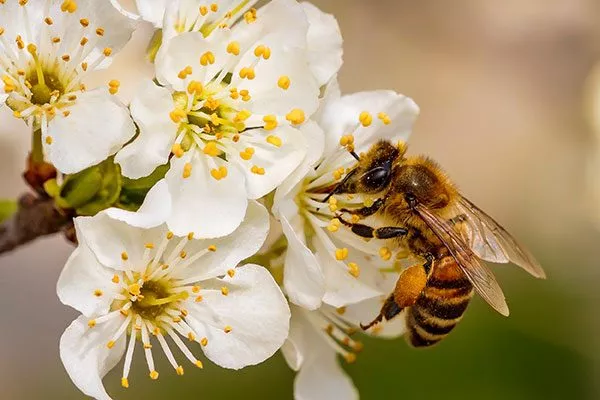
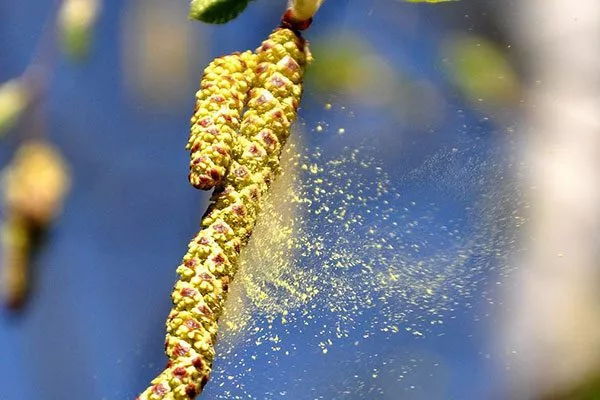
However, under some conditions, pollination may be disrupted:
- there is calm or rainy weather, washing away pollen;
- there are few pollinating insects due to cold or chemical treatment of the garden.
In such situations, the gardener must take additional measures: manual pollination, grafting another tree, or installing baits to attract insects.
Factors Affecting Pear Pollination
For a pear tree to produce fruit consistently, effective pollination is essential during flowering. The success of this process is influenced by several factors, from weather conditions and insect activity to the condition of the trees themselves and planting conditions.
Below are the main factors that determine the quantity and quality of the harvest:
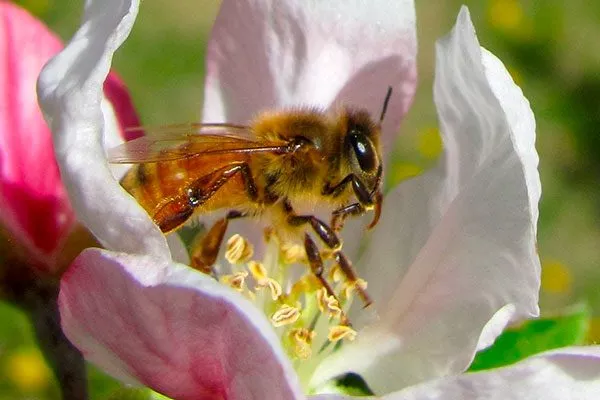
- Activity of pollinating insects. Bees are the main helpers. They provide the bulk of pear pollination. Their activity is directly dependent on air temperature, humidity, precipitation, and the presence of flowering plants with nectar.
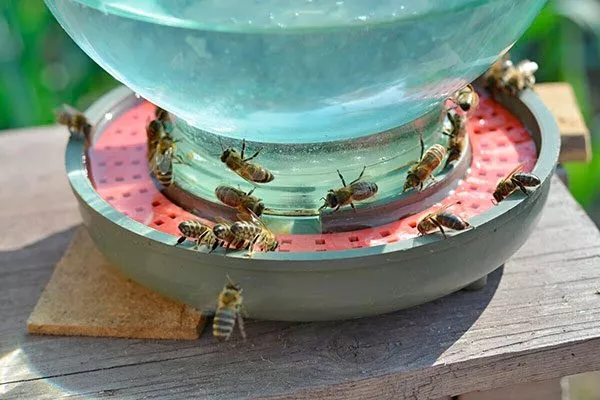
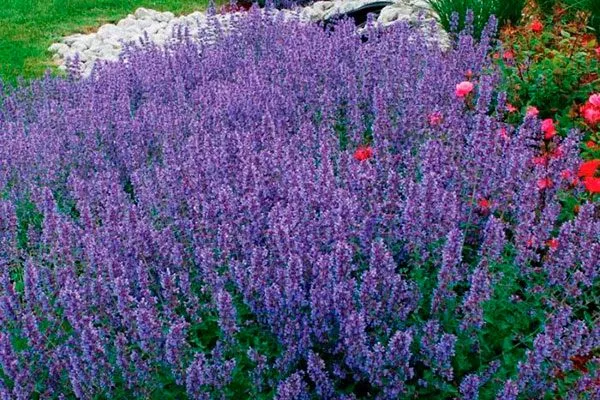
Bumblebees, wasps, flies and ground beetles can also participate in pollen transfer, but their role is less significant. - Attracting pollinators to the garden. Flowering plants (phacelia, clover, lemon balm, catnip, mustard) near pear trees increase bee populations in the garden. Providing clean water bowls helps keep the insects close to the site.
Avoid using insecticides during the flowering period. If treatment is necessary, choose bee-safe products and spray in the evening when the insects are inactive. - Weather conditions during flowering. Bees are most active at temperatures between 15°C and 25°C. When temperatures drop below this level, flight virtually ceases.
Rain washes away pollen, and strong winds hinder bees' flight and can damage flowers. Spring cold snaps are especially dangerous, as pear trees bloom early, and even a brief drop in temperature can damage their blossoms. - Condition of trees. Healthy trees bloom profusely and produce viable pollen. Regular fertilizing, pruning, and disease protection enhance the tree's ability to bear fruit.
Young pear trees often bloom poorly in the first few years, and older trees may experience reduced yields due to general weakening. - Landing conditions and lighting. Crowded plantings hinder pollination and reduce crown ventilation, which contributes to disease development. Pear trees produce better fruit and set fruit in open, well-lit areas.
How to choose a pollinator for a pear?
If space permits, it's advisable to plant several varieties in the garden so they can pollinate each other. This significantly increases yield and improves fruit quality.
It is important to take into account a number of important conditions:
- Simultaneous floweringThe primary cultivar and the pollinator must be blooming at the same time. If one tree has already finished blooming and the other is just beginning to bloom, cross-pollination will not occur.
- Ripening timeEarly varieties are not suitable as pollinators for late varieties and vice versa.
- Pollen qualityThe pollinator must produce abundant and viable pollen – this is an important condition for successful fertilization.
- No cross-sterilitySome pear varieties are incompatible with each other—their pollen is unable to produce fruit.
- Similarity in lifespanIt is desirable that both the main tree and the pollinator have a comparable lifespan and period of active fruiting.
To obtain a stable and abundant harvest, it is recommended to plant at least 3-4 suitable pear varieties in the garden.
At what distance should seedlings be placed?
Honeybees can fly up to 2-3 km from their hive in search of flowering plants. But the closer the source of nectar and pollen, the more productive their work.
Key Features:
- By keeping the insects as close to the garden as possible, they expend less energy on flying, which means they bring more nectar to the hive, and the garden's fruit and berry harvest increases.
- Pollination occurs when bees move from flower to flower, carrying pollen on their legs and bodies. To ensure this process is most effective, it's best to plant trees of the same species in groups.
- If trees of different crops (apple, pear, plum, cherry) are planted mixed together in a garden, some of the bees' work will be useless - the pollen of one species does not fertilize the flowers of another.
Once suitable varieties have been selected, it's important to properly space the seedlings on the plot. The distance between trees depends on their expected height and crown width at maturity:
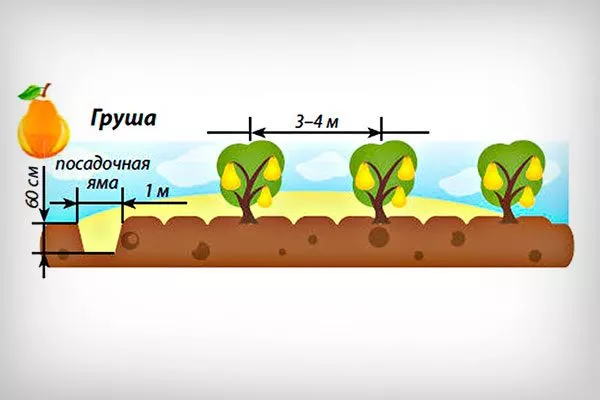
- Tall pears. Plant seeds at intervals of at least 3-4 m.
- Dwarf pears. On dwarf rootstocks, dense planting is acceptable – at a distance of 2-2.5 m from each other.
This arrangement will improve bees' access to flowers, provide sufficient lighting and ventilation, and therefore promote better fruiting.
How many varieties and seedlings are needed for pollination?
For better fruit and berry production, it's advisable to plant several varieties of the same crop in the garden. Although two trees of different varieties are sufficient to produce a harvest, greater diversity usually yields significantly better results:
- cross-pollination is enhanced;
- the number of ovaries increases.
The main condition is that the plants bloom simultaneously. When choosing seedlings, gardeners usually focus on the harvest's ripening time.
As a rule:
- early ripening varieties - bloom first;
- mid-season – a little later;
- late-ripening – the last ones.
Pear varieties that pollinate each other
To successfully pollinate one pear variety by another, several important requirements must be met. The key requirements are:
- the flowering of both varieties coincides in time;
- pollinator – actively produces a sufficient amount of pollen;
- Both trees bloom profusely every year;
- there is no cross-sterility between varieties – incompatibility of pollen and stigma;
- flower development phases coincide in timing;
- The trees have approximately the same lifespan and fruiting period.
There are many pear varieties that are successfully used as pollinators. Examples of successful pollination variety combinations:
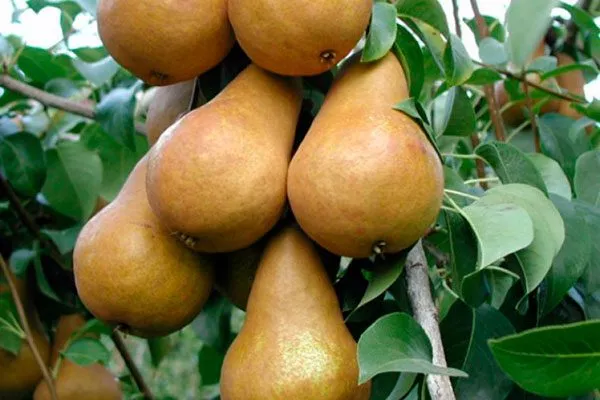
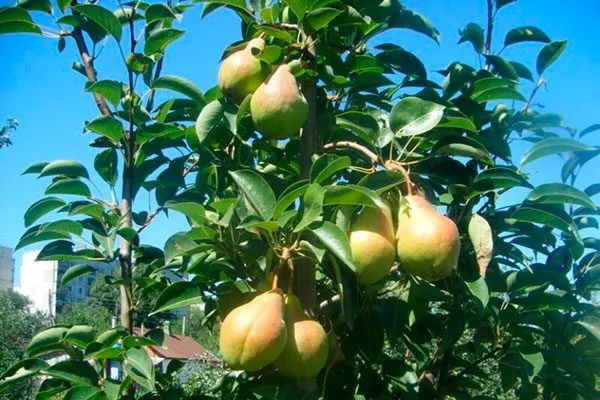
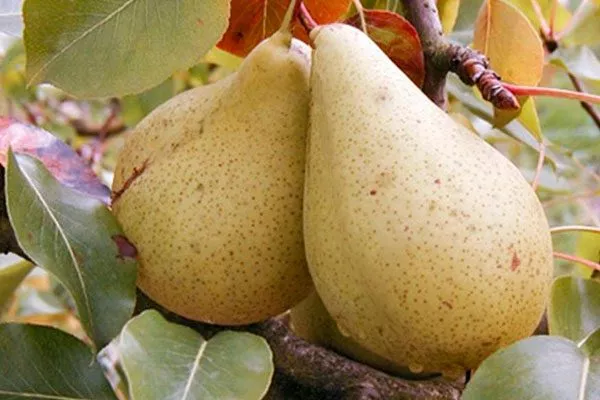
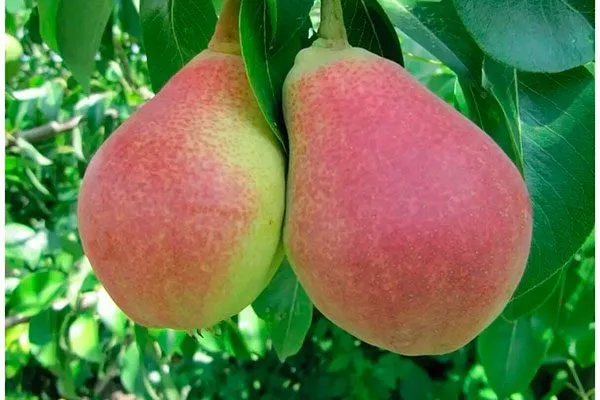
- Autumn bergamot. It is well pollinated by the varieties Bessemyanka and Tonkovetka.
- Bere Bosk. Suitable pollinators: Williams, Saint Germain, Clapp's Favorite.
- Williams. Pollinated by Clapp's Favorite, Autumn Dean.
- Priest. Compatible with the varieties Dekanka autumn, Dekanka winter, Bon Louise.
- Clapp's favorite. The best pollinators: Bere Beik, Bere Bosc, Bon Louise.
- Irista. It is effectively pollinated by the varieties Nika, Feeriya, and Dessertnaya Rossoshanskaya.
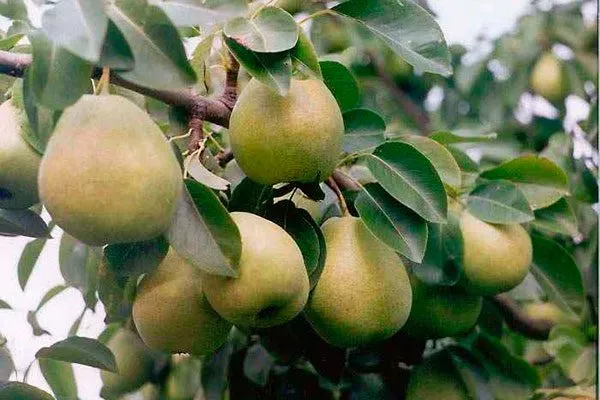
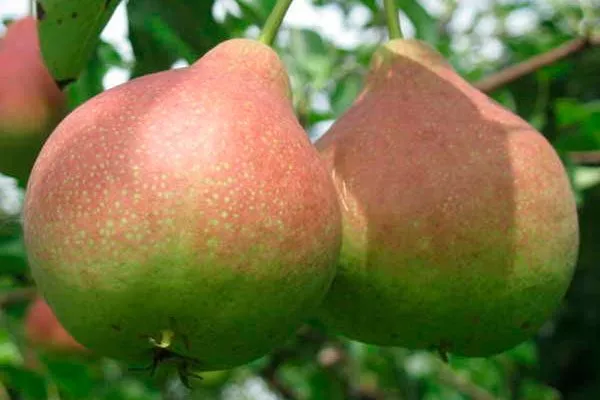
Self-fertile hybrids typically experience reduced fruiting without a pollinator. Self-fertility can vary over time and also depends on climate conditions and the tree's age. A plant is considered self-fertile if it produces 15-40% of its flowers without cross-pollination.
How to pollinate a pear tree yourself: methods
There are several effective methods of pear pollination that ensure good fruit set. The most common and natural method is pollination by bees. Hand pollination is also practiced, especially in conditions of insect scarcity or unfavorable weather.
Entomophily – fertilization by insects
Entomophily is a form of pollination in which pollen is transferred by insects. This type of fertilization is typical for many garden and wild plants, including fruit trees, vegetable crops, and flowering herbs.
Insects – bees, bumblebees, butterflies, flies and beetles – visit flowers in search of nectar and pollen, and at the same time transfer it from the stamens of one plant to the pistils of another, ensuring cross-pollination.
Follow the recommendations:
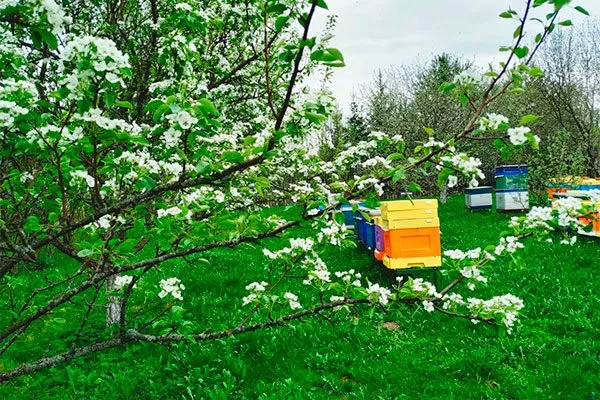
- Install hives near the garden – 1 hive per 1 hectare significantly increases fruit set.
- Sow honey plants near the tree: phacelia, clover, mint, hyssop, catnip - they bloom at the same time as the pear tree and attract bees.
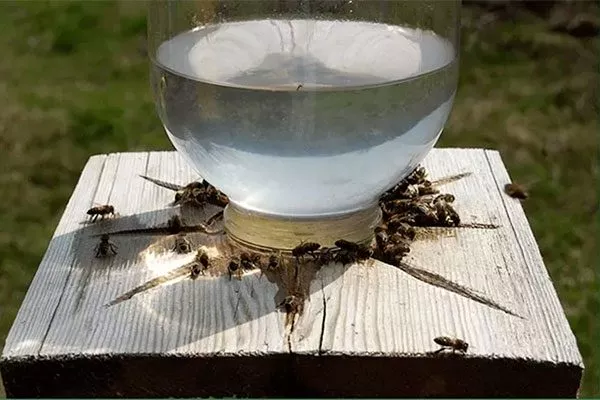
- Provide bee waterers – small containers with water and pebbles or floating boards so that the insects can drink without drowning.
- Avoid using insecticides during pear blossom season. Even low-toxicity products can disrupt bees' orientation. If treatment is necessary, spray in the evening, when the insects are no longer flying.
- Remove any weeds and shrubs that might block the sun from the pear tree—the flowers should be clearly visible and accessible to insects. Keep the garden clean and tidy to make it easy for bees to navigate.
Artificial pollination – manual
If the pear tree is a self-sterile variety, one of the most effective ways to increase yield is artificial pollination. This method is simple to perform, but requires precision and a bit of time.
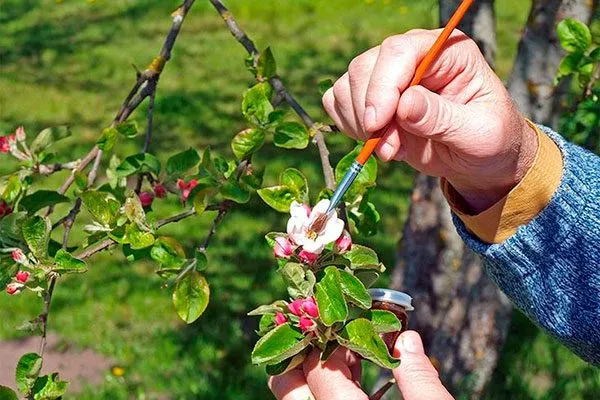
Step-by-step instructions:
- Prepare a soft brush with natural bristles.
- Carefully collect pollen from the flowers of another tree. It easily adheres to the hairs, making the task straightforward.
- Apply pollen to the stigmas of the flowers of the desired plant. Do this carefully, being careful not to damage the flower.
Before starting work, make sure the tree truly needs additional pollination. To do this, check for self-fertility in advance: isolate several flowering branches, keeping them away from insects. If almost no ovaries are formed on them, this is a sign that cross-pollination is required.
Common mistakes and how to avoid them
To obtain a good harvest, it is important not only to select the right varieties and ensure pollination, but also to avoid common mistakes that often lead to reduced or no fruiting.
The most common problems and recommendations for their prevention:
- Planting only one self-sterile variety. Without the presence of a compatible pollinator, yields will be minimal or nonexistent.
- Use of incompatible pollinator varieties. Before planting, be sure to check the compatibility of varieties to ensure that pollen can effectively fertilize the main variety.
- Lack of pollinating insects. To attract bees and other pollinators, plant honey plants and create favorable conditions for insects.
- Application of insecticides during the flowering period. Chemical treatment at this time is harmful to bees and significantly reduces the quality of pollination.
- Ignoring weather conditions. Spring frosts can damage flowers – protect trees with covering material or other means.
- Incorrect pruning of trees. Errors in crown formation can reduce the number of flowers and decrease the yield.
- Insufficient care and protection from diseases. Sick and weakened trees bear fruit poorly, so it is important to fertilize, water, and protect against pests in a timely manner.
Pollination is a crucial stage in the pear fruiting process, directly affecting the quantity and quality of the harvest. Many varieties require a suitable pollinator—another variety with which to cross-pollinate. Proper selection and care of pollinators will help avoid problems with fruit set and ensure consistent fruiting.