
The Vernaya pear has received many positive reviews from both novice and experienced gardeners. It boasts numerous characteristics and positive qualities, including good frost hardiness and pest resistance. Care is essential to ensure the plant establishes well, is disease-resistant, and produces consistent yields.
History of selection and region of breeding
This autumn variety is recommended for cultivation in the central region of the country. Breeders Yu. A. Petrov and N. V. Efimov worked on its development. It was first registered in 1958, but cultivation trials only began in 1998. It was added to the State Register in 2001.
Description of the Vernaya pear variety
This plant attracts gardeners with its appearance and large fruits. Study the plant's botanical description before planting.
The appearance of the tree
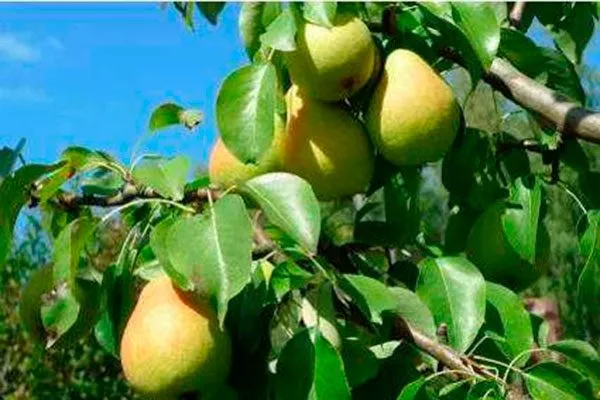
Medium-sized tree with a sparse crown of irregular, drooping shape.
Distinguishing features:
- The branches grow almost at right angles with a compact arrangement.
- The bark is smooth, brown on the main branches and trunk.
- In summer, lenticels form on medium-sized shoots.
- The buds are smooth, medium-sized, and round-conical in shape.
- The branches are covered with large, ovate leaves, dark green in color. The foliage has a smooth surface and coarse venation.
Fruits and their taste characteristics
They form on various parts of the plant: on complex and simple rings, spurs, spears, and fruiting bags. Their characteristic features are listed below:
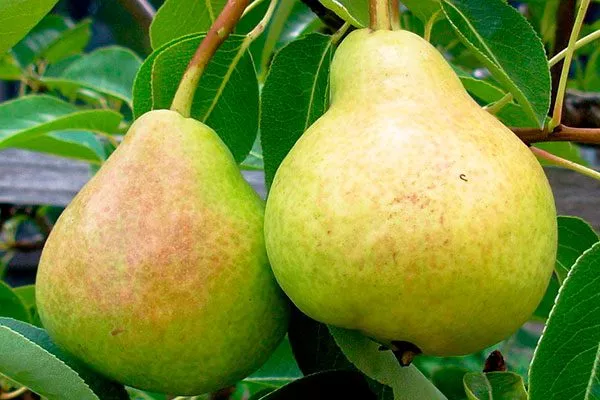
- The average weight is from 140 to 160 g.
- The skin is smooth and shiny, green during ripening, and turns yellowish-green during consumption.
- The number of subcutaneous dots is minimal and they have a grey tint.
- The peduncle is thick and slightly curved.
- The flesh is dense and fine-grained, creamy in color, very juicy, and exudes a strong, pleasant aroma. The flavor is sweet and sour.
- Chemical composition: sugar content – 10.1%, acids – 0.15%.
Characteristics and Applications
The Vernaya pear has numerous varietal characteristics that gardeners appreciate. Below are detailed characteristics of this variety:
- Winter hardiness. Withstands frosts down to -25°C. Tolerates planting well in regions with cold climates.
- Ripening and fruiting. Fruiting begins four years after planting. After that, the tree produces abundant harvests every year. In the Moscow region, it ripens in the second half of September or the first half of October. Yields increase in early autumn.
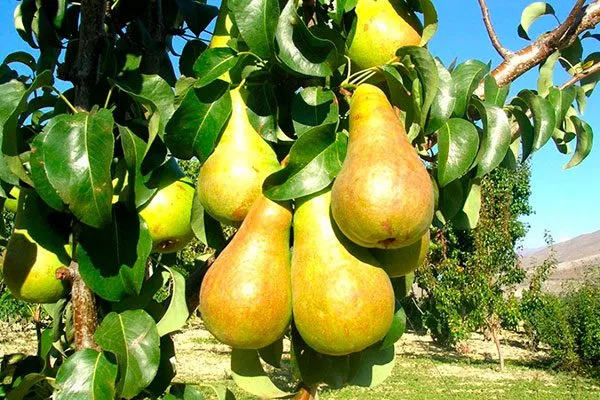
- Productivity. Despite the tree's compact size, it produces a high yield. A single plant can yield up to 40 kg of fruit per season. These fruits have excellent shelf life, making them easy to transport and allowing them to be stored for up to 60-65 days.
- Self-fertility and pollinators. Pollination requires the presence of other pear varieties nearby, as Vernaya is not self-pollinating.
- Resistance to diseases and pests. The variety has good immunity to scab, but improper cultivation practices can cause disease. It is rarely attacked by pests.
Planting and care
When planting a young tree in a garden, it's important to follow certain guidelines to ensure its successful development. Follow these recommendations:
- Recommended timeframes. Carry out the procedure in the spring, when the soil has already warmed up. In the central part of the country, this is usually early May, and in the south, April.
- Choosing a suitable location. The plant loves warmth and light, so choose a sunny, wind-protected spot away from buildings. Groundwater should be at least 2 meters deep.
- Neighborhood with other cultures. Consider the proximity of other plants. Avoid planting this crop near cherries, sweet cherries, peaches, plums, walnuts, apricots, and red rowan. It won't get along with roses or junipers.
Suitable neighbors: apple tree, raspberry, grape, quince, black currant, gooseberry, tomatoes, Chinese cabbage, cucumbers, green onions, zucchini, dill and strawberries. - Selection and preparation of planting material. Choose high-quality seedlings with a closed root system, smooth trunk and healthy shoots.
- Site preparation. It grows in a variety of soils, but prefers fertile, well-drained loams. Before planting, prepare the hole by adding a drainage layer of crushed stone and a nutrient-rich mixture containing fertilizer.
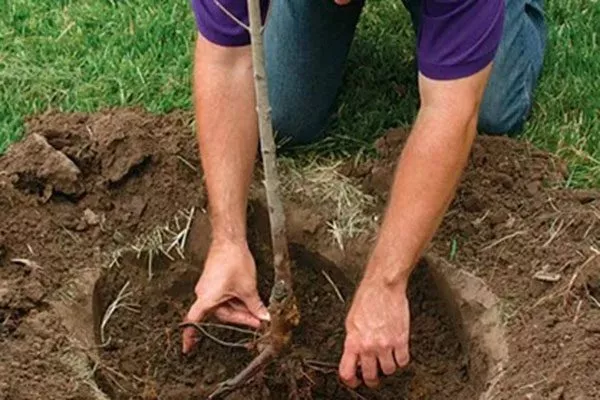
- Landing. Carefully place the seedling in the hole, spreading the roots and filling with soil so that the root collar is 3-4 cm above the soil. After this, compact the soil and water thoroughly. Trim the crown by 1/3 to ensure optimal growth.
- ✓ The seedling planting depth should be such that the root collar is 3-4 cm above the soil level, which will prevent it from rotting.
- ✓ The distance between Vernaya pear seedlings should be at least 4 meters to ensure sufficient space for the growth of the root system and crown.
Caring for the crop is simple if you follow the basic rules. Key agricultural practices:
- WateringDuring dry periods, water at least 4-5 times a month, using 10 liters of water in the morning and evening. No watering is required during rainy weather.
- Top dressingFertilize 3-4 times per season with any complex mineral fertilizer. Use superphosphate, urea, or sodium sulfate. Apply the first fertilizer in early spring before budding, then before and after flowering, and in the fall after harvest.
- Pruning and crown shapingPrune in the spring before the sap begins to flow. Remove damaged, frozen, and dry branches, shorten fruiting shoots, and treat the cuts with garden pitch.
After flowering, remove some of the ovaries to improve the taste of the fruit and stimulate fruiting next year. - Preparing for winterDuring the first year after planting, wrap young seedlings with non-woven material and insulate the root zone. Mature specimens tolerate winter better, but require mulching around the trunk to protect the roots from freezing.
Diseases and pests
It has good immunity to scab, but there is a risk of developing other diseases and insect attacks. Common diseases include moniliosis, sooty mold, powdery mildew, black canker, rust, stem rot, and brown spot.
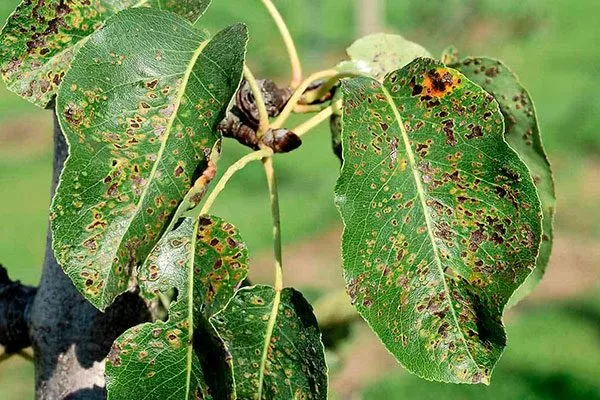
Diseases can damage crops, reduce tree productivity, and accelerate aging. To boost your immunity, take the following steps:
- Biological. Applying organic fertilizers: manure or compost. Using herbal infusions.
- Agrotechnical. Selecting the optimal planting location, regular pruning and preparation of seedlings.
- Chemical. Spray in spring and autumn to prevent diseases and pest attacks.
- Physicomechanical. Removal and burning of affected areas to prevent the spread of infection.
Do not neglect the care of the crop so that its immunity is not weakened.
Reproduction
There are several ways to increase the number of seedlings. Choose the appropriate propagation method:
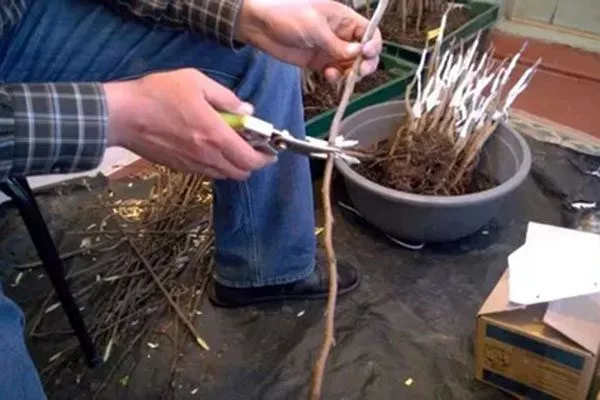
- By layering. Select healthy and strong branches, preferably one-year-old ones. Cut off shoots about 15-20 cm long from them using sharp, sterile pruning shears. Remove the foliage from the lower half of the shoot, leaving only the upper leaves.
Bury the bottom of the cutting in moist soil or compost to a depth of about 5 cm. Make sure the soil around the cutting remains moist and water regularly. After a few weeks to a month, the cuttings should show signs of rooting. After this, they can be transplanted to their permanent location. - Cuttings. Select green shoots. Take cuttings about 15-20 cm long, preferably in early spring or late fall. Remove the lower leaves, leaving only the upper ones. Place the cuttings in a container with damp sand or humus to prevent them from drying out.
- By vaccination. Select a suitable rootstock. Make a cut in the rootstock and scion so that they are firmly connected. Secure the scion to the rootstock with special tape or electrical tape. Make sure the grafting site is protected from moisture and infection.
Maintain optimal growing conditions and check the graft regularly for healing. - Seeds. Collect ripe fruits and remove the seeds. Wash and dry the seeds. Plant them in pots with fertile soil at a depth of 2-3 cm. Keep the soil moist and maintain the optimal temperature for seed germination.
| Method | Time to first fruiting | Percentage of successful rooting |
|---|---|---|
| Layering | 3-4 years | 70-80% |
| Cuttings | 4-5 years | 50-60% |
| By vaccination | 2-3 years | 85-95% |
| Seeds | 6-7 years old | 30-40% |
Propagating pears by seeds is a long and unpredictable process, as seedlings obtained this way may not inherit varietal characteristics.
Advantages and disadvantages of the variety
Before planting a crop in your garden, consider its positive and negative qualities. Vernaya has the following advantages:
Its disadvantage is its self-sterility, which requires the presence of pollinators to ensure complete pollination and harvest.
Gardeners' reviews
The Vernaya pear is a good choice for gardeners due to its ease of growth, simple care, and ability to produce large yields. This variety possesses numerous characteristics, making it a popular choice for cultivation. With proper care, it presents no difficulties.