
Gardeners view the presence of aphids on pear trees as a serious threat. These tiny parasites suck the plant's juices, weakening its immune system and reducing yield. Their presence on the foliage increases the risk of fungal and viral infestations, further exacerbating the problem.
Types of aphids on pear
This insect is distinguished by its small size. It is a "vessel" containing plant sap.
The description of its appearance includes the following indicators:
- body length - up to 3 mm;
- chitinous shell is absent;
- color varies from green to red, brown or black;
- Some individuals have wings, others do not.
The aphid eggs overwinter in the bark and soil around tree trunks. With the arrival of spring, the insects emerge and immediately begin to reproduce. Soon, a colony of females forms, each capable of laying over 60 eggs. Over the course of a season, up to 17 generations of aphids can damage the garden.
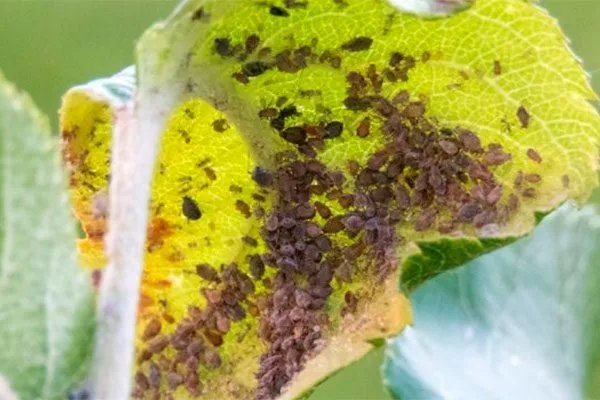
In August, gardeners observe the emergence of winged females, whose job it is to expand the colony's range. To do this, they fly from one plant to another. At the end of summer, they mate with winged males, a necessary step for the species to reproduce in the following season.
The following parts of the fruit tree seem to be a particularly attractive source of food for the voracious and omnivorous pest:
- young shoots;
- leaves;
- flower buds.
After hatching from eggs in the spring, aphids colonize all green parts of the pear tree. Using their proboscis, the insect punctures the plant's skin and sucks the sap. An entire colony can deprive the plant of nutrients, depleting it and causing stunted growth. Furthermore, the parasite transmits viruses.
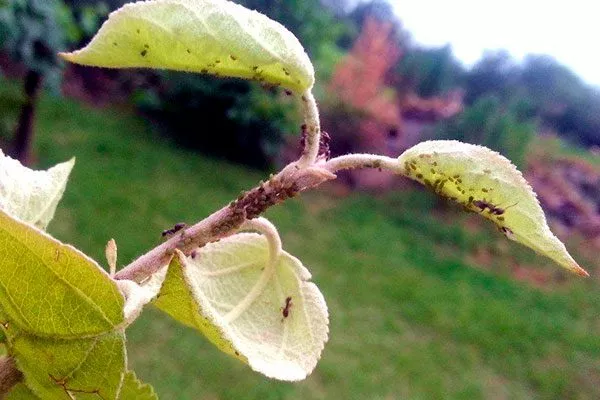
There are approximately 20 species of this voracious parasite. They attack not only pears but also other ornamental and fruit-bearing crops. They are roughly divided into two groups:
- monophages - feed on the juice of only one plant;
- omnivores - they harm various trees, shrubs, etc.
Both types are dangerous for pears. Learn about the most common varieties.
Gall aphid on pear
The parasite has another name: the pear leafroller aphid. Adults come in a variety of colors, which vary depending on the season:
- light green - in spring;
- dark green - in summer.
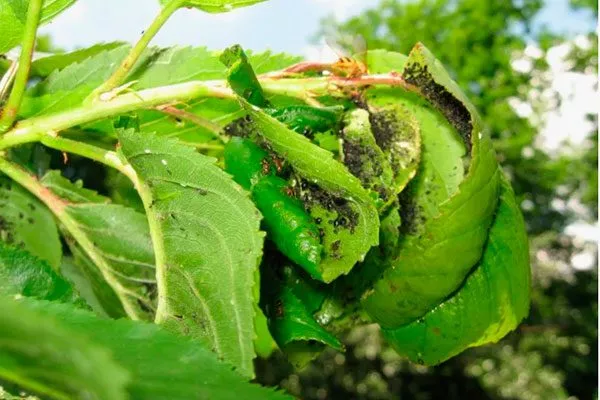
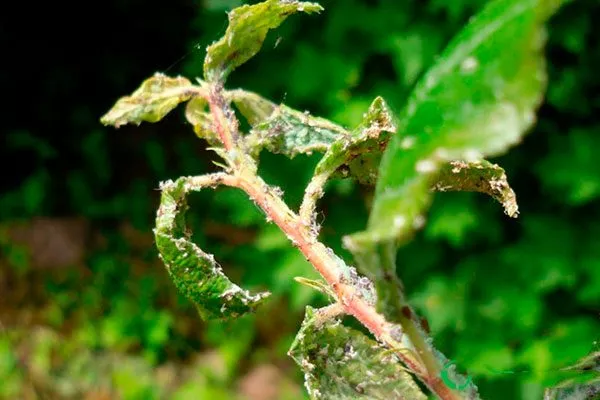
The insect lives on young leaves, feeding on their sap. It can be found on the underside of the leaf blade. It causes the leaf blade to curl, gradually turn black, and fall off. Another sign of the pest's presence is the formation of galls (swellings).
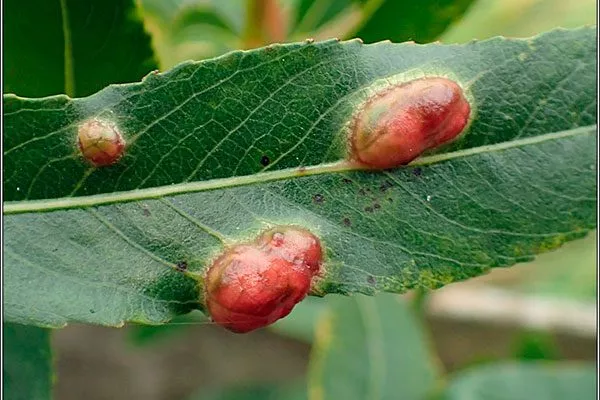
Red gall aphid
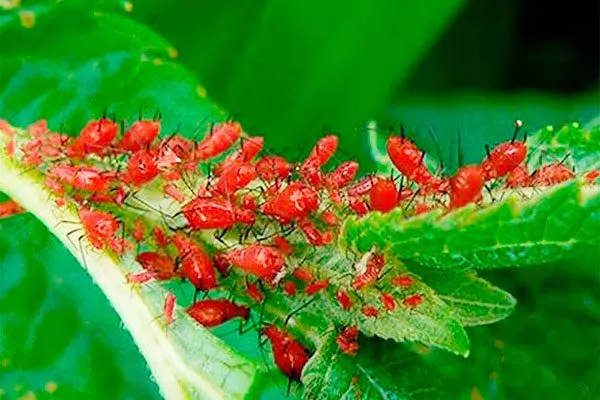
Gardeners call it the blood aphid. It feeds on the sap of any fruit crop, not just pears. Visually, a colony of red gall aphids can be mistaken for a piece of cotton wool, due to the fact that the brown body of each parasite is densely covered with white hairs. When crushed, a red liquid appears.
Green aphids on pear leaves
These insects appear in the spring, infesting the undersides of the leaves of various fruit crops. They come in two types:
- pear-umbelliferous (less common, damages only pears);
- common, attacking any plants in the garden.
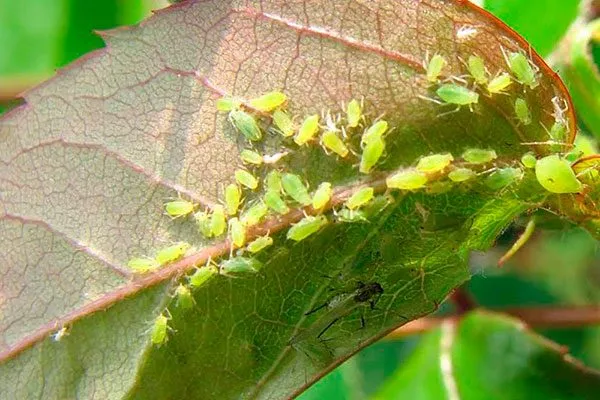
Visually, the parasites are very similar. The difference can be noticed only upon closer inspection: the umbrella aphid's body is a bright lime color, while the common aphid's is a pale light green. The former causes the leaf to curl into a boat-like shape.
Causes and harm
Pear aphid infestation is most often the result of poor care and gardener errors. The following are the causes:
- the expansion of a small colony that has successfully overwintered;
- introduction of individuals from neighboring areas;
- planting of poor quality material (seedlings infected with parasites);
- use of infected soil;
- the presence of anthills in the garden;
- using compost from a heap to which plant residues containing insects have been added.
This insect is considered the pear tree's most dangerous enemy. The fruit tree not only loses its decorative appeal due to leaf curling, crushing, shedding, and branch curvature and drying, but also suffers from poor health. Aphid infestation leads to disastrous results:
- cessation of development and growth;
- non-ripening of fruits, their premature falling off;
- decreased immunity, endurance, frost resistance;
- increasing the risk of tree infection by fungi and viruses;
- deterioration in the taste and appearance of fruits.
If you ignore the problem, the pear tree will wither and dry out, and stop bearing fruit. Without treatment, the tree will die within 2-3 years.
Agricultural technology rules for pest control
Standard agricultural practices, applied in combination, will help you overcome this miniature parasite. They prevent the aphids from multiplying and spreading, and will also serve as a preventative measure.
Preparing for winter
In the fall, when the insect lays eggs, take measures that will prevent aphids from hatching from eggs the following spring:
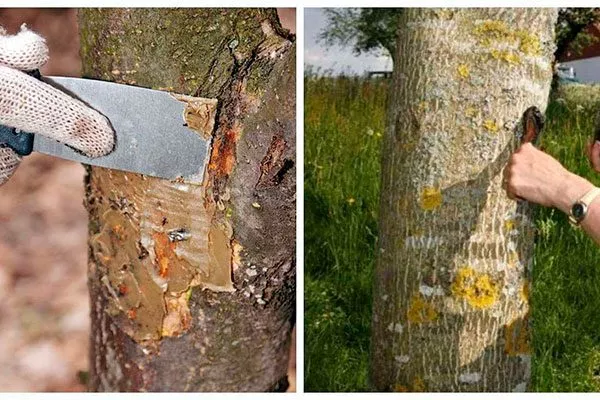
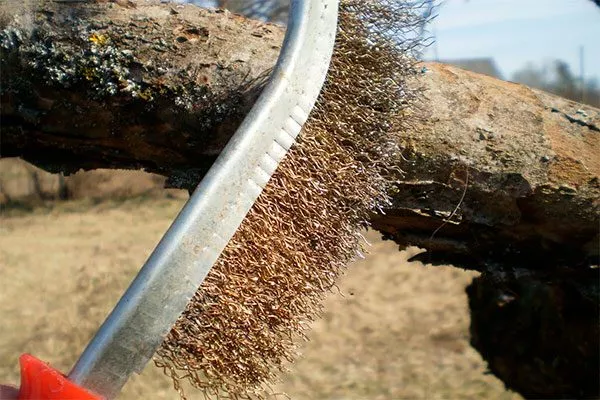
- remove old and peeling bark from the pear;

- clear the trunk of moss;
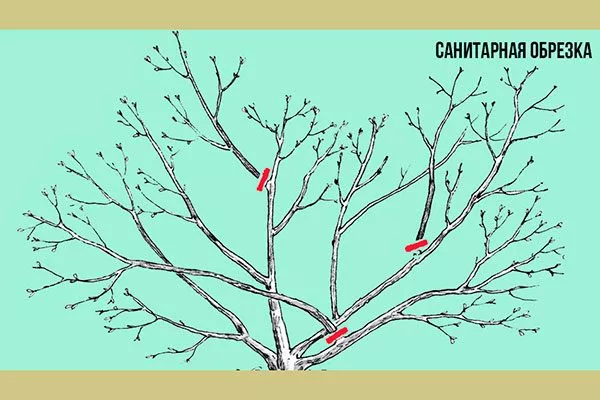
- perform sanitary pruning of the crown;
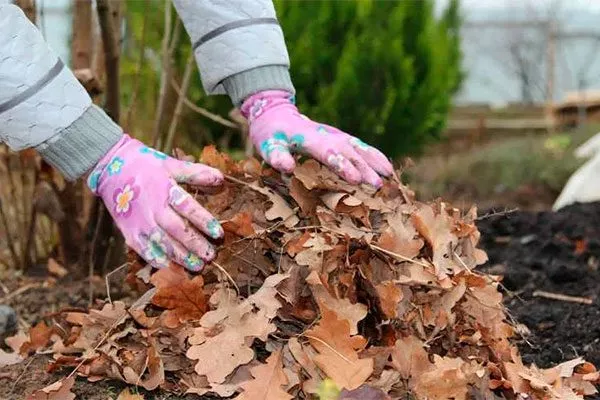
- collect fallen leaves and plant debris from the tree trunk area and remove them from the area;
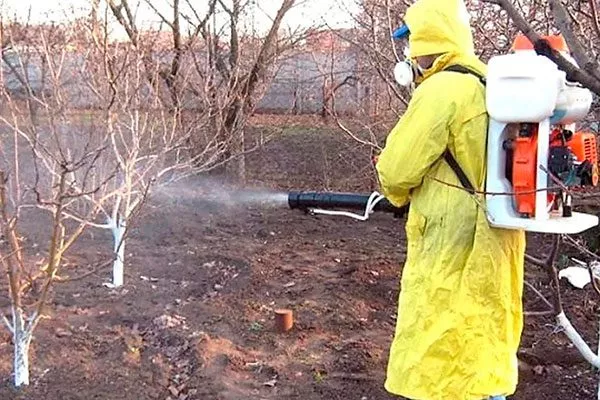
- Spray the tree with urea dissolved in water (500 g per 10 l).
Treatment with preparations in spring
To protect your pear tree from aphids, spray the crown in the spring with special commercial products or folk remedies. Apply several treatments at the following times:
- Before bud swellingOnce stable warmth has been established, generously spray the tree branches with a urea solution (5%) to destroy overwintered eggs and larvae.
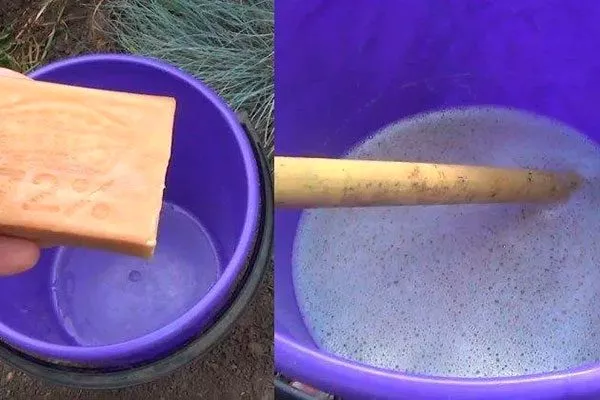
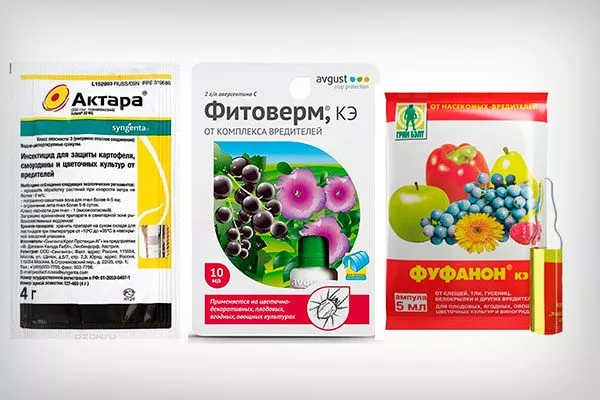
You can treat the plants with soapy water (50 g of laundry soap shavings per 10 liters of water) with 300 g of wood ash added. This will prevent aphids from drinking sap from the buds. - Before flowering. Immediately after the first leaves appear, apply Aktara, Fufanon, or the biological product Fitoverm. This procedure is aimed at eliminating insects that hatch from their eggs.
Repeat applications of these same insecticides or use products containing active ingredients such as abamectin and thiamethoxam before bud break. Use at least 10 liters of solution per trunk.
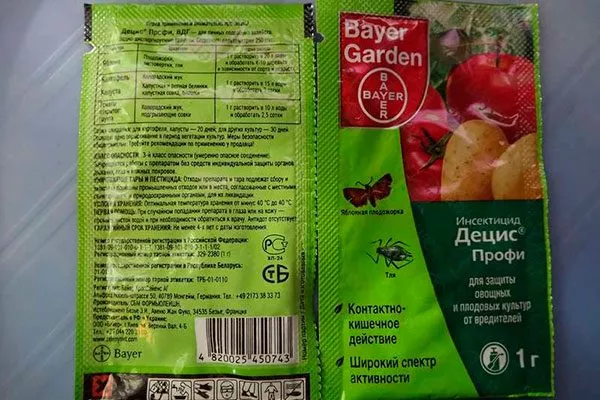
Protect the pear tree from pests during the period of active growth and fruit set. Do not treat flowering trees. - When the fruits setSpray again after flowering. Be careful not to damage the emerging buds. Use Decis and other insecticides (the same ones used before flowering).
It is acceptable to use folk remedies: soapy water, tobacco infusion, dandelion.

The most effective ways to control aphids
Controlling this small but numerous pest is difficult. You're unlikely to completely rid your garden of its presence in the summer, but it's entirely possible to minimize its numbers and prevent infestation of other trees. There are many ways to achieve good results.
Mechanical
Try to control aphids on your pear tree manually if the infestation is not very large. Use methods that allow you to avoid the use of chemicals:
- Destruction of affected fragmentsRemove any foliage showing signs of infestation and carefully prune any affected branches. Afterward, collect all cuttings and remove them from the area. Dispose of them by burning.
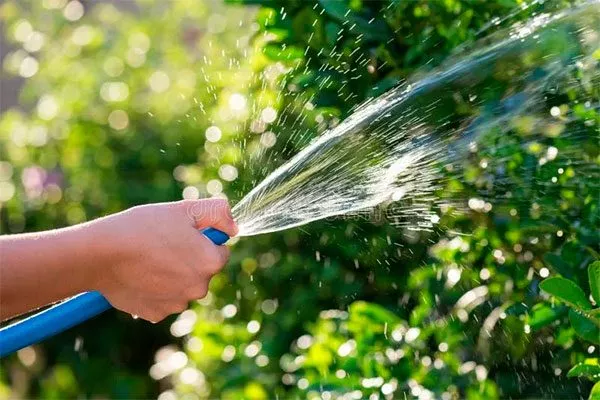
- SprinklingTry washing away insect infestations from the foliage with a stream of water from a hose. The aphids will be trapped on the ground and, after the "shower," will be unable to climb the tree on their own. This method will be effective if there is no anthill near the pear tree. Repeat the procedure several times. It is not recommended for pear trees during the flowering period.
Folk remedies
In the initial stages of pear aphid infestation, when there are only a few parasites, it makes sense to use homemade insecticides that are natural and safe for the environment.
Ash infusion or decoction
To combat small parasites, use powdered wood ash. Use this raw material to create one of the following remedies:
- InfusionPour 110 g of dry substance into 12 liters of cold water. Let it steep for 2 hours. Strain. Add 110 g of laundry soap shavings to the resulting liquid.
- DecoctionTake 300-400 g of ash. Pour boiling water (10 liters) over it. Simmer for 2 hours, stirring occasionally. Remove from the stove. Cool. Be sure to strain before use.
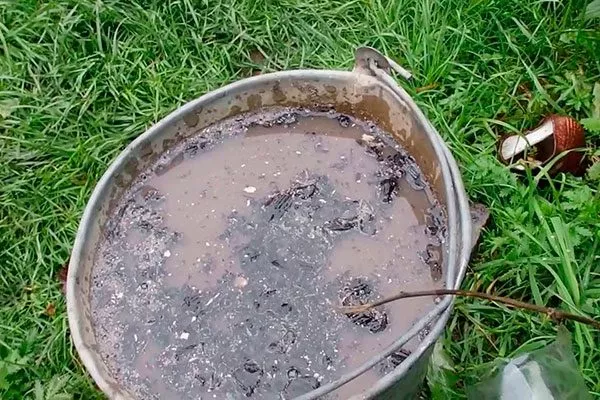
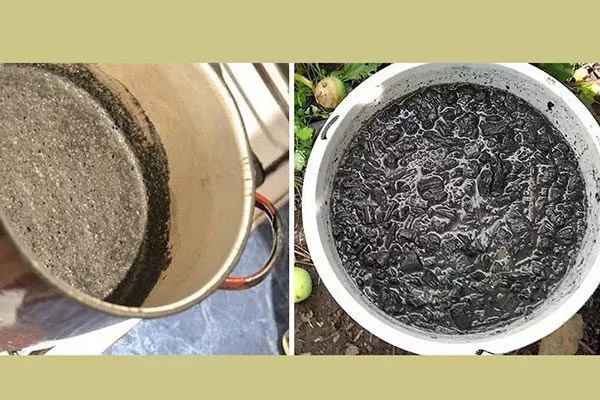
Using the ash solution prepared according to one of the recipes described above, generously spray the affected foliage on all sides. Schedule the treatment for the evening. The weather should be dry and cool. Repeat the treatment every 5-7 days until the pests disappear.
Infusion of nightshade tops
To prepare the liquid mixture, take a three-liter jar. Fill it halfway with coarsely chopped potato or tomato tops. Pour boiling water over the contents. Close the lid. Let it steep for 24 hours. Strain the infusion and add a few soap shavings.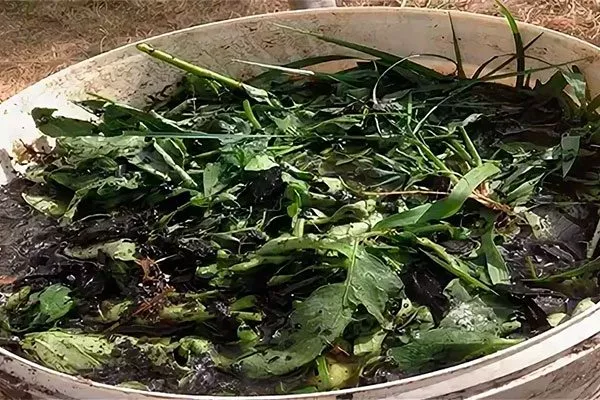
Spray the pear tree's crown on the foliage. Repeat treatments every 7-10 days until the aphids disappear.
Tomato tops decoction
To prepare this effective insecticide, take the following ingredients:
- leaves, stems, tomato shoots (fresh) - 4 kg;
- dried tomato tops - 2 kg;
- water - 10 l;
- soap shavings - 30-40 g.
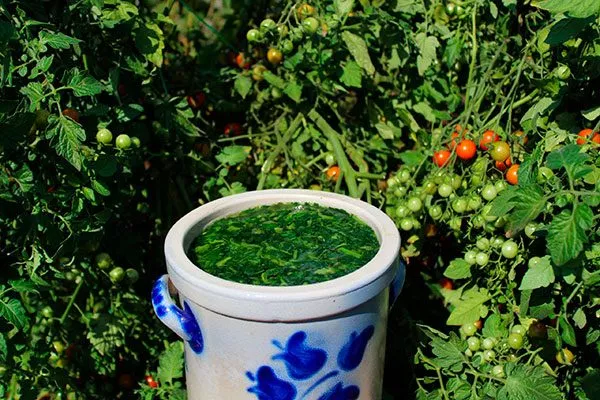
Pour water over the herbal mixture. Simmer for half an hour. Cool the resulting infusion and strain. Before use, dilute it with water (1:5). For better adhesion to the leaves, add soap.
Celandine or bitter wormwood
Pour boiling water (approximately 2 liters) over fresh plants (0.5 kg). Let the mixture steep for 1 hour. Before use, strain and add water to bring the volume to 10 liters.
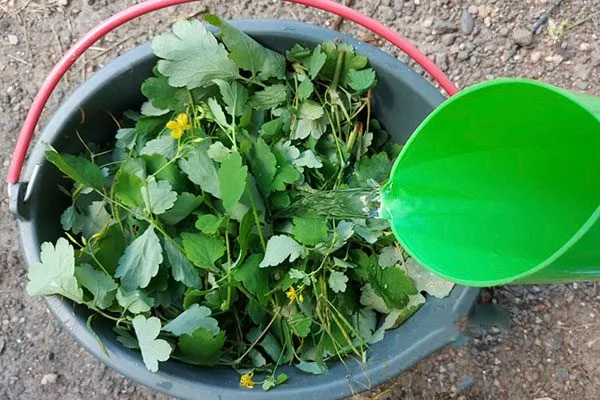
Spray the pear tree with the herbal infusion every other day. Continue treatment until the aphids disappear.
Milk and iodine
To obtain an insecticidal solution that will be beneficial to the crop even when it is affected by diseases, take the following ingredients:
- water at room temperature - 1 l;
- low-fat milk - 100 ml;
- iodine - 0.5 ml.
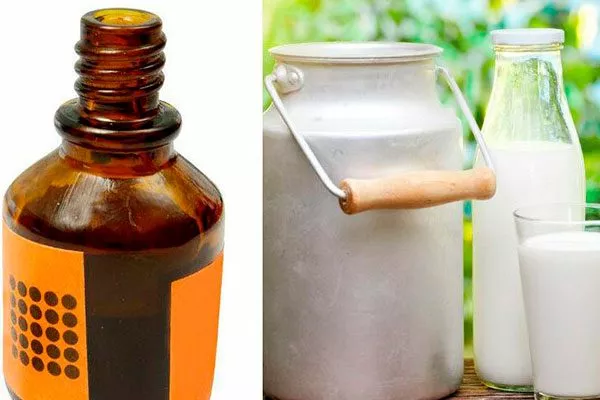
Combine the ingredients. Mix the resulting liquid thoroughly. Spray the pear tree's crown in the morning or evening to prevent foliar burn. Apply once every 5-7 days.
Dandelion
Pour 10 liters of warm water over 300-400 g of crushed plant leaves and roots. Let steep for 3-4 hours (or overnight).
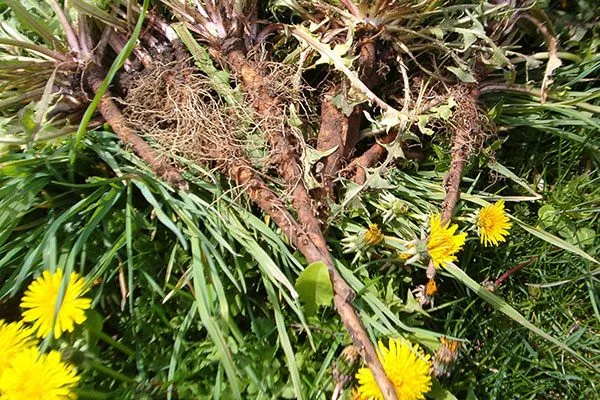
Apply the spray directly to the leaves, paying particular attention to the undersides. Repeat spraying every 2-4 days. Optimal conditions include dry, windless weather, morning and evening.
Soap solution
To create an effective aphid control solution for pear trees, use water (10 l) and soap (90-100 g). The following types are suitable:
- tar;
- household.
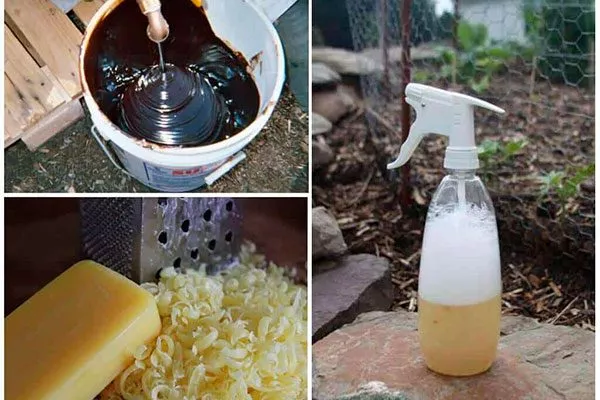
Grind the wood shavings using a grater. Dissolve the shavings in boiling water. After cooling, pour the soapy water into a spray bottle. Spray the affected trees. Repeat treatments every 2-3 days.
Ammonia
Prepare a solution using the medication. To make it, mix 50 ml of ammonia and 10 liters of water.
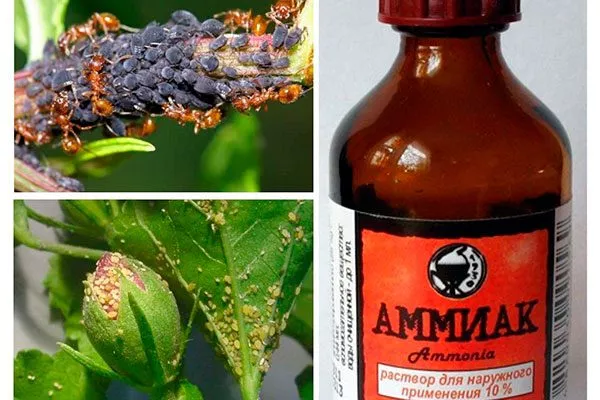
Use an aphid treatment in your garden in early summer. It will act as both an insecticide and a nitrogen fertilizer for your pear tree.
Tobacco
To get rid of pests on a fruit tree, prepare a remedy from the following ingredients:
- water - 10 l;
- tobacco dust - 400 g;
- soap shavings - 20 g.
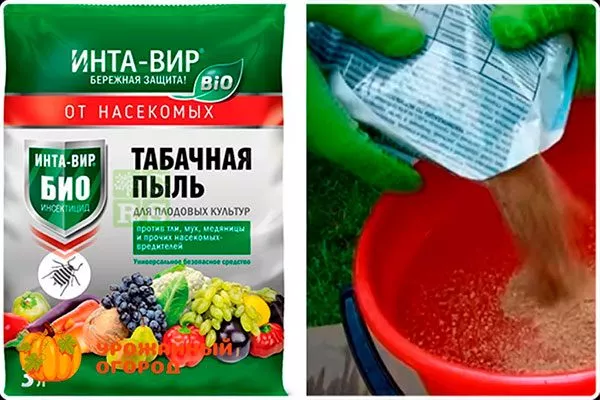
Combine the ingredients. After the soap has dissolved, strain the resulting liquid. Apply it one sheet at a time 2-3 times a week.
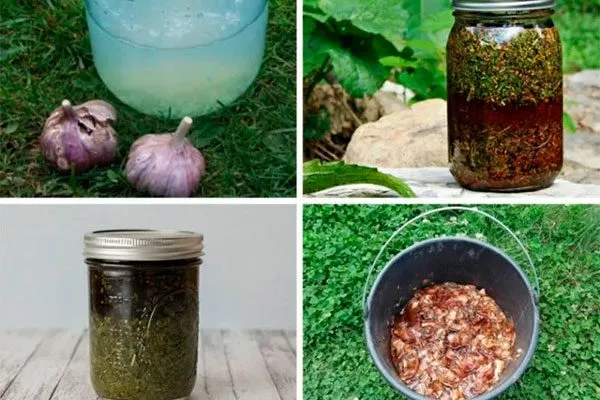
Garlic
Grind 150 g of garlic cloves into a pulp and add 10 l of water. Let it steep for 24 hours. Strain.
Vinegar
To prepare a remedy that repels pests from pear trees with its pungent odor, you will need to stock up on the following products:
- table vinegar with a concentration of 9% - 75 ml;
- water - 10 l;
- liquid soap - 15-30 ml (it will ensure that the composition adheres to the foliage).
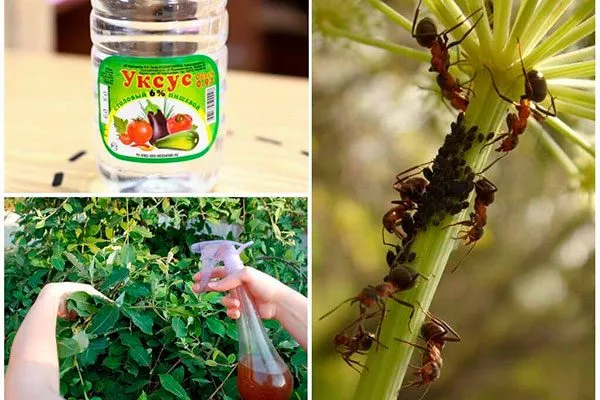
Combine the ingredients and apply to the tree's leaves. Repeat every 3-4 days until the aphids disappear.
Onion peel infusion
Pour boiling water (10 l) over the dried herbs (200-250 g). Let steep for 5 days. Strain before use.
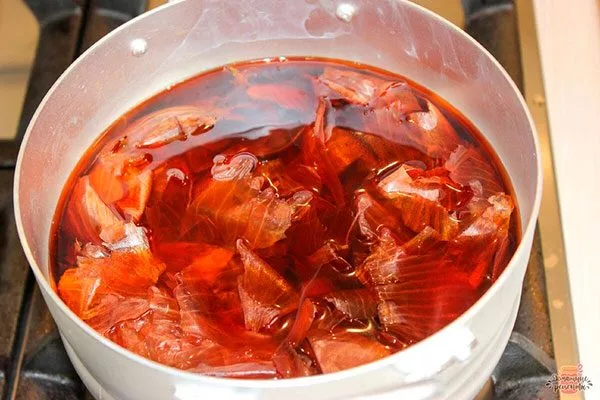
Spray the fruit planting with an onion infusion every 7-10 days. Continue using this solution until the pest disappears.
Red pepper
This pungent vegetable will help you solve the problem of insect attacks on your pear tree. Make a solution using it. Use the following ingredients:
- 7-9 fresh pods;
- water - 1 l;
- soap shavings - 20 g.
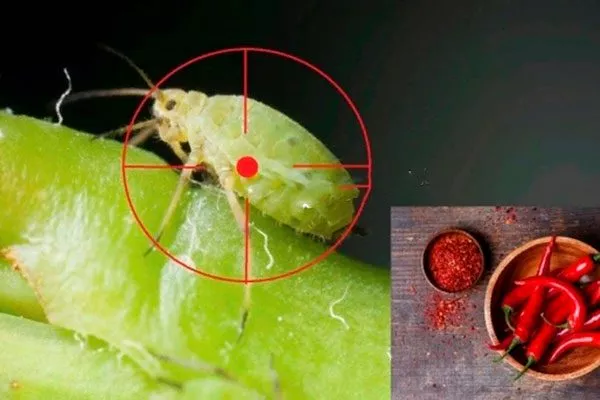
Chop the red hot pepper. Pour water over it. Let it steep for 24 hours. Strain. Add soap to the mixture. Strain before use. Apply to the leaves. Repeat after 5-7 days.
Birch tar
To make your own insecticide:
- Dissolve tar soap shavings (50 g) in boiling water (1 l).
- After cooling, add tar (1 teaspoon) to the mixture.
- Stir.
- Add 20 liters of water.
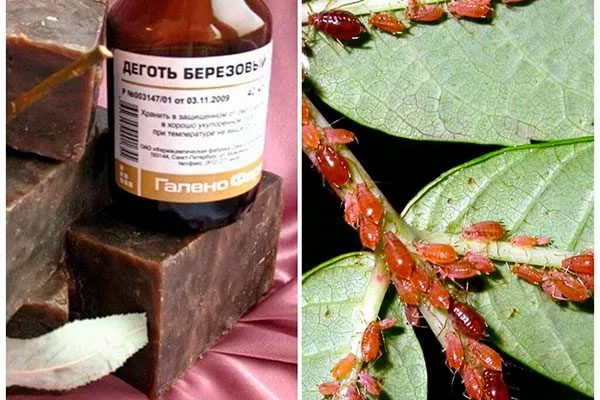
Apply the product 2-3 times per season, leaving a 1 month interval between treatments.
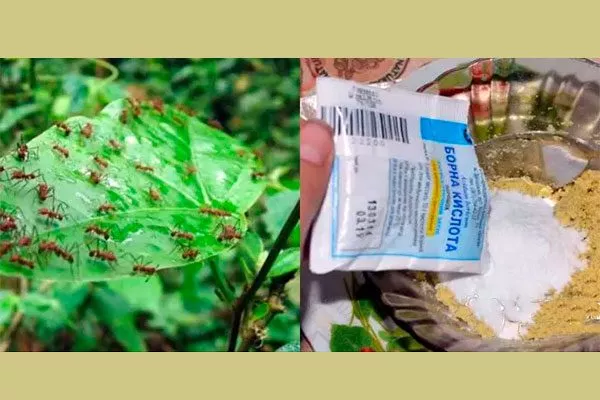
Boric acid
Dissolve the preparation (5-10 g of powder) in a small amount of warm water. After cooling, bring the volume up to 10 liters. Apply the mixture according to the following instructions:
- spray it on the tree leaves;
- carry out 2-3 treatments per season;
- The best time to perform the procedure is morning or evening hours.
Soda
Dissolve the dry substance (15-20 g) in water (1 l). Stir and pour into a spray bottle.
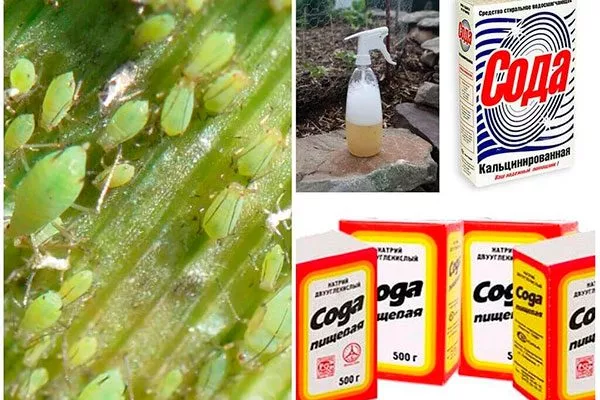
Spray the affected pear tree leaves and branches with baking soda water. Repeat this procedure every 7-10 days until the pest is completely gone.
Mustard
Use the dry product in powder form. Prepare a solution using it. To do this, combine the following ingredients:
- mustard - 100 g;
- water - 10 l;
- liquid soap - 15 ml.
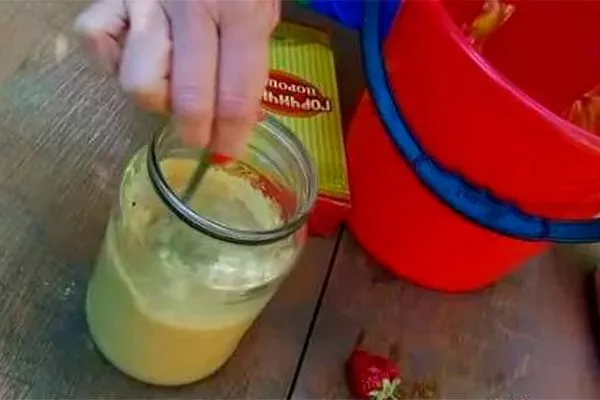
Let the liquid mixture steep for 1 hour. Strain. Before use, dilute with water (1:1). Apply to the garden once a week.
Vodka
Dilute 300 ml of the alcoholic drink with water (1 liter), add soap shavings (20 g). Vodka in this recipe can be replaced with 150 ml of alcohol.
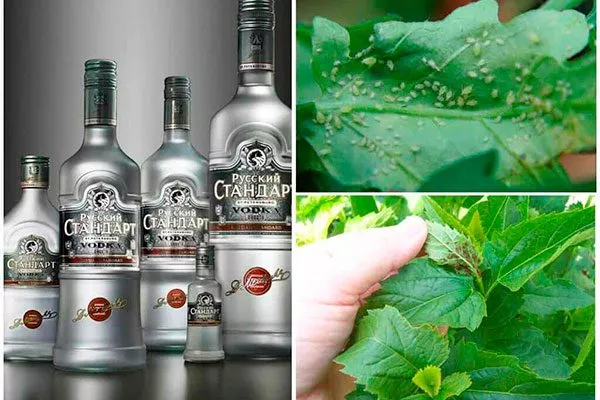
Do not apply the solution during pear blossom season. Apply it in the evening on a windless day.
Essential oils
To combat aphids and other harmful insects, particularly mosquitoes, use an aromatic solution (5-10 drops per 1 liter of water). Gardeners consider the following aromatic oils to be the most effective:
- rosemary;
- clove;
- thyme;
- peppermint;
- lavender;
- basil;
- eucalyptus;
- fir.
Apply to the pear in the evening or morning. Repeat the treatment every 7-10 days.
Pine needles
Grind 1-1.5 kg of fresh herbs and pour 10 liters of boiling water over them. Let the mixture steep for 5-7 days in a warm place, stirring occasionally. Strain and dilute with water (1:1).
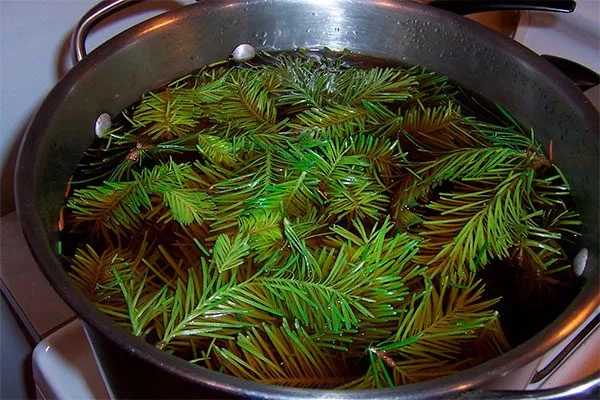
Use the freshly prepared solution to spray the pear tree. Repeat the procedure several times, before and after flowering.
Chemicals
If your crop is severely infested, use a commercial insecticide. The undeniable advantage of chemical aphid control is the rapid, lasting results. The most popular products in this category include:
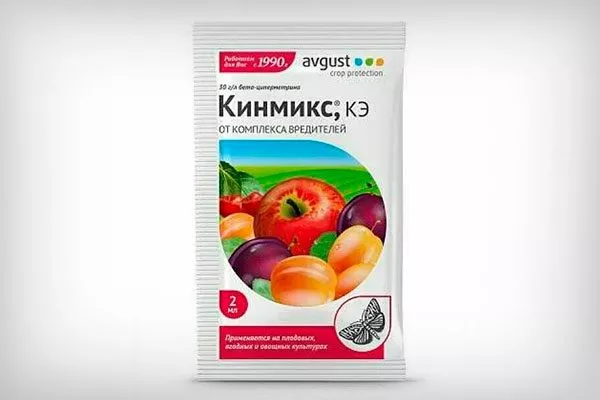
- KinmixIts active ingredient is beta-cypermethrin. It is a stomach-and-contact insecticide that kills flying aphids and their larvae. It paralyzes the parasite once inside its body. The effect lasts up to 3 weeks.
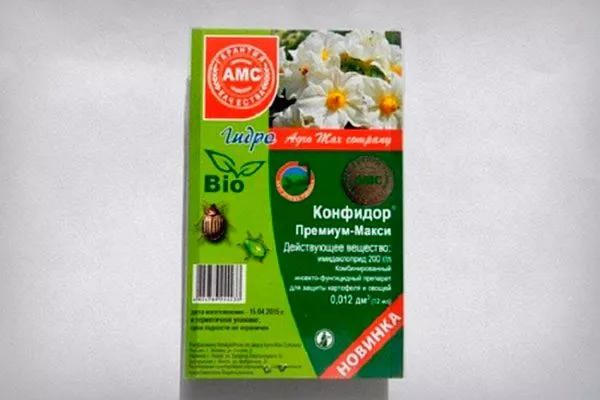
To prepare the solution, take 2 ml of the product and 5 liters of water. Apply two applications to the pear tree. - Confidor-MaxiProvides systemic action. Effective against sucking and chewing parasites. The active ingredient is the neurotoxin imidacloprid. The effect lasts for 15-30 days. Most effective at temperatures of 12-25°C.
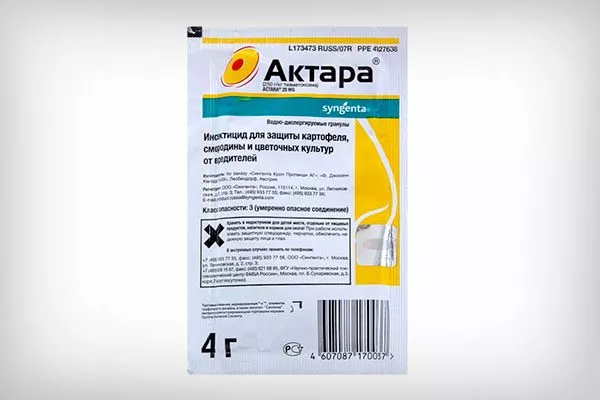
Dissolve 1 g of the substance in 10-14 liters of water. This amount is enough to treat 4-6 trees. - AktaraThe product's main ingredient is thiamethoxam. Thirty minutes after spraying the crown, aphids lose their ability to feed and soon die of starvation. Protection from the pest lasts for 15-30 days.
Prepare a solution using 1.4 g of the substance (1 sachet) and 10 liters of water. Apply 2-5 liters per trunk.
Biological methods
If you are against using poisons in your garden, choose environmentally friendly methods to protect your pear from aphids, such as:
- Natural enemies. Attract beneficial insects to your area to help you eliminate these tiny pests:
-
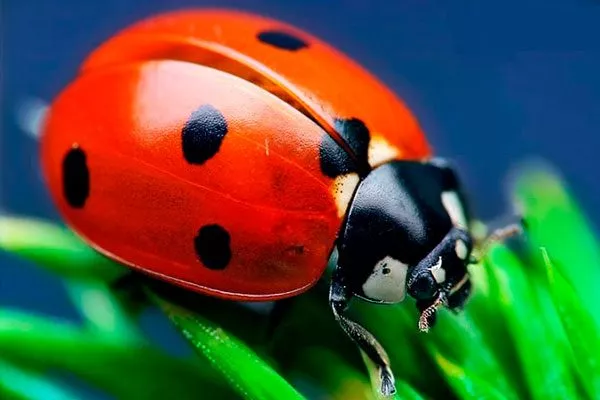
- Five-spotted ladybug (sunshine). An adult destroys about 5,000 aphids in its lifetime.
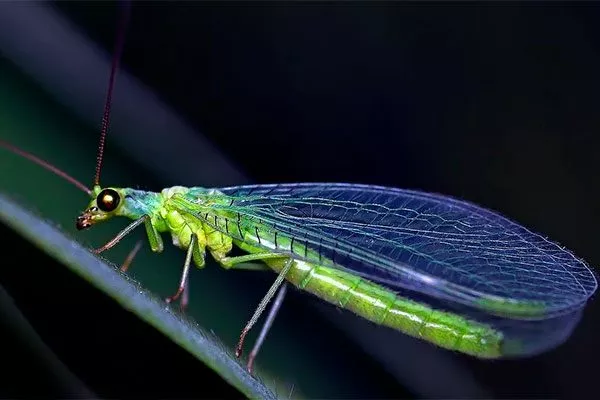
- LacewingThis yellow-green insect with golden eyes eats at least 4,000 aphids during its 60-day development.
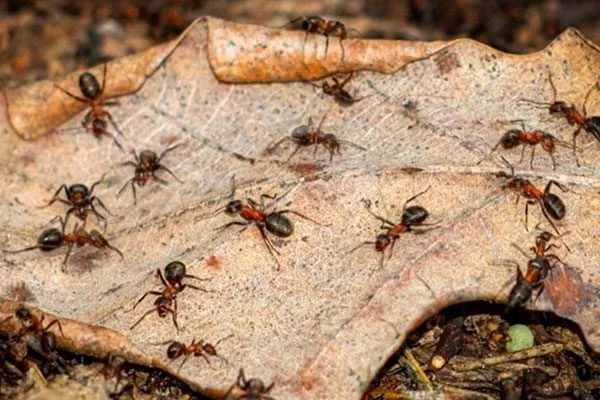
- Red antsUnlike black aphids, which protect them, these insects destroy the parasite. They overwinter in fallen leaves.
- Five-spotted ladybug (sunshine). An adult destroys about 5,000 aphids in its lifetime.
Birds can also help combat pest infestations. Hang bird feeders from trees.
- Biopreparations. Unlike chemical treatments, they can be used to treat pear orchards at any time: before and after flowering, and shortly before harvest. The disadvantages of insecticides in this category are that they take a while to take effect and are almost completely washed away by rain.
Gardeners consider the following to be the most effective:
-
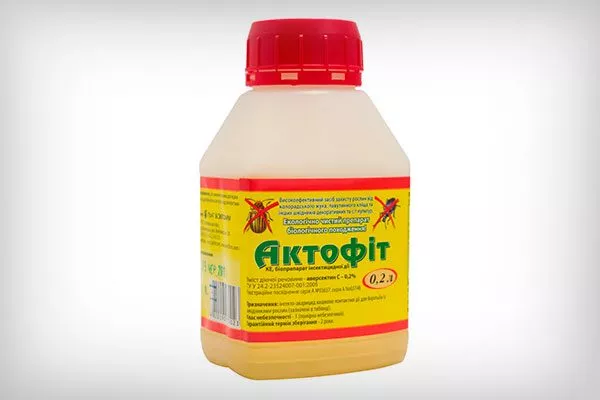
- ActofitThis is a natural neurotoxin, aversectin-C. It works at temperatures ranging from +18°C to +35°C.
Before use, dilute the liquid concentrate with water (6 ml per 1 liter). Apply 2 times. Do not spray pear trees during the flowering period (this may harm bees).
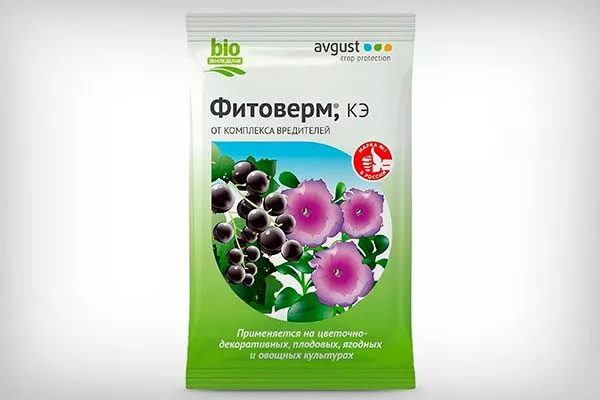
Harvest the crop 5 days after using the substance. - FitovermThe product's base is bitoxibacillin. It's both an antiparasitic and a nutritional supplement. Dissolve 2 ml of concentrate in 1 liter of water. Perform 2-3 treatments, with 7-10 days between treatments.
The substance's effect begins 3 days after spraying. The protective effect lasts for 20 days.
- ActofitThis is a natural neurotoxin, aversectin-C. It works at temperatures ranging from +18°C to +35°C.
Preventive measures
To avoid having to deal with an aphid infestation this summer, strictly adhere to fruit growing practices. Focus on measures that help prevent the problem:
- Regularly remove weeds that appear under trees;
- remove plant residues (weeds, fallen leaves, shoots cut during sanitary procedures) from the site and burn them;
- dig around the trees twice a year: in early spring and in autumn after harvesting;
- fight ants that contribute to the spread of aphids in the garden;
- Treat the trunks with lime before the first branches appear in early spring;
- remove old dry bark;
- Increase the immunity of the pear by applying fertilizers correctly;
- Do not neglect preventative treatments of the crown with fungicides and insecticides.
To repel small pests from your pear tree, plant nearby plants that repel pests with their pungent odor:
- garlic;
- onion;
- parsley;
- celery;
- mint;
- lavender;
- marigold;
- calendula.
Pay special attention to preparing the tree for winter. After the leaves fall, treat it with disinfectants: copper sulfate (1%), urea solution (5%). Continue treating the tree with these solutions in the spring (late March, early April).
Common mistakes
When combating aphids, inexperienced gardeners often make mistakes that reduce the effectiveness of their measures. The most common mistakes include:
- Untimely processing of plantingThe later you discover parasites on a tree, the more difficult it is to get rid of them.
- A small number of proceduresTo achieve a positive effect, spray the crown repeatedly. The plant especially needs protection during periods of active parasite reproduction.
- Failure to prevent the problemWithout preventative treatments in the spring (before flowering) and in the fall after harvesting, the risk of aphid infestation increases significantly.
- Failure to comply with dosages in the preparation of the solutionDon't change the proportions at your own discretion. Follow the recipe exactly. If prepared incorrectly, the remedy will not be effective.
- Insufficient amount of liquid to treat the crown With insecticidal properties. Spray the pear tree's foliage and shoots generously. Pay special attention to spraying the undersides of the leaves.
Frequently asked questions
Experienced gardeners are happy to share their wisdom with gardening novices. Their answers and tips will help you effectively combat and eliminate pest infestations.
What smells do aphids not tolerate?
Pests are afraid of strong odors. Use them to solve the problem. To repel pests from pear trees, use:
- decoctions of garlic, celandine, wormwood, horseradish, potato or tomato tops;
- vinegar and ammonia;
- essential oils (lavender, mint, rosemary);
- pine, tobacco infusion.
Why should you avoid harsh chemicals?
Commercial insecticides quickly kill aphids, but they are unsafe for humans, pets, and beneficial insects. Their residues are often found in fruit.
If you want to get an environmentally friendly harvest and care about the environment, give preference to biological products and natural methods of pest control.
Where do aphids come from?
The parasite emerges in the spring from eggs that have overwintered in the tree's bark. If a small number of aphids on a pear tree aren't detected promptly and measures taken to eradicate them, you'll be faced with a pest infestation. The following factors contribute to its spread:
- the presence of anthills in the garden;
- windy weather.
How to properly treat plants?
To achieve a positive result, spray according to the rules:
- carry out the treatment in cloudy weather or in the evening to avoid rapid evaporation of the solution in the sun;
- Water the leaves and shoots generously from all sides, especially from the back;
- repeat the procedure after 7-10 days (use some folk remedies more often - 2-3 times a week);
- Carry out treatments repeatedly until the parasites disappear completely (use chemicals 2-3 times per season, homemade decoctions and infusions - as many times as necessary).
Which pear varieties are resistant to aphids?
Grow crop varieties with strong immunity and good frost resistance. They are less susceptible to pest attacks. Gardeners consider these varieties to be:
- August dew;
- In memory of Yakovlev;
- Northerner;
- Chizhovskaya;
- Beauty;
- Lada and others.
Aphids on pear trees are a problem that can't be ignored. To maintain the tree's health and productivity, employ a full range of pest control methods and don't neglect prevention. By acting promptly and competently, you can achieve positive results.