
The Tsarskaya pear has gained popularity among Russian gardeners for its high disease resistance, despite its low frost tolerance. With proper care, it can grow a well-developed plant that produces regular and abundant harvests of juicy fruit.
Who developed the variety and when?
There is no information about the origin of the Tsarskaya pear. This variety is considered ancient, but even today it remains popular among gardeners worldwide, including in our country.
The appearance of the tree
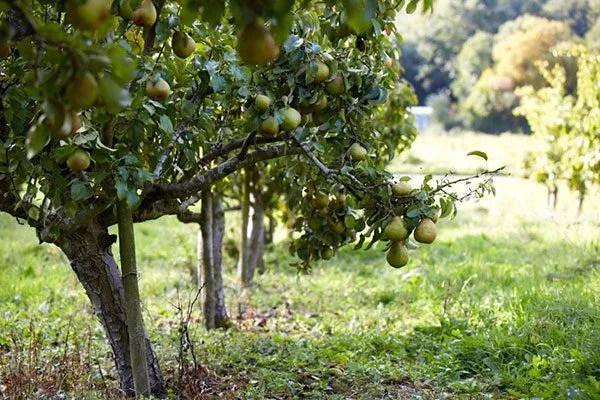
The tree is vigorous, reaching 5-6 m in height. Other notable characteristics:
- Has a strong root system.
- The crown has a pyramidal configuration and medium density.
- The branches are covered with medium-sized leaves, colored in an emerald hue.
- The leaves are ovate and have a smooth surface.
- The bark of the trunk and branches is colored brown.
Fruits and their taste characteristics
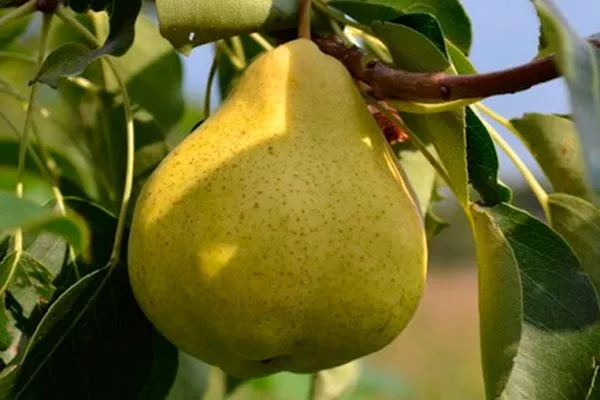
The Tsarskaya pear attracts gardeners with its sweet, intensely aromatic fruit. Key characteristics include:
- The weight reaches up to 100 g (some specimens can reach 160 g).
- They have a classic shape.
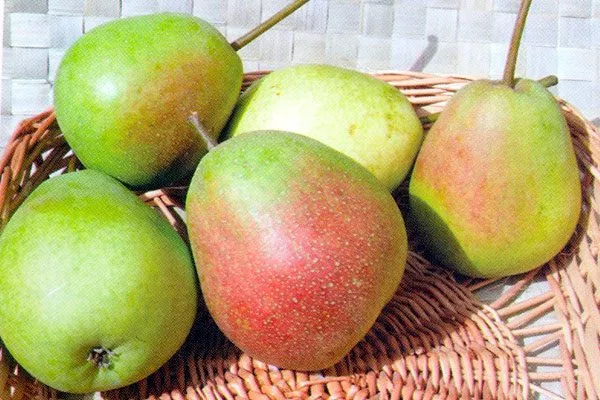
- The skin is yellowish-green in color with a slight blush.
- The creamy flesh has a pleasant texture.
Varietal qualities of the Tsarskaya pear
This crop is noteworthy for its numerous characteristics. It produces regular harvests and has other varietal qualities, which will be discussed below.
Ripening period and yield
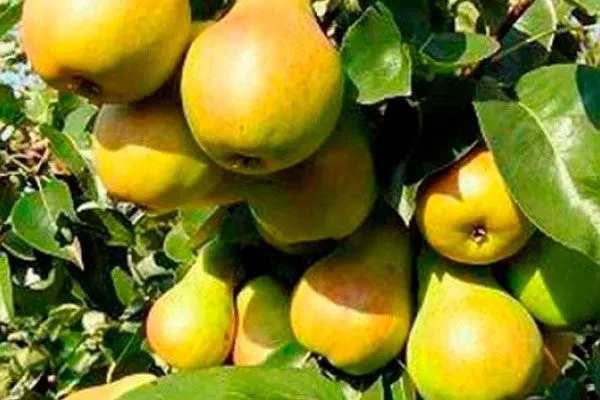
The pear tree begins bearing fruit 7-8 years after planting. This summer variety produces good yields with proper care. Fruit harvesting begins in August. Gardeners harvest approximately 50-60 kg of juicy fruit from a single tree.
Location and soil requirements
When choosing a landing site, there are a few things to consider. Consider the following:
- Location of the siteThe culture thrives in sunny and wind-protected locations.
- Soil acidity indexThe soil must be neutral.
- Groundwater levelIt is desirable that the groundwater level be below 1.8 m from the ground surface.
Winter hardiness
The Tsarskaya pear has lower winter hardiness than more frost-resistant varieties. Therefore, in northern regions, it is recommended to provide cover using thick materials to protect the plant from adverse winter conditions.
Subtleties of planting
In the southern regions of the country and Central Russia, the process usually begins in the fall. In northern regions, the preferred time for planting is spring, when the soil warms to 8°C or more.
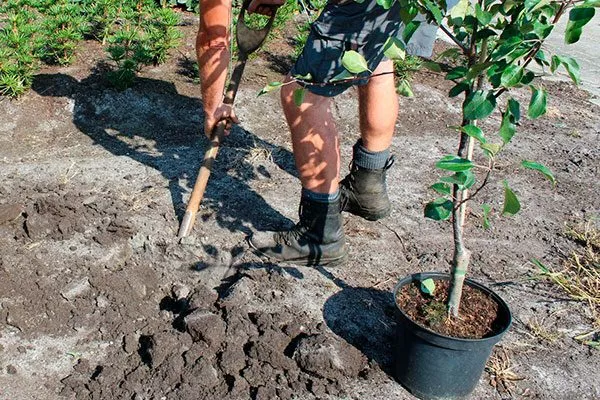
Below is the planting diagram:
- Preparing seedlingsSoak the root system of young trees in a growth activator solution a couple of days before planting.
- Formation of pitsDig planting holes up to 80 cm deep in the area. Leave up to 4 m between holes, and 3 m between rows. Add a layer of fertilizer and drainage at the bottom of each hole to remove excess moisture.
- LandingDrive stakes into the center of the holes and then tie the young seedlings to them.
- ✓ The planting depth should be at least 80 cm to ensure the stability of the root system.
- ✓ The distance between trees should be at least 4 m, and between rows – 3 m for optimal crown development.
The final step involves filling the holes with soil. Firm the soil and water the seedlings generously, using settled water.
Care and cultivation
The Tsarskaya pear requires special care when young. This includes the following agricultural practices:
- WateringDuring the first few years, regular and abundant watering is necessary, as the plant does not tolerate drought well. Avoid overwatering to prevent root rot.
- Top dressingNo fertilizer is required for the first five years. Apply fertilizer in the sixth year of growth, using organic and mineral mixtures. Apply the fertilizer at the roots in early spring or in the fall, after fruiting has finished.
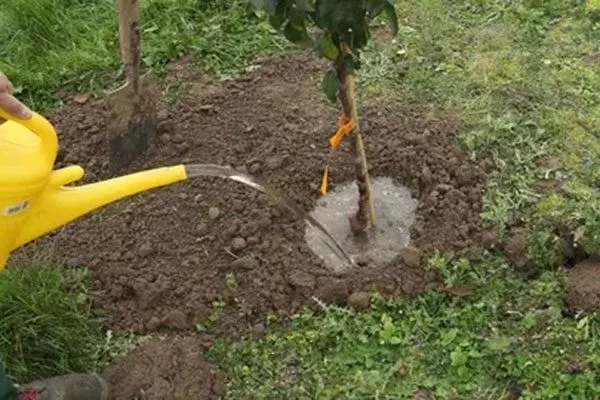
Additionally, loosen the soil after each watering to saturate it with oxygen and accelerate the flow of nutrients to the plant roots.
Diseases and pests
The royal pear has a strong immune system. The tree is resistant to scab and most other diseases, and it can withstand insect attacks. To prevent the risk of crop failure or reduced yield, carry out preventative treatments with specialized products.
Begin this procedure before the tree's growing season or flowering period begins. This will help protect the plant and prepare it for active growth and development without the risk of disease or pest attack.
Do I need to trim?
Crop care includes sanitary and formative pruning. Sanitary pruning involves removing damaged shoots, leaves, or other parts of the plant if signs of disease or pests are detected.
Advantages and disadvantages
Before planting a new pear variety in your garden, it's important to study its pros and cons. The Tsarskaya pear has the following advantages:
The plant has no particular drawbacks, but improper or untimely care can cause the death of young trees. Therefore, proper care and regular attention are essential.
The Tsarskaya pear is an old variety favored by gardeners. It boasts excellent varietal qualities and is easy to grow. Proper cultivation practices will help achieve high productivity and maintain healthy plants.