
The Tatyana pear is the result of highly skilled breeding efforts by specialists at the Voronezh Experimental Horticultural Station. This variety is deservedly popular among gardeners due to its attractive appearance and excellent flavor.
Origin of the variety
The Tatyana variety received official recognition and was registered in the State Plant Register for the North Caucasus region in 1999. Its creation involved hybrids of Klappa's Lyubimitsa and Michurin's Winter Bere.
Experimental breeding work was carried out in Rossosh, Voronezh Region, at a research station under the supervision of breeder A. M. Ulyanishcheva.
Description of the Tatyana pear
The tree is distinguished by its rapid growth rate and rounded crown. The Tatyana pear is renowned for its stable yield and good disease resistance. This variety is recognized for its excellent yield.
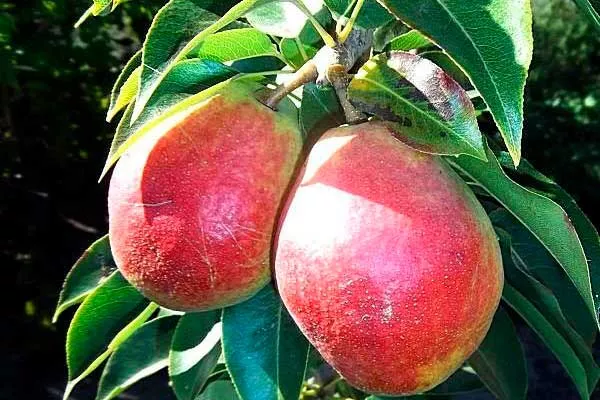
Tree
A mature tree develops a graceful pyramidal shape, but over the years, the crown takes on an almost spherical configuration. Flowering begins significantly later than most other pear varieties.
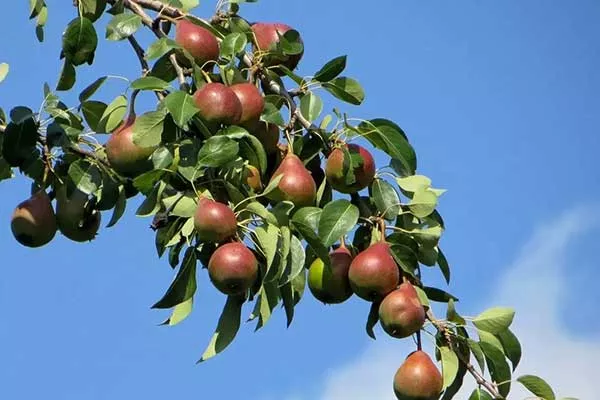
Main varietal characteristics:
- As the branches grow, they become more spreading, increasing the angle at which they diverge from the trunk.
- Overall, the crown appears compact and not too dense, maintaining a narrow pyramidal shape.
- The tree produces shoots infrequently, resulting in a low density.
- The trunk is dark grey in colour and the branches are brown in tone.
- The flower clusters are umbrella-shaped and contain flowers with a light white-pinkish hue.
- The leaves on the tree are large, with a rounded base and a short tip, and have a shiny surface.
- Most of the fruits of this variety are formed on the rings, while a smaller part of them are formed on young shoots.
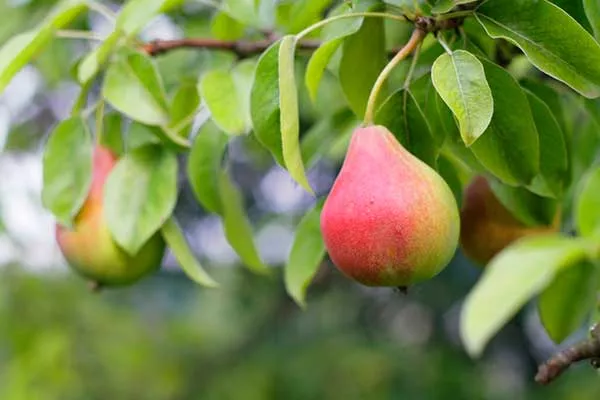
Fruit
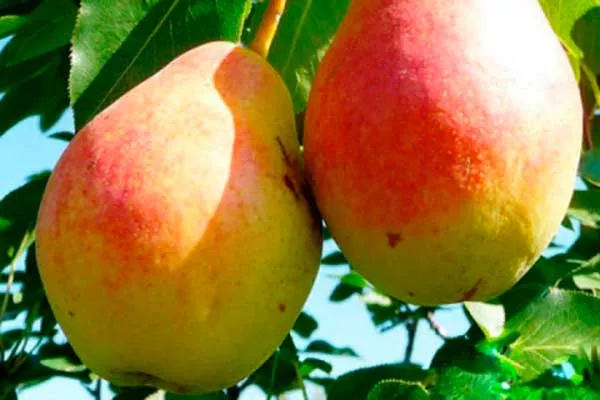
The fruits are distinguished by their large size and attractive golden-yellow skin with a bright red spot on the side. But there are other characteristics as well:
- The flesh is particularly tender and juicy, without any astringent or grainy textures. Its color is white-cream.
- The weight of each fruit ranges from 155 to 230 g.
- They have a symmetrical pear-shaped form.
- These pears are distinguished by their durability: they can be stored for up to three months while maintaining their attractive and intact appearance, and they do not spoil during transportation.
- The surface is decorated with numerous small subcutaneous dots.
Characteristics of the variety
This variety is renowned for its productivity, ensuring regular fruiting. Although the first fruits do not appear immediately after planting, the pears do not drop prematurely, which is an advantage compared to other varieties.
Taste qualities
Tatyana is a refined dessert fruit, distinguished by a distinct sweet aroma with a slight acidity. It contains vitamins B, E, and C, as well as important minerals, including magnesium, potassium, and phosphorus. The sugar content of Tatyana pears is approximately 10% of the total weight.
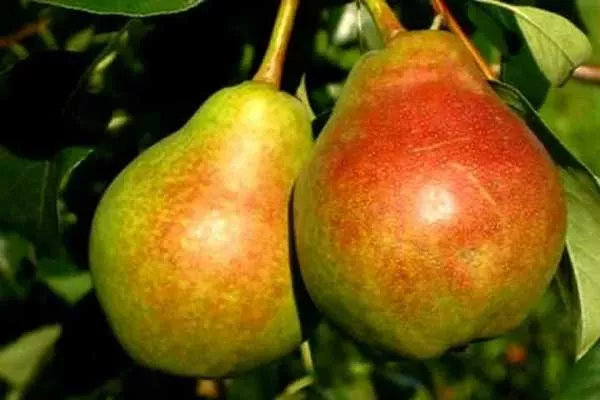
Tatyana's flavor is also characterized by a honeyed aroma. Tatyana's acidity plays a key role in its flavor, imparting freshness and helping to balance the sweetness.
Features of use:
- This pear perfectly complements other fruits, cheeses and nuts, creating unique gastronomic combinations.
- Tatyana is ideal for making juices, compotes and jams.
- The pear can be enjoyed fresh, cut into slices or cubes.
- It is added to yoghurts and pies.
- They are preserved whole or in pieces, and are also used to make syrups.
Ripening time
When temperatures rise steadily, the flowering period begins. Bees play an important role in pollinating the flowers, which then leads to fruit formation. Pears reach maturity in early autumn.
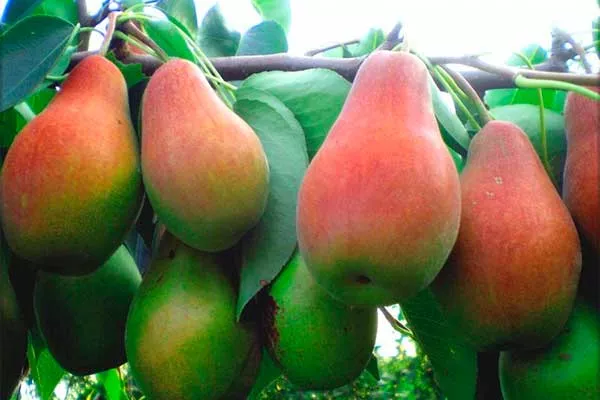
It bears fruit regularly every year. Horticultural experts recommend beginning harvesting 10-12 days before the fruit is expected to be fully ripe. Criteria for determining ripeness include:
- weak attachment of fruits to branches;
- a certain varietal coloration of the skin and pulp;
- pronounced aroma and taste;
- soft consistency of fruit pulp.
Missing the harvest time can result in a mealy taste in the fruit and a reduced shelf life.
Productivity
It boasts a good yield. During the initial fruiting stage, it yields 140-145 centners per hectare. With proper care, the yield in subsequent years can increase to 155 centners per hectare.
Frost resistance
The pear has good frost resistance, allowing it to be grown in a variety of climates. Frost resistance can reach -32°C. During the cold winter of 1986-1987, when temperatures dropped to -34°C, frost damage was minimal—only one point.
Pollinators of the pear Tatyana
Tatyana is self-fertile, but best yields are achieved when planted next to other pears. It pairs perfectly with Osennyaya Yakovleva, Moskovskaya Bere, and Mramornaya. It's important to maintain a minimum distance of 300 cm between adjacent trees.
Growing regions
The pear's cultivation area is limited to the Voronezh and Rostov regions. These regions are characterized by moderately hot summers, mild winters, and sufficient rainfall, which contribute to optimal pear growth. The variety is also cultivated in other regions of the country, but it is important to insulate the trees before winter.
Disease resistance
It boasts excellent disease resistance. If you follow the care recommendations, the Tatyana pear's immune system can successfully fight off various infections.
Landing features
Proper planting is key to a good harvest. Most often, the best results are achieved when the tree is planted alone. However, growing it near other pear varieties will not result in increased productivity.
Choosing a location
Planting a pear tree is recommended in spring or autumn, but most experienced gardeners prefer spring work, as this period allows the young tree to better adapt to the location and prepare for winter frosts.
To ensure a pear variety reaches its full potential, it is necessary to carefully select the ideal location for its cultivation:
- Tatyana prefers bright light, so for its cultivation you should choose a place open to direct sunlight.
- Avoid areas vulnerable to gusty winds and cool air. Tall buildings, structures, or fences located north or northwest of the tree can provide natural protection.
- Ensure adequate distance from groundwater, avoiding planting in low-lying or flooded areas. Pears have a taproot system, with the main root extending deep into the soil. Therefore, if groundwater is present, effective drainage is necessary to remove excess moisture.
- ✓ The depth of groundwater should be at least 2.5 meters to prevent rotting of the root system.
- ✓ The optimal soil pH for the Tatyana pear is 6.0-6.5; if it deviates, the soil composition must be adjusted.
Preparing the pit
To prepare the area for planting the Tatyana variety, begin work 4-6 months before the planned planting date. During this period, dig the soil, thoroughly remove weeds, including their roots, and add organic matter such as manure mixture, manure, and compost. Then, level the area.
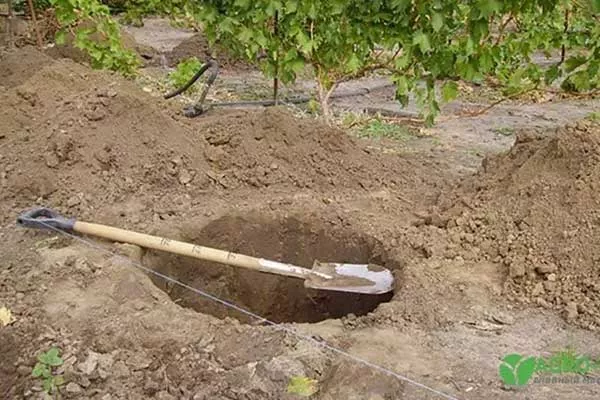
On the day of planting, you can already begin preparing the hole for the future plant:
- Dig it to a depth of 3 shovels and a diameter of 70-75 cm.
- If the soil is compacted, place a layer of broken bricks, coarse sand, stones or pebbles at the bottom of the hole.
- Mix the excavated soil with superphosphate. If fertilizer has not been added to the area before, combine the soil with peat and humus in a 1:1 ratio. Sand is recommended for clay soil.
Planting
Before planting bare-root seedlings, soak them in water for 5-6 hours. Then, follow these steps:
- At the bottom of the hole, create a dense mound on which carefully distribute the roots.
- Install a support stake 10-15 cm from the base of the trunk.
- Carefully, maintaining the vertical position of the trunk, fill the root system with the prepared soil mixture, lightly compacting the soil so that the root collar remains 3 cm above the surface of the bed.
- Then compact the soil around it and moisten the seedling using 25 liters of water.
- Cover the tree trunk circle with mulch made from sawdust, shredded wood or dry vegetation.
- Fix the seedling to a peg.
If the seedling is purchased in a pot, pre-soaking the roots is not required. Carefully remove the seedling from the container, preserving as much soil as possible around the roots. Then, follow the standard planting procedures.
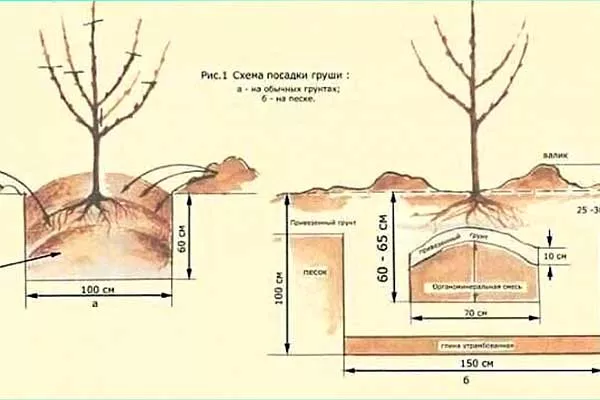
When laying mulch around the tree, leave a clear area of a few centimeters in radius. After planting, dig a circular irrigation trench to prevent water from pooling near the tree trunk.
Care instructions
After planting the seedlings, trim the tops. Regular watering is critical for Tatyana's pear tree, especially in extremely hot and dry weather.
It is necessary to ensure that the humidity level is optimal for the plant - the surface should not become crusty and water should not stagnate.
Top dressing
The fertilizer added at planting is sufficient for several years. Once fruiting begins, the trees are fed three times a year:
- in the early spring, before bud formation, nitrogen mixtures (for example, urea or ammonium nitrate) are added;
- Before budding, potassium compounds are used;
- After harvesting pears in the fall, phosphorus supplements are added.
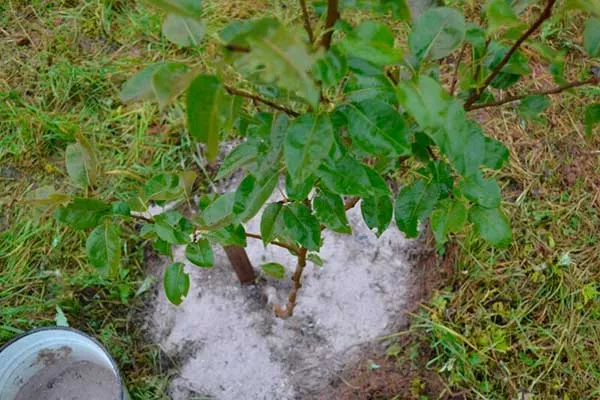
Organic fertilizers are applied once every three years. Excessive use can lead to excessive growth of shoots. Weak growth of young shoots may indicate a nutrient deficiency.
Weeding
During the first year after planting, carefully remove any weeds that appear. After each irrigation or rain, it's important to loosen the soil.
Before the fruiting phase begins, you will need to mulch the area around the root system, and after fruiting begins, periodically trim the grass in the understory layer.
Processing the bush
For young seedlings, it is recommended to trim them back to a height of 100-110 cm and remove all buds on the lower part of the trunk. Pears tend to form their crowns spontaneously, so only annual sanitary pruning is required.
In spring and fall, damaged, brittle, and weakly growing branches should be removed. When doing this, use thoroughly disinfected tools with sharp cutting edges. All remaining pruning areas should be treated with copper or iron sulfate solutions.
Diseases and pests: prevention and control
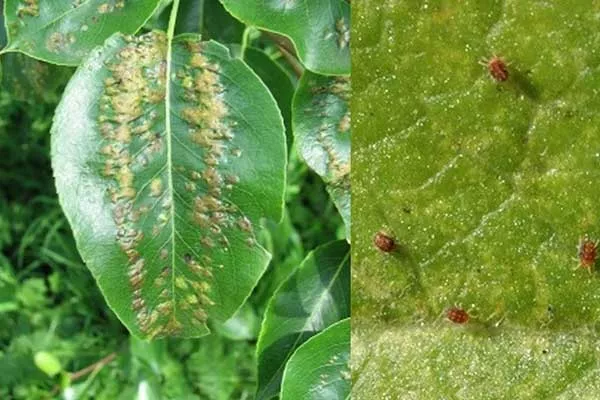
The Tatyana pear variety has good resistance to various diseases. However, if cultivation practices are not followed or the weather is unfavorable, problems may arise:
- Gardeners report fruit rot or scab, traces of fire blight, or rust on the leaves. Delan, Skor, Penncozeb, and other similar fungicides are used for treatment. An effective preventative measure is spraying the tree with a 10% urea solution in early spring and late fall.
- The tree is long-lived, so over time, its trunk and large branches become covered with old, cracked bark, which can become a haven for lichens, fungi, and insects. To prevent this, it is important to periodically remove this bark.
Damaged areas are treated with copper or iron sulfate, after which they are whitewashed with lime mixed with clay and mullein. This method provides excellent protection against diseases and is an effective pest control. - If pests such as flower beetles, gall mites, or codling moths are detected, the plants must be treated with a suitable insecticide, strictly following the instructions for use.
| Disease | The stability of the Tatyana pear | Recommended preventive measures |
|---|---|---|
| Scab | High | Spraying with urea in early spring |
| Fruit rot | Average | Regular collection and destruction of affected fruits |
Collection and storage
Tatiana pears reach full maturity in late August, although in some areas this process can last until September.
One of the key characteristics of this variety is its resistance to cracking when ripe. The pears are also distinguished by their strong, short stems.
Features of preservation and assembly:
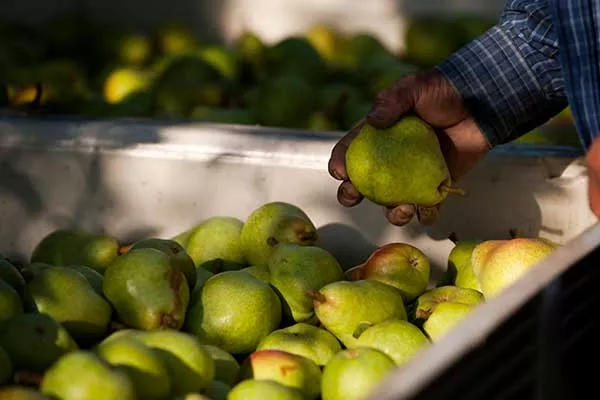
- When harvesting, care must be taken to carefully unscrew the pears from the tree, while preserving the stem.
- Fruits with intact skin are suitable for long-term storage.
- Pears for storage should be harvested in cool but dry weather. Removing overheated fruit can cause condensation to form during storage, which will impair their shelf life.
- Pears can be kept in perfect condition in a cellar or basement by carefully placing them in wooden or plastic boxes with holes, with each layer of fruit carefully covered with thick paper.
In a dry place at a temperature of about 18 degrees Celsius, pears retain their quality for one to one and a half months. In a cellar, basement, or refrigerator, the shelf life can be extended to three months.
Positive and negative qualities
Tatyana has no significant drawbacks. Its key advantages include:
One of the disadvantages is the relatively late onset of fruiting. Seedlings planted in the first year begin to yield no earlier than seven years later.
Gardeners' reviews of the Tatyana pear
The Tatyana pear variety is an indispensable addition to any garden. The tree is easy to care for and produces fruit regularly. Pickers can be confident in the integrity of the fruit, as they won't fall prematurely or crack during transport.