
The pear is a heat-loving fruit tree, represented by approximately three hundred varieties. Not all varieties are frost-hardy enough to survive the winter in the Moscow region. For the central region, with its hot summers and cold winters, varieties are selected that can withstand temperatures down to -30°C or more.
Early varieties
Early pear varieties are the best choice for the Moscow region. The fruit of early-ripening varieties fully ripens during the short Moscow summer. Early self-fertile pear varieties provide maximum yield from fruit trees.
When planting self-fertile varieties, to ensure a decent harvest, a couple of pears of another variety are planted nearby for cross-pollination and to increase the number of ovaries.
Frosts down to -45°C have been recorded several times in the Moscow region. Over 100 years of observations, the lowest temperature recorded was -54°C (Naro-Fominsk). Such frosts are devastating to many pear varieties.
| Name | Ripening period | Yield, c/ha | Frost resistance, °C |
|---|---|---|---|
| Cathedral | early | 85 | -30 |
| Lada | early | 120-180 | -30 |
| Beauty | very early | up to 40 | -30 |
| Early ripening | early | 90-100 | -30 |
Cathedral
A fast-growing table pear. Bred by the Timiryazev Agricultural Association. In 2001, the variety was zoned for the Central Region. The trees are medium-sized, with a regular conical crown. The fruits ripen in early August. The first harvest occurs in the third or fourth year.
The fruits weigh 110-130 g. One tree yields 85 c/ha, with the maximum recorded being 136.5 c/ha. The fruits are a perfect pear-shaped, greenish-yellow. When they reach consumer ripeness, they turn yellow. The flesh is white, sweet and tart. Tasting score: 4.
The fruits remain fresh for 10-12 days after harvesting. Transportability is satisfactory. The variety is suitable for drying, cooking, etc. It is highly frost-resistant and resistant to scab. The yields are stable. Cons: small fruits and short shelf life. Autumn feeding should contain nitrogen.
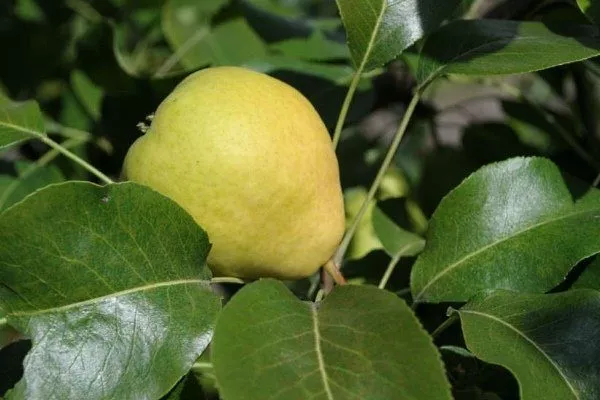
To ensure the tree takes root well, gardeners advise plucking 80% of the flowers in the first year of flowering.
Lada
A self-fertile and early-bearing standard variety. Bred by the Timiryazev Variety Plant in the 1990s, it is widely grown in the Moscow region and begins bearing fruit in the third year.
Fruit weight: 100 g. Shape: obovate. Color: light yellow with a tan tint. White flesh with a yellowish tint, fine-grained, juicy, sweet, with a slight tartness. Taste testers' rating: 4.1-4.4. Average yield: 50 kg per tree or 120-180 c/ha.
Scab-resistant. Tolerates black soils, grows well in loams and gray forest soils. Fertilization is required in poor soils. Watering is necessary during drought. A disadvantage is the short shelf life. The fruit is best eaten immediately rather than stored.
Beauty
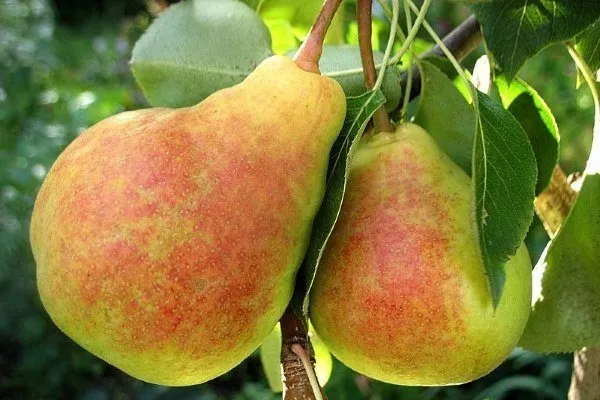
An ultra-early summer variety. Developed by the South Ural Research Institute. Tree height: 4 m. Recommended pollinators: Severianka and Raduzhnaya. Ripens in the first half of August.
The rounded, flattened, yellow-green fruits weigh 90-120 g. They have a bright blush and medium aroma. The skin is tender and oily. The flesh is soft and creamy. Tasting score: 4.7. They are intended for fresh consumption and do not keep for long periods. The yield per tree is up to 40 kg.
Resistant to pear mites and scab. High winter hardiness. Fruit does not spoil for 10-12 days after picking. Propagated by grafting. Formative and sanitary pruning are required. Drawbacks include thorns on the crown and small fruit.
Early ripening
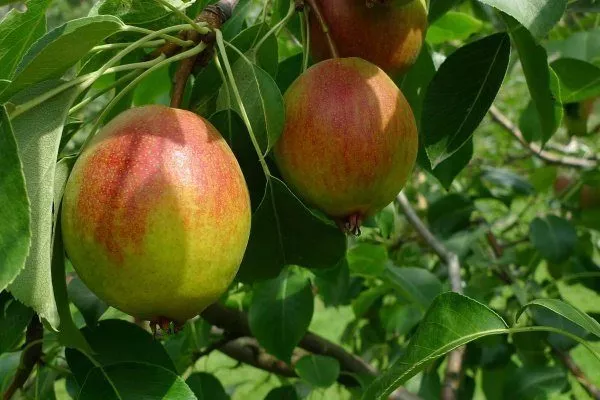
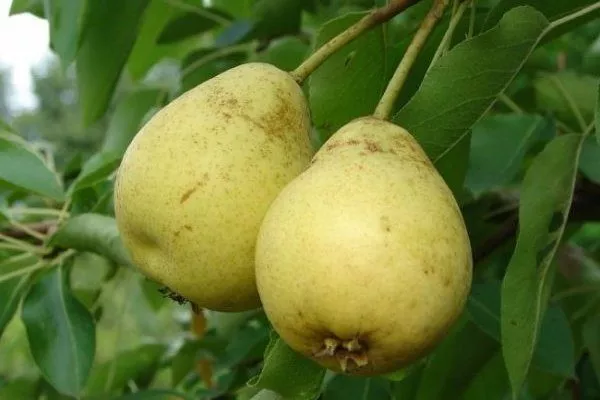
This is a record-breaker for the fastest ripening. Developed at the Michurinsk Institute of Soil and Vegetable Crops (IGSPR). The plant is vigorous, with a pyramidal crown. It ripens in the third ten days of July.
The fruits are greenish-yellow, with orange-tinted skin. The flesh is juicy, sweet and sour. The yield per plant is up to 90-100 c/ha. The pears weigh 70-100 g. The shape is pear-shaped. Tasting score: 4.
High winter hardiness and resistance to scab. Disadvantages: small fruits and poor storage quality.
Late summer varieties
Late-summer or mid-season pear varieties are those whose fruits ripen in late August. These pears have a longer shelf life than their early-ripening counterparts.
| Name | Ripening period | Yield, c/ha | Frost resistance, °C |
|---|---|---|---|
| Rogneda | late summer | 80-85 | -30 |
| Chizhovskaya | mid-season | up to 50 | -30 |
| Prominent (Bumpy) | late summer | 40-60 | -30 |
| Smartly dressed Efimova | early autumn | up to 40 | -30 |
| Muscovite | autumn | up to 50 | -30 |
| August dew | summer | up to 40 | -30 |
| Tenderness | late summer | up to 40 | -30 |
| Seedless | late summer | up to 50 | -30 |
Rogneda
An early-ripening variety developed in the 1990s. Common in the Moscow and Kaluga regions. A medium-sized plant with a broadly pyramidal crown. Pear harvest occurs in the second and third ten days of August.
The round, light-yellow fruits weigh 120-140 g. They have smooth, shiny skin. When ripe, the pears develop a beautiful red tan. They are very sweet, with almost no tartness. The aroma is reminiscent of southern pear varieties. Tasting score: 4.1-4.2. Yield: 80-85 kg per tree, reaching 100 kg in some years.
The fruits tend to overripe and fall off. They are picked unripe and stored in the refrigerator, where they last no more than 20 days. The Rogneda variety is winter-hardy and resistant to fruit rot and scab.
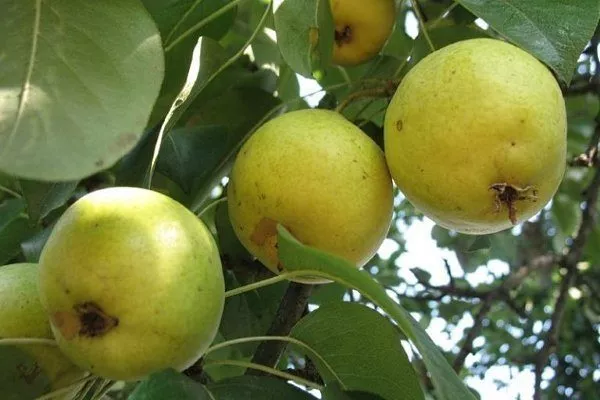
Chizhovskaya
A mid-season standard variety with a pyramidal or conical crown. It was developed at the Timiryazev Moscow Agricultural Academy. Pollinators—Rogneda or Lada pears—are planted nearby. Fruiting occurs 3-4 years after grafting.
The fruit weighs 110-140 g. The greenish fruits with a yellow tint have a typical shape and smooth, shine-free skin. They receive a taste test score of 4.1-4.2. Approximately 50 kg of fruit are harvested from one tree.
The fruit doesn't fall off. Even if it falls on the grass, it doesn't spoil and retains its marketable appearance for a week. It can be stored at 0°C for 2-4 months. It transports well. It is highly frost-resistant and prefers slightly acidic soil. A downside is that as the tree ages, the fruit becomes smaller. Regular pruning in early spring is recommended to rejuvenate the tree.
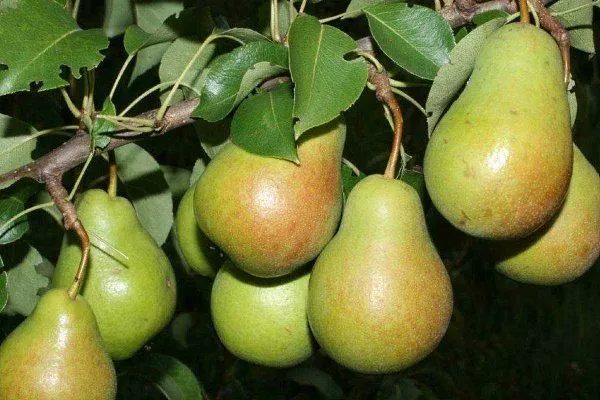
Prominent (Bumpy)
A self-fertile variety with high frost resistance. Developed in 1958 at the Moscow VSTISP. Trees are vigorous, reaching 5-6 m in height. Fruiting begins in the fifth year. Ripens in the second half of August.
Pears weigh 160-200 g. The fruits are elongated, ribbed, and tuberculate, yellow-green in color, with a tanned orange tint when ripe. The fruit has a firm skin and yellowish flesh, and a dessert-like flavor, sweet and sour, with hints of muscat. A single tree yields 40-60 kg of fruit.
The variety is resistant to fungal diseases. The fruit can be stored for a week, no more. It is recommended to pick the pears when they are unripe. Overripe pears rot right on the branches. This variety is environmentally sustainable and produces abundant harvests. A drawback is its poor shelf life.
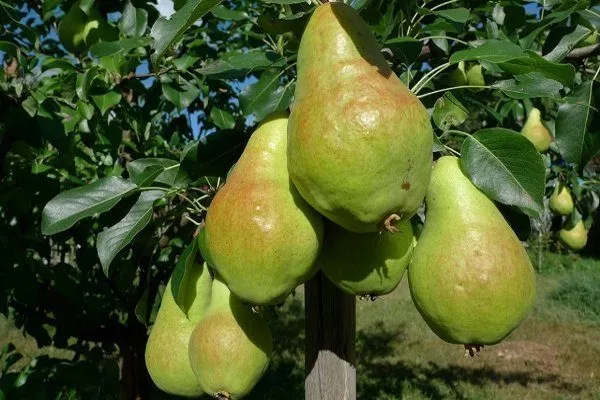
Smartly dressed Efimova
An early autumn variety. Developed in 1936 at the Moscow VSTISP. Fruiting begins in the 7th to 8th year of life. Trees are tall, with a pyramidal crown.
Fruit weight: 95-110 g, maximum weight: 180 g. Pear-shaped fruits with smooth skin, greenish-yellow, developing a dark red blush when ripe. Sweet and sour, cream-colored flesh with a tart flavor. Tasting score: 4 points. Yield per tree: 40 kg.
The fruits can be stored for up to two weeks. They are picked slightly underripe, otherwise they lose their flavor. The variety is resistant to scab and frost, and produces fruit consistently. It is an excellent source of yield and winter hardiness, and is often used in breeding. The downside is the delayed onset of fruiting and the difficulty in determining ripeness.
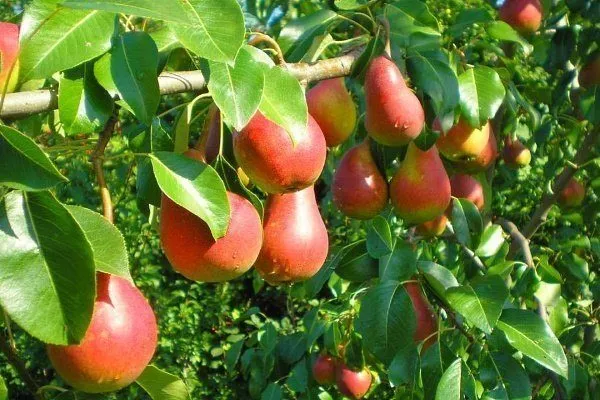
Muscovite
An early-ripening dessert variety that ripens in the fall. Developed at the Timiryazev Academy of Sciences, it is one of the most popular varieties in the Moscow region. The trees are medium-sized with a conical crown. They bear fruit in the third to fourth year after planting.
The fruits are versatile. They weigh 120-130 g, although some weigh 200 g or more. The skin is greenish-yellow. The broad pear-shaped fruits lack a blush, and the skin can be covered with rusty spots. Tasting score: 4.3. Yield: 50 kg per tree.
Store in the refrigerator for 3-4 weeks. At freezing temperatures, it will keep for 3 months. This variety easily tolerates temperature fluctuations. Insulation is required.
August dew
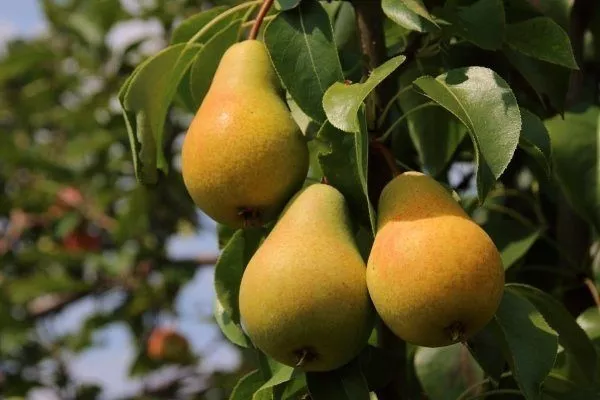
A relatively young summer variety bred by the Michurinsk Research Institute of Genetics. The trees are medium-sized, up to 3 meters tall, with a drooping crown. Fruiting begins in the fourth year. Self-fertility is limited. The "Pamyati Yakovleva" pear is usually used as a secondary pollinator.
The fruit weighs 120-140 g. As they turn yellow, the pears acquire a tan color. The surface is smooth, and the flesh is finely grained. The taste is sweet and sour, with a subtle, pleasant aroma. The fruits are short, pear-shaped, and not ribbed. The first harvest, in the fourth or fifth year, is 10-15 kg, later reaching up to 40 kg.
The fruits are stored for no more than three weeks. Refrigerated, they last for three months. Tasting score: 4.6. High yield and winter hardiness. A downside: with large harvests, the fruits grow to uneven sizes.
Tenderness
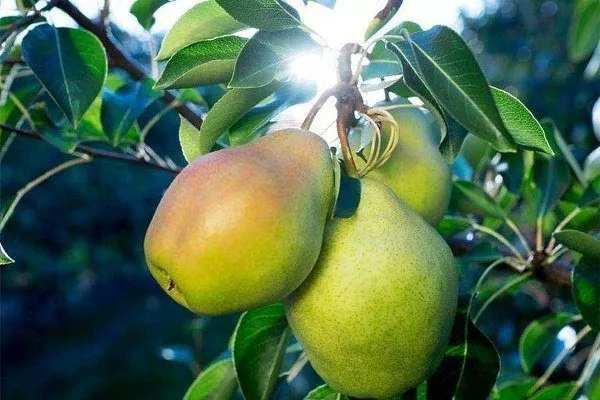
A productive late-summer variety. The tree is vigorous with a pyramidal crown. Self-fertile, it still requires pollinators with earlier blooming. It begins bearing fruit 4-5 years after planting. Active fruiting lasts up to 15 years. Fruit ripens in late summer.
The fruits weigh 150-200 g and are yellow with a pink tint. The oily flesh has a smooth consistency. The skin is dense, rough, and dotted. Yield: 40 kg per tree. Tasting score: 4 points.
This variety requires a lot of light. It grows well at elevated elevations. The fruits turn pink in full sun. This variety is planted only in spring; fall planting is not recommended. The fruits can be stored for no more than a month. They withstand transportation well.
Seedless
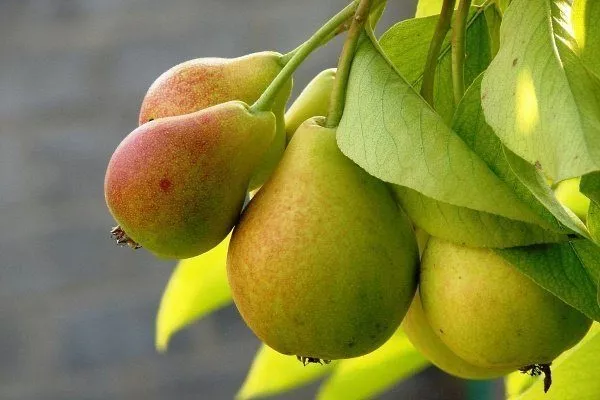
A late-summer, partially self-fertile variety. The seeds inside the fruit are underdeveloped. This variety is also known as Sugar Pear. It is an ancient cultivar, widely grown in the Central Region. Its popularity has recently declined due to its vulnerability to scab. Plants are medium to vigorous. Fruiting begins in the eighth year of planting.
Weight: 70-80 g. The fruits are short, pear-shaped, and tuberculate. Color: yellowish-green with a tan tint. The flesh is yellow-white, juicy, and sweet. Yield: 50 kg per tree.
Pears don't have a long shelf life—up to 7 days. It's best to pick them unripe, as this variety is prone to fruit drop. They are highly winter-hardy and transport well.
Winter varieties
These pear varieties are distinguished by their long shelf life. They ripen in September. All varieties have excellent shelf life—the fruit keeps perfectly until the New Year.
| Name | Ripening period | Yield, c/ha | Frost resistance, °C |
|---|---|---|---|
| Red-sided | late | up to 105 | -30 |
| Wonderworker | late | 132 | -38 |
| Yakovlev's favorite | early autumn | up to 30 | -30 |
| Honey | late autumn | 80-100 | -30 |
Red-sided
A high-yielding, late-ripening variety. Introduced at the South Ukrainian Research Institute. Plant height: up to 4 m. Fruiting begins in the 5th to 7th year of life.
The fruits weigh 130-155 g, with a maximum of 180 g. They are a perfect pear shape. The emerald-green pears have a smooth, slightly oily skin. Ripe fruits have a raspberry blush. The taste is sweet, with a slight tartness and acidity. The tartness then fades. The yield reaches 110 kg per tree, or 105 c/ha. Tasting score: 4.5 points.
The variety is frost-hardy, undemanding of soil, requires no pruning, and is not susceptible to scab. A drawback is its astringency.
Wonderworker
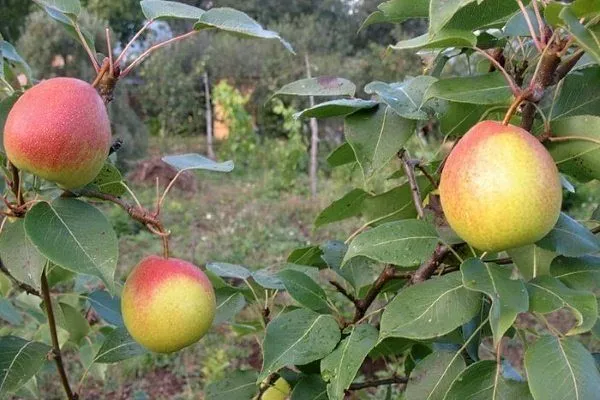
This variety was developed relatively recently. It was developed at the Michurinsk State Scientific Institution VNIIG and SPR for cultivation in the temperate zone. Fruiting begins in the 5th or 6th year after planting. The tree height is up to 3 meters. The shape is pyramidal. Harvesting takes place in the second half of September. Fruiting type is mixed.
The fruits weigh 200-220 g. They are sweet, with a strong aroma and a slightly tart aftertaste. The skin is smooth, with an oily, waxy coating. The ripe fruit is greenish-yellow. The fruit has pinkish rinds. The flesh is creamy and tender. Yield: 132 c/ha.
This variety is winter-hardy. It can withstand temperatures down to -38°C, and with good insulation, down to -50°C. It has average transportability and a good shelf life of up to 150 days. It is resistant to fungal diseases. A drawback is that the pears fall off when ripe. If the tree becomes too dense, the fruit becomes smaller. Pruning promotes larger fruit. Beware of pear leaf spot.
Yakovlev's favorite
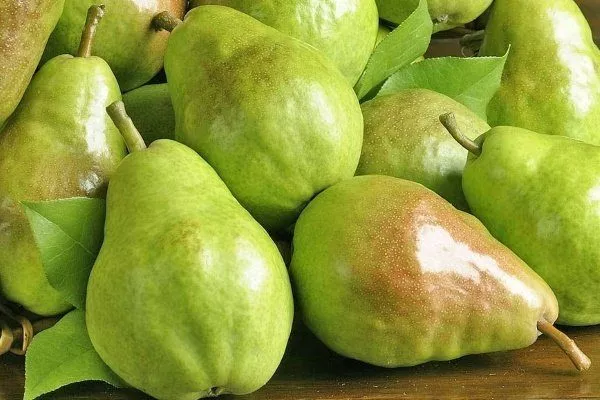
An early autumn variety. Ripens in early to mid-September. Harvest occurs in the 5th or 6th year. The tree is vigorous and fast-growing. Self-fertility is low; the variety is considered partially self-fertile. The best pollinator is "Duchess Summer."
The fruits weigh 130-140 g and are pear-shaped, widening toward the bottom. The color is yellow-green. As they ripen, the fruits turn golden. The yield per tree is 30 kg. The tasters' rating is 4.4 points.
They have a long shelf life and retain their marketable appearance and flavor until December. Their dense consistency makes them easy to transport.
Honey
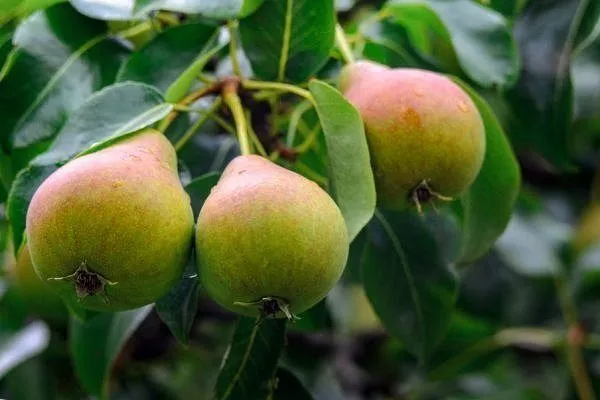
An old late-autumn variety, developed in 1964 by Crimean breeders. The tree is short—up to 2 m—with an inverted pyramidal crown. It ripens in mid-September. The first pears appear in the third to fifth year of growth.
Weight: 300-520 g. Shape: short pear. The fruits are tuberculate and slightly ribbed. The skin is smooth, greenish, with a brown blush and small dots. Tasting score: 4.5. Yield: 80-100 kg.
Transported without problems—the pears don't bruise or get crushed. They can be stored in the refrigerator until New Year's. They're frost-resistant and disease-resistant.
Other varieties
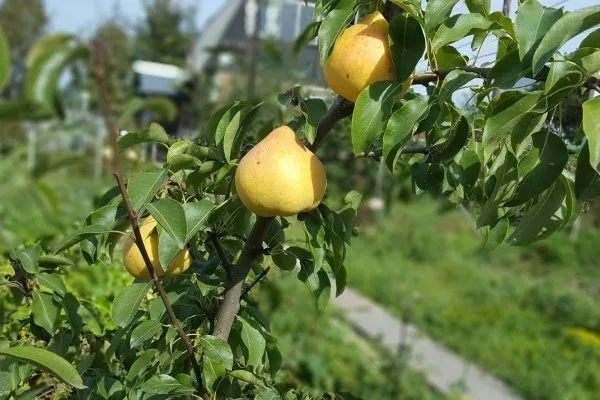
Joyful. A self-fertile variety. Ripens in late summer. The tree is medium-sized, with a rounded crown. Requires additional pollination. Fruit weight is up to 140 g. Rating: 4.5 points. The fruits can be stored for up to a week. Yield per tree: 20 kg. Good immunity.
- ✓ Consider not only frost resistance, but also resistance to spring frosts, which can damage flowers.
- ✓ Pay attention to the variety's soil requirements, especially if you have a non-standard soil type.
- ✓ Consider the tree's height and crown shape to properly plan plantings on the site.
Vera Zheltaya.A columnar variety. Fruit ripens in autumn. Very winter-hardy. The first harvest occurs in the 6th or 7th year. A disadvantage is the inconsistent fruiting. The pears are medium-sized, weighing around 160 g. The color is yellow-orange. There are 2-3 fruits per cluster. The trees are tall, reaching up to 6 m.
Venus. An early autumn table variety. Bred in 1964, the first harvest occurs in the fifth or sixth year. Yields 250 centners per hectare. Scab-resistant. The fruits ripen in September. They weigh 125 g, are yellow-green in color, and are quite juicy. The flavor is satisfactory, slightly sweet.
- ✓ Check trees regularly for pests and diseases, especially in late summer.
- ✓ Provide adequate watering during dry periods, especially for young trees.
- ✓ Carry out formative pruning in early spring before the sap begins to flow.
Festive. A versatile late-ripening variety. Bred in 1960, the tree grows to 3.5 m tall with a compact crown. Harvest occurs in September to early October. The fruits are medium-sized, yellow, weighing 170 g and up to 15 cm long. The skin is thin, and the flesh is juicy, not watery, and creamy in color. The flavor is sweet, without acidity or bitterness. Yields up to 60 kg per tree. Can be stored for up to 5 months.
Dalikor. A winter columnar variety. Dwarf trees grow up to 150 cm in height. The fruits ripen in early October, weighing 300-500 g. The fruits are soft creamy, with a blush, and no astringency. The flavor is sweet, and the flesh is tender and very juicy. The pears can be stored until February. This variety is undemanding and does not require pruning.
Decor. A dwarf columnar pear tree up to 2 m tall with a compact crown. Self-fertile. Yields 20 kg. Fruiting begins in 2-3 years. Pears weigh 230-250 g. The yellow-green fruits have no blush. The flesh is tender, rose-scented, very sweet, and moderately juicy. The surface is speckled with spots and flecks of rust.
Other columnar pear varieties are presented in this article.
Autumn dream. An early-fruiting autumn variety. The tree is short, with a pyramidal crown. The yield per tree is up to 40 kg. The fruits are small, round-conical, and rusty. The flesh is white, juicy, and aromatic. They can be stored until January. The variety is resistant to frost and scab. The fruits are suitable for all purposes.
Carmen. A summer table variety. Ripens in late July. The fruit can be stored until October. The tree is medium-height, with a dense, narrow pyramidal crown. Fruit weigh 160-180 g. The shape is short pear-shaped. The skin turns reddish-brown as the fruit ripens. The flesh is creamy, pleasantly aromatic, and not astringent. Harvest: 60 kg per tree.
Sunremy. This autumn-bearing variety is self-pollinating. The fruits are large, oval-round, weighing up to 400 g. The color is yellow-green, without a tan. The tree grows up to 2 m tall. The first fruits appear at three years of age. The flavor rating is 4.9 points. Ripens in October.
Sapphire. A columnar variety. Requires pollinators. Height: up to 2.5 m. Moderate frost resistance. Yield: up to 80 kg per tree. Fruiting begins at age 3 and lasts 10-12 years. The variety is resistant to scab and bacterial canker. Fruit weight: 250-300 g. Pears are prone to droppage; they should be picked unripe.
Northerner. An early summer, versatile variety. The truncated-conical fruits weigh 80-85 g. They are a rich yellow with a green tint. They can be stored for up to two months. This variety is early-bearing. At 6-7 years of age, it produces up to 20 kg of fruit. A mature tree yields up to 60 kg, and in particularly fruitful years, 100-110 kg. Self-fertility is average – 30%. The variety is very frost-resistant, down to -40 degrees Celsius.
Comparison table
All types of pear varieties grow in the Moscow region—early summer, late summer, and late winter storage varieties. Varieties within a single group differ in characteristics, including yield, weight, color, and flavor.
Comparative characteristics of early, mid-season and late-ripening pear varieties
| Varieties | Fruit weight, g | Tasting score | Yield, kg per tree |
| Early (early summer) | |||
| Cathedral | 110-130 | 4 | 40 |
| Lada | 100-110 | 4.4 | 50 |
| Beauty | 90-120 | 4.7 | 40 |
| Early ripening | 70-100 | 4 | 50 |
| Middle (late summer) | |||
| Rogneda | 120-140 | 4.2 | 80 |
| Chizhovskaya | 120-130 | 4.2 | 55 |
| Joyful | 120-140 | 4.5 | 22 |
| Prominent (Bumpy) | 150-190 | 4.7 | 50 |
| Smartly dressed Efimova | 90-120 | 4 | 40 |
| Muscovite | 120-130 | 4.3 | 50 |
| Tenderness | 150-200 | 4 | 40 |
| August dew | 120-140 | 4.6 | 40 |
| Seedless | 70-80 | 4 | 50 |
| Late (autumn) | |||
| Wonderworker | 200-220 | 4.3 | 40 |
| Red-sided | 130-160 | 4.5 | up to 100 |
| Yakovlev's favorite | 130-140 | 4.4 | 30 |
| Festive | 160-180 | 4.4 | 40 |
| Honey | 320-500 | 4.5 | 80 |
The key to growing pears in the Moscow region is high frost resistance. Varieties suitable for temperate climates, unlike their heat-loving counterparts, can bear fruit in virtually any soil and withstand low temperatures without compromising yield.