
When choosing a productive and easy-to-grow pear variety for your garden, consider Severyanka. It has been known to many generations of Russian gardeners. This fruit tree is renowned for its strong immunity, frost resistance, and delicious fruit. This article will tell you about other characteristics of this variety and the specifics of its cultivation.
History of selection and zoning
Severyanka is the name of an early-season pear variety bred by a researcher at the Michurin All-Russian Research Institute of Genetics and Breeding of Fruit Plants. It is an achievement of P.N. Yakovlev, obtained by crossing two pear varieties—Koperechka No. 12 and Lyubimitsa Klappa.
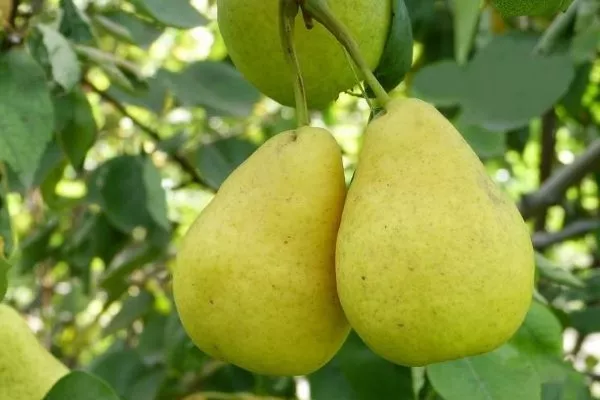
In 1959, Severyanka underwent state variety testing, and in 1965, based on the results, the following cultivation regions were established for it:
- Volga-Vyatka;
- Middle Volga;
- Ural;
- West Siberian;
- East Siberian;
- Far Eastern.
Characteristics of the Severianka pear variety
The fruit crop of this varietal has a number of features that distinguish it from other pear varieties and hybrids.
Advantages and disadvantages
Severyanka has been popular with Russian gardeners for decades thanks to its many advantages. However, this remarkable variety also has some drawbacks.
Description of the culture
The Severyanka pear tree has a lifespan of 35 to 60 years. It grows rapidly and has a high shoot production rate. Its description includes the following characteristics:
- not very tall (the maximum height of an adult plant does not exceed 500-600 cm);
- a rounded crown with a broad pyramidal shape and characterized by medium density;
- spreading (crown diameter - up to 600 cm);
- the branches are strong and long, covered with smooth grey bark;
- dark green foliage;
- the shape of the leaf blades is pointed, slightly concave;
- white color of inflorescences;
- the number of flowers in an inflorescence is from 4 to 6 pcs.
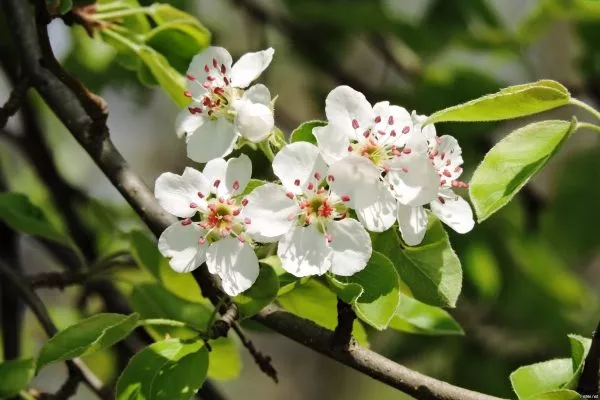
The fruits of this pear variety have the following characteristics:
- weight - no more than 80 g (this is a small-fruited variety);
- the shape of a truncated cone with a shallow narrow funnel at the tail and a wide shallow saucer;
- the texture of the skin is not too rough, but has a distinctive density;
- its color is yellow-green with a slight tan (technical maturity) or rich yellow with a barely noticeable greenish tint and a muted blush (biological maturity);
- the texture of the pulp is medium-dense, crispy and juicy;
- its color is cream;
- aroma - pleasant, faint;
- taste - sweet with moderate wine acidity, no astringency;
- The seeds are large, dark brown in color, and few in number.
Severyanka pears are low in calories and contain no glucose. They are suitable for those with diabetes or those trying to lose weight. This variety of pear is rich in vitamins, particularly ascorbic acid (100 g contains 5.6 mg of this vitamin).
Ripening period
This fruit variety is an early summer variety. The fruits reach harvestable maturity in August, around mid-month. The harvest period lasts two weeks.
Drought resistance, frost resistance
Fruit trees of this variety are characterized by average drought tolerance. Low rainfall during the summer season and insufficient watering result in low yields. Fruit produced under these conditions is of poor quality.
- small;
- dry;
- tasteless.
The Severyanka variety boasts excellent frost resistance. This fruit can easily withstand even the harsh Siberian winter:
- withstands temperatures down to -40⁰С;
- not afraid of sudden temperature changes.
Even if the plant's above-ground parts freeze during severe frosts, its roots remain viable. The tree recovers well after winter and bears fruit.
Productivity
As the Severyanka pear matures, its yield increases year after year. By the sixth year, the tree produces up to 30 kg of fruit.
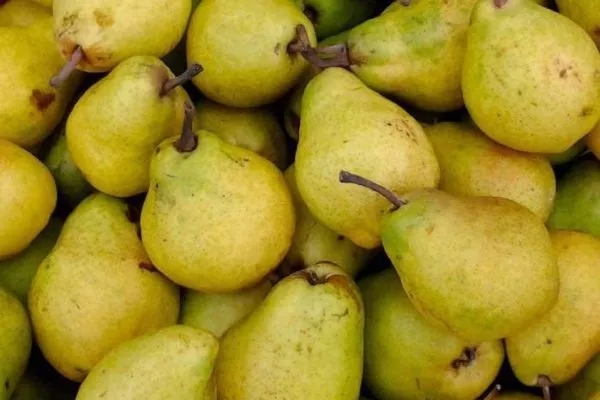
The average yield for a mature pear tree of this variety is 45-60 kg (with proper watering and care). If growing conditions are particularly favorable, gardeners can harvest up to 100 kg of ripe pears from the branches.
Features of planting and growing the Severianka variety
To obtain a bountiful and high-quality harvest every year, plant this pear variety correctly and provide it with high-quality care.
You can plant a pear tree in your garden in spring or autumn:
- in late April or early May - for northern regions with harsh winters (during the summer season, the seedling will have time to take root and get stronger before wintering);
- in the second half of October or early November - for regions with a moderate climate and areas with mild, warm winters (fall planting will promote better root development and high-quality rooting of the seedling, which will not have to expend energy on growing above-ground parts).
Selecting a seedling
When purchasing planting material, look for two-year-old seedlings. They are best suited for planting.
A quality seedling has the following characteristics:
- shows no signs of damage or disease;
- its foliage looks healthy and elastic;
- The roots are hardened, light-colored, not rotten, without growths, and dry shoots are present on them in minimal quantities.
- ✓ The presence of at least three main roots at least 20 cm long.
- ✓ No mechanical damage to the bark.
Site requirements
Plant the Severyanka pear tree in a sunny spot in the garden, well protected from drafts and strong gusty winds. This fruit tree thrives in sandy loam soil, but can also be grown in loam.
- ✓ Soil pH should be between 6.0-6.5 for optimal growth.
- ✓ The depth of the fertile layer is not less than 40 cm.
Preparing the site and seedlings for planting
Prepare a place for growing a fruit tree in advance (1-2 weeks before planting the seedling):
- dig a planting hole (its dimensions are 0.8×0.8×0.6 m);
- mix the fertile layer removed from the hole with humus (12-18 kg) and superphosphate (0.8 kg), add a little potassium nitrate to the mixture and partially fill the hole with it;
- in the central part of the hole install a stake (its height is 150 cm).
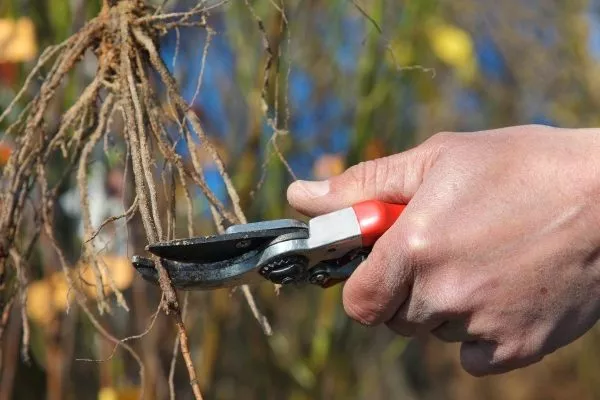
Before planting, do not forget to inspect the pear seedling and carefully trim off every rotten or dry root.
Planting a seedling step by step
Plant the Severyanka pear tree in your garden plot, following these step-by-step instructions:
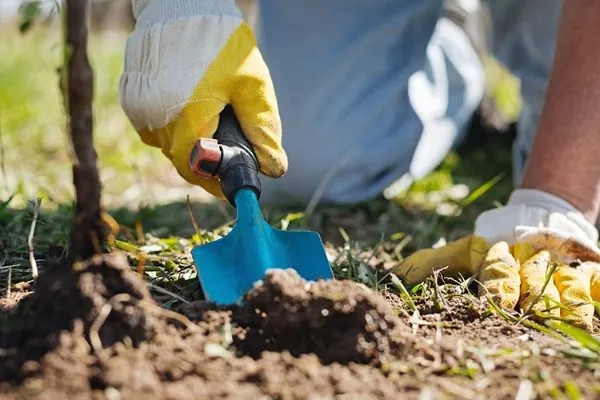
- Place the seedling in the hole. Spread out its roots.
- Fill them with nutritious soil mixture. Make sure that the tree's root collar is 4 cm above the hole after filling it with soil.
- Lightly compact the soil under the seedling. Make a radial trench 15 cm from the trunk.
- Water the tree with settled water (20 l).
- Loosen the soil under the pear tree. Then mulch it using peat, humus, or shredded tree bark. Apply a 10 cm thick mulch layer.
- Tie the seedling to the stake with soft twine or a strip of fabric.
Care activities
For good growth and abundant fruiting, the Severianka pear seedling requires high-quality care.
Watering
A lack of moisture negatively impacts the quantity and quality of the harvest. It's unacceptable to allow the soil under the pear tree to dry out. It will need to be watered at least six times during the season.
Water the pear tree according to these rules:
- use settled, slightly warm water;
- use from 20 to 40 liters per tree (depending on its age);
- water along a radial groove to prevent flooding of the wood;
- Pour water into the ditch from a bucket or through a hose.
After watering, remember to loosen the soil under the tree to ensure oxygen reaches its roots. Weeds should also be removed promptly. Combine this with loosening the soil.
Fertilization
When the Severyanka pear tree begins to bear fruit, provide it with additional nutrition by adding the following mineral compounds:
- urea solution (700 g per 10 l of water) - in the spring, before the buds open;
- nitroammophoska dissolved in water (50 g per 10 l) - after the tree has finished flowering;
- dry superphosphate (consumption - 40-60 g per 1 sq. m) - apply when digging the soil in the fall, after fruiting has completed.
Organic matter (humus, compost) can also be used as fertilizer. Use it no more than once every three years. Add organic matter when digging the soil under the tree, using 9 kg of fertilizer per 1 square meter of the tree's trunk circle.
Pruning and shaping
Immediately after planting the Severianka seedling, carry out its pruning:
- if there are no skeletal branches, cut the trunk at a height of 90 cm from the ground surface;
- If the seedling has branches, shorten them by a third, leaving 3 viable buds.
Perform this procedure once a year until the tree reaches three years of age. The best time to do this is early spring, before the sap begins to flow actively.
An adult fruit tree requires sanitary pruning, which involves removing the following parts:
- each diseased or dried shoot;
- extra branches.
As the Severyanka pear ages, its yield declines and new shoots stop growing. The solution is rejuvenating pruning, which involves thinning the crown:
- in removing old and damaged branches;
- in cutting out crooked shoots growing inward.
The procedure will stimulate the appearance of young shoots on the pear tree.
Preparing for winter
Although this fruit variety is renowned for its excellent frost resistance, it still requires proper winter preparation. Before frost, it will need to be generously watered and mulched. These procedures will protect the pear's roots from freezing in winter.
Harvesting
Yellowing of the fruit is a sign that they're ready to be picked. The Severyanka pear harvest begins on August 10th and continues until the end of the month. If the fruit isn't picked in time, its flesh will become dark and tasteless.
The shelf life of the technically ripe harvest of the Severyanka pear variety is short:
- 14 days - in a dry, cool room, in ventilated boxes;
- 60 days - in the refrigerator.
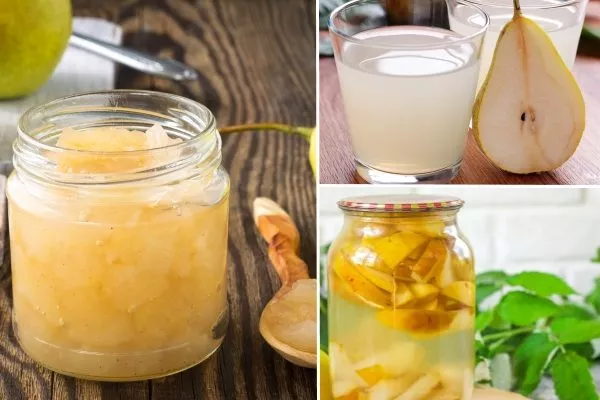
Severyanka pears are eaten fresh and processed, including canned. They are suitable for making drinks and various treats:
- compote;
- juice;
- jam;
- jam;
- marshmallows;
- marmalade;
- pie fillings;
- fruit desserts.
Diseases and pests
This pear variety is renowned for its strong immunity. It is not susceptible to scab. However, after a harsh winter, a frost-damaged tree's defenses are weakened, making it susceptible to the following diseases:
- fire blight;
- fruit rot.
Signs of fire blight on pear include damaged foliage and the appearance of weeping ulcers on the bark.
Antibiotics are used to combat the disease:
- Streptomycin;
- Tetracycline;
- Rifampicin.
Fruit rot is indicated by the appearance of brown spots on the fruit. If the disease is left untreated, the pears on the branches will darken and dry out.
To prevent disease, pear trees are treated with Hom or another copper-containing solution. The following products are used to spray the affected plant:
- Bordeaux mixture;
- Horus;
- Fitosporin-M.
Severyanka is resistant to certain pests, including the pear gall mite and codling moth. The following pests pose a threat to it:
- copperhead;
- aphid;
- flower beetle;
- pear leaf gall midge;
- Hawthorn butterfly.
Methods of reproduction
Severyanka is commonly propagated by seedlings, cuttings, seeds, and suckers. The most reliable and simple method for growing this pear variety is to plant a seedling purchased from a specialist nursery or a gardening farm.
What is the difference between the Severyanka and the red-cheeked Severyanka?
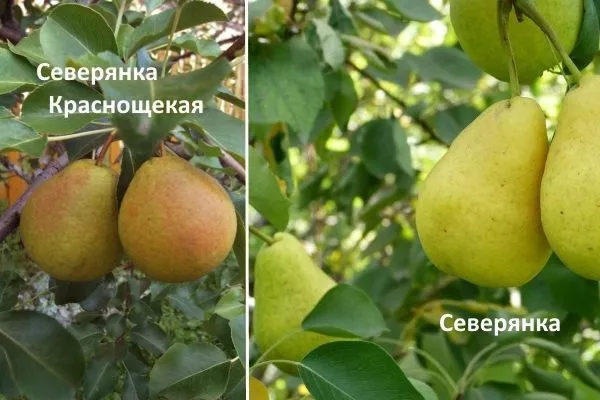
Novice gardeners often confuse the Severyanka pear with the Severyanka Krasnoshchyokaya. However, they are not the same variety. The latter is a cross between the Severyanka and the Krasnoshchyokaya variety. Its characteristics differ slightly from those of its parent variety, which shares the same name.
These two related pear varieties share the following traits:
- summer ripening of fruits;
- medium-sized tree;
- broadly pyramidal crown shape;
- excellent frost resistance;
- resistance to scab.
The difference between the Red-cheeked Severyanka and the Severyanka lies in the following details:
- larger fruit size - 135 g instead of 80 g;
- another form of pear - round, not obtusely conical;
- absence of a funnel in the tail area of the fetus;
- average saucer depth (Severianka's is shallow);
- another color of a ripe pear is light yellow, not yellow-green;
- bright brown blush (in Severianka it is muted);
- a different color of the pulp - white, not cream;
- The taste is sweeter, but it has a slight tartness that Severyanka lacks.
Severyanka Krasnoshchyokaya is intended for cultivation in the Central Black Earth Region, while Severyanka is cultivated primarily in the northern regions of the country.
Reviews of the Severyanka pear
Severyanka is an easy-to-grow and high-yielding pear variety that has remained popular for decades. It's a good choice if you plan to grow it in areas with harsh winters. It requires little care, and propagation is easy.