
The Sekui pear is an exotic pear variety that stands out for its unusual appearance and excellent flavor. This dwarf pear is deservedly popular with gardeners and homesteaders.
Description of the variety
The Sekui pear variety is undoubtedly considered one of the most popular. This amazing apple-shaped fruit was developed in Japan and named after the Sekui Indians.
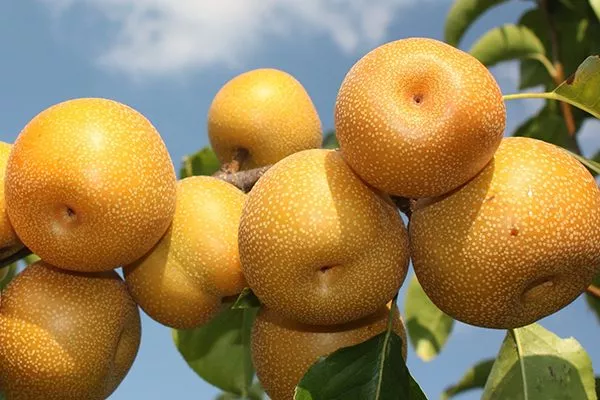
The tree is compact and neat, growing to a height of 2-2.5 m. It has a compact crown and a pyramidal shape. The tree is not very vigorous, resembling a columnar pear in appearance.
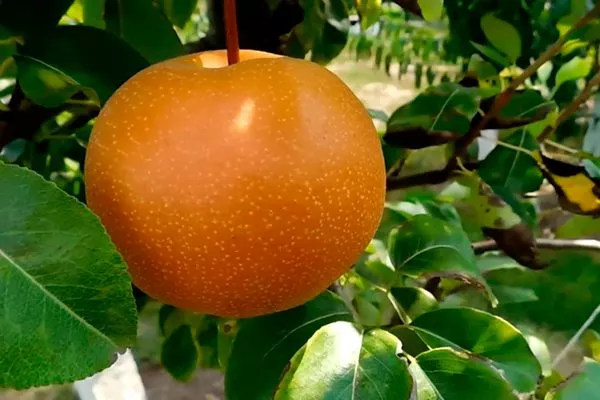
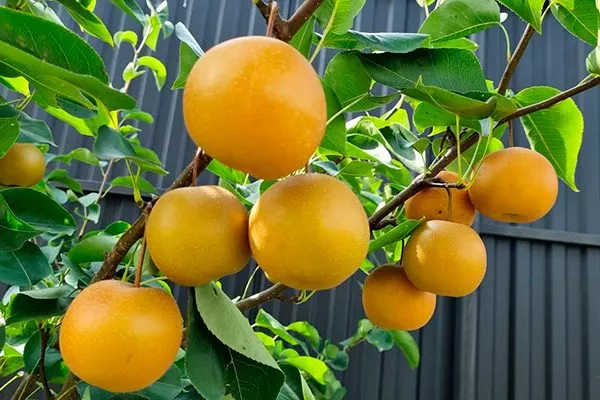
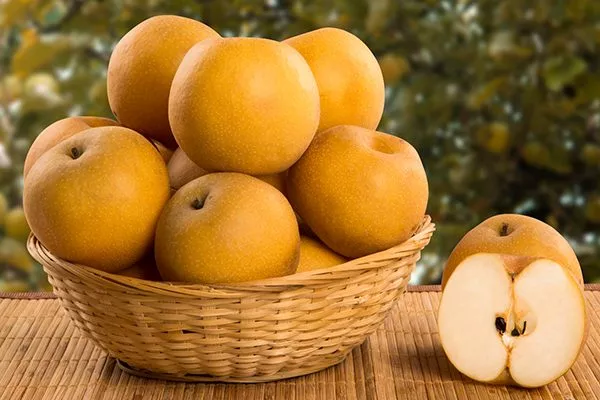
The Sekui variety produces large and unusual fruits, resembling apples in appearance. The fruit is spherical in shape, with subcutaneous dots clearly visible beneath the skin. The fruits have a bronze hue, and the flesh is creamy and buttery. The average fruit weight is 150-200 g.
Characteristics of the Sekui pear
The Sekui pear is attractive not only for its unique fruit but also for its excellent agronomic characteristics. Thanks to its low maintenance and hardiness, this variety has gained considerable popularity among pear lovers.
Taste
The apple-like flavor of these pears is quite pleasant and somewhat exotic, even unique. Sequi pears not only have a rich flavor but are also very aromatic, with hints of spice. Tasting score: 4.3-4.5.
Ripening time
Pears ripen in the fall, and harvesting begins in the last ten days of August. It's crucial not to miss the harvest time. As the fruit ripens, it gradually changes color, lightening and turning yellow.
The seeds help test ripeness. To determine if the pears are ripe, cut two or three pears open and examine the seeds. If they turn brown, it's time to harvest. This variety has a high yield (around 100 kg per tree), but yields vary depending on growing conditions.
Self-fertility and early pregnancy
It is self-fertile, so planting additional pear varieties for pollination is not necessary. To obtain higher, higher-quality yields, it is recommended to plant a pair of pear trees that bloom at the same time as the Sequi, to ensure cross-pollination. The tree begins to bear fruit in the third year after planting.
Frost and drought resistance
Growing experience has shown that the Sekui variety has frost resistance sufficient for temperate climates—down to -35°C. However, if frosts frequently drop below this temperature, the tree is unlikely to grow and develop; severe cold will inevitably cause irreparable damage. However, the Sekui pear is quite drought-resistant.
Disease resistance
This variety has excellent disease resistance, is rarely affected by fungal infections, and even less susceptible to bacterial and viral diseases. Thanks to its high immunity and ability to adapt to various climatic conditions, it is widely grown in a wide variety of regions.
- ✓ The seedling must have a healthy root system without signs of rot or damage.
- ✓ The height of the seedling must meet the standards for dwarf varieties - no more than 1.5 m.
Landing features
The Sequi pear is planted in sunny, well-lit areas, preferably at elevated sites. Before planting, prepare the planting hole using standard techniques. In temperate climates, planting is done in the spring, while in the south, autumn is preferred. Trees are planted at intervals of 3-4 meters.
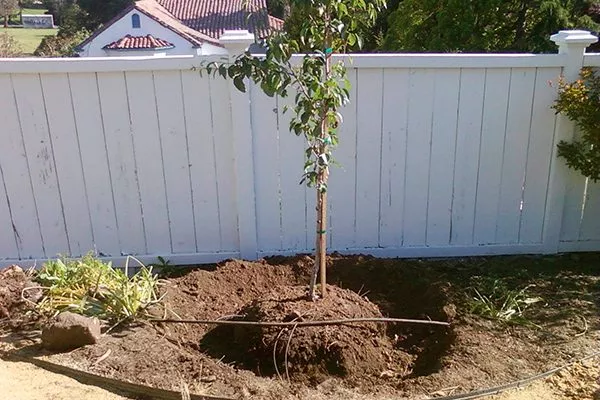
The hole should be deep and wide enough to comfortably accommodate the seedling's root system. Fill the hole with a nutrient mixture made by mixing humus with fertile soil, adding wood ash and superphosphate. The nutrient solution added to the hole will provide sufficient nutrients for the trees to thrive for at least two years.
Care
The Sequi pear, despite its hardiness and undemanding nature, requires some care. Otherwise, the chances of a high-quality harvest are minimal.

Care features:
- During the first year after planting, the tree should be watered fairly frequently. If it's hot, water it weekly. It's important to maintain optimal soil moisture, preventing it from drying out.
- Pruning a dwarf tree involves shaping a compact, pyramidal crown. Branches are pruned every spring, removing frozen and damaged shoots, shaping the tree to its desired shape, and stimulating growth.
- Fertilizers are applied starting in the third year of planting, using organic and mineral fertilizers. In spring, nitrogen-containing compounds are preferred. The tree is fed several times a season—before and after flowering, and during and after fruit ripening.
Harvesting and storage
The Sekui pear is an autumn variety, so there is no need to rush to pick the fruit, but you also shouldn't delay harvesting it, as ripe fruits may fall off.
When picking ripe pears, it's important not to pull them down. Gently grasp the fruit, apply gentle pressure to the stem where it connects to the branch, and lift it slightly upward or to the side. If the fruit doesn't come off, postpone picking for 2-3 days. Fruits that stubbornly refuse to come off should be left on the branch to ripen further.
Harvested pears are placed in crates or boxes, which are placed in a cool room. After aging, the pears truly become delicious, acquiring the qualities expected from their variety. Pears should be stored at a temperature of 0 to +4°C and a humidity of 90 to 95%. Under these conditions, they can be stored for several months.
The Sekui pear is a truly interesting variety that will appeal to fans of dwarf fruit trees. This compact and productive pear with apple-like fruits will also surely appeal to lovers of unusual varieties and shapes.