
The rules for harvesting pears are simple enough for even novice gardeners to understand. Following these guidelines will help you avoid common mistakes and preserve your harvest until winter. Because during the cold season, there's nothing better than enjoying fresh fruit grown with your own hands.
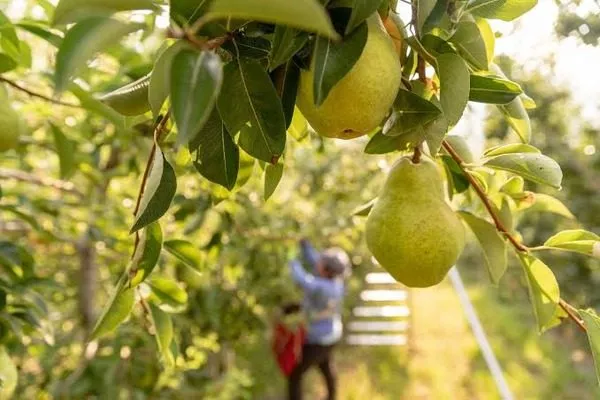
Why is it so important to pick pears at the right time?
Untimely harvesting negatively affects the shelf life and quality of the fruit, and can sometimes harm the tree itself.
Consequences of harvesting too early:
- Deterioration of fruit preservation.
- Insufficient development of taste and aroma due to incomplete accumulation of nutrients.
- More frequent and intense browning of the skin.
- A decrease in the overall yield, since the greatest increase in fruit mass occurs immediately before maturity.
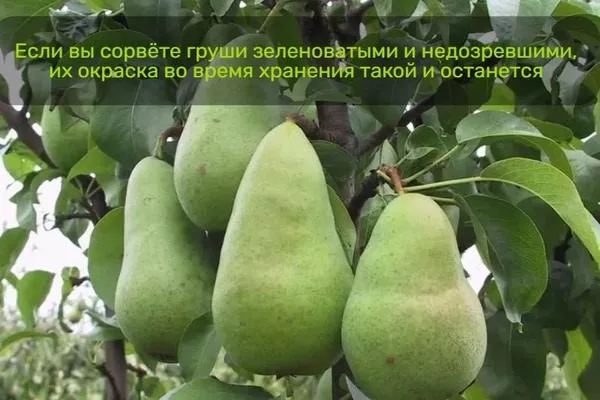
- The absence of the colour characteristic of the variety during storage; the fruits remain greenish.
- Insufficient formation of wax coating in late varieties, which leads to rapid loss of moisture and wilting.
Consequence of late collection:
- Losses due to fruit drop.
- Deterioration of transportability.
- Reduced shelf life – overripe pears do not store well.
- In some varieties the flesh becomes mealy.
- Increased susceptibility to diseases during storage.
- Risk of frost damage in winter varieties.
- Decreased content of nutrients.
- The fruits become too soft, are easily damaged during harvesting, and are susceptible to rotting during storage.
- Negative impact on next year's harvest due to a reduction in the formation of flower buds (the tree does not have time to do this before the first frost).
- Insufficient time to prepare trees for winter, reducing their winter hardiness and frost resistance.
What varieties of pears are best for storage?
Choosing the right type of pear for storage is crucial, as not all varieties can withstand winter storage without losing their marketability:
- Summer and autumn - They are not suitable for long-term storage, since even under optimal conditions they cannot be stored for a long time.

- Winter – the optimal choice, offering a number of advantages:
- neutral taste that improves over time;
- long shelf life (two months or more);
- dense pulp that retains its shape and flavor during cooking;
- hard fruits that are picked unripe and require time to ripen.
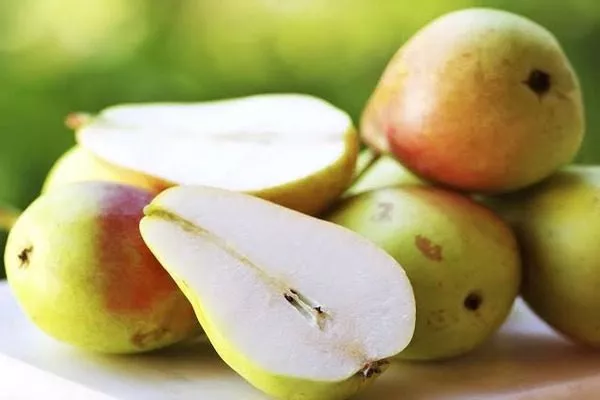
What factors influence ripening?
The ripening of pears is influenced by a complex of external factors:
- Weather conditions—frost, unusually hot weather, or a prolonged autumn—often delay ripening times. Sudden temperature fluctuations or an early spring also affect the harvest. Excessive rainfall or overwatering can negatively impact ripening times.
- Lighting and regular fertilization are important factors. Poor soil can hinder active and timely fruiting.
- Pears of the same variety, growing nearby but on different rootstocks, may ripen at different times.
- Insufficient pruning of dense canopies can affect ripening times because it reduces the amount of sunlight the fruit receives.
- The age of the tree also matters.
Less significant factors include the location of the fruit (inside the crown or on the periphery) and the load on the branches, as well as crop instability caused by pests, fungal diseases and infections.
Stages of maturity
Pears' harvesting times vary depending on their intended use: some varieties are intended for immediate consumption, while others are best stored and ripened. Pears for processing are harvested at the technical ripeness stage. To choose the right harvesting time and obtain high-quality processed products (juice, wine, jam), it's important to understand the differences between the various stages of fruit ripeness:
- Technical – The stage when the pear is optimal for processing. This early phase is characterized by maximum juice yield. The seeds are just beginning to darken. The fruit's flavor at this stage is bland, but not devoid of aroma.
- Removable or botanical – The moment when fruit growth and the accumulation of nutrients (sugars, vitamins, minerals, pectin, starch) are nearing completion. A cork layer forms between the fruit and the branch, facilitating its separation. The seeds are fully ripened. Pears harvested at this stage can ripen further during storage.
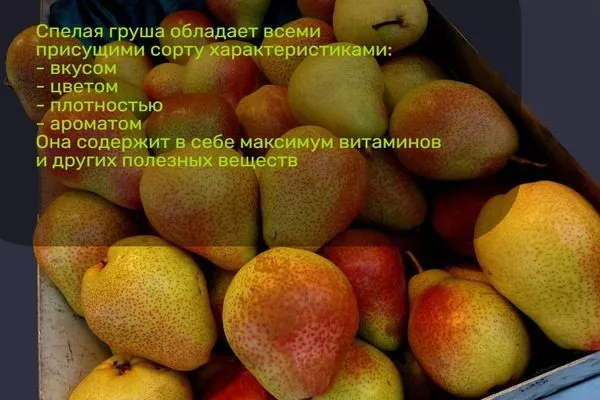
- Consumer – When the pear has all the characteristics inherent to a particular variety: flavor, color, firmness, and aroma. The nutritional content reaches its peak. The fruit is ready to eat.
- Full physiological - This stage is characterized by the cessation of cumulative processes and the onset of the breakdown of nutrients. Starch disappears, the pulp becomes dry, losing its juiciness and flavor. Such fruits are not used as food, but are brought to this stage only to obtain mature seeds. This is impractical for home use.
How to determine the ripeness of pears?
There are a wide variety of pear varieties, which are classified according to ripening time:
- Early ones are picked before they are fully ripe, because if they are allowed to ripen on the tree, their taste and juiciness deteriorate, and the fruits begin to fall off and become damaged.
- Mid- and late-season varieties are picked ripe, but sometimes they don't reach the desired ripeness and have to be picked unripe. Often, even ripe fruits remain hard.
There are several effective ways to determine the optimal degree of ripeness of pears for harvesting:
- Ease of separation: The fruit should be easy to remove from the branch. If it's still firmly attached, it's too early to harvest.
- The appearance of carrion: The beginning of the harvest is indicated by the appearance of healthy, undamaged fruits under the tree.
- Chemical test: The cut fruit is treated with an iodine solution (1:15). If the flesh remains light, the pear is ripe; if it darkens, it is not.
- Peel color: A change in skin color is a good sign of ripeness. Overripe pears have a purple skin and a deep yellow flesh.
- Fruit softness: When pressed, a ripe fruit leaves dents. If the skin splits, the fruit is overripe and requires immediate processing.
- Seed maturity: Dark brown seeds indicate readiness for harvesting.
- Taste: The correspondence of the fruit's taste to the varietal characteristics is a sure sign of ripeness.

When is the best time to harvest pears?
The timing of the pear harvest depends largely on the characteristics of the particular cultivar. You can find out about the best varieties Here.
Summer
Early varieties are usually ready for harvesting as early as early August. A distinctive feature of these pears is that they reach harvesting and consumer maturity simultaneously. However, ripening of the fruit on a single tree can be uneven, so harvesting should be done in several stages.
Other features:
- On an industrial scale, fruits are harvested slightly unripe so that they ripen during transportation and do not spoil.
- A sign that the fruit is ready to be picked is when it easily separates from the branch and the seeds darken. If the pears begin to fall off during calm weather, this is also a sign that it's time to pick the remaining fruit.
- Summer varieties do not have a long shelf life – under optimal conditions, they retain their quality for no more than two weeks.
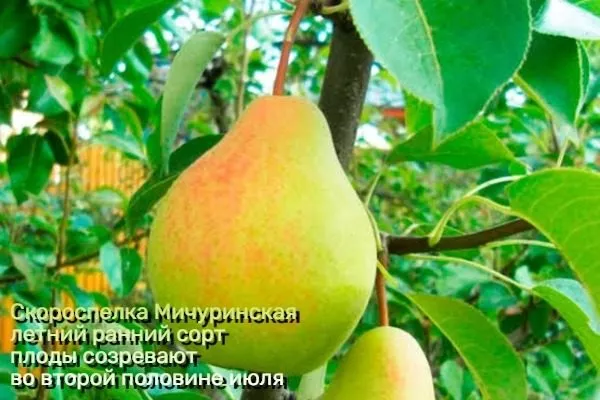
- Among the summer varieties of pears, Skorospelka Michurinskaya is especially in demand, Children's And LadaTheir consumer maturity occurs in mid-July and lasts until the first weeks of August.
- Mid-early varieties such as Tsar's, Space, Cathedral, are collected starting from the second half of August until the beginning of September.
Autumn pears
Mid-season varieties are divided into early and late. The former resemble summer varieties in characteristics, while the latter resemble winter varieties. These pears ripen from mid-August to early October:
- Early autumn The fruits are harvested either at the end of the harvestable maturity stage or at the beginning of the consumer maturity stage. These periods usually coincide or differ by a few days. Such fruits can be eaten immediately or stored for up to two months. Only pears harvested at the technical maturity stage are suitable for processing.
- Late autumn The varieties are harvested when they reach harvestable maturity. Before consumption, they need to be stored for two weeks to a month at room temperature, and they can be stored for up to three months.
Winter varieties
Although late-ripening pear varieties are often called winter pears, they are harvested not in December, but from late September until the first frost. These varieties are ready for consumption after 3-4 weeks of storage in a warm place. Winter pears can be stored for up to six months.
The choice of pears varies depending on the local climate:
- In the Moscow region and other regions of central Russia, summer, autumn, and winter varieties are successfully cultivated. Early varieties are harvested in early August, and autumn varieties at the end of the same month. Late varieties are picked in September and stored until the New Year holidays.
- In regions with harsher climates, such as the Urals and Siberia, only summer and autumn varieties are grown. Consequently, harvesting occurs in late August and the first weeks of September.
When to harvest pears for processing?
For further processing, including canning, it is recommended to harvest summer or early autumn varieties. It is important that they reach the stage of so-called technical ripeness, when the juice concentration is highest.
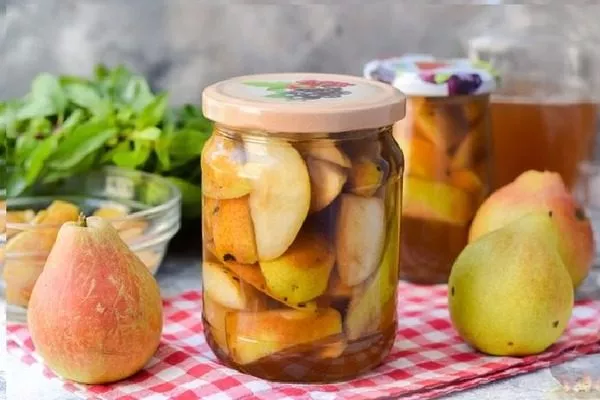
If you pick ripe pears, they will lose their shape and appeal during the canning process. Making juice or wine will also not yield the desired results, as the pulp will not be able to release sufficient liquid.
Unripe pears that lack a distinct aroma and sweet taste are also unsuitable for processing.
How to harvest crops correctly to increase their shelf life?
As mentioned earlier, late autumn and winter pear varieties are best for winter storage. They are harvested when the fruit reaches what's known as picking maturity—the seeds are brown and the nutritional content is at its peak.
Nuances of harvesting fruits:
- Work should be carried out in dry autumn weather, avoiding rainy or windy days. It's important to remember that if the fruit was harvested in the evening, after it has warmed up, it should be cooled before storing.
- The main requirement when collecting is to avoid falls and impacts with the ground. Specialized devices can be used to facilitate collection from high branches.
- Pears are usually picked starting from the lower branches of the tree, gradually moving to the upper ones. Pears are picked carefully, gently separating the stem from the branch with a twisting motion.
- It is recommended to use fabric gloves to avoid damaging the protective wax coating on the skin, which protects the fruit from disease and rot during storage.
- During the work process, damaged, rotten, diseased or pest-infested specimens should be immediately discarded, without mixing them with healthy fruits.
- For harvesting vegetables for storage, a basket with a soft lining, such as burlap, is suitable. However, it's best to store them in spacious boxes or wooden or plastic containers.
- When winter pear harvesting time arrives, night frosts are common. If the fruit is covered in frost, postpone harvesting until it thaws. Avoid handling frozen fruit, as sudden temperature fluctuations can damage them, negatively affecting their shelf life.
How to pick pears from a tall tree?
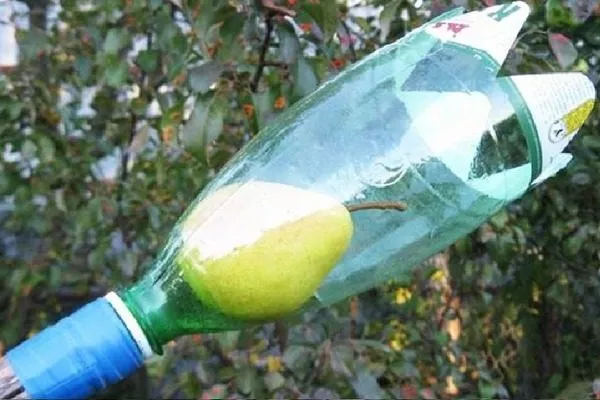
The easiest way to pick fruit from high branches is with a special apple and pear picker. There are several options: you can purchase a fruit picker from a store or make one yourself. For example, one of the most readily available materials for making such a device is a plastic bottle.
How to prepare pears for storage?
The shelf life of pears depends directly on their variety. The more juice and softer the flesh, the faster the fruit will spoil. Pears intended for retail sale are often picked slightly underripe, which improves their shelf life.
Subtleties of preparatory work:
- If there is a large harvest, it is advisable to sort the pears by size and degree of ripeness.
- Carefully inspect each fruit. Discard any that are soft, damaged, rotten, diseased, or pest-infested. Select only firm, healthy, and firm pears with undamaged skin for storage.
- Be sure to check that the stalk is present, as fruits without it will spoil faster.
- There is no need to wash the harvested crop.
- Since different varieties of pears ripen at different times, they should be stored in separate containers. This will allow you to eat the ones that start to spoil first.
- Protective treatment with biological products: 4-5 days before harvest, spray the trees with one of the following biological products: Alirin-B, Baktogen, Profit Natural Protection, Fitosporin, Frutin, or Ecosad. These will create a protective film on the surface of the fruit, preventing the development of rot during storage.
Storage Features
To ensure long-term preservation of their marketable appearance and protection from rot, pears should be stored in specially created conditions. If these conditions are carefully observed, the fruits will retain their flavor and vitamin value.
Storage conditions and requirements for pears
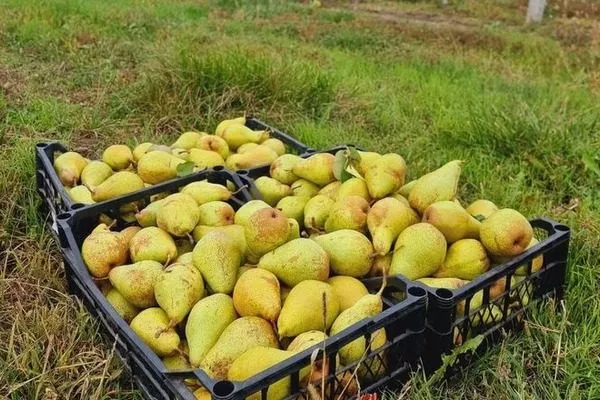
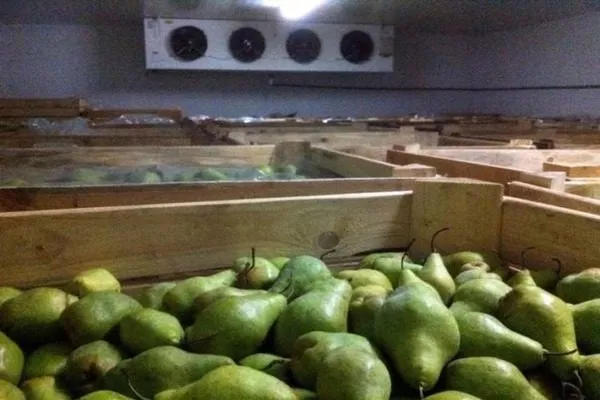
The key is proper fruit arrangement. Various arrangements are acceptable, but it's important to maintain proper spacing. Arranging pears in multiple layers is not recommended; a single layer, or two at most, is ideal.
The premises for storing pears must provide:
- air humidity within 80-90%;
- temperature around 0°C (with an acceptable deviation of 1 degree);
- mandatory ventilation for air circulation;
- lack of lighting, as darkness creates ideal storage conditions.
Where is the best place to store pears?
There are several ways to preserve pears for the winter or ripen them. Let's look at the most popular options:
- Balcony. This is a common method, as a balcony can accommodate many pears. For proper storage, the fruit is placed in wooden crates, each wrapped in paper and sprinkled with wood shavings or sand. It's important to maintain a temperature around 0°C (32°F). Deviations from this limit will shorten the shelf life.
Use breathable fabric to protect from light. In severe cold weather, cover the pears with a warm blanket.
- Fridge. This method is suitable for small quantities of pears. Ideally, use a vegetable compartment with a temperature of 4 degrees Celsius. It's important to refrigerate only pears. Note:
- First, chill the fruit for a few hours to avoid condensation.
- Place them in bags (about 1 kg) with holes for ventilation.
- Place in the vegetable compartment, making sure the fruit is not compressed. Check the fruit every 7-10 days.
- Freezer. For freezing, select ripe but firm pears. Wash, dry, and peel them. Cut the flesh into slices. Arrange them in a single layer on parchment paper and freeze for 2-3 hours. Then transfer the frozen slices to a plastic bag, press out any air, and seal.
You can freeze whole pears (small fruits with firm skins). Or you can puree raw or blanched pears and store them in containers. Frozen pears will keep for several months to six months if frozen continuously. - Cellar. A large harvest of pears can be stored in a cellar. Remove any excess debris and disinfect the cellar with sulfur dioxide a month before storage.
- Close all openings and doors.
- Light sulfur (3 g per 1 sq. m).
- Ventilate the room after 72 hours.
- In the ground. You can use plastic bags, tied with twine. Bury them after the first frost and cover them with spruce branches. This method will keep the fruit tasty and juicy for 4-5 months. Another option is suitable for long-term storage (until spring):
- Select a slope or elevation.
- Dig a hole 200 cm from the groundwater to a depth of 150 cm.
- Place boards or pallets on the bottom, and boxes with the harvest on them.
- Bury the fruits before frost, leaving 50 cm between the box and the soil surface.
- Cover the hole with boards, leaves or straw and fill with soil.
- Provide ventilation using a pipe in the center of the hole.
- In the sand. Use clean, calcined sand. Line the cellar floor with plastic. Add a 2 cm layer of sand to wooden containers, space the fruit apart, and cover with sand.
Repeat this process until the box is full. Maintain optimal humidity to prevent the sand from becoming damp. - In sawdust or straw. Make sure the materials are dry. Place a layer of 7-10 cm (3-4 inches) at the bottom of the box. Place the pears stem-side up to prevent them from touching. Cover the top with sawdust or straw. Arrange the pears in several layers, interspersing them with dry material.
Storage methods
Choosing the right storage container will help your fruit last longer. Consider the following when choosing a container:
- Avoid using plastic containers, it is preferable to use wooden boxes or even baskets;
- To prevent rotting and mold, boxes should be treated with sulfur;
- Do not use containers without ventilation or with poor ventilation, as the pears will quickly begin to spoil;
- It is not recommended to store more than 15 kg of fruit in one box;
- It is advisable to place no more than two layers in one container; if the pears are placed in three layers, the bottom layer may begin to deteriorate under the pressure of the upper ones;
- fruits should be laid with the stems facing up;
- pears should be placed at a distance from each other so that they do not touch;
- For separation, you can use paper or straw; it is acceptable to layer the fruits with dry moss, sawdust, or even peat;
- Plastic bags are also suitable for storage, but you need to remove the air from them;
- You can place one container on top of another, keeping a distance of 5 cm so that the bottom does not press on the stalks;
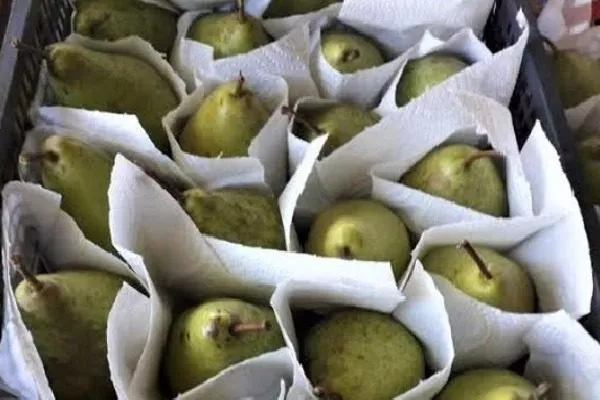
- If you are storing a small number of pears, wrap each one in paper; spoiled pears can be identified by damp spots on the paper.
What is the best way to store:
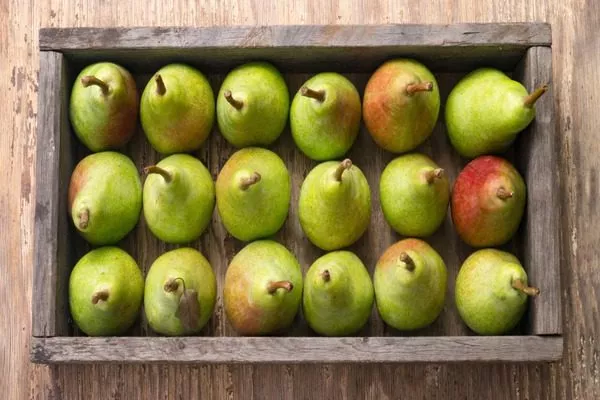
- In boxes or cartons. Line the bottom of a crate or box with paper. Arrange the pears in a single layer, stem-side up. Cover the fruit with another layer of paper or a dark, breathable cloth to prevent light from reaching the fruit. Transfer the pears to a cool place for storage.
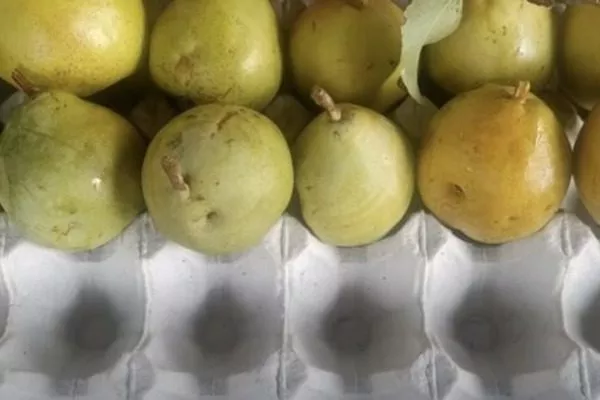
Don't place them on the floor; instead, place them on a shelf, stool, or other elevated surface. If the boxes have high sides, you can stack them on top of each other, but be careful not to crush the fruit. - In egg trays. For this method, you'll need large square egg trays. Arrange the pears in the trays, stem-side up. Cover them with a similar tray, paper, or a dark, breathable cloth to protect them from light.
Store the pears in a basement, cellar, balcony, or other cool location, raising them up. The fruit can also be stored in the refrigerator in this packaging.
- On paper. The paper wrapper will absorb excess moisture from the pears' surface, keeping them fresh longer. Wrap each fruit in a single layer of paper. Place them in a crate, box, or other suitable container.
Wrapped pears can be placed in one or several layers.
Some useful tips
To keep pears in good condition, experienced gardeners advise considering a number of important points:
- The key factor is choosing the right variety. Early varieties are not suitable for long-term storage.
- It is not recommended to mix different varieties of pears in one container.
- Pears are usually stored in a cellar or basement until the New Year holidays, and some varieties can remain fresh until May.
- It is necessary to inspect pears regularly, at least twice a month, in order to promptly remove spoiled fruits, preventing infection of the entire crop.
- It is important to control the temperature in the room.
- You cannot store root vegetables together with pears.
- It is necessary to provide ventilation in advance, otherwise daily ventilation of the room will be required.
- It's important to maintain a stable microclimate and darkness in the cellar. If humidity is insufficient, you can use boxes filled with sand, which should be periodically moistened.
- If you find spoiled pears in a box, you should carefully sort through all the fruits in it.
How to make pears ripen?
Unlike most fruits, pears reach full ripeness after harvest. To fully enjoy their unique flavor, choose firm, undamaged specimens and allow them to ripen fully. Use these simple methods for ripening:
- If you want to ripen pears naturally, simply leave them at room temperature for 5-7 days. Check the fruit regularly for softness—this is a sign of ripeness and readiness to eat. Make sure the pears don't touch each other to prevent skin damage, especially for Asian varieties.
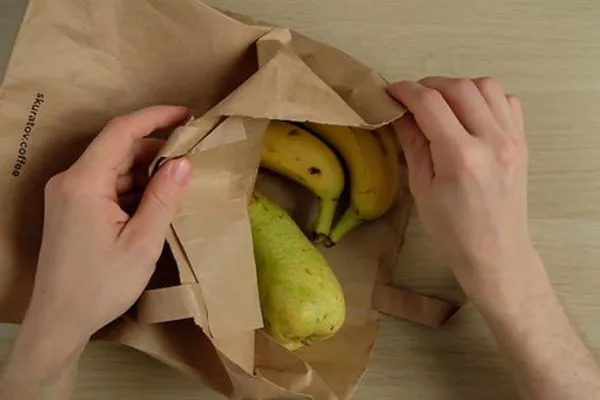
- A faster way is to place the pears in a paper bag. This environment concentrates ethylene, the gas released by the fruit during ripening, which speeds up the ripening process to 2-4 days. Seal the bag tightly to prevent gas from escaping. Remember to check the pears daily.
- If you don't have a paper bag, place the pears close to ripe apples or bananas. The ethylene gas released by ripe fruit will stimulate the pears to ripen.
It's especially important to carefully and promptly harvest pears intended for long-term storage, especially winter varieties. Determining the optimal time for harvesting is a challenging task, requiring experience and constant observation. However, even a novice can handle it.