
The Sapphire pear is popular among gardeners in our country. It is characterized by its resistance to diseases and pests. The plant's compact size makes it suitable for planting in small spaces. Proper care is essential to ensure good harvests in the future.
Characteristics of the columnar pear Sapphire
It was developed by Russian breeders in the second half of the 20th century. While not currently included in the State Register, it quickly became popular among gardeners.
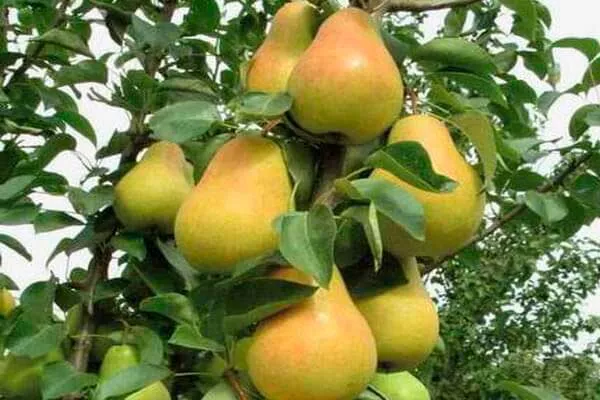
Distinguishing qualities:
- The tree reaches 2-3 m in height.
- Short fruit-bearing branches extend from the central trunk, covered with large, round leaves of an emerald hue.
- A distinctive feature of this cultivar is the remarkable variability in fruit weight. Fruits can be very small (50-70 g) or quite large (up to 350 g).
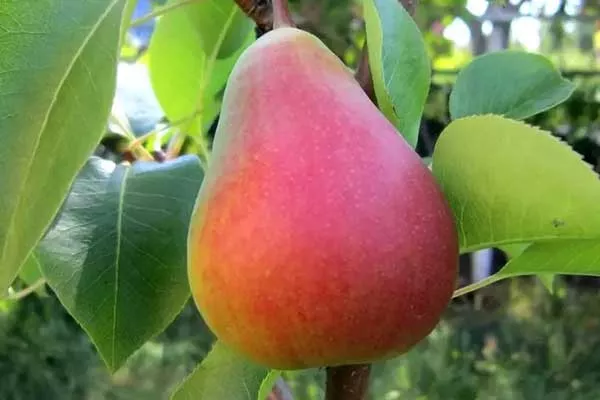
- The fruits have a greenish hue with small yellowish and pinkish-burgundy markings on the southern side. Their shape is typically pear-shaped, the soft part is snow-white but creamy, juicy, and has a balanced sweet-and-sour taste when ripe.
Characteristics of pear fruits
It is one of the oldest columnar varieties. With proper care, it produces large yields despite its small size.
Pollination
It is a self-sterile species. To ensure a stable and good harvest, self-fertile varieties with similar fruiting periods should be planted nearby.
Best pollinators:
- Chizhevsky;
- Lada;
- Yakovlev's favorite.
Productivity
With proper care and favorable conditions, a single tree can yield approximately 20 kg of fruit. For consistent results, ensure the following conditions are met:
- Regular watering to prevent the soil from drying out for a long time.
- Maintaining soil fertility through fertilizers and top dressing.
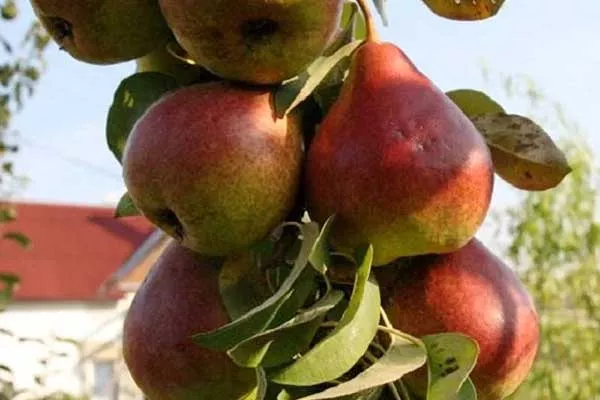
The first harvest is usually collected in the third year after planting. This is a mid-season autumn variety. The fruits are ready for harvest in early autumn, when they are technically ripe.
Which regions is the variety best suited to?
It lacks high tolerance to cold and overwatering, making it unsuitable for growing in arid regions with cold climates. It is suitable for cultivation in central Russia, including the Moscow region.
Other characteristics of the variety
It has average frost resistance. Without additional protection, it can withstand temperatures down to -25°C. Severe frosts pose a high risk of damaging fruit buds, which can reduce or completely destroy the harvest.
The crop is not very drought-resistant because its roots are located in the upper soil layers and cannot obtain sufficient moisture from deeper layers. Regular watering is essential to ensure adequate moisture. Insufficient water can reduce yield and affect the flavor and size of the fruit.
The fruits have versatile uses. They can be eaten fresh, used in salads, or preserved. They are especially suitable for making jams and preserves, as the pulp does not retain its structure when cooked, making them unsuitable for preserves containing fruit pieces.
Pros and cons of the Sapphire pear variety
Growing a tree on a site allows you to identify both its strengths and weaknesses. It has the following advantages:
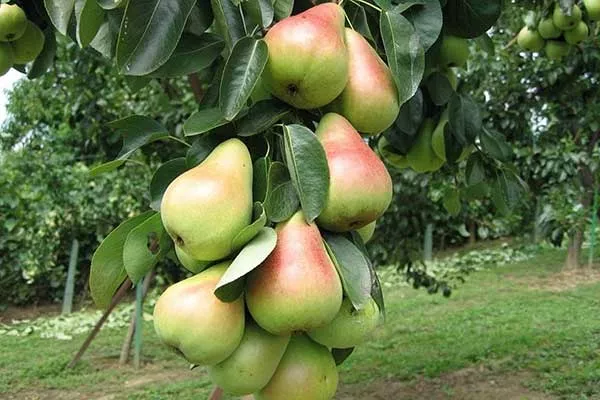
Among the disadvantages, gardeners note a short lifespan (10-15 years), short storage life and rapid deterioration of taste, and the need for pollinators.
Planting and caring for the Sapphire pear
For cultivation, choose well-lit areas with fertile soil, protected from strong winds, to increase yields. Planting recommendations:
- Dig the soil beforehand, adding organic fertilizer, potassium chloride, and superphosphate. Level the soil, but do not compact it.
- Maintain a certain distance between seedlings to ensure they have enough room to grow.
- Place the prepared seedlings in water before planting. Then dig holes, add fertilizer, place the seedlings, and water.
- After planting, maintain the soil, adding additional soil and compacting it. Mulch the soil to retain moisture.
- ✓ The seedling planting depth should be such that the root collar is 5-7 cm above the soil level.
- ✓ The distance between seedlings should be at least 1.5 m to ensure sufficient space for the root system to grow.
Caring for this crop doesn't require complex procedures, but it does require adherence to traditional agricultural practices. When growing, consider the specific cultivation conditions to ensure a consistent, high-quality harvest.
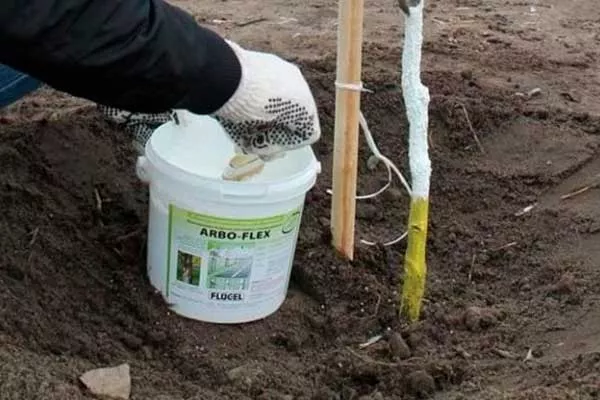
Perform care procedures:
- Watering and fertilizing. Due to the shallow root system, regular watering is essential. Feed the plant according to its needs for nitrogen, phosphorus, and potassium throughout the year.
- Trimming. Traditional pruning isn't necessary, but they do require periodic pinching of excess shoots. This is necessary to maintain shape and yield.
- Rejuvenation. Given the limited fruiting period, plant new seedlings several years before existing trees become mature to ensure a continuous crop.
Preparing for winter
Sapphire has low frost resistance, so to ensure reliable protection, provide it with adequate winter cover. Even minor temperature fluctuations can damage its shallow root system.

Create a tree trunk circle around the tree and cover it with a layer of mulch (peat, sawdust, compost, or geotextile). Additionally, wrap it with burlap or other non-woven material. These measures help minimize the impact of adverse weather conditions and maintain the tree's health.
Diseases and pests
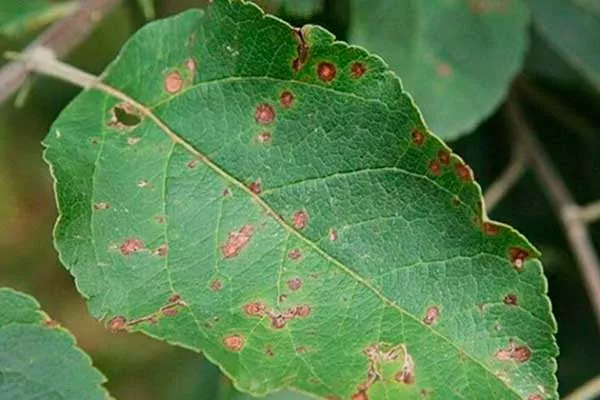
This variety is resistant to diseases and pests, but can be susceptible to problems if not properly cared for. Common fungal diseases include:
- Brown spot. Causes early leaf drop. For treatment, use Abiga-Peak, HOM, or Bordeaux mixture (1%). Apply both before and after flowering.
- Gray rot. It appears not only on leaves but also on fruits. Use Skor or Raek for control.
Insects can cause significant damage. Among the most dangerous pests are:
- codling moth;
- pear-umbrella aphid;
- leaf weevil;
- pear leaf gall midge.
Reviews of the columnar pear Sapphire
The Sapphire pear is easy to grow. Its columnar shape makes pruning unnecessary, and its shallow root system emphasizes the importance of regular and abundant watering. Adherence to traditional farming practices is key to successful cultivation.