
The Sanremi pear is one of the best columnar varieties, boasting excellent flavor and decorative qualities. Its compact tree is ideal for growing in small gardens. The fruits are large, sweet, and juicy, with tender flesh and a beautiful blush. This variety is self-fertile, cold-resistant, and produces a good yield as early as the third year after planting.
Description of the variety
Sanremi is a high-yielding variety of table pear that combines attractive appearance, pleasant taste and excellent transportability.
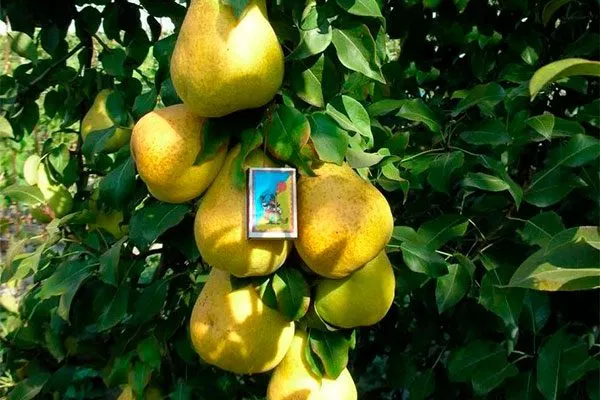
Distinguishing characteristics:
- tree - dwarf, with a columnar crown, reaches about 2 m in height;
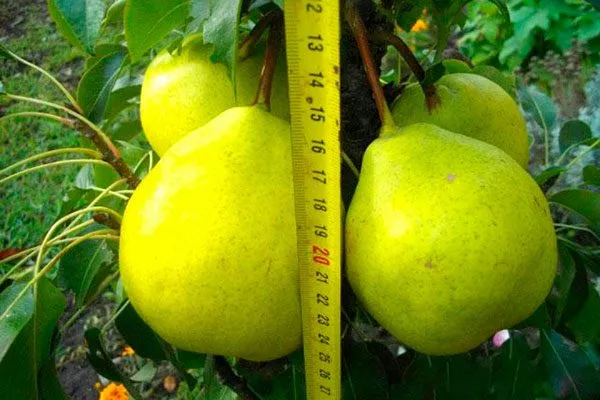
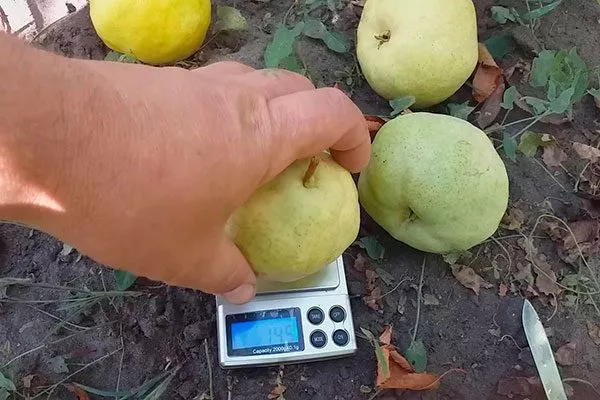
- fruits – large, oval-shaped, weighing from 300 to 400 g;
- skin – yellow-green, with a slight reddish blush;
- pulp – white, juicy and tender, with a distinct sweet taste.
Characteristics
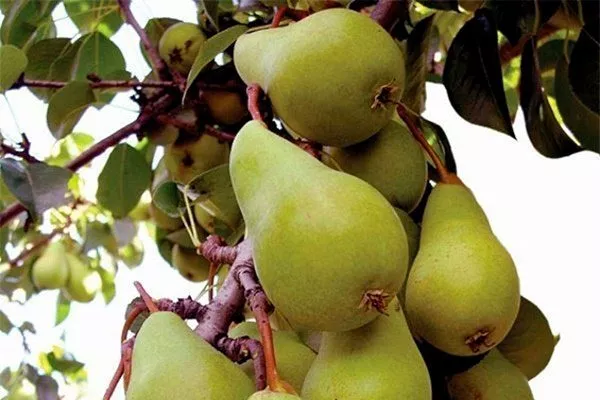
This is an autumn pear variety, with the fruit ripening in September and October. The yield is impressive: a single tree can yield 12 to 18 kg of delicious and juicy fruit.
Other characteristics of the variety:
- The tree is self-fertile, meaning it doesn't require pollinators to produce fruit. However, the presence of another pear tree nearby can promote even more abundant fruit production.
- The plant is characterized by high winter hardiness: it easily tolerates low temperatures and maintains stable performance even in harsh climatic conditions.
- Pears are successfully grown in the Central District, the Central Black Earth Region, the southern regions and in the Central Belt of Russia.
Landing
This columnar tree has an unusual appearance. Its cultivation requires a competent approach. To ensure its successful development and abundant fruit production, it's important to choose the right seedling, prepare the site, and follow the planting procedures.
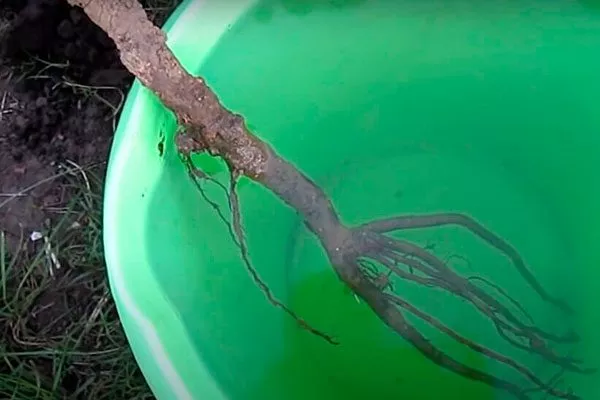
Selecting high-quality planting material is the key to successful cultivation. It's best to purchase one-year-old seedlings from specialized nurseries. These plants are already adapted to the local climate and are characterized by robust health.
Please pay attention to the following points:
- roots - fresh, without signs of drying out, rot or damage;
- The trunk is smooth, without spots, cracks or traces of pests.
Although columnar pears are undemanding, it's important to choose a location protected from wind and drafts. Compact trees are particularly vulnerable in the first few years of life. A plot of 50-60 cubic centimeters is sufficient for one plant. The tree can also be planted for ornamental purposes—near the house or in the foreground of the garden.
Even calcareous soils are suitable, but the tree thrives in fertile soils. Begin preparing the site in the fall:
- dig the soil to a depth of 20 cm;
- add humus;
- level and loosen well.
Plant in the spring to give the seedling time to establish itself before winter. Prepare the holes 2-3 days in advance:
- depth – about 80 cm, width – 60 cm;
- the distance between trees is 50 cm, between rows – 100-150 cm;
- pour 8-10 liters of water into each hole and wait until it is absorbed;
- add 20-30 kg of humus with sand (2:1);
- Mix the top layer of soil with superphosphate and potassium sulfate.
Step-by-step algorithm:
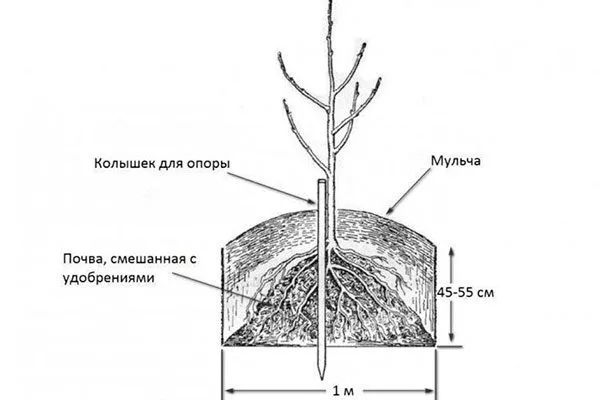
- Form a mound of earth in the hole, onto which carefully place the seedling with its roots spread out.
- Fill the hole with soil, compact it and water thoroughly.
- Create a watering ridge around the plant to retain moisture and install a support immediately.
Care
Caring for the Sanremi pear involves several essential steps that ensure the tree's health and abundant harvest. Follow standard agricultural practices:
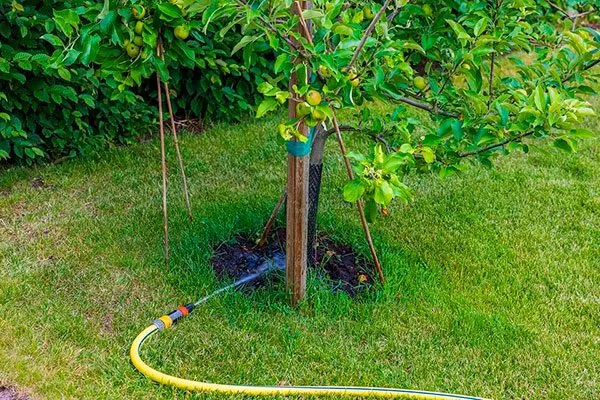
- Watering. During the first year after planting, trees require consistent watering. Water them twice a week, preferably in the morning. Increase the frequency during dry weather. Each tree requires an average of 5-8 liters of water.
It is important to avoid overwatering to prevent the development of root rot and fungal diseases.

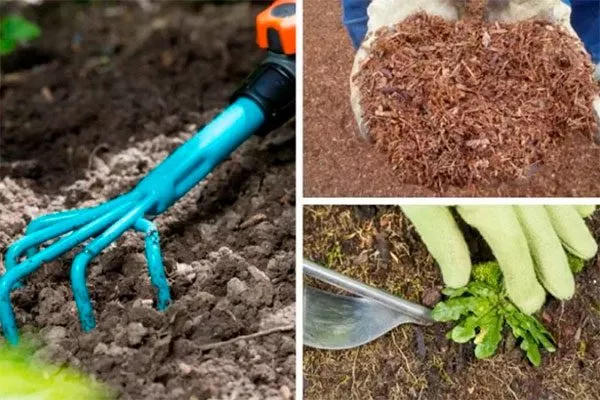
- Loosening and mulching. The soil around the pear tree should be regularly loosened to improve air access to the roots. Do this carefully to avoid damaging the shallow root system.
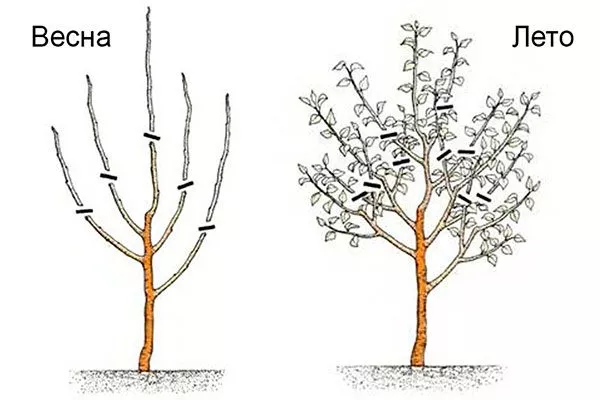
Be sure to remove weeds. Mulching with sawdust or straw helps control weed growth and reduces the need for tilling. - Trimming. Crown shaping gives the tree a neat appearance and improves fruiting. Prune in the spring (April) or summer (late July). Strong scraps Avoid this so as not to provoke the rapid growth of unnecessary shoots.
Follow these recommendations:- on young plants leave 2 buds, on mature plants – 5;
- pinch off the tops of the shoots if the tree branches weakly;
- Remove some of the emerging side branches with buds so as not to overload the tree.
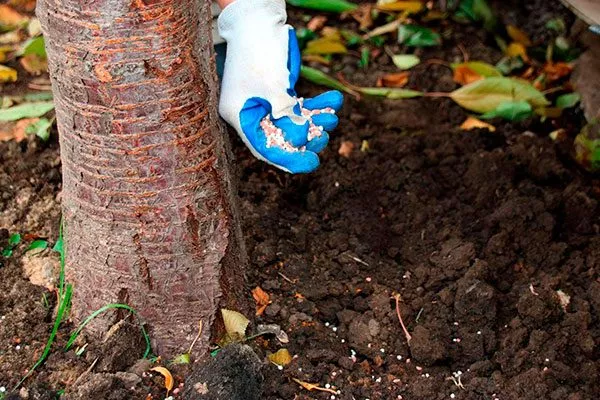
- Top dressing. For full growth, dwarf trees require regular feeding. Start applying nitrogen fertilizers when the plant is 2-3 years old and has established itself. One tried-and-true solution is to dissolve 10 g of urea in 2 liters of water.
Apply the first fertilizer in the spring, as soon as the true leaves appear. Repeat the procedure two weeks later, and apply the fertilizer a third time after another 14 days.
From the beginning of summer, replace nitrogen compounds with organic matter:- slurry or mullein: mix with water 1:1, use 1 liter for each tree;
- bird droppings: Leave it to infuse for 14 days, first filling half the container with it and adding warm water, the consumption per tree is 500 ml of infusion.
- Stop nitrogen fertilizing from late September to avoid disrupting the tree's preparation for winter dormancy. In the fall, use mineral fertilizers containing phosphorus and potassium: dissolve 40 g of superphosphate and 20 g of potassium chloride in 10 liters of water per 1 square meter of the tree's trunk circle.
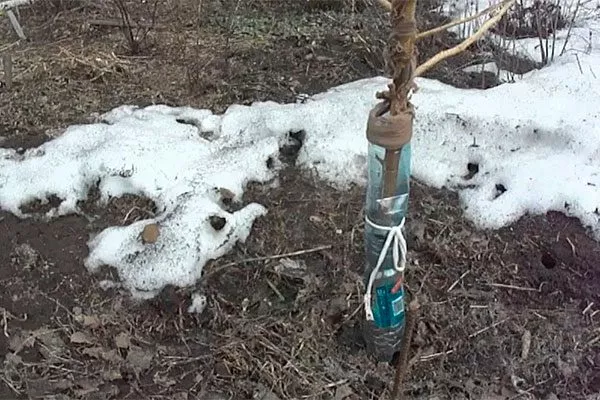
- Preparing for winter. Before the onset of cold weather, be sure to insulate the pear:
- use dry burlap, film, rope;
- additionally sprinkle the root zone with sawdust, spruce branches or straw;
- snow on top of the shelter will help retain heat;
- To protect against rodents, place thorny coniferous branches at the base of the tree.
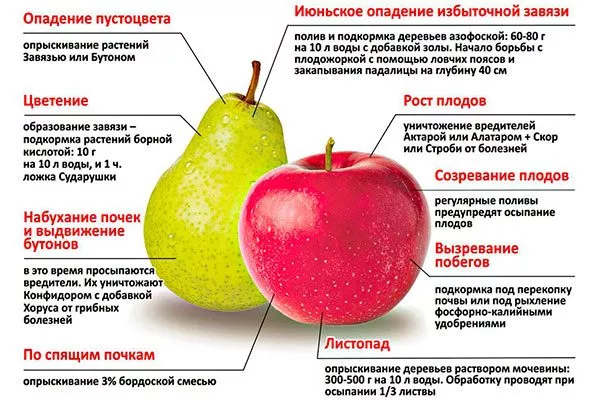
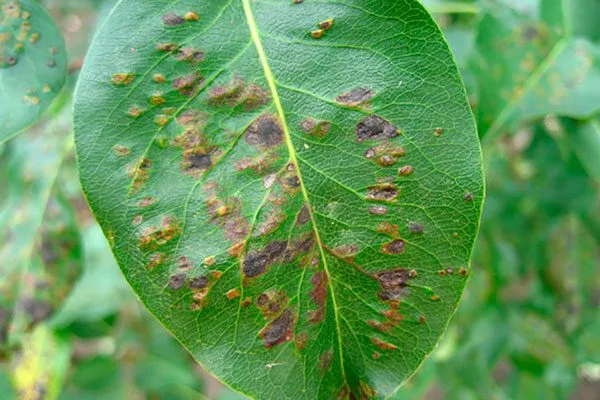
- Diseases and pests. Although Sunremi is disease-resistant, prevention is necessary. Without proper protection, the plant can suffer. from insects and infectionsBoth leaves and bark, as well as the fruits themselves, are affected.
Regular inspection, sanitary pruning, and the use of specialized products will help keep the tree healthy and productive. Popular products include Inta-Vir, Fufanon, Calypso, and Aktara.
Pros and cons
Columnar pears have many advantages, making them increasingly popular among gardeners. They are chosen for their compact size, early fruiting, and ease of maintenance, but it's important to consider some limitations.
Reviews
The Sanremi pear is a great choice for those who value early fruiting, ease of care, and excellent taste. The tree's compact shape saves space, and its resistance to frost and disease makes it reliable in variable climates. The plant thrives, delivers a consistent harvest, and is a beautiful addition to any garden.