
The Sakharnaya pear is an early-summer variety with a medium-sized tree. It is characterized by low maintenance, high yields, and winter hardiness in warmer regions of the country. It is considered demanding when it comes to site selection. It is cultivated both in private plots and in large-scale commercial orchards.
How and when did the variety originate?
The origin of the Sugar Pear remains a mystery, but it is known for certain that Crimean breeders developed it. Today, the variety has spread throughout Russia.
Characteristics of the variety
When purchasing a pear seedling, pay special attention to the variety and its characteristic qualities, which should fully correspond to the growing region and your own needs – taste, shelf life, yield, self-pollination, etc.
The appearance of the tree
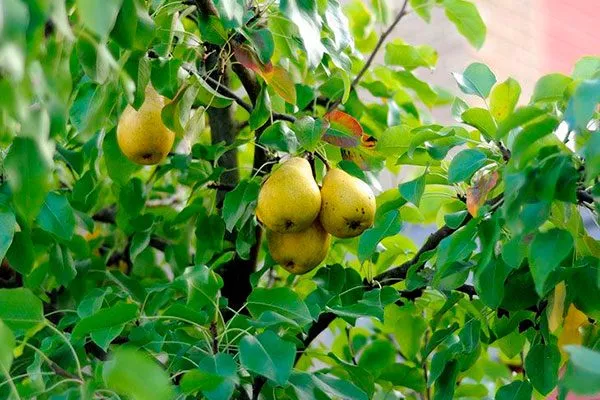
The Sugar pear is a rare specimen because the tree grows to a height of 250-300 cm, making harvesting easier. Other characteristic features of the plant include:
- crown – thickened, spherical or pyramidal in shape, which is influenced by the method of formation;
- foliage – strong;
- root system – developed, strong;
- foliage – medium in size, rich green;
- flowers – with a pleasant, distinct aroma, pink, small.
Fruits and their taste characteristics
Pears can be small or medium in size, depending on the number of fruits and growing conditions—the higher the yield, the smaller the fruit. Consider other parameters as well:
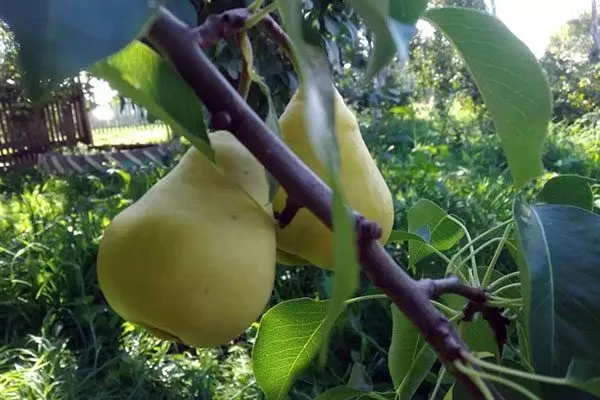
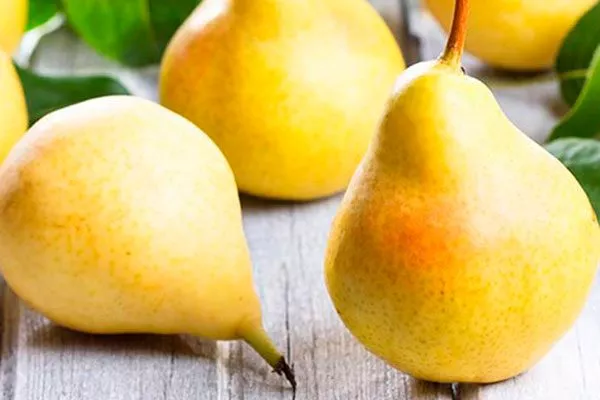
- the weight of one fruit is from 100 to 160 g;
- pulp color – closer to white;
- peel shade – yellow, but by the time it reaches consumer maturity, a slight blush appears (the main condition for this is the influence of sunlight);
- form - standard pear-shaped, oblong;
- peduncle – thick and elongated, curved configuration;
- fruit growth – with a slight slope (at an angle);
- pulp – dense in structure, grainy in texture;
- skin thickness – thin but strong, so you can transport the harvest over long distances.
Winter hardiness
This pear variety is distinguished by its excellent winter hardiness, making it suitable for cultivation in northern regions. However, during particularly cold winters, it is recommended to provide young trees with additional cover made of thick insulating material.
Scope of application
Thanks to their distinctive flavor, the ripe fruits of this variety are widely used both fresh and as a key ingredient in various culinary products, jams, and juices. This variety is especially prized for its use in confectionery and dried fruit production.
Ripening period and yield
The tree begins blooming in May, which means the berries are rarely damaged by late frosts. One of the advantages of this variety is its self-fertility, eliminating the need to plant additional pollinating varieties. Harvesting begins as the fruit ripens, usually in late June or early July, sometimes concurrently with the ripening of the cherries.
The variety's yield is impressive: a single well-maintained tree can yield approximately 28-33 kg of juicy fruit. To increase yield, it's helpful to plant other varieties with similar ripening times nearby.
Planting, care
The Sakharnaya pear, like most other pear varieties, is a heat-loving tree. Although it can be grown in warm climates, it should be planted in the spring. Young seedlings planted in the fall can suffer from temperature fluctuations. In warm winter conditions, planting can also be done in the fall, but will require reliable winter protection.
- ✓ The depth of groundwater should be at least 2.5 meters to prevent rotting of the root system.
- ✓ The optimal soil pH for the Sakharnaya pear is 6.0-6.5; if necessary, deoxidize the soil a month before planting.
Place and soil
Proper planting location is critical for regular and abundant fruiting. Trees should be placed in well-lit areas, protected from northerly winds and out of shade. Sites with groundwater levels above 200 cm are unsuitable. The soil should be light and permeable to moisture and air. If the garden has heavy soil, adding sawdust, sand, and peat is recommended.
When choosing neighboring plants for the Sakharnaya pear, consider the tree's size, leaving 3-4 meters between them. Other pear varieties, as well as apple trees, can be planted nearby. Plums, cherries, and apricots should be spaced further away.
Shade-loving vegetables and flowers can be planted in the shade of trees. Some, such as garlic, dill, and wormwood, help repel pests, while beans and other legumes enrich the soil with nutrients.
How to plant a pear tree correctly?
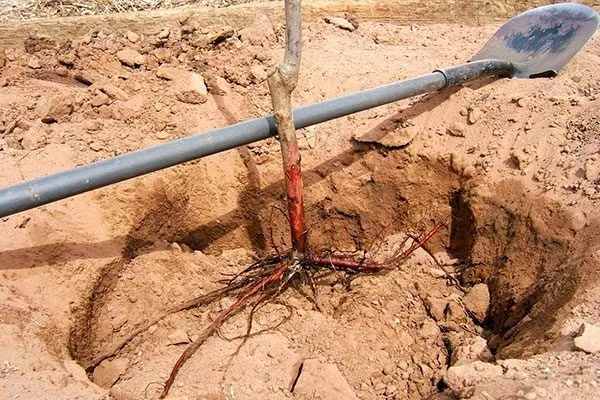
Before planting trees in the garden, it's important to thoroughly prepare the soil where they'll grow. Two to three weeks beforehand, the area should be dug over and enriched with organic fertilizer. After this, prepare planting holes measuring 80 x 70 cm.
How to do it:
- A drainage layer of crushed brick, pebbles or gravel, 10-15 cm thick, is placed at the bottom of each hole to ensure drainage of excess water.
- The top, fertile layer of garden soil is set aside and not thrown away.
- A nutrient mixture is prepared from it by adding 600-700 g of wood ash, as well as 350-450 g of mineral complex fertilizers to humus, sand.
- Fill the hole two-thirds with this mixture.
Further planting steps are classic.
Care
Although the pear tree is not particularly demanding in terms of care, timely agricultural practices can significantly affect the quality and quantity of the harvest.
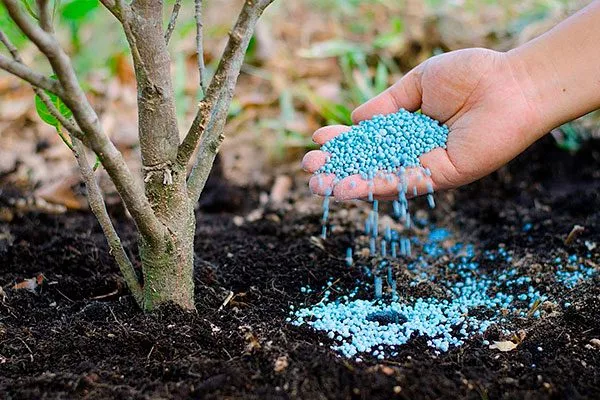
Follow these rules:
- Watering. Pear trees require proper irrigation, especially during the first three years of active growth. Consistent and abundant watering helps prevent the soil from drying out, which can negatively impact the fruit's flavor. Water the pear tree in the morning or evening with warm, settled water.
- Top dressing. Fertilizing is recommended starting 2-3 years after planting. Use organic or mineral mixtures that strengthen the plant's immune system and increase its yield.
- Trimming. Regularly carried out in spring and autumn, removing dry, damaged branches and other parts of the tree, which promotes the formation of the crown and prevents the spread of diseases and pests.
Diseases and pests
The Sugar Pear has a strong immune system and rarely suffers from diseases or pests. However, improper care, overwatering, and neglect of agricultural recommendations can lead to plant death or reduced yield.
| Disease/Pest | Resistance of the Sugar Pear | Recommended preventive measures |
|---|---|---|
| Scab | Average | Treatment with copper-containing preparations in early spring |
| Powdery mildew | High | — |
| Pear moth | Low | Setting up pheromone traps in early May |
To prevent this, trees should be regularly treated with special preparations to prevent diseases and insect attacks, especially before flowering.
Advantages and disadvantages
When choosing the Sakharnaya variety, consider all its pros and cons. Among the advantages of this pear are the following:
Disadvantages include reduced frost resistance in harsh climates and a short shelf life of the crop.
Reviews of the Sugar pear variety
The Sakharnaya pear can be stored for up to a month at a maximum temperature of 10°C (50°F). If left at 0°C (32°F), the fruit will retain its marketable appearance for a couple of weeks longer. Despite this, the variety is not suitable for winter storage, so gardeners try to process the pulp immediately. A distinctive feature of the tree is its numerous small pinkish flowers, making it an attractive addition to even the dullest garden plot.