
Cracking bark on pear trees is a common problem faced by many gardeners. The appearance of cracks not only spoils the tree's appearance but also significantly weakens it, creating an entry point for infections and pests. Understanding the causes of this phenomenon and taking timely measures to correct it will help maintain the health of the tree and ensure a good harvest.
Why are cracks in trees dangerous?
Wood cracking poses a much more serious threat than it might initially appear. Cracks harbor pathogens—bacteria, viruses, and fungi—that can cause various infections.
If the damage isn't treated promptly, it begins to develop like an unhealed wound in humans—it becomes infected, inflamed, and enlarges. In fruit trees, such cracks eventually rot, spreading the damage to surrounding tissue.
The main causes of bark cracking on a pear tree
The appearance of structural damage to the cortex can be caused by various circumstances. Each cause requires an individual approach and appropriate measures to repair the damage and prevent its recurrence.
Frost cracks
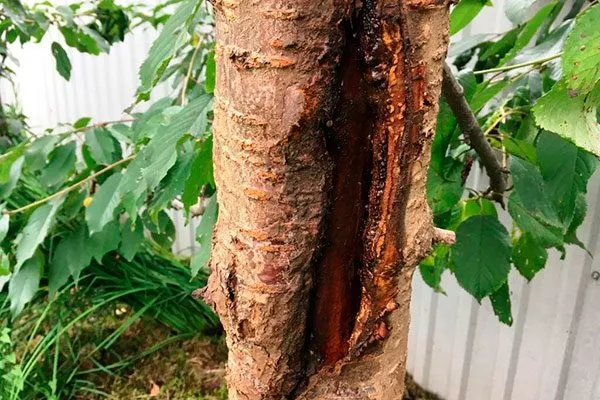
Damage often occurs due to sudden temperature fluctuations in winter or early spring. Key features:
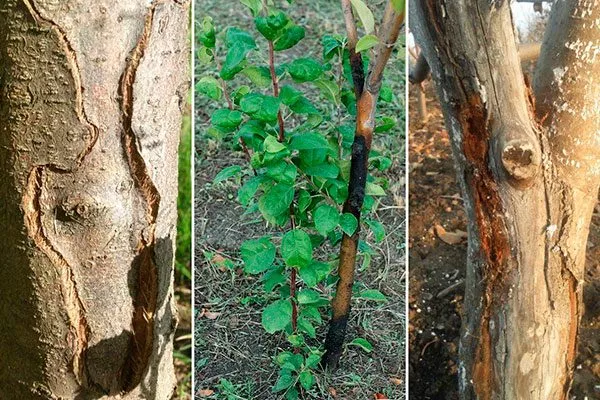
- On sunny winter days, the south side of a tree trunk becomes very hot under the sun's rays. The temperature of the tissue beneath the bark rises, and the sap in these areas begins to thaw. However, the root system is not yet active at this time, as it is located in frozen soil, preventing the thawed moisture from flowing downward.
- As night falls, the temperature drops sharply, often dropping below freezing. The thawed sap freezes, expanding and tearing the bark from the inside. This results in longitudinal cracks called frost cracks.
- Young trees with thin, smooth bark are particularly susceptible to such damage. Cracks most often appear on the south side of the trunk, where daytime heating is most intense.
Sunburn
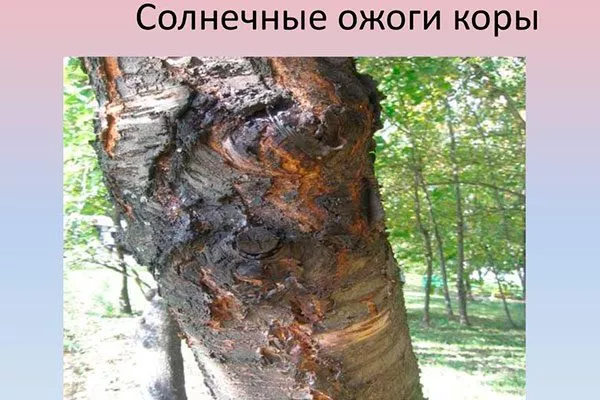
Cracks in the bark occur not so much due to direct sunlight as to sudden temperature changes. Key features:
- In March, especially in the central part of the country, the following weather pattern is common: bright sunshine during the day, the bark warms up, and sap flow increases. But at night, the temperature suddenly drops to -10 to -15°C.
Such a sharp change is detrimental to living cells of the cortex – they cannot withstand the stress and partially die, which leads to the formation of cracks. - The situation is further aggravated by unmelted snow, which reflects sunlight and increases the thermal impact on the tree. As a result, the temperature fluctuations become even more dramatic.
- Young trees with thin bark are especially vulnerable to sunburn, while older, rougher bark can withstand such changes more easily.
Mechanical damage
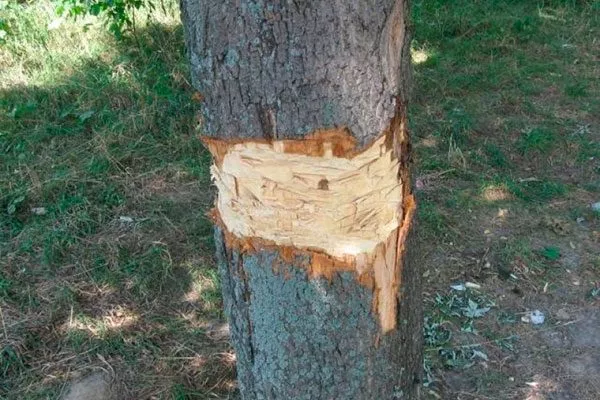
Another common cause of bark cracking is external trauma to the plant. This can occur due to both human error and natural factors.
Main reasons:
- When tending to the tree trunk, you can accidentally damage the bark with a lawn mower or trimmer, especially on young seedlings.
- Excessive fruit production can also lead to injury: if a branch cannot support the weight of the fruit and breaks, this often causes cracks where it connects to the trunk, especially at an acute angle.
- Heavy precipitation in the form of wet snow can accumulate on tree crowns, weighing down branches and causing them to break, which can lead to bark damage.
- In winter, rodents – mice, hares, and other animals – pose an additional threat. They gnaw at the bark in search of food, leaving open areas through which infections can easily penetrate.
Each of these damages weakens the tree and requires timely intervention.
Excess fertilizers
Overfeeding trees isn't always beneficial, especially when it comes to nitrogen. Nitrogen stimulates vigorous growth of shoots and foliage, which is truly important during the first half of the growing season. However, starting in the second half of summer, applying nitrogen fertilizers is of no benefit.
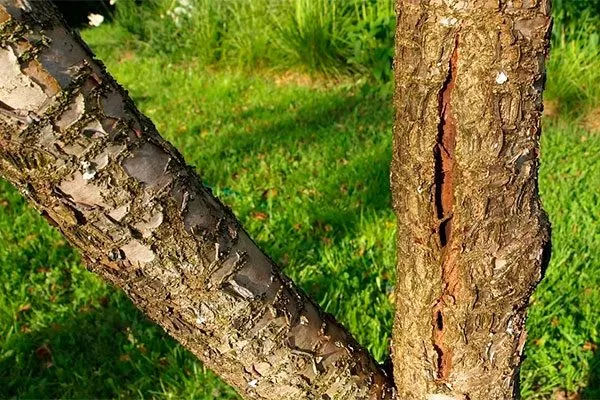
A lack of nutrients also negatively impacts the tree's health. Weakened plants are less resistant to diseases and pests, which, although indirectly, can contribute to the development of cracks in the bark due to deterioration of the overall condition and loss of protective functions.
Incorrect watering
One of the key causes of bark cracking is excess soil moisture, especially during the cold season. The main symptoms and signs are:
- When oversaturated with moisture, tree tissues retain large amounts of water. When frost sets in, this moisture freezes, expands, and literally tears the bark apart from the inside.
- Such damage is especially common in regions with heavy rainfall and heavy, poorly drained soils.
Diseases
Many pear diseases are associated with pathogenic microflora. Some of these not only weaken the tree but also directly cause cracking and drying of the bark.
Common diseases of the crop:
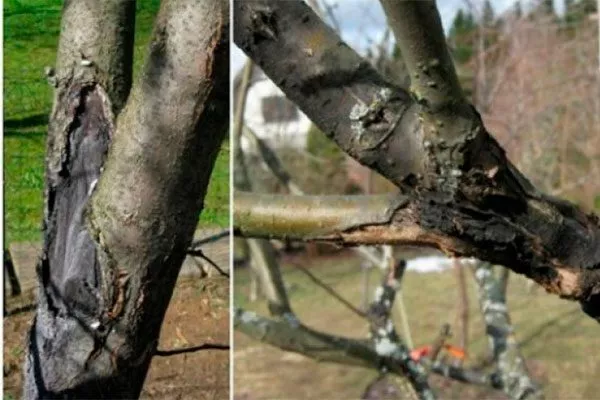
- Black crayfish. This is one of the most dangerous fungal infections. The pathogen overwinters in the bark, remaining undetected for a long time. The first signs are the appearance of black spots and ulcers on the bark surface.

The disease progresses rapidly: the bark and cambium dry out, and dark spots resembling charring appear on the trunk. Leaves dry out prematurely, and flowers and ovaries fall off.
Black canker can destroy even a mature and apparently healthy tree in less than three months. The infection often enters the plant through frost cracks.
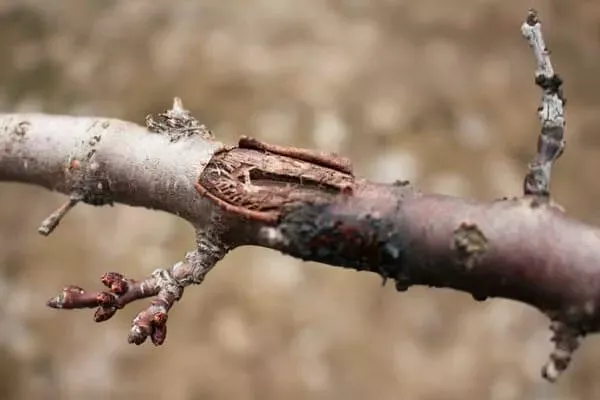
According to experts and gardeners, the main cause of the infection is poor agricultural practices. Trees weakened by frost and growing in damp and shaded areas are particularly vulnerable. - Cytosporosis. Another fungal disease causes the pear tree's bark to gradually die without changing color. Without treatment, the affected areas enlarge, the branches dry out, and eventually the entire tree dies.Cytosporosis is difficult to treat, so focus on prevention: following agricultural practices, timely pruning, removing damaged branches, and disinfecting wounds can minimize the risk of infection.
Pests
Many insects feed on leaves, but some directly damage the bark, causing serious harm to the tree. The most dangerous parasites include:
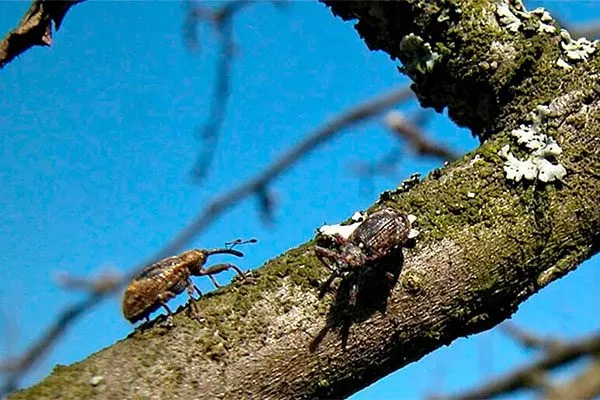
- Bark beetles, weevils, click beetles. They burrow beneath the bark, damaging the phloem and internal tissues. On the surface, only tiny openings serving as entrances or exits are often visible, while the tunnels themselves can be long and branched.
Such damage disrupts the circulation of nutrients, the bark begins to dry out and crack, and shoots and young trunks lose strength, which leads to their deformation. - Sucking pests (aphids and bugs). They feed on sap from soft tissue. The constant sucking of nutrients leads to weakening of the plant, drying out of the bark, and subsequent cracking.
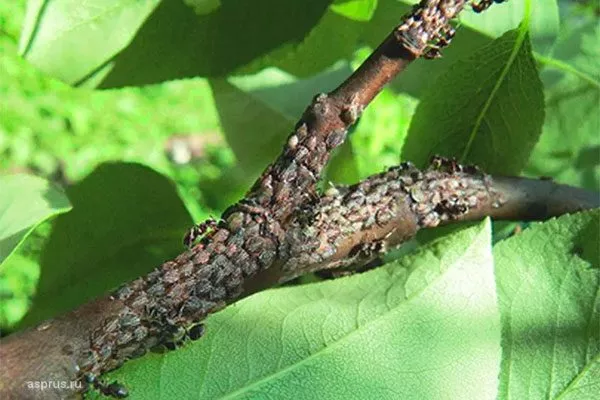
To protect the tree, it's essential to treat it with insecticides in a timely manner. Early spring prevention is especially important, before pests are active.
Rodents
Another common type of mechanical damage is caused by hares and voles, especially in winter. These animals readily eat the tender bark of young trees, causing serious damage to the pear tree.
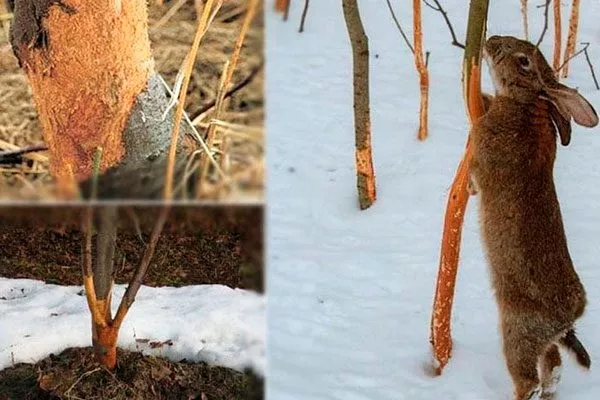
Not only large patches of gnawed wood pose a danger, but also seemingly minor damage. After a thaw, moisture accumulates in microcracks, which freezes when the temperature drops again. The expanding ice tears the bark and deepens the damage.
To protect trees from rodents, it is important to take preventative measures in advance:
- wrap the trunks with protective netting or spruce branches;
- compact the snow around the trees;
- lay out bait or repellents.
How to treat cracks in tree bark?
If damage to the bark has already formed, it's important to take action as soon as possible to stop further spread and prevent infection. Follow these recommendations:
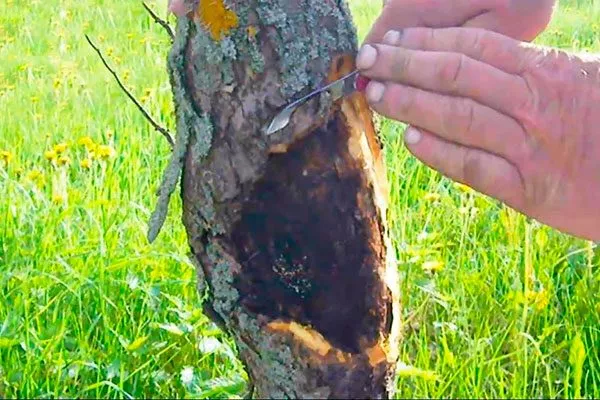
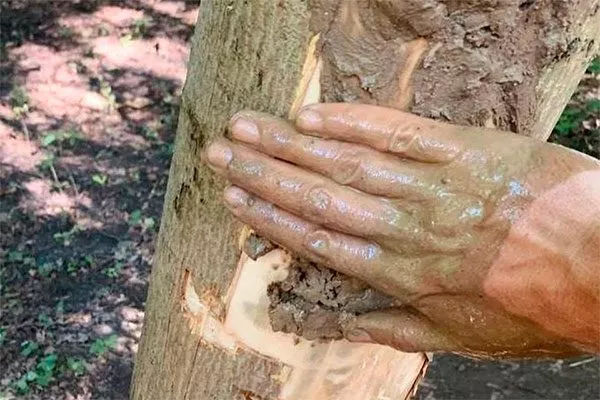
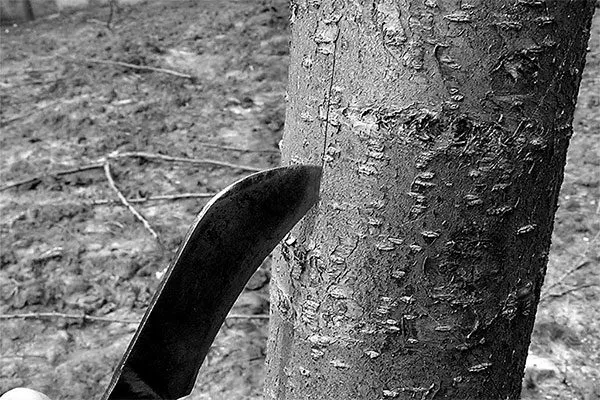
- To begin, carefully remove any dead or loose bark using a sharp knife or gardening tool, being careful not to damage healthy tissue.
- After cleaning, treat the wound with an antiseptic solution—2% solutions of copper sulfate or Bordeaux mixture are excellent options; they effectively prevent the development of fungal infections.
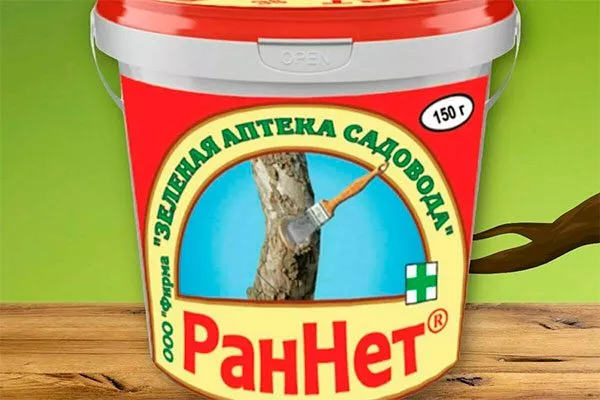
- Apply a protective layer of garden sealant to the damaged area. You can use products such as RanNet, BlagoSad, Zhivaya Kora, or similar products. Cover the entire affected area with a thin layer to protect it from drying out, moisture penetration, and pathogens.
Preventing the appearance of cracks in the bark
Prevention is better than cure. Basic preventative measures can help prevent bark cracking.
Furrowing in spring
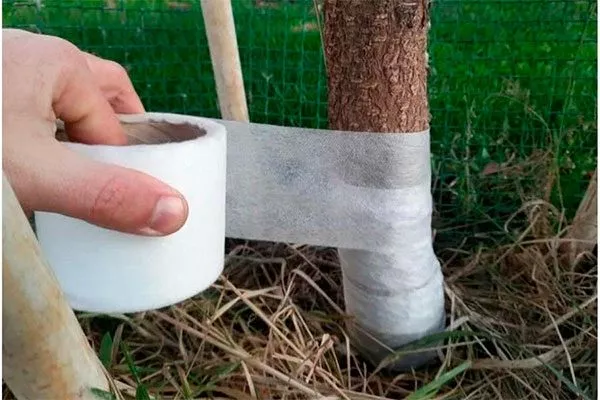
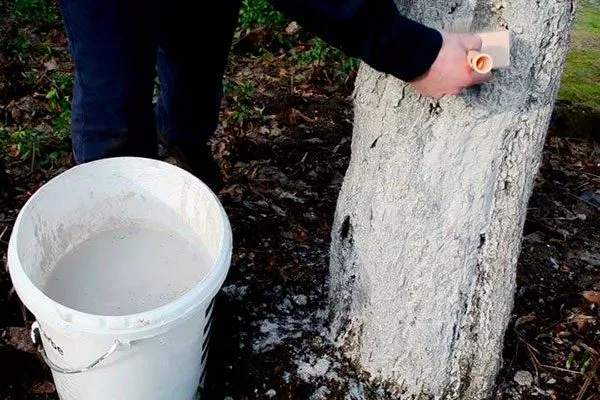
Annual autumn whitewashing protects trees from frost cracks and sunburn in the spring. Additionally, you can wrap the trunks with a light, breathable material (such as spunbond) to protect them from mechanical damage.
Other useful tips:
- Timely feeding. Apply nitrogen fertilizers only during the first half of the growing season to stimulate growth. Starting in the second half of summer, it's best to switch to potassium and phosphorus fertilizers to strengthen tissue and prepare for winter.
- Regular pruning. Shape the crown so that the branches grow at an angle close to a right angle, rather than at an acute angle. In fruitful years, support heavy fruit branches with supports to prevent them from breaking.
- Constant inspection. Regularly inspect trees for damage, pests, and signs of disease. If problems are detected, take immediate action.
Shelter for the winter
The best way to prevent frost cracks is to wrap the trunk in newspaper. In regions with harsh winters, supplement this measure with spruce branches or reeds, and in warmer climates, paper wrapping can easily replace them.
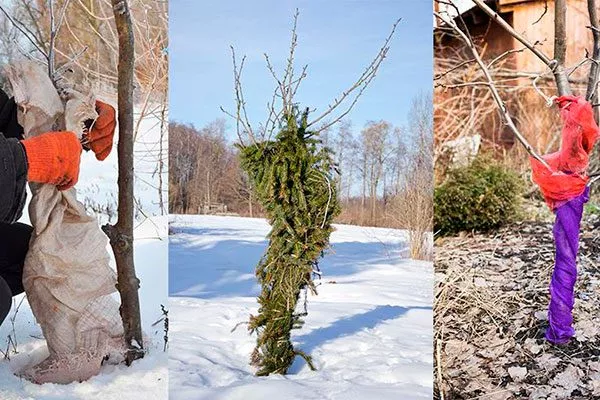
Basic requirements:
- Newsprint, like wood, retains heat well: at night, the temperature underneath it is several degrees higher, and during the day, it protects the bark from overheating. This prevents the bark from suffering from sudden temperature changes and cracking.
- In rainy weather, the paper absorbs moisture but dries quickly, preventing the bark from becoming saturated with excess moisture, which could freeze and damage it. For winter protection, tie not only the trunk but also large branches up to their forks.
- Fold the newspapers in two layers or use two sheets at a time, and add a second sheet if necessary. In the spring, remove the wrapping slowly, as the tree will not overheat under the paper.
Prevention of diseases and pests of young or old pear trees
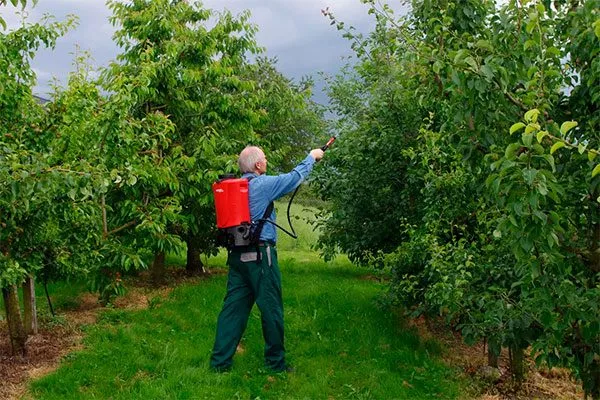
To prevent fungal and bacterial infections, it's important to regularly spray your plants. Follow these guidelines:
- In early spring, before bud break, treat the pear tree with a solution of copper or iron sulfate. A good alternative is a 1% Bordeaux mixture, which has a broad spectrum of action.
- For comprehensive pest control during this period, use insecticides such as Calypso, Confidor, or Pirinex. Repeat the treatment two weeks after the pear tree finishes blooming.
Rodent control
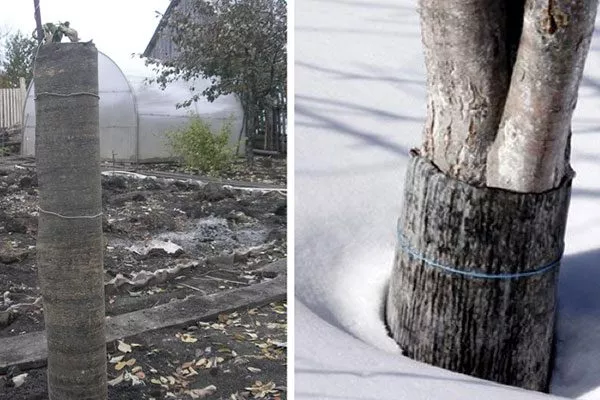
Hares and mice pose a serious threat to fruit trees in winter, when they have difficulty finding other food. There are several ways to protect trees from rodent damage:
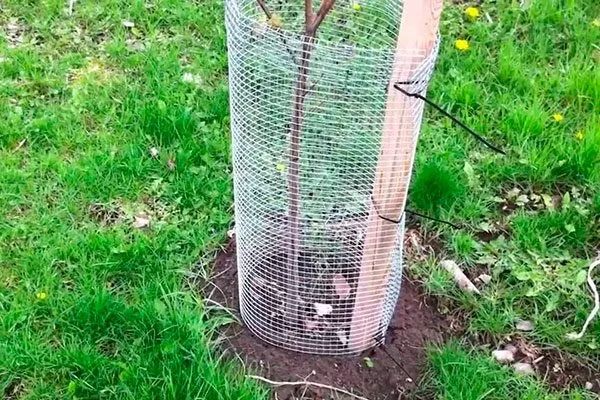
- Enclose the tree trunk or even the entire spreading area with fine-mesh steel mesh. Burying it 40-50 cm deep will also protect the root system from water voles, which prefer the roots of young pear trees.
- Wrap the trunk with roofing felt or polyethylene, but remove this wrapping as early as possible in the spring to prevent the tree from overheating under the airtight material, which can cause burns and bark cracking.
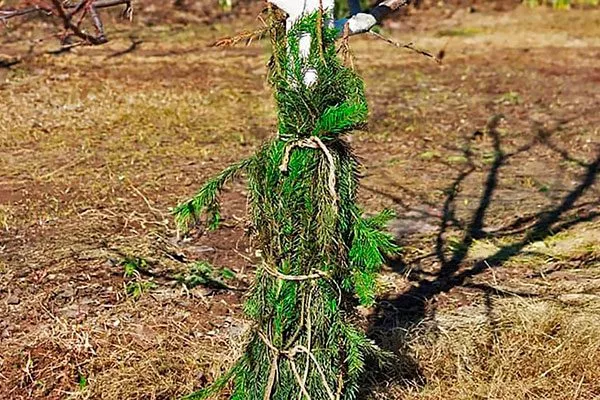
Instead of polyethylene, it is better to use coarse burlap: it is durable and breathable, which is much safer for the tree. - Wrapping trees with spruce branches is a simple and effective method of protection. Spruce branches help retain heat and repel hares. When wrapping, it's important that the needles point away from the trunk and downward.
- Rodents are also repelled by an unpleasant odor. Treat spruce branches or paper with a 20% solution of formalin or naphthalene. Bunches of mint, elderberry, or wild rosemary tied to spruce branches have a similar effect.
- A good protection is a thick whitewash with the addition of copper or iron sulfate.
Peculiarities of fertilizer dosage for pear trees: what to do to prevent the bark from cracking
Improper care can also lead to cracks in the bark. One cause is excessive application of nitrogen fertilizers. Many gardeners consider urea to be the only nitrogen fertilizer, but bird droppings and green manures, such as alfalfa, contain just as much nitrogen.
Basic requirements:
- In summer, foliar feeding is preferable, such as spraying the tree with a urea solution. For a mature pear tree, 100 g of urea, 15 g of ammonium nitrate, or 500 g of bird droppings is sufficient. Nitrogen application in spring and early summer promotes vigorous growth and full ripening of the fruit.
- In the second half of summer and especially in autumn, nitrogen fertilizers are no longer necessary. During this period, phosphorus and potassium are more important for the tree – they help it recover after fruiting.
If this regime is not followed, the pear tree does not receive important nutrients at the right time, causing the trunk and side shoots to weaken and become more vulnerable to sunburn and frost.
Cracking bark on a pear tree is a sign of poor care or exposure to unfavorable factors. To protect the tree, it's important to identify the causes of the damage and take a comprehensive approach: from proper fertilization and frost protection to timely treatment of damage and preventative measures. Care and attention will help maintain the tree's vigor.