
Scab is one of the most common fungal diseases of pears, which can significantly reduce the quality and quantity of the harvest. Appearing on leaves, fruits, and shoots, the disease not only spoils the tree's appearance but also weakens it, making it vulnerable to other problems. It's important to recognize the symptoms early and learn effective control methods.
What is scab?
The fungal disease mainly affects fruit trees (apple, pear, plum) and some vegetable crops (for example, potatoes).
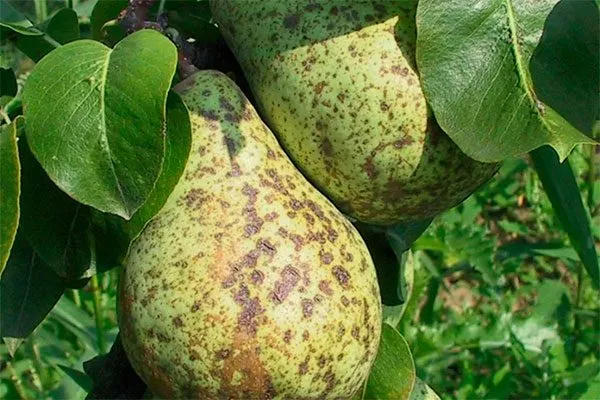
The main signs of scab on pear plantings:
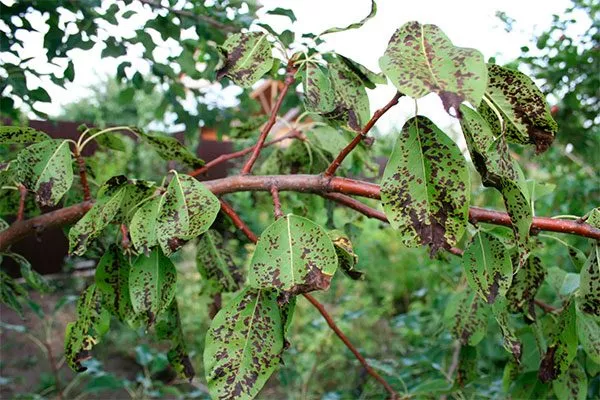
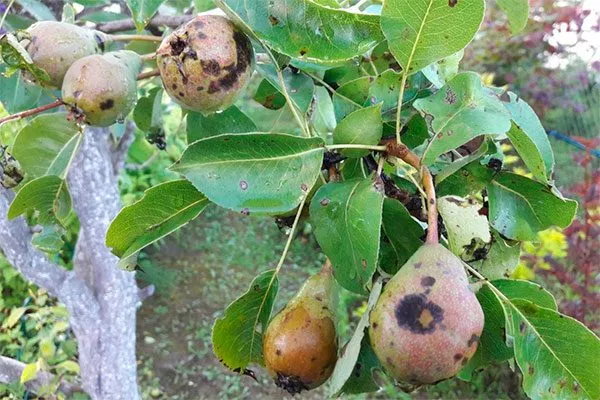
- brown or black spots appear on leaves, fruits and young shoots, often with a crust on the surface;

- affected fruits become deformed, cracked and unsuitable for storage and consumption;
- Leaves may turn yellow prematurely and fall off.
Causes of the disease
Pear scab develops due to fungal spores. The following conditions are favorable for their penetration, spread, and active development:
- high humidity;
- warm season;
- strong crown density;
- poor ventilation of the area;
- failure to comply with preventive crop care requirements;
- underestimation of the danger of infection;
- weakening of trees due to adverse weather conditions;
- lack of feeding during significant harvests.
Why is scab dangerous?
This is the main and most common disease of pears. When developing new varieties, resistance to this problem is the primary consideration.
Features of scab:
- rapid infection of all pear trees on the site;
- mushroom overwintering in fallen leaves;
- active spread of spores in spring, affecting all parts of the tree;
- long-term development and dissemination of spores throughout the warm season;
- widespread in the pear growing area;
- serious damage to agriculture, including a decrease in the winter hardiness of trees;
- high survival rate of the fungus in fallen leaves;
- When cultivated in a laboratory, fungal growth begins within 4 hours.
To successfully combat scab, it's important to take preventative measures, treat plants promptly, and maintain orchards. This will reduce the risk of infection and maintain healthy pear trees, ensuring a bountiful, high-quality harvest.
How to recognize the appearance of scab on a pear?
To ensure a good harvest, it's important to regularly inspect the plant during its growth period. Keep in mind that overwintered fungal spores appear on the leaves within 6-19 days—that's how long the incubation period lasts. This period is shorter in warm, rainy springs.
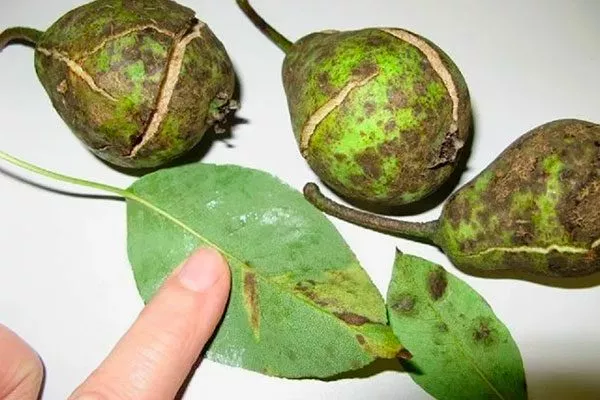
The main symptoms of the disease:
- the appearance of whitish spots on the underside of the leaves;
- gradual enlargement and merging of defects with the formation of extensive areas of dark brown or dark olive necrosis;
- premature leaf fall, beginning immediately after flowering;
- reduction in yield and winter hardiness of trees;
- decreased growth and deterioration of commercial quality of fruits.
Early detection of the disease and timely measures will help maintain the health of the tree and ensure a high-quality harvest.
How to treat pear against scab?
Understanding the dangers of scab, it's important to promptly treat it and prevent further spread of the fungus. A variety of methods are used to combat the disease on pear trees.
Folk remedies
Folk remedies are often the first step in fighting infection. The following recipes are particularly popular:
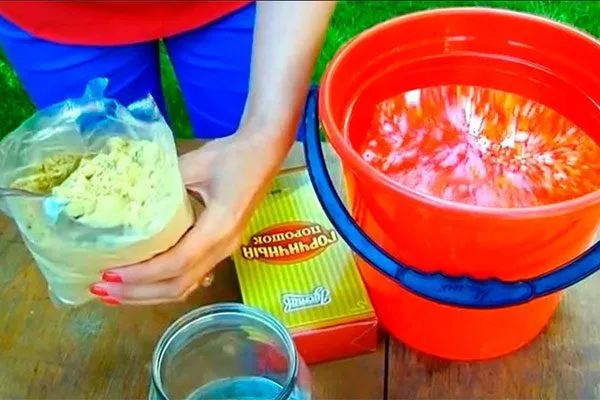
- Mustard powder. Apply in spring during the tree's "awakening," before and after flowering, and during fruit growth. For the solution, mix 50 g of mustard with 5 liters of warm water.
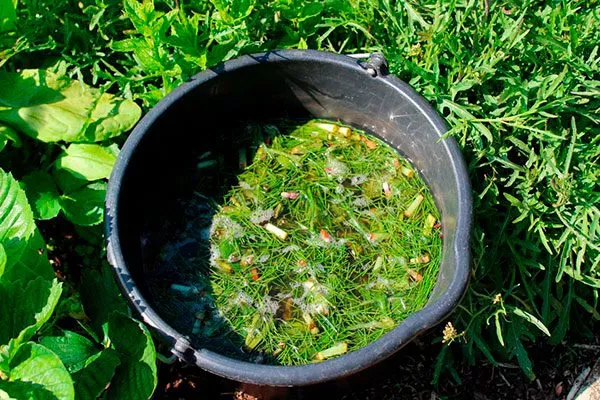
- Horsetail. For spraying after the leaves have opened, use a three-day infusion: 1 part of the herb per 10 liters of water.
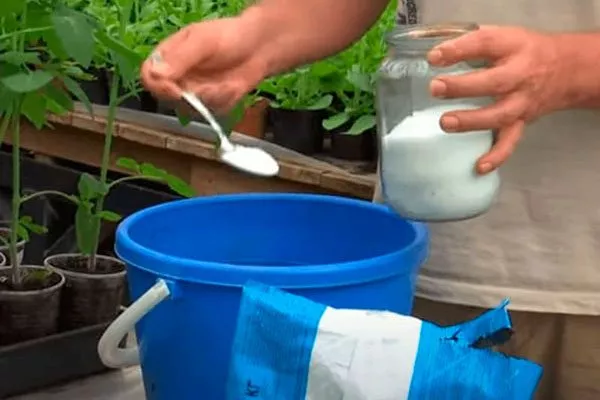
- Saline solution. Treat with a salt solution (1 kg of salt per 10 liters of water).
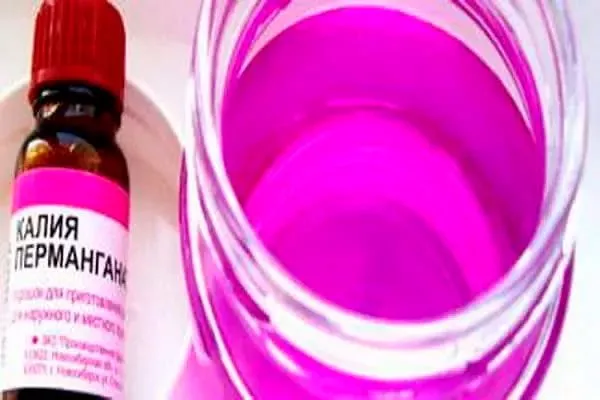
- Potassium permanganate (potassium permanganate). Prepare a solution of 5 g of the preparation per 10 liters of water.
- Bordeaux mixture. A combination of copper sulfate and lime, which enhances the fungicidal action of copper. To prepare, take two containers: fill one with 5 liters of hot water and dissolve 100 g of copper sulfate, and add 5 liters of water and 100 g of lime to the other.
Carefully pour the copper sulfate solution into the second container, stirring constantly. 10 liters of the mixture is usually enough to treat 2-3 trees.
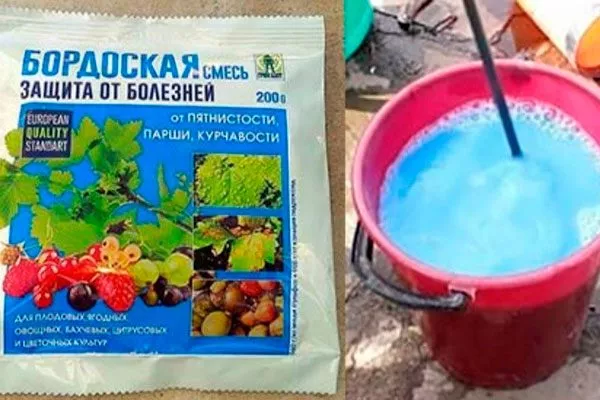
These products are considered safe for humans and the environment, but their effectiveness has not always been proven.
Chemicals
When working with chemicals whose effectiveness has been proven, it is important to strictly observe personal safety precautions and take a systematic approach: properly preparing solutions, using them precisely as directed, and adhering to dosage guidelines.
Features of the use of copper-based preparations:
- has proven itself well in the fight against scab;
- requires careful use due to its ability to accumulate in the soil and leave traces on plants and fruits;
- effective only when in contact with affected parts of the plant;
- After harvesting, fallen leaves must be burned, as the preparation is toxic;
- application must be strictly according to the instructions, taking into account accumulation in the soil;
Complex fungicides used to treat scab include:
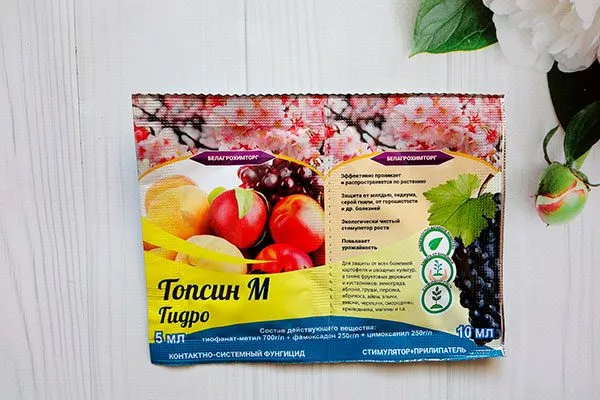
- Topsin M – contact-systemic fungicide, effective in the early stages and for prevention;
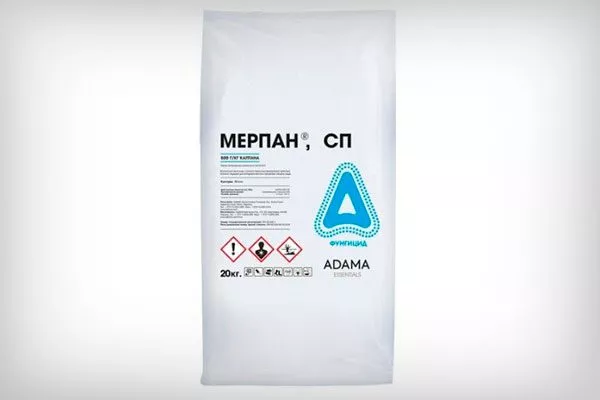
- Merpan - a systemic drug that fights the disease regardless of weather conditions and acts on leaves and fruits;
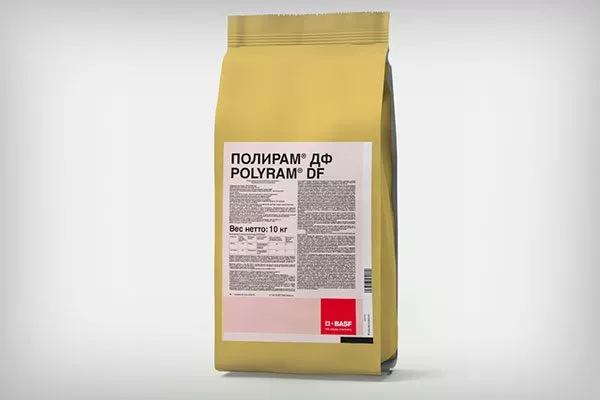
- Poliram DF – broad-spectrum fungicide, effective at all stages of growth and maturation;
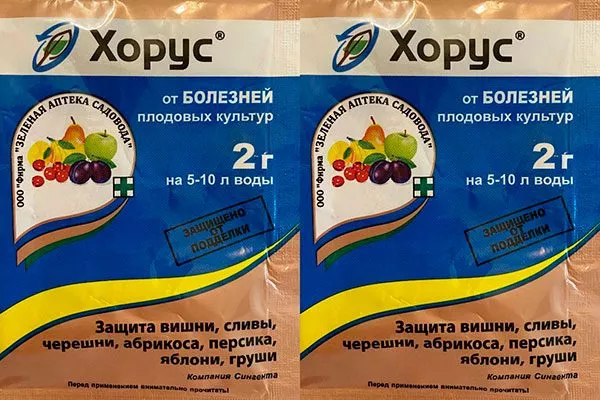
- Horus (cyprodinil) - does not contain copper, is applied twice per season (before and after flowering with an interval of 10 days), the effect lasts up to a month after treatment;
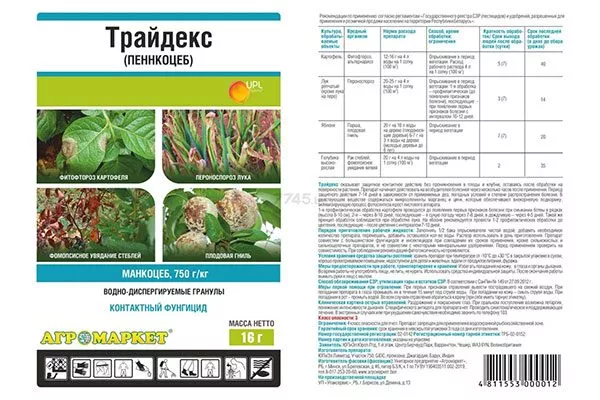
- Tridex – low-toxicity fungicide with comprehensive action, contains difenoconazole (systemic fungicide);
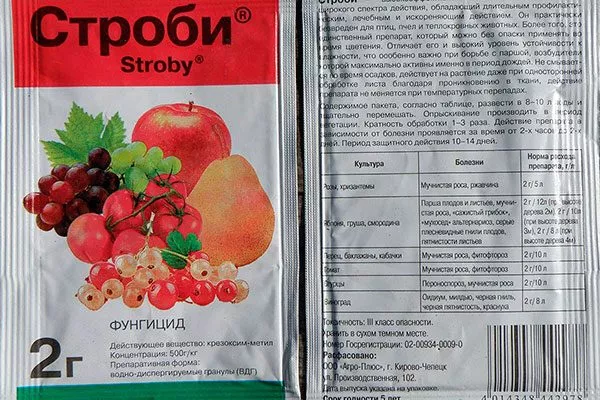
- Strobe – a broad-spectrum drug, start treatment when the buds open, the last one - no later than 2 weeks before harvest;
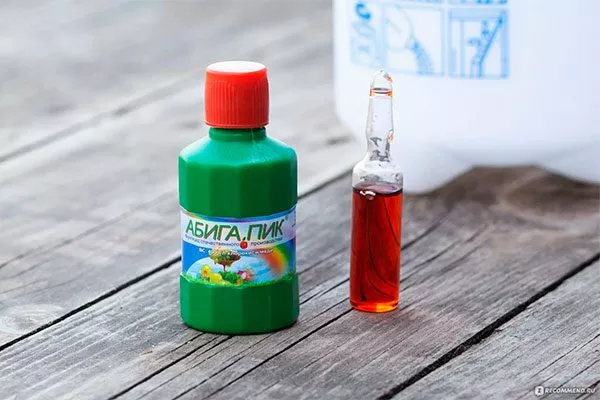
- Abiga Peak – copper-containing preparation with low toxicity for pollinators.
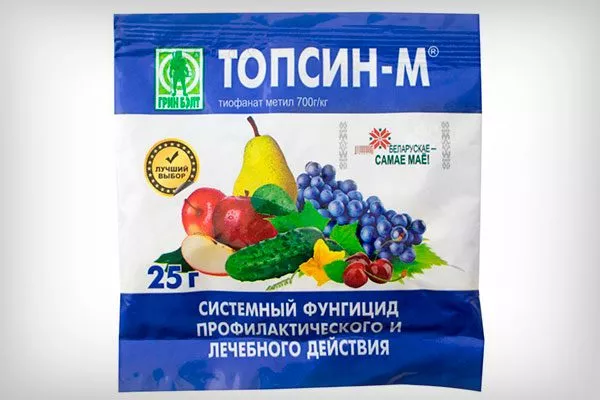
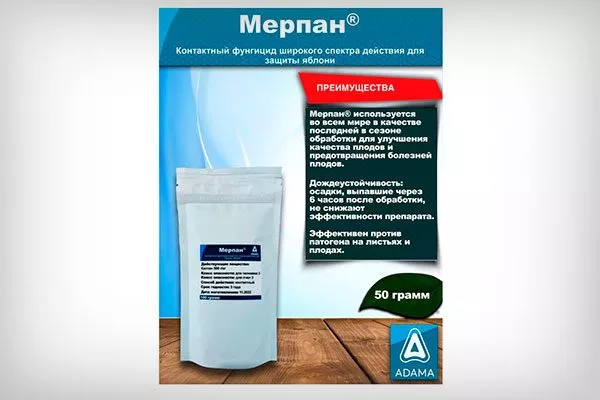
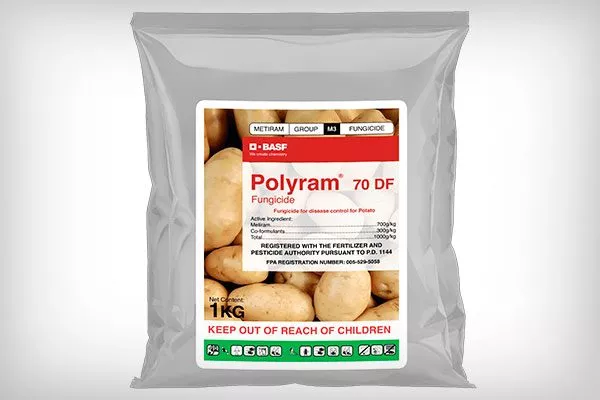
Other preparations based on dinitroorthocresol (for example, Hemsect, Extar A, Trifosid, etc.) have a complex fungicidal, insecticidal and herbicidal effect, but are characterized by high toxicity for humans and animals, therefore they require strict adherence to safety measures.
It's important to use chemicals strictly as directed, adhering to the timing, concentration, and application techniques. Otherwise, they can cause harm to people, animals, and the plants themselves, and reduce the effectiveness of the treatment.
Agrotechnical techniques
The main agricultural practices for combating scab on pear trees include collecting and destroying fallen leaves and deep digging of the soil around the tree. The use of mineral fertilizers not only helps eliminate the pathogenic fungus but also improves the plant's vitality.
To feed pears, use:
- ammonium nitrate;
- ammonium sulfate;
- potassium chloride;
- potassium sulfide;
- potassium salt.
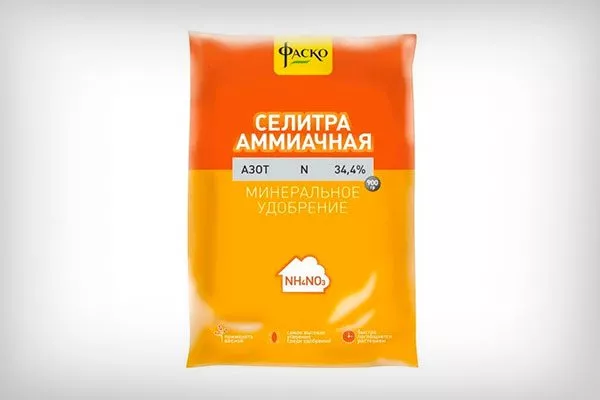
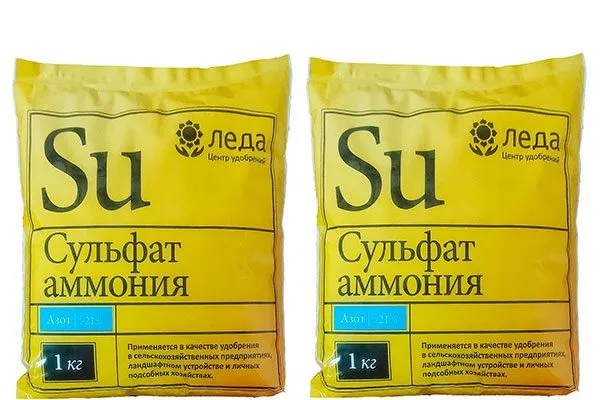
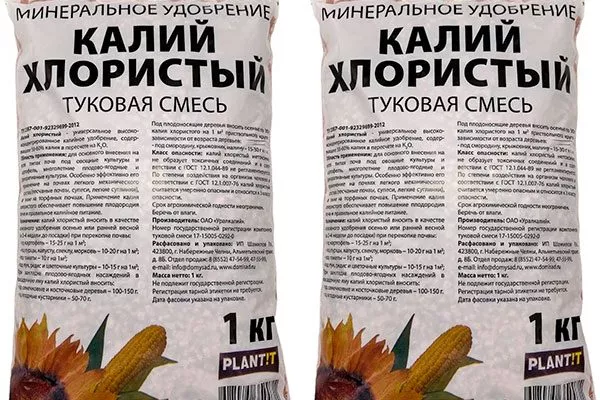
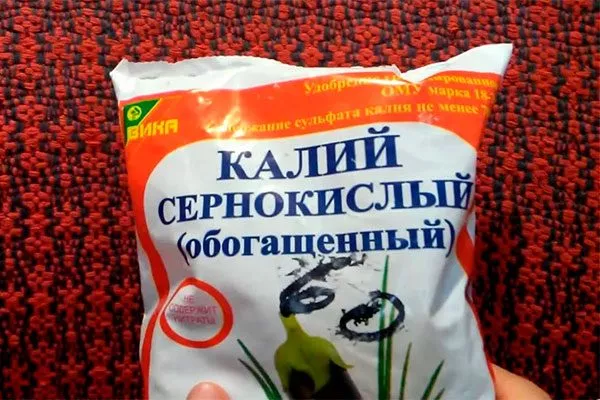
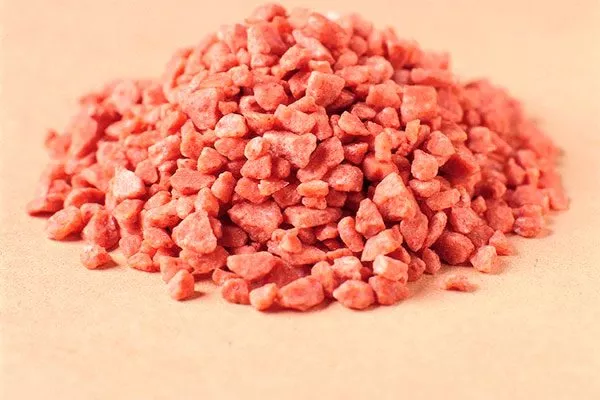
The correct selection and use of fertilizers helps strengthen the tree's immunity and improve its resistance to diseases.
Prevention
Preventative measures should be taken even in the absence of signs of fungal infection – this is an important step in pear tree care. Key recommendations:
- choose a sunny and well-ventilated place for planting;
- maintain an optimal distance between trees;
- select varieties that are resistant to scab;
- Treat damage to branches and bark promptly;
- perform sanitary pruning regularly;
- Keep your garden clean by removing fallen leaves and debris.
Terms and conditions of processing
There's a specific schedule and treatment guidelines for protecting pears from scab. The first treatment is recommended during bud swelling, which typically occurs in late April or a little later.
Treatment before flowering
Before bud break, certain products should be used to spray the trunk, branches, and shoots of the pear tree. The following products are effective:
- Bordeaux mixture – Its effectiveness is due to the content of copper and lime, which enhances the fungicidal properties of the drug;
- Horus - A proven fungicide that can be used even during rain, making it especially convenient in unpredictable weather.
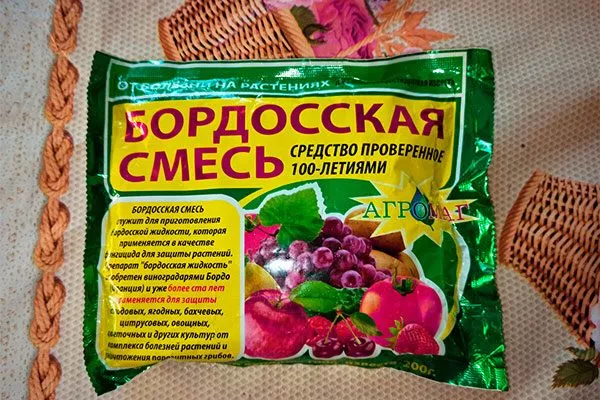

Both products effectively protect the tree from scab and promote healthy plant development.
During flowering
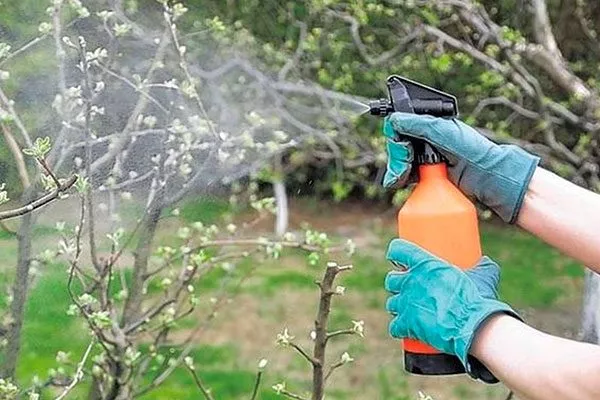
When buds begin to form on the pear tree, it's crucial to protect the plant from scab—spray the crown with chemical fungicides. This stage is especially important, as buds and young leaves are most vulnerable to fungal infections.
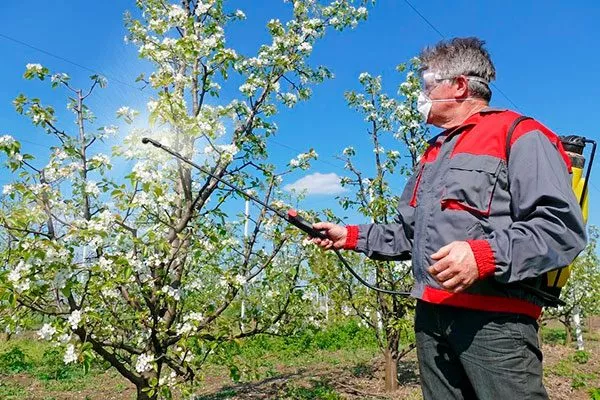
The choice of a specific fungicide depends on the severity of the infestation, weather conditions, and the manufacturer's recommendations. Tried-and-true products with proven effectiveness are typically used:
- Topsin M;
- Horus;
- Merpan;
- Poliram DF.
Post-flowering treatment
After flowering, pear trees require another treatment—spraying the shoots and leaves. At this stage, use both chemical fungicides and a 1% solution of Bordeaux mixture.
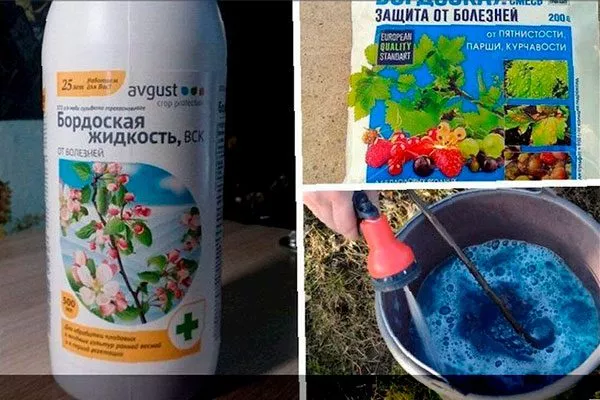
This combination effectively combats scab, preventing the spread of fungal infection and strengthening the plant's defenses. Chemicals provide a systemic effect, while Bordeaux mixture acts contactally, creating a protective layer on the plant's surface.
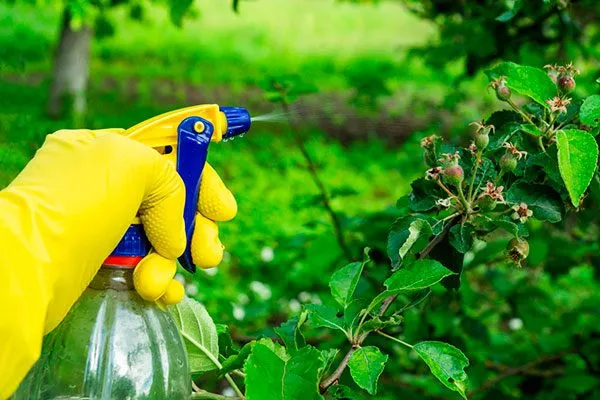
How to treat a pear with fruit?
During the fruit formation stage, treatment with folk remedies is recommended. A 1% Bordeaux mixture solution can also be used, but it's important to wait at least two weeks before harvest.
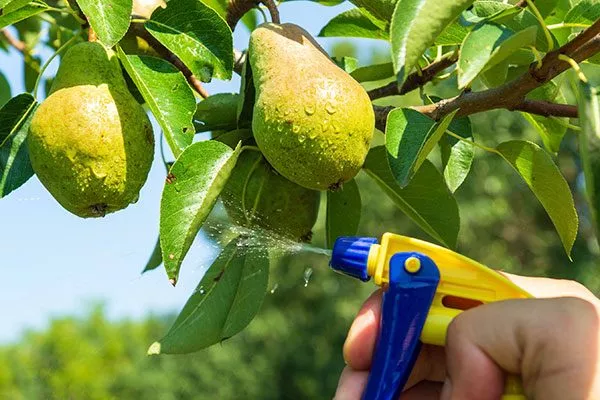
Processing schedule
Preventative and curative spraying of pear trees is carried out according to a specific schedule, taking into account the tree's growth stages. Before each treatment, it is necessary to thoroughly inspect the tree, remove damaged branches and leaves, treat the cut surfaces with an antiseptic, and coat them with water-based paint.
Using the calendar method helps you avoid missing important stages of garden cultivation. Pear cultivation schedule:
| Month | Preparations and treatment methods | Peculiarities |
| April-May | Bordeaux mixture, copper sulfate. | Before flowering, timing depends on the region. |
| May (after flowering) | Horus, Hom, Topsin-M, Fitosporin-M. | Toxicity is minimal. |
| Summer (late July-August) | Folk remedies (solutions of mustard, salt, potassium permanganate, horsetail infusion). | Chemical preparations are not recommended during fruiting. |
| Autumn (after harvest) | Merpan, Polyram-DF. | A final treatment is carried out aimed at destroying overwintering spores. |
When spraying, it's important to observe safety precautions: protect your body and eyes with protective clothing, gloves, and goggles. It's best to spray on a cloudy day. If it rains afterward, and the product isn't designed for such conditions, the procedure should be repeated as soon as possible.
Where does scab fungus overwinter?
The ascomycete form survives on fallen leaves that remain on the ground, while the conidial form develops in the mycelium located in the bark of infected shoots. As the mycelium grows, the shoot bark ruptures, and the spores are dispersed throughout the area by wind and rain.
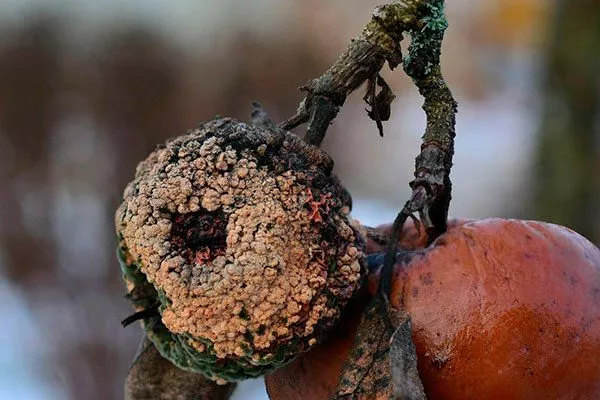
The fungus can also survive in infected fruit, so it's especially important to thoroughly clear the garden of fallen leaves and fruit in the fall. To prevent the pathogen from surviving over the winter and spreading again in the spring, spray with fungicides in the fall.
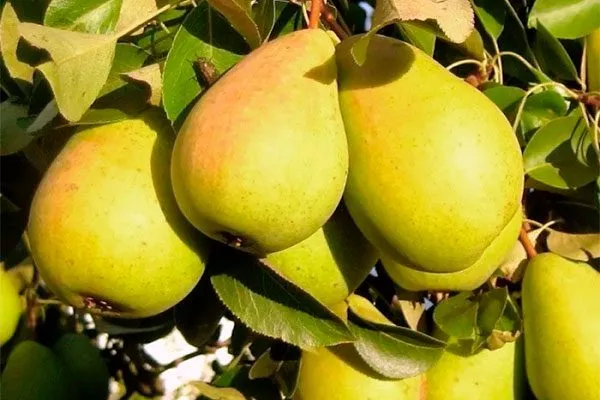
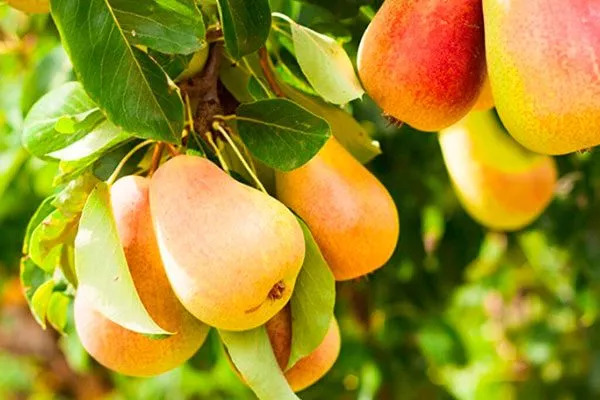
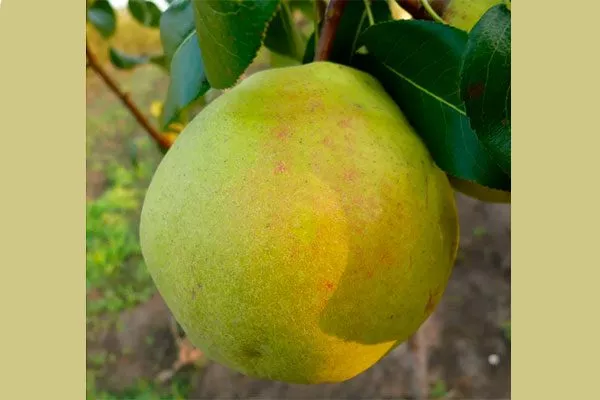
Disease-prone and disease-resistant varieties
Pear is a tasty and healthy fruit that is susceptible to various diseases. Choosing a disease-resistant variety helps reduce the risk of crop loss and makes maintenance easier.
Below are disease-prone and disease-resistant pear varieties with a unique description of each:
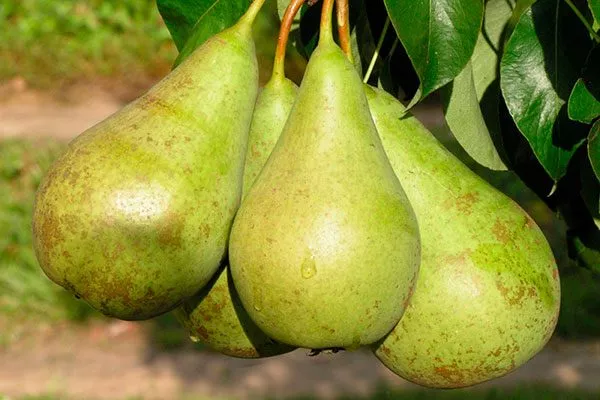
- ConferenceThe tree is medium-sized, reaching about 4.5 m. The fruits are medium-sized, usually weighing 120-150 g, and are green-yellow in color with characteristic rusty spots on the skin.
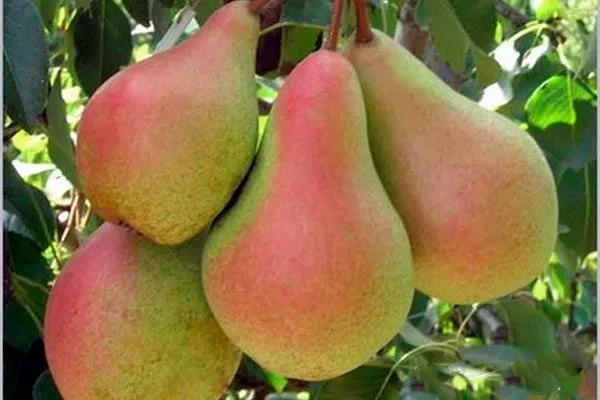
- Forest beauty. Characterized by a compact, medium-sized growth of up to 4 m. The fruits are small and elongated, with a yellow hue and a delicate pink blush.
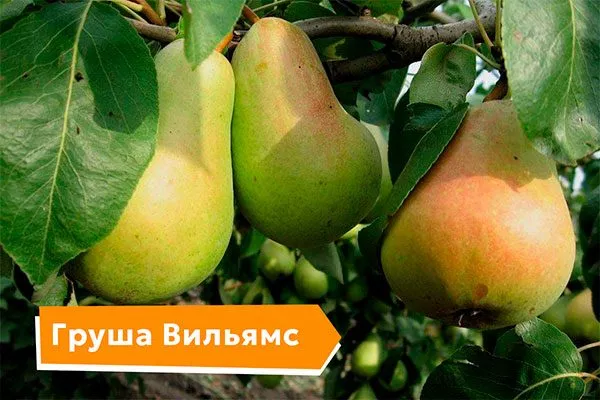
- Williams (Passionate). A medium-sized plant with a dense crown, up to 5 m in height. The pears are large and juicy, bright yellow with a distinctive red blush.
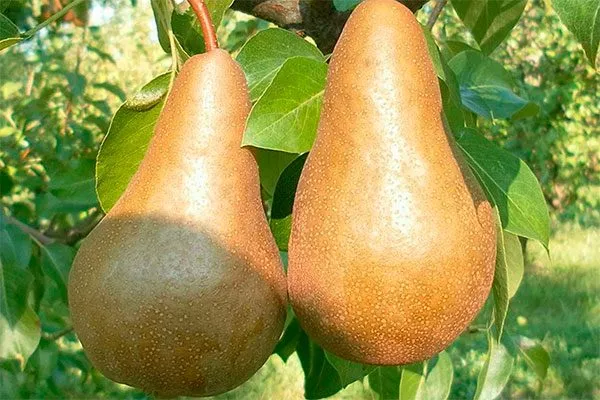
- Bere Bosk. A tall tree, reaching 5-6 m in height. The fruits are large, weighing up to 220 g, with golden-yellow skin covered with small brown spots.
- Northerner. A low plant, no more than 3.5 m tall. The fruits are medium-sized with thick skin, green with a yellow tint and a delicate pink blush.
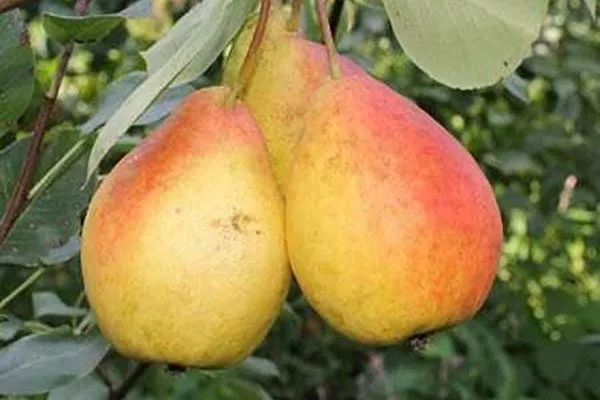
- Chizhovskaya. A medium-sized tree, about 4 m tall, with a wide crown. The pears are yellow with a warm pink tint on the sides.
- Duchess. The tree reaches 4-5 m in height. The fruits are quite large, green-yellow in color with a light, barely noticeable blush.
- Emerald. A compact plant with dense foliage, reaching a height of about 4 m. The fruits are distinguished by a rich green color with yellowish notes.
Tips and advice from experienced gardeners
Even planting resistant varieties doesn't guarantee complete protection against scab. However, following simple preventative measures significantly reduces the risk of infection and makes it easier to control.
For effective prevention it is recommended:
- Choose the right place for planting, avoiding lowlands and areas with stagnant moisture.
- Ensure timely and regular pruning of trees to improve crown ventilation.
- Fertilize plants to maintain their immunity and strength.
- Inspect trees regularly and remove any suspicious, diseased or damaged parts.
- Destroy removed infected leaves and branches promptly to prevent the spread of the fungus.
Scab is a serious threat to pear trees, but with the right approach to recognition and treatment, damage can be minimized. A combination of preventative measures, choosing resistant varieties, regular care, and timely treatments will help protect trees from the fungus. Caring for your orchard and closely monitoring the condition of your plants are the key to a healthy harvest and a beautiful garden.