
"Zhegalov's Memory" is the name of a late-autumn pear variety characterized by early fruiting, consistently good yields, and frost resistance. In addition to its pleasant fruit flavor, it attracts gardeners with its strong immunity. The tree is resistant to fungal diseases and is extremely rarely affected by scab.
History of selection
This fruit crop variety was developed thanks to the efforts of Russian scientists representing the K. A. Timiryazev Moscow Agricultural Academy:
- S. T. Chizhova;
- S. P. Potapova.
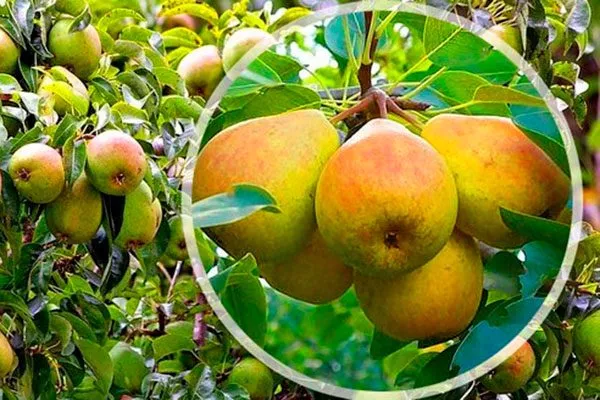
To obtain it, they crossed the Forest Beauty with the Olga variety. The new variety was named after the famous Russian and Soviet plant breeder, geneticist, breeder, and creator of many agricultural crop varieties, S. I. Zhegalov.
Description of the tree and fruits
This pear variety exhibits good growth and development rates. It is characterized by average bud development and weak shoot formation. The tree's characteristics include:
- height: does not exceed 3-4 m;
- trunk: strong, covered with grey bark;
- crown: medium-dense, moderately foliated, funnel-shaped in young plants and oval-round in adults;
- skeletal branches: growing obliquely-vertically;
- shoots: brown in color, characterized by medium length and thickness, curved, round in cross-section, devoid of pubescence;
- foliage: dark green, leathery, elastic, smooth, medium-sized, elongated-oval in shape with serrated edges, without fluff on the surface and on the back of the leaf blade;
- inflorescences: consist of 5-7 small cup-shaped buds of white color.
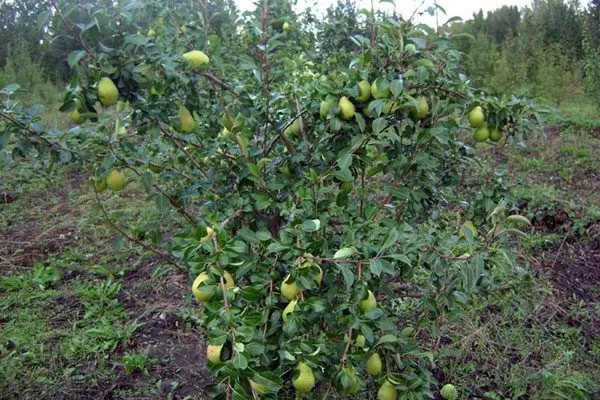
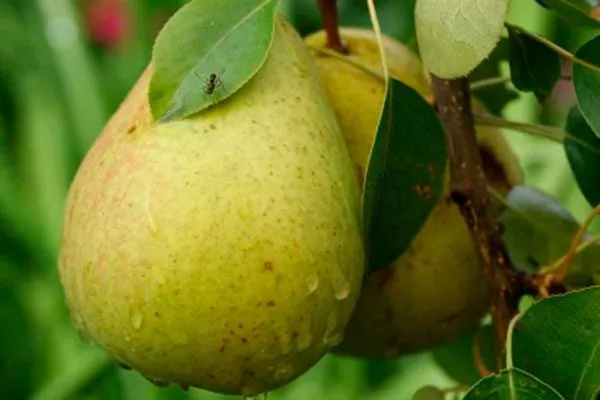
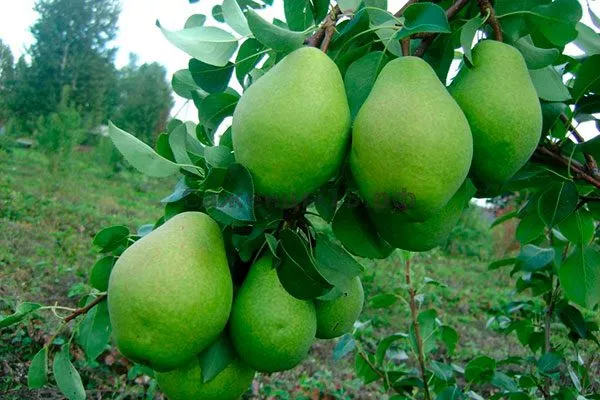
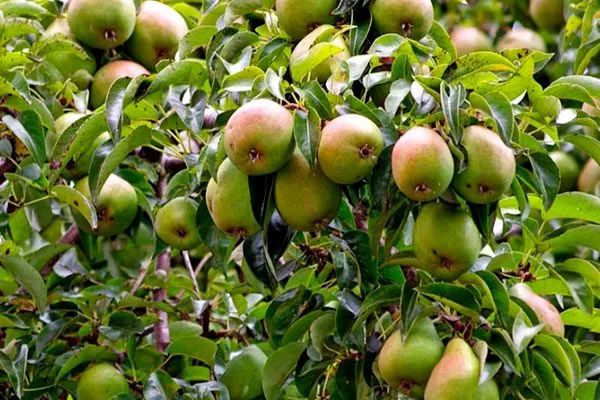
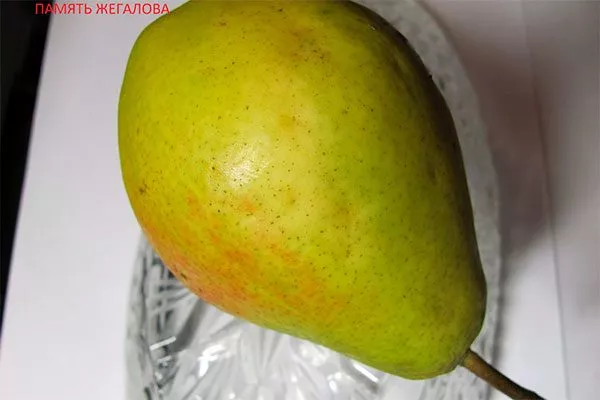
The Pamyat Zhegalova pear produces medium-sized fruits on sturdy stems that are not prone to shedding when ripe. They are not particularly attractive in appearance. Their marketability is average. The appearance score is 4.2-4.3 points. The fruits have the following characteristics:
- mass — 120-130 g;
- form - biconical or obovate;
- coloring - yellowish-green with a small pale red blurry blush, with a slight rustiness;
- peel - thin, medium-dense (not noticeable when eating the pear), with a glossy sheen and the presence of small subcutaneous dots;
- pulp - cream or light yellow in color, medium-grained, oily, aromatic, juicy, melts in the mouth;
- number of seeds — 5-7 pcs.
The tasting qualities of this variety's harvest are good. The flavor harmoniously combines sweetness with a hint of sourness and a subtle tartness. It scores 4.1-4.3 points.
Pears are moderately easy to transport and keep for a long time. Storage times vary depending on the conditions you store them in:
- 25-30 days - in a dry and cool place;
- 100-120 days - in the refrigerator, at a temperature of 0°C.
What regions is it suitable for?
The 'Zhegalova Pamyat' variety was added to the Russian State Register in 2001. It was approved for cultivation in the climate of the central region of the country. Gardeners successfully cultivate it in other regions as well. It is especially common in the central part of the country.
Characteristics
If you plan to grow a variety in your garden, first familiarize yourself with its technical characteristics and other general information.
Chemical composition
The fruits of the Pamyati Zhegalova grapefruit contain at least 16.6% dry matter, 9.2% natural sugars, and 0.41% acids. Their nutritional value is 42 kcal/100 g. They are rich in many healthy components:
- minerals, particularly iron, potassium and phosphorus;
- vitamins: A, E, C, K, PP, group B;
- fiber;
- essential oils;
- glucose and fructose;
- flavonoids;
- essential amino acids.
By incorporating juicy and flavorful fruits into your autumn diet, you'll reap numerous health benefits. They offer the following healing benefits:
- increasing immunity;
- strengthening the heart and blood vessel walls;
- relief of inflammatory processes;
- removal of swelling;
- improvement of hematopoiesis, increase in hemoglobin content;
- normalization of the gastrointestinal tract and thyroid gland;
- balancing hormonal levels;
- strengthening the nervous system;
- toning the body;
- acceleration of tissue regeneration and wound healing;
- lowering the temperature (the fruits contain the antibiotic arbutin);
- relief from heartburn.
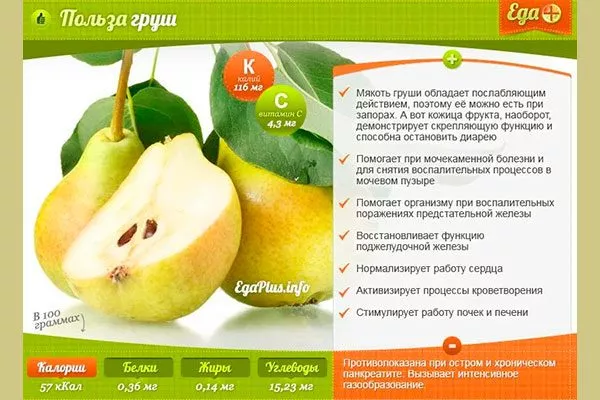
Don't overindulge in this healthy treat. Eat no more than 2-3 pears a day (not on an empty stomach). Excessive consumption can cause bloating, flatulence, diarrhea or constipation, and allergic reactions.
Frost and drought resistance
The fruit variety Pamyat Zhegalova is characterized by good tolerance to adverse weather conditions:
- cold resistance the tree is above average, it can withstand frosts down to -30℃ with good preparation for winter;
- drought resistance — average, the crop tolerates short periods without precipitation and scanty watering without serious complications (however, a lack of moisture negatively affects the productivity of the pear and the quality of the fruit).
Resistance to diseases and pests
This variety pleases domestic gardeners with its strong immunity. With proper care, pear trees are resistant to fungal infections, particularly scab. They are moderately susceptible to pest attacks.
Experienced gardeners, when growing Pamyat Zhegalova, do not neglect preventative treatments against diseases and parasites, which help maintain the tree's health and protect the harvest from spoilage.
Productivity and fruiting cycle
This pear variety is early-bearing. It produces its first crop in the third or fourth year after planting, unlike many other varieties, which reach productive maturity in their fifth or sixth year. Its key technical characteristics are as follows:
- the fruit ripening period is late autumn (starting from mid-September);
- the time for mass pear harvesting is the last ten days of the month;
- fruiting is regular, annual;
- yield - stable, 40 kg from 1 adult tree (young plants yield from 10 kg);
- The average planting productivity is 12,200 kg per 1 ha in industrial cultivation (higher than that of the control variety, Lyubimitsa Yakovleva).
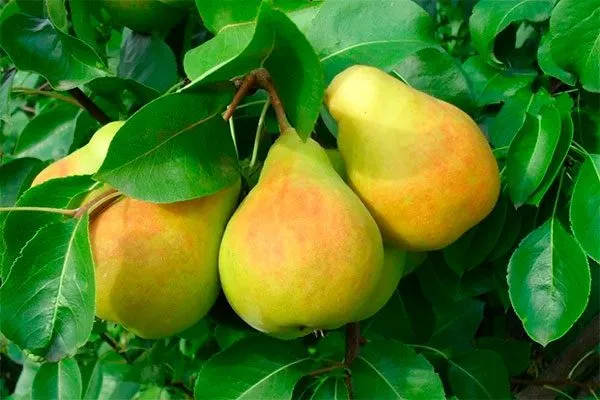
The Zhegalov pear's fertility rate of 40 kg per trunk is considered average. It's comparable to that of the well-known Oktyabrskaya pear.
Self-fertility
The fruit tree is self-sterile. To produce fruit, it requires the right pollinators to be grown in the same area. Pear varieties that bloom at the same time as the tree (late May) are suitable for this purpose.
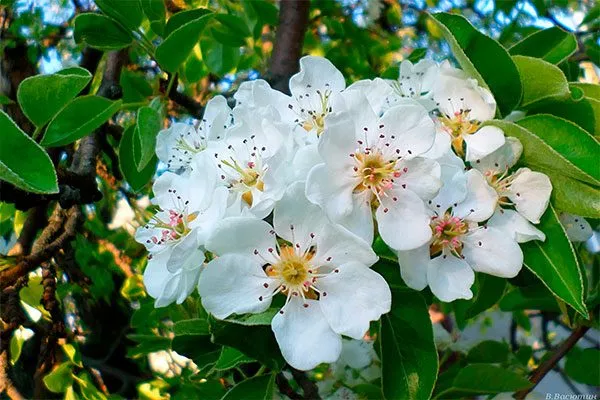
Gardeners consider the following to be the best pollen donors for her:
- Chizhevskaya;
- Cathedral;
- Yakovlev's favorite;
- Bergamot Moscow.
Uses of fruits
The Pamyat Zhegalova pear harvest is used for table purposes. From these juicy and delicious fruits, home cooks make jam, preserves, pastilles, marmalade, and candied fruit. They are added to desserts and fruit salads, and used as pie filling. They are also used for juice and compote. They are also preserved for the winter and dried.
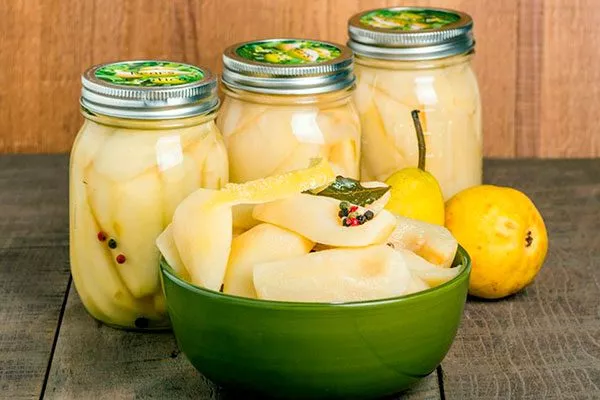
Eat ripe fruit uncooked to reap the maximum health benefits. This is a wonderful autumn dessert, packed with vitamins. Don't peel the skin; it's rich in fiber and antioxidants. Its thin, soft texture means you barely notice it, and it doesn't detract from the flavor of the fruit.
Landing
To achieve maximum productivity from the Pamyat Zhegalova pear, grow it strictly according to proper agricultural practices. Start with proper planting. This will determine the seedling's survival and subsequent development.
Deadlines
When transplanting a varietal tree into your garden, do so at the most appropriate time:
- In the springCarry out planting before the buds begin to open. You can begin planting after the snow melts and the soil warms up, before the sap begins to flow.
For the central part of the country, the optimal time is the second half of April or early May. For areas with a harsher climate, mid-May.
This spring procedure reduces the risk of frost damage to the seedling and gives it enough time to take root before wintering. - In the fallPlanting should begin before mid-October. Aim for 14 days before the onset of real cold weather (frost).
This procedure is recommended for areas with a moderate or warm climate. The tree will need to be well insulated to ensure it survives the winter and begins to grow in the spring. It also needs protection from rodents.
Selecting a location and preparation
Select a location on your garden plot for the Pamyat Zhegalova pear that meets the following requirements:
- abundantly flooded with sunlight (it is necessary to ensure good growth of the crop, to obtain larger and sweeter fruits);
- windless and protected from drafts;
- level or located on a slight elevation;
- not flooded by groundwater (it must be located at a depth of at least 3 m from the ground surface);
- located at least 3 m away from tall buildings;
- with light, loose, fertile soil (heavy clay soils provoke slow development of the pear, they are contraindicated for it).
The soil in the selected area will need to be dug over and cleared of weeds and plant debris. If the soil is depleted, fertilize it with organic matter.
Dig a hole in advance: in the fall if you plan to plant in the spring, or a few weeks before the work in September-October. Make the hole the following dimensions:
- depth - 0.8 m;
- diameter - 1 m.
Line the bottom of the hole with a drainage layer (expanded clay, pebbles, or broken brick). Partially fill it with a mixture of soil, peat moss, compost, and wood ash. In the spring, install a stake in the hole to serve as a support for the young tree.
Preparing seedlings
Purchase the Pamyat Zhegalova variety from a nursery, not from an untrustworthy seller at the market. Choose a two-year-old seedling with a well-developed, fibrous root system and no signs of rot or damage. It's best to choose a container-grown tree.
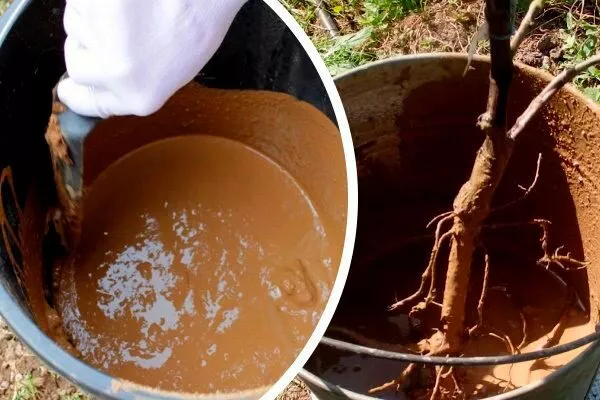
Before purchasing, carefully inspect the plant. It should meet the following requirements:
- have a smooth trunk without cracks or burrs;
- with a clean grafting site;
- be free from defects (damage, signs of disease or damage by parasites, etc.);
- with closed or slightly swollen buds (not with blossoming leaves).
Before planting a young pear tree, carry out some preparatory work to ensure it takes root more quickly and develops properly:
- removal of damaged or dry segments of root shoots;
- shortening excessively long root tips using sharp pruning shears (this manipulation will help stimulate the growth and branching of the underground part of the plant);
- pruning long shoots and leaving a few buds;
- soaking the roots of the seedling in water at room temperature for 3-8 hours (you can add a growth stimulating agent to it).
Planting diagram
Plant the Pamyat Zhegalova pear trees in your garden in rows, adhering to the following group planting guidelines:
- distance between seedlings - 5 m;
- row spacing is 3 m.
By following this plan, you'll provide the crop with sufficient nutritional space for its proper development. Under these conditions, the pear will perform at its best, producing a bountiful, high-quality harvest.
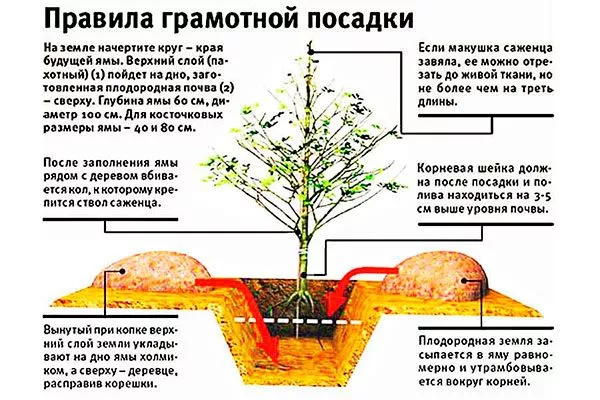
Complete planting work on your site within the allotted time, following the step-by-step algorithm of actions:
- Carefully place the seedling in the hole, setting it on a mound of nutritious soil mixture. Spread out the roots.
- Fill the hole with soil. Make sure the pear's root collar is 6 cm above the ground.
- Compact the soil around the trunk.
- Water the tree generously.
- Tie it to a stake.
- Mulch the tree trunk circle with a layer of organic matter.
Caring for a pear tree
Follow standard care procedures for the Pamyat Zhegalova pear to ensure its robust health and consistently high yields. Water it regularly. Don't neglect fertilizing, pruning, and crown shaping.
Watering and fertilizing
Water the pear tree at the base, using 30 liters of clean, settled water (preferably river or rainwater) per trunk. The frequency of this watering depends on many factors:
- age of the fruit crop;
- weather conditions;
- seasons.
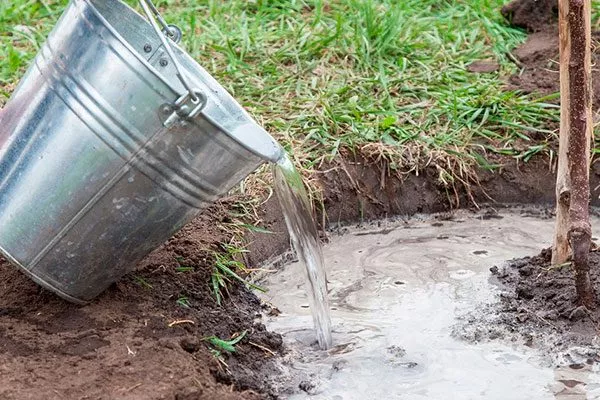
Experienced gardeners adhere to a watering schedule to ensure the tree receives the necessary amount of moisture during periods of increased need:
- In the springMoisten the soil around the pear tree's trunk at least twice per season. Do not allow the soil to dry out completely.
- In summerWater the fruit crop twice in June: at the beginning and in the middle of the month. A third watering should be done in August (this is essential if the summer was hot and dry).
- In the fallIt will be enough to “water” the tree once, at the beginning of September.
If possible, use sprinkler irrigation for the Pamyat Zhegalova variety. This ensures more even distribution of moisture and helps create a favorable microclimate for plant growth.
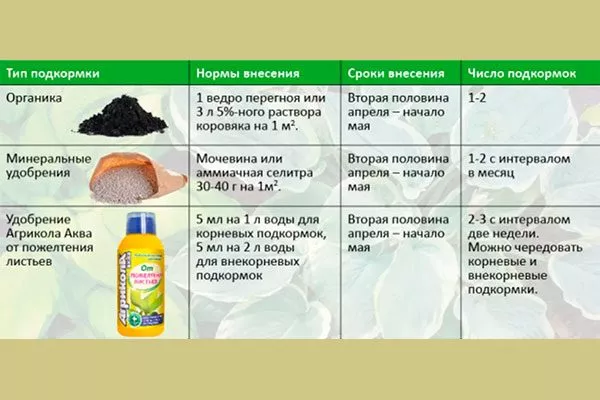
To ensure consistently high productivity from your pear trees, practice fertilization. Apply fertilizer according to the following schedule:
- In the springUse fertilizers high in nitrogen. They are essential for the growth of healthy green mass.
Opt for natural substances, such as bird droppings. Prepare a solution (500 g per 10 liters of water). Let it sit for 24 hours before use. - In summerAt this time of year, the plant requires nutrients such as potassium and phosphorus. The tree needs them to form large, tasty fruits. Foliar feeding is recommended.
Spray the crown with liquid fertilizer twice: in mid-July and three weeks later. Apply potassium sulfide and superphosphate dissolved in water to the foliage (15 g of each per 10 liters). - In the fallRepeat the application of potassium-phosphorus compounds. Apply dry superphosphate (30 g) and potassium salt (15 g) under the plant. Work them into the soil and then water. These substances can also be used as aqueous solutions.
Soil care
The pear tree's trunk requires just as much care as the tree itself. Follow these essential procedures:
- loosening the soil (necessary to improve its air and water permeability, faster delivery of nutrients to the roots when applying fertilizers, to prevent the formation of a dense soil crust after rain and watering);
- weeding (timely removal of weeds reduces the risk of spreading infections and pest attacks on pear plantings);
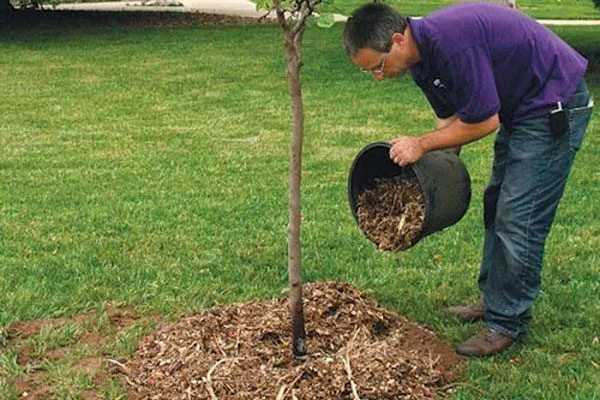
- mulching (cover the area around the tree trunk with a 5-7 cm layer of organic matter to conserve moisture in the soil, improve its structure, and suppress the growth of harmful weeds).
Crown pruning
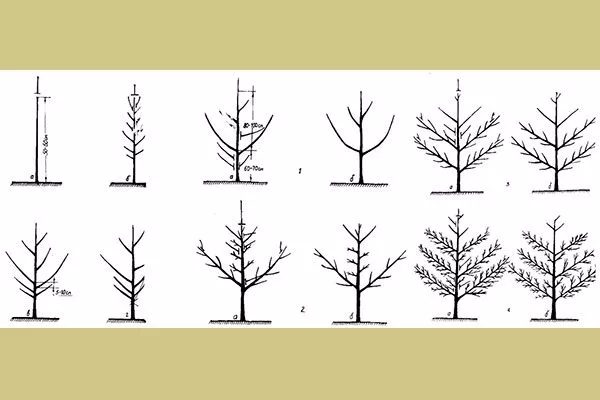
Formative pruning not only gives the tree a well-groomed appearance but also promotes its maximum productivity. Follow these guidelines:
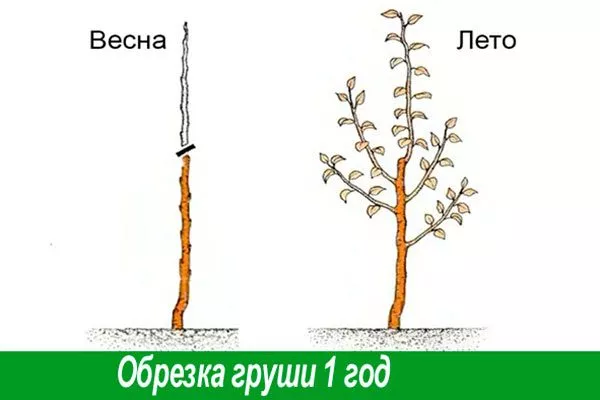
- In the first year after planting, shorten the trunk and upward-growing branches to stimulate the appearance of lateral shoots;
- next year, select the 4 most powerful lateral branches and trim them by 1/3 of their length (this technique is aimed at forming the tree’s frame);
- then continue to form a beautiful crown, removing everything unnecessary and getting rid of weak, damaged branches;
- For pruning, use sharp, clean and disinfected garden tools;
- carry out the work at the end of February or in March, before the sap begins to flow;
- Practice summer pruning to remove excess shoots.
For the Pamyat Zhegalova pear, perform not only a formative but also a sanitary procedure. This involves removing unproductive branches: deformed, broken, dry, or infected.
Whitewashing wood
This procedure is recommended to protect fruit trees from pests, sunburn, and temperature fluctuations. It's especially useful in preparing for the cold season. Perform it at the following times:
- in autumn, after the leaves have fallen;
- early spring, before the sap starts to flow.
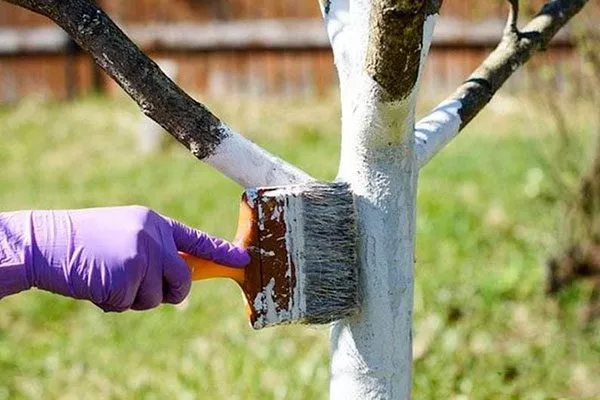
For whitewash, use store-bought garden paint or a homemade mixture (make it from slaked lime, clay, manure, copper sulfate, and water). Apply the mixture with a brush to the trunk and lower branches in two coats.
Preparing pears for winter
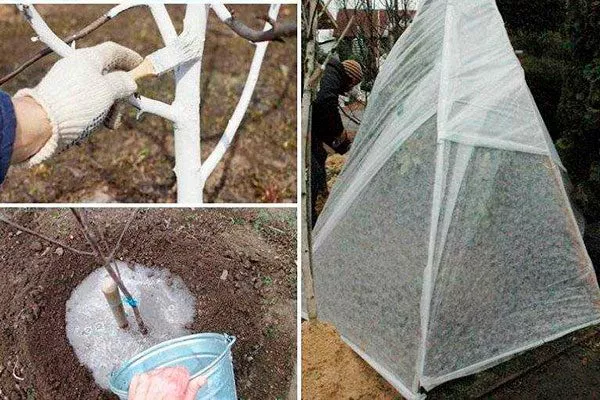
The "Memory of Zhigalov" variety has above-average winter hardiness. Young trees and those growing in harsh climates require proper preparation for the cold season in the fall:
- water thoroughly before frost sets in;
- cover the area around the tree trunk with a thick layer (at least 10-15 cm) of organic mulch: peat, sawdust, compost;
- wrap the tree with agrofibre and cover it with spruce branches;
- Protect the bottom of the trunk from rodents with a special net or roofing felt.
Methods of reproduction
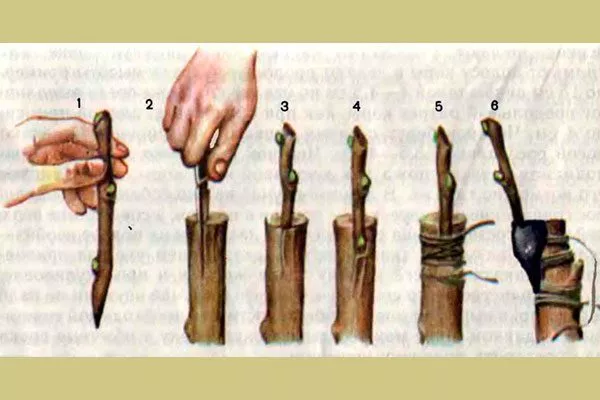
To grow new plants of this variety, you don't necessarily need to buy them from a nursery. You can use the following propagation methods:
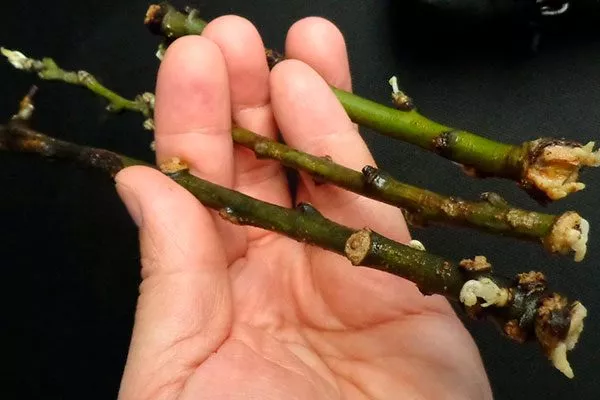
- By vaccinationUse a wild plant with a developed root system. Graft a cutting or bud onto it. This method preserves the varietal characteristics of the plant.

- By cuttingsRoot the planting material taken from the mother plant.
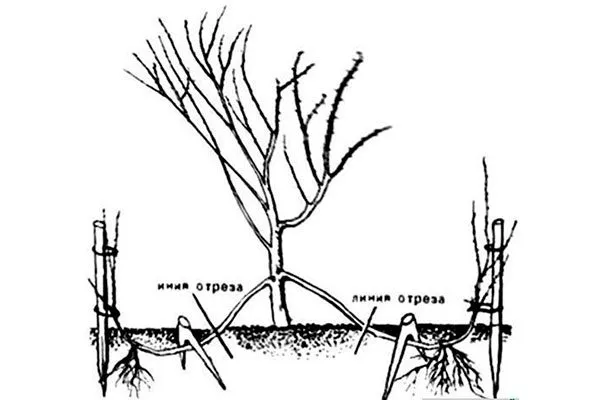
- LayeringBend the young shoots to the soil surface and bury them, and after roots appear, separate them from the parent tree.
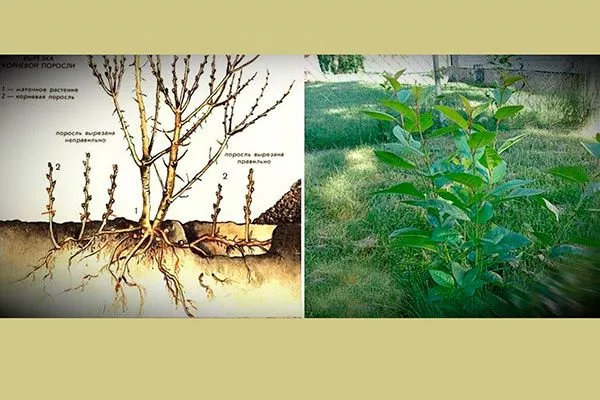
- Root shootsUse it to obtain planting material that will be transferred to a new location in the garden.
How to increase your harvest: useful tips
Experienced gardeners offer some advice to beginners on how to achieve maximum tree productivity when growing the 'Memory of Zhegalov' variety:
- Proper crown pruning — the key to a bountiful harvest. Monitor the condition of the central conductor, which plays a key role in nutrient distribution. Monitor its length and shorten it if necessary.
Locate the location of the lowest shoot and prune slightly above this point. This technique helps create a compact crown and redirect the plant's energy toward the formation of lateral shoots.
Remove excess branches, including those growing downwards and those that are excessively long. This will improve ventilation and light levels in the crown. - Pollinators — a guarantee of high crop yield. The Pamyat Zhegalova variety requires the right pollen sources to ensure abundant fruit set. Plant varieties that significantly increase productivity near the pear tree, such as Lada and Avgustovskaya.
- Top dressingTo ensure the branches are densely laden with fruit, fertilize the plant at the roots and on the foliage. Spraying the crown with nutrient solutions rich in potassium and phosphorus is especially important. They not only increase yield but also help improve the quality of the fruit. For this purpose, use urea, superphosphate, potassium sulfate, and complex fertilizers.
- Prevention of diseases and pestsDon't neglect tree treatments to maintain its health. If your pear tree is attacked by fungi or pests, you'll lose a significant portion of your harvest.
Pests and diseases
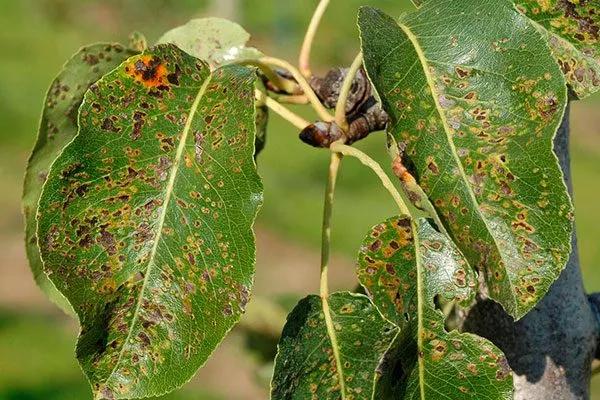
The Pamyat Zhegalova variety is characterized by good resistance to fungal infections, particularly scab. It is moderately resistant to pest attacks. Health problems with pear trees occur with poor care or in unfavorable years.
To prevent massive pest attacks on fruit trees, attract their natural enemies to the garden:
- lacewing;
- seven-spotted ladybirds;
- dragonflies.
Plant flowering plants near the pear tree that have a strong aroma that repels pests: tansy, marigolds, mint, and calendula. To prevent the problem, apply herbal infusions to the crown weekly:
- burdock (700 g per 10 l of water) - against caterpillars and moths;
- tansy (800 g per 10 l) - from flower beetle.
Features of harvesting and storing crops
Begin harvesting the Pamyat Zhegalova variety in large quantities in the last weeks of September. When ripe, they won't fall from the branches even in strong gusts of wind. Pick the pears from the tree 7 days before they're fully ripe (their pits are white, not yet darkened). These varieties keep well.
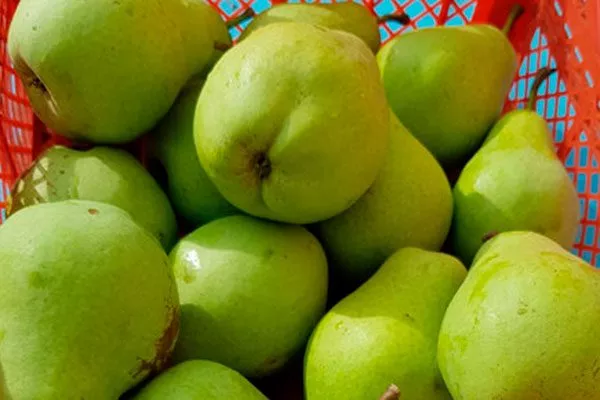
For long-term storage of up to 120 days, store the harvest in a cool place with a temperature of 0°C. In a cellar, they will remain fresh for less than 1 month.
Pros and cons
This variety, dedicated to the outstanding Russian plant breeder, has become a favorite among domestic gardeners for its many positive characteristics:
Among the significant disadvantages of the Pamyat Zhegalova, gardeners point out the tree's self-sterility and the not particularly attractive appearance of the harvest.
Reviews
Pamyat Zhegalova is a popular domestic pear variety that ripens in the fall. It stands out among other pear varieties due to its high frost resistance and strong immunity (specifically, resistance to scab). The harvest is abundant, delicious, rich in vitamins, minerals, and fiber, and versatile.