
The Nova pear is a late-ripening variety that produces good yields of beautiful and tasty fruit. It's relatively unknown today, with very little information available.
General information about the Nova variety
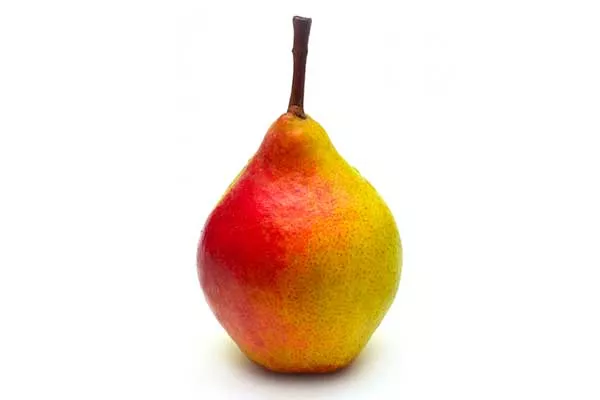
The Nova pear produces beautiful, rounded pear-shaped fruits that resemble apples. They are about 8 cm long and 6 cm wide. When ripe, they are bright green with a pinkish blush. The flesh is melt-in-your-mouth juicy and aromatic. The flavor is sweet with a hint of tartness.
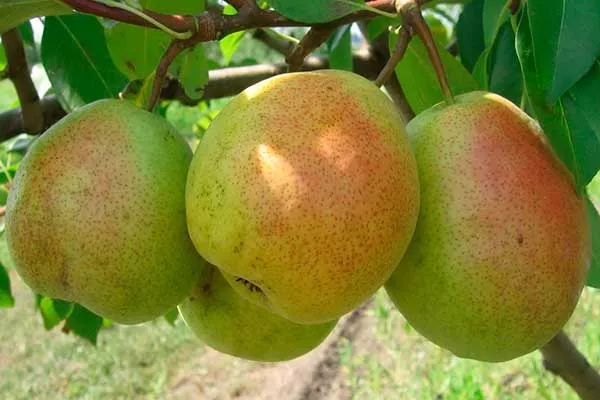
- ✓ Resistance to scab and other common pear diseases.
- ✓ Light requirements: the minimum duration of sunlight should be at least 6 hours per day.
The variety is highly winter-hardy, making it suitable for growing in cold winters and short summers. In temperate climates, the fruits ripen from late September to early October. The Nova pear yields quite high—approximately 50 kg per tree.
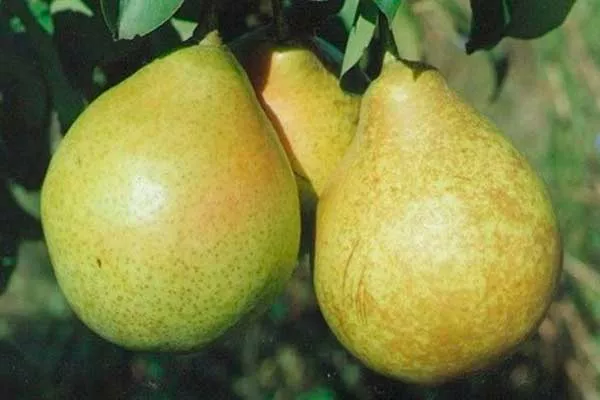
The Nova variety is distinguished by its good winter hardiness, allowing it to be grown in most regions without shelter. The tree can easily withstand temperatures down to -30°C.
Pros and cons
The Nova pear's main advantages are high yield, excellent fruit flavor, and good winter hardiness. No particular drawbacks have been identified with this variety.
Planting nuances
Pear trees should be planted in a well-lit area; shade is not recommended. The soil should be well-drained and moderately moist. Avoid planting pear trees in low-lying or waterlogged areas, as this will cause root rot, which will kill the tree.
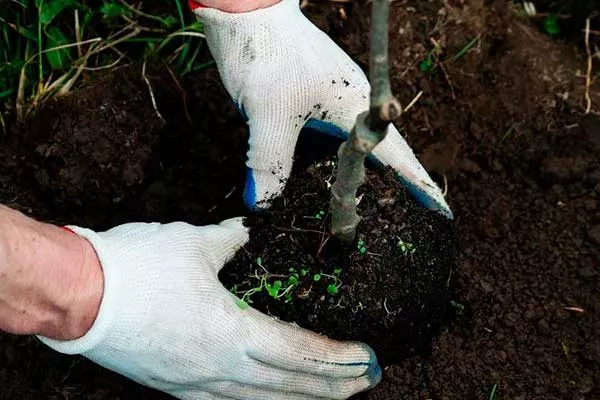
Pear trees are planted in spring or fall, with the former being preferred in regions with harsh winters and the latter in the south of the country. After planting, the seedling is thoroughly watered, mulched, and tied to a support previously installed in the planting hole.
Care Features
After planting, the Nova pear tree requires regular watering to help the seedling establish itself in its new location. Mature trees are watered as needed, even during dry periods. In the fall, the tree is fertilized with organic matter, which also helps insulate its roots. Nitrogen-containing fertilizers are applied in the spring, and potassium-phosphorus fertilizers are applied in the summer.
The most important stage of caring for the Nova pear is pruning, during which all excess and damaged shoots, diseased, dry, broken ones, as well as those growing inward, are removed.
The tree also needs regular preventative treatment. Spray it with Bordeaux mixture in the spring and fall. If the plant is affected by diseases and pests, systemic fungicides and insecticides are used.
Application
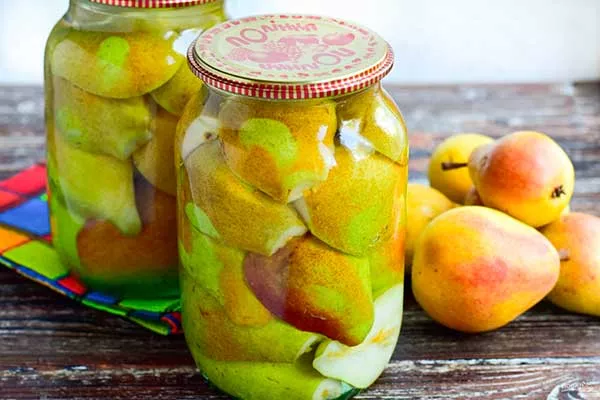
Nova pears are best eaten fresh and store well in cool, dark places. They can also be used to make various desserts, baked goods, and preserves.
Harvesting and storage
The harvest takes place around September-October (the exact timing depends on climate conditions). As befits a late-ripening variety, Nova pears are quite shelf-stable and store well, especially in a cool, dark place.
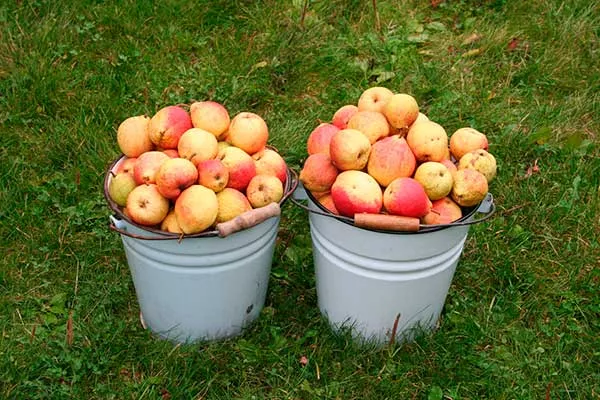
Pears can be stored in the refrigerator, but they also keep well on a balcony, in a cellar, basement, or pantry. Store pears separately from other fruits to prevent them from absorbing their aromas, otherwise they will lose their original flavor and aroma.
The Nova pear will appeal to lovers of late-ripening, easy-to-grow varieties. It attracts gardeners with its neat, attractive, tasty, and juicy fruits. They store well, allowing you to enjoy pears all winter long.