
The Limonka variety has long been popular in gardens thanks to its distinctive qualities: ease of cultivation, high frost and disease resistance, and excellent fruit flavor. Unlike many summer varieties, the Limonka's flavor is especially pronounced in preserves.
By whom and when was it bred?
The Limonka variety was developed long ago, but the exact details of its origin remain unclear. However, it is known to have deep roots in folk selection and is still prized as a local variety of the Lower Volga region.
The appearance of the tree
The trees can reach a height of 500-600 cm, with a rounded, moderately dense crown. The trunks are adorned with branches that extend from the base at a slight angle, growing straight and colored brown.
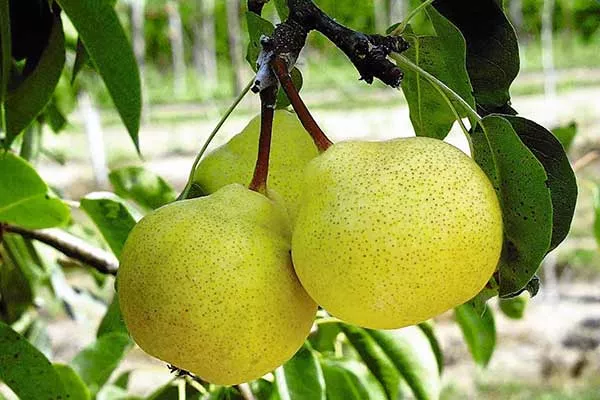
Young shoots have a distinctive, curved shape and are medium in length. The leaves, rounded and medium in size, are richly dark green and glossy. The foliage surface is usually smooth.
Fruits and their taste characteristics
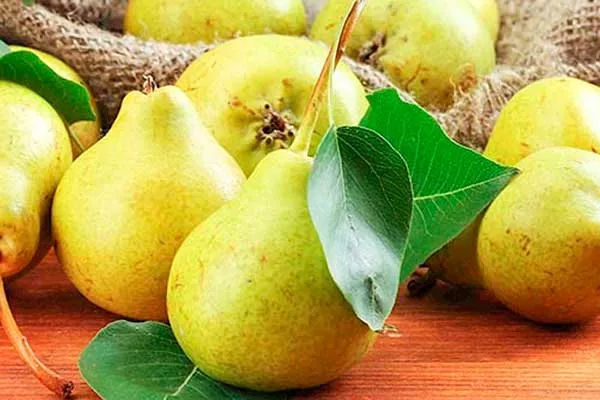
Limonka pears weigh approximately 90-110 g and have a characteristic ovoid shape. Despite their name, they don't grow to a significant size.
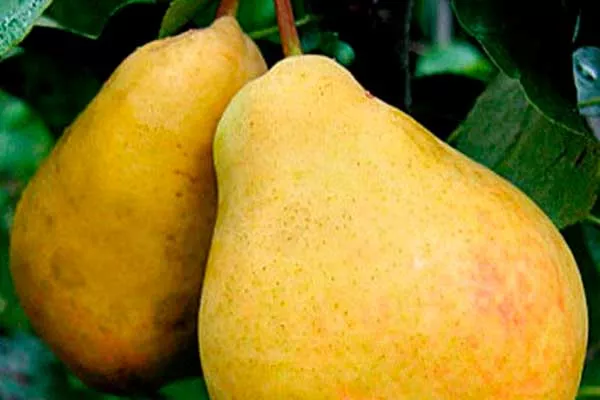
Other characteristics of Limonka pears include:
- the skin is a bit dry;
- ability to be stored for up to a week;
- the presence of numerous small dots under the skin over the entire surface;
- shortened, slightly curved stalk, colored light brown.
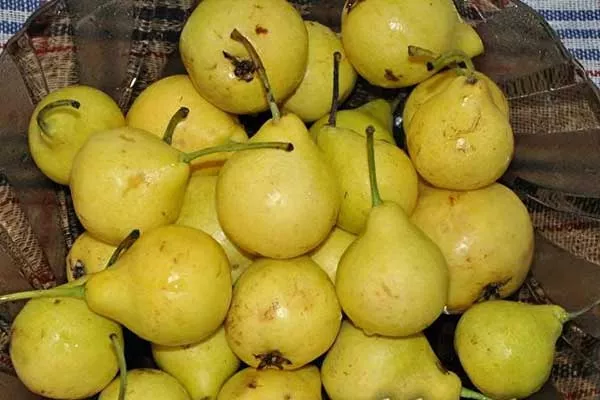
Limonka pears contain 19.1% dry matter, 9.9% sugars, and 0.17% titratable acids. Despite this ratio, the fruit has a slightly tart flavor and medium-density flesh.
Ripening period and yield
Limonka is one of the pear varieties known for its summer ripening period. The fruit is typically harvested in late August, but this timeframe can vary depending on weather conditions and agricultural practices.
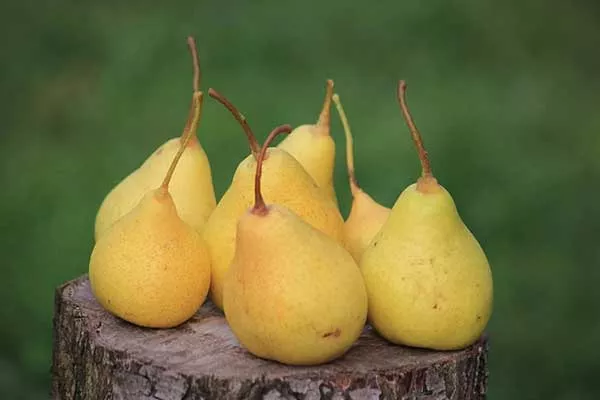
Other indicators:
- The first harvest can be obtained 7-8 years after planting.
- Pears may fall from the tree before they are fully ripe.
- Specialized sources do not provide specific yield figures. However, the average total yield varies from 15 to 20 kg per tree, due to the relatively small size of the fruit. These figures are based on the opinions of gardeners.
Other parameters
One of the key characteristics of this variety is its excellent transportability and long-lasting freshness. Limonka pears can be stored in good condition in a cool place for up to six months without losing their flavor or aroma.
Varietal characteristics:
- The tree grows in various types of soil and does not require complex care.
- The variety is resistant to fungal and viral infections, making it desirable for gardeners and vegetable growers.
- Lemon fruits are often used to make homemade compotes, preserves, and marmalades. They contain a large number of vitamins and minerals that have a beneficial effect on strengthening the immune system and overall health.
- The pear tree has high frost resistance and can easily withstand the winter cold of the Central zone.
- Limonka is a self-fertile pear variety, but it requires pollinators to achieve maximum yield. Ideal rootstocks include Bessemyanka, Lyubimitsa Klappa, Ilyinka, Lesnaya Krasavitsa, and Williams.
- Picked very ripe pears can be stored for about a week.
In some years, pears may fall from the trees before reaching full maturity. Fully ripe fruits will fall off if the harvest is not picked in time.
Landing features
Although the Limonka variety is easy to grow and can thrive in a variety of conditions, gardeners should still strive to create ideal conditions for the plant. This will help minimize potential problems during growth and ensure productivity. Before planting, carefully prepare the soil.
How to choose a young tree?
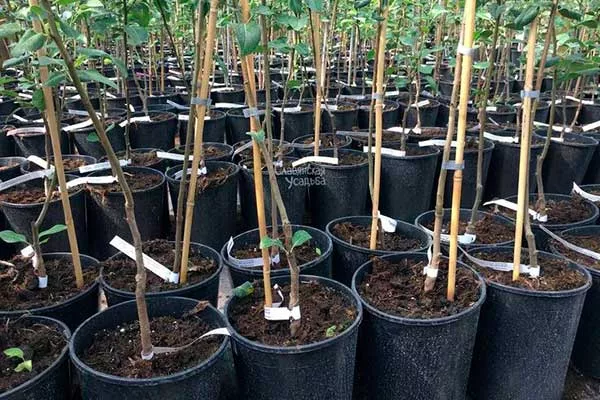
It's best to buy seedlings from specialized stores or nurseries, rather than from markets. To choose a pear seedling that will thrive, consider the following:
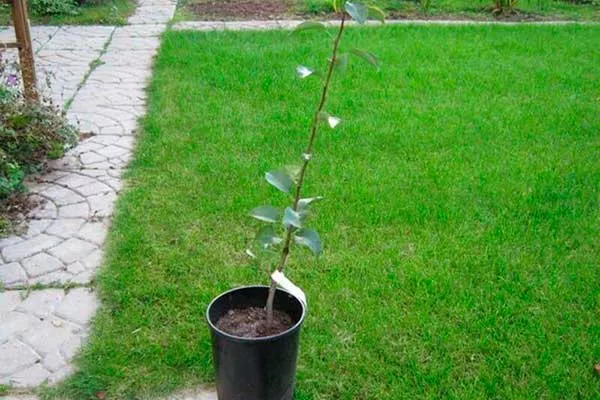
- The height of a one-year-old seedling should be at least 120-125 cm.
- The roots of the tree must be fresh and flexible.
- The trunk of the pear should be smooth and elastic, and the branches should be free of cracks, damage, or juice leakage.
- The seedling should not be infested with pests or damaged by frost.
- ✓ Check for a quality certificate confirming the variety.
- ✓ Pay attention to the root system: it should be developed, without signs of rot.
Choosing a landing site
When choosing a suitable location for planting the Limonka pear, one should take into account its preference for well-lit locations, but also those protected from strong gusts of wind.
The Limonka variety has an extensive root system, necessitating a planting site with light, well-moistened, and mineral-rich soil. This soil will ensure rapid rooting of the young plant. A loamy soil is ideal.
Site preparation
Pear seedlings can be planted in early spring or late fall. For the first option, the holes are dug in advance, during the preceding autumn months, while for the second, the holes are dug a month or a month and a half before planting.
Particular attention should be paid to the dimensions of the planting hole:
- An insufficiently large size may negatively affect the growth and health of the tree.
- For pears with a strong root system, the hole diameter should be about 95-105 cm, and the depth – 50-65 cm.
- One month before planting, test your soil for pH and nutrient content.
- Apply soil amendments if the pH is not within the optimal range (6.0-6.5).
- Two weeks before planting, add organic fertilizers (humus or compost) at a rate of 10 kg per 1 m².
Organic components are added to the prepared hole – 25-30 kg, as well as mineral ones: 95-105 g of calcium chloride, 900-100 g of wood ash or superphosphate (see the instructions for the quantity), 1.5-2 kg of lime.
Step-by-step planting process
The algorithm for planting seedlings is quite simple:
- Before planting, carefully inspect the seedlings and remove any damaged branches and roots. If the root shoots are dry, soak them in water for 24 hours.
- Soak the root system in a clay solution.
- Insert a stake into the center of the hole.
- Fill the hole halfway with fertilized soil to form a small mound.
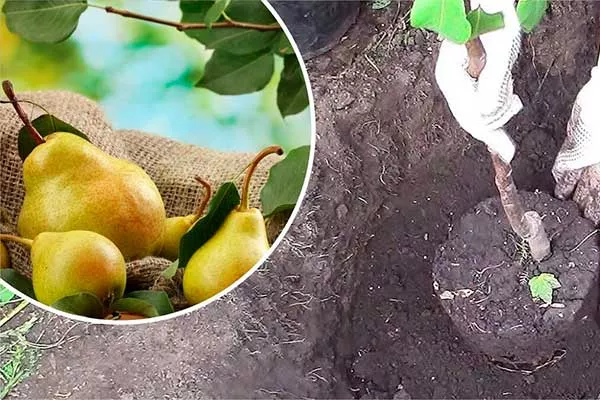
- Distribute the roots evenly over the entire surface of the mound and cover them completely with the soil mixture. While filling the hole, shake the plant several times to ensure the soil adheres tightly to the root system. This will also help eliminate any air pockets. The root collar should be 5 cm above the soil surface.
- Once the hole is completely filled with soil, compact it thoroughly – first in the center and then along the edges.
- Tie the pear to the stake using twine.
- Dig a hole around the seedling and moisten it with 25-30 liters of water.
- After watering, mulch the trunk area with a 6-7 cm thick layer of wood or small bark.
Care
Pear trees, like other plants, require proper care. Regular watering, crown shaping, fertilizing, and pest and disease control are essential.
Watering
During the initial period, to ensure the pear tree receives sufficient moisture, it is necessary to add 20-30 liters of water, doing this 5-6 times throughout the season. Over time, the soil will consolidate, and the air pockets that were present in the hole will disappear.
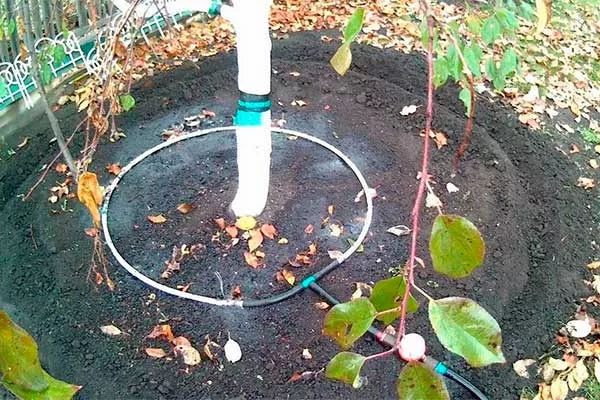
From the second year onwards, regular watering becomes necessary:
- In spring, when the pear tree blossoms.
- During the formation of fruits and during their ripening period.
- In summer, when the dry period begins.
- In the fall after the leaves fall.
After watering, loosen the soil around the plant to maintain moisture and promote oxygen access to the roots. Be sure to mulch the soil with sawdust or compost to a depth of 8-10 cm to retain moisture.
Fertilization
The optimal time for fertilizing is a key factor in producing high-quality Limonka fruits, ensuring a bountiful harvest, and increasing the pear's resistance to various diseases.
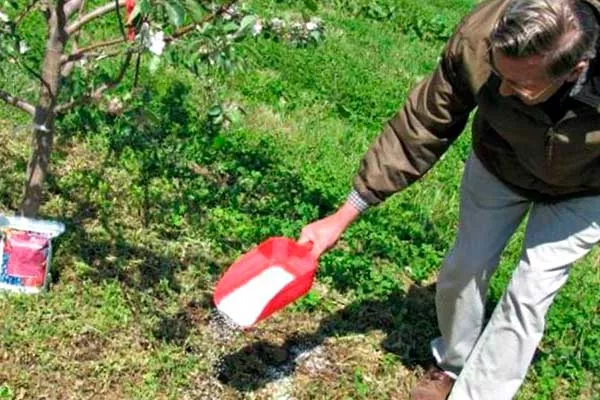
Recommended procedures include:
- During the periods preceding budding, the tree especially needs nitrogen components for the harmonious development of the root system, shoots, and leaves. The following fertilizers are recommended during this time:
- urea, which is added during spring tillage of the soil around the trunk;
- ammonium sulfates, which are used in the form of a solution.
- In summer, it is recommended to use granulated superphosphate and phosphate rock as fertilizers.
- In the fall, to replenish the soil's potassium reserves, potassium compounds should be added to special furrows dug on both sides of the trunk to a depth of 7 cm.
Trimming
A well-maintained tree crown is achieved through careful and regular pruning. During the first two years, branches are not pruned, with the exception of dead wood and branches growing into the crown. Autumn pruning of pear trees is critical, as pomegranate trees are adapted to temperate climates and will survive the winter without issue after pruning.
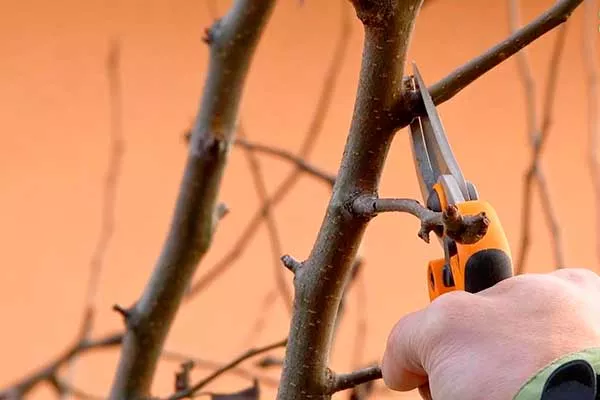
Features and rules:
- Before starting work, it's necessary to assess the growth of young shoots from the previous year. If they have reached 30-50 cm, they should not be pruned. If branches exceed this size, it is recommended to cut them back to 45-50 cm.
- In the initial period after planting a tree, the key task when pruning is to create a transparent crown to ensure optimal lighting.
- As the years go by, they switch to formative pruning. During this period, the straightest and strongest young branches are selected and left, while their parent shoots are shortened to the level where they emerge. This helps strengthen the structure. It is recommended that the distance to the next pruning point not exceed 50 cm.
- After each cut, it is necessary to treat the areas with garden pitch or special paint.
Although the Limonka pear is tall, its height can be maintained at a level convenient for care and harvesting. This will ensure sufficient nutrients and moisture flow to the vegetative parts of the tree, which in turn promotes a bountiful harvest.
Preparing for winter
Before the cold weather sets in, the pear tree needs to be hydrated by adding about 50 liters of water around the roots. Afterward, the soil is sprinkled with dry sand or pine needles.
To protect young trees less than three years old, cover them with a protective covering. This is done by installing arches and covering the tree with agrofibre. In winter, the pear tree is covered with a blanket of snow.
Diseases and pests
The Limonka pear variety has a fairly strong immune system, but without preventative measures it can become vulnerable to diseases and parasites.
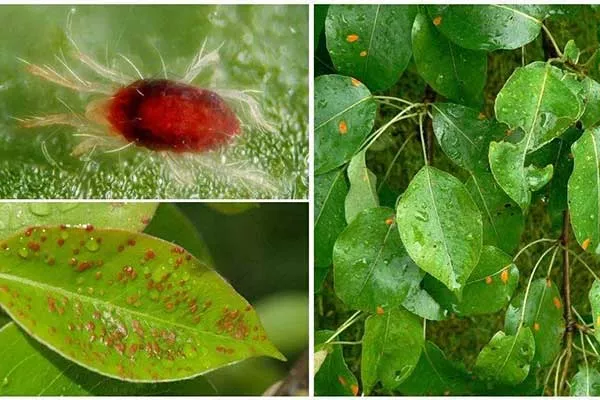
Treatment and prevention of pear diseases
The most dangerous and likely problems:
- Scab - This is a disease that affects the leaves, shoots, flowers, and fruits of the pear tree. Small dark brown spots initially appear on them; if detected late, these spots begin to dry out, burst, and become deformed, leading to a decrease in the quality and flavor of the fruit and a shortened shelf life.
- For phyllostictosis Pear leaves become covered with spots of varying shades—gray, brown, or yellowish—with a raised bump appearing in the center. The affected areas resemble burns, with the tissue dying off, revealing a thin, translucent skin.
The described diseases have a fungal etiology, and a universal treatment regimen is used for their treatment.
Time for plant protection measures:
- Early spring, before the buds open. Prepare a solution by adding 250-300 g of nitrafen to 10 liters of water. This solution is used to treat trees and surrounding soil.
- Spring-summer. Three weeks after flowering begins, spray the trees with a 0.5% solution of copper oxychloride.
- Autumn. After harvesting, treat the trees with a 5% urea solution.
Septoria leaf spot sometimes occurs. Its symptoms include the appearance of small gray spots. The infection is detected after flowering has finished. In high humidity, the leaves turn yellow and die. Small, slightly sunken brown spots may appear on the fruit.
To prevent the spread of septoria, during the growing season, trees are sprayed with Poliram DF and VDG pesticides in accordance with the manufacturer's recommendations.
General preventive measures include:
- Spraying plants with Bordeaux mixture at a concentration of 4% during the period of the beginning of budding and fruit formation.
- Careful removal and destruction of affected plant parts, which includes deep burial or burning.
- Complete clearing of the area from fallen leaves and fruits in the fall, followed by their destruction.
- Regular shaping of tree crowns to ensure optimal air circulation.
Protecting pear trees from pests
Gardeners often face the need to protect their trees from pests. Among the most common pests affecting the lemon tree are aphids, scale insects, and codling moths.
To protect pears from pests, it is recommended to take the following measures:
- regularly treat trees with specialized chemicals, such as Hom or Oxyhom;
- do not allow weeds to grow in the garden, as pests can easily move from them to the pears;
- Regularly inspect trunks, branches and foliage to promptly detect and destroy parasites.
Harvesting
The harvesting of ripe pears begins in the second half of August and continues until the first days of September. The Limonka variety is prone to early fruit drop. This process can occur every year.
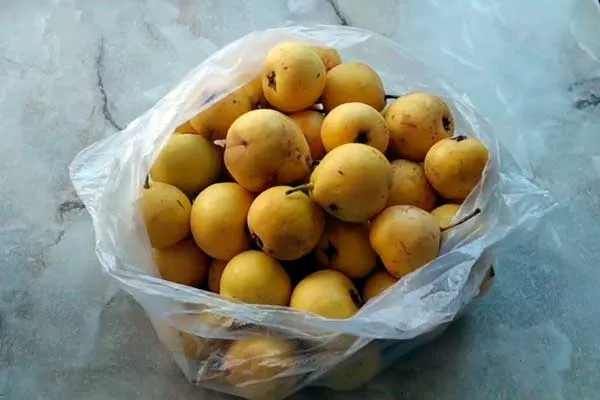
Picking the fruit at the right time is crucial—the pears should be deep yellow, but not overripe. Otherwise, the sweet aroma may give way to an unpleasant aftertaste.
When stored at room temperature, the shelf life of ripe fruits of this variety does not exceed eight days.
Positive and negative qualities
Reviews
The Limonka variety is an ideal choice for gardeners just beginning their gardening journey. This variety is considered a table variety, but its fruits can also be dried and used in culinary preparations. Regardless of the processing method you choose, the Limonka harvest will delight you and bring joy every season.