
The Ksenia pear variety began to be developed at the end of the first decade of this century, but was only officially recognized in 2022. However, by this time, it had already spread throughout Russia and earned well-deserved popularity among consumers and gardeners. The originator is believed to be an LLC called "Plodoobedinenie Sady Stavropolya."
The appearance of the tree
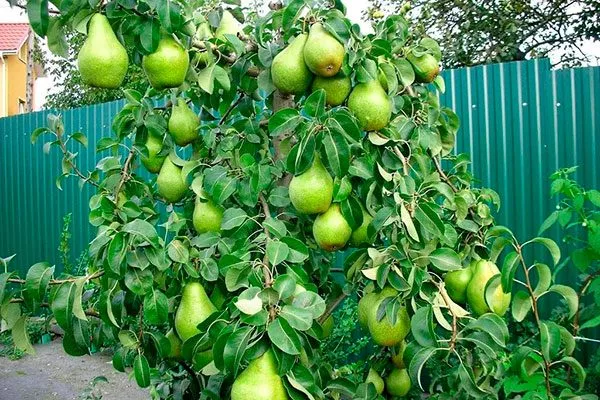
This medium-sized variety features a narrow, pyramidal crown with medium density. Other characteristics:
- shoots – erect, sparsely spaced;
- leaves - with a smooth glossy surface and slight ribbing;
- leaf blade shape – ovoid, oblong;
- foliage size – large;
- shade of green mass – dark green, but may also have a bluish tint;
- foliage – average;
- flowers – 1.5-1.8 cm in diameter.
Fruits and their taste characteristics
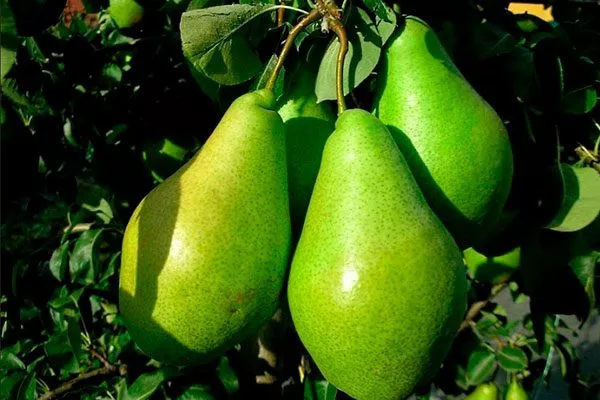
A distinctive feature of Ksenia pears is their enormous fruits, weighing up to 500-530 g, but some are half that size, weighing 250 g. This can happen when there's an excessive abundance of ovaries—the more ovaries, the smaller the pears. Ultra-large pears, weighing 700-750 g, have also been recorded.
Other features:
- form - classic pear-shaped, but with ribbing;
- outlines of fruits – correct;
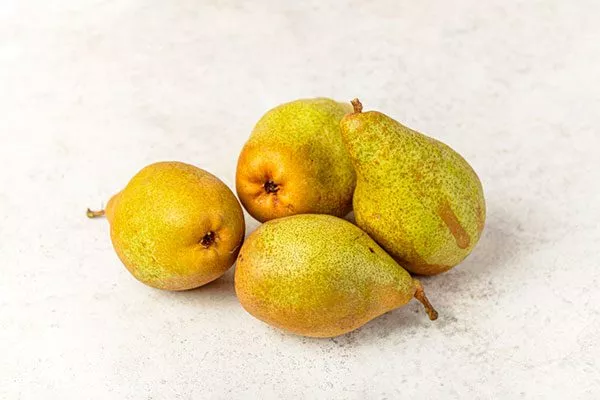
- coloring – yellow-green base, orange cover;
- pulp – creamy shade, delicate and juicy structure, semi-oily type;
- granularity – small;
- compound - fibrous;
- taste - sweet with a little sourness;
- smell - medium intensity, exclusively pear;
- subcutaneous inclusions – grayish in color, numerous, medium in size, clearly visible;
- rustiness – No;
- peduncle – curved shape, sufficient length and medium thickness.
Varietal qualities
| Name | Disease resistance | Flowering period | Soil requirements |
|---|---|---|---|
| Clapp's Favorite | High | April-May | Fertile, well-drained |
| Hoverla | Average | May-June | Moderately fertile |
| Conference | High | April-May | Fertile, moist |
The Ksenia pear variety is mid-season; trees begin bearing fruit in the fourth to fifth year when grown on seedling rootstocks and in the third year when grown on quince rootstocks. This variety pairs well with quince and is characterized by high yields, with fruiting occurring consistently every year. For optimal productivity, pollinators are required, such as:
- Clapp's favorite.
- Hoverla.
- Conference.
| Pollinator | Flowering period | Disease resistance |
|---|---|---|
| Clapp's Favorite | April-May | High |
| Hoverla | May-June | Average |
| Conference | April-May | High |
Specifications:
- The Ksenia pear is widespread in Europe and is adapted to the conditions of Crimea and the North Caucasus region of Russia.
- The variety has a good level of disease resistance, but improper agricultural practices and excessive moisture can reduce the trees' immunity.
To prevent diseases and pest attacks, regular preventive measures are required. - This pear variety has a satisfactory level of frost resistance, withstanding temperatures down to -30-33 degrees Celsius. If temperatures in your region drop below this level, careful shelter will be required to ensure the survival of the trees.
- Ksenia pears are versatile: they are excellent both fresh and processed, making them perfect for making preserves, compotes, juices, dried fruits, jams, and wine.
Ripening period and yield
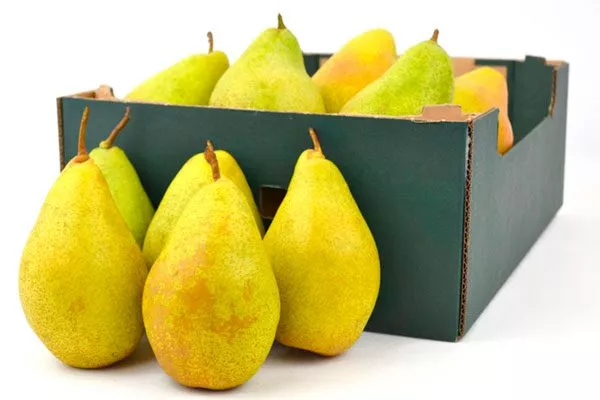
The Ksenia pear is a late-season variety, meaning its fruits ripen in October. This pear variety is known for its high yield, reaching up to 121.5 centners per hectare.
Care and cultivation
To ensure the Ksenia pear tree thrives and produces a good harvest, it's important to choose a planting site with good sun exposure. Other important points:
- The most suitable periods for planting it are the autumn or spring months, when the tree is dormant, but active growth has not yet begun.
- To ensure adequate development of the root system and crown, it is necessary to maintain a distance of at least 4-5 meters between planted trees.
- To achieve the desired results in cultivation, it's important to pay attention to soil moisture and plant nutrition. Since pear trees have moderate drought and heat tolerance, regular watering and protection from extreme heat are essential.
Ksenia is characterized by high winter hardiness, allowing the variety to successfully withstand cold weather without significant damage. It has good characteristic qualities, and what's particularly striking is the large size of its pears. Planting and care guidelines are standard, so the tree won't cause any problems for its owner.