
Columnar pears are dwarf varieties. Their advantage is that they don't take up much space, allowing you to plant several varieties at once. This article discusses the growing and care of columnar pears.
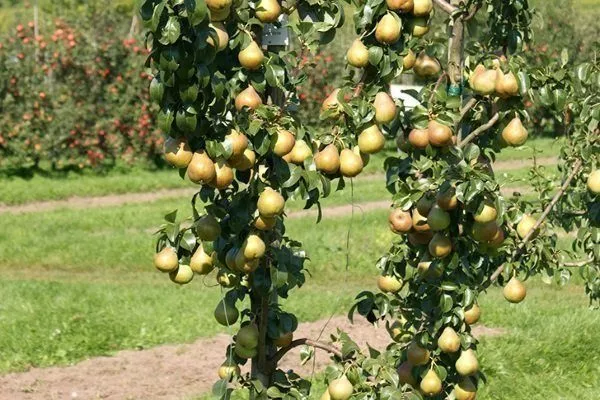
History of columnar pear breeding
Scientist M. V. Kachalkin developed several dwarf varieties of garden pears. These varieties were later called "columnar." In appearance, these compact trees resemble columnar apple trees. This inspired the name.
Columnar pears are characterized by their compact size and good yield. These plants can be grafted or grown from seed. They can be grown using any method. Quince or serviceberry are considered the best rootstocks. Their compact size allows for the cultivation of many varieties in a single plot, yielding ripe fruit.
Description and Features
The columnar pear is a fruit and ornamental garden tree belonging to the large Rosaceae family and the genus Pear. It is virtually indistinguishable from its larger relative, the common pear, with the only exception being the tree's size and crown shape. These trees first appeared in Central Asia and the Transcaucasus.
Experienced gardeners speak positively about dwarf pears, citing the ability to easily plant many trees in a small area while still getting a large harvest.
These trees are deciduous. They reach a maximum height of 2.5 meters, while a typical pear can reach 4-5 meters. Columnar pears have a thick trunk, the tree itself is compact, and the branches do not spread much, arranging themselves along the trunk and being pruned when they become too long. These pears resemble tall columns in appearance. The leaves are wide, large, glossy, and dark green. They can grow directly on the trunk and on branches that are flattened against it.
In spring, the tree produces fragrant white flowers gathered in umbel-shaped inflorescences. Large fruits, weighing up to 400 g, ripen on small branches. The fruits are juicy and soft.
Columnar pears are considered best grown in the Moscow region. Some varieties are suitable for the Urals and Siberia.
Productivity
Columnar pears begin bearing fruit as early as the second year after planting. They are characterized by good and stable yields over several years. Each season, gardeners harvest 2.5 to 3.5 kg of fruit from a single tree. This is a respectable yield for a dwarf tree.
Fruiting continues for 10-15 years, then declines and ceases altogether. At this point, it's time to plant new trees, and the old ones are left as decorative garden ornaments.
What varieties and hybrids are there?
There aren't many columnar pear varieties available today. However, breeders are constantly working to increase the number. Columnar pear varieties are divided into autumn, early and late autumn, summer-autumn, and winter varieties. Each variety has its own characteristics and features.
| Name | Ripening period | Fruit weight (g) | Frost resistance |
|---|---|---|---|
| Carmen | Summer | 200-250 | High |
| Decor | End of August | 200 | High |
| Honey | August | 300-400 | High |
| Night-Vert | September | 200-250 | High |
| Sunremy | October-November | 400 | High |
| Northerner | Late July - early August | Average | High |
| Sapphire | Early to mid-September | 200-250 | Average |
| Tenderness | September | 200-400 | High |
| Autumn Dream | End of summer | 80 | High |
| Pavlovskaya | Mid-September | 250 | High |
| Yakovlev's favorite | End of September | 200-250 | High |
| Bogatyr | Late September - early October | 250-300 | High |
| Sweet beauty | Late July or early August | 250 | High |
| White and red early | Summer | 200-250 | High |
| G 322 | Summer | 150-250 | High |
Carmen
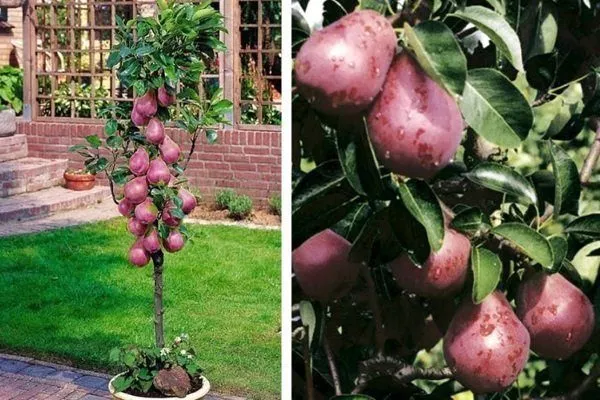
A dessert pear variety with an attractive compact shape and beautiful appearance during flowering and ripening. Gardeners often plant this pear to decorate their gardens. The Carmen variety produces fruits with a reddish-burgundy skin. Each pear weighs 200-250 g.
Fruiting begins in the second year. Advantages include high yields, juicy fruits, and a sweet and sour taste.
Decor
The tree grows to a height of no more than two meters. The fruits are large, reaching up to 200 grams. The fruit is a regular pear-shaped fruit with a yellow-green skin. The flesh is white, juicy, sweet, and slightly tart.
Its advantages include good yield, hardiness, and resistance to various diseases. Harvesting occurs in late August.
Honey
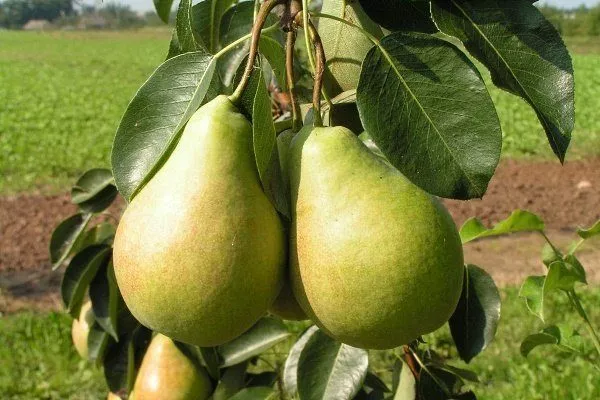
A summer variety. The fruits ripen as early as August, marking the beginning of the mass harvest. The skin is yellow-green, with an orange blush on one side. The shape is slightly elongated and oval. Fruit weight ranges from 300-400 g.
This frost-hardy variety grows well in any soil. The pears are aromatic, pleasantly scented, juicy, and sweet. After harvest, the fruit keeps for a long time.
Night-Vert
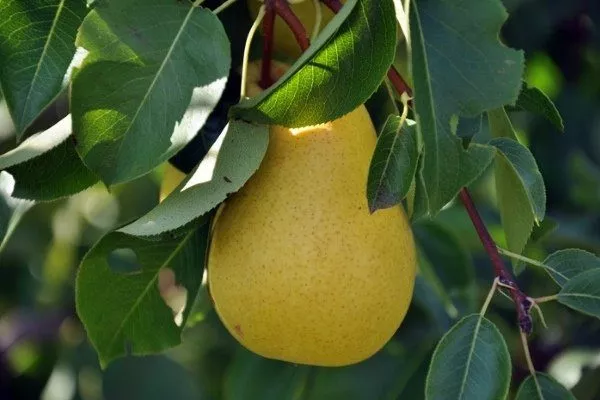
The fruits of the dwarf tree are large, weighing from 200 to 250 g. The skin is yellow-green, with a pink blush on one side.
This variety tolerates temperatures well below -25 degrees Celsius. The flesh is juicy and sweet, with a pleasant, distinct aroma.
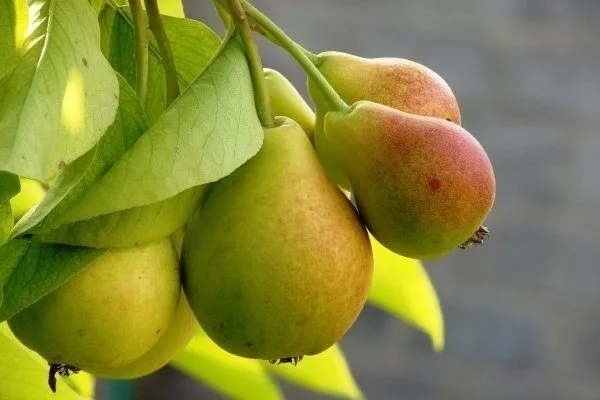
Sunremy
A late-autumn variety. Harvesting occurs in October-November. It is characterized by its ease of planting, high yield, and increased frost resistance.
The fruits are large, weighing up to 400 g. The skin is greenish-yellow, with a slight pink blush on the side. The flesh is sweet and juicy, with a delicate, light aroma.
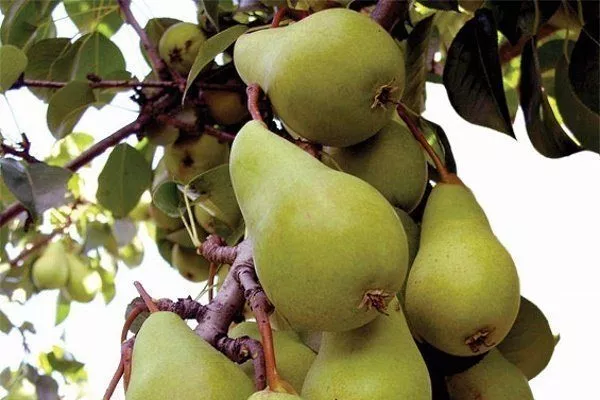
Northerner
Gardeners appreciate this variety for its rapid growth and early ripening of tasty, juicy fruit. The pears are medium-sized, with yellow-green skin with pinkish spots and veins. Harvesting begins in late July or early August.
When picked from the tree, ripe fruits have a shelf life of no more than two weeks. However, if picked before they're fully ripe, they can last for one and a half, sometimes even two months.
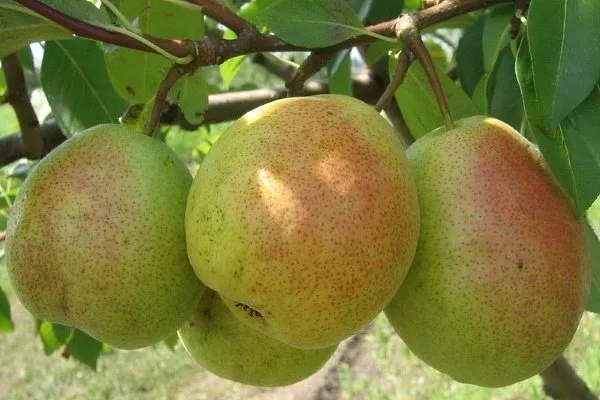
Sapphire
Plants reach a height of 1.5-2 meters. The variety is characterized by moderate frost resistance, but with adequate winter insulation, it can be grown in central Russia. The sapling grows vigorously, impressing with its attractive appearance and compact size. The cultivar is undemanding, but demanding of soil. It is planted in soils rich in organic matter. The variety has increased resistance to scab and fungal diseases.
The fruits ripen in early to mid-September, three years after planting. Timely harvesting allows the fruits to be stored until the end of December. The fruits weigh 200-250 g, are oblong, and have yellow-green skin with small subcutaneous freckles and a slight blush. They have a good flavor and a distinct aroma.
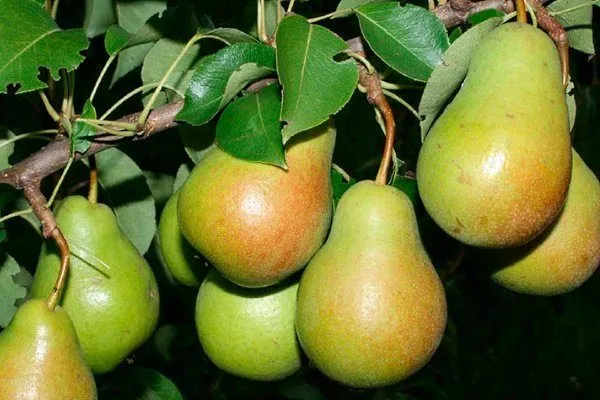
Tenderness
The plant reaches a height of up to 2.5 m. The fruit is characterized by an elongated, pear-shaped form. The skin is yellow-green, with a distinct blush on the sunlit side. A single pear weighs up to 200, sometimes 400 g. The flesh is sweet, juicy, and aromatic.
Harvesting takes place in September. This variety is easy to care for, frost-resistant, and produces a good harvest—up to 10 kg of ripe fruit can be harvested from a single tree.
Autumn Dream
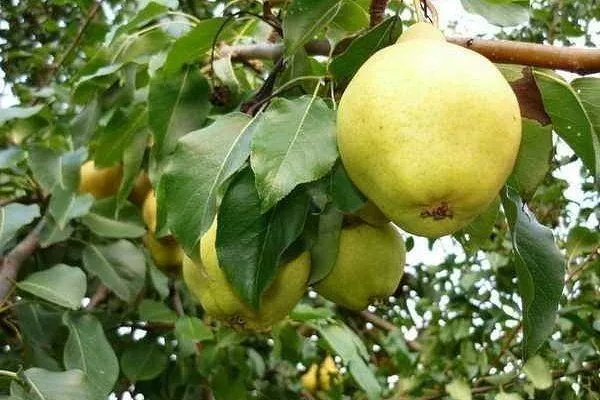
The variety is similar in appearance to the 'Severyanka' pear. The fruits are small, weighing no more than 80 g. The skin is yellow-green, and the flesh has a semi-oily texture. The pears ripen in late summer.
This variety is suitable for growing in the Urals and Siberia. The fruits have a long shelf life, so many gardeners grow it for juice, jam, and canning.
Pavlovskaya
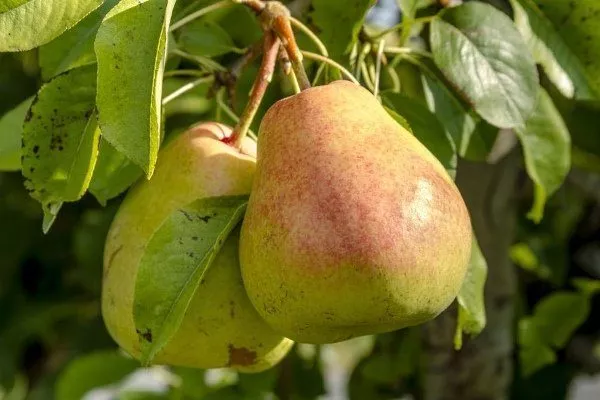
A popular hybrid whose fruit ripens two years after planting. The fruits are large, weighing up to 250 g. This variety is easy to care for and highly productive.
The skin is yellowish, with a distinct blush on one side. The flesh is juicy, sweet, and aromatic. The pears ripen in mid-September.
Yakovlev's favorite
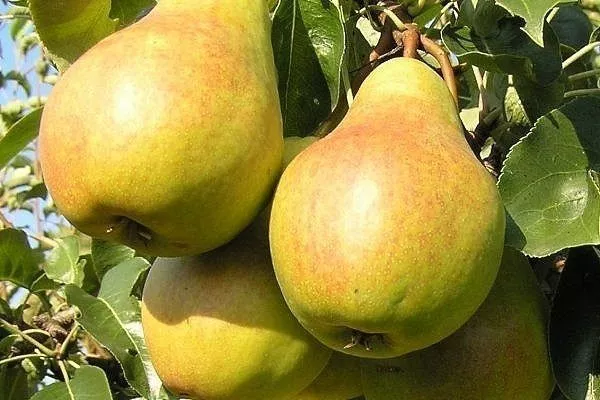
A pear tree that produces beautiful, large fruits. The fruit has a regular, broad pear shape with a slightly bumpy surface. Each fruit weighs 200-250 g.
The skin is a dull green. The flesh is juicy, sweet, and has a quince aroma. The fruits ripen fully by the end of September.
Bogatyr
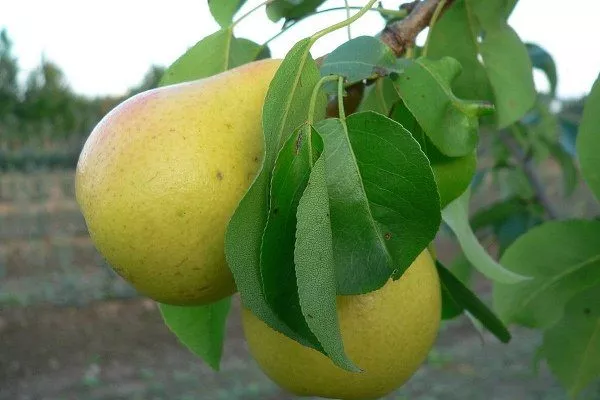
Bogatyr is considered one of the most popular varieties, ripening in late September and early October. It enters its peak harvest season at the same time as other dwarf tree varieties.
The fruits are large, characterized by an elongated shape. Each pear weighs 250-300 g. The fruits are beautiful, with golden skin. The flesh is juicy, aromatic, and has a honey-like flavor. This variety is frost-resistant. Bogatyr is a disease-resistant variety. The fruits retain their appearance even during long-term transportation and storage.
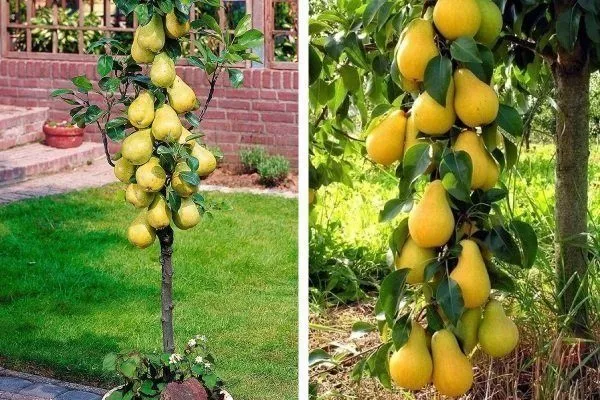
Sweet beauty
The harvest takes place in late July or early August. This variety is easy to care for and is resistant to frost and common diseases. Juicy pears appear as early as the third year after planting.
The fruits are large, weighing up to 250 g. Their elongated shape makes them attractive, resembling a large light bulb. The skin is greenish-yellow. The flesh is juicy and has a rich aroma.
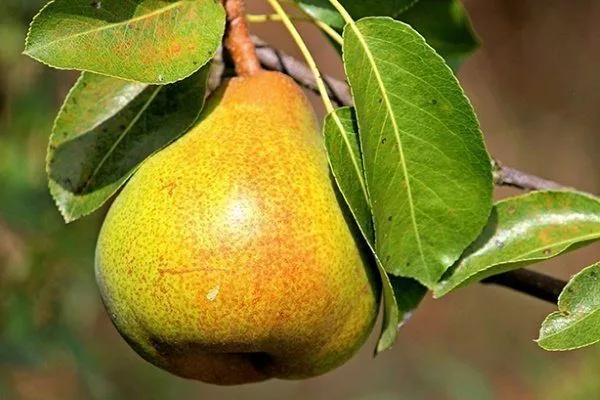
White and red early
The plant is compact, doesn't take up much space, and bears fruit in the second year after planting in its permanent location. The tree prefers sunny locations and tolerates frost well.
The most attractive variety, it attracts attention with its elongated fruits and yellow-blushed skin. The flesh is sweet and tender, with a wine-like flavor and a distinct aroma.
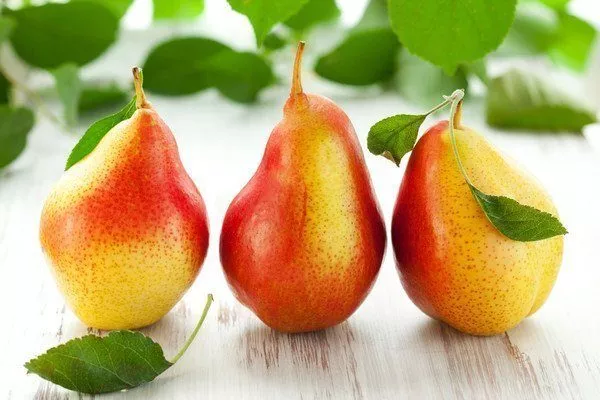
G 322
This is a columnar pear hybrid. It doesn't require nearby pollinators, as it's self-fertile. It's easy on the soil and care, and is characterized by good disease resistance and high frost tolerance. It bears fruit in the second year after planting.
The fruit is pear-shaped, wide, and elongated. The skin is golden-green with a pink blush on the side, weighing between 150 and 250 g. The flesh is buttery, juicy, and slightly tart. The aroma is rich.
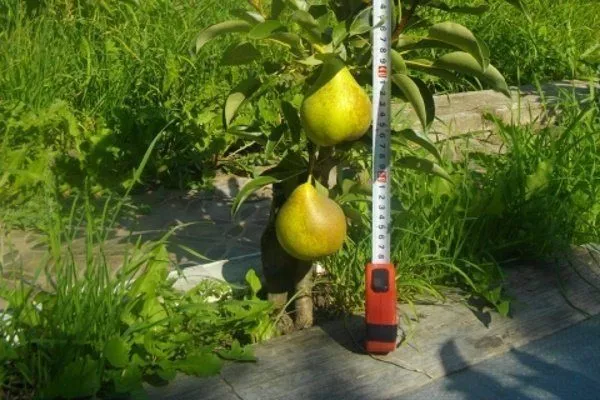
Advantages and disadvantages
Columnar pears have many positive qualities. Among the advantages of dwarf pears are the following:
- Compactness. The plants take up little space, allowing for a large number of plants to fit in a small area.
- Frost resistance. This allows trees to be planted in regions with variable climates.
- High yield. On average, gardeners harvest 3 to 10 kg of pears from a single tree.
- Low maintenance. Most varieties are easy on soil and care.
- Fruiting is high. The tree begins bearing fruit as early as 2-3 years after grafting.
- Disease and pest resistance. Many varieties are characterized by good hardiness and are resistant to diseases and pests.
- Large fruits. Pears reach large sizes.
- Seedling survival. Planting a young tree is usually straightforward; it thrives in any soil.
Dwarf pears also have some disadvantages:
- not many varieties have been developed today;
- Due to the fact that such pears are considered ornamental plants, it is necessary to regularly monitor the crown;
- short lifespan;
- Dwarf fruit trees do not produce fruit for long – about 10 years.
Preparatory work before planting
Many consider the columnar pear an unusual plant, so certain conditions and preparation are essential before planting. Choosing the right seedlings and planting site is crucial. Only a serious approach will ensure a healthy and fruitful plant in the future.
- ✓ The optimal soil pH should be in the range of 6.0-6.5.
- ✓ The soil should be well drained to avoid water stagnation.
Recommendations for choosing seedlings and varieties
Selecting healthy seedlings is crucial. Experienced gardeners recommend choosing young trees from nurseries, as only there will you be able to acquire strong, healthy seedlings adapted to the local climate. At the nursery, you can also receive expert advice on proper planting and care.
It's advisable to choose annual plants—they establish themselves faster and better and are less susceptible to disease. Before purchasing, be sure to carefully inspect the entire plant, especially the root system; it should be healthy and free of signs of rot. The trunk should also be inspected; it should be clean and tidy, free of pests and diseases.
It's best to purchase dwarf pear seedlings of varieties suitable for the climate zone. Varieties such as Nezhnost, Severyanka, and Carmen are considered ideal for the Moscow region. For warmer climates, choose Sanremi and Night-Vert.
A place for planting a young tree
Columnar pears aren't fussy about planting, but it's important to choose a site free from drafts and strong winds. Because the plant is compact, it can be damaged by strong gusts when young. Choose a secluded and remote location. A 50-60 cm plot of soil is sufficient for one plant.
Some varieties of columnar pear are used as decorative garden ornaments, so seedlings can be grown in the area around the house.
You can plant seedlings even in calcareous soils, but it's best to choose sites with well-fertilized soil—prepare it in the fall. The selected site is thoroughly dug, about two spadefuls deep. At the same time, add a small amount of compost. After this, the soil loosens and becomes much more even.
Planting a pear tree
It's best to begin planting seedlings in the spring, as this will give the young trees time to strengthen and help them survive the winter. A few days before planting, begin preparing the planting holes. It's equally important to correctly space several seedlings. Ideally, a distance of 50 cm is recommended, with 1-1.5 m between rows. This will ensure the seedlings receive fresh air and sunlight.
Large holes are dug – 80 x 60 cm. However, it's important to consider the size of your seedlings and their spreading root system. Pour 8-10 liters of water into each hole. After the water has been absorbed, add 2-3 buckets of compost mixed with sand in a 2:1 ratio to the planting holes. The soil removed from the hole is mixed with potassium sulfate and superphosphate.
Next, prepare the seedlings. The root system must be soaked in water. To do this, place them in a container of water for a while. Add 1/3 of the soil to the bottom of the holes, then place the young tree on this layer and gently spread the roots. Add the remaining soil on top, compacting the surface by hand.
The final step is to thoroughly water each seedling. For ease of planting, it's recommended to dig holes around the plant. The tree's support is installed immediately.
Subtleties of care
All dwarf pear varieties require special care. This directly impacts the health of the plant and the yield. To ensure the tree's growth and development, proper care is provided from the first few months.
Watering
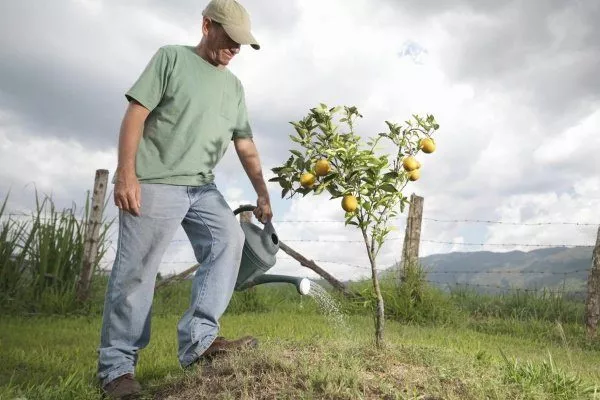
During the first year, water the plants regularly. Water at least twice a week, preferably in the morning. During dry periods, increase the frequency of watering. On average, one tree requires 5-8 liters of water. Avoid overwatering the soil, as this can lead to disease.
Top dressing
Regular and proper fertilization will ensure good growth for dwarf trees. Nitrogen fertilizers should be applied starting in the second or third year after planting, once the young tree has established itself and become stronger. Experienced gardeners recommend preparing the following solution: dissolve 10 g of urea (carbamide) in 2 liters of water.
The first feeding is done in the spring, after the first true leaves appear. Two weeks after the first feeding, the procedure is repeated, and the third application is done two weeks later.
- Apply nitrogen fertilizer in early spring to stimulate growth.
- In summer, use potassium-phosphorus fertilizers to maintain fruiting.
- Apply organic fertilizer in the fall to prepare for winter.
In the first half of summer, urea feeding is replaced with slurry or fresh cow dung:
- Mullein and slurry are used immediately, mixed in settled water in a 1:1 ratio. One liter of fertilizer is applied under each tree.
- Bird droppings must be fermented before use. To do this, fill half a container with the droppings, and fill the remaining space with warm water. Let the mixture sit for about 14 days, stirring occasionally. Pour 500 ml of the solution under each plant.
From the end of September, it is not recommended to apply nitrogen to the roots, as the plant may not have time to prepare for dormancy and will die with the onset of frost.
Fertilizing is then done in the fall, using mineral fertilizers containing phosphorus and potassium. These can be purchased at a specialty store or prepared at home: dissolve 20 g of potassium chloride and 40 g of granulated superphosphate in 10 liters of water. Mix all the ingredients and apply them to the tree trunk. This ratio is calculated per square meter.
Read more about fertilizing fruit trees in spring. here.
Loosening and mulching
Periodically, it's necessary to loosen the soil around the seedlings. This must be done very carefully, as it can damage the shallow root system of young trees. It's recommended to remove all weeds growing around the tree. Mulching the area around the tree trunk with sawdust or straw will help prevent weed growth and reduce the need for loosening.
Trimming
Dwarf plants require proper pruning, as this directly affects the formation of a proper crown and the growth of the tree itself. The more you prune, the faster and better the remaining branches will grow. When pruning, it's important to keep in mind that branches located closer to the vertical tend to grow faster than lower, deflected branches. For this reason, the main stem is never pruned.
Proper care ensures annual crown growth of 10-15 cm. Several lateral branches will also emerge. If the main stem is growing poorly, prune it, leaving a couple of buds.
In the first year after planting, all flowers are plucked—this ensures good rooting and the plant's recovery. The following year, if the tree has become strong and well-developed, up to ten fruits are left. After that, the number of fruits is gradually increased each year.
The size and quantity of pears are important factors. If a tree suddenly produces smaller fruits than the previous year, the plant is unable to withstand the heavy harvest, so the number of pears is limited the following year.
Pollination
Almost all dwarf pear varieties are self-sterile, so pollinators must be planted in close proximity to produce fruit. This requires planting other columnar varieties, as well as full-sized pear and apple trees, nearby. During the growing season, the tree blooms profusely, making artificial pollination difficult.
The columnar pear is an optimal choice of fruit tree for small plots, which is why it is valued by many gardeners.
Preparing for winter
Although columnar pear varieties are highly frost-resistant, they require insulation before winter in central Russia. Young seedlings are especially in need of this treatment, as their root system is not yet fully developed.
There are several important agricultural practices that allow trees to survive even the harsh Siberian winters:
- After the leaves fall, they are removed and burned along with the fallen dried fruit. This helps eliminate overwintering pests and pathogens.
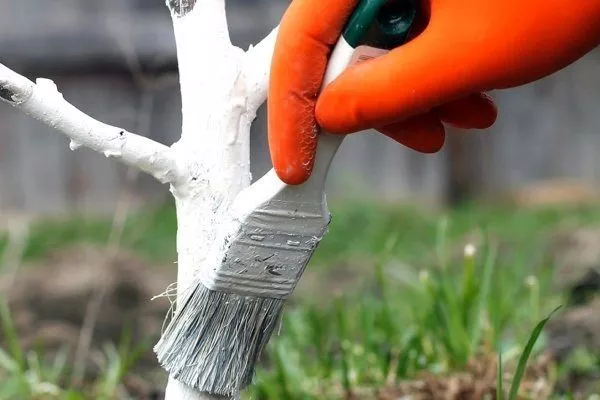
- In late autumn, whitewash the pear tree trunks with water-based paint mixed with lime or chalk. This helps protect the bark from cracking caused by temperature fluctuations.
- Cover the tree trunk circle with a twenty-centimeter layer of sawdust or straw.
During the first few years, the terminal buds of young trees are protected, as they are very delicate and can be damaged by frost. Various materials are used for this, such as plastic bags placed over the tree branches. Snow is also considered an effective frost protection; it is piled around the tree trunk up to the base of the skeletal branches. Small trees can be wrapped in non-woven material and then covered with a snowdrift.
Trees three years or older are protected by wrapping the trunk in paper and carefully tying it with rope. Roofing felt or regular pine branches, tightly wrapped around the trunk and tied to it with rope, can help protect the plant from rodents. Young saplings are completely covered with pine branches.
Diseases and pests
Protecting columnar pears from pests and diseases is much easier than treating them later. The main preventative measure is following good agricultural practices, which promotes strong immunity. To prevent disease, the crown, trunk, and surrounding area are sprayed with a urea solution of varying concentrations.
6 sprayings are carried out during the season:
- In spring, before the beginning of the growing season, dissolve 100 g of urea in 10 liters of water.
- For young foliage, before flowering, dissolve 75 g of urea in 10 liters of water.
- During flowering, prepare a solution of 10 liters of water and 50 g of urea.
- Twice in summer – 50 g of urea dissolved in 10 liters of water.
- In the fall, after the leaves have fallen. Use the same ratio of ingredients as for the first treatment.
In spring, trees are sprayed when the air temperature warms up to +5°C. Spraying with a 1% ferrous sulfate solution is equally effective in spring, before the leaves emerge, and with a 5% solution after the leaves fall. If the plant is sick, the cause is determined and treatment begins.
The table presents diseases and methods of combating them:
| Disease | Symptoms | Treatment |
| Rust | A fungal disease that causes orange or red spots on the leaves. | Diseased leaves should be removed or disposed of. For prevention, the use of Skor is recommended. Treatment includes spraying with 1% Bordeaux mixture or fungicides such as Abiga Pak, Strobi, Kumulus, or Poliram. |
| Scab | A fungal disease that causes spots to appear on the undersides of leaves. Fruit and young shoots are also susceptible. The pathogen overwinters in the bark of infected shoots and fallen leaves. | During the green cone stage, the crown is sprayed with 3% Bordeaux mixture, and during the pink bud stage, with Skor at a rate of 2 g per 10 liters of water. This treatment is repeated after flowering. Two weeks after the leaves have hardened, and again 20 days later, the tree is treated with Hom, Captan, Skor, Zineb, or colloidal sulfur. |
| Fruit rot | A fungal disease. When pears are infected, brown spots appear on the fruit. Later, growths containing fungal spores appear. | The most effective way to remove affected fruit remaining on the tree is to spray the plant with 3% Bordeaux mixture. During the growing season, it is advisable to spray the plant with fungicides such as Folicur, Topsin, and Fitosporin. |
| Powdery mildew | A fungal disease that manifests itself as a coating on the tips of annual growth, which leads to slow growth of shoots, their deformation, drying out, and premature shedding of ovaries and foliage. | Affected shoots should be cut out and burned. During bud formation, after flowering, and 14 days after the second treatment, spray the tree's crown, branches, and trunk with fungicides such as Thiovit Jet, Ditan M-45, and Rovral. |
| Green and umbrella aphids | Damaged leaves fold along the midrib. Galls containing aphids form where the larvae feed. This causes the leaves to turn yellow or red. | In late autumn, clean the bark of dirt, treat cracks with an antiseptic, seal with garden pitch, whitewash the plant, and dig around the trunk. Pouring hot water on the tree bark and the trunk area will help kill insect eggs. This procedure is performed in the fall.
For prevention, it is recommended to treat the plant with Kinmix in early spring before bud swelling, with Anravertin before flowering, and with Iskra after fruit set. |
| Fruit gall midge | An insect that damages flower buds. This causes them to dry out, become deformed, crack, and fall off. The pest can damage half or most of the fruit. | The soil under the tree should be thoroughly dug over for the winter, as many larvae overwinter in the upper layer. Collect and burn damaged leaves and branches. Use insecticides if necessary. |
| Variety | Scab resistance | Resistance to powdery mildew |
|---|---|---|
| Carmen | High | Average |
| Decor | High | High |
| Honey | Average | High |
Columnar pears are also frequently attacked by pests such as the pear mite and pear leafhopper. To get rid of these pests, it is recommended to use specialized insecticides.
Plants that repel pests, such as tobacco, mint or lemon balm, are planted near the seedlings.
Propagation of dwarf pears
Propagating this crop by seed can be difficult, as it requires a lot of time and effort. Also, this method is not suitable for all columnar pear varieties. Therefore, gardeners use other popular methods.
By vaccination
Columnar pears come in seeded and grafted varieties. Seeded pears are propagated naturally, which allows for the acquisition of true genes. Grafting is used to graft dwarf pear seedlings onto rootstocks such as serviceberry or quince. It is recommended to graft onto rootstocks in late April or early May. Early morning or evening is ideal, but during the day is also acceptable if the weather is cloudy. Cuttings for grafting are prepared in winter, and only clean and sharp tools are used during the procedure.
Step by step process:
- There are several ways to graft a pear: behind the bark, in a cleft, and in a side cut.
- For grafting, use 70-80 cm long scion cuttings, prepared in winter and stored in a cool place.
- Before grafting, all fruiting branches are cut off from the selected rootstock, leaving only 40 cm of their length.
- They begin grafting the columnar pear cuttings.
- The grafting site is tightly wrapped with duct tape and coated with garden pitch. The rooting period lasts 20 to 30 days.
The following video provides a clear example of grafting a pear to a serviceberry:
By cuttings
To propagate this way, you need to prepare green cuttings in advance, each about 25-30 cm long. Each cutting should have at least 5 leaves and 2 internodes. A special rooting solution, usually Kornevin, is diluted in a separate container. Then, the cuttings, peeled from the bottom, are placed in this solution for 48 hours. This promotes faster rooting.
The cuttings are then buried in soil mixed with a small amount of sphagnum moss. If all the conditions for this propagation method are met, the cuttings root quickly.
Gardeners' reviews
Most gardeners admire columnar pear varieties, claiming that they have more positive than negative qualities.
But we didn't ask the seller how to properly care for the pear tree... we pruned it as best we could, and the trees became overgrown. Then some pests attacked, and the trees became diseased and died. Having learned from bitter experience, we read a lot of literature before buying new seedlings. Now we have a good harvest every year, properly caring for and treating the trees for diseases and pests.
There aren't many columnar pear varieties available today, but those that do exist have already gained popularity among many gardeners. These plants are easy to care for, but require proper pruning and regular fertilizing, which particularly impacts growth and development, as well as fruit ripening and yield.
The article is interesting. But I'm curious: will they grow and bear fruit in the Middle Urals? Especially since the seedlings I ordered online were sent trimmed. Even though it says the central conductor shouldn't be touched.
Sergey, give preference to frost-resistant varieties of columnar pear (G-322, Sanremi, Medovaya, Dekora, etc.).
Regarding seedlings from the internet... This depends on the seller, so trust only trusted sites.
Yes, you shouldn't touch the central core, as this will ruin the pear's columnar shape. It will then look more like a bush than a column. In the Urals, this is what most often happens with columnar trees: the core freezes, it's pruned after winter, and then the tree sends out side branches in the spring, forming a bush. Moreover, in the Urals, it's recommended to rake snow around the trunk to completely cover it to protect it from frost. It's also a good idea to secure spruce branches around the trunk. Alternatively, you can nail together wooden shields around the tree and cover them completely with snow. Keep in mind that in this case, the trees freeze up to the snow level.
From my friends' experience, I can say that growing columnar pears and apples in the Urals is a lot of work. Good growth and fruiting are possible, but only with careful and proper tree insulation.