
The Kokinskaya pear is an early-autumn, productive variety developed by Russian breeders at the beginning of the century. Its fruits are not only tasty and easy to store, but also possess numerous medicinal properties. Thanks to its many advantages, the Kokinskaya pear has gained popularity among Russian gardeners.
History of origin
Pears of this variety are the result of breeding work conducted by staff at the Kokinsky Research Institute of Pears and Vegetables (VSTISP) under the supervision of A.A. Vysotsky (2000s). To obtain them, scientists crossed the Cure with the Popular.
Description of pear variety
Kokinskaya has distinctive characteristics that make it easy for an experienced gardener to recognize this variety.
The appearance of the tree
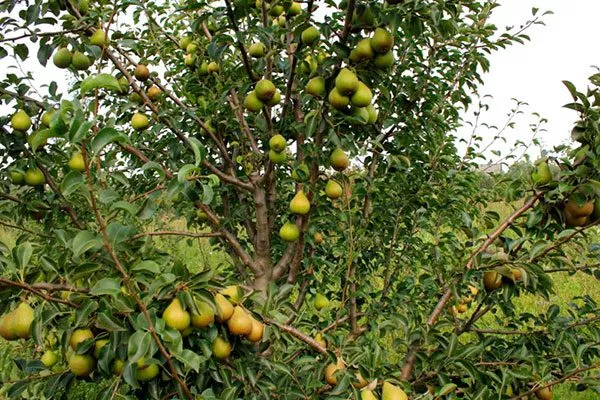
The Kokinskaya pear is characterized by the following features:
- slenderness of the trunk;
- height - 4m;
- medium foliage and medium density of the broad pyramidal crown (its diameter is up to 2.5 m);
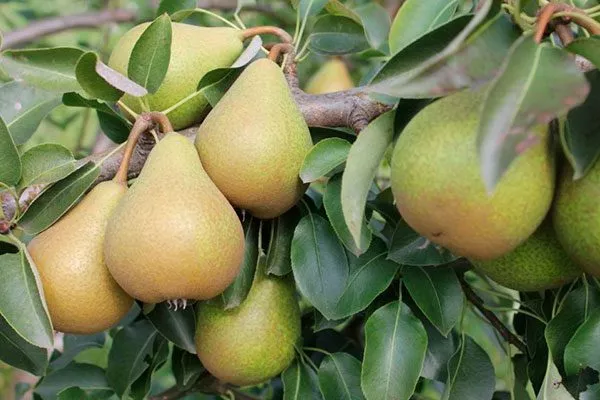
- Leaf blades: large, dark green, oval-shaped, pointed, with small serrations along the edge.
Fruit
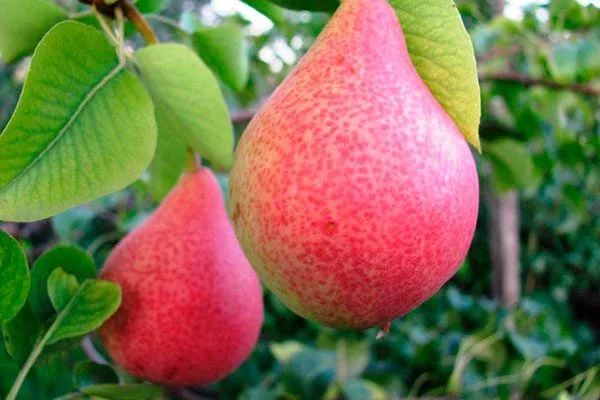
Fruits of this variety have the following distinctive characteristics:
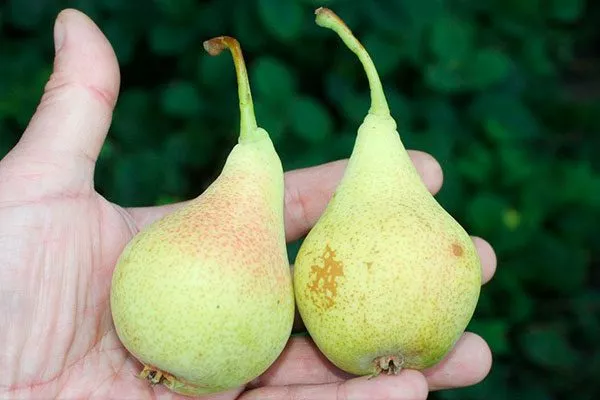
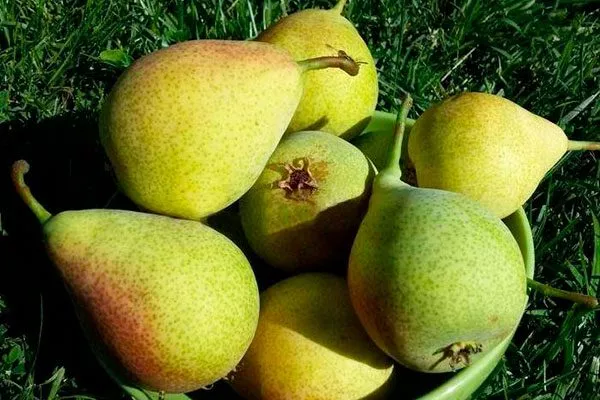
- pear-shaped, close to wide;
- peduncle: long, thickened, somewhat curved;
- medium size (can be large in favorable conditions);
- weight varies from 120 to 250 g;
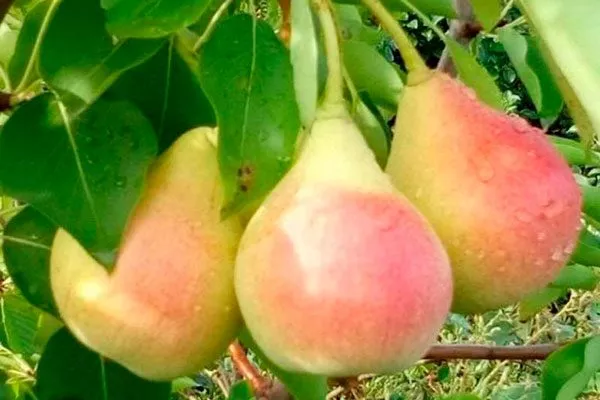
- color: yellow-green with a red side (in ripe fruit);
- pulp: white or cream colored.
Characteristics of the variety
The variety is loved by domestic gardeners for its good yield and excellent fruit quality.
Taste and uses
The Kokinskaya pear's flesh has a buttery, sweet flavor with a hint of tartness. It's not astringent. The pear is very juicy and melts in the mouth. It has a tasting score of 4.5 out of 5, making it a dessert variety.
The fruits of Kokinskaya are universal in use:
- they are eaten fresh, including added to light summer fruit and berry salads;
- They are used for processing (making jam, marmalade, pastilles, compotes and for obtaining juice), preparing homemade fruit preserves and baby purees for babies.
Beneficial properties
Kokinskaya is renowned for its medicinal properties. Its pulp contains the following beneficial substances:
- folic acid, which is involved in the process of hematopoiesis, has a positive effect on the intestines and liver, and supports the immune system;
- fiber, which improves digestion and helps lower cholesterol;
- vitamins C, D, E, B group, H, K and PP;
- natural antibiotic arbutin, which reduces fever during illness;
- a lot of potassium, calcium, sodium, magnesium, phosphorus, sulfur, iron, chlorine, boron.
Kokinskaya pears are hypoallergenic and low in calories. They are recommended for inclusion in children's diets. They are also a suitable treat for those on a diet. Eating this variety of pear accelerates metabolism, slows the aging process, and promotes cell regeneration.
Ripening time and fruiting
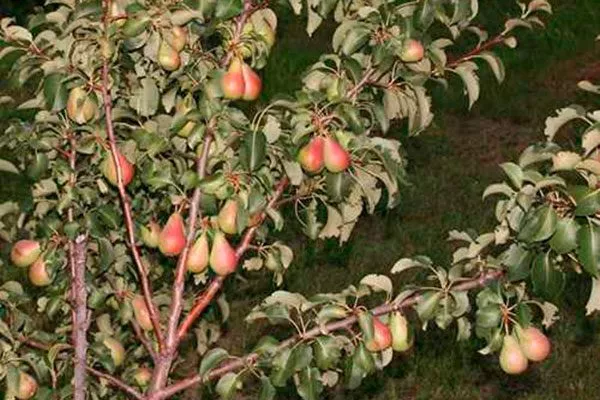
This is an early autumn variety of fruit crop. Gardeners observe the fruits reaching harvest maturity in the first weeks of September.
Productivity
Kokinskaya pear trees begin bearing fruit in their fourth to fifth year. Their yield is high (80-100 kg). The pear tree bears fruit intensively for 30 years.
Frost resistance
This variety is distinguished by its high winter hardiness. The tree can withstand temperatures down to -30°C. The Kokinskaya variety is hardy to frost zone 4.
Pear pollinators
| Name | Ripening period | Productivity | Frost resistance |
|---|---|---|---|
| Kokinskaya | early autumn | 80-100 kg | up to -30°C |
| Popular | autumn | 70-90 kg | up to -25°C |
| Bergamot | late autumn | 60-80 kg | up to -20°C |
Kokinskaya is a partially self-fertile variety. Pollinators can increase its yield. Gardeners use the following pear varieties as pollinators:
- Popular;
- Bergamot.
Growing regions
Thanks to its high frost resistance, the Kokinskaya pear is cultivated throughout the country: in central Russia, in the south, and in garden plots in Siberia and the Urals. In the north, the pear is provided with shelter to ensure successful overwintering. However, under such conditions, the Kokinskaya pear's yield decreases.
Disease resistance
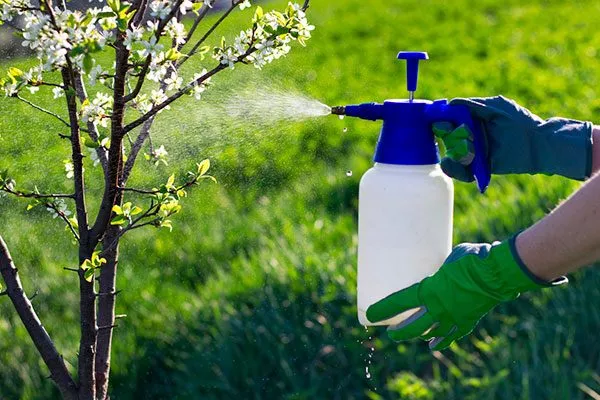
The variety is quite resistant to the main pear diseases and pests. Its undeniable advantage is its high resistance to scab. This disease rarely affects Kokinskaya trees, and its fruit rarely spoils.
Advantages and disadvantages
Kokinskaya has many advantages over other varieties of fruit crops:
The variety is not without some minor disadvantages:
Landing rules
Gardeners plant Kokinskaya in both the spring and fall. In northern regions, this is done in mid-spring (with an average daily temperature of 7-10°C). In southern regions, planting occurs in the fall (at the beginning of the fall season).
- ✓ Check the root system for rot and mechanical damage.
- ✓ Make sure that a two-year-old seedling has at least three skeletal branches.
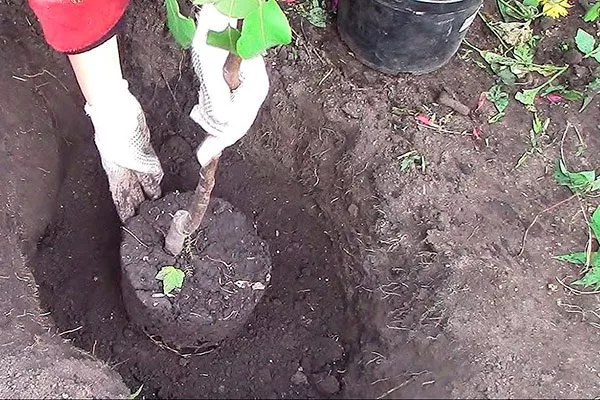
Plant seedlings of this variety in your garden, following the rules below:
- on the south, southwest and southeast side (the pear needs a lot of light for good growth and fruiting);
- on a level area with good drainage (do not plant trees in lowlands, give preference to elevated areas);
- on sandy loam or loamy soil with a pH of 4.5-6.5;
- into a planting hole 80-100 cm wide and 60-80 cm deep;
- placing a drainage layer (a mixture of compost and humus, 15 cm layer) on the bottom of the hole and covering it with soil;
- leaving the root collar of the seedling 6 cm above the soil surface.
Care Features
Caring for the Kokinskaya variety is standard. It consists of the following mandatory procedures:
- In wateringFor young seedlings in their first year, watering should be regular (once every 7 days, using 20 liters of water per tree). Mature plants should be watered 1-3 times every 30 days, using 10 liters of water per plant. Use sprinkler irrigation when irrigating the pear planting.
- In weeding, looseningAfter watering and rain, loosen the soil to a depth of 15 cm. Remove weeds at the same time.
- In fertilizerThe nutrients added when planting a tree are sufficient for 3-4 years. For top dressing, use mineral fertilizers and organic matter. Apply the latter every 3-4 years. Apply mineral mixtures annually. Use nitrogen fertilizers in the spring, and phosphorus-potassium fertilizers in the fall.
- In pruning and crown shapingIn the spring after planting, prune one-year-old shoots to a height of 80-90 cm above ground level. For two-year-old trees, remove all branches up to 50 cm. Form a lower tier of 4-6 branches, followed by a second tier of 3-4 branches.
When to harvest and how to store the crop?
Harvest Kokinskaya pears in mid-September. Pick ripe ones before the end of the month to prevent them from spoiling. Pick them on a dry, sunny day. Fruits picked at technical maturity will ripen further in storage.
Kokinskaya pears can be stored in the refrigerator until November. For long-term storage in the cellar, ensure the following conditions:
- temperature - from +1 to +4°С;
- show humidity - 85-95%.
Gardeners' reviews of the Kokinskaya pear
Kokinskaya is a relatively new variety that is rapidly gaining popularity among Russian gardeners. It is cultivated both in home gardens and commercially due to its frost resistance, strong immunity, good shelf life, dessert flavor, and marketable appearance.