
There are several methods for grafting. Each one helps propagate pear trees, but they all require a little preparation and a few manipulations. If you properly care for the scion and rootstock, you'll achieve excellent results.
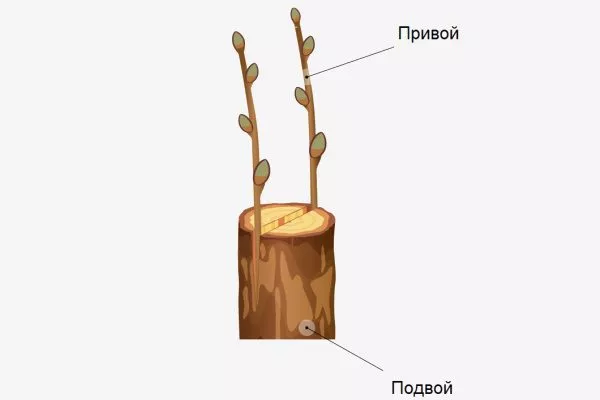
Why does a pear need grafting?
Pear grafting allows you to create a new variety or successfully expand a planting of pears with similar characteristics. Most beginners try to avoid this procedure, but by following simple rules, you can achieve good results with minimal experience.
Pear grafting is also carried out for other reasons:
- rejuvenation of old wood;
- strengthening immunity to the most common infections and pests;
- increasing resistance to frost and drought;
- improving crop yields and reducing fruiting periods.
However, in this case, you must understand that the results of the procedure will directly depend on the quality of the materials used.
When to vaccinate?
The scion should lag behind the rootstock in development. If you follow this rule, you'll be successful with the procedure. Pear grafting can be done at any time of year; the main thing is to follow the recommendations.
In the spring
Wait until moderately warm weather sets in. Begin the process when daytime temperatures reach around 15 degrees Celsius and nighttime temperatures don't drop below 0 degrees Celsius. Cuttings thrive in conditions of active sap flow. You can determine this by the following signs:
- swelling of the kidneys;
- acquisition of a delicate, slightly pinkish hue.
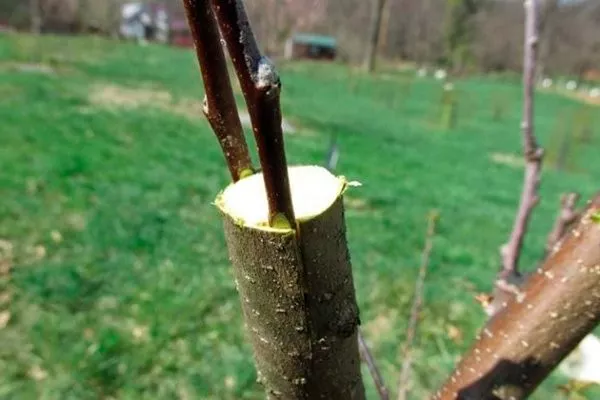
Experienced gardeners recommend making a small cut in the trunk bark and peeling back the edge with a knife. If it peels off easily, you can begin grafting. This is the most common indicator for determining the timing of grafting in the spring.
In summer
Not all spring grafts take root. In this case, you can re-graft the pears during the summer sap flow. You can determine the best time to perform the procedure by examining the bark. In July and August, cut young, healthy shoots on the day you plan to perform the procedure.
Also watch a video about grafting pear trees in summer:
In the fall
It's important to know the weather statistics for several years before grafting. This will help you determine when frosts will begin. Finish grafting a month before the onset of cold weather.
The most optimal time to plant cuttings is at the following times:
- Moscow region – September 1-20.
- Southern regions – October 20-30.
- Northwestern regions – September 15–30.
- Siberia and the Urals – September 20-30.
If you miscalculate the timing, the cuttings that do not have time to take root will die with the onset of winter.
In winter
Winter grafting of seedlings is done for spring planting. Begin preparations in the fall: prepare the rootstock and scion.
This method is not suitable for everyone, since you must have a room with suitable temperature and humidity to store the grafted plants.
What kind of tree is a pear grafted onto?
The characteristics of the future tree directly depend on the quality of the rootstock. When choosing a scion and rootstock, consider their compatibility with each other in their growing seasons.
| Name | Ripening period | Disease resistance | Frost resistance |
|---|---|---|---|
| Wilding | Late | High | High |
| Rowan | Average | Average | High |
| Quince | Early | Low | Low |
| Apple | Average | High | Average |
| Cherry plum | Early | High | Average |
| Hawthorn | Late | High | High |
| Irga | Early | Average | High |
Wilding
The simplest and most popular option is grafting onto pear trees, for example, wild pears. Wild pears produce small fruits, but they are well adapted to local conditions.
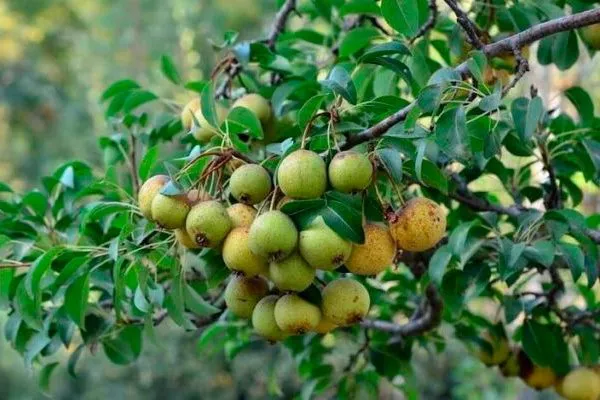
You can obtain a wilding rootstock in several ways:
- Dig up a 1-2 year old tree in the forest, transplant it into the garden and after a year begin grafting.
- Remove seeds from the wild fruits, sow them in late autumn, and use the one-year-old seedlings to produce a new variety of pear.
Rowan
You can use rowan as a pear rootstock, but this will have both positive and negative aspects. These two crops are quite different, so the pear will require more attention and longer-term care after the operation.
Pear shoots thicken significantly faster than rowan shoots. This results in characteristic thickenings on the branches, which leads to reduced strength. Grafting can also negatively affect the fruit's flavor: pears may become tart, drier, and lose their rich sweetness.
However, grafting onto rowan is an excellent solution for regions characterized by high humidity and marshy soils. This undemanding crop can grow even in damp and cold places.
Watch a video about grafting a pear onto a chokeberry (aronia):
Quince
Quince is considered the most common pear rootstock. This is due to its numerous advantages:
- low growth makes the process of care and harvesting easier;
- the height of the tree is reduced, thereby saving space in the garden;
- the time until the first fruits appear is reduced;
- the taste of fruits improves.
The only drawback of this type of grafting is its low frost resistance. Therefore, this rootstock is not suitable for regions prone to harsh winters, as the plants may die.
Apple
Gardeners also frequently graft pears onto apples. Both are pome fruits and grow together well. However, there's a minimal risk of incomplete union. Pear trees are heat-loving, so the tree's resilience will depend directly on the apple variety.
Experienced gardeners recommend choosing easy-to-grow varieties as rootstocks, such as Melba and Antonovka. This type of crossbreeding will produce high-yielding hybrids.
Cherry plum
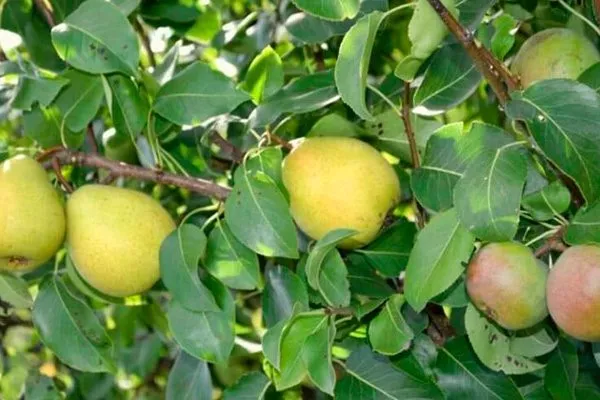
Cherry plum is considered a strong scion, suitable for stone and pome fruits. This procedure results in a large, low-maintenance plant that begins bearing fruit early.
Hawthorn
Some gardeners prefer to graft pear trees onto hawthorns, but experience suggests this isn't the best solution. This is because the thorns that form when the trees grow together make harvesting significantly more difficult.
If the grafting is successful, the fruits may develop somewhat unusual flavors. This method is more suitable for gardeners who enjoy experimenting.
Also watch a video about grafting a pear onto a hawthorn:
Irga
By grafting a pear onto a serviceberry, you'll get a fairly compact plant, which will be a real boon. Serviceberry is a very undesirable option, as the shrub has predominantly flexible and thin branches. As a result, the shoots will develop unevenly, and there's a risk of growth at the junctions. Furthermore, constant staking is essential, which will ultimately weaken the plant.
Watch a video about the value of grafting a pear onto a serviceberry:
Preparatory work
The results of the vaccination will depend on strict adherence to the rules at all stages of the procedure. In this case, every detail matters, so pay due attention to the preparatory work.
Tools
Prepare everything you might need for grafting in advance. Use high-quality, properly sharpened tools. You'll need a grafting knife, pruning shears, and a garden saw. Clean and thoroughly disinfect the tools before beginning the work.
Also prepare the following materials:
- Electrical tape or strips of polyethylene film. They are necessary for strapping. It is best to choose biodegradable film.
- Foil or bags. Choose paper or polyethylene materials. They are necessary for insulating the scion, which will protect it and the graft site from negative environmental influences.
- Garden var. You will use it to treat damaged areas to prevent infection.
Stock up on all the necessary materials in advance, after which you can begin the procedure.
Blanks
To graft, you'll need cuttings, which must be prepared according to certain guidelines. Follow these recommendations:
- Choose a donor tree that bears fruit for several, preferably 3-4, seasons.
- Cut the cuttings in the fall after the sap has stopped flowing.
- Be sure to choose a cutting with several leaf blades and growth buds.
- The length of the shoots should be about 30 cm, and the diameter 3-5 mm.
- For this procedure, select cuttings that have a woody lower part and a green upper part.

- Tie all the prepared cuttings into bundles of different varieties. For the winter, bury them in a trench about 25 cm deep, either vertically or horizontally. Sprinkle with straw and soil on top, and cover with burlap to ensure adequate ventilation.
- In winter, constantly check that the trench is covered with a thick layer of snow.
- It is acceptable to store small quantities of cuttings in the refrigerator: place the material in plastic bags, first wrapping them in a damp cloth.
- In the spring, a few days before grafting, sort through the scions, leaving only strong and healthy ones. The day before, renew all cuttings and soak them in a growth stimulator solution.
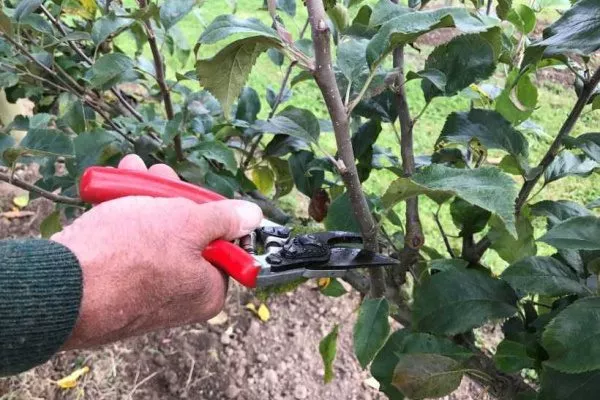
- ✓ Cuttings must have at least 3 live buds for successful grafting.
- ✓ The diameter of the scion must correspond to the diameter of the rootstock at the grafting site for optimal fusion.
Make sure to prepare the rootstock in advance—it should be strong and healthy. Carefully inspect the grafting site to ensure there are no visible damage or disease. It's best to choose seedlings that are 1-3 years old.
Methods of grafting
There are many methods for grafting pear trees. To choose the most suitable option, consider your experience and capabilities; this will allow you to achieve the desired results.
Copulation
The technique involves working with young seedlings. A strict requirement for the procedure is that the scion and rootstock be of the same diameter. For copulation, it's best to use two-year-old seedlings and cuttings of the same thickness.
When grafting using copulation, make an acute angle cut on both the scion and rootstock. This is the most important part of the procedure, so practice on other plants beforehand.
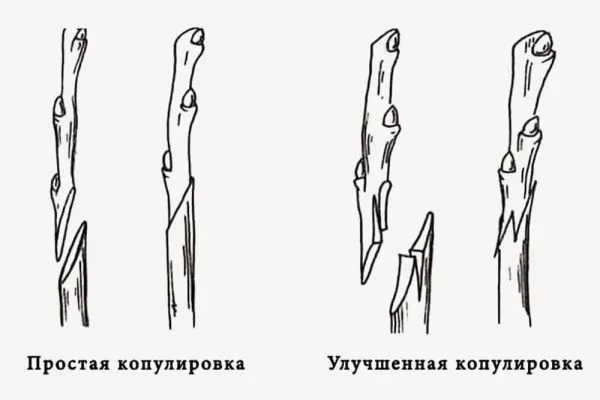
Instructions for copulation:
- Wipe the trunk with a disinfectant in the area where the cuts will be made.
- In one precise motion, cut the rootstock at an acute 45-degree angle. At this point, cut toward you.
- Cut the cutting in the same way under the lower bud.
- Connect the scion and rootstock and wrap the joint with electrical tape.
Be sure to cover the cuts with garden pitch to avoid the risk of infection and further death of the plant.
Budding
For this procedure, you'll need a bud that will be grafted onto the rootstock shoot. You can use grafting material from last year's cuttings. It's best to begin the process during the period of active cambium growth, i.e., in the spring, when the leaves are emerging (this way, the bark will peel away from the trunk more easily).
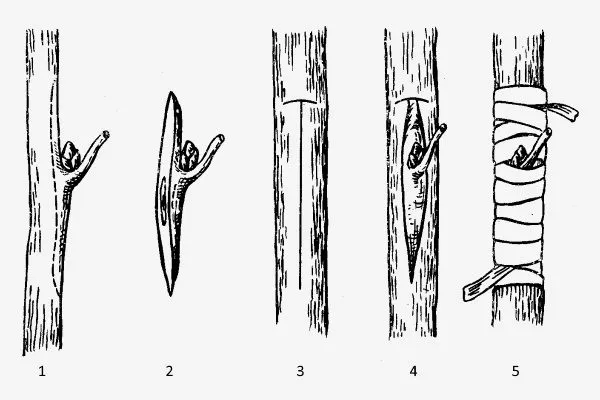
Step-by-step instructions:
- Prepare a cutting with a living bud.
- Cut a bud with a small base from the cutting.
- Make a T-shaped cut in the area of the internode on the rootstock.
- Bend back the edges of the bark and carefully place the base of the prepared bud behind it.
- Cover the grafting area around the bud with garden pitch. Secure the scion and rootstock with electrical tape.
Into the cleft
Cleft grafting of pears should be done in early spring, when sap flow is active and the buds are swelling. The best time to do this is early to mid-April.
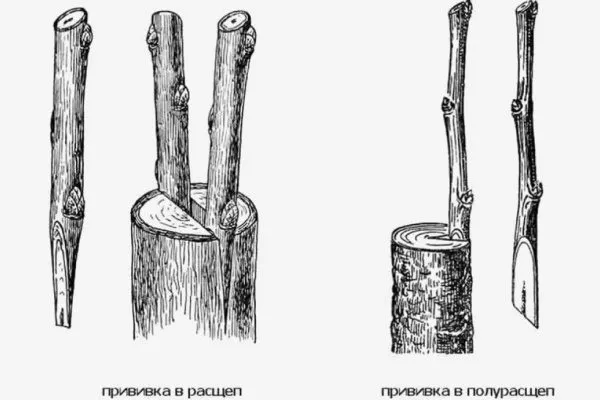
Proceed step by step:
- Work only with disinfected tools.
- Trim the rootstock trunk to 15 cm. If you have chosen a large branch, trim it so that you can comfortably graft.
- The rootstocks should be about 15 cm wide. Make a split: divide the rootstock trunk down the center using a sharp knife.
- For scion use cuttings with five strong buds. Sharpen the lower part to the depth of the split, allowing the stake to be placed.
- Insert the scion into the rootstock cleft.
- Coat the grafting site with garden pitch, then secure everything tightly with electrical tape.
For the bark
This method is popular when grafting pear trees onto wild pears. The procedure doesn't require much effort, but be careful when performing it.
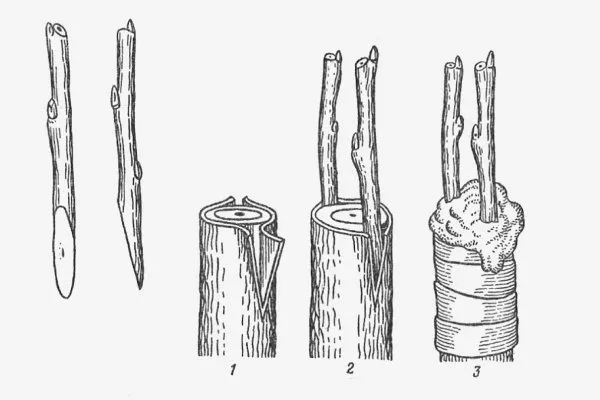
Before grafting, shorten the rootstock to 1 m and remove all lower branches. Then follow the step-by-step instructions below:
- Make 5 cm long cuts in the cleared bark, extending from the cut toward the soil (see the figure above, step 1). Carefully separate the bark from the wood to form "pockets."
- For scions, use 10-15 cm long cuttings with strong buds. Trim the bottom of the cuttings at an acute angle. Carefully insert the cuttings under the bark.
- Cover the cuts with garden pitch. Wrap the graft with electrical tape.
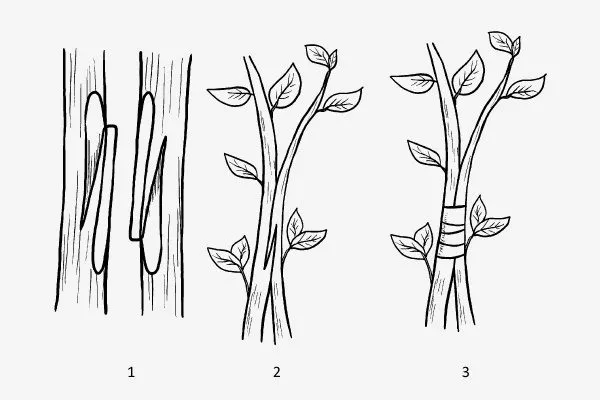
Ablation
This method is considered the most suitable for grafting pears onto the rootstock of a suitable variety. Follow these steps:
- On strong and growing branches of the rootstock and scion, make several indentations as shown in the figure below.
- Connect the two branches tightly so that the indentations touch each other.
- Secure the connection with electrical tape.
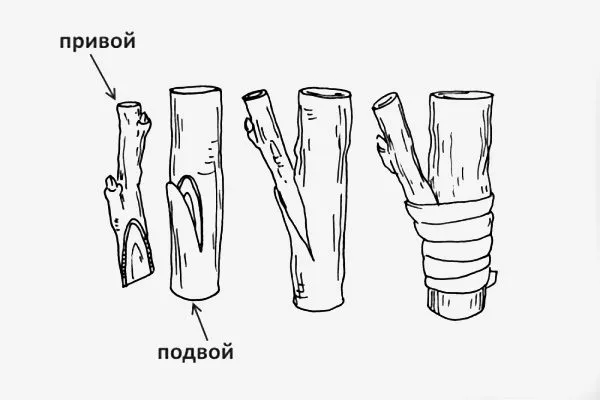
In the side cut
Grafting through a lateral incision is considered one of the fastest methods, and the probability of survival is very high.
The process is as follows:
- Take a scion. Sharpen the lower end of the scion to the depth of the cut in the rootstock.
- Make a cut on the rootstock at an angle of 60-70 degrees.
- Insert the scion cutting into the section on the rootstock.
- Cover the grafting site with garden pitch and wrap it with electrical tape.
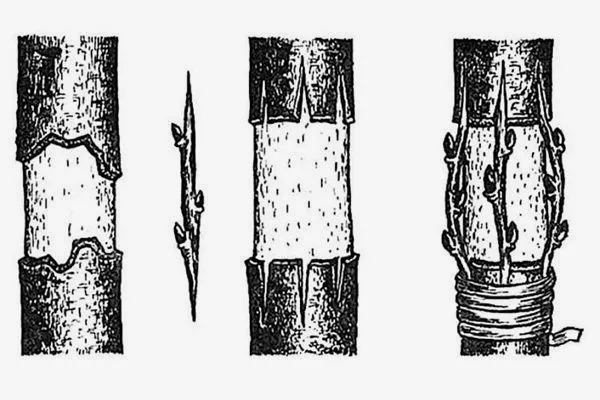
By bridge
This method is considered the most optimal for restoring a pear orchard that has been damaged by cold, strong winds, or attacked by rodents.
The methodology is as follows:
- Clean the damaged bark. Trim the edges with a disinfected, sharp knife.
- Prepare the cuttings: make oblique cuts at both ends of the cuttings.
- Make parallel cuts about 3 cm long above or below the wound.
- Insert the prepared cuttings, the length of which should correspond to the wound. Secure the cuttings from below with electrical tape (see the picture below).
The nuances of post-vaccination care
After you have given all the vaccinations, use a paper or plastic bag to protect them from overheating.
Post-procedure care is as follows:
- As soon as the buds begin to grow, cut off the top of the protective cap.
- If several shoots emerge from the graft, wait until they reach 20 cm in length and then retain only the strongest ones. If they are of equal growth strength, leave the topmost one alone.
- If growth is very rapid, monitor the condition of the truss and gradually loosen it. If grafted shoots are growing very rapidly, make several cuts in the bark near the graft.
- Remove suckers that the grafted tree produces in large quantities.
- In summer, fertilize the plant with nitrogen fertilizer. Also ensure regular watering.
- In case of fungal infection, use special preparations for treating fruit crops.
Common mistakes
Vaccination is a complex procedure that must be performed responsibly, avoiding mistakes. If you make even one mistake, all your efforts will be in vain. To avoid potential errors, follow these guidelines:
- Make sure to graft the tree strictly on the north side of the trunk. This method increases the survival rate of the cutting.
- Carry out the procedure only on a dry and sunny day.
- If care is insufficient or improper, the likelihood of shoot rejection or disease damage increases significantly.
- Remove all shoots located below the grafting area promptly.
- Be sure to remove the wrapping once the cutting has taken root, so as not to slow down the growth of the plant.
If you have a garden at your dacha or garden plot, you'll find information on how to properly graft a pear tree useful. Typically, gardeners graft to obtain a seedling of a specific variety or to rejuvenate an adult tree. A wide variety of methods allows you to choose the most suitable one.