
Pear trees are easy to grow. Even a novice gardener can handle this task. Simply choose a variety well-adapted to the climate and soil conditions of your region. This article will teach you how to properly care for your fruit tree to ensure it stays healthy and rewards you with a bountiful harvest each year.
Growing conditions requirements for pears
The success of growing this popular garden crop depends on whether you can create the most favorable conditions for it in your garden. Pear trees thrive in both light and heat, and are sensitive to spring frosts, drought, and dampness. A moderate climate is suitable for their cultivation:
- warm and mild summer;
- cool winter (the duration of winter cooling hours that ensures good flowering is from 300 to 900 at -5°C and below);
- temperature range - from -25°C to +38°C (if the temperature goes beyond this range, the tree gets frostbitten, burned, dries out and gets sick);
- favorable conditions for growth and development: from +5°C to +35°C (the crop feels best at +21°C in summer, at -5°C in winter).
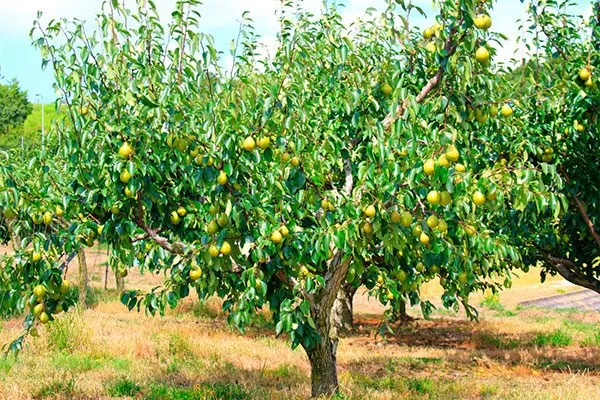
Take a responsible approach to choosing a location for planting a pear tree, taking into account the characteristics of the fruit tree described above:
- LightingChoose sunny, but not hot or dry, areas of the garden. In the south, light partial shade is preferable.
- Protection from wind and draftsThis is necessary because strong winds cause significant damage to the tree: they cause freezing of fruit buds in winter, damage to blossoms in spring, and damage to fruit ovaries in summer.
- Groundwater. Fruit crops don't tolerate damp and waterlogged soils. In such conditions, their roots rot. They extend down to a depth of 4 meters. The groundwater level should be below this level.
- SoilThe tree is undemanding and can grow even in poor soil. For it to thrive and bear fruit, the soil must be fertile and loose. It needs to be enriched with organic and mineral matter. Suitable soil types include black soil, gray forest soil, and loam. Sandy, heavy (clayey), and acidic soils are unsuitable.
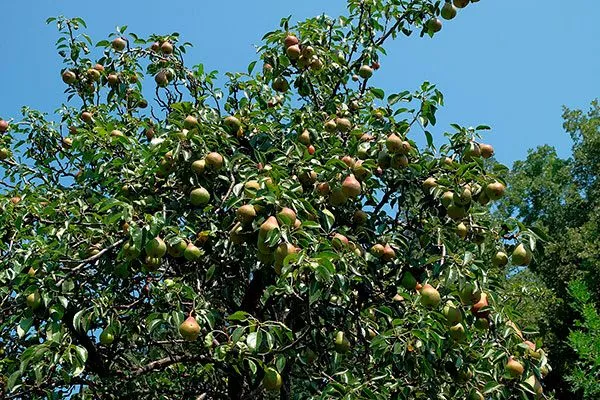
Watering
Fruit trees require proper care at every stage of the growing season. Watering is an essential procedure. Pay particular attention to irrigation during the first 3-5 years after planting, when the tree is developing and laying the foundation for future fruit production.
How much water do pear trees need?
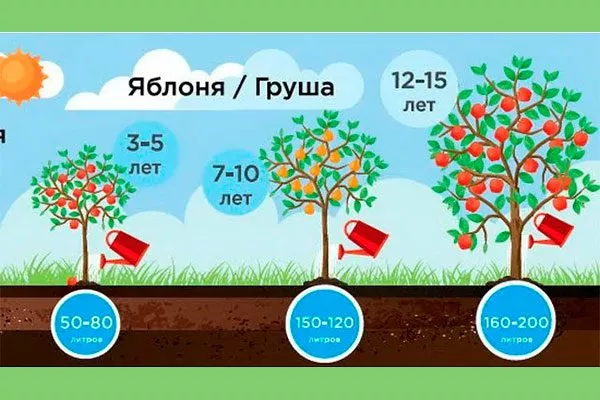
The amount of moisture used for one irrigation of a fruit planting is determined by the age of the tree:
- 10-20 liters per 1 trunk - for young pears;
- from 40 l to 70 l per 1 plant - for adults.
How often to water a pear tree: basic rules
When growing a fruit tree, adhere not only to the watering requirements per trunk but also to the recommended watering frequency. This frequency depends on the plant's age, its developmental stage, soil type, and climate and weather conditions. Follow these rules:
- During the first year of their life, water the soil under the seedlings at least once a week. In hot and dry weather, water them more often.
- Mature trees with a well-developed root system require less frequent and abundant watering - 4 times per season (or 1-2 times per month).
- The crop experiences an increased need for irrigation during flowering (May) and ovary formation (June-July).
- Plants growing in sandy soils require more frequent watering, as this type of soil does not retain moisture well. Plants growing in clay soils require less frequent watering.
- Pears in the south require more frequent watering than those in temperate climates. The crop does not tolerate drought well.
- Perform the procedure in the morning or evening hours to prevent leaf burns and prevent rapid evaporation of moisture.
- Mulch to reduce the frequency of watering. This technique helps maintain soil moisture for longer.
- Do not overuse watering procedures to avoid causing root rot, but do not neglect them either (lack of moisture can lead to a decrease in yield).
- Use soft, warm, settled water for watering. River or rainwater are preferable.
How to determine if a pear tree needs watering?
You can tell when a fruit tree needs urgent watering by two signs:
- The appearance of a pearWhen there is a lack of moisture, the leaves turn yellow and curl.

- Soil condition. Overdried soil in the area around the trunk is evidence that the plant urgently needs to be “watered”.

Humidification methods
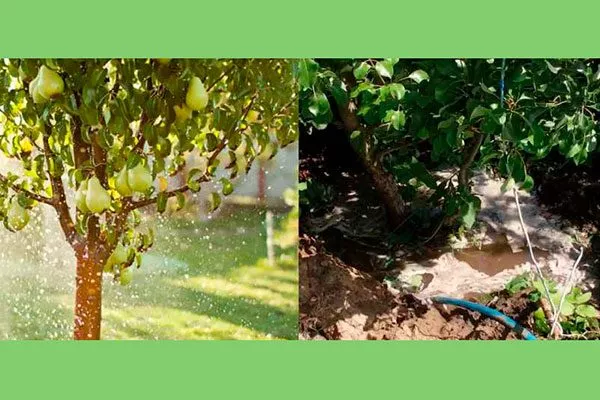
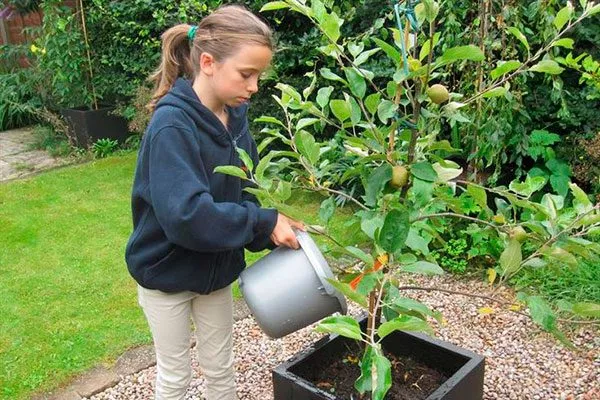
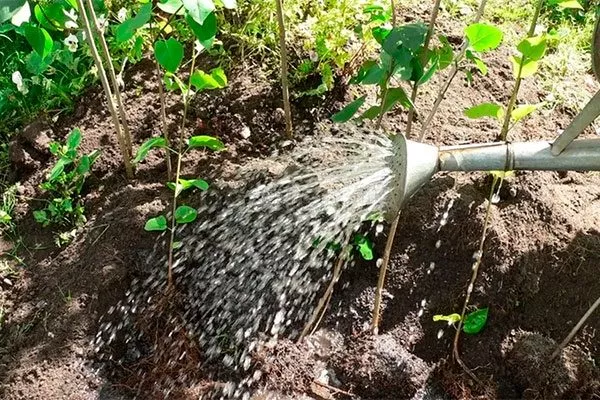
Most often, gardeners use surface watering: they moisten the soil under the pear tree with a watering can, bucket, or hose. There are other, more effective methods for ensuring the tree receives adequate water.
| Name of irrigation method | Pros | Cons |
| Superficial
|
|
|
| Drip
|
|
|
| Irrigation through drainage holes
|
|
|
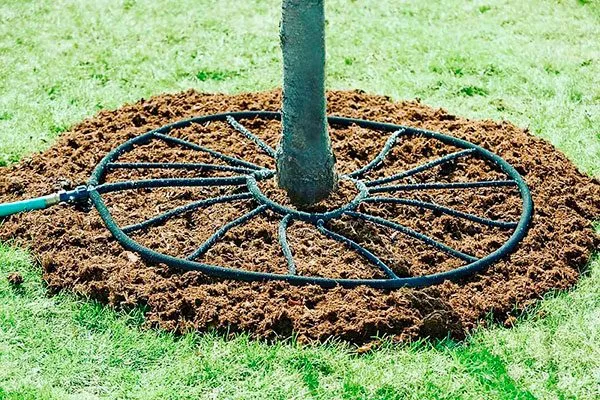
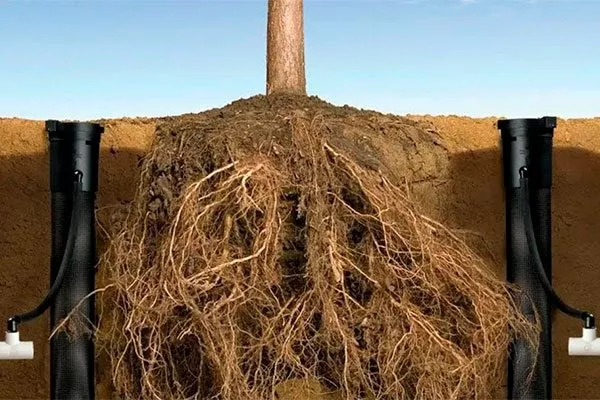
Experienced gardeners consider the drip irrigation method to be the optimal option, as it saves water and ensures high-quality soil moisture.
Top dressing
Start fertilizing the pear tree in the second or third year after planting. The nutrients added to the hole will be sufficient for the initial period. After that, you'll need to fertilize the tree 4-5 times per season, following these guidelines:
- using 20-30 g of dry mineral fertilizer per 1 sq. m of tree trunk circle;
- using organic matter once every 3 years;
- using mineral preparations in dry form or in the form of an aqueous solution annually;
- by introducing nutrient mixtures under the root or foliarly.
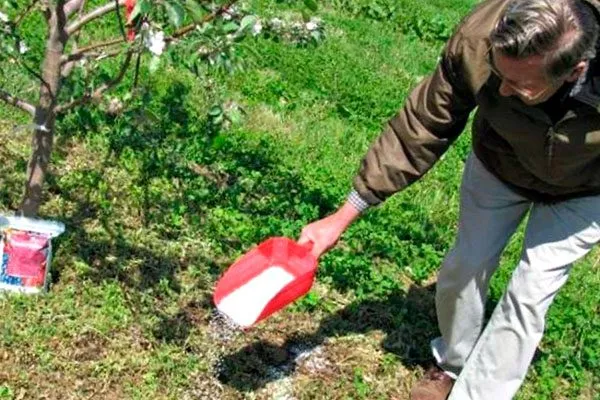
Types of fertilizers
Pear trees benefit from supplemental nutrition. It strengthens the immune system, increases yield, improves fruit quality, and accelerates ripening. Apply fertilizer sparingly, according to a schedule. Don't overdo it. Excessive application is harmful to the plant and can lead to the death of seedlings. Use the following fertilizers:
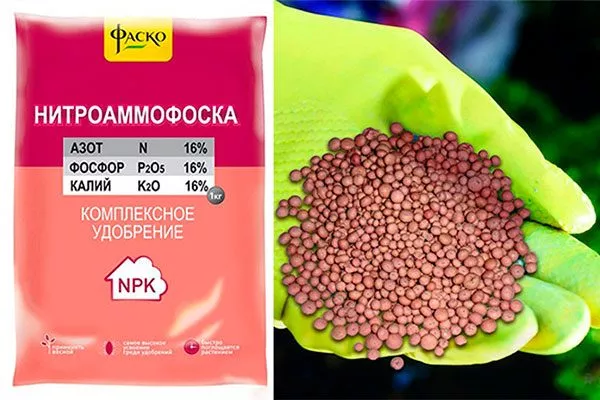
- MineralsThey can be complex (NPK) or contain 1-2 essential nutrients:
-
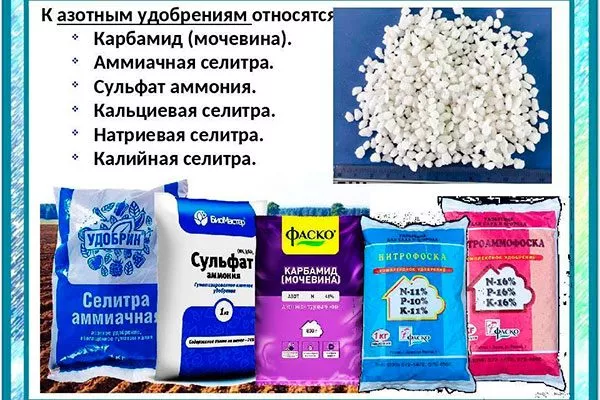
- Nitrogen (Niter, urea) ensure good foliar growth. Excessive application makes the crop more susceptible to fungi and aphids.
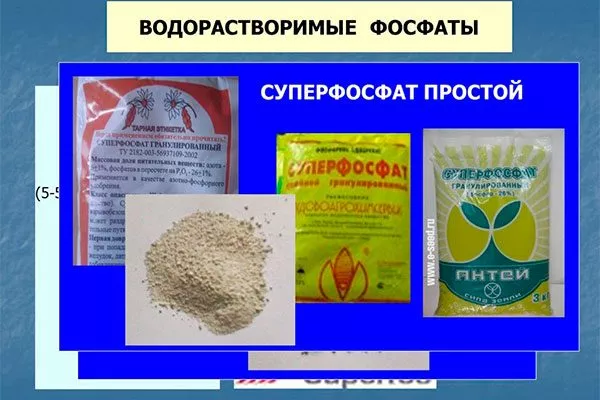
- Phosphorus (such as single or double superphosphate) are needed for better root development, abundant flowering, and improved crop quality. They also tend to increase the crop's frost resistance.
- Potassium (potassium sulfate) helps the plant produce a large number of ovaries. Their application is recommended during flowering and fruit formation.
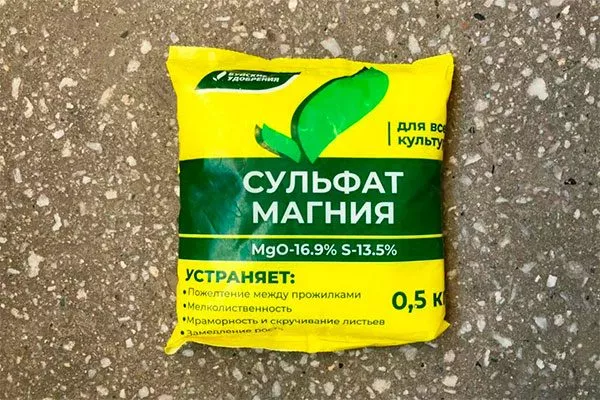
- Magnesium-containing (vermiculite, magnesium sulfate) promote crop growth. They are applied in the spring.
- Nitrogen (Niter, urea) ensure good foliar growth. Excessive application makes the crop more susceptible to fungi and aphids.
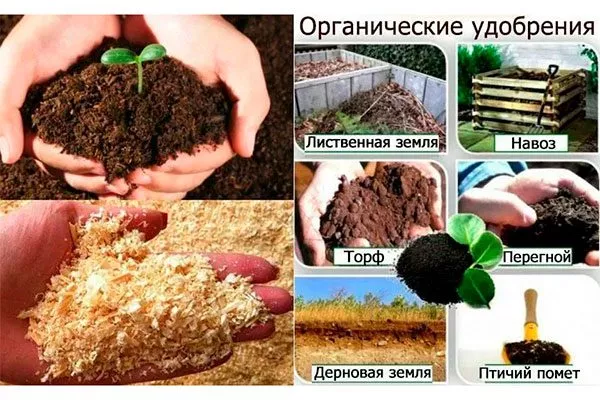
- Organic. They are distinguished by a rich content of nutrients in a form that is easily digestible by plants.
As a source of nitrogen, use rotted manure that is three years old, or poultry droppings (it is dried, then filled with water and left for 7-10 days).
To replenish potassium, phosphorus, calcium, magnesium, and micronutrients such as boron, molybdenum, and zinc in spring and summer, use wood ash. Apply 120-150 g of the substance per square meter. It can be used not only in dry form but also as an aqueous infusion.
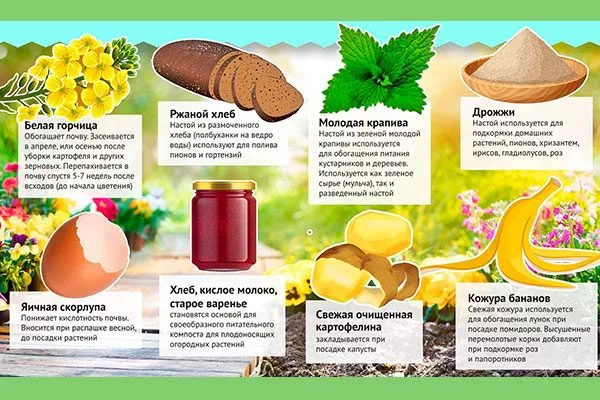
To provide the crop with phosphorus, iron, iodine, magnesium, calcium and zinc, use bone meal (200 g per 1 sq. m, apply once every 3 years). - Folk remediesA homemade fertilizer recommended for fruit trees is yeast infusion. It contains many nutrients, boosts the plant's immunity, and makes it more resistant to pest attacks (codling moths, flower beetles).

Seasonal feeding of pears
Fruit crops require different nutritional requirements at different times of the year. Develop a "menu" based on the plant's developmental stages:
- Fertilizing pear trees in springAt this time of year, gardeners apply 70% of their total fertilizer (the remaining 30% is applied in summer and fall). Feed the tree during bud swelling, before and after flowering.
In April, use nitrogen-rich compounds: urea (aqueous solution 1:10), saltpeter (consumption rate - 30 g/sq. m), infusion of bird droppings (500 g per 10 l).
During the budding and fruit set phases, apply mineral fertilizers containing phosphorus and potassium. A 1:200 nitroammophoska solution is suitable, using 30 liters per trunk.
Spray the crown with nutrient solutions: a urea solution to speed up fruit setting, boron fertilizer to increase yield, and ferrous sulfate to solve the problem of foliar chlorosis (iron deficiency). - Fertilizing pears in summerThe tree does not have an increased need for additional nutrition during the warm season.
In July-August, you can resort to foliar feeding using solutions enriched with boron, magnesium, and zinc.
If the season is dry, spray the crown with urea dissolved in water.
Fertilization will be necessary when the pear tree shows signs of disease. This is aimed at boosting its immunity. In this case, phosphorus-potassium mixtures are recommended. - Fertilizing pears in autumnAt this time of year, fruit trees won't benefit from nitrogen-based fertilizers that stimulate shoot and foliage growth. They reduce the tree's frost resistance and interfere with flower bud formation.
To help the tree survive the winter, apply ash at a rate of 150 g per square meter of the pear tree's trunk circle.
It is acceptable to use a liquid composition as autumn fertilizer, to obtain which dissolve superphosphate (30-34 g) and potassium chloride (14 g) in 10 liters of water.


Pruning a pear tree
To give your fruit tree a well-groomed appearance, increase its productivity, simplify its care, and reduce the risk of disease, pruning should be done regularly. Gardeners distinguish three types of pruning:
- formative;
- sanitary and supportive;
- rejuvenating.
Each variety has its own characteristics. Learn them to avoid harming the plant.
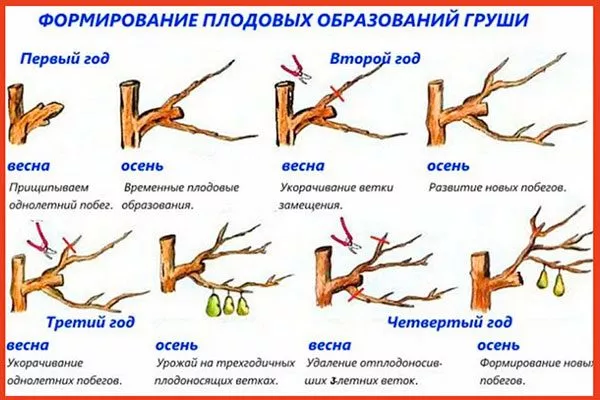
Formative pruning of pears
Begin this procedure immediately after planting the tree in your garden. Pay particular attention to it during the first few years of the plant's life. Its purpose is to create a neat crown, as well as provide good lighting and ventilation. When shaping the pear tree's appearance, follow these rules:
- direct the main skeletal shoots in different directions, they should be evenly distributed relative to the trunk;
- the skeletal branches of the first tier are supposed to extend from the trunk at an angle of no less than 90-120 degrees;
- when performing tiered formation, leave 3-4 branches on the first level, 2-3 on the second;
- Second-order shoots should not shade the lower tier.
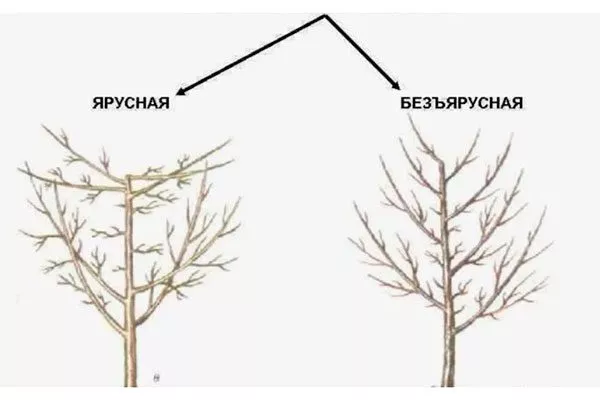
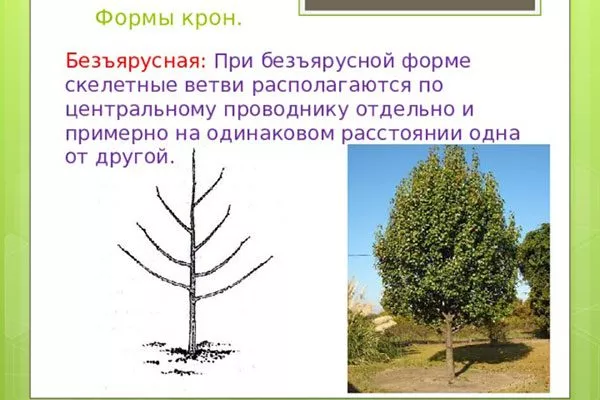
Gardeners shape fruit tree crowns in various ways. Beginners prefer the simplest options, which don't require special skills and are easy to execute:
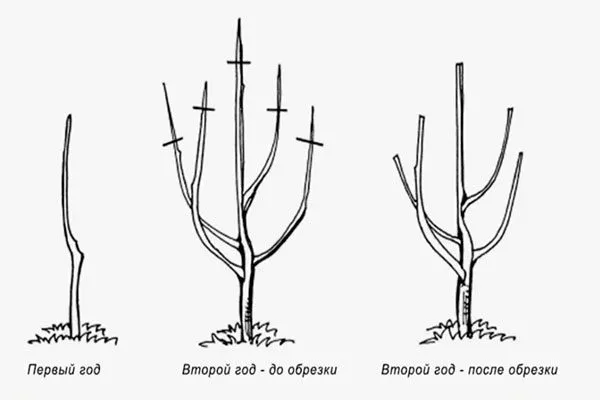
- Tiered formation of pear crown. This helps give the tree a compact appearance and improves light and air circulation. Immediately after planting, shorten the central stem by a third to encourage branching. Then, follow these guidelines:
-
- The following spring (when buds are swelling), shape the trunk's trunk—the non-fruiting portion. Its height should be 45-50 cm. Trim everything below this point. Leave a well-developed bud at the top of the trunk. This will become the lowest skeletal branch.
- Measure 25-30 cm from it and find the next bud for the formation of a secondary scaffold shoot. It should be on the other side of the trunk to balance the future load of fruit on the tree.
- If the seedling's height allows, find a third bud (using the same principle). Leave the continuation shoot—the leading one, which will ensure the pear's growth.
- Over time, you'll need to shorten the central shoot by 20-35 cm and leave the nearest well-developed bud as the leader. This technique is aimed at stunting the tree's growth and allows you to limit its height to 3 m.
- Prune all shoots located between the main skeletal branches to a ring. Form 2-3 secondary branches, following the same rules. Remove shoots that grow vertically, inward, or cross.
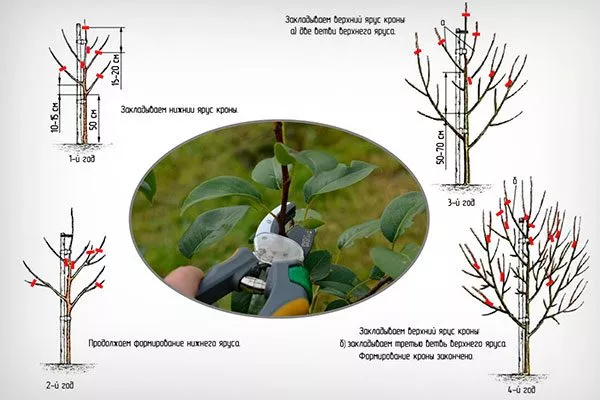
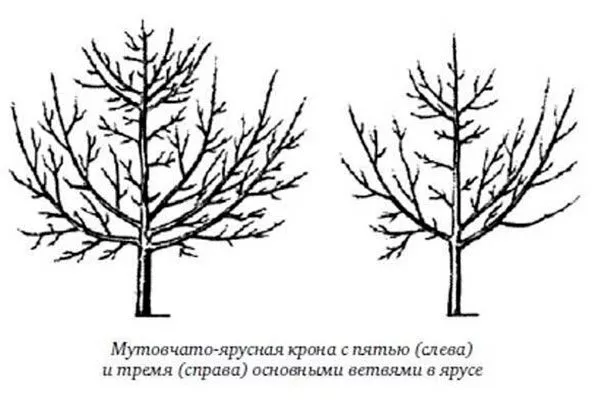
- Whorled-tiered formation of the pear crownThis method is aimed at achieving a strong, well-lit crown. Shape the crown according to gardeners' recommendations:
-
- For the first year After planting, shape the trunk in the spring (during the bud swelling phase). Make it 40-45 cm tall. Cut all lateral branches back to a ring.
Measure 70-90 cm from the central stem. Form the first tier at this point: select 3-4 of the most developed buds, spaced 20-25 cm apart and located on opposite sides. These branches will need to be shortened by a third, giving them the same length. Cut the intermediate branches to a ring.
Trim the central shoot 15-20 cm up from the third bud, which belongs to the first tier. This will promote continued growth of the pear tree. - Next year Complete the first tier. Leave the central conductor and skeletal shoots intact, and remove any growth that appears between them. Prune back any lateral branches located above the first tier.
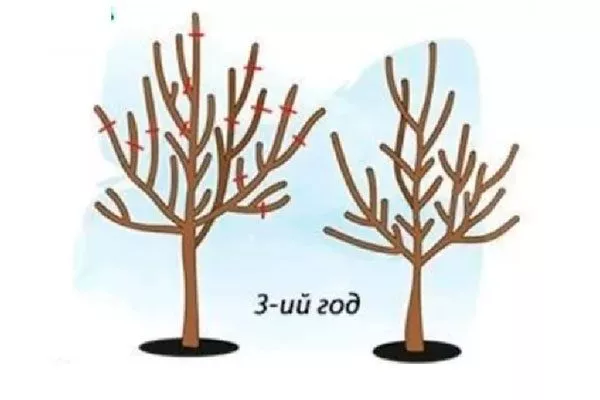
- In the third year In the spring (during the bud swelling phase), measure 40-45 cm from the top skeletal shoot of the first tier. Select two buds on the trunk (they should be 20-25 cm apart and on opposite sides). Prune all tree branches to a ring.
Ensure that the second-tier branches are not positioned on the central trunk like the lower tier and do not shade it. Place them in the spaces between the primary skeletal branches.
Remove or shorten all shoots belonging to the second tier and located between the main branches. Prune skeletal branches by a third, and the trunk by 15-20 cm. - In the fourth year After planting the pear tree, shorten the central shoot to a lateral branch. This will reduce the tree's growth. Prune at a height of 40-45 cm from the top scaffold of the second tier. Reduce the length of all scaffold branches, including those emerging between tiers, by a third or a quarter. Remove any remaining growth that thickens the crown by a ring.
- At the age of 5-6 years The pear tree will reach a height of 2.5-3.5 m. Cut off the central conductor above the upper skeletal shoot so that it stops growing upward.
In a formed crown, second-order branches should be spaced 50-70 cm apart and located at a height of 90-100 m.
On a normally developed five- or six-year-old tree, thin out the crown and shorten skeletal and semi-skeletal branches. Do not prune or shorten any new growth that has not reached 25-30 cm. Leave it for fruiting.
- For the first year After planting, shape the trunk in the spring (during the bud swelling phase). Make it 40-45 cm tall. Cut all lateral branches back to a ring.

Sanitary and supportive pruning of pear trees
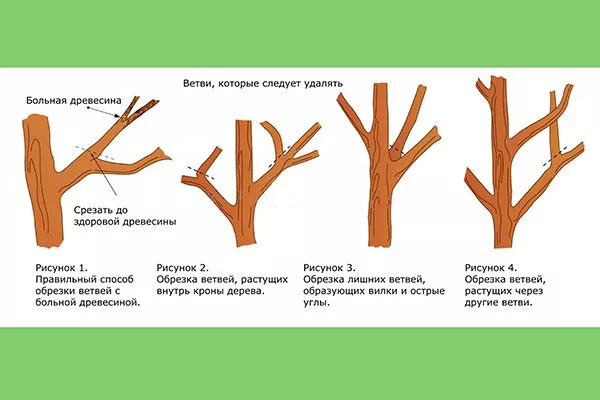
Perform this procedure annually after leaf fall and in early spring. During this process, remove unproductive shoots:
- thickening the crown and growing inward;
- infected or damaged by pests;
- frozen;
- dry;
- broken and damaged;
- weakened.
Rejuvenating pear pruning
This procedure is indicated when the tree is overly dense and annual growth has decreased. If the primary and secondary scaffold branches are exposed, remove some of them. Shorten the central conductor to a lateral branch to ensure better nutritional distribution between the crown layers.
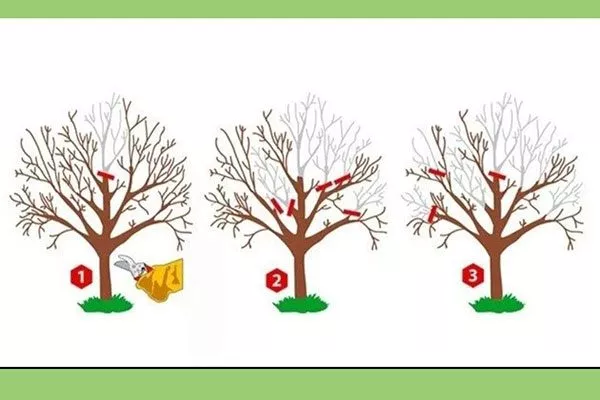
Performing a rejuvenating procedure provides many positive effects:
- better supply of nutrients to fruit-forming shoots;
- increase in the number of ovaries;
- improving the quality of the harvest.
Sanitary treatment of hollows and wounds
For a mature pear tree, holes in the trunk pose a major danger. Even a small hole becomes a breeding ground for parasites and pathogens.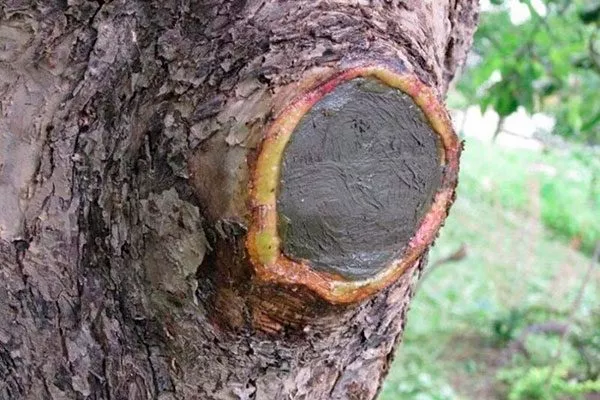
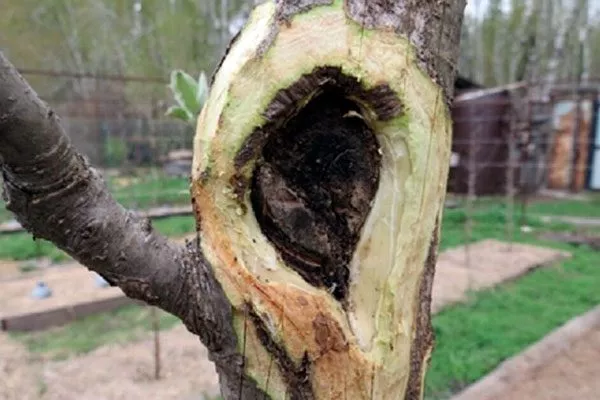
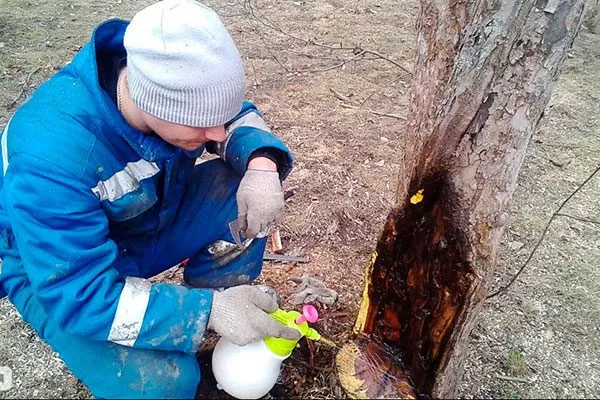
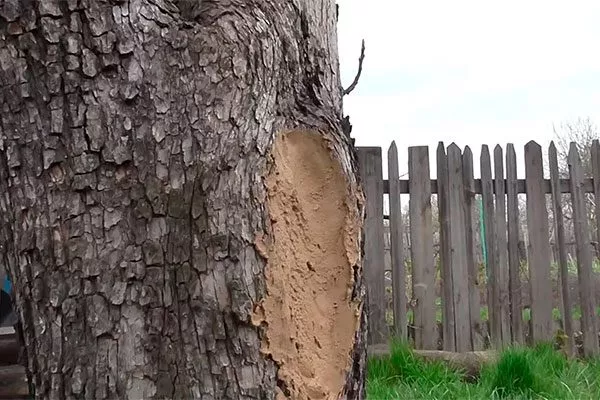
Hollows appear after removing large branches or due to untreated wounds. They require sanitization. Follow these steps:
- Carefully clean the hollow from rotten wood down to healthy tissue.
- Disinfect the cleaned area with iron or copper sulfate at a concentration of 5%.
- After the wound has dried, seal it with a special paste or garden pitch. The filling should not extend beyond the edges of the cavity.
- Paint the sealed area with ochre on natural drying oil to make it waterproof.
Protecting pears from pests and diseases
Insects and pathogens cause significant damage to pear yield and health. However, with strict adherence to agricultural practices and cultivation in favorable conditions, the risk of disease and pest infestation is low. Prevention also helps prevent the problem.
Preventive measures
To prevent pear trees from becoming diseased and to reduce the number of chemical treatments required, pay special attention to the following procedures:
- cleaning trunks and skeletal shoots (regularly remove dead bark);
- removing weeds, collecting fallen leaves, and removing plant debris from the garden;
- the use of trapping belts to protect trees from parasites;
- sanitary and rejuvenating crown pruning;
- elimination of nests of wintering pests, their egg-laying sites, and dried fruits;
- spraying with fungicides and copper-containing preparations before the crop blooms.
Types of pear diseases and protective measures
Among the most common and dangerous infections that affect fruit crops during unfavorable seasons or due to poor care, gardeners highlight:
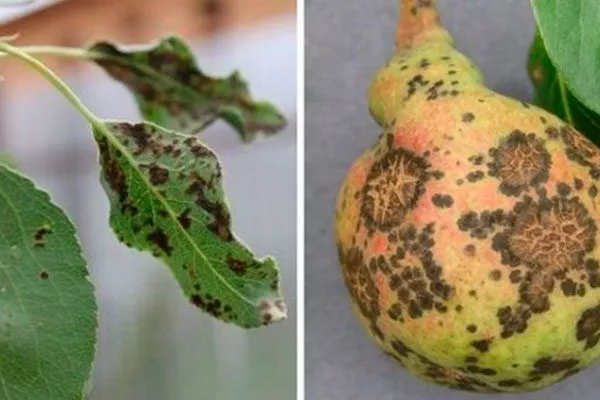
- ParshaA diseased tree develops dark spots on its foliage, inflorescences, and shoots, which gradually turn brown. The green foliage curls and falls off, and the fruit spoils.
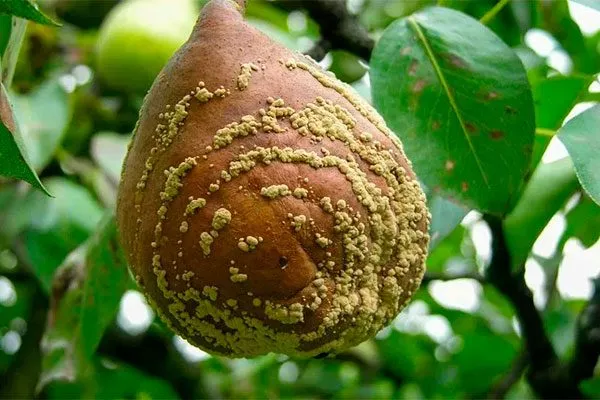
To protect your pear tree from fungal infection, treat the crown in the spring with Bordeaux mixture, any copper-containing product, or a systemic fungicide (such as Skor). Remove any affected parts of the plant. - MoniliosisThe disease manifests itself with the following symptoms: drying of flowers and foliage, dying of fruit branches, spotting on the fruit, their rotting and mummification.
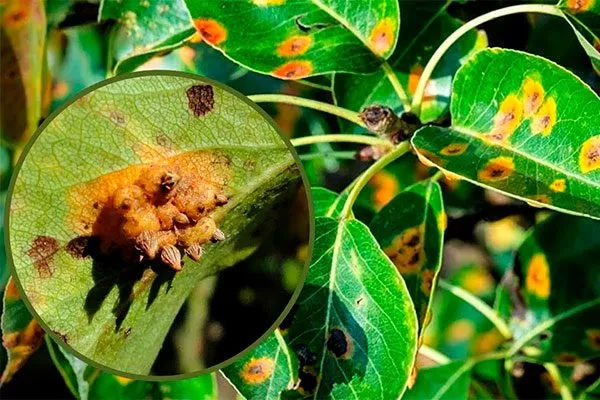
To save the tree from fungus, destroy the affected fruits and spray the crown with Horus. - RustThe disease is easily diagnosed by the appearance of orange or reddish spots on the foliage, which can spread to the bark and fruit.
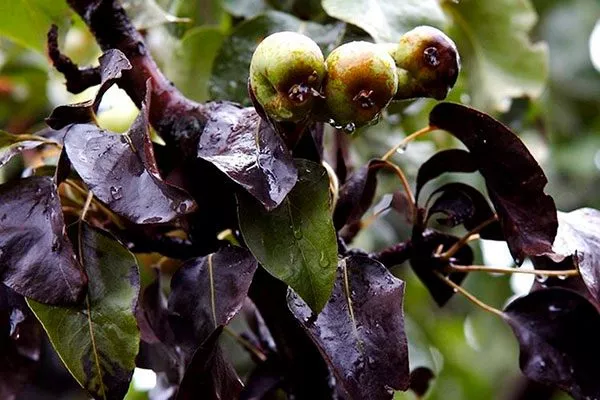
Treat the affected planting with copper- and sulfur-based products. Use Skor and Magnicur Star. - Fire blightThe disease manifests itself as wilting and blackening of inflorescences, curling of foliage, and bark necrosis. It affects not only foliage but also branches bearing fruit, causing burns and rot.
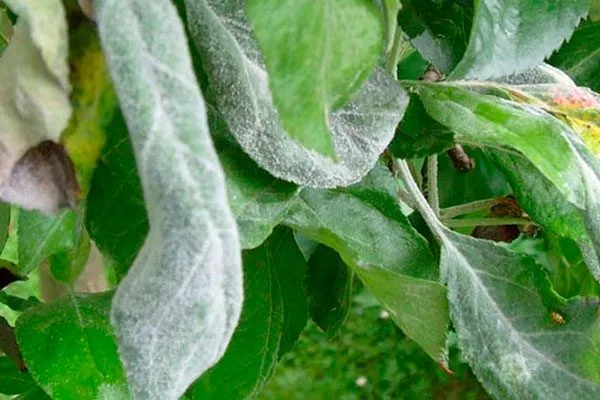
Prune tree parts affected by bacterial infection. Use Cuproxat and Garth. - Powdery mildewYou can recognize the disease by a whitish coating on the leaves and fruits, curling and drying of the foliage, and falling off of the ovaries.
To combat the fungus, you can trim the affected parts of the plant and spray the crown with fungicides such as Topaz, Skor, or Fundazol.
Using biological preparations to protect pears from pests
A fruit tree that suffers from poor care is often attacked by harmful insects:
- copperheads;
- aphids;
- codling moths;
- gall mite;
- leaf rollers;
- gall midges;
- scale insects;
- sawyer;
- bedbugs, etc.
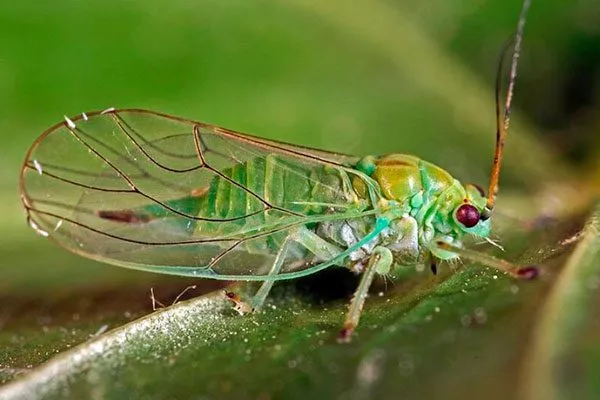
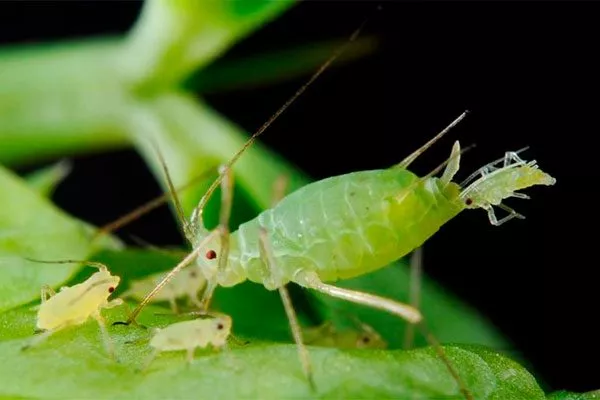
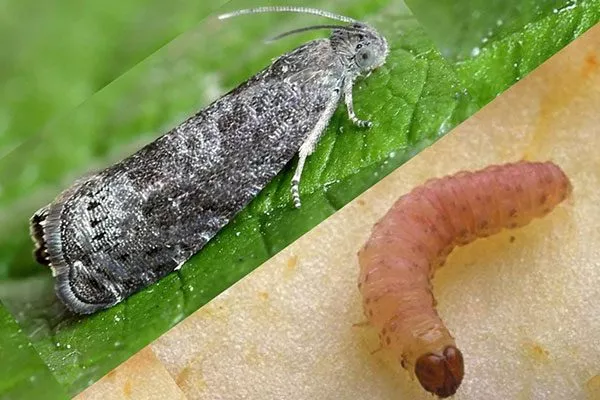
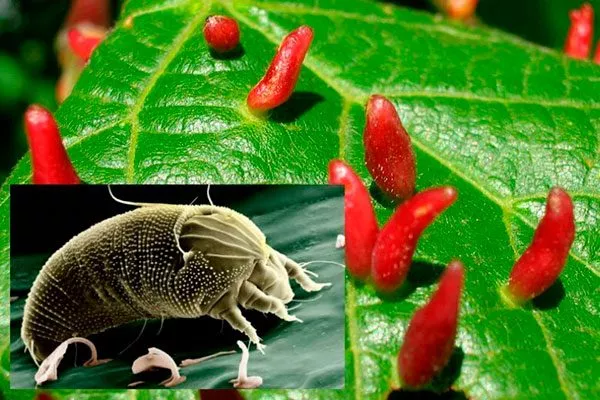
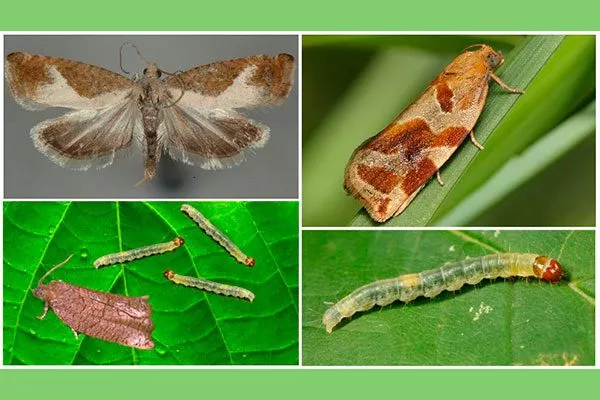
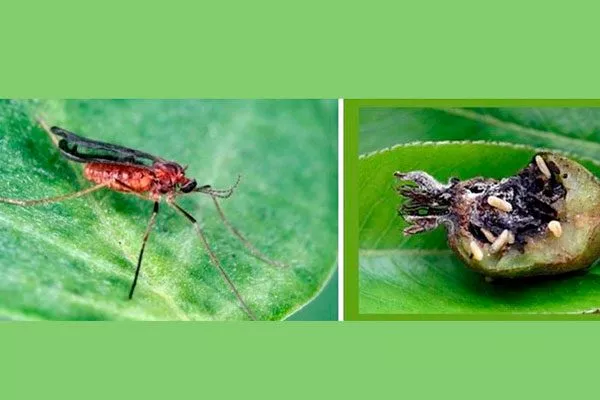
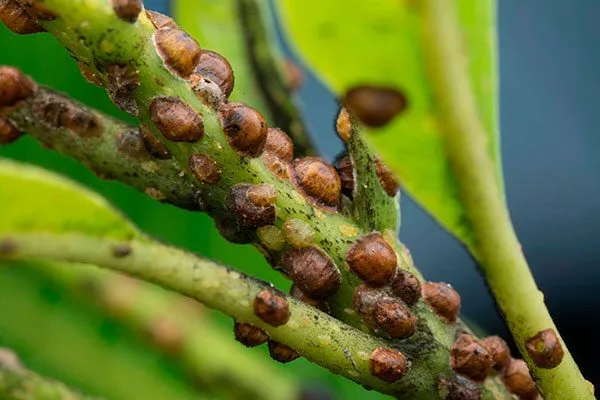
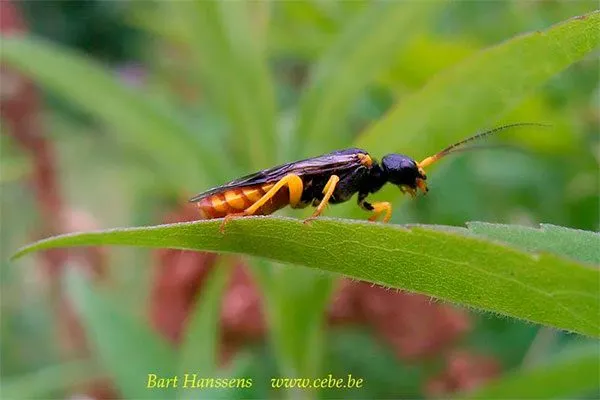
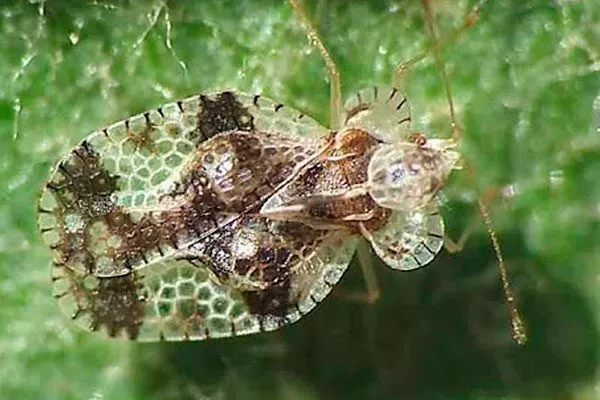
Biological products will help protect your pear from pests. They are recommended if insects aren't present yet, but there's a high risk of them appearing, or if the pest infestation is minor. These products work at temperatures above 15°C.
Tree trunk area care: loosening, sodding, mulching, weeding
Keep the pear tree's root zone clean and well-maintained. Apply the following cultivation techniques to the soil beneath the fruit tree:
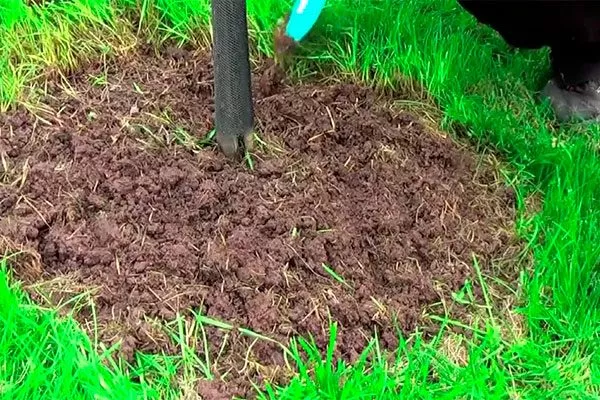
- LooseningThis procedure ensures better oxygen and moisture access to the roots. Be sure to perform it after watering and heavy rainfall to prevent the formation of a dense, air-impermeable crust on the soil surface. Apply the soil to a depth of 5-10 cm. Combine with weeding.
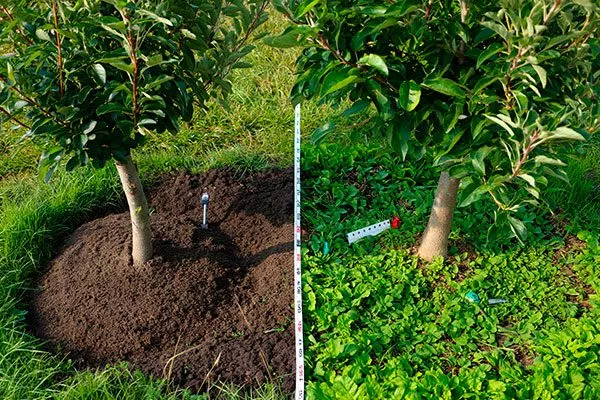
- TurfingCreate a grass cover around the tree trunks to prevent soil erosion and improve soil structure. Plants such as meadow fescue, bent grass, and white clover are suitable for this purpose.
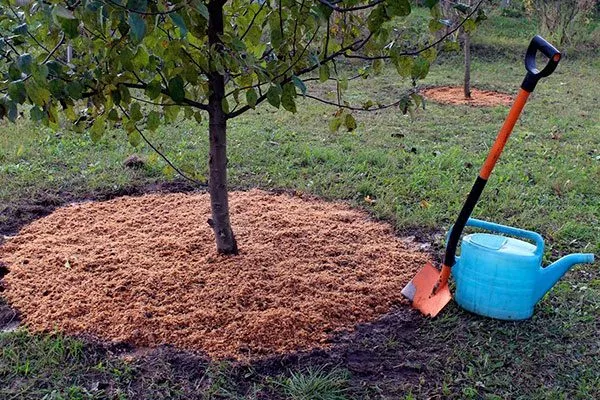
- MulchingCover the tree trunk area with peat, humus, straw, or sawdust. Apply a layer 4-5 cm thick. This helps retain moisture in the soil and suppress weed growth. It also protects the roots from overheating and freezing.
Preparing pears for winter
To ensure your tree survives the cold season, prepare it properly in the fall. This is especially important for young pear trees and those growing in cold climates. Follow these steps:
- Apply fertilizer to strengthen the rootsIn October or early November, fertilize the crop with organic matter (compost, peat, humus) and mineral supplements (superphosphate, potassium salt). Do not use nitrogen-rich fertilizers.
- Perform sanitary pruningThis measure will protect the pear tree from disease and improve crown ventilation, stimulating fruiting in the following season.
- Treat against pests and infectionsUse a solution of copper sulfate (1%), Bordeaux mixture, insecticides.
- Provide protection from rodentsUse a special mesh and roofing felt. Whitewash the trunk and branches.
- Water the pear generously A few weeks before the onset of stable frosts. Saturate the soil to a depth of 70-100 cm. For a mature pear tree, water 40-50 liters per trunk; for a young sapling, water 20-30 liters per trunk.
- Insulate the root zone and trunk peat, straw, or compost. The layer thickness should be 10-15 cm. Wrap the tree in agrofibre or burlap to protect it from frost.
Growing pears isn't particularly difficult. Thanks to its low maintenance requirements, this fruit tree is popular in many regions of the country. Many new varieties and hybrids are successfully cultivated even in northern regions. Pay attention to your tree and put in a little effort to ensure abundant fruit production and avoid potential complications.