
With proper, regular fertilization, your tree will grow healthy. If you value a good harvest of delicious pears every year, take fertilizing your fruit tree seriously.
Why do pear trees need different fertilizers?
It is important to feed the pear tree in a timely manner, and this must be done correctly; otherwise, a deficiency of nutrients in depleted soil will lead to discoloration of the foliage, thin shoots, falling flowers, and premature ovaries.
- ✓ Soil pH should be between 6.0-6.5 for optimal nutrient absorption.
- ✓ The soil temperature when applying fertilizers should not be below +10°C to activate root activity.
The importance of fertilizing is that it provides the tree with the necessary amount of elements for active flowering, the absence of barren flowers, rapid awakening, and enhanced protective functions for several seasons.
How to determine what a pear lacks?
Typically, plants receive sufficient nutrients from fertile soil. Consider fertilizing if you notice slow fruit growth. This may be indicated by thin and limp shoots, poorly developed foliage, and falling flowers and ovaries.
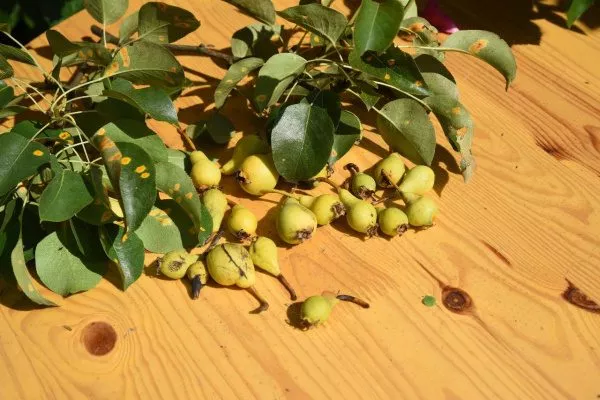
The deficiency of certain elements can be determined by the condition of the foliage – its color and saturation change.
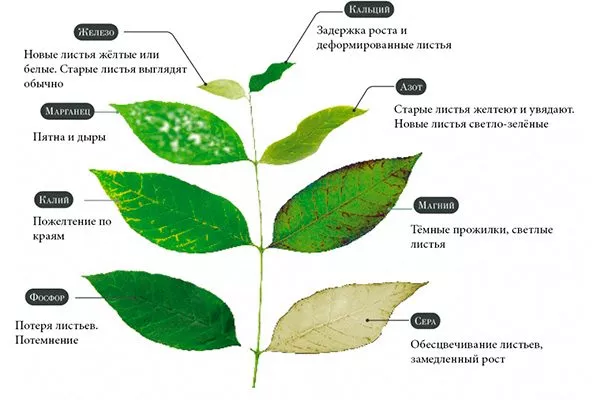
Signs of element deficiency:
- Nitrogen. Leaves turn pale green and yellow. They grow poorly and fall off early.
- Potassium. The leaves turn yellow or brown. They wrinkle and begin to curl.
- Phosphorus. The leaves are dark green or bluish in color. As the foliage ages, red, purple, dark, or almost black hues appear.
- Copper. The leaves at the top of the shoots begin to deform, turning brown, starting from the edges. Eventually, the foliage falls off completely.
- Zinc. Spotted chlorosis appears on the leaves.
- Iron. A uniform yellowing or pale green and yellow tint appears between the leaf veins. Dying does not occur.
- Magnesium. In some areas, the foliage is losing its rich green color.
- Bor. Young leaves become small and curl. Marginal and apical foliar necrosis and fruit deformation are observed.
- Calcium. The tops of the leaves become lighter. New leaves emerge small, deformed, irregularly shaped, and with patches of dead edges.
With proper tree feeding, you'll get plenty of juicy and delicious fruit in the future. The key is to follow the recommendations: apply the nutrient mixtures to the tree trunk or before turning the soil.
Chemical fertilizers
They are intended for use in spring and fall. They are applied according to specific guidelines. Be sure to consider the time of year and the nutritional needs of the fruit crop.
Nitrogen
This element is essential for the growth of green foliage. Without sufficient nitrogen, young trees will lack the strength and energy to produce sufficient shoots. A nitrogen deficiency can cause leaves to turn yellow and eventually wilt.
Excessive amounts of this component can also cause problems—the fruit crop begins to attract aphids. The sweet juice is a magnet for garden insects.
Excess nitrogen can also lead to fungal diseases. To avoid unpleasant consequences, follow the established standards.
Superphosphate
The most common phosphorus fertilizer containing calcium sulfate is superphosphate. The most effective and economical option is double superphosphate, which does not contain calcium.
Phosphorus
Pear trees require phosphorus supplementation to ensure full ripening of the crop. The main fertilizer used is phosphorus anhydride (maximum amount – up to 20% of the tree's weight). Adequate soil moisture is essential for the nutrient's absorption.
Potassium
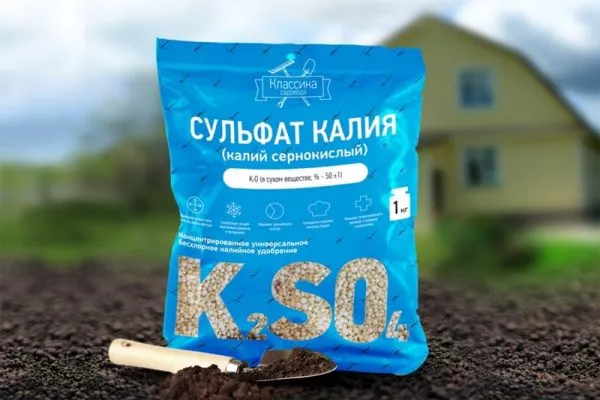
Potassium fertilizers are recommended for fall and winter feeding. Apply the fertilizer to ensure juicy, tasty fruit. Fertilize pear trees in the spring during flowering to encourage fruit production. Use potassium salt during this period. However, its chlorine content is a drawback.
Magnesium
Slow tree growth can be caused by a magnesium deficiency. Experienced gardeners use vermiculite fertilizer, which doesn't require dissolution in water before application. After applying the fertilizer, be sure to water the area.
Magnesium is a component of potassium fertilizers. For a fertilizer that requires dissolution in water, use magnesium sulfate.
Organic fertilizers
When caring for pear trees, organic fertilizers are essential. Using natural ingredients can significantly reduce the cost of purchasing nutrient mixtures. Some agronomists generally prefer traditional recipes for fertilizing fruit crops.
- Prepare organic materials (manure, compost) 6 months before use to ensure they are completely decomposed.
- Check the organic matter moisture content before applying it; it should be within 50-60%.
- Chop up large components to speed up the decomposition process.
Manure and humus
To feed pear trees, use manure from herbivorous animals (rabbits, sheep, goats). Pig manure is also acceptable, but only in extreme cases, if you have no other options.
This nutritious fertilizer is renowned for its rich content of beneficial components. The manure is quickly absorbed and guarantees good results. Avoid applying the fertilizer in its pure form to avoid damaging the roots.
Prepare the fertilizer:
- Spread the manure in an even layer on a plywood or metal surface.
- Form a cone.
- Cover the fertilizer with a thick film to protect it from rain or drying out.
- Ventilate the manure once every six months and stir it periodically.
- If the manure is dry, add water to it.
Bone meal
Bone meal is the main source of phosphorus. The fertilizer also contains other nutrients essential for healthy fruiting, including zinc, iodine, calcium, iron, and others. It's also an economical fertilizer option.
Dissolve 500 g of bone meal in 10 liters of water. Do not water the soil immediately after dilution; let the solution sit for 24 hours before using it as fertilizer.
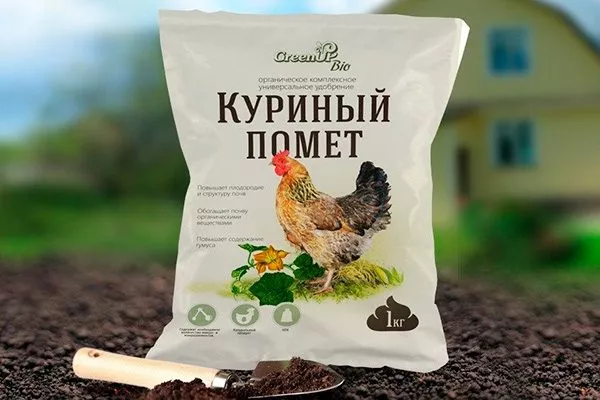
Bird droppings
This raw material should also not be added fresh. Before using, be sure to dry the droppings and collect them in bags, then store them in a dry, cool place. Keeping bird droppings for long periods of time is only permitted in a cool place.
To prepare the fertilizer, dissolve 200 g of manure in 15 liters of water. Let the resulting solution sit for a week. Before use, dilute 200 ml of the infusion in 15 liters of water. Now you can use the mixture to fertilize your fruit tree.
Wood ash
This type of fertilizer has long been considered an affordable and effective method. Use wood ash to reduce soil acidity. The fertilizer contains potassium, phosphorus, manganese, and other beneficial elements.
When ash dissolves in water, it creates an alkaline reaction. It also helps repel harmful insects. Use a 1-liter jar of wood ash per adult plant. Avoid applying this fertilizer simultaneously with nitrogen, as the ash will reduce its effectiveness.
Urea
Urea is used not only to feed pear trees but also as a pest control agent. The fertilizer dissolves instantly in water and is easily absorbed. Urea is an excellent choice for foliar feeding.
Use a highly concentrated solution and spray the tree in March. This will delay flowering and get rid of harmful insects.
Timing and rules for applying fertilizer to pear trees in autumn
Each season has its own timing and rules for applying nutrients to pear trees. For example, in the spring, fertilizing promotes rapid growth of foliage and new shoots, and also boosts vigor during flowering.
Experienced gardeners recommend using phosphorus-containing fertilizers. During the summer, apply nitrogen fertilizers to boost disease resistance.
In the fall, fertilizing is essential for the tree's recovery, so time your fertilization so that the plant can enter dormancy without difficulty. This is also the time when the next season's harvest is established.
Follow these guidelines for fall fertilizing:
- Apply fertilizer from September 20th to the first days of November.
- Place them throughout the entire area of the tree trunk circle.
- Strictly calculate the dosage of nutrients taking into account the age of the pear and the volume of the root system.
- Fertilize when the fruit tree is 2 years old or older.
- Start fertilizing your pear tree after harvesting, once the foliage has turned yellow.
- Applying fertilizer after early November can trigger active tree growth and bud formation before winter, which can lead to plant death. Excessive fertilizer can also be harmful.
Young pear trees up to 4 years old spread their roots underground to 5 m², while older trees spread their roots to 10 m² or more. In the fall, apply three types of fertilizer:
- For digging. Use dry mixtures, scatter them around the tree trunk, and then dig the soil. The area of soil treated should be equal to the diameter of the tree's crown.
- Into the furrows. Recommended for using solutions. Dig grooves up to 30 cm deep around the tree's trunk, depending on the tree's age, then apply the fertilizer.
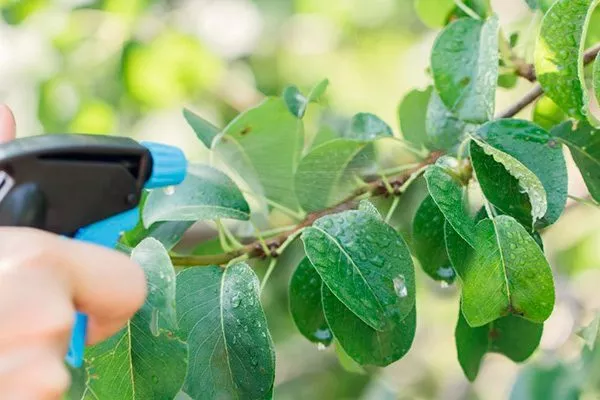
- Foliar feeding. Used for spraying pear trees. This procedure is sufficient once in the fall.
To ensure the correct dosage, read the instructions on the packaging beforehand, and when using folk remedies, strictly adhere to the proportions.
Fertilizing after planting
When planting a pear tree, use fertilizer to speed up the seedling's establishment and ensure its continued development. Remove the top layer of soil from the planting hole beforehand.
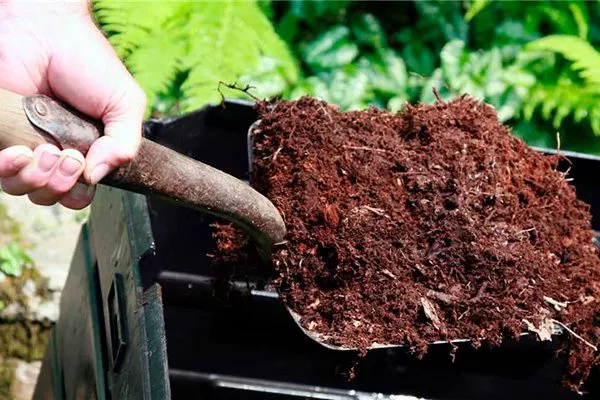
Next, add a nutrient mixture made from 30 kg of humus, 400 g of superphosphate, and 40 g of potassium salt. Mix the mineral fertilizer with the soil, water thoroughly, and leave for two weeks. Only after enriching the soil with the necessary elements should you begin planting the seedling.
How and what to feed a pear tree in spring?
In spring, fruit trees require a nutrient replenishment and preparation for the fruiting season. For these reasons, pears require comprehensive nutritional supplements.
Follow the instructions:
- Before flowering. Immediately after waking, water the tree with a saltpeter solution (40 g per 10 liters of water). Perform this procedure at an air temperature of at least +5°C.
- During flowering. During this period, the pear tree requires liquid feeding. Fertilize the plant with a urea solution (100 ml per 10 liters of water). Be sure to combine the liquid feeding with watering: moisten the area around the trunk, then fertilize the plant.
- After flowering. During this period, add nitroammophoska once (100 g per 20 l of water).
- During the period of fruit setting. Use phosphorus-potassium fertilizers to prevent the fruits from falling off and becoming smaller.
- Foliar feeding. This procedure is very useful for young plants whose roots are not yet very strong. Dissolve nitrogen, phosphorus, and potassium fertilizers in water and spray them on the pear tree's leaves.
Basic rules for autumn fertilizing
In the fall, after harvesting, the plant needs to be replenished with nutrients. Apply fertilizer containing phosphorus, potassium, and nitrogen.
Mix all the dry ingredients and sprinkle them around the tree trunk. Spread the bulk of the mixture around the circumference, then loosen the soil to a depth of 7-10 cm.
Nutrient Application Guidelines
It's important to know not only what to fertilize a pear with, but also how to do it correctly. There are several types of fertilizers: root and foliar. Learn when and how to feed the plant.
Before bud break
During this period, add 30 kg of humus to the soil, as well as 35-40 g of nitrogen-containing fertilizer. Also use potassium and phosphorus supplements – about 60 g. If the soil is highly acidic, add a little lime or chalk.
Additional recommendations:
- Apply fertilizer after pruning. At this point, the soil is still moist after the snow melts, so use various mineral granules and scatter them around the tree trunk. They will dissolve over time, so use a rake to work them into the top layer of soil.
- Experienced gardeners prefer to pre-form small depressions up to 10 cm deep around the tree trunk. They then step back approximately 50-60 cm from the trunk and carefully sprinkle nutrient granules, then cover them lightly with soil.
- To add organic matter, mulch the soil first. Use humus, ash, and compost. Regular rainfall will gradually dissolve the fertilizer, allowing organic matter to reach the plant roots in small amounts.
Under the root
Both organic and chemical fertilizers can be applied to the roots. Be very careful not to disturb the roots.
By sheet
Apply foliar feeding during the summer. This procedure has a beneficial effect on flowering and fruiting. Fertilizing also boosts the fruit tree's defenses.
How to fertilize a pear tree before winter?
Pre-winter fertilization is an essential procedure if you have a pear tree growing in your yard. If you don't do it, the tree won't survive the winter well. While you'll provide the plant with nutrients, you'll also stunt its foliage growth.
The shoots won't have time to mature and will die, and the tree will waste energy growing them. Fertilize in late September or early October. Use a phosphorus and potassium fertilizer with added calcium and magnesium. Apply the fertilizer around the trunk, then dig the soil.
The nuances of feeding seedlings and old pear trees
Seedlings require fewer nutrients, and in the first year they receive enough fertilizer that was added during planting.
Use the following fertilizers to feed seedlings from the second year of life:
- Ammonium nitrate or urea. Scatter 40 g of saltpeter or 20 g of urea around the tree trunk. Water the plant generously and rake it in. This fertilizer will enrich the soil with nitrogen.
- Potassium-phosphorus fertilizers. For young plants, use potassium salt or potassium sulfate; 9 g is sufficient. Do not use several preparations at once to avoid burning the root system, thereby harming the pear.
- Organic fertilizers. Add 6-10 kg of rotted manure per square meter. The soil should be moist or loose. Dig in the compost and water thoroughly. This fertilizer is considered very beneficial because it contains natural metabolic products: ash, bird droppings, and manure.
For older pear trees, increase the nutrient dosage. At 5 years of age, the plant is considered mature, and its root system doubles in size.
Fertilize the plant with the following fertilizers:
- Mineral fertilizers. Thoroughly loosen the soil around the tree trunk to a depth of 7-10 cm, apply a mineral fertilizer mixture, and water the soil generously to ensure the granules are completely dissolved and absorbed. Continue this process until buds appear.
- Urea or carbamide solution. Dilute the product in water at a ratio of 1:10. Spray the tree. You can use copper or iron sulfate. These products help protect the plant from pests and diseases.
- Nitroammophoska. Dilute 50 g of nitroammophoska in 10 liters of water. Use 45 liters of the diluted solution per square meter. Perform the procedure after flowering has finished.
These are very simple ways to fertilize seedlings and old pear trees that will help improve plant growth and ensure you have a good harvest.
Common mistakes
Beginning gardeners often make the mistake of applying too much fertilizer. Excess is just as dangerous as too little. Too much nitrogen causes the tree to develop excessive green mass, which degrades the quality of young shoots and hinders flower bud formation.
Excessive soil fertilization can cause root burn, which can lead to plant death. Overdosing on magnesium and potassium can cause small and deformed fruits, as well as leaf discoloration. This makes it virtually impossible to restore the plant to its previous condition.
To avoid such mistakes, follow these recommendations:
- follow the feeding schedule;
- do not mix several types of fertilizers (mineral and organic);
- Follow the recommended dosage instructions.
It's best to start with a smaller dose. Foliar feeding is not effective when there's an excess of fertilizer in the soil.
Tips from experienced gardeners for beginners
To avoid harming fruit trees when fertilizing, follow the advice of experienced gardeners. Here are the most basic tips:
- Avoid applying fertilizer directly to the tree's roots. Maintain a distance of 55-60 cm from the trunk.
- Remove old mulch before fertilizing your pear tree in the spring. Wait until the ground has completely thawed, remove all winter coverings from around the tree trunk, and only then begin fertilizing.
- Add dry fertilizer only when digging or before thoroughly loosening the soil.
- Apply nitrogen and potassium fertilizers at different times, as they are incompatible and cannot be used at the same time.
- When applying foliar feeding, thoroughly spray the entire crown, leaves and shoots.
- If there's been no rain for a long time, use liquid fertilizers. Dry mixes won't produce the desired results in this situation.
- Apply organic fertilizers to seedlings that are at least 4 years old.
- Do not apply nutrients before the first frost, as they will be absorbed within a month.
- Before applying fertilizer, prepare the plant: remove dry leaves and other debris from the trunk circle and trim dry branches.
If you follow these recommendations, you will be able to grow a healthy plant that will flourish in your garden and, over time, yield good harvests.
Frequently asked questions about spring fertilizing of pear trees
When is it too late to use fertilizer for pear trees in spring?
The last spring feeding should be done in late spring, after flowering. If you missed this procedure in time, it's best to skip it.
What are the risks of fertilizing a pear tree too early?
If you start applying fertilizer too early, you won't get the desired results because the soil won't have time to thaw and warm up, and the fertilizer won't reach the root system.
If you don’t feed the pear tree, what will happen to the harvest?
For fruit crops to bear fruit abundantly, nutrients are essential. Without fertilizer, the harvest will be limited, and the fruit will look unattractive.
What happens if you don't fertilize a pear tree well in the spring?
Insufficient nutrition not only threatens yield but also affects the overall health of the plant. Deficiencies in certain nutrients can lead to fruit drop, leaf curl, and various diseases.
A pear tree requires regular care to grow well, develop, and produce abundant harvests. Fertilizing is one of the most important agricultural practices. The amount and composition of fertilizers, as well as the method of application, depend on the time of year and the plant's stage of growth. Follow these guidelines and you can grow a healthy fruit tree.