
The Skazochnaya pear is prized for its low-maintenance nature, undemanding soil conditions, and resistance to severe frosts. This article describes the intricacies of planting, growing, and caring for the pear. The variety's advantages and disadvantages are also highlighted.
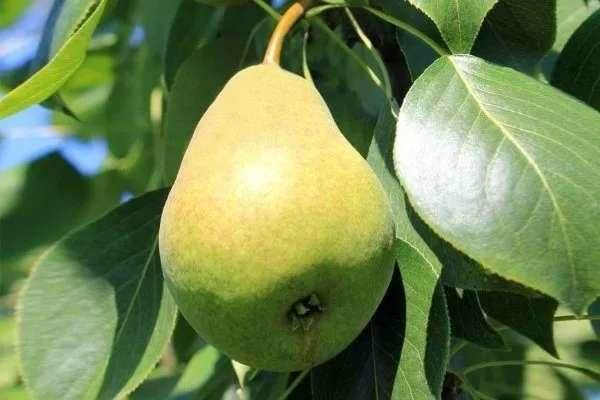
Pear "Fairytale"
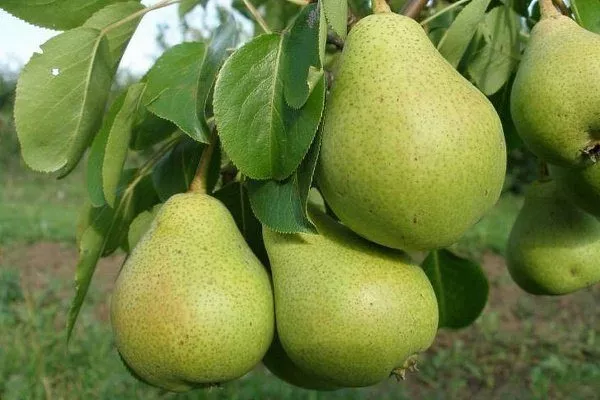
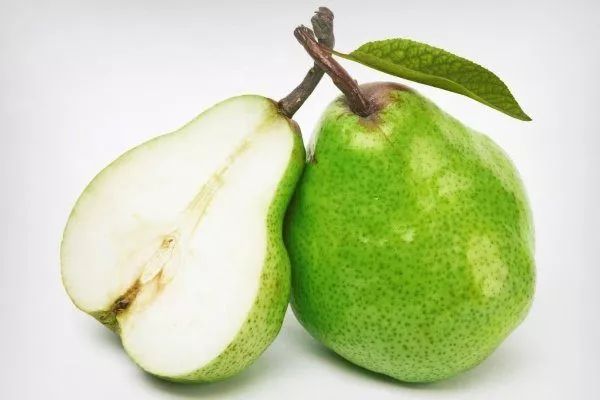
The fruits are a perfect pear shape. The pears are green when picked. The subcutaneous spots are gray and clearly visible.
History of selection
The Skazochnaya pear variety was developed by the distinguished breeders V. I. Putyatin, E. A. Falkenberg, and M. A. Mazunin. To create this variety, two varieties were crossed: the Povislaya pear (an autumn variety characterized by good shelf life) and the Nezhnost (a winter-hardy variety yielding up to 40 kg of fruit per tree).
The variety was developed by the Federal State Budgetary Scientific Institution "YuUNIISK" (Southern Research Institute of Agricultural Crops), a research organization that studies and develops new varieties of agricultural plants. The institute began its work in the early 1930s and continues to develop new varieties to this day.
The Fairytale pear was bred specifically for the harsh Siberian climate. It has become particularly popular in the Urals. It is recommended for cultivation in the Central and Volga-Vyatka regions. It is also favored by gardeners in the Nizhny Novgorod, Krasnodar, Irkutsk, Moscow, Omsk, Yaroslavl, and Leningrad regions. The Fairytale pear is also common in Russia, Ukraine, Belarus, and Moldova.
You will find more information about the varieties of pears in the Moscow region Here.
Description and characteristics of the "Fairytale" pear
The trees grow tall, reaching 4 meters. They are characterized by a narrow, dense, pyramidal crown and straight, spreading branches. The ends of the stems point toward the top of the plant. The bark of the trunk and skeletal stems are brownish in color, with slight peeling. The shoots are straight, smooth, and pubescent, dark burgundy in color. The buds are small, curved, oval-rounded, and smooth. The leaves are small, elongated, with a pointed surface and uniform edges, emerald in color.
The fruits have a characteristic shape, are medium in size, and weigh 180-200 g. Proper care and rich nutrition contribute to larger fruits weighing up to 250 g. In high-yield years, the fruits grow uniformly, without defects. The skin is dry, dense, and pale. At harvest, it has an emerald hue, becoming amber-emerald when fully ripe. A slight blush is present, and the outer color is faint.
The pears have bright, silvery subcutaneous spots. The pears have elongated, curved, wide stems and a small, narrow funnel with minimal rusting. The fruit has large, brown, water-lily-shaped seeds. The snow-white flesh is oily, medium-dense, fine-grained, and juicy. The aroma is barely noticeable. The aftertaste is sweet and pleasant.
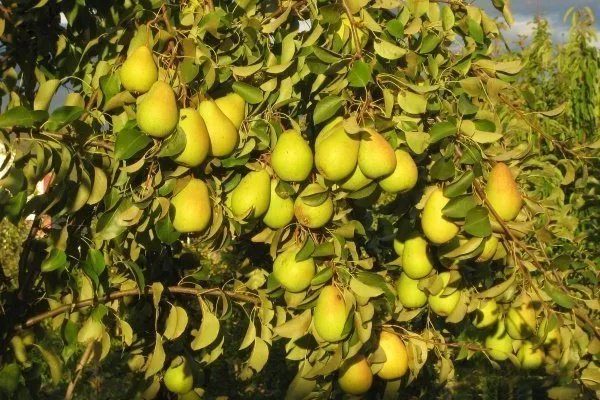
The tree begins to bloom in late May or early June. This variety is noted for its early maturity. The harvest can be ready in just one to two years after planting, yielding approximately 3 kg of fruit per plant. The yield increases with age. The tree reaches full fruiting in the fourth to fifth year after planting, at which point gardeners harvest up to 10 kg of fruit. Once fully ripened, the pears hold well on the stems and do not fall to the ground.
Pros and cons of the variety
The Skazochnaya pear variety has its advantages and disadvantages. Among its advantages are the following:
- Frost resistance. This variety can be grown even in northern regions of Russia, where temperatures drop to -48 degrees Celsius.
- External characteristics of the fruit. Ripe pears have an attractive, regular shape. The fruits are large and free of any defects.
- High yield. One tree can produce 10-15 kg of fruit. The plant's yield increases annually. Furthermore, fruiting begins as early as the second year after planting.
- Drought resistance. This variety can withstand hot summers without sacrificing yield.
- Early maturity. The fruits ripen in late summer.
- Good fruit attachment. Pears are firmly attached to the stem and do not fall off.
- Taste. When ripe, the fruits acquire a sweet and spicy flavor, becoming juicy and soft.
- Unpretentiousness. This variety thrives in all types of soil and requires little maintenance.
We recommend reading andthis article, which will tell you about popular varieties of pears.
What are the disadvantages of the Skazochnaya pear variety?
- The harvest is stored for no more than 10 days, after which the fruits begin to spoil.
- The tree grows too high, which may make harvesting difficult.
- Pears should not be transported – the fruits are easily damaged, so they quickly begin to spoil, losing their appearance and taste.
Where and when to plant pear trees?
Gardeners recommend choosing a suitable location with level ground and no buildings. The variety prefers good light. Choose a planting site that doesn't have a clay layer at a depth of up to three meters. The site should have a low groundwater table.
- ✓ Soil pH should be between 6.0-6.5 for optimal growth.
- ✓ The groundwater depth must be at least 3 meters to prevent root rot.
If you plant a pear tree close to a house, the tree's roots may eventually cause the foundation to collapse, which will weaken the structure.
Purchased seedlings are planted in mid-autumn—around late September or early October. This is because the plant is dormant and will be protected from adverse effects during the winter. Planting is also permitted in the spring, but it must be done before the sap begins to flow. If you purchased the seedling at any other time, it's best to plant it in a large pot and leave it in a sunny garage or shed for the time being.
Preparing the site
Although this variety isn't fussy about soil fertility, to maximize yield, it's advisable to fertilize the soil before planting. Gardeners claim that the Skazochnaya pear grows best in light, humus-free soil. If you can't fertilize the entire soil, prepare the planting hole properly.
Dig a hole for the seedling a month before planting to allow the soil to settle. Afterward, mix the soil removed from the hole with compost and potassium-phosphorus fertilizer. If the soil is too acidic, add lime or wood ash.
Landing features
Proper planting of a seedling doesn't end with preparing the substrate. To ensure the tree takes root well, plant it carefully in the soil, without damaging the roots or weak shoots.
What requirements should be followed when planting:
- Before placing the seedling in the hole, rinse the roots with warm water and inspect them carefully. Remove any rotten or diseased roots. Then, trim any excessively long roots to create a spherical root system.
Treat the cut areas with activated charcoal powder. If the roots are very dry, soak the seedling in water for 24 hours to soften them. If the stem and leaves are very dry, soak the entire plant in water. - Inspect the shoots - if they are dry, cut them off.
- Plant when the weather is calm and windless. This will prevent the plant from freezing and the roots from rotting from sudden excess moisture.
- Dig a hole measuring 80 x 150 cm. Remove the bottom layer of soil, and leave the top layer with fertilizer to fill the planting hole.
- Before planting, spread the roots out so they cover the entire area. Make sure the root collar isn't covered by the soil. As you add soil, gently shake the seedling to remove any air pockets.
- Cover the roots with the remaining fertile soil and compact it well.
- Drive a wooden stake near the tree at a distance of 25-30 cm.
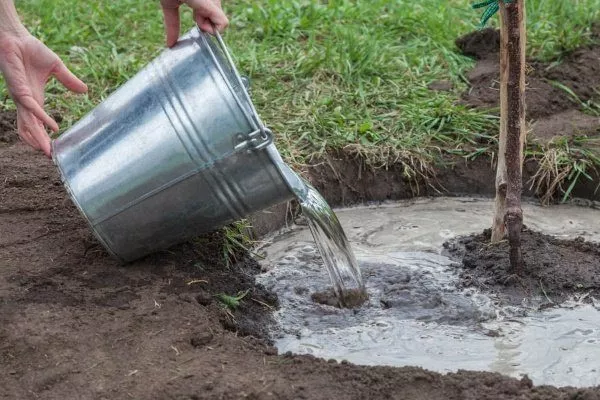
- After planting, make a circle around the tree trunk and pour plenty of water into it, but only to moisten the soil and not turn it into a swamp.
Pollination features
This variety is self-fertile, but if the Skazochnaya pear is planted alongside Severyanka, Raduzhnaya, and Krasulya, the yield increases significantly. The trees are early fruiting, requiring only a couple of years to establish themselves. They begin harvesting their first crops as early as 4-5 years after planting, and the yield gradually increases. By the 10th year, the variety reaches full fruiting.
Caring for the Fairytale Pear
The Fairytale pear doesn't require meticulous care, but by creating favorable conditions, you'll reap bountiful harvests and the tree will be protected from diseases and pests. At the same time, proper care will ensure the plant's longevity.
Watering
With ample watering, you'll get juicy fruits. Therefore, water the tree regularly during flowering and fruiting. If the weather is very dry, water the plant daily, pouring water under the roots. The amount of water depends not only on the age of the plant but also on the soil type and climate conditions where it's growing.
Don't use a sprayer for watering. Constantly splashing water on the leaves can cause burns, which can be detrimental to plant development.
Fertilizer
Even the most fertile soil tends to lose its properties over time. If tree growth slows in the second or third year after planting, you'll need to enrich the soil with ammonium nitrate. Additionally, every fall, while lightly loosening the soil, add humus and a small amount of mineral fertilizer.
| Fertilizer type | Time of application | Quantity per tree |
|---|---|---|
| Ammonium nitrate | Early spring | 30-40 g |
| Humus | Autumn | 5-7 kg |
| Potassium-phosphorus fertilizers | Autumn | 20-30 g |
In the spring, feed this pear variety with specialized fertilizers, which you can purchase at a specialty store. To maintain soil acidity, regularly add lime to the soil.
Trimming
Crown pruning is an important procedure that must be performed correctly. Crown shaping not only creates an attractive shape but also promotes better growth and fruiting. Perform this scheduled procedure in early spring, when the air temperature reaches 5 degrees Celsius:
- Remove branches that extend from the main trunk of the plant at a 90 degree angle.
- Cover the cut areas with clay – this will protect the tree from diseases.
- Cut off the lower part, then the upper part of the branch, the diameter of which is more than 3 cm.
- After the procedure, after 30 days, you can apply fertilizer.
By autumn, the tree will surely delight you with juicy fruits with a pear aroma.
Diseases and pest control
The main advantage of this pear variety is its resistance to various diseases. It is resistant to scab, gall mite, black canker, and fungal diseases. However, due to improper care, the tree can be affected by the following diseases and pests:
| Disease/Pest | Symptoms | Control/Prevention |
| Sooty mold | A disease that damages pear leaves and fruits. A black coating, similar in appearance to soot, forms on them. Weak trees and those lacking minerals are initially affected. The fungus is not afraid of severe frosts, hiding under the tree bark. Insects are the main vectors. | To prevent the disease, use the insecticide Calypso. To treat, treat the tree with the fungicide Fitoverm. |
| Lightning or fruit rot | Brown growths appear on the fruit, and the flavor is lost. This disease is difficult to notice because it appears during the ripening period. Damaged fruits dry out or fall off. | To prevent disease, treat the plant with a lime solution in a ratio of 1:10 in spring and autumn. |
| Powdery mildew | When the disease occurs, a powdery white coating forms on the tree's inflorescences and leaves, which later turns rust-colored. Damaged parts begin to dry out and fall off. | To prevent the disease, remove damaged leaves and burn them. You can also use folk remedies, such as spraying the tree with a 1% potassium permanganate solution. |
| Leaf roller | A caterpillar that burrows into buds as they swell. The pest threatens by eating the buds and then feeding on the sap of the leaves. | To control the pest, treat all trees in the garden with Karbofos, dissolving 30 g of the product in 10 liters of water. Perform the treatment before bud break. |
| Scale insect | This pest causes dark cherry-colored bumps to appear on tree branches and trunks, oozing fluid. The shoots dry out and die. | Eliminate scale insects. Whitewash the tree with lime mixed with copper sulfate—100 g per 1 kg. Treat the tree with Tarstar or Clipper twice during the growing season. |
Harvesting and storing pears
The tree harvest begins as early as late August, but if the weather is warm and there's no precipitation, there's no need to rush. Ripe pears don't spoil on the tree. Because picked pears don't last more than 10-12 days, they're used to make juice, jam, or compote.
The fruit is harvested in warm weather, preferably all at once to avoid crop losses. After harvesting, be sure to inspect the pears to avoid placing "healthy" fruit alongside rotten, bruised, or damaged ones.
When the fruit begins to spoil, its flesh turns dark. Experienced gardeners recommend stacking pears in a single layer during transportation, otherwise they can become smashed. Freezing whole or chopped pears is acceptable. This preserves their flavor and vitamin content. At 2°C (37°F), pears can be stored in the refrigerator for about a month.
Reviews of the Fairytale Pear variety
Most gardeners speak positively of the variety, citing its resistance to diseases and pests.
The Skazochnaya pear variety is the favorite choice of most gardeners. Even with minimal care, the plant will bear fruit year after year. Timely watering, regular fertilizing, and pruning will increase yields severalfold.