
Simply Maria is a late-ripening variety that bears fruit in October. It produces a good yield, and severe frosts do not affect the quantity or quality of the fruit. This winter-hardy variety can withstand temperatures as low as -38 degrees Celsius. After freezing, the trees quickly recover, delighting owners with an abundance of ripe pears.
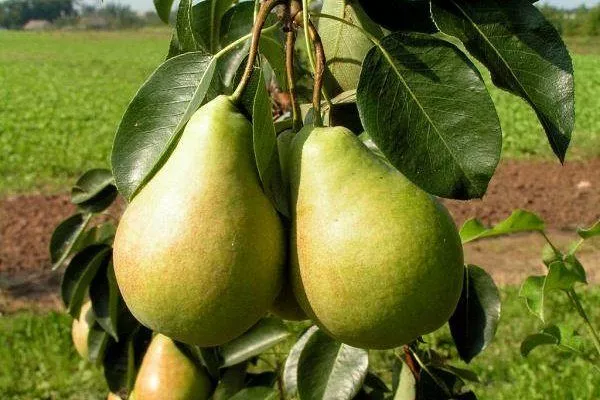
Pear variety "Simply Maria"
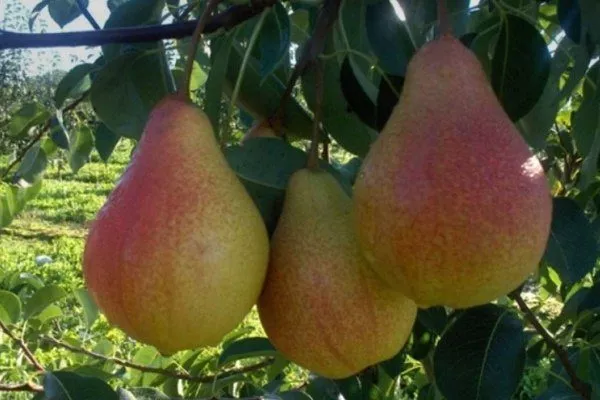
The basic color of the pear is initially yellow-green, but as it ripens the skin becomes golden-yellow with a blush on the side.
How did the variety appear?
Prosto Maria is a pear variety bred in Belarus at the Institute of Fruit Growing. The crossbreeding involved the Maslyanaya Ro pear variety and the hybrid form 6/89-100. This experiment was a success for renowned breeders O. A. Yakimovich, G. A. Alekseev, and M. G. Myalik. The variety was initially named "Maria," but was later renamed "Prosto Maria."
Description of the variety
The tree grows quickly and is not very tall. By the age of 10, the plant is only three meters tall. The "Prosto Maria" pear is characterized by a broad pyramidal crown, up to 2.5 meters in diameter, with a medium density.
The fruits are pear-shaped, weighing up to 180 g, sometimes 220 g, and larger specimens are also available. When picked, the skin is light yellow. One side of the fruit has a slight pink tan. Numerous subcutaneous green spots are clearly visible. The skin is loose, smooth, and tender. The fruits have a glossy surface and medium-dense, juicy, fine-grained flesh of a yellowish-white color. There is no roughness or rustiness. The taste is sweet and sour, with a distinct aroma.
This variety is prized for its high yield—one tree yields 40 to 70 kg of ripe fruit. Fruiting begins 3 to 4 years after planting.
- ✓ The ability to quickly recover from freezing, which is not typical for many other pear varieties.
- ✓ High level of resistance to bacterial canker and septoria, which reduces the need for chemical treatments.
Many gardeners believe the fruit's flavor surpasses that of many well-known European varieties. Considered a dessert variety, it is used to make jams, compotes, juices, and fruit salads. When picked from the tree, the slightly unripe fruits are transportable and have excellent shelf life. They can be stored in the refrigerator until January.
Advantages and disadvantages of the variety
Experienced gardeners claim that the Prosto Maria variety has many advantages, which is why they prefer this particular pear. Its positive attributes include:
- Early fruiting. The tree bears fruit within 3-4 years after planting.
- Disease resistance. The plant is characterized by increased resistance to diseases such as bacterial canker, septoria leaf spot, and scab.
- Stable productivity. This variety is highly resistant to adverse weather conditions. The plant produces juicy fruit even in low sunlight and without regular care.
- The fruit has good flavor and appearance. The pears ripen to a perfect shape, without deformation, and are tasty and sweet.
- High yield. A single tree produces over 40 kg of fruit. Marketable yield is 90%.
- Ease of propagation. A gardener can independently obtain a new specimen by propagating the plant in one of several ways.
- Resistance to mechanical damage and severe frost. The tree can quickly recover from partial frost damage and withstand sudden temperature fluctuations.
You can get more information about other varieties of pears here.
Preparation and planting
Because this variety is considered easy to grow, standard agricultural practices are generally used when planting it. Planting a seedling doesn't require much time or special knowledge. However, the procedure does require responsibility from the gardener.
Selecting a site
Pear trees are considered sun-loving plants, but can tolerate shade. However, in this case, the fruits become smaller and their flavor deteriorates. It's best to choose a well-lit and warmed area. The site should be spacious, especially if you plan to plant the pear tree and two of its pollinators.
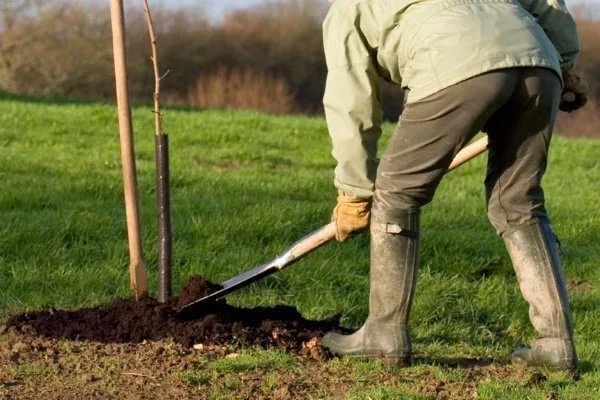
Choose a site protected from cold winds and drafts. It's best to have a shelter nearby that will protect the plant without shading it. Plant the seedlings not in rows, but at the corners of an imaginary triangle, keeping a distance of 5-6 meters between them. Avoid planting trees in low-lying areas where water stagnates for a long time after snowmelt or rain. Avoid planting pears near rowan trees, as they attract insects that love to feast on the fruit and leaves.
- ✓ The optimal soil pH level for the Just Maria pear should be within 6.0-6.5.
- ✓ The depth of groundwater should not exceed 2 meters to avoid rotting of the root system.
One of the variety's advantages is its undemanding soil conditions. The plant thrives in both heavy and light soil. Acidic soil is not the best choice for planting a seedling. To reduce soil acidity, add slaked lime or crushed eggshells. Highly alkaline soil can be fertilized with peat or pine needles. The pear prefers loose, fertile soil that is well-drained and aerated.
Soil preparation
Prepare the pear planting hole in advance. If you plan to plant in the spring, prepare the hole in the fall. The approximate dimensions of the hole are 60 x 70 x 90 cm. Place drainage material (pebbles, expanded clay, or brick chips) at the bottom to prevent moisture from stagnating near the roots.
The top layer of soil removed from the hole is fertile. Set the soil aside and mix it with fertilizer: 17-20 liters of humus or well-rotted compost, 60-70 g of superphosphate, 15-25 g of potassium nitrate, and 30-40 g of ammonium sulfate. Pour the prepared mixture into the bottom of the hole, forming a mound. Cover with a sheet of slate or roofing felt to prevent nutrients from leaching from the soil.
Staged planting
Plant your pear tree according to specific guidelines. After preparing the hole, proceed to the following steps:
- In the spring, just before planting, remove and inspect the seedling. Make sure it has survived the winter. Soak its roots in water for several hours, adding rooting stimulants such as Kornevin, Heteroauxin, Epin, etc.
- Open the planting hole and remove some of the soil to create enough space for the roots to grow.
- Make a small mound in the middle and drive a wooden stake 10-15 cm from the center, 1 m above the soil surface.
- Place the seedling into the hole, spreading out the roots.
- Fill the hole with soil and compact it.
- Make sure that the root collar is not buried too deep – it should be located 3-5 cm above the soil level.
- Tie the seedling to the stake using elastic material to avoid squeezing the trunk.
- Form a tree trunk circle around the seedling, creating a mound of earth the same diameter as the planting hole. Use a hoe or a flat-top cultivator.
- Water the tree generously to thoroughly moisten the hole. Once dry, loosen the soil and mulch with rotted sawdust, freshly cut grass, pine needles, etc.
- Cut the seedling to a height of 60-80 cm. If there are branches, shorten them by a third.
Pollination
The plant is partially self-fertile, so maximum fruit production can be achieved by planting pear varieties that bloom at the same time. These include Koschia, Duchess, and Pamyati Yakovleva pears, among others.
Growing process
To ensure a good harvest, carefully care for the plant, following all necessary procedures. This will accelerate growth and ensure beautiful, juicy fruits every year.
Irrigation scheme
Water the newly planted plant daily, pouring 10 liters of water under it. The 'Simply Maria' pear prefers moisture, so water the mature plant several times during the season. Water after the snow melts and then again when the leaves unfurl. Also, water the tree just before flowering.
During the summer, watering depends on weather conditions. If there's a severe drought, water the pear tree more frequently; if the summer is warm and rainfall is sufficient, water the plant once a month.
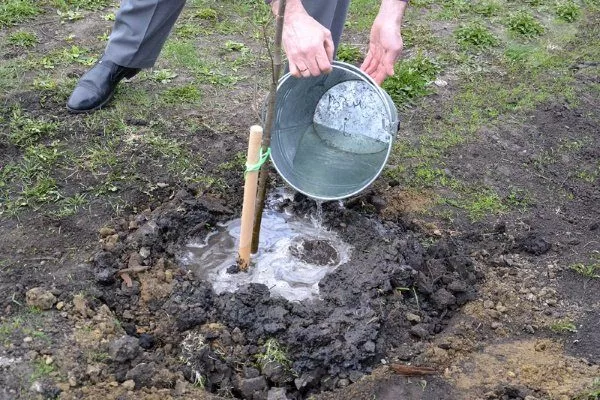
The last watering is carried out in mid-September – this will protect the fruits from cracking, fill them with juice, and keep the soil moist.
Fertilizing
Fertilize the tree during the second season after planting. Simply Maria is a variety that responds well to natural organic fertilizers. At least once every three years, in the spring, spread humus or well-rotted compost around the tree trunk while loosening the soil at a rate of 8-10 kg per square meter. Apply mineral and nitrogen fertilizers annually – 10-15 g per square meter. It's acceptable to divide the total amount into three feedings. In this case, apply nitrogen fertilizer after the leaves have opened, 10 days before flowering, and immediately after flowering.
Do not apply nitrogen fertilizers at the same time as compost, as this can cause root burn. Keep the interval between applications to a minimum of 4-5 days.
Seven to 10 days after flowering, the pear tree requires a comprehensive fertilizer. Use complex nitrogen-phosphorus-potassium fertilizers (Azofoska, Nitrophoska, Diammophoska) or specialized fertilizers for fruit trees (Gera, Master, Agricola). A natural fertilizer, such as an infusion of mullein or bird droppings (25-30 liters per mature plant), is also convenient.
During the summer, apply foliar fertilizer once a month. Add 25-30 g of potassium nitrate and simple superphosphate per 10 liters of water.
Pruning a pear tree
An important stage in growing a pear is crown formation:
- In the spring, before the sap begins to flow, perform formative pruning. Leave several fruiting shoots on each skeletal branch. Perform the first pruning immediately after planting the seedling.
- Shorten the central shoot by 15 cm, and trim all side branches back to their growing point. Trim the elongated crown back annually to the tips of the topmost tier of branches.
- Cut out all shoots growing inside the crown.
The pear tree does not branch much, so carry out formative pruning as needed.
In the fall, sanitary pruning is essential: remove broken, diseased, dried, and pest-damaged shoots. Perform this procedure after harvesting and after the leaves have fallen, when the plant is dormant. Always treat pruning cuts with garden pitch.
Preparing for winter
The "Prosto Maria" pear is considered a frost-hardy variety, able to withstand severe frosts without harm. If growing the tree in the Urals, winter protection is essential. Preparatory work involves the following steps:
- Clean the tree trunk area. Remove all fallen fruit and leaves, broken branches, and other debris.
- Renew the mulch layer so that its thickness in the tree trunk circle is up to 10 cm, and at the trunk itself – up to 25-30 cm. Use humus.
- Cover the trunk up to the first fork and the lower third of the skeletal branches with whitewash - this will protect the plant from rodents and sunburn.
- Wrap the base of the trunk with several layers of covering material that allows air to pass through well.
- When a heavy snowfall occurs, rake it toward the trunk. The snowdrift will gradually settle over the winter, so refresh it several times, breaking up the hard crust on the surface.
Reproduction
There are several methods for propagating the "Prosto Maria" pear: cuttings, layering, and grafting. Each method requires specific requirements and guidelines.
Cuttings
This method is considered the most effective. Cut a green cutting with leaves from the tree. Treat it with rooting stimulants and keep it under plastic cover until roots appear at a temperature of 20-25 degrees Celsius.
Layering
This procedure won't take much time. The propagation process is simple: bury a section of the parent branch in nutritious, moist, oxygen-rich soil, ensuring the tip is above the soil surface and exposed to sunlight.
Roots form where the branch is buried in soil. No special care is required. You just need to keep the soil moist. Once roots appear, cut the shoot from the mother branch with pruning shears and plant it like a seedling.
Vaccinations
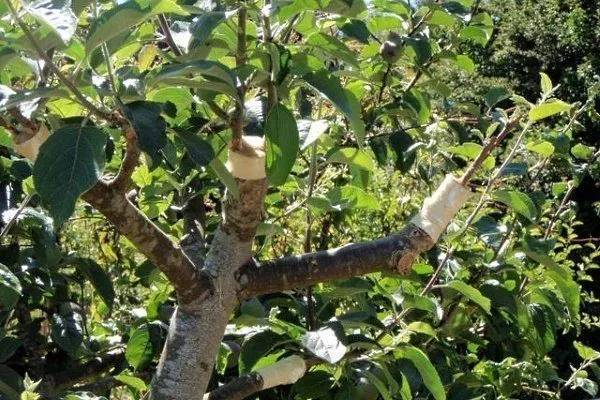
This method is the most time-consuming and labor-intensive. Pear propagation by grafting is permissible when the sap has not yet begun to flow in the plant. To do this, prepare the cuttings in December and store them in a cool place. One-year-old shoots with 3-4 buds are allowed for this purpose. Grafting begins in the spring. Use any pear variety, wild pear, or apple as rootstock.
Diseases and pests
The "Prosto Maria" pear is a variety resistant to various damages, but is susceptible to certain diseases. The table lists the diseases and pests to which the plant is occasionally susceptible:
| Disease/Pest | Symptoms | Methods of struggle |
| Septoria | A fungal disease. Fungal spores are present in fallen leaves. When the disease appears, grayish-brown spots appear on the leaves. | To treat, carry out three garden plot treatment procedures:
|
| Bacterial cancer | A fungal disease that causes the bark to crack and turn black, brown spots to form on the leaves, and the fruit to become dark and spoil quickly. | To prevent disease, ensure that the bark is not damaged.
To combat the disease, prune the affected wood and disinfect the wounds with copper sulfate. After pruning, treat the plant with fungicides. In the spring before bud break or at the end of November, spray the plant with a 3-4% ferrous sulfate solution. |
| Scab | A fungal disease in which spores form in the buds, causing brown spots to appear on the leaves and fruit. | The disease should be combated in the same way as septoria. |
| Aphid | The pest inhabits the undersides of leaves and young shoots. It usually appears on the tree with ants, who carry it in and then feed on the sweet secretions. | For prevention, carry out the following procedures:
|
| Pear moth | This gray butterfly lays eggs in the soil around tree trunks. The hatched caterpillars penetrate the fruit. | Spray the plant with a wormwood decoction, first soaking 800 g of the herb in 10 liters of warm water and letting it steep for 2 hours. Bring to a boil over low heat, and simmer for half an hour. Strain the decoction and combine with 10 liters of water. Apply the solution to the plant three times before flowering. |
Harvesting, storage, transportability
The fruit is harvested before it is fully ripe. This is done to prevent the ripe fruit from becoming too soft and susceptible to mechanical damage. This is due to the juiciness of the fruit and the softness of its skin. Gardeners leave the pears to ripen in a cool room, extending their shelf life. It is acceptable to transport pears until they become tender and brittle.
Reviews of the variety
You'll find numerous positive reviews from gardeners online. Many consider this variety one of the best for its high yield and ease of care. You can watch one such review in the video below:
The "Prosto Maria" pear is an easy-to-grow plant, a favorite among many gardeners with limited time for care. With proper agricultural practices, the yield increases significantly, producing abundant fruit.