
The G-2 pear is a dwarf variety of columnar pear. It is characterized not only by its compact tree but also by high yields, early fruiting, and late autumn ripening, which increases storage life and improves transportability.
History of selection
This pear variety is the brainchild of scientist and breeder Mikhail Vitalyevich Kachalkin. The exact dates and parent varieties are unknown.
Description of the variety
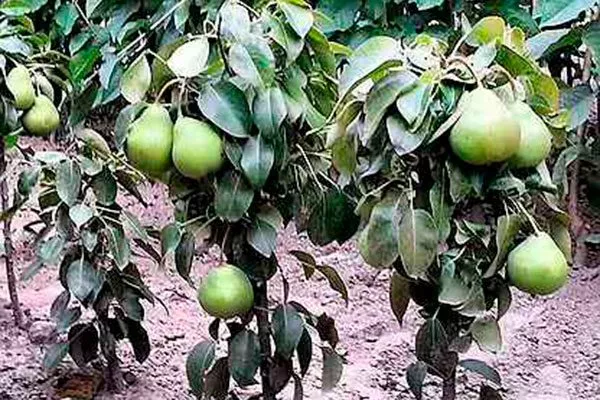
The G-2 pear variety is a versatile plant, ideal for small gardens thanks to its compact size and vertically oriented crown.
Characteristics of the tree
This variety reaches a height of approximately 190-210 cm, making it an ideal choice for limited space. The crown is columnar, dense, and strictly upright, with branches that develop only slightly. The leaves are large, rounded-ovate, and smooth in texture.
- ✓ High resistance to scab and other fungal diseases due to genetic characteristics.
- ✓ Self-pollinating ability, but to increase yield, planting nearby pollinator varieties is recommended.
Description of fruits
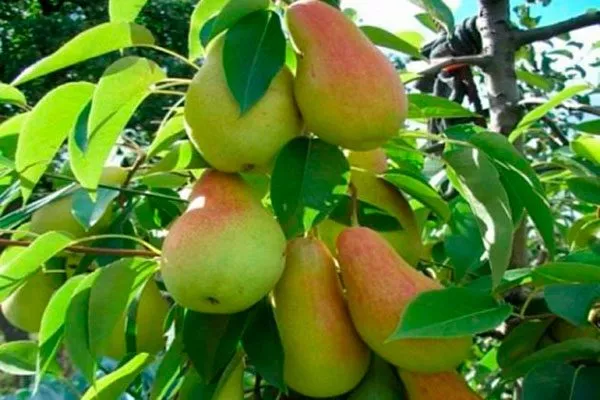
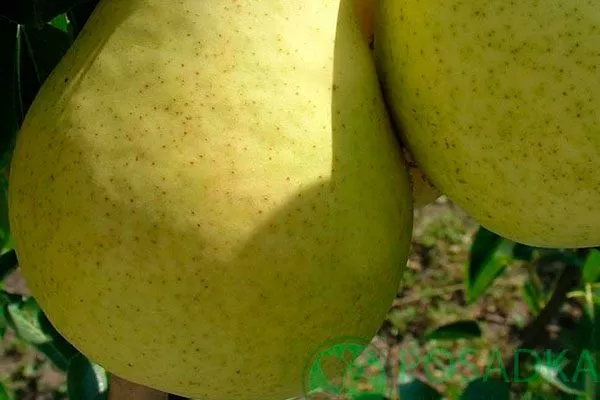
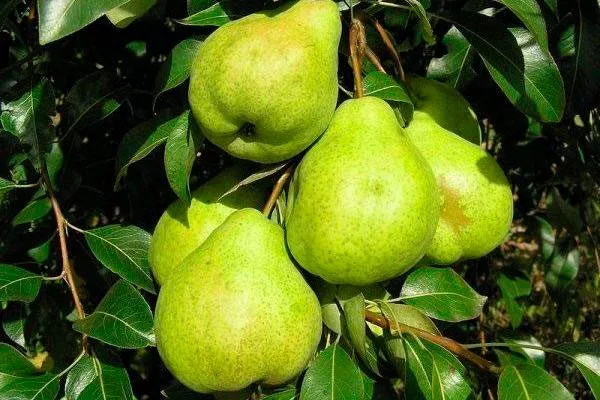
The fruits of the G-2 variety have a classic pear-shaped form with light ribs, weighing between 140 and 220 g. Other parameters:
- They are painted in a rich yellow tone with brown inclusions, which give them visual charm.
- The pulp of the fruit is juicy, has a creamy hue and a rich aroma.
- The fruits have a sweet and sour taste and may show a delicate blush on the sunlit side.
Fruiting
This pear variety begins to bear fruit in the 2nd to 4th year after planting and provides a stable harvest.
Growing regions
Recommended for cultivation in the southern regions, as well as in the central zone of Russia with appropriate preparation for the winter period.
Ripening and yield
The fruit ripens in late September or early October, and when stored in a cool place, pears can remain fresh for up to four months. The average yield per mature tree is 45-60 kg.
Pollination and reproduction
The variety is partially self-fertile, but requires pollinators such as 'Talgarskaya Krasavitsa', 'Lyubimitsa Klappa', and 'Konferentsiya' for a bountiful harvest. The G-2 variety can be propagated vegetatively, by growing from seed, or by grafting.
Advantages and disadvantages
The advantages of the G-2 variety include such aspects as:
No noticeable defects were found in the variety.
Landing
This variety is known for its undemanding nature and adaptability to a wide range of growing conditions. However, for optimal results, it should be planted in well-lit areas.
- ✓ The seedling planting depth should be such that the root collar is 3-5 cm above the soil level.
- ✓ Mandatory mulching of the tree trunk circle with a layer of 5-7 cm to retain moisture and protect against weeds.
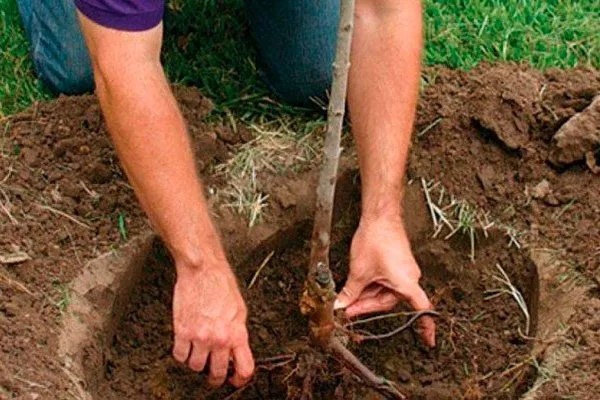
Key points for successful pear tree growth include the following:
- Select location. Ideally, you should focus on places with sufficient sunlight, as the pear tree responds favorably to warmth and abundant light.
- Preparing the soil. Special attention should be paid to soil preparation: it should be well-drained and fertile. If necessary, organic fertilizers can be added to improve the soil structure and nutritional value.
- Planting dates. It is recommended to plant in early spring or autumn to give the plant time to adapt before the onset of cold weather.
Care
Caring for the G-2 pear variety includes regular watering, fertilizing, and pruning. It's important to monitor the watering schedule: excess moisture can cause root rot, while insufficient water will cause branches and foliage to dry out. Accordingly, it's recommended to water the tree once a week in the summer and every two weeks in the fall.
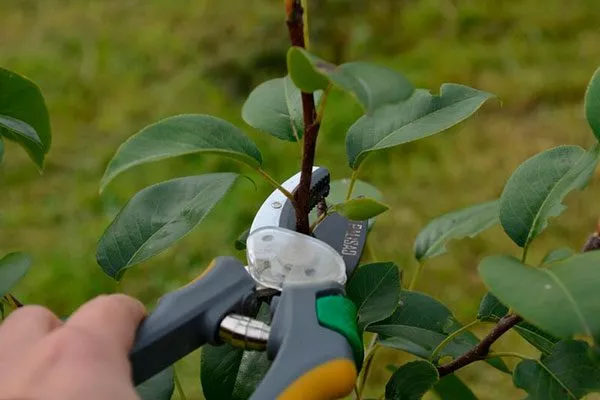
Organic fertilizers are recommended at the beginning of the growing season, while mineral fertilizers are recommended after flowering. Pruning is done in the spring before buds swell to shape the crown and remove damaged or diseased branches.
Diseases and pests
The G-2 pear has an acceptable level of disease resistance; however, disease prevention is still necessary.
Preparing for the cold weather
Overwintering garden trees is an important step in their care. Properly prepared for winter, a pear tree will not only survive the cold without significant losses but also produce a good harvest next year. Preparing a pear tree for winter involves several key steps:
- Trimming. In the fall, after the tree sheds its leaves, sanitary pruning is performed. Damaged, diseased, and dead branches are removed, as well as those growing inward and obstructing the crown's ventilation. This promotes better overwintering and helps prevent many diseases.
- Top dressing. Apply phosphorus-potassium fertilizers to help strengthen the tree before winter. Nitrogen-rich fertilizers are not recommended during this period, as they stimulate the growth of new shoots that will not have time to mature before the onset of cold weather.
- Caring for the tree trunk circle. The tree's trunk area must be cleared of weeds, leaf litter, and other plant debris that could harbor pests and pathogens. The soil around the tree should be loosened and mulched to retain moisture and protect against frost.
- Protection from pests and diseases. Before the onset of cold weather, pear trees are treated with special products to help prevent pests and diseases. It's also helpful to treat the trunk and skeletal branches with lime mortar or special paint to protect the tree from sunburn and rodents.
- Protection from rodents. Before the onset of cold weather, it's important to protect the tree from rodents, which can seriously damage the bark and roots. To do this, install protective screens made of metal mesh or special deterrents around the trunk.
- Insulation. In regions with cold, low-snow winters, additional insulation is provided around the tree trunk and at the base. Dry leaves, straw, sawdust, or special insulating materials are used.
- Providing snow retention. Snow is a good insulator, so it's recommended to keep it contained within the tree's trunk. To achieve this, place snow shields or fabric around the tree to hold back the snow.
Reviews
The G-2 pear is considered versatile – it can be stored for a long time, frozen, dried, and processed into compotes, juices, preserves, and jellies. This variety is easy to grow, resistant to all adverse conditions, and produces excellent yields. Therefore, even inexperienced gardeners can grow it.