
The Forel pear is a winter-hardy variety with many positive characteristics. Its ease of cultivation and minimal care requirements make it an excellent choice for both novice and experienced gardeners. To ensure a good harvest, proper care and adherence to certain requirements are essential.
Who developed the variety and when?
It was bred in 1979 in Germany. It has only recently become popular in Russia, but many gardeners have already appreciated its varietal characteristics. The variety is grown in America, Europe, and even Australia.
The appearance of the tree
This compact and neat tree reaches 5-6 m in height and has a spreading crown of thin, grayish-brown branches that extend upward. Other distinctive characteristics:
- The shoots are covered with elongated, pointed leaves, medium-sized, bright green in color.
- On the smooth and shiny surface of the leaves, a pattern of veins is visible – they are painted in a yellow-golden color.
- The barrel has an elongated cylindrical configuration.
- The bark of the trunk is dark brown.
Characterized by early flowering, the first buds appear as early as early April, and full bloom occurs by mid-April. At this time, the plant is transformed, crowned with numerous light-colored flowers gathered in inflorescences.
Fruits and their taste characteristics
They are small in size, weighing between 130 and 150 g. Detailed description of the fruit:
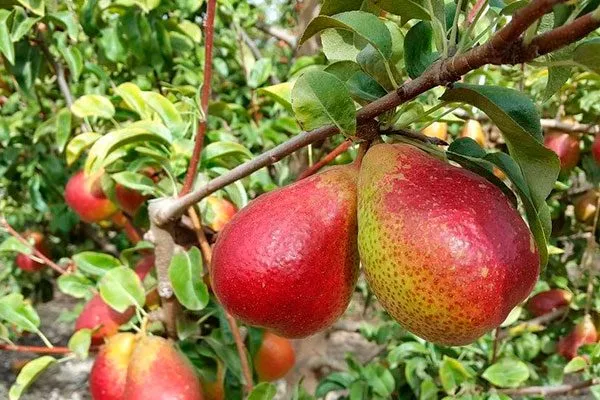
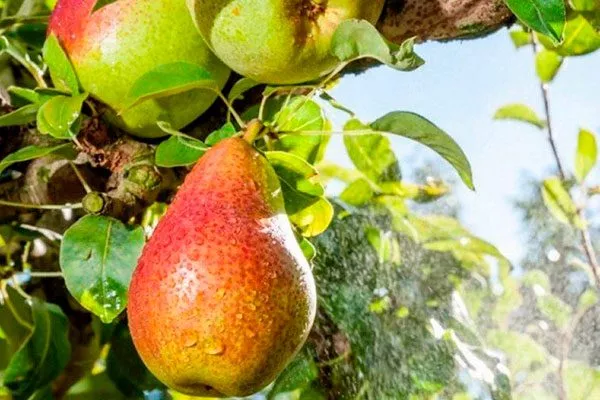
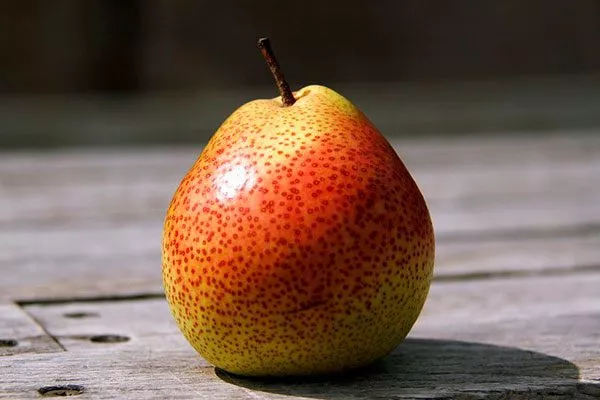
- They have a neat, elongated shape and a perfectly smooth surface thanks to their thin, shiny skin.
- All fruits ripen to the same size and shape.
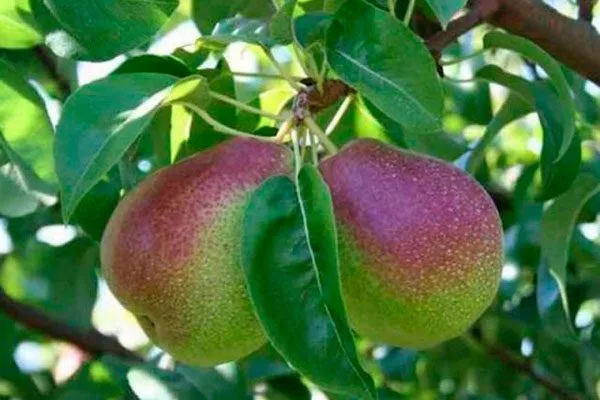
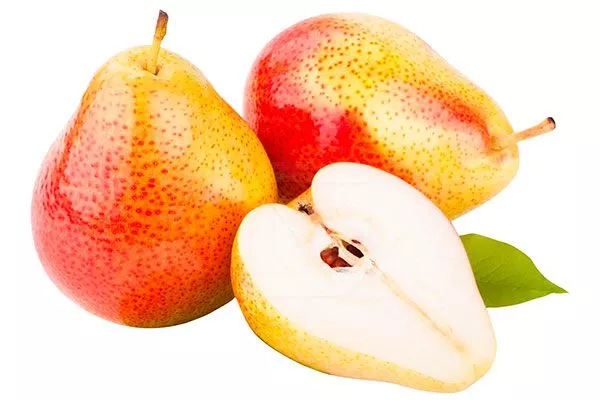
- They are characterized by an unusual and expressive coloring: starting with a yellow base, they gradually acquire a dense mosaic coloring of red and pink dots, which over time merge, forming a bizarre pattern with various shades.
- Beneath the thin skin lies a creamy white flesh with a fine-grained, tender, juicy and soft texture.
- The taste is predominantly sweet, with a strong aroma and light hints of cinnamon.
Characteristics of the variety
An easy-to-grow variety capable of producing abundant harvests regardless of weather conditions and other external factors. It is difficult to adapt and transplants with difficulty.
Self-fertility and pollinators
It is not self-fertile, so cross-pollination is necessary to obtain a harvest. Gardeners recommend the following varieties as potential pollinators: Bere Bosk, Olympus, Parisian, Lyubimitsa Klappa, Williams, and Lyubina.
Ripening period and yield
It is considered an early-bearing variety, as the first harvest can be collected within 3-4 years after planting. Fruiting is consistent and annual, with no apparent dormant periods. The fruits ripen by mid-September. The fruiting period continues until the end of October.
Yields are high. On average, one mature tree produces about 40 kg of delicious fruit per season. They are easy to transport over short distances and remain fresh and marketable for up to a month.
Winter hardiness
It is highly frost-resistant, but cultivation in the Central Russian region requires preliminary winterization. This process involves thoroughly mulching the soil around the trunk and wrapping it with special materials such as straw, reeds, hay, felt, or burlap.
Immunity
Despite its weather resistance, the plant is quite susceptible to various diseases. This is especially true for young specimens that have not yet had time to strengthen and establish themselves in their new location.
Benefits and harms
Pears are one of the healthiest fruits for the human body. They contain a large amount of dietary fiber and pectin, which improve digestive function. These fruits are an excellent alternative to unhealthy sweets and are especially beneficial for those struggling with excess weight, as they contain only 11 g of sugar per 100 g.
Other beneficial properties of the variety include:
- Beneficial effect on intestinal microflora, especially important after the use of antibiotics.
- The antioxidant properties of pigments that give fruits their bright colors help strengthen the body.
- The presence of manganese and potassium salts, vitamin C and organic acids, which normalize the functioning of the cardiovascular system and cleanse blood vessels.
- Benefits for those suffering from mild anemia, thanks to the iron and copper content, which have a positive effect on blood composition.
Some women should avoid consuming it during late pregnancy and while breastfeeding due to potential negative effects on the gastrointestinal tract.
Advantages and disadvantages
Be sure to research the culture's pros and cons to avoid any unpleasant consequences. Trout has many advantages:
Among the disadvantages of the crop, gardeners note insufficient frost resistance, vulnerability to certain fungal infections, a tendency for fruit to fall off, and poor tolerance of transplantation to a new location.
Planting and care
For successful planting, it's important to follow certain guidelines. Choose a suitable location, prepare the soil in advance, and choose a favorable time for planting. Follow these recommendations:
- Choose well-lit areas, avoiding drafts, insufficient light, and high humidity. A flat, south-facing location on a building or high fence is ideal. Ensure there is no groundwater below 2 meters (6.5 feet) of soil, which could harm the plant.
- The plant prefers well-drained, fertile soil, preferably black and loose. If the soil is too heavy, dig it over, fertilize it, and add sand.
- Choose seedlings less than two years old, without branches, with roots up to 80 cm long. When choosing a tree, pay attention to its condition: damaged or broken plants will not survive transplantation. A healthy tree should bend and return to its original shape.
- Plant the seedlings according to a specific pattern: drive a support stake into the right edge of the settled hole, form a mound in the center, water it, and cover with fertilized soil. Then, firm the soil, make a trench around the trunk, and pour water into it. Tie the seedling to the support and mulch the soil.
- ✓ The soil pH level should be between 6.0-7.0 for optimal growth of the Trout pear.
- ✓ The depth of the fertile layer is at least 60 cm to ensure sufficient nutrition of the root system.

Water the young plant once a week, gradually increasing the interval between waterings. In the second year after planting, water twice a year – in spring and fall – and fertilize the plant at the same time. Monitor the soil, loosen it, and remove weeds. Maintain moisture levels with mulch.
Harvesting and storage of crops
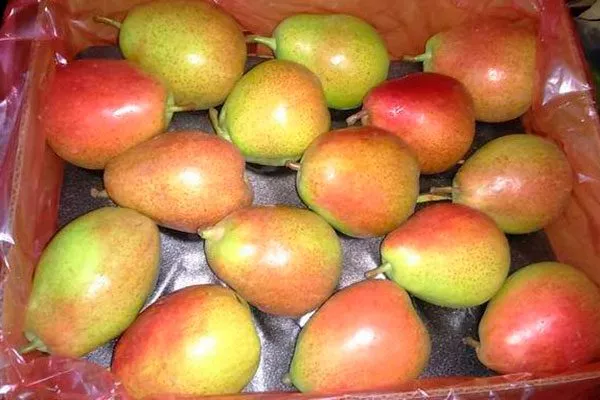
The fruits reach full ripeness in late October. They have a distinctive yellowish hue with attractive red spots. They can be stored in cool places for about a month, and at room temperature they remain fresh for 1.5 to 2 weeks.
Preparing for winter
Despite its high frost resistance, winter protection is required. This is usually done after the leaves have fallen, when the air temperature does not rise above 10°C. Winterization involves two stages:
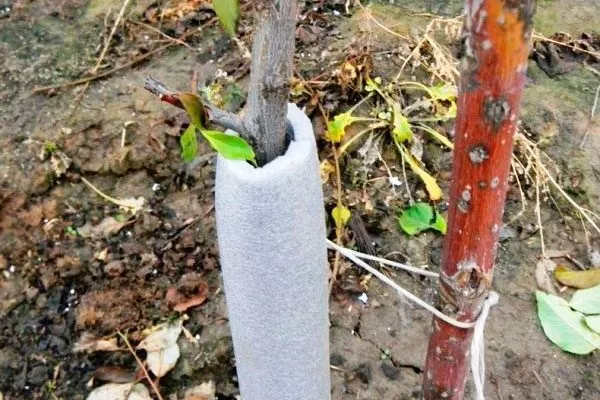
- Wrapping the trunk. Wrap it in a layer of straw, hay, reeds, burlap, or a thick layer of felt. Then tie it tightly with rope to ensure reliable protection from freezing temperatures.
- Covering the root zone. Lay down a layer of mulch made from straw, sawdust, tree bark, or pine needles. This will help retain heat and prevent root frost.
Diseases and pests
The Forel pear is particularly susceptible to disease and pest attacks, so it is important to inspect it regularly to identify problems early and take action to eliminate them.
- In early spring, before the buds open, treat with Bordeaux mixture to prevent fungal diseases.
- After flowering, repeat the treatment with Bordeaux mixture or switch to copper-containing fungicides.
- In the fall, after the leaves have fallen, carry out the final treatment and remove all plant debris.
The most common problems that may arise are:
- Brown spot. It attacks leaves, appearing as irregularly shaped brown spots that spread across the entire crown. To treat, spray plants with Bordeaux mixture in the spring, and collect and destroy last year's foliage.
- Gray rot. It appears as brown spots on foliage and fruit, most often during cold and rainy summers. To combat the disease, collect and destroy fallen leaves.
- Scab. It appears on the underside of leaves as dark green, velvety spots, which can lead to premature crown loss. To combat the disease, spray trees with Bordeaux mixture before flowering.
- Sooty mold. It appears on ovaries or ripening fruits as dark spots and a coating. To combat the fungus, use copper-containing fungicides.
- Powdery mildew. Symptoms include curled leaves, a powdery coating, and deformed fruit. Once the plant is diseased, it cannot be treated and must be destroyed.
- Gall mite. Its presence is characterized by reddish swellings that gradually turn black and dry out. To combat it, use appropriate treatments.
During the season, pear trees can be attacked by various insects, such as aphids, caterpillars, bugs, and weevils. Insecticides can be used to protect plants. Timely spraying with specialized products and proper care will help prevent disease development.
Reviews from summer residents
The Forel pear is characterized by its low maintenance, high yield, and excellent flavor. Despite some drawbacks and the need for protection from diseases and pests, it proves successful even for inexperienced gardeners.