
Thumbelina is a compact pear variety that is frost- and disease-resistant. The tree takes up little space and produces a consistent harvest even in variable climates. The fruit has an excellent sweet flavor, tender, juicy flesh, and a long shelf life. These qualities make it popular among gardeners who value quality and low-maintenance pears.
History of selection and growing regions
The Thumbelina pear variety was bred by Yu. Petrov and N. E. Efimova at the Moscow VSTISP using the method of pollinating hybrid No. 9 (obtained on the basis of the Bere winter Michurin variety) with a number of southern varieties:
- Forest beauty;
- Josephine of Mecheln;
- Triumph of Zhoduan;
- Anjou beauty;
- Duchesse Angoulême;
- Winter decanter;
- Curé;
- Saint Germain.
With proper care, the tree can bear fruit even in the southern regions of Siberia thanks to its high frost resistance.
You can get acquainted with the most popular pear varieties among domestic gardeners Here.
Description
The Thumbelina pear is a mid-late variety. In central Russia, the fruit reaches consumer ripeness by mid-September. In warmer southern regions, ripening occurs earlier, in early autumn.
Tree
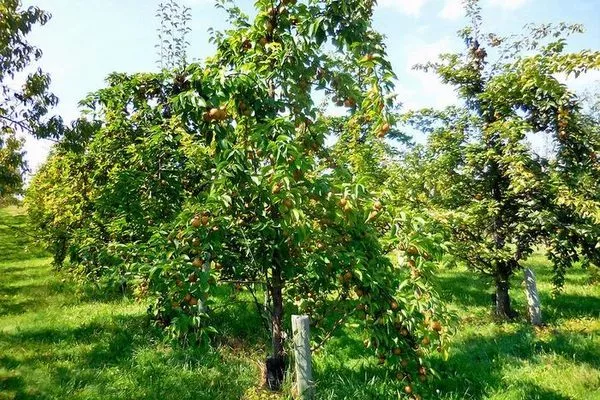
The plant is characterized by its compact size – its height rarely exceeds 1.5-1.7 m. Other distinctive characteristics:
- crown – round, with sparsely spaced branches and moderate growth, not prone to thickening;
- shoots – they extend from the trunk at a right angle, hang down slightly, the bark has a brownish-brown tint;
- leaves - dark green, medium-sized, with a smooth surface and small serrations along the edges.
During flowering, the tree is covered with white double flowers.
Fruit
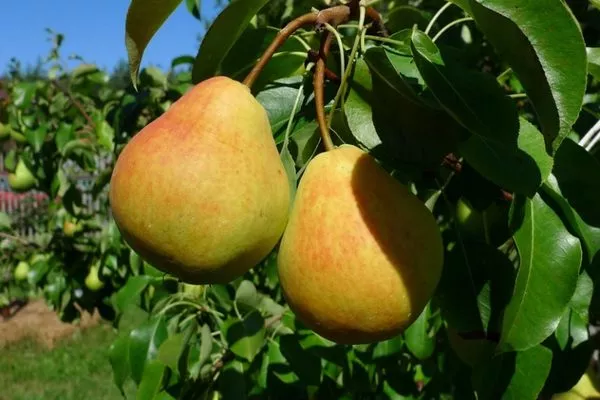
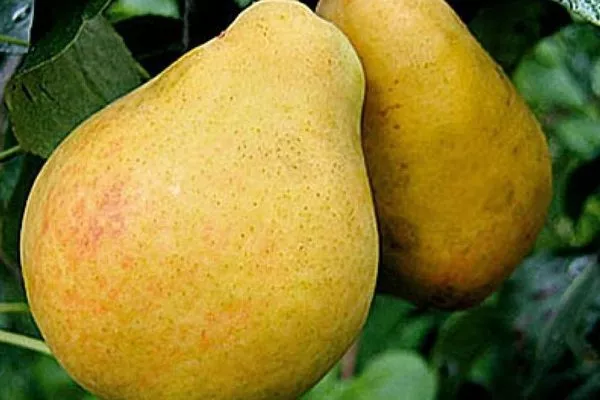
The fruits are a perfect pear-shaped fruit with a slight roundness and weigh approximately 80 g on average. When fully ripe, they turn a rich yellow color with a characteristic golden rust tint and dark tint. A purple blush often appears on the sunny side of the fruit.
Key Features:
- skin – thin but durable, which allows you to easily transport crops over long distances without losing their marketable appearance;
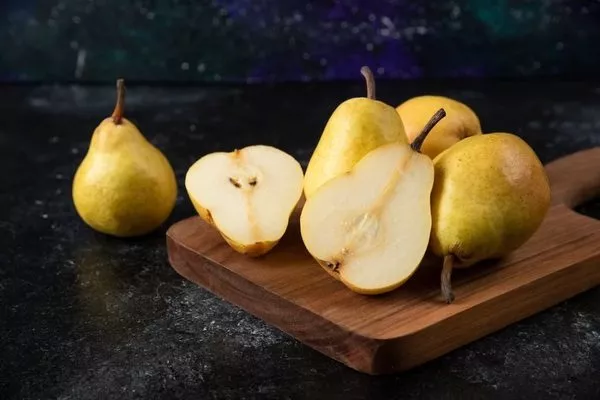
- pulp – juicy, sweet, with a slight yellowish tint, oily texture and no granulation, and the acidity is almost imperceptible;
- aroma – pronounced, pleasant.
Characteristics
Thanks to its high resistance to adverse conditions and its adaptability to various climates, this variety is a favorite among both experienced gardeners and novices. It boasts a robust immune system, reducing the risk of disease and pest infestation.
Drought and frost resistance
Pear seedlings are sensitive to drought: when moisture is deficient, trees lose their immunity, yields decline, and bud drop may occur during flowering. Unlike drought-tolerant varieties such as Naryadnaya, Thumbelina requires regular watering, especially during hot and dry periods.
Pollination and reproduction
It is self-fertile and does not require nearby pollinators, as the tree produces flowers of different sexes. However, to increase yield, gardeners recommend planting varieties with similar flowering periods and good frost resistance nearby.
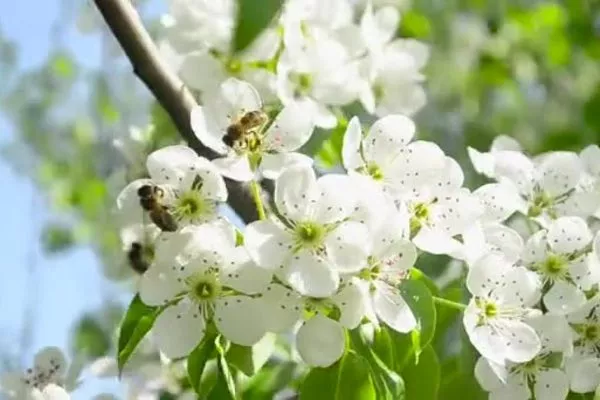
This promotes more intensive cross-pollination and consistent fruiting year after year. The best varieties are considered to be:
- Krasnoyarsk large;
- Veselinka;
- Oil;
- Siberian.
The distance between trees should be approximately 10 meters, but even if suitable pear trees are growing in adjacent plots, this already has a positive effect. Additionally, grafting cuttings onto other varieties can increase the yield and produce new fruit-bearing trees.
Forms and subspecies
The Thumbelina pear, also known as Alyonushka, is most often grown as a standard. Its high frost resistance makes it suitable for planting not only in central regions but also in southern Siberia.
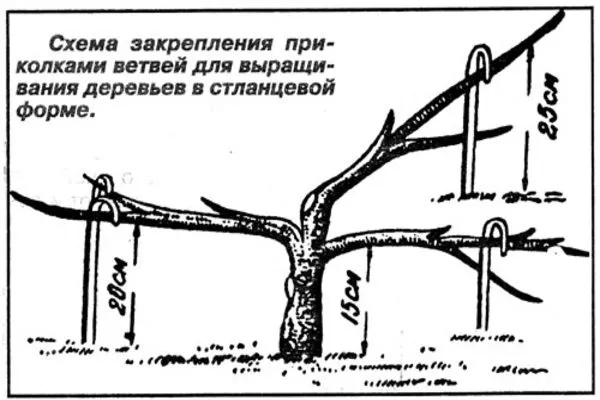
In cold climates, the tree is trained into a creeping form: the branches are carefully bent to the ground, and the trunk is planted at an angle. This planting makes it easier to cover the plant for the winter, especially if complete insulation is required.
Productivity and storage characteristics
The Thumbelina pear is an autumn variety—the fruit reaches technical ripeness around mid-September. Harvesting is recommended between the 15th and 25th of September.
One hectare of planting yields approximately 68 centners of high-quality fruit. While this result isn't exactly a record, the pears' weight and quality make this variety deservedly considered a high-yielding variety, consistently delivering above-average results.
Scope of application
The fruits are prized for their excellent taste and are most often eaten fresh. They are also used:
- for preservation;
- juice preparation;
- as a filling for baked goods.
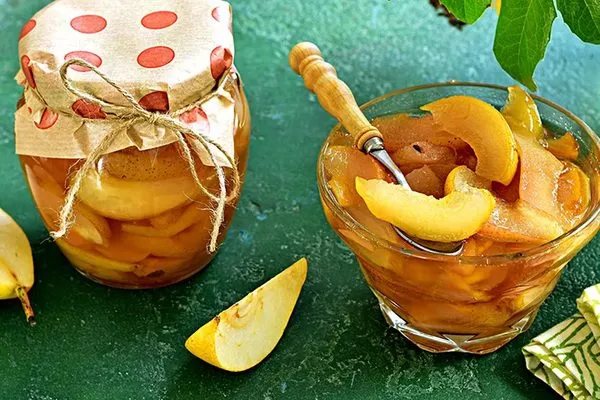
Juicy, sweet and aromatic fruits are perfect for a variety of desserts and culinary dishes.
Optimal conditions for growing
For successful crop cultivation, it's important to select the right soil composition. A neutral, fertile, well-drained, and breathable sandy loam is considered optimal.
The planting site should be protected from winds and drafts, and the groundwater level should be no closer than 2-2.5 m from the surface, so that the roots do not suffer from excess moisture.
Landing
Growing the Thumbelina pear isn't difficult. The key is choosing a suitable site, planting the seedling according to specific guidelines, and providing proper care. No experience or specific knowledge is required. You can learn all the nuances of planting a fruit tree here. Here.
Deadlines
Pear seedlings can be planted in either spring or fall, but the timing depends on the region's climate. In the southern and southeastern regions, fall planting in September or October is preferable—the tree has time to establish itself well before the cold weather sets in.
Selecting a site and preparing the soil
Despite the variety's frost resistance, seedlings require placement in areas protected from cold winds and well-lit. Key requirements:
- A south or southeast facing garden, free from drafts, is considered ideal. Strong gusts of wind during frosts can damage the bark, causing cracks and frostbite. These areas can also promote gum flow (sap leakage), as well as the penetration of pathogenic bacteria, fungi, and pests.

- It's important that the groundwater level isn't too low, and that the site isn't waterlogged. Excess moisture can lead to root rot, although the variety requires adequate moisture.
- Proper soil preparation is essential for successful rooting of seedlings. Mix the topsoil with equal parts sand and peat, then add one part each of humus, manure, and compost.
Fill the dug hole about a third full with the resulting mixture and moisten it thoroughly. It's best to do this preparatory work at least two weeks before planting.
Selection and preparation of seedlings
Although the plant has long been included in the State Register and has passed state testing, planting material has not yet become widely available. Therefore, it is recommended to purchase standard plants only from reputable garden stores or specialized nurseries, paying attention to the following criteria:
- the root system is well developed, with 4-5 or more lateral roots in addition to the main one, without signs of damage or wilting;
- the optimal age of a tree is 1.5-2 years, which increases the likelihood of successful rooting;
- The plant has about 5-6 well-developed branches, in addition to the central trunk.
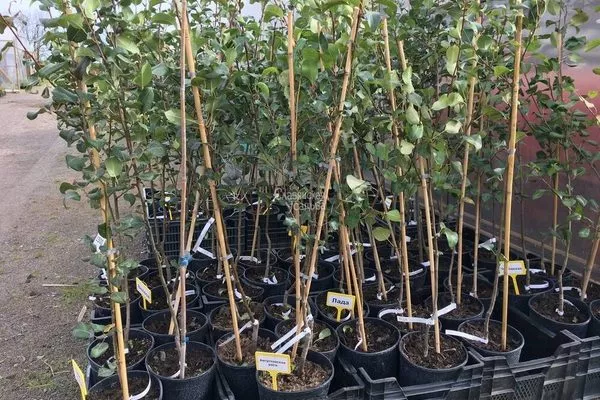 When purchasing a container-grown seedling, the leaves should be healthy, free of disease and pests. Before planting, soak the roots in water for 1-2 hours, then treat them with a mash—a clay solution with a small amount of mullein added.
Many gardeners use special preparations to stimulate rooting and increase the viability of seedlings.
Work algorithm
Growing the Thumbelina pear variety isn't particularly difficult, but it's important to follow a few key guidelines. Key recommendations:
- Before placing the seedling in the hole, drive in a wooden stake to which you will later tie the trunk.
- Carefully place the roots on the mound of earth inside the hole, spreading them out evenly.
- Fill with soil, slightly lifting the tree so that the soil evenly fills the space between the roots, and compact thoroughly.
- After planting, water the plant using about 20 liters of water per plant.
- After watering, mulch the tree trunk area with sawdust or peat - this will prevent weed growth and slow down moisture evaporation.
Pay attention to the correct planting depth—the root collar should be 5-7 cm above the soil level. This will help prevent trunk rot due to constant moisture.
Care
Proper replanting is an important step in agricultural management, but for successful fruiting, the tree requires regular and competent care. The key is to follow standard care procedures to ensure consistent high productivity.
Watering and fertilizing
For the Thumbelina pear variety, regular watering is vital, as the seedlings do not tolerate dry soil, but excess moisture is also harmful.

Basic watering recommendations:
- After a snowy winter or rainy spring, water the tree only before the fruit begins to form.
- If there is no precipitation, irrigate before budding.
- In dry summers, the plant needs to be watered twice a month with 20-30 liters of water.
Apply fertilizer approximately every three years, paying particular attention to the period when fruiting begins—usually in the sixth year after planting. During the flowering phase, add saltpeter to the trunk area and water thoroughly. You can also use urea. You can find more information on fertilizing pears here. Here.
During fruit set, fertilizing with Kafor is beneficial. During fruit ripening, apply magnesium sulfate, and in the fall, before frost, fertilize with organic matter such as manure, compost, or humus.
Trimming
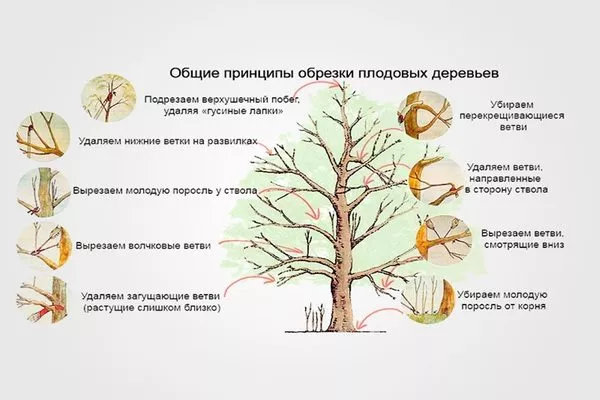
Unlike many other fruit crops, the Thumbelina pear variety does not require formative pruning. Subsequently, only sanitary pruning should be performed on the seedlings, removing damaged or diseased branches.
Whitewash
In early spring and late fall, it is recommended to whitewash the pear tree's trunk and skeletal branches with lime mortar. This treatment protects the bark from sunburn and winter frosts.
Lime also acts as a preventative against diseases and pests, as it contains substances that can destroy bacteria, fungi, and insect larvae that often overwinter in tree bark.
Preparing for winter
The hybrid is characterized by high frost resistance: mature trees can withstand temperatures down to -38°C without shelter. Young seedlings up to 4-5 years old are recommended to be protected by insulating material such as burlap, synthetic padding, or another suitable covering.
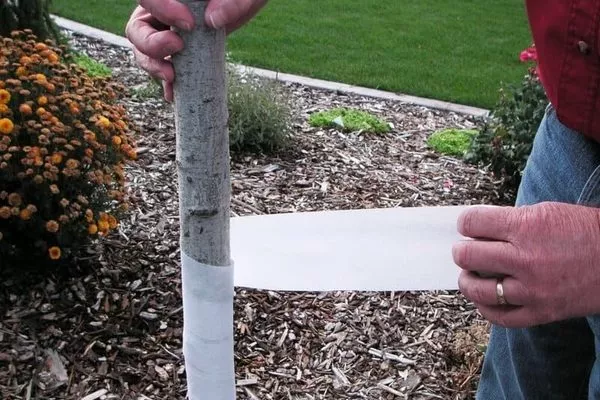
To prepare for winter, it is necessary to carry out several important measures:
- whitewash a tree;
- water generously a month before the first frost;
- dig up the soil in the tree trunk circle;
- mulch with wood shavings, peat or spruce branches.
Don't forget to add organic fertilizers to support plant health during the cold period.
How can you increase fruiting?
Although the Thumbelina pear variety has a compact growth habit, a single tree can yield a fairly large harvest—approximately 15-25 kg of fruit. To increase yields without planting additional trunks, gardeners often graft the scion onto the rootstock of another fruit tree with a taller, wider crown. Read on for instructions on how to graft correctly. Here.
The variety begins bearing fruit approximately six years after planting, and by the seventh or eighth year, it reaches its maximum productivity, as specified in the description. The active fruiting period lasts approximately 11-15 years.
Diseases and pests
Scab is the most common disease of fruit trees, but the Thumbelina pear is highly resistant to this fungal infection and is rarely affected.
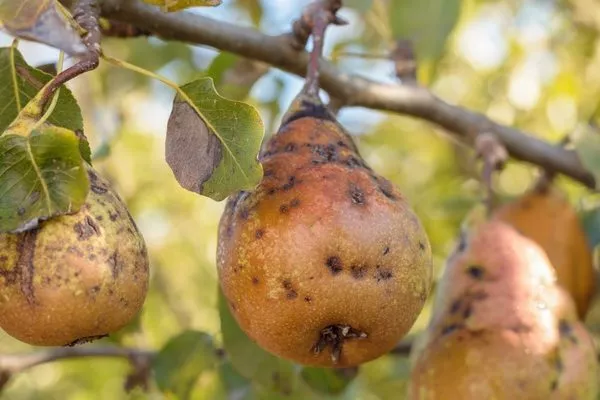
However, the variety may suffer from other diseases:
- Powdery mildew. It appears as a gray coating on the branches and crown. Use Fundazol or Sulfite to control it.
- Black crayfish. It attacks the bark, starting with corrosion and leading to deep wounds if left untreated. Treat with copper sulfate, and in the fall, cover the affected areas with soda varnish, and burn the leaves and dry branches.
- Moniliosis. It causes pears to rot, and if they remain on the tree, the infection spreads. If infected fruit is discovered, remove them and spray the tree with Bordeaux mixture.
The main pest threat is the gall mite. For prevention, use Inta-Vir insecticide in early spring and colloidal sulfur before fruit formation.
Pros and cons
The Thumbelina pear is prized primarily for its excellent flavor. The variety also offers a number of other advantages:
The disadvantages of the variety include:
Reviews
The Thumbelina pear combines good productivity and resistance to adverse conditions, ensuring a consistent harvest for many years. It's suitable for growing in a variety of regions and boasts a vibrant flavor. The fruit stores well, making it suitable for both fresh consumption and canning.