
The Deveji pear, also known as Devesi or Deveci in English, is distinguished by its exceptionally pronounced aroma, which lingers for several meters after cutting. Another distinctive feature is the pear's small size, making it particularly convenient for snacking and eating alone.
History of origin
Turkish scientists were involved in breeding, but exact dates and other details are not available anywhere. The crop's main enemy is alkaline and excessively calcareous soil. It has poor resistance to bacterial diseases.
Varietal characteristics
Deveji is not particularly tolerant of cold climates, extreme cold, or winter frosts. The maximum temperature at which the fruits, roots, and buds will not freeze is -18-20 degrees Celsius.
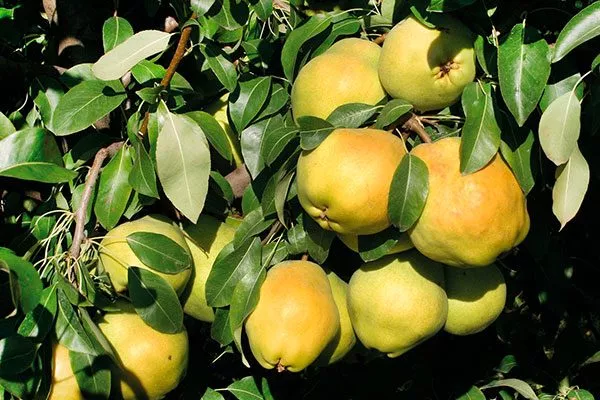
The tree is characterized by a broad pyramidal crown and a height of up to 450-500 cm. The leaves are ovoid and a classic green hue. The bark of the shoots and trunk is dark brown.
Characteristics of pears and chemical composition
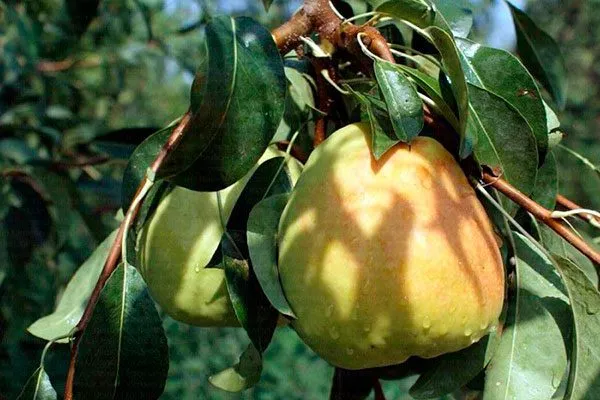
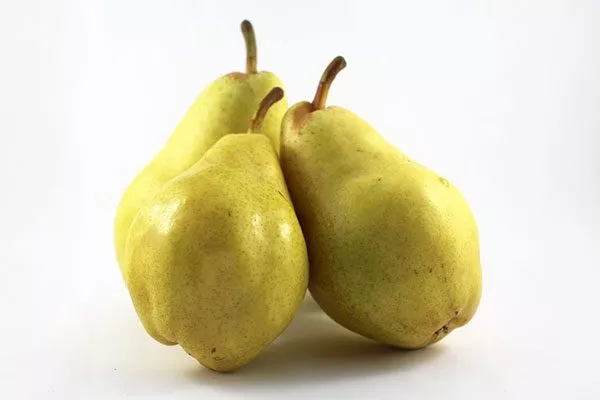
The fruits are quite small – their weight varies from 180 to 360 g. There are also other individual characteristics:
- form - ovoid and not too pear-shaped;
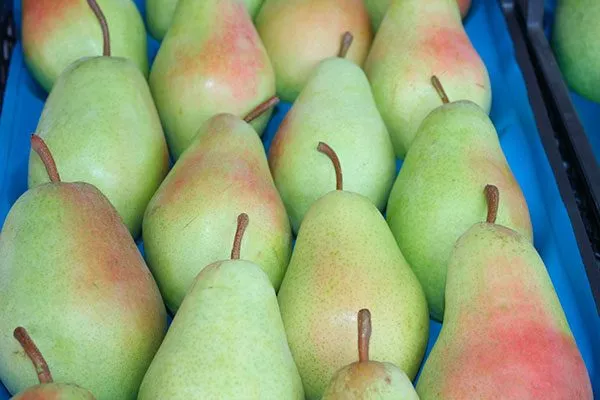
- skin tone – yellow-green with a slightly reddish veil on one side;
- peel – refined, without rustiness;
- pulp – crunches when bitten, juicy, white;
- texture – tender, melting.
- ✓ High sensitivity to bacterial infections requires regular preventive treatments.
- ✓ The need for pollinators for successful fruiting.
Pear is a source of many useful elements, including arbutin, pectin, folic acid, beta-carotene, vitamins A, B1, B2, B5, B6, B9, C, E, K, H and PP, as well as essential minerals: potassium, calcium, magnesium, zinc, selenium, copper, manganese, iron, sulfur, iodine, fluorine, phosphorus and sodium.
The fiber found in pears helps normalize bowel function, but it's important to note that firm and slightly astringent pears (not fully ripe) have a constipating effect. Therefore, people prone to constipation should exercise caution when consuming them.
Pollinators
| Name | Disease resistance | Ripening period | Soil requirements |
|---|---|---|---|
| Akça | High | Early | Neutral soils |
| Precoce Morettini | Average | Average | Slightly acidic soils |
| Williams | Low | Late | Neutral soils |
For successful pollination of a variety that is not self-pollinating, certain pollinating donors are required, among which the Akça, Precoce Morettini and Williams varieties are worth mentioning.
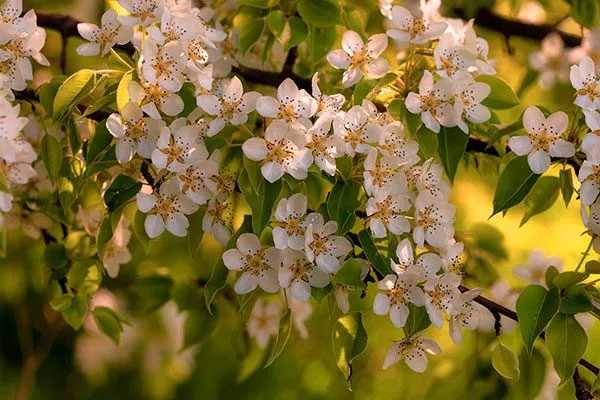
Ripening and fruiting
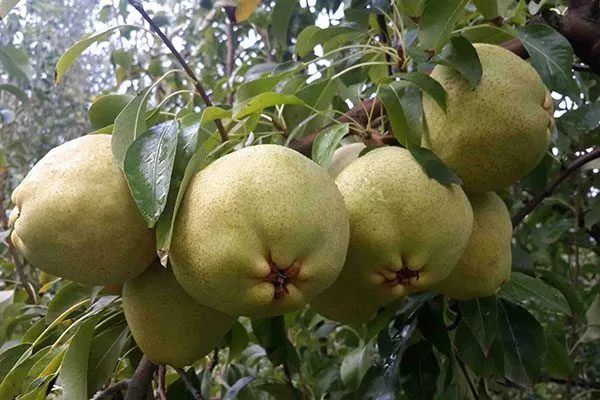
The fruits of this type of pear ripen after October 15th, and the yield can be up to 55-65 kg from one tree.
Growing and care
The Deveji pear variety requires specific conditions for successful cultivation. To ensure good growth and fruit production, it needs sunny locations and well-drained soil.
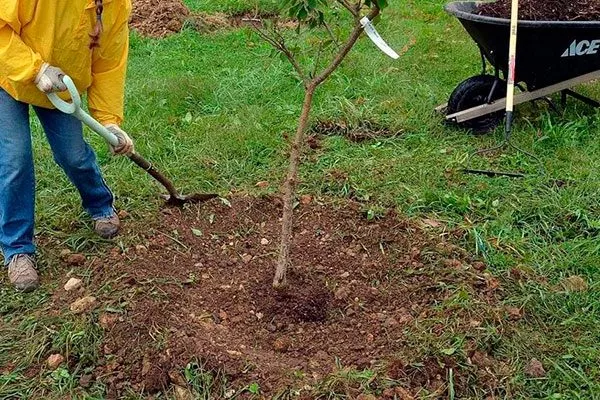
Other planting/care features:
- This variety prefers slightly acidic or neutral soils and does not tolerate soils with a high lime content, so it is recommended to avoid alkaline and calcareous soils in favor of permeable ones.
- Planting is best done in spring or fall. This gives the tree a chance to establish roots and prepare for winter.
- The distance between planted trees should be at least 5-6 m, which will provide enough space for the development of their crowns.
- To maintain the required level of humidity in the trunk area, it is necessary to organize watering every 10-15 days, especially during the period of intensive development and the fruiting phase.
- After flowering, feed the trees with organic fertilizer annually, which will provide them with the necessary nutrients for fruit production and plant strength.
- To shape the crown and maintain the tree's health, prune in late winter or early spring, before the growing season begins. Remove damaged, diseased, or crossing branches to ensure adequate air circulation and light penetration.
Collection times and storage rules
Pears begin to bear fruit in the third ten days of October, and the harvest can last up to seven months after picking. Harvest times may vary depending on the climate of a particular region. Ideally, the fruit should be picked when ripe, when they reach their peak sweetness and juiciness.
Important points:
- The optimal humidity level in the storage room is around 88-90% to prevent the fruit from drying out. To achieve the required humidity level, you can use special containers or packaging to help retain moisture.
- Time must be taken into account. Therefore, it is recommended to periodically check the condition of the fruit and use it in your diet within the storage period.
- Proper placement of pears in the refrigerator is also important. It's best to place the fruit on the lower shelves to avoid direct contact with the cold walls and prevent possible damage to their structure.
Reviews
The Devedsi pear is a crisp, juicy fruit with a long shelf life and exceptional aroma. Therefore, its pulp makes delicious compotes and jams, pie fillings, and even homemade wine. However, there are some downsides: pollinators and preventative treatments against bacterial diseases are required.