
After planting a pear tree in the garden, gardeners should be aware that it can be susceptible to various diseases that can lead to plant death. To prevent the development of disease, it is necessary to take timely preventative measures. This article discusses the symptoms of these diseases and how to combat them.
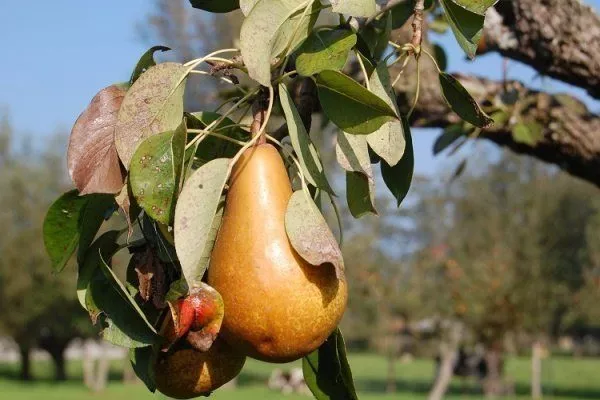
Bacterial infections
Bacterial infections can affect trees of any age. Sometimes, a universal treatment may not be effective, so many gardeners resort to specific control methods.
| Name | Disease resistance | Ripening period | Productivity |
|---|---|---|---|
| Bark cancer | Low | Late | Average |
| Root cancer | Average | Average | High |
| Fire blight | High | Early | Low |
Bark cancer
A disease that affects the pear root. It is caused by the bacterium Pseudomonas syringae. In the spring, brown spots appear on the buds and bark of branches, and young shoots and leaves turn black and dry out. Black spots appear on the leaves, which crack along the edges. The bark becomes blistered, and the wood rots, which eventually leads to the death of the tree.
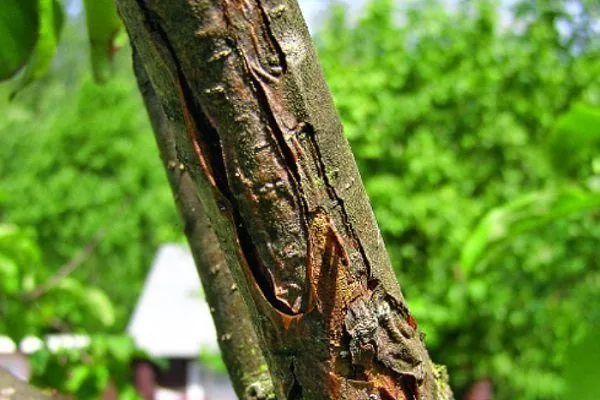
To combat the disease, prune affected branches, remove dead trees, disinfect cuts with 1% copper sulfate, and seal them with oil-based paint. Spraying the plant with copper-containing products is an equally effective solution.
Root cancer
Bacterial root canker affects pear trees, indicated by growths and galls on the roots. The growths typically appear on lateral roots and the root collar, causing a rough surface. In the fall, the growths rot and disintegrate, releasing numerous bacteria that penetrate the soil and persist for several years. The disease is caused by the rod-shaped bacterium Agrobacterium tumefaciens stevens.
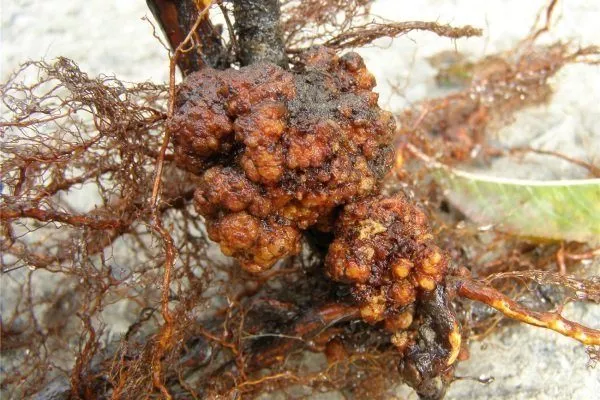
Control measures include culling seedlings with growths on the central root or root collar and pruning lateral roots with growths. Disinfect the trimmed roots for five minutes in a copper sulfate solution at a rate of 100 g per 10 liters of water. Then, be sure to rinse with clean water. Apply phosphorus-potassium mineral fertilizers to the soil.
Fire blight
Fire blight is a stem disease that causes the leaves of the pear tree to turn black. The first signs appear during the pear tree's flowering period: flowers wilt and darken, and the leaves become black and curled. Later, the inflorescences shrivel and turn brown. The causative agent, an insect-borne bacterium, spreads through the air with gusts of wind and rain. The disease spreads rapidly, potentially killing young plants.
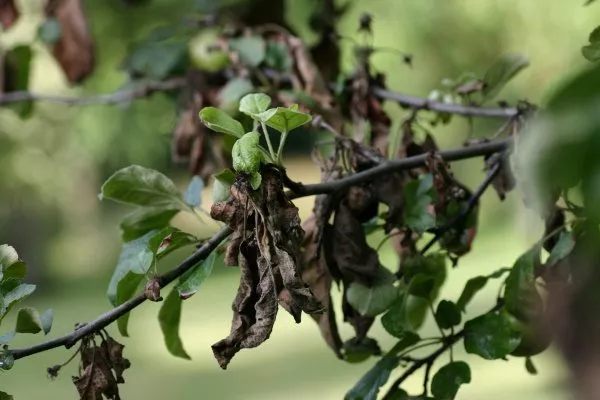
Treatment is based on a comprehensive approach. Immediately remove diseased branches, cutting off about 20 cm of healthy growth. Destroy infected shoots as far away from the garden as possible. Disinfect all pruning tools after pruning.
Mushrooms
Fungal diseases often affect the bark and fruit of pear trees. Once identified, gardeners should immediately begin treatment and preventative measures for the plant and its neighbors to prevent the spread of infection.
| Name | Disease resistance | Ripening period | Productivity |
|---|---|---|---|
| Sooty mold | Average | Average | Average |
| Scab | Low | Late | High |
| Fruit rot | High | Early | Low |
Sooty mold
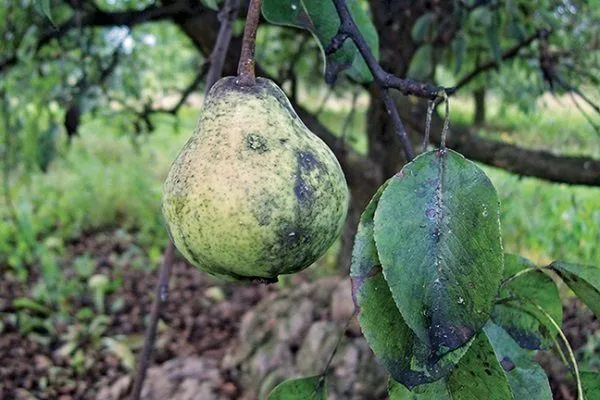
A fruit disease characterized by a black coating on the leaves, giving them a sooty appearance. The disease is spread by the secretions of the pear psyllid. It is caused by a fungus that most often appears after flowering or during fruit ripening. Pears affected by this disease become unattractive and tasteless. Prolonged presence of the fungus on the tree causes slow shoot development, reduced yield, and leaf dieback.
To prevent the problem, water the plant more frequently, apply mineral fertilizers periodically, and frequently treat the trees for pests. To treat, kill the pear psyllid: spray the plant with 1% Bordeaux mixture, 1% copper sulfate solution, or copper oxychloride.
Scab
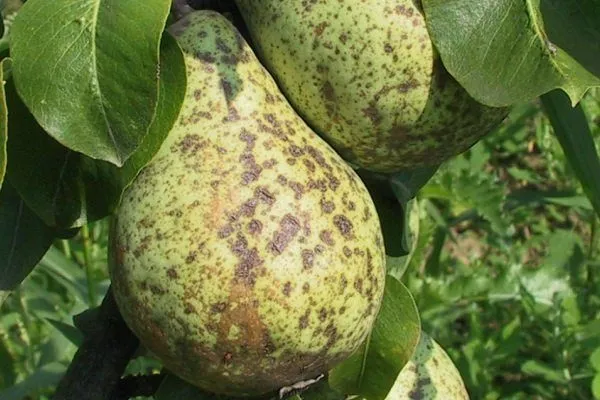
A fruit disease caused by the fungus Venturia pirina. The fungus spreads due to high humidity and poor wind circulation. It often attacks weak plants. Scab can also strike during flowering. Round, brown spots form on the fruit. These can coalesce to form a single, large necrotic lesion, resembling warts. The fruit skin begins to crack.
For prevention, follow these recommendations:
- Plant the plants in a high, wind-drained location.
- Monitor the condition of the trees and apply mineral fertilizers.
- Place supports under the branches to prevent them from breaking under the weight.
- Periodically thin out the crown and trim off excess branches.
- During the fruiting period, remove fallen fruits immediately.
To combat the disease, treat trees with copper-containing preparations in early spring before bud break. Use the following products: Abiga-Peak, Bordeaux mixture, Skor, Raek, and Horus.
Fruit rot
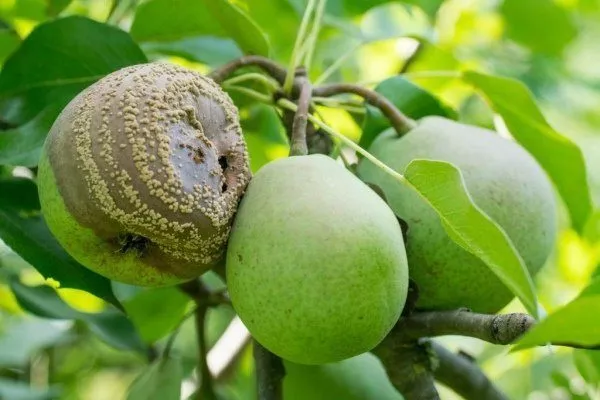
The disease is caused by the fungus Monilla fructigena Pers ex Fr, which spreads by wind and insect wings. Damaged fruits are most susceptible to the disease. The fruit begins to rot, developing round growths containing fungal spores. Brown spots often appear, which can cover the entire fruit. The flesh becomes soft, and the flavor deteriorates.
To prevent problems, periodically apply mineral fertilizers, collect fallen fruit and any diseased fruit still hanging on the tree. Treat the trees for pests, thin the crown, and remove dead branches.
To treat the disease, treat the trees with copper-containing products such as Bordeaux mixture, Abiga-Peak, or Horus. At the beginning and end of the season, apply lime powder to the plants at a rate of 1 kg of lime per 10 liters of water.
Cytosporosis
A stem disease caused by the fungus Cytospora leucostoma. Reddish-brown lesions appear on the trunk, which eventually causes the bark to dry out. This leads to the tree gradually drying out and dying.
To prevent this, prune branches regularly, eliminate pests promptly, and collect and burn fallen leaves. Cytosporosis is difficult to control. First, cut off the affected area of bark, coat the cut with copper sulfate, and then apply clay.
Black crayfish
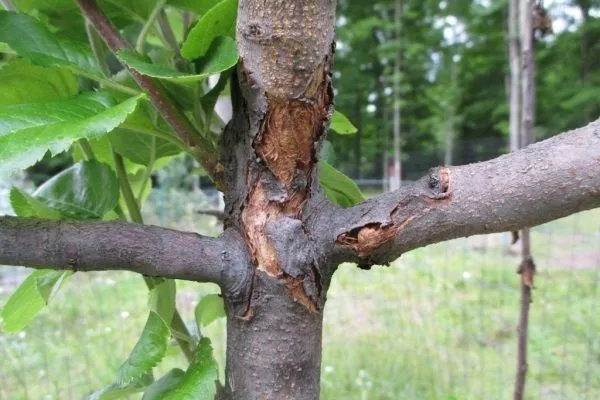
The manifestation of this stem disease can drag on for several years. During the process, the bark of the trunk and skeletal branches is affected, with cracks forming and rapidly increasing in size, and the bark gradually breaking apart. Brown spots appear along the edges of the cracks. The disease is caused by the fungus Shaeropsis malorum. Black canker most often spreads in the summer.
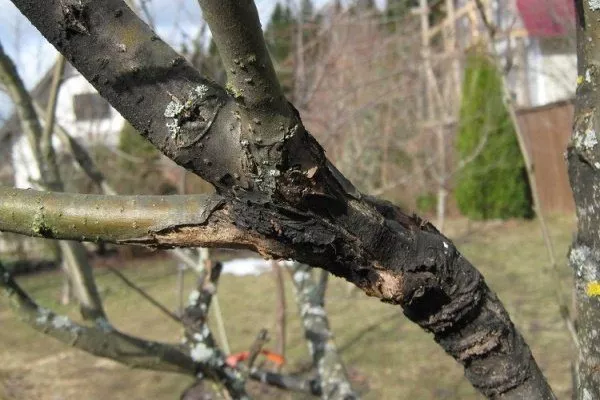
To prevent the disease, it's recommended to apply mineral fertilizers more frequently, keep the garden clean, thin out the tree's crown, and remove dead branches and fallen leaves. Treating the disease is simple: cut away the bark with a sharp knife, cutting off a portion of the healthy bark. After cutting, treat the wound with copper sulfate and seal it with clay mixed with mullein.
Powdery mildew
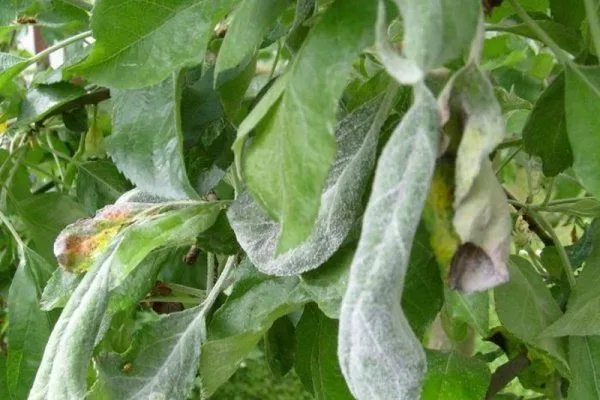
A foliar disease caused by a fungus. Spores spread rapidly, especially in humid weather. They are often spread by wind, water, garden tools, and pests. A white coating forms on the leaves, which begin to wilt and fall off. Ultimately, the entire plant dies if the disease is not treated promptly.
For prevention, follow these recommendations:
- Do not plant trees close to each other.
- Fight pests in a timely manner.
- Water the plant and apply mineral fertilizers.
- Remove fallen leaves promptly.
For treatment, use Topaz, dissolving 2 ml in 10 liters of water. Apply the solution to the foliage in dry, windless weather. Treat the pear tree twice: before and after flowering.
Drying of branches
This disease manifests itself in midsummer. On affected branches, foliage begins to curl, and the color becomes dull. By the end of summer, some leaves on the tree dry out completely. On dried branches, the leaves take on a red tint and become covered with spore-smeared pimples.
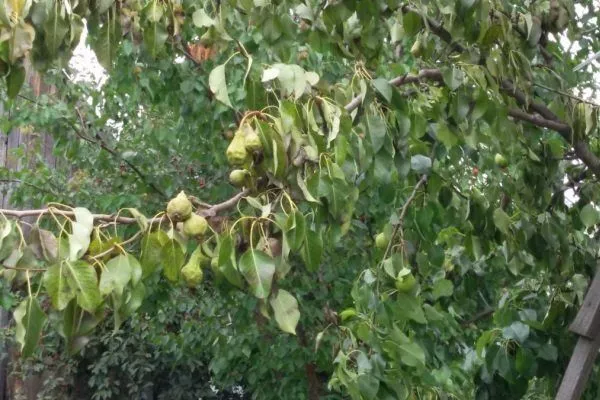
Fighting the disease is simple: cut off the infected parts of the tree and treat the cuts with preparations containing copper.
White spot (septoria)
A fungal foliar disease that causes spots to appear on the leaf blade. In the early stages of the disease, white or yellow spots appear, but over time, they darken, turning brown. The first signs often appear in late spring. If left untreated, foliage will begin to fall, which can weaken the plants and significantly reduce their resistance to cold.
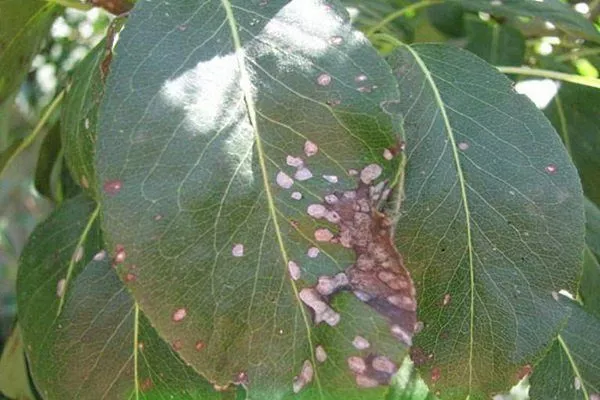
As a preventative measure, be sure to collect fallen leaves and burn them. For treatment, spray early in the spring with a nitrafen solution (dilute 3 g of the solution in 10 liters of water). You can also use a 1% Bordeaux mixture. Spray twice a season: at the beginning of bud break, after bud break, and after flowering.
Phyllostictosis
A foliar disease that appears in the second half of summer. It is caused by fungal spores. Small spots appear on the leaves, which eventually become covered with black pycnidia containing fungal sporulation. High humidity promotes the disease, causing premature foliage drop, depriving the tree of adequate nutrition.
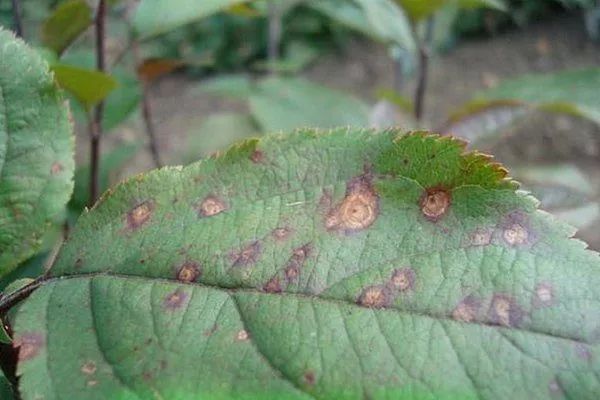
Experienced gardeners recommend spraying pear trees with a 1% Bordeaux mixture solution. This procedure is performed before bud break.
European crayfish
A stem disease caused by a fungus. It attacks trunks and branches, causing abnormal thickening and cracks, sometimes reaching the tree's core. In affected areas, the bark begins to darken and then crack. These symptoms lead to the formation of cankers.
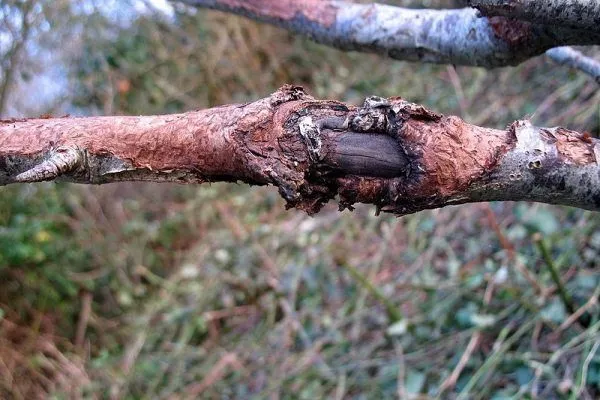
As a preventative measure, apply mineral fertilizers more frequently, keep the area clean, thin the plant's crown, and remove dead branches and fallen leaves. Treat European canker as follows: trim the bark to cover about 20 cm of healthy bark. Treat the wound with copper sulfate.
- ✓ Check soil pH before planting (optimal range 6.0-6.5).
- ✓ Use of only certified seedlings free from bacterial infections.
Viral infections
Viral infections are caused by a pathogen that penetrates a cell, infecting all living things. The virus has a detrimental effect on the plant, leading to its death. Viruses are transmitted by single-celled organisms, nematodes, fungi, and insects.
Mosaicism
A foliar disease that causes leaf discoloration. Lighter spots appear on the leaves. Veins then begin to yellow, followed by yellow spots—a sign of yellow mosaic virus infection. The disease is most often caused by aphids, but the infection can also spread through pollen or through damaged bark. This leads to leaf dieback and reduced yield.
- ✓ The appearance of mosaic patterns on leaves that are not associated with a lack of nutrients.
- ✓ Sudden wilting of a plant without apparent reason.
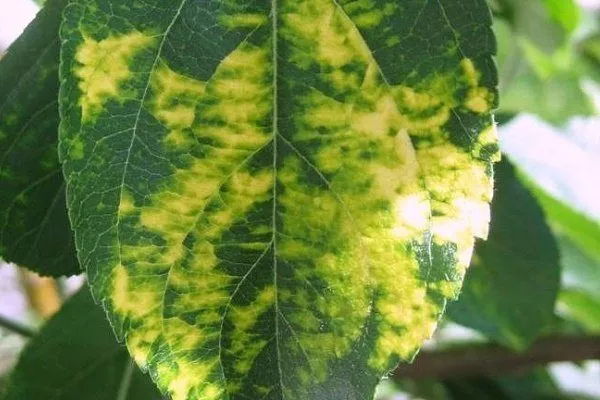
There is only one way to combat the disease: uprooting the trees.
Viral spotting
A viral disease that reduces yield. Viral spot also causes the fruit to become hard and lose flavor. A dent forms in the affected area, causing the pear to become deformed and unsightly. White spots appear on the leaves, causing them to dry out quickly. Cracks also appear in the branches and trunk of the plant. Viral spot is transmitted by sap-feeding insects, such as aphids and psyllids.
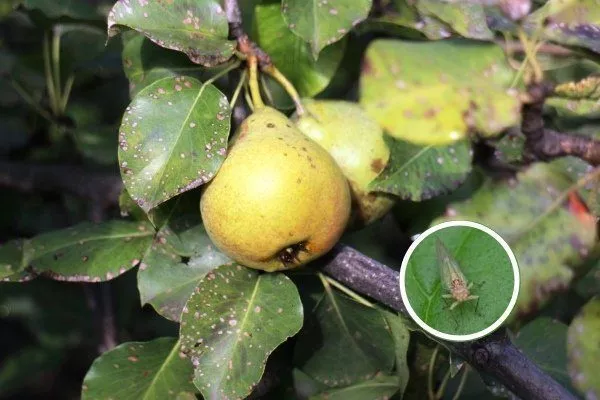
Disease control involves uprooting and burning the plants. For prevention, spray:
- in spring, spray “bare” trees with Nutrofen;
- Before flowering, spray the plant with Zineb or a 0.4% copper oxychloride solution;
- after flowering, the procedure is carried out using 1% Bordeaux mixture;
- repeat the same treatment as after flowering after 2-3 weeks.
In the early stages of the disease and for preventative purposes, antiviral medications can be used. Dig up and burn the affected plant.
Fruit stoniness
This is a fruit viral disease caused by the pear stony pit virus. The pathogen persists for a long time in infected fruit tree wood. Cracks begin to appear in the bark of branches, eventually spreading to the leaf blades (where the veins turn yellow). Gradually, the fruits become small and irregularly shaped, their flesh filled with numerous hard cells. These fruits are unpalatable—they have no flavor.
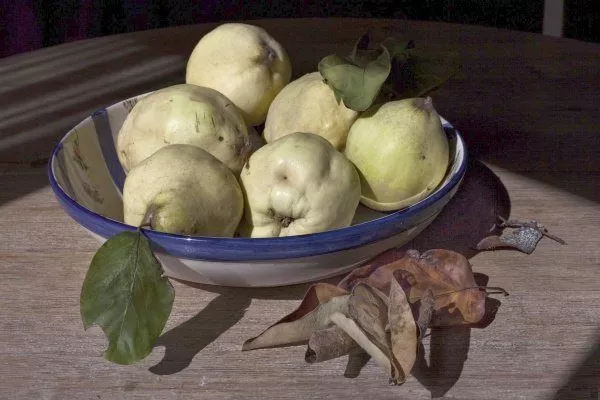
Treatment is complex. If numerous fruits are affected, it's best to remove the tree from the area. Plant a new pear tree in a different location.
Witch's broom
A fruit disease that causes numerous thin shoots to grow, forming a dense, rounded cluster on the branches. The shoots bear underdeveloped leaves, which soon begin to curl and fall off.
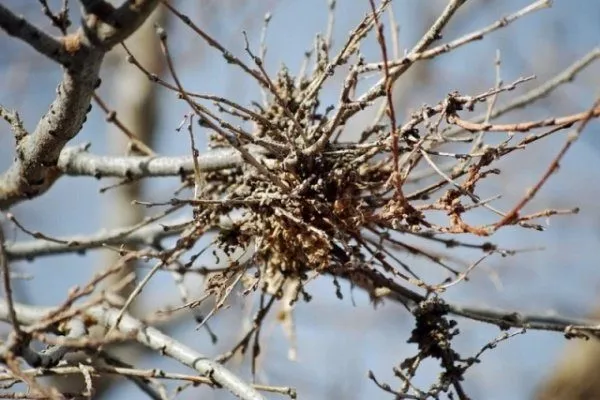
This disease is incurable, so the plant will die. It is uprooted and burned. There is still no definitive information as to why the pear tree suffers from this disease.
Grooving of wood
This viral disease typically affects young plants 2-3 years old. Frost-like cracks appear in the bark. These cracks allow infection to penetrate, disrupting communication between the roots and leaves. Foliage curls, branches dry out, and development and growth are slowed. This leads to leaf curling, and the tree fails to set fruit.
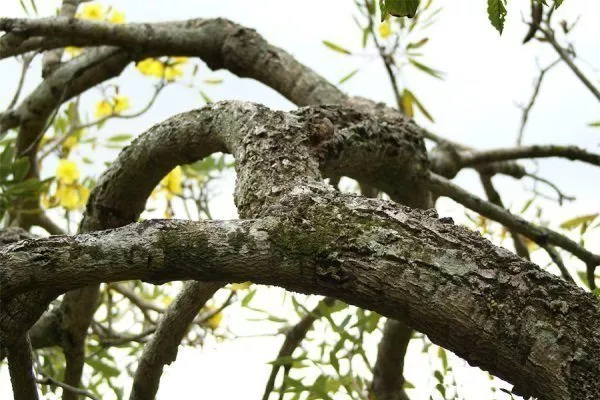
It is almost impossible to treat striation, so the rational solution is to remove the tree along with its roots and burn it.
Parasites
Pear trees are often attacked by pests. If pest control is not initiated promptly, not only the harvest but also the plant itself will be lost.
Hawthorn
This attractive insect is a butterfly capable of quickly stripping a tree of not only all its foliage and flowers, but also its fruit buds, leaving the branches bare. The pest typically attacks the plant in late autumn. Signs include curled, dry leaves covered in webbing—the caterpillars of the hawthorn moth are building their wintering nests.
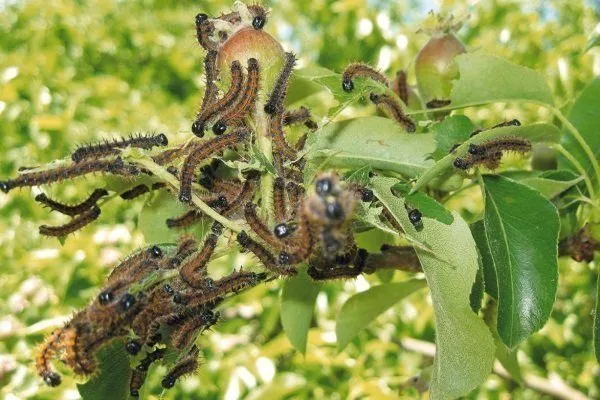
Treating the tree with insecticides and regularly turning the soil will help get rid of pests. If you're unable to prevent the butterflies from appearing, hand-pick them from the weeds where they roost.
Gray aphid
Gray aphids are considered one of the most dangerous pests. They are found almost everywhere, damaging vegetation by feeding on its sap, which deprives the plant of adequate nutrition. This leads to stunted development and growth, and ultimately, the tree wilts and dies. Large colonies of aphids pose a significant threat, as they can completely cover branches. When shoots and twigs are affected by aphids, a sticky coating forms on them. Ants are the vectors of aphids.
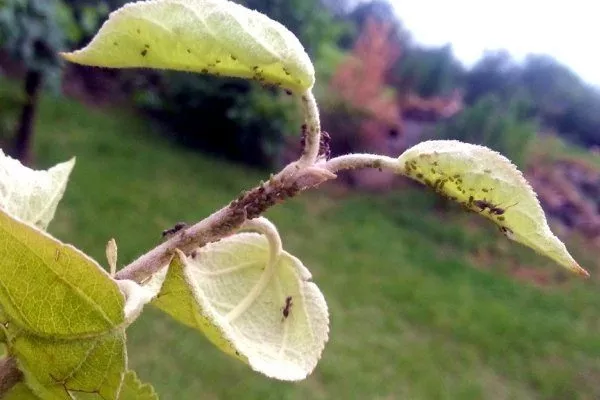
To control aphids, spray the plant with mineral oil preparations or a mixture of kerosene and diesel fuel in early spring—this prevents the larvae from hatching. Apply insecticides after the new larvae hatch and before the winged females emerge.
Barkwood
The bark beetle is a dangerous pest capable of causing irreparable damage to a farm. The larvae and beetles feed on the bark of trunks and large branches and can also infest healthy plants. Bark beetle larvae live in the bark of plants, creating numerous tunnels.
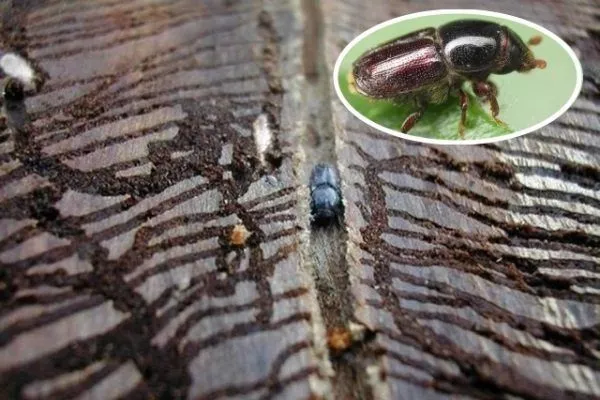
In the spring, when the pear tree blossoms, pupation occurs. Pathogenic microorganisms, fungi, and bacteria enter the plant through these holes, causing secondary diseases. The beetles chew away areas in the forks of branches and around buds. The buds and young shoots die.
To prevent pests, keep the area clean, trim dead and damaged branches, and then burn them. Apply organic and mineral fertilizers regularly, and whitewash the trunks and bases of skeletal shoots. To control pests, use chemical insecticides. Apply two treatments during the growing season: after flowering and two weeks later. Recommended treatments include Aktara, Mospilan, Confidor, and Vector.
Pear blossom weevil
The pear blossom weevil is a gray-brown-bodied weevil that feeds on leaves. It lays eggs in the first half of autumn, and the first larvae emerge in early April, gnawing out the buds from the inside. This causes the plant to stop blooming, which in turn leads to fruiting.
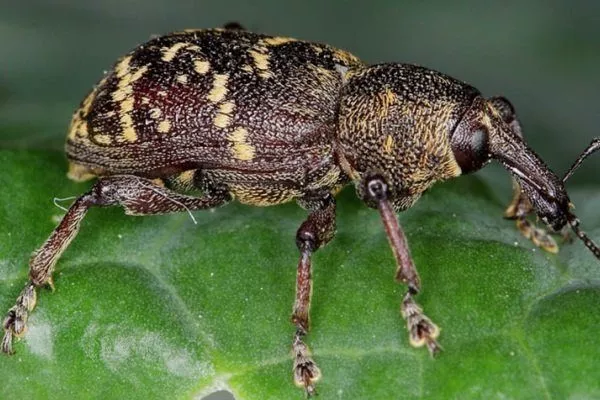
To control the pest, follow these steps: destroy the larvae by removing damaged buds (dry, brownish). Spread a cloth or plastic film under the tree and gently shake off the adult larvae. Use chemicals such as organophosphates and insecticides. Gardeners also recommend biological pesticides (Actellic, Tanrek, Akarin, Fufanon).
Apple comma scale
Scale insect larvae attach to the tree trunk and suck the sap from the bark. This occurs throughout the spring and summer. This results in stunted pear tree development and the death of branches and young shoots.
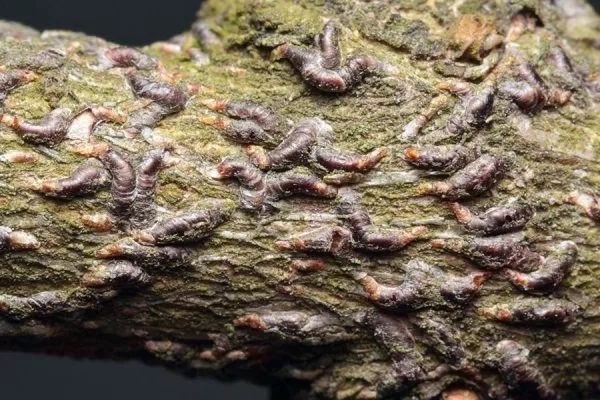
Get rid of scale insects in the spring: remove old, dead bark using a wire brush soaked in a solution of wood ash and tar soap (200 g and 50 g per bucket of water). Before bud break, treat the tree with organophosphorus insecticides such as Fosfamide or Actellic.
Apple blossom weevil
This is a small brown beetle that damages pear buds. In the fall, the pest lays eggs in the plant's buds. The blossom beetle overwinters inside the buds and begins to eat them in the spring. This causes the buds to fail to open.
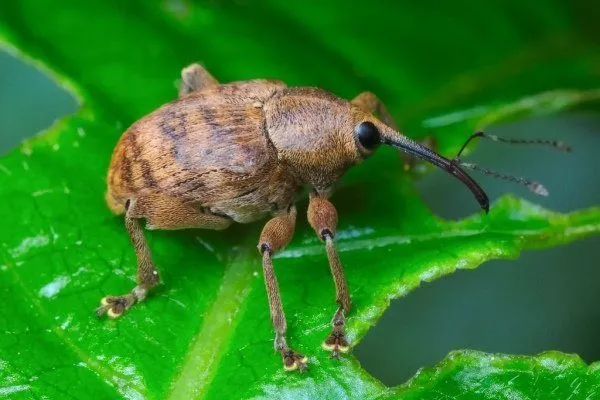
To combat flower beetles, shake the beetles onto a cloth placed under the tree. Perform this procedure during bud swelling and break, at temperatures no higher than 10 degrees Celsius (50 degrees Fahrenheit) to prevent the pests from dispersing. Pour a solution of water and kerosene over the collected insects.
Pear moth
The pear codling moth is dangerous because it feeds on fruit. In summer, the pest lays eggs on the fruit; the hatched larvae penetrate the fruit and consume the seeds. Early varieties and soft-skinned pears are particularly susceptible to attack.
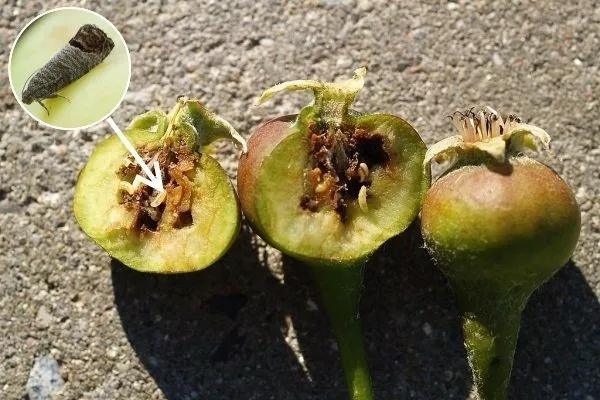
To combat the pear codling moth, use not only conventional insecticides but also biological pesticides. Digging the soil, removing damaged fruit, and weeding are equally effective.
Leaf roller
The leaf roller is a vicious pest that attacks all parts of the tree. When the bark is damaged, the tree's growth and development are slowed, leading to reduced productivity.
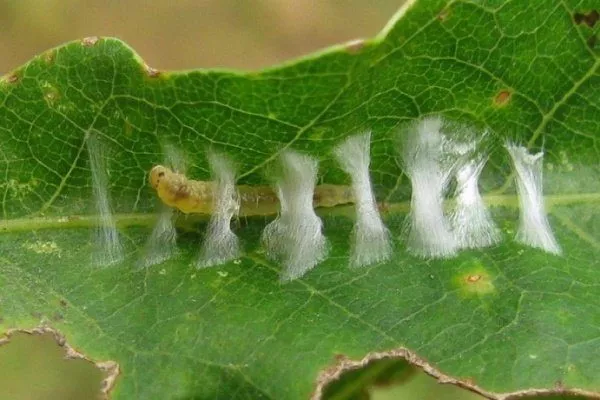
To damage and protect pears from leaf rollers, remove dead bark in the spring, treat the trunks with lime, and treat the plant using mineral oils and organophosphorus complexes.
Apple moth
The apple moth is a small moth that causes significant damage to plants. The larvae feed on the pulp of leaves and fruits, causing their death.
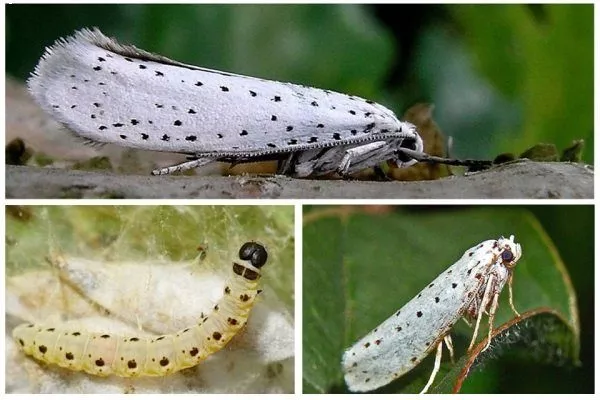
If you see round white mines on your leaves, begin pest control immediately. First, spray the trees with a solution of laundry soap and hot pepper. If this method proves ineffective, use insecticides.
Pear psyllid
The psyllid is dangerous because it slowly kills the plant. The pest can suck all the sap from the foliage, depriving the plant of nutrients and leading to slower growth and development, reduced yields, and weakness. Over time, copper mildew, a breeding ground for sooty mold, appears.
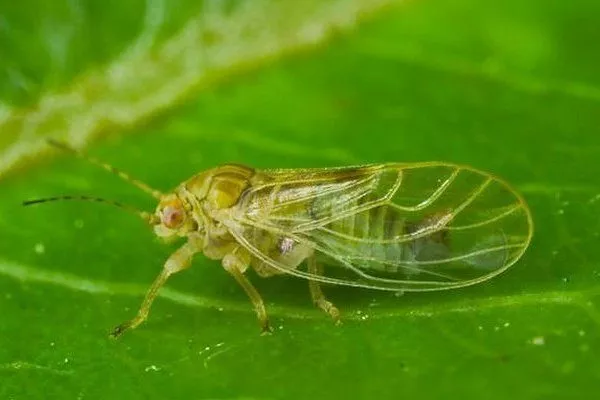
To prevent the problem, clear trees of dead bark, lichen, and moss. For control, use insecticides and traditional methods, such as treating the plant with tobacco smoke, an ash and soap solution, or silicate glue.
Pear trees are often susceptible to various diseases and pests. Knowing the symptoms of a disease and its manifestations can help you take action early and save your pear tree from destruction. Pests can also be effectively controlled, helping prevent yield declines.
Excellent overview of diseases and pests, clear, informative photos! But my pear tree has a disease that isn't described here. Can you tell me what it is and how to combat it? See the photo.
There is also a photo of the "tumor" in cross-section.