
The Bere pear is a tall-growing tree with an asymmetrical and spreading pyramidal crown. It is divided into many varieties, the most common of which are autumn varieties, less common winter varieties, and a few summer varieties. Growing the tree is not difficult; simply follow proper agricultural practices.
History of selection and zoning
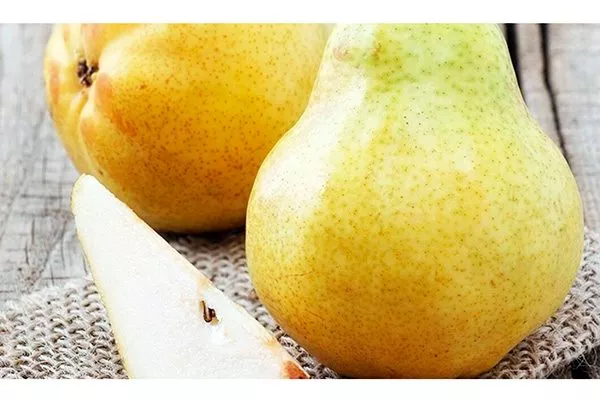
If you translate "beurré" from French into Russian, the word means nothing less than "butter." Beurré is a group of pear varieties with tender, juicy, and, most importantly, buttery flesh. The Beurré pear literally melts in your mouth like butter. That's why it's also known as the Maslyanovka or Buttery pear.
The parent variety was discovered as early as 1811. The exact location of the discovery remains unknown, but it is believed to have been Belgium or France. Bere only gained global significance in 1947 after government trials.
Description of fruits and tree
This table variety is widely used not only for fresh consumption but also in culinary creations. This is all thanks to its buttery flesh, which melts in the mouth like butter.
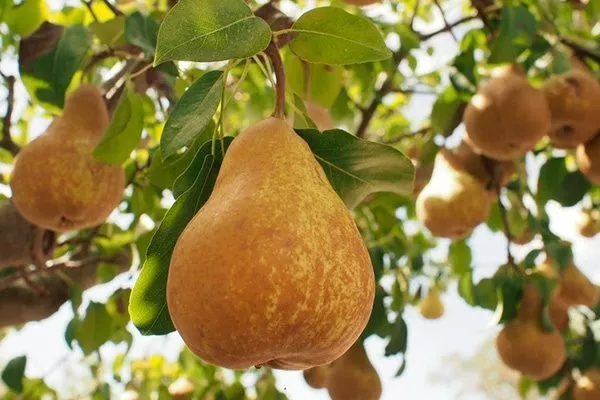
Main characteristics of Bere (generalized):
- Tree. Height from 5 to 10 m. At the beginning of development, the crown has a regular shape, but over time it becomes asymmetrical.
- Branches. Elongated, thick, and strong, they have a gray tint against a green background when young.
- Foliage. It is distinguished by its egg-shaped form, large size, and bright green color. The ends are slightly pointed.
- Flowers. Also large. The color is snow-white, the petals are oval.
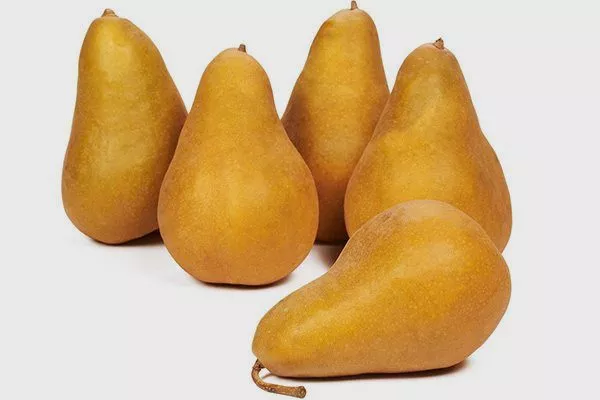
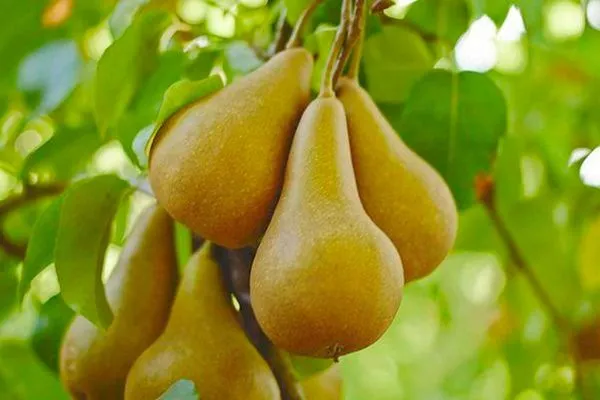
- Fruit. Their weight varies from 180 to 300 grams, and they are always elongated and bottle-shaped. The skin is golden, yellowish, or orange, but thin and slightly rough. During storage, the peel acquires a bronze tint.
- Peduncle. Thickened, fairly long, and slightly curved. The funnel is almost absent.
- Seed part. The nest is large, located at the top. The seeds are small but wide and brown in color.
- Pulp. It has a creamy hue, oily structure and increased juiciness.
- Taste qualities. The taste is sweet and sour. The pear perfectly combines pear aroma and flavor with hints of spice and almond. Calorie content per 100 g ranges from 50 to 55 kcal, depending on the stage of ripeness of the fruit and the specific Bere variety.
Characteristics of the variety
The Bere variety, regardless of subspecies, has the same agrotechnical characteristics:
- Growing regions. The crop has a wide distribution, including all former Soviet republics. Within the Russian Federation, it thrives in Crimea and the Krasnodar Territory, North Ossetia and Dagestan, Chechnya and Circassia, the Kabardino-Balkan and Ingush Republics, Stavropol, and the foothills.
It thrives in the Moscow region and central Russia, but cannot be grown in Siberia and the Urals due to its low frost resistance. Despite this, experienced northern gardeners grow Bere there as well. The only precaution is to provide ample winter cover. - Maturation. Harvesting takes place in early September (early varieties) or late October (late varieties). Ripening is gradual, and the stems are firm, so the fruits rarely fall off.
- Productivity. The Bere class is characterized by higher and more stable yields, especially in the southern regions of Russia. One hectare can yield between 80 and 100 centners.
- Fruiting. The highest yield is observed after 25-30 years. The first fruiting occurs at 6 or 8 years of age.
- Reproduction. Bere can be propagated in various ways, but the most optimal are by cuttings and root shoots.
- Life expectancy. It is about 50-70 years.
- Self-fertility. This variety has a partial root system, so it is important to plant other varieties of pears nearby.
- Disease resistance. It is considered strong, but only if preventative treatments are used.
Advantages and disadvantages
The Bere variety group, like any other pear, has its strengths and weaknesses:
Varieties of the Bere pear variety
Bere is a whole group consisting of numerous varieties. Each has its own advantages and disadvantages, unique characteristics, and, most importantly, ripening time. Several of them are particularly popular in Russia.
Summer varieties of pears of the Bere group
| Name | Ripening period | Frost resistance | Fruit size |
|---|---|---|---|
| Bere early Morettini | early | low | large |
| Bere Giffard | early | average | large |
| Take Luke | late autumn | not tall | average |
| Bere Slutskaya | autumn | average | average |
| Take Napoleon | autumn | weak | average |
| Bere October | autumn | weak | small |
| Bere Nalchikskaya | autumn | high | average |
| Bere Durando | autumn | low | large |
| Moscow Bere | autumn | very good | average |
| Bere Krasnokutskaya | autumn | high | large |
| Bere Dil | autumn | low | large |
| Bere Hardy | autumn | average | large |
| Bosk | autumn | very low | average |
| Bere Russian | autumn | low | large |
| Taken care of | autumn | high | average |
| Bere Clergeo | winter | very high | large |
| Bere Kyiv | winter | high | average |
| Winter Birch of Michurin | winter | high | average |
| Bere Ardanpon | winter | weak | large |
| Take the Royale | winter | high | very large |
These are the earliest to ripen, so these varieties shouldn't be preserved for winter. The fruiting period is from late July to late August. Keep in mind that the fruit will be soft, so they should be picked from the tree 7-10 days before technical ripeness. The best varieties are:
- Bere rannaya Morettini (Bere Prekos Morettini). The variety originates from Italy and is a cross between Williams and Coscia. The fruits are large, yellowish, and sweet. The yield is average, so it's suitable for grafting onto quince. It is resistant to drought and scab, but has low winter hardiness.
It should be planted next to pollinators – Goverla, Konferentsiya, Krupnoplodnaya, Malevchanka.

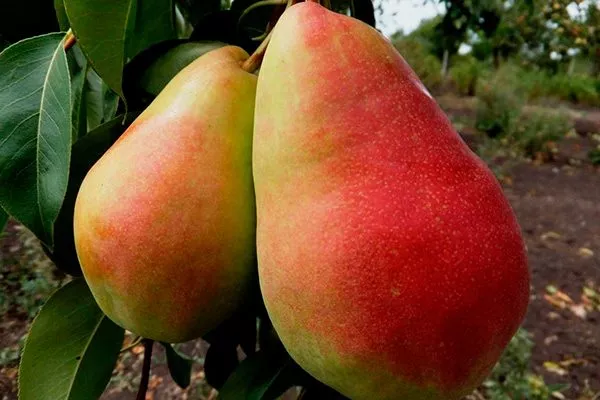
- Bere Giffard. The fruits are quite large, well-shaped, and yellow in color. The flesh is juicy, like all Bere varieties, with a sweet and sour flavor. Winter hardiness is average, so it's not recommended for growing in Siberia.
The yield is average. To increase it, pollinators such as Goverla, Lyubimitsa Klappa, Durando, and Williams are required.
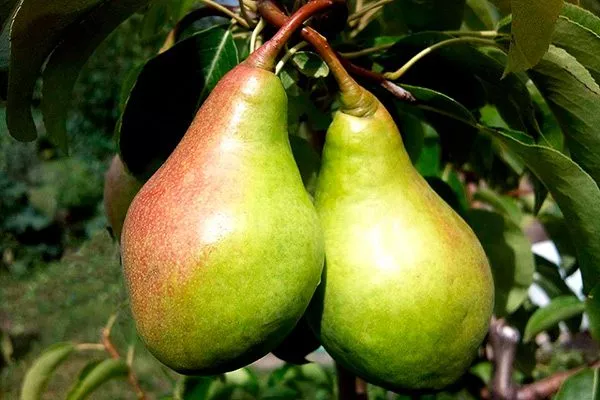
Autumn varieties
The fruits of these pears are typically harvested from late August to October. They store and transport well, and have a firmer flesh. There are many varieties of the Beré variety:
- Take Luke. The fruits are medium-sized, greenish-yellow, and sweet. The yield is below the high level, and frost resistance is low. This relatively new variety is harvested in late November (late autumn).
Pollinators: Clapp's Favorite, Williams, Bosc, Clergeot.
- Take Slutskaya. A tall tree producing yellow-green fruit with red stripes on the sides. The aroma is subtle, but the flavor is sweet. The fruit is medium-sized. Frost resistance is average.
Pollinators: Vinevka, Limonka, Sapezhanka.
- Take Napoleon (also Bonaparte). Its distinctive features include a bell-shaped form and a bright yellow color, though when unripe it has a grayish tint. It is a low-growing variety with a medium yield, distinct flavor and aroma, and poor winter hardiness.
Pollinators – Bosc, Angoulême Duchess, Ardanpont.
- Take of October. Michurin himself worked on the selection process, resulting in sweet, yellow fruits. Its winter hardiness is poor, so the variety is popular only in the south. The fruits are small, and the yield is low.
Pollinating trees: Dricha, Klerzho, Bosk.
- Bere Nalchikskaya. Characterized by high frost resistance and stable yields, the larger the yield, the smaller the greenish-yellow fruits. The aroma is subtle, and the flavor is rich and sweet.
Pollinators: Clapp's Favorite, Williams.
- Bere Durando. The tree is medium-sized, producing large, bumpy, golden, and sweet fruits. It is not very frost-hardy. It doesn't require much pollinator, so any pear variety can be planted nearby.
- Bere Moscow. The hybrid was developed from different summer and autumn varieties of Bere, so its frost resistance is very good, even allowing cultivation in Siberia. The fruits are yellow-red and sweet. Pollinators are required for a good harvest.
Suitable varieties are Rogneda, Chizhovskaya, Lesnaya Krasavitsa, Yuryevskaya, Svetlyanka.
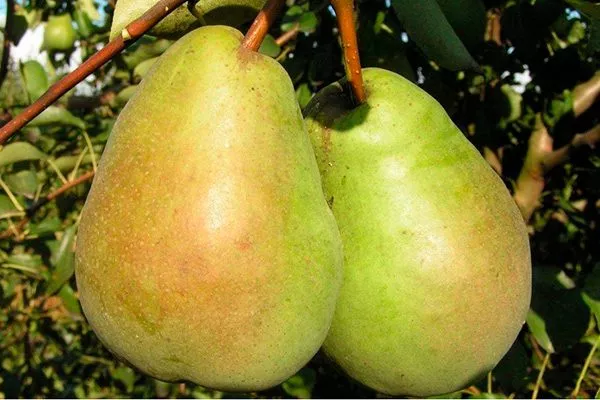
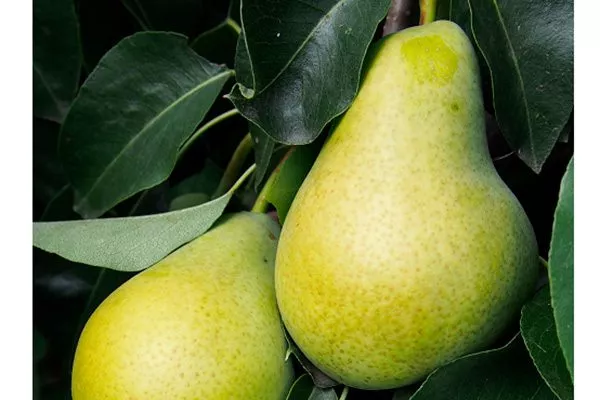
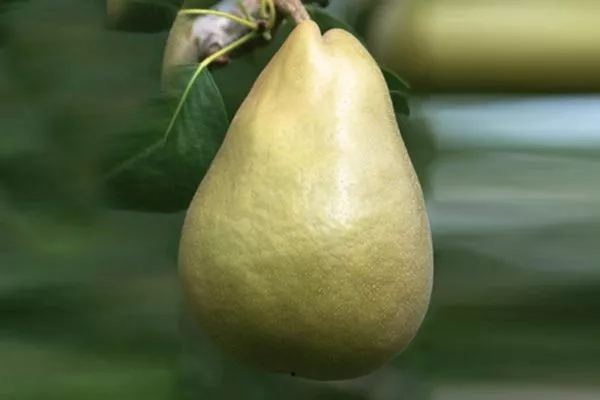
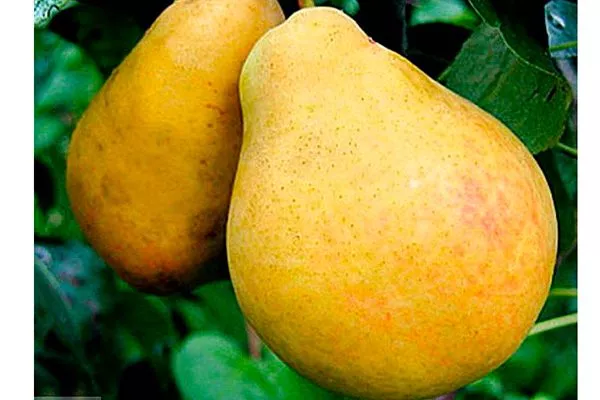
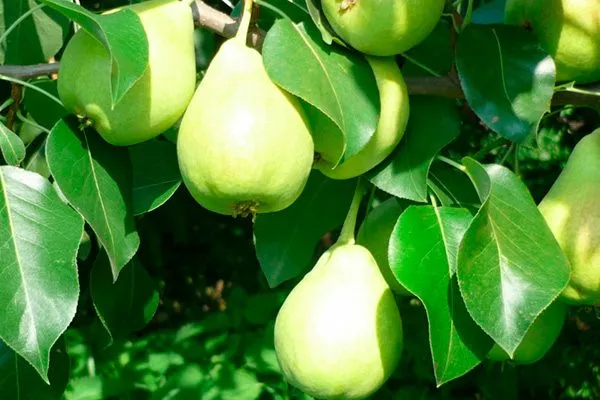
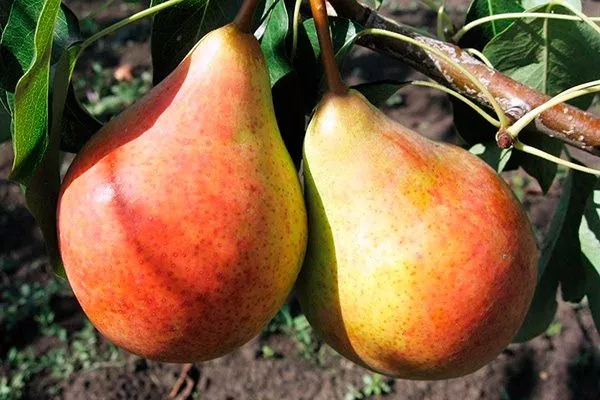
- Bere Krasnokutskaya. It is characterized by large fruits, a green-yellow hue, and a thick skin, which is rare for Bere. The flavor is initially sweet, then tart, and the aroma is very rich. It is highly frost-resistant and can be grown in cool climates.
Pollinators – Williams, Zimnyaya Dekanka, Boek, Ilyinka, Panna.
- Bere Dil (Imperial). It's highly susceptible to disease and is susceptible to frost and recurrent spring frosts. However, it produces large yields of large fruit. The color is greenish-brown.
Pollinators: Ardanpont, Saint-Germain, Clapp's Favorite.
- Take Hardy. The tree originated in France. It is considered an undemanding plant in terms of care and has average frost resistance. The fruits are large, yellow, very sweet and aromatic, with a slightly tart aftertaste. The tree grows tall, requiring frequent pruning.
Pollinators: Marianne, Dekanka, Klappa's Favorite, Bon-Louise, Forest Beauty, Ardanpont, Bosc.
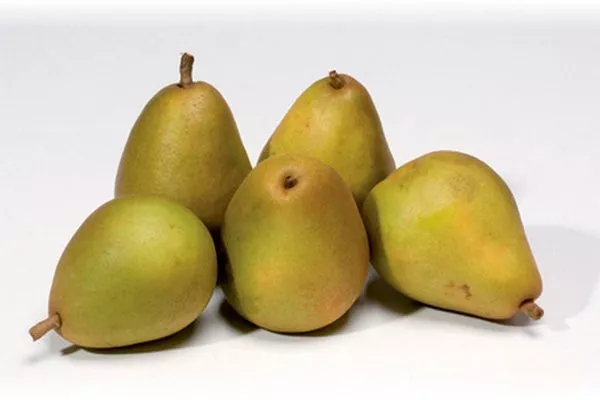
- Bosk. Also known by other names: Bere Alexander, Bere Apremont, Beurre Bosc, and Bottle. It is characterized by medium-sized, yellowish fruits. The flesh is very sweet and juicy, with a hint of almond. Its winter hardiness is very low, even for the Krasnodar region, but the yield is excellent.
Pollinators: Bon-Louise, Olympus, Red Caucasus.
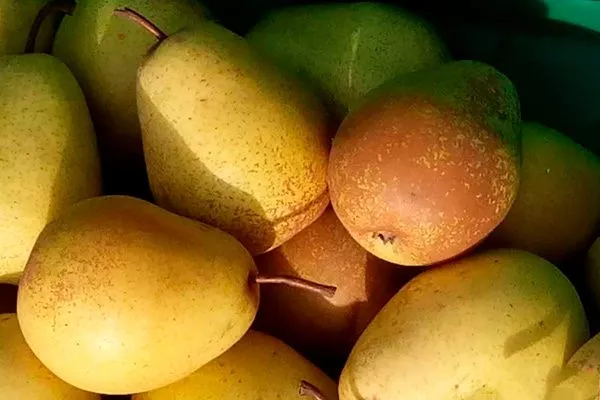
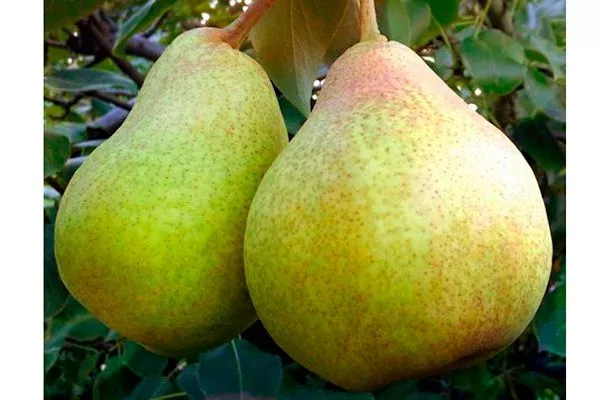
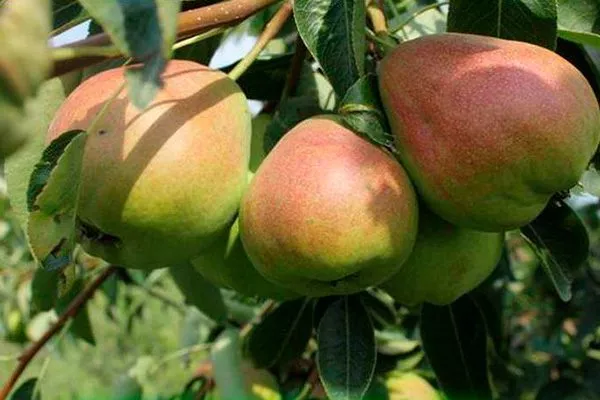
- Take Russian. The hybrid was bred to improve frost and disease resistance. Despite this, the variety cannot withstand severe frosts. This is a low-growing variety with large yellow fruits that turn dark red when ripe.
The aroma is medium-strong, and the flavor is sweet and sour. It doesn't require any special pollinators, so it grows alongside any pear tree.
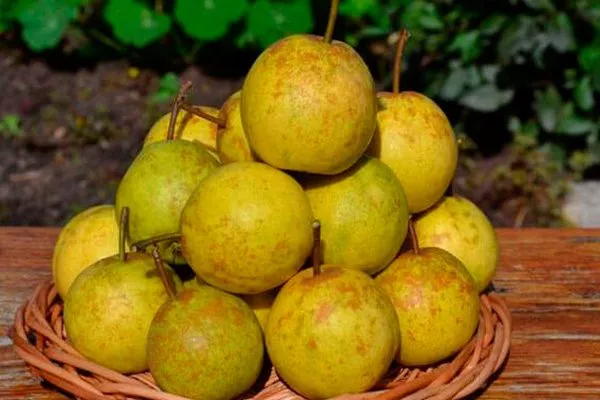
- Berezhnaya (Bere yellow improved, Bere yellow). This variety is considered undemanding and frost-resistant. It differs from other Bere varieties in its egg-shaped fruits, which have a smooth surface and a light yellow hue. The flavor is slightly tart. The aroma is distinctly pear-like.
Pollinators: Perun, Pamyati Zhegalova, Just Maria, Svarog, Yakovlev varieties.
Winter varieties
Winter varieties of Bere have the longest shelf life and are easier to transport. A distinctive feature is that the sweetness is not as intense at harvest as it is a month after storage. The most popular subspecies are:
- Take Clergeot. This is a low-growing plant with high soil quality requirements. It is very frost-hardy, but not resistant to scab. The fruits are fragrant, sweet, and large. It bears fruit early—as early as the fifth year. If grown on quince rootstock, it begins bearing fruit in the third year.
There are no recommendations for the selection of pollinators.
- Bere Kyiv. This variety adapts to sudden temperature fluctuations, drought, and frost. It begins bearing fruit in its fourth year, reaching its peak in its 14th year, while other varieties increase their yield after 25 years. The fruits are medium-sized, sweet and tart, yellow, with an almond flavor.
Only 3 varieties are suitable for pollination: Izyuminka Kryma, Maria and Konferentsiya.
- Bere winter Michurin. The crown is elongated and tall, the fruits are yellowish-green and crisp. The surface is bumpy, and the flavor is sweet and sour. It is distinguished by increased resistance to frost and disease.
Pollinators: Sapezhanka, Malgorzhatka, Forest Beauty, Bessemyanka.
- Bere Ardanpon (another name is Ferdinand). It produces large, beautifully shaped fruits. They are yellow when ripe, have excellent flavor, and yield is slightly above average. Frost resistance is poor.
There are many pollinators: Forest Beauty, Bosc, Bon-Louise, Pass Crassan, Napoleon, Williams.
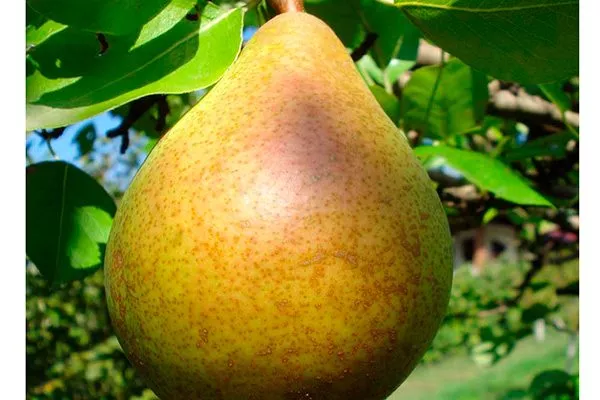
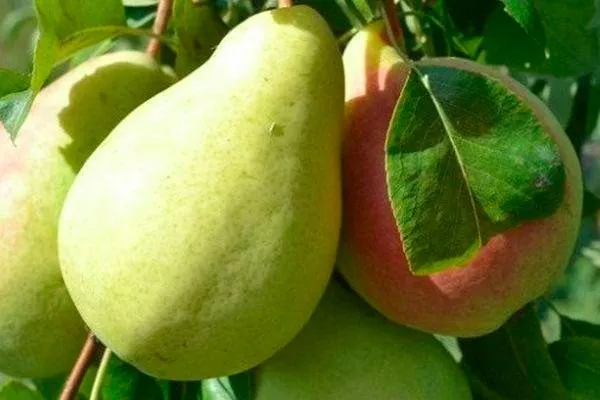
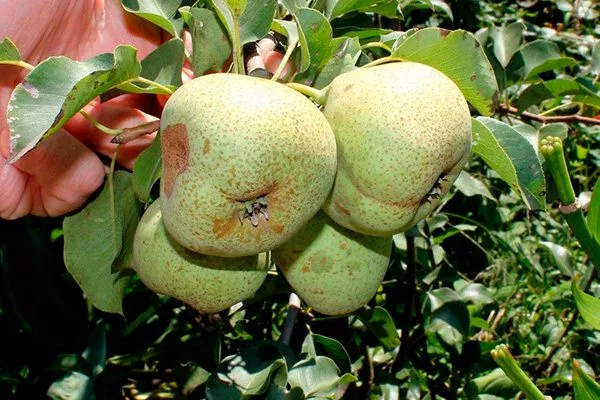
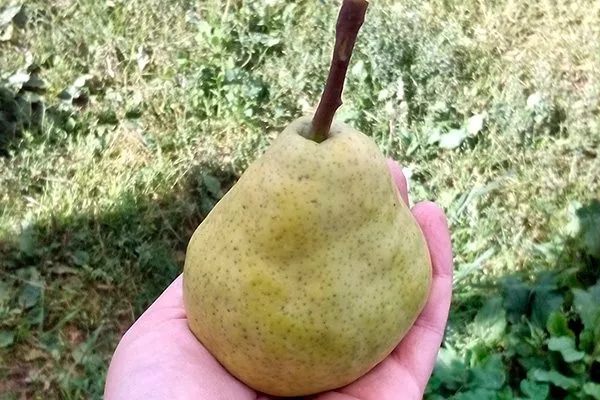
- Beurre Royal (lat. Beurre Royal). A very high-yielding and frost-resistant subspecies with a tall, branched crown. This is the largest of all the Bere varieties, with fruits weighing between 500 and 600 g (the standard is 170-200 g). The color is yellow on one side and orange on the other.
Any variety is suitable for pollination.
Landing features
The Bere pear is traditionally planted using standard methods. However, there are some important considerations. These primarily concern planting timing, as this variety is not at all frost-tolerant.
Landing dates
Planting is done in spring or fall. Given their low frost resistance, in fall, seedlings should be planted in open ground no earlier than one and a half to two months before the expected frost. In spring, the trees should be planted before the buds open.
The approximate daytime air temperature is from +10 to +15 degrees.
Selecting a site, soil and seedling
The Bere variety thrives on heat, so a sunny, open site is recommended for planting. The pear tree is drought-intolerant, so the groundwater level can be high—2-3 meters below the ground surface.
Other features:
- soil acidity is not less than 5.6 pH, not more than 6.0 pH;
- Increased humidity is also undesirable - waterlogging in the trunk area should not be allowed (if this is expected, a drainage system is installed at the bottom of the planting hole);
- The preferred soil quality is looseness and fertility (Bere does not develop on heavy soils).
Choosing the right seedling is important. Consider the following criteria:
- age – preferably 1 year, maximum 2 years;
- root system – without breaks, rot and dryness;
- branches and shoots are strong, with leaves and shoots;
- bark - no damage.
- ✓ Check the root system for rot and dryness.
- ✓ Make sure the branches and shoots are strong, with leaves and shoots.
- ✓ The bark must be undamaged.
Preparatory activities
These include preparing the seedlings and planting hole. The cuttings are processed the day before planting. To do this:
- Soak the seedlings in room-temperature water for exactly 24 hours. This will allow the roots to absorb the necessary moisture and fully open. Additionally, the root shoots will become more pliable, which is important when distributing them across the mound.
- If the roots are too long, trim them. The optimal length is between 10 and 20 cm.
- Tear off the lower tier of leaves and cut off the lower branches.
- Remove any rotten or dried out parts from the entire plant.
- To speed up growth and rooting, treat the root system with a growth stimulant. Any product designed for fruit trees will do. Follow the instructions strictly.
- Treat all areas with garden pitch to prevent infection.
The method for preparing the hole depends on the fertility of the soil. If the soil is sufficiently fertile, there's no need to add fertilizer; if it's heavy, peat or river sand can be added, etc.
If the soil is not sufficiently saturated with organic matter and minerals, follow this scheme:
- Dig a hole. Its depth should range from 30 to 40 cm for one-year-old seedlings and 80 to 100 cm for two-year-old plants, with a diameter of 70 to 100 cm.
- Set the soil aside, keeping the top layer separate from the bottom.
- Add fertilizer to the bottom layer and mix thoroughly. Do the same with the top layer.
- Pour the first substrate back into the planting hole and add about 10 liters of water.
- Cover with plastic wrap and leave for 7-10 days.
What can be used as backfill in a hole:
- For half the soil from the hole, take 8-10 kg of compost, 1-2 tbsp. of potassium sulfate (if the soil is heavy, add 6-9 kg of sand);
- for the same amount of soil - the same amount of rotted manure and sand, 100 g of superphosphate and 50 g of potassium sulfate.
Rules and planting scheme
Bere trees should be spaced at least 3 meters apart, and the row spacing should be 4 meters. This is only true if space in the garden is very limited. If the plot is spacious, add another 2 meters to these figures. The reason for this arrangement is the extensive root system (typical of all tall fruit trees).
Rules to follow when planting:
- If planting is carried out in the fall, dig up the beds in the spring, if in the spring, then 2-3 weeks before planting;
- When digging and excavating the planting hole, carefully remove roots from weeds and previous crops from the area;
- do not leave leaves, branches or any other debris;
- If the groundwater level is too close or the climate is rainy and damp, be sure to place a drainage layer of broken brick, stones, perlite or expanded clay at the bottom of the hole (in this case, make the hole 10 cm deeper).
Step-by-step planting technology:
- Open the polyethylene cover.
- Use a shovel to lightly loosen the soil mixture.
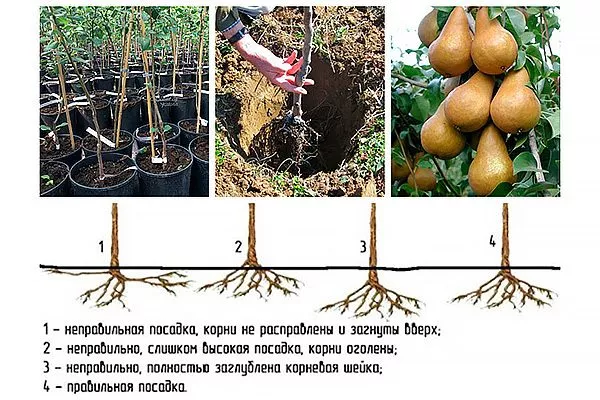
- Insert a wooden stake about 1 m above the ground. Since the strongest winds blow from the north, the stake should be positioned there, and the tree should be positioned on the south side.
- Prepare a clay slurry. Dip the seedling's roots into it and place the plant on a small mound formed in advance.
- Spread the roots out. They should fall easily down the hill.
- Fill the seedling with the soil from the top of the hole. Compact it as you fill it.
- Make ridges of soil around the tree trunk to prevent liquid from leaking outside this area when watering.
- Water generously (20 liters of water per hole).
- Mulch with spruce branches, sawdust, humus or peat.
- ✓ Provide the seedling with protection from the wind during the first years of growth.
- ✓ Maintain optimal soil moisture levels, avoiding overwatering.
Caring for the variety
The Bere pear variety is easy to grow. Three times a day, fertilizing the soil, watering, weeding, and whitewashing the trunk are sufficient for normal development and growth. Branch pruning is essential. Failure to do so will result in branches becoming too dense, preventing wind from penetrating between them.
Watering and fertilizing
In normal weather, watering Bere twice a month is sufficient. If the weather is dry, double the watering frequency; if it's rainy, reduce it. Watering requirements:
- one tree requires 20 to 30 liters at a time;
- It is better to add liquid using a drip method or from a watering can with a diffuser;
- the water must be settled - tap water is absolutely not suitable, as it has an excessively high concentration of chlorine salts;
- the temperature should be room temperature or slightly higher, but not cold, so fill the tank with water in advance and leave it in the sun;
- Moisturize early in the morning or late in the evening.
Bere doesn't require frequent fertilization. Three times during the growing season, starting in the second year after planting, is sufficient (approximate dosage per tree):
- the last days of March – add 50 g of Superphosphate to 10 liters of water;
- during the beginning of fruiting - take 20 g of ammonium nitrate per 10 liters;
- After harvesting, add a layer of humus around the tree trunk, about 5 cm thick.
Pruning branches
The crown must be formed in accordance with the requirements for a specific subvariety of Bere, but there are also general ones rules for pear pruning:
- Always prune frozen branches in spring;
- in autumn, remove dried and broken ones;
- Once a year, remove all shoots that are in the wrong direction;
- After the procedure, treat the cut areas with garden pitch;
- Before cutting, treat the pruning shears or knife with an antiseptic.
Crown formation scheme:
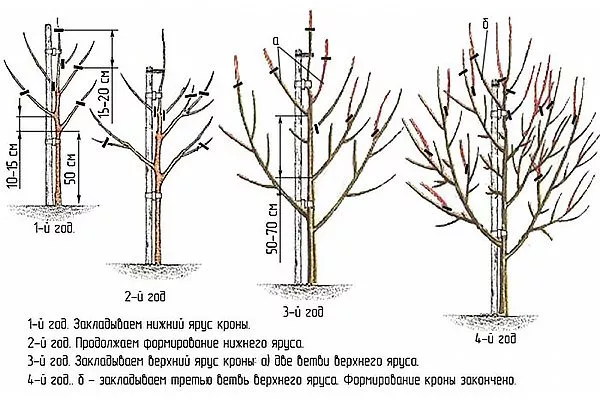
After reaching 15 years of age, trees require rejuvenation. This is done every 3-5 years, depending on the crown density. The procedure consists of:
- removing shoots that are located at an angle of 45 degrees relative to the trunk;
- thinning out branches growing parallel to the trunk.
Whitewashing wood
A lime solution helps protect the bark from ground insects and rodents. Additionally, whitewashing protects the plant from sunburn and frost, preventing cracks. This procedure is effective in spring and fall, but can also be done in summer. Purchase the solution at a gardening store.
Preparing for winter
Even in the southern regions of Russia, the Bere pear will need to be wrapped for the winter. This should be done 3-8 days before the expected frost. The process is as follows:
- Clean the tree trunk area. Remove debris, branches, mulch, leaves, and fallen fruit. The area should be perfectly clean.
- Remove any growths from the bark. Treat these areas with garden pitch, copper sulfate, or any garden antiseptic.
- Allow the surface to dry completely.
- Water the tree to recharge it. Apply 80-100 liters of water per hole. If the fall is rainy, you can skip this procedure.
- Wrap the trunk up to the lower tier of branches with any material - burlap, agrofibre, spruce branches.
- Apply a layer of mulch – about 10-15 cm. For this, it is important to use humus, which retains heat well.
Diseases and pests – how to deal with them?
Most Bere subspecies have a very strong immune system, so with proper care, the pear is resistant to any diseases. To avoid this, simply carry out preventative treatments:
- For diseases, use fungicidal preparations, 3% copper sulfate, 1% Bordeaux mixture;
- To control pests, use insecticides, 3% urea solution, 3% Bordeaux mixture solution.
Tips for harvesting and storing pears
Freshly picked bere doesn't have a long shelf life—only about 2-3 weeks. However, even for this to happen, it's important to learn how to harvest the crop properly. Consider the following:
- harvest the fruits 1-2 weeks before they are fully ripe, that is, when they are still unripe (if they are ripe, the soft flesh will easily break through the thin skin);
- When picking fruit from the tree, wear only woven gloves (preferably soft ones), because it is strictly forbidden to cause even the slightest mechanical damage (for example, you could accidentally catch the skin with your fingernail);
- Always twist the stalk, do not pull it;
- If you plan to eat pears within 3-4 days, pick them when they are fully ripe;
- choose dry weather, but if it is raining and the harvest needs to be collected urgently, then after harvesting, lay the fruits out in a drying room;
- store fruits in a wooden container with gaps for ventilation;
- optimal temperature – from 0 to +4 degrees, humidity level – 80-85%;
- the best storage option is the refrigerator, vegetable compartment;
- in the container, place the fruits between paper, sawdust, or cloth.
Be sure to check the skin for integrity before storing. Feel it gently, but don't press too hard—the flesh shouldn't have any indentations or excessively soft areas.
Reviews
The Bere pear doesn't require any special care; simple steps are sufficient: watering, occasional fertilization, and periodic pruning of excess branches. Much more important is choosing the right variety for your climate and creating favorable conditions for planting.