
The Urozhayny walnut is one of the most valuable varieties. With its rich flavor and beneficial properties, it has become an integral part of the diet and a highlight of many dishes. This tree boasts numerous positive qualities, including its frost and drought resistance. With proper care, it can yield bountiful harvests.
When did the variety appear?
This is a hybrid bred by the North Caucasus Federal Scientific Center for Horticulture, Viticulture, and Winemaking in 1965.
Fruitful walnut – characteristics of the tree and fruits
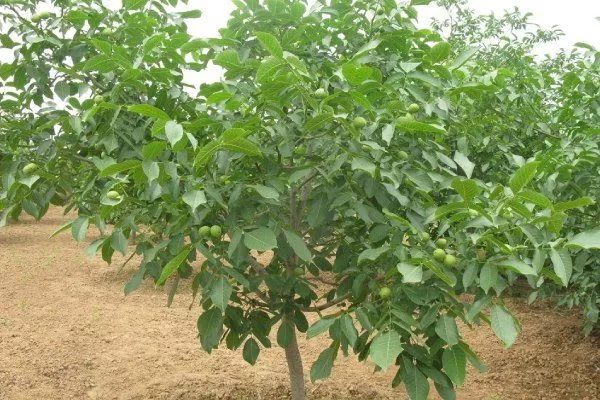
The tree is characterized by a moderate growth rate and forms a rounded crown with a terminal and lateral form. Its height can vary from 4 to 6 m. The leaves are dense and dark green.
Distinctive features of the fruits:
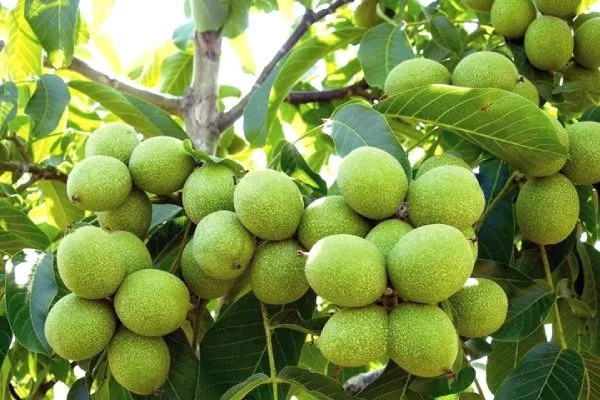
- Medium in size and round-oval in configuration.
- Weight fluctuates between 8.7-10 g.
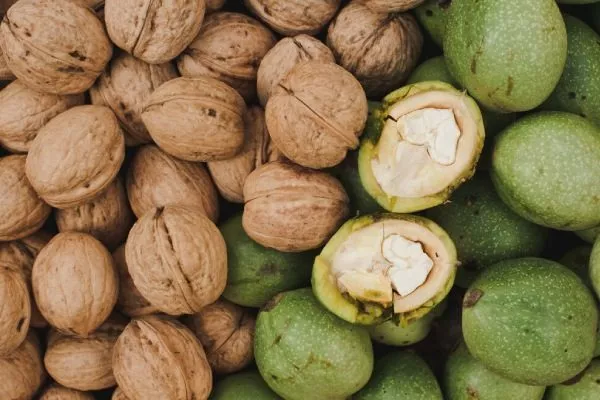
- The shell is thin, strong, and easily separated from the kernel.
Characteristics of the variety
Growing walnuts promises a stable harvest as early as the second year after planting. One of its positive qualities is its high frost resistance, allowing it to withstand temperatures down to -35°C.
A single tree can yield up to 120 kg of nuts. It doesn't require any special soil conditions to thrive. Urozhayny's ripening period is mid-season, allowing for fruit harvests within a short time after planting.
Growing conditions
For successful cultivation, several factors must be considered. Choose sunny planting sites with fertile, well-drained soil and a neutral pH.
- ✓ The optimal planting depth of a seedling should be at least 70 cm to ensure stability and proper development of the root system.
- ✓ The distance between trees should be at least 7 m, taking into account the future growth of the crown and root system.
Prepare the soil in the planting hole first by mixing it with humus, superphosphate, and ash. Leave at least 5 meters between the plants.
Usage
Harvest is widely used in the food industry and cooking due to its excellent taste and nutritional properties. It is added to a variety of dishes, from baked goods and salads to sweets and confectionery.
The kernels are often used as a stand-alone snack or as an addition to muesli, yogurt, and other desserts. In some regions, they are used for medicinal purposes or in the production of cosmetics.
Planting and further care
Consider some recommendations that can impact the successful establishment of plants. Follow these rules:
- If watering young trees is unavailable, the best time to plant seedlings is autumn. This will give them extra time to establish roots before winter.
- When planted in spring, young plants face the risk of drought, which increases the risk of poor establishment or even frost death the following winter. Every day that spring planting is delayed increases this risk.
- Seedlings with closed root systems (from pots) can be planted in spring until the end of May or in summer from mid-August. In such cases, regular watering is necessary to ensure survival.
- Preparing seedlings before planting includes trimming damaged and overly long roots and soaking the root system in water.
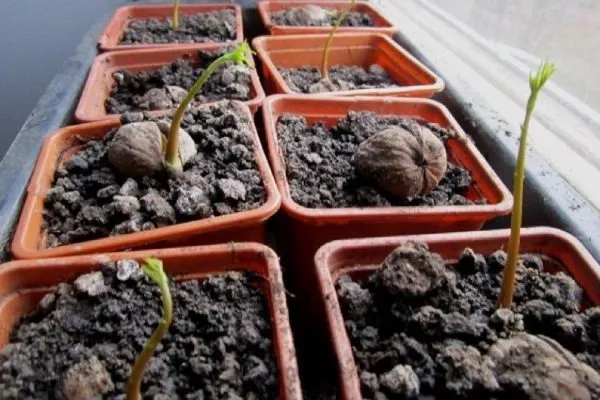
If you've followed all the soil preparation guidelines and planted a walnut tree, growing it shouldn't pose any serious problems. Despite the fertile soil, it requires regular care:
- Watering. In early and mid-summer, the root system and crown are actively developing, requiring adequate water. Insufficient moisture can negatively impact foliage and yield.
Insufficient moisture can lead to root freezing in winter. After watering, mulch the soil to prevent rapid evaporation. - Top dressing. In the first year after planting, apply a complex fertilizer containing potassium salt, nitrate, and superphosphate. In the second year, add limestone or dolomite flour (up to 300 g) to promote wood maturation.
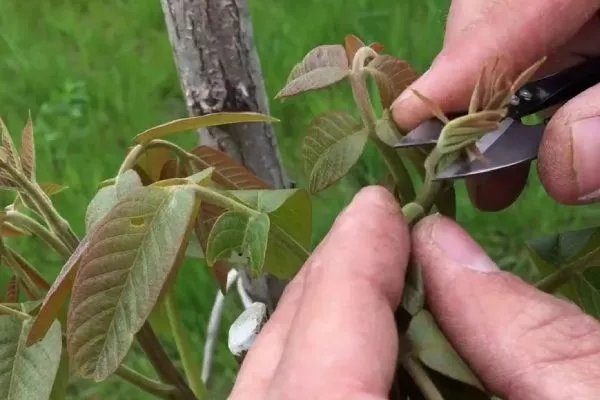
Fertilize with nitrogen every spring, and in the summer (mid-July) with phosphorus-potassium fertilizers. If the soil is already rich in minerals, nitrogen is not required, but phosphorus and potassium are still essential. - Trimming. This procedure is necessary for crown formation and disease prevention. Perform it in the spring after the last frost or in the fall before winter. When pruning, remove damaged, frozen, and diseased branches, and shorten the remaining ones according to the chosen crown formation scheme.
| Fertilizer type | Period of contribution | Quantity per tree |
|---|---|---|
| Potassium salt | Spring | 100-150 g |
| Saltpeter | Spring | 50-70 g |
| Superphosphate | Summer | 200-250 g |
Reviews
The Urozhainy walnut is a magnificent gift of nature, offering many benefits. Growing it is effortless, yet the kernels provide a wealth of nutrition when added to the diet. Proper care promotes better growth, stronger immunity, and abundant harvests.