
Proper fertilization is one of the key factors in successfully growing walnuts. The timing and type of feeding determines not only the tree's health and disease resistance, but also the quality and quantity of the harvest. It's important to thoroughly study the main stages of fertilization, the types of fertilizers, and the specifics of nutrient application throughout the seasons.
Why is it so important to fertilize a plant?
Unlike garden crops, trees in gardens are rarely fertilized—and often unnecessarily. Key features:
- Walnut trees are characterized by a powerful root system that extends deep into the soil and spreads widely. However, they can only obtain nutrients from the soil itself. If the soil is depleted, the tree grows slowly and does not produce fruit. Proper fertilization helps balance growth and strengthen the tree.
- Sometimes walnuts are planted on former compost heaps, which are rich in nitrogen. However, in these cases, the seedlings quickly stretch, become weak, and easily break in the wind. To prevent this, they need to be staked and the soil supplemented with more potassium and phosphorus.
- Regular fertilization also increases pest resistance: for example, ammonium sulfate reduces damage from codling moths. Fertilizers applied in the first year strengthen the wood and help it mature for the winter, increasing the tree's winter hardiness.

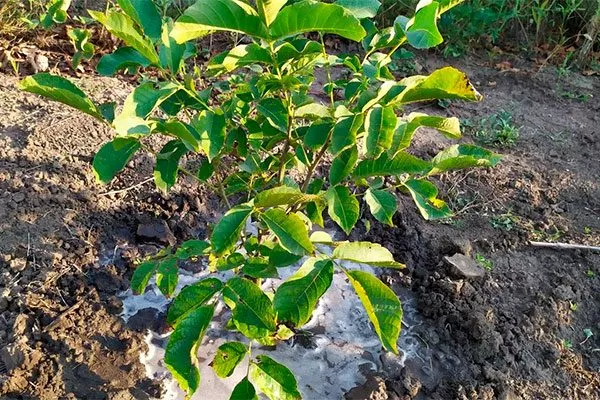
Fruit-bearing nuts use up a lot of nutrients, especially when grown commercially. To prevent the tree from becoming depleted and to ensure it continues to produce for decades (a typical nut tree bears fruit for 70-80 years), it needs to be fertilized regularly.
How can you tell from a tree if it needs nutrients?
Plants react to nutritional deficiencies or excesses through external signs. An attentive gardener can determine what exactly is missing or, conversely, overabundant in the soil based on the appearance of the crown, the condition of the shoots, and the leaves. It's important to recognize these signals promptly to adjust care and maintain the plant's health.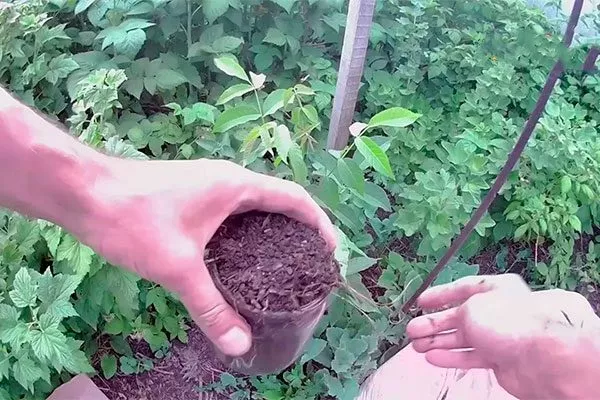
Excess
The walnut tree begins to actively produce numerous shoots, primarily vertical ones, the number of small branches increases significantly, and the crown expands laterally. This is dangerous for two reasons:
- immature wood becomes brittle;
- The crown can break under its own weight, so excessive growth must be controlled.
At the same time, the tree grows vigorously, but does not set fruit, which is why there are either no fruits at all or very few of them.
Since it is impossible to artificially deplete the soil, this phenomenon should be combated by regular pruning, "notching" - cutting the bark and then covering it with pitch to limit the flow of nutrients to certain parts of the tree, and other methods of crown formation.
Furthermore, "fat" trees are fed only with phosphorus and potassium fertilizers, avoiding nitrogen fertilizers such as saltpeter. Walnuts are sensitive to damage, so when pruning, be sure to use garden pitch or, in extreme cases, oil paint.
Flaw
The main signs of nutrient deficiency in walnut soil include several factors. The main symptoms are:
- premature yellowing of leaves;
- wilting of the ovary;
- growth retardation;
- dying off of young shoots.
Basic nutritional needs of walnuts
For full development and regular fruiting, the crop requires a balanced set of minerals, where each element performs its own function.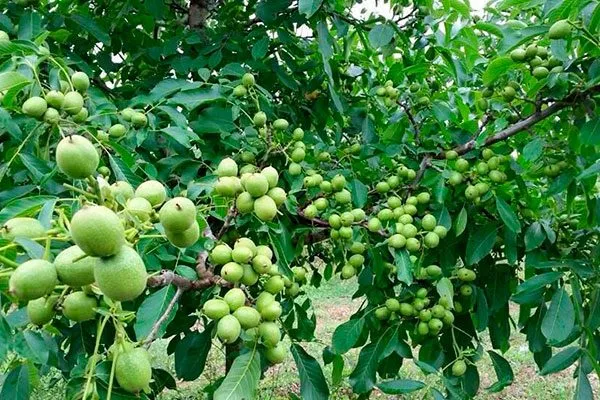
Key Features:
- nitrogen – ensures active growth of foliage and shoots;
- phosphorus – promotes root development and flower bud formation;
- potassium – increases resistance to diseases and helps the tree to withstand frosts more easily.
Microelements are also important, especially iron, magnesium and zinc – the quality and quantity of the harvest depend on them.
Types of nutritional mixtures
To maintain the health and productivity of walnut trees, it's important not only to know what nutrients they need but also in what form to apply them. There are several types of nutrient mixtures, from organics to complex mineral fertilizers. Each option has its own characteristics and is suitable for different stages of the tree's development.
Organic
Organic fertilizers are decomposed or processed plant and animal waste. These include the following types:
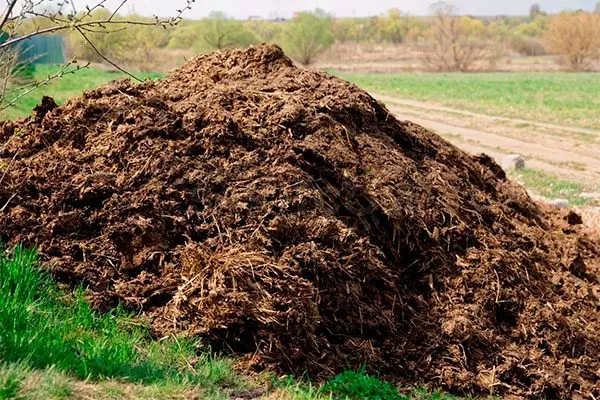
- Manure. It can be used either fresh or rotted. Fresh horse manure is acceptable for use – spread it around the tree trunk and work it into the soil.
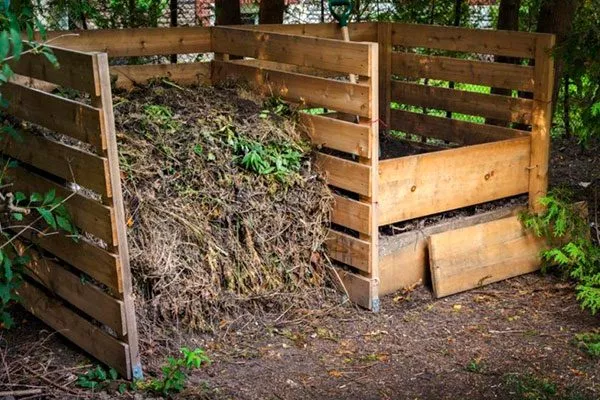
It's best to first compost cow manure. Don't use fresh pig manure or bird droppings due to their high concentrations – use them only as solutions or compost. - Compost. It's a mixture of rotted plant residues, manure, food scraps, and other organic matter. Once composted, it becomes a complete fertilizer.
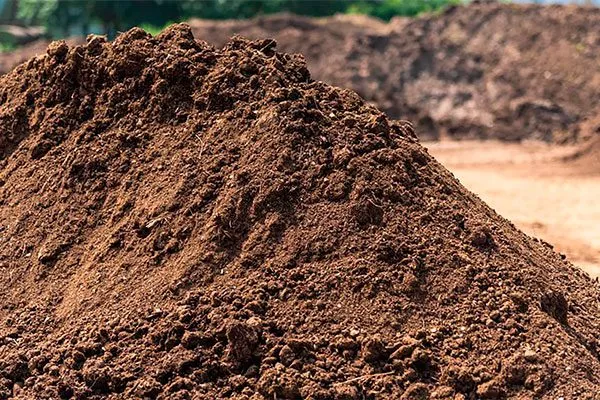
- Peat. Rotted low-lying peat is especially valuable. Add it as part of organic mixtures, most often combined with compost.
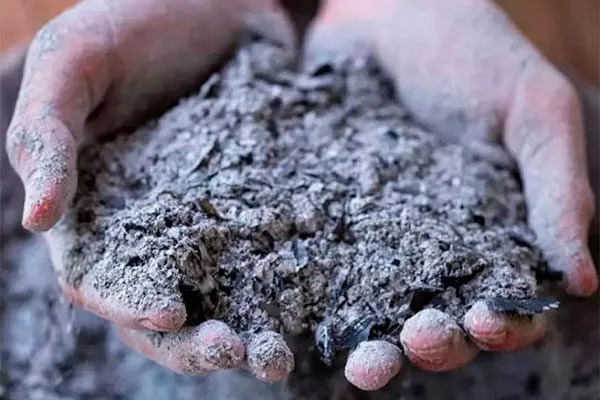
- Wood ash. It's produced by burning dry branches, leaves, or firewood. It contains potassium, calcium, and other beneficial elements. Ash from coal or fossil fuels is unsuitable for fertilizer—it contains no nutrients and is used only to improve soil structure.
Minerals
The plant has a particularly acute need for micronutrients such as zinc, magnesium, boron, and manganese. Organic fertilizers don't provide enough of these nutrients, so trees need additional mineral fertilizers.
The following is usually added under the walnut tree:
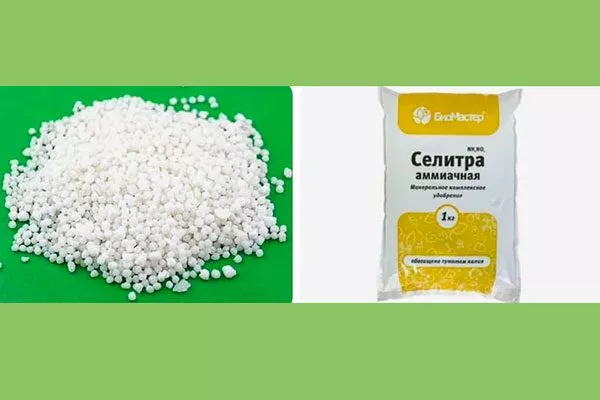
- ammonium nitrate – up to 6 kg per year;
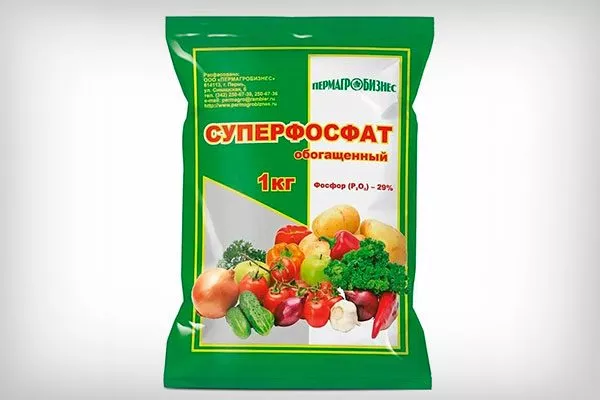
- Superphosphate - about 10 kg per year;
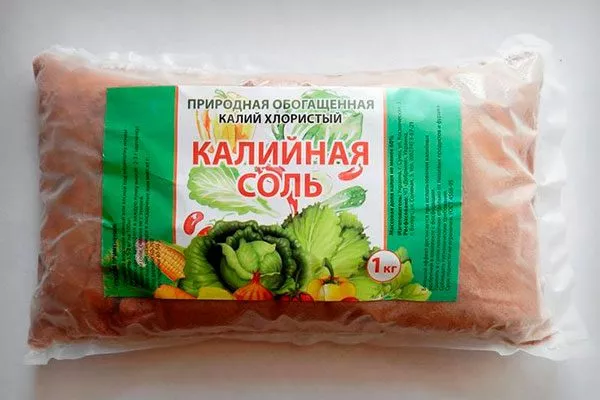
- potassium salt - about 3 kg;
- ammonium sulfate – up to 10 kg;
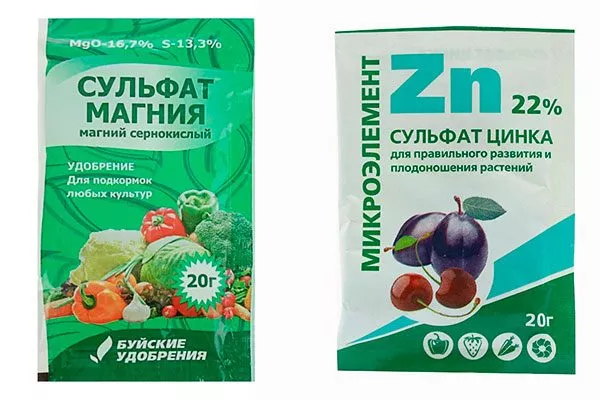
- zinc and magnesium sulfates – 2.5 g per square meter of root zone.

Complex
These formulas combine several nutrients, simplifying fertilization and balancing the soil.
These mixtures include:
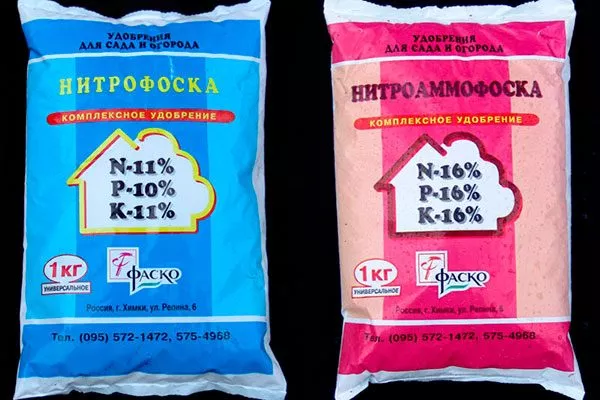
- nitroammophoska and nitrophoska – contain nitrogen, phosphorus and potassium in different proportions, suitable for different stages of tree development;
- ammophos and diammophos - provide plants with nitrogen and phosphorus.
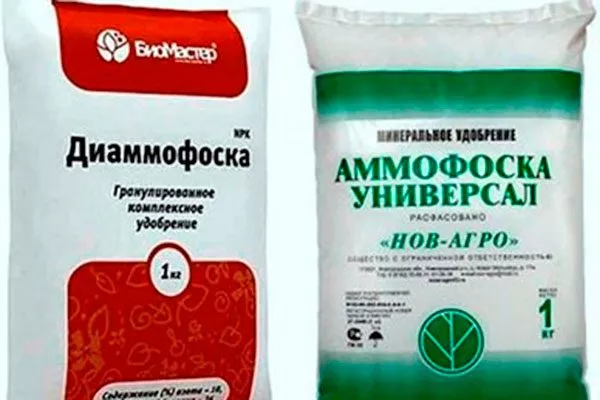
There are specialized fertilizers with added microelements such as boron, zinc or magnesium, designed specifically for fruit and nut crops.
The nuances of feeding young and mature trees
Apply your walnut tree's first fertilizer when planting. Add the following to the planting hole at least two weeks before transplanting:
- humus – 10 kg;
- wood ash – 200 g;
- Superphosphate – 200 g.
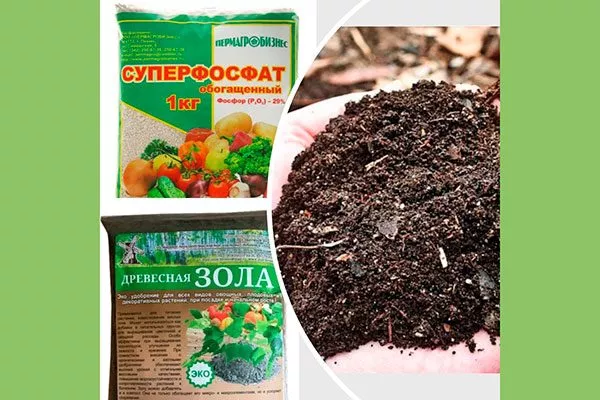
Cover the mixture with a thin layer of regular soil to protect the roots from burning. With this type of feeding, the tree typically won't require additional fertilizer for the next 2-3 years.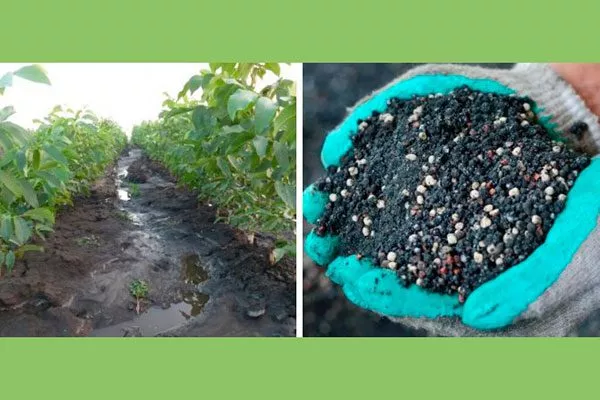
Subsequently, during the first ten years of growth, annually add 3-4 kg of manure or humus per square meter of the tree's trunk circle.
If organic matter is not available, replace it with mineral fertilizers:
- 60 g ammonium sulfate;
- 35 g ammonium nitrate;
- 80 g Superphosphate;
- 15 g of potassium salt – for the same area.
In different regions and on different soils
Walnut fertilization depends largely on the soil type and climate conditions of the region. Different areas require individualized fertilization approaches:
- On Kuban and the Caucasus regions Apply up to 20 tons of manure per hectare every four years during autumn plowing. Apply mineral fertilizers annually: 5-8 centners of superphosphate and 1-1.5 centners of potassium salt per hectare. During the second cultivation, add 1.5 centners of ammonium nitrate.
- IN Middle zone On sandy soils in the spring, before the growing season begins, sprinkle 1.5 kg of ammonium nitrate under each tree, and after harvesting, sprinkle 4 kg of superphosphate.
- IN Central Black Earth regions Walnuts are less demanding in terms of additional nutrition. It's sufficient to add 1-2 kg of saltpeter to the tree's trunk circles during the first 3-5 years and fertilize with compost or superphosphate every four years.
Walnut trees prefer neutral to slightly alkaline soils with a pH of 6 to 8.2. If the soil is acidic, it should be regularly limed. You can determine the acidity yourself using a soil extract and litmus paper.
Optimal fertilizing schedule: seasonal features
Proper nutrition is the foundation of walnut health and fruiting. The tree's needs vary depending on the season, so fertilizing should be gradual and well-thought-out. Nitrogen is essential in spring, moderation in summer, and preparation for winter in autumn.
In the spring
Before fruiting begins, walnuts especially need nitrogen. Therefore, around March to early April, apply the following fertilizer under each tree:
- ammonium nitrate – about 300 g;
- manure or humus – 5 kg per 1 sq. m.

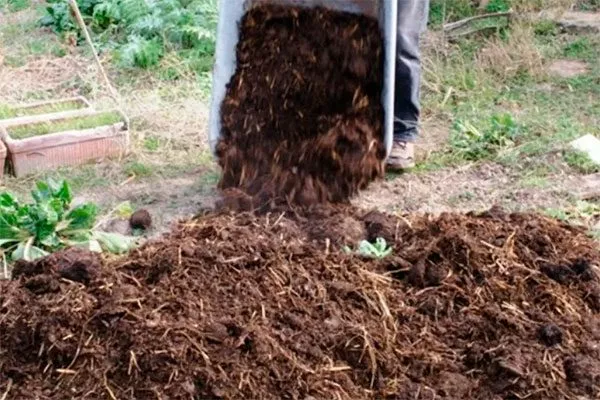
Apply fertilizer in two stages, 20-25 days apart. The second application is a mixture of saltpeter with one-third phosphorus and potassium (superphosphate and potassium salt). Apply the second application into a groove around the tree and water thoroughly to dissolve the fertilizer.
In summer
Nitrogen fertilizers are contraindicated during the fruit growth period. Use additional fertilizers only if the tree is underdeveloped or diseased. For young seedlings that haven't yet borne fruit, the following can be used in summer:
- about 4 kg of saltpeter per plant;
- Superphosphate in a dosage depending on the soil type.


In the fall
Before winter sets in, it's important for the walnut tree to strengthen and accumulate nutrients. After harvesting, apply the following fertilizer per square meter of trunk circle under each tree:
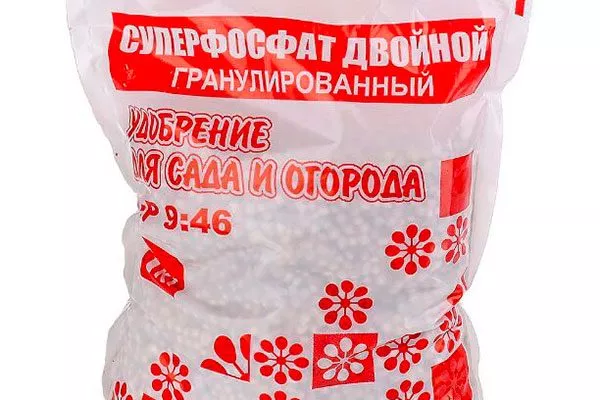
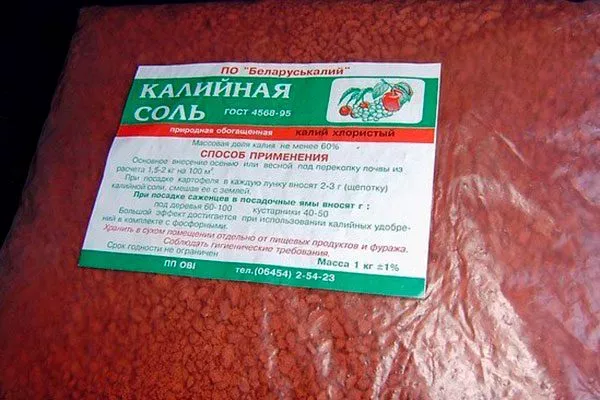
- Superphosphate – 20 g;
- potassium salt – 15 y.
It's also helpful to mulch the soil with humus (3-4 kg per square meter). In regions north of Lipetsk, mulch annually, and in southern regions and on poor soils, every 2-3 years. In the fertile black soils of the Voronezh and Tambov regions, mulch every 4-5 years.
Common mistakes gardeners make and helpful tips
Beginning gardeners often encounter difficulties when growing walnuts. Common mistakes include problems with fertilizing:
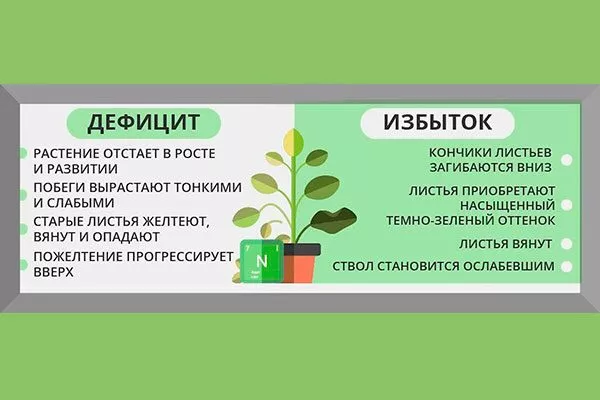
- Nitrogen overdose. Excessive nitrogen fertilizers lead to the vigorous growth of unnecessary shoots, causing the tree to become overweight. Applying saltpeter or concentrated organic matter (such as chicken manure) in the summer during the fruit ripening period is especially dangerous, as it can cause the unripe nuts to fall en masse.
To avoid problems, it is recommended to apply spring fertilizing as early as possible, and in summer it is better not to use nitrogen fertilizers at all – it is acceptable to scatter saltpeter on the snow at the beginning of the season. - Lack of fertilizers in poor soils. If there's a lack of nutrients, trees will develop poorly, and pale spots will appear on the leaves—a sign of chlorosis due to chlorophyll deficiency. In such cases, it's important to increase the nitrogen dose and add magnesium and calcium fertilizers.
- Insufficient watering. Plants absorb any fertilizer only in dissolved form. Therefore, after applying fertilizer, it's essential to maintain ample soil moisture—watering should follow each application.
Current fertilization recommendations are:
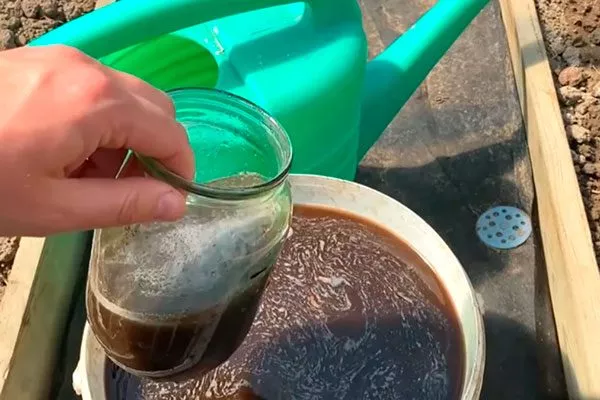
- When applying dry fertilizers (for example, superphosphate or saltpeter granules), even to damp soil, water thoroughly so that the nutrients dissolve and reach the roots.
- If you're applying a solution, combine it with watering. Afterward, mulch the area around the tree trunk.
Frequently asked questions
This section contains answers to the most frequently asked questions about walnut tree care and feeding. Here you'll find recommendations on choosing fertilizers, growing conditions, and other important aspects that will help ensure healthy growth and a bountiful harvest.
How to feed walnuts in spring?
In spring, in March, feed fruit trees with nitrogen: use ammonium sulfate on alkaline soils, and calcium ammonium nitrate on neutral or slightly acidic soils. The application rate is approximately 100 g of nitrogen per seedling.
What does a walnut dislike?
Walnut trees don't thrive in areas with high humidity or overly acidic soils. In such conditions, the tree grows slowly and produces few fruits. The best soil for walnut trees is considered to be a mixture with a high clay content and a small amount of sand.
Can wood ash be used?
Yes, wood ash is rich in potassium and other beneficial microelements. The recommended application rate is 200-300 g per 1 square meter of tree trunk area.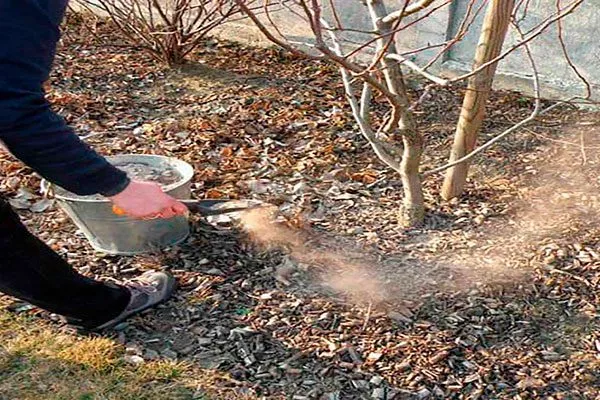
Properly selected and timely applied fertilizers help walnut trees develop fully, strengthen their root system, and increase winter hardiness. Adhering to proper fertilizing guidelines during different growth stages allows for a stable and abundant harvest for many years. Proper nutrition will ensure the tree's longevity and fruiting.