
The Kocherzhenko walnut tree exhibits good yields, is easy to grow, and has a strong immune system. It tolerates weather changes and produces fruit well in any climate. Following basic farming practices will help you grow a plant that produces abundant, delicious fruit.
Brief history of appearance
Bred by I. E. Kocherzhenko, this biologist and geneticist created a highly effective modifier based on the Ideal variety.
Characteristic
The crop possesses numerous qualities, including good frost resistance – it can withstand temperatures down to -30-35°C. It is renowned for the following varietal characteristics:
- Mid-early variety – harvest is collected from August to October.
- Additional pollinators are not required, since the nut has secondary flowering in a parthenocarpic form.
- The seedlings begin to bear their first fruits already in the 2nd-3rd year after planting.
- A high-yielding variety – up to 40 kg can be harvested from one tree.
The plant is undemanding to climatic conditions and grows successfully in various regions of Russia.
Description of appearance
This easy-to-grow tree is ideal for beginning gardeners. It produces high yields and tasty, nutritious fruit that can be stored for up to 1.5–2 years after harvest.
Fruit
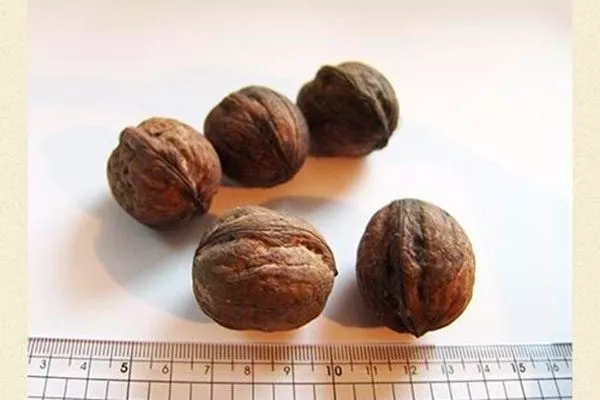
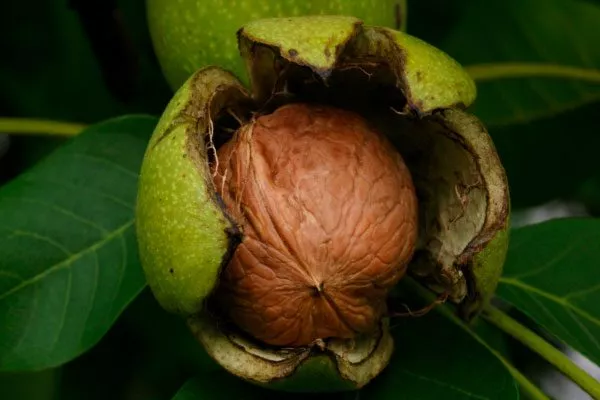
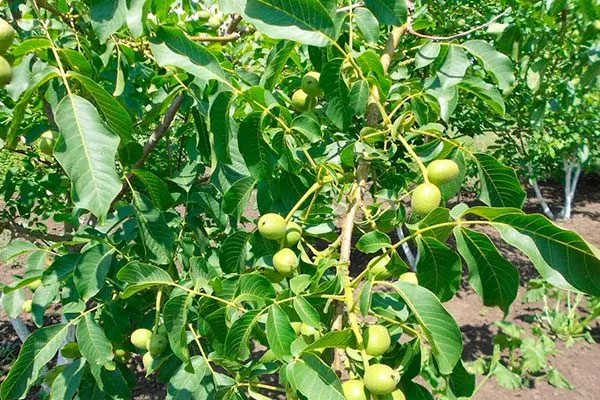
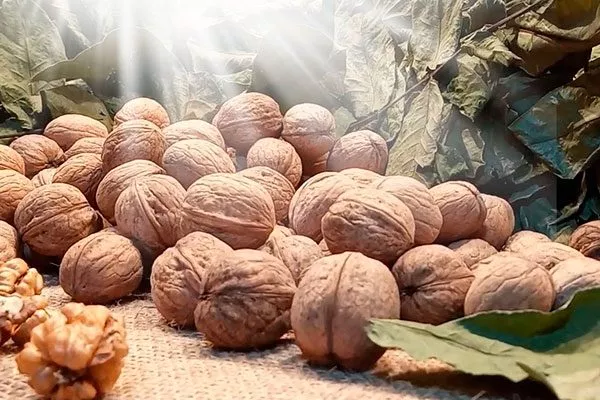
Large, thin-shelled nuts. The kernel is easily removed without much effort. They are round in shape and wheat-colored. They weigh up to 15 g. The nuts form large clusters of 2-11 nuts.
Tree
Low-growing, making harvesting easy. It has a strong and well-developed root system.
Flowers
It blooms in April-May, lasting about two weeks. The petals are light green.
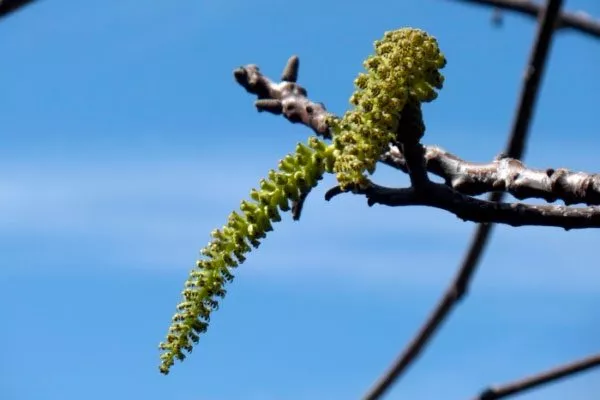
The tree has two types of flowers. In male specimens, the stamens resemble pendulous catkins, densely clustered in the leaf axils. Female flowers are borne singly, usually at the top of the shoot.
Advantages and disadvantages
Before growing a new variety in your garden, it's important to study its pros and cons. Kocherzhenko has many advantages:
List of differences from other varieties
Its main distinguishing feature is its high frost resistance, allowing the plant to withstand even severe frosts. The variety has demonstrated a remarkable ability to produce numerous fruits on a single shoot—their shape is perfectly round, unlike other varieties.
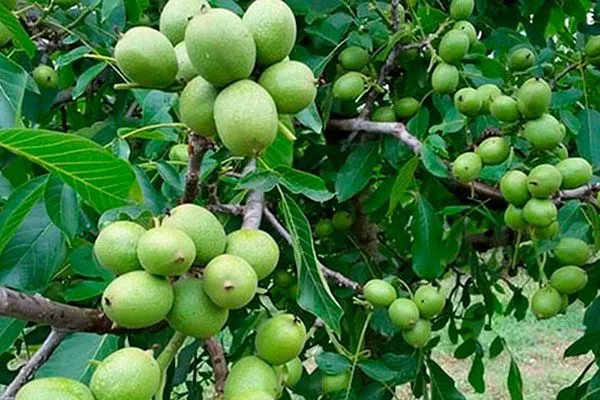
It thrives even in northern regions. The hybrid is also resistant to diseases and pests. However, due to the weight of the nuts, young trees require additional support to prevent shoots from breaking under the pressure of a bountiful harvest.
Benefits and harms
Kernels have a high oil content—up to 75%—making them a high-calorie food. Other important aspects should also be considered.
Benefit:
- Strengthening immunity.
- Stimulation of brain function.
- Treatment and prevention of cardiovascular diseases.
- Rapid restoration of energy in the body after physical activity.
Harm:
- Not recommended for overweight individuals due to high calorie content.
- Not suitable for people with gastrointestinal disorders and diseases.
To obtain maximum benefits, it is recommended to consume 100-150 g of walnut kernels daily.
Rules for growing seedlings
Immediately after purchasing the seedlings, place them in a bucket of warm water. After 2-3 days, you can begin planting them in the ground.
When do they plant in different regions?
In central Russia, carry out this procedure in the spring, before the plants begin to grow. In warmer regions of the Central Black Earth Region, autumn planting is possible, but it should be done before the first frost. In northern regions, planting is recommended in the spring, as soon as the air temperature rises to +10°C.
Landing
Use clay as a planting soil, as it retains moisture. Ensure adequate moisture for active root development. Recommended soil pattern landings is 4x4 m.
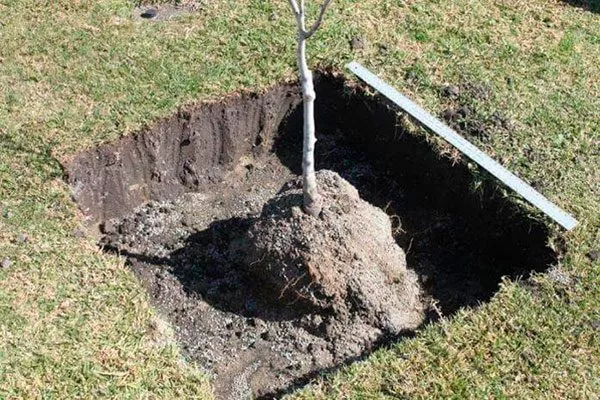
Step-by-step instructions:
- Prepare a planting hole about 40-45 cm deep and 50-60 cm in diameter.
- Place a layer of clay at the bottom of the hole and compact it slightly.
- It's especially important to apply the first fertilizer when planting a seedling to ensure the young plant has the necessary nutrients for the next 2-3 years. When planting, place a mixture of ammonium phosphate (1 kg) in the center of the hole, then add vermicompost or manure (10-20 kg), and then cover the seedling with soil.
- Mulch the tree trunk circle with straw manure.
Care
Although the Kocherzhenko walnut is known for its low maintenance, it still requires some care. Here are a few key points:
- Watering. Water the seedlings regularly using small amounts of water. Rainwater is best. The recommended frequency is 1-2 times per week.
- Top dressing. Apply fertilizer in spring, summer, and fall. Two to three years after planting, apply nitrogen fertilizers in the spring, organic fertilizers (humus and manure) in the summer, and phosphorus-potassium fertilizers in the fall.
- Whitewash. Treat plant trunks before frost (when temperatures drop to 4-5°C) to protect them from pests and rabbits. Reapply the whitewash in spring, or in February, when temperatures are above freezing.
- Trimming. The best time to perform this procedure is March-April. Avoid treating cuts, as they scar quickly. Prune young plants when they reach a height of 1.5 m. Remove standard shoots, fertile branches, and dead shoots.
Prune young plants in September, removing shoots longer than 60 cm.
Preparing for winter
Although Kocherzhenko's rhododendron tolerates frost, winterization is essential, especially for young specimens. Wrap them in burlap before winter to protect them from cold and wind. Once they reach 10-12 years of age, no additional protection is needed.
Harvesting
Harvest the fruits before they are fully ripe, when the shells have not yet split. This usually occurs in late August or mid-September. Store them in wooden crates for further ripening and storage. Full ripening occurs in 2-3 weeks in a cool place.
Diseases and pests
The crop is rarely susceptible to diseases and pest attacks, but unfavorable conditions and unsuitable soil can provoke various infections, such as bacteriosis, fire blight, marsonia and root cancer.
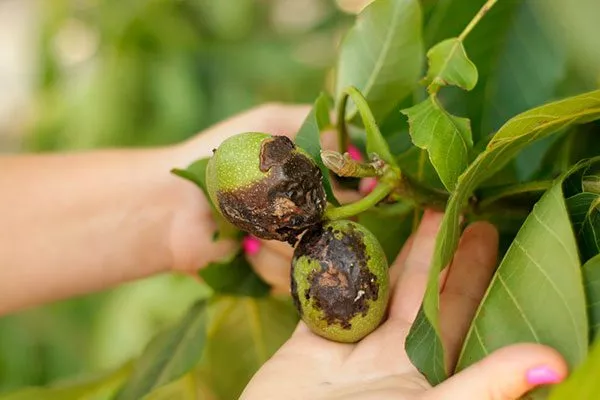
Infection control involves the use of chemicals, but treating already infected trees is often difficult, especially in the case of root canker, which is considered incurable. Therefore, prevention is crucial.
Follow the recommendations:
- One preventative measure is to treat the plantings with Bordeaux mixture (3%) with the addition of urea (0.3%) in early spring after flowering. Repeat this procedure after two weeks.
- It's important to control pests (moths, caterpillars, and beetles). If pests are detected, spray the plants with insecticide solutions.
Reviews
Gennady, 62 years old, Nizhny Novgorod.
The Kocherzhenko walnut is a variety recognized by gardeners for its low maintenance, high yield, and excellent flavor. It is an ideal choice for those seeking to grow a healthy and productive tree in their garden. It is important to follow planting guidelines and provide the tree with proper care.