
The harvest time for fruit trees varies depending on the growing location. Other factors also influence fruit ripening, including climate, the summer-fall temperature in a given region, and the quality of tree care.
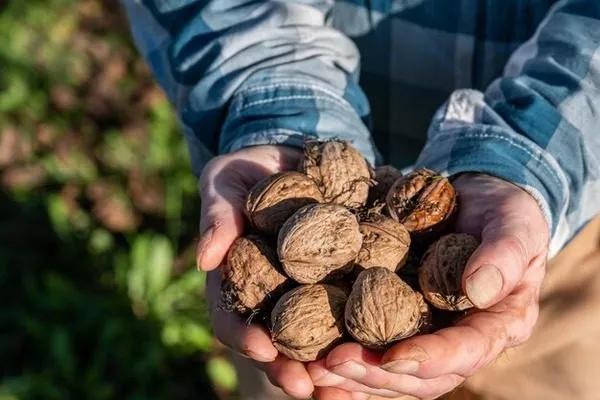
When to harvest walnuts?
Harvesting walnut Drying should be done in dry weather, with no precipitation forecast. The optimal drying period is 7-10 days, which will avoid the need for repeated washing and drying before consumption or storage.
The harvesting period depends on the nut variety:
- early ripening – ripen at the end of August after flowering in May;
- mid-season – show shell cracking in September;
- late-ripening, blooming in June – reach maturity in early October.
Features depending on the region:
- Earlier harvesting is typical for southern regions such as Krasnodar Krai, Crimea and the Caucasus.
- In Central Russia, including the Moscow region, Ryazan, Tula, Voronezh, and Belgorod regions, harvesting times are in line with standard indicators.
- In the Ural, Siberian, and Leningrad regions, harvesting may be delayed by almost a month.
It is recommended to collect the nuts in stages – at intervals of several days, collecting the cracked and heavier nuts first, then the rest.

In commercial cultivation, harvesting begins when most of the fruits are ripe, to minimize drying time and prevent deterioration of fallen nuts. Depending on the variety and region, the harvest season lasts from late August to late October.
Determination of ripeness
To ensure a high-quality walnut harvest, it's important to harvest them promptly. Late harvesting can lead to poor flavor and even health problems. Harvesting the nuts too early, before they've reached maturity, makes them bitter and unfit for consumption.
At the same time, overripe nuts lose their flavor and nutritional value, becoming dry and less nutritious. Determining the optimal time for harvesting requires attentiveness and experience in tree observation.
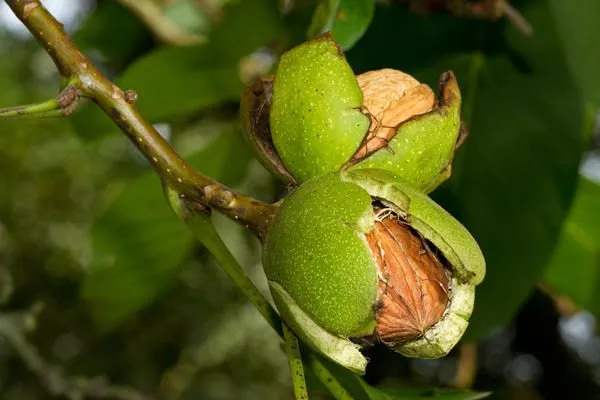
It's recommended to begin harvesting before the shells begin to crack, which is a sign of overripeness. To check the kernels, pick a few nuts, crack them, and inspect them visually and by taste. This will help you determine whether the nuts have reached optimal ripeness for harvesting.
The most common signs of nut ripeness used by gardeners include the following aspects:
- The nuts are easily separated from the tree by gentle shaking or are found lying naturally on the ground.
- A tree with ripe fruits may noticeably sway and wobble when touched, which is explained by the increase in the mass of the nuts.
- Color is an important indicator of walnut ripeness. Ripe walnuts take on a golden-brown hue, with the skin easily separating from the kernel. A greenish or yellowish hue indicates immaturity.
- The movement of the kernel inside the shell also indicates maturity. When the nut is ripe, the kernel begins to move freely when shaken. If it remains attached to the inner wall of the shell, the nut is not yet ready for harvesting.
- It's important to consider the fruit's size: ripe walnuts are larger than unripe ones. A small size indicates that the fruit is not yet fully ripe.
- Another criterion for maturity is the ease with which the nut splits into two halves. A ripe nut splits open easily, allowing the kernel to be extracted without difficulty. A hard, unbreakable shell indicates that the nut is not yet ripe.
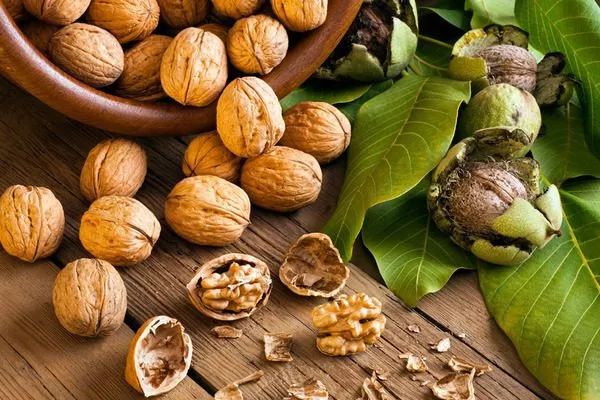
- One of the clear signs of harvest readiness is the cracking of the pericarp. The shell begins to split open, attempting to release the ripe kernel. This process begins with the lower branches, close to the ground, and only after some time spreads to the upper branches.
- You can also determine whether the nuts are ripe by the condition of the tree's crown. The foliage loses its rich green color, acquiring autumnal hues as the kernels reach maturity. If in doubt, it's best to wait until the first leaves fall, but it's important not to miss this moment to avoid crop losses due to fruit drop and birds.
- Experienced gardeners determine the harvest time based on the onset of flowering. The countdown begins when the first flower stalks appear. For example, if flowering begins in late May, the harvest will be ready in late August or early September. On average, it takes 90-110 days for the tree to produce fruit.
- The weight of the fruit also indicates ripeness. A fresh, ripe nut weighs approximately twice as much as a dry one.
Weather conditions significantly influence nut ripening. Hot summers accelerate the ripening process by 2-3 weeks. Cold weather, with temperatures 10-15 degrees below normal, conversely, slows down the growing season by about two weeks.
How to harvest properly?
To successfully harvest walnuts, it's important to carefully prepare the necessary tools and equipment. Be sure to also learn the proper harvesting techniques.
Tools and equipment
Some tips for preparation:
- Garden shears or pruning shears. They will make the process of pruning the fruit and separating it from the tree easier. Before you begin, make sure the tool is sharp and well-honed.
- Protective gloves and glasses – Essential equipment: Gloves will prevent cuts from the sharp edges of nuts, and goggles will protect your eyes from debris and broken branches.
- Boxes or nets. They will help organize harvesting and storage. Choose sturdy and stable containers to avoid breakage during work.

- Equipment for picking fruits. If the trees are tall, use a ladder or lift to access the upper branches. Make sure they are securely fastened for safety.
- Packaging materials – plastic containers or boxes to keep nuts fresh and good for a long time.
Organize your workspace, pay attention to safety, and use high-quality equipment. This will ensure the most efficient walnut harvest.
Methods of collecting nuts
After ripening, most of the nuts fall to the ground, and this is where the harvest begins. It is recommended to collect fallen nuts daily to prevent the skins from darkening and softening, making them difficult to remove.
There are various methods of harvesting nuts, depending on the scale of production and the level of mechanization:
- Hand picking – This involves knocking nuts off the tree with sticks or shaking the branches by hand, followed by hand collection or simple harvesting. This method is labor-intensive, unsafe, and cost-ineffective, so it is used only at home.

- Semi-mechanized method – This method involves the use of mechanical tree shakers followed by manual harvesting or nut pickers. This method is safer and more productive than manual harvesting and does not cause significant damage to the trees, but does not significantly reduce the number of harvesters.
- Mechanized method - The system automates both the shaking and nut-collecting processes. This significantly reduces the need for personnel, improves productivity, and increases safety.
In commercial orchards, specialized equipment is used for harvesting, allowing for quick and efficient fruit collection. Mechanized harvesting is the most promising and cost-effective method, increasing labor productivity by 10-12 times.
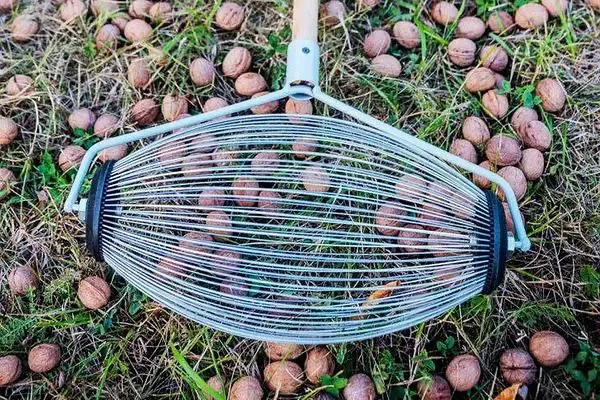
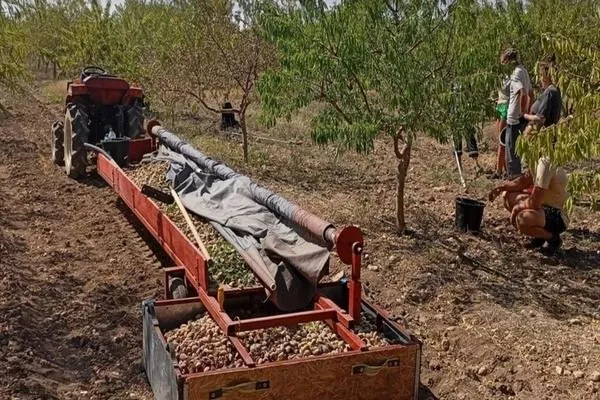
There are two types of mechanized harvesting: single-phase, when the shaking unit is equipped with a fruit catcher (or a combination of a shaker and a catcher is used), and two-phase (separate), in which the nuts are first shaken onto the ground and then collected by special pickers.
Step-by-step assembly instructions
To prevent your hands from becoming permanently brown, wear gloves. Suitable containers, such as buckets, boxes, or baskets, are prepared for harvesting.
From the ground
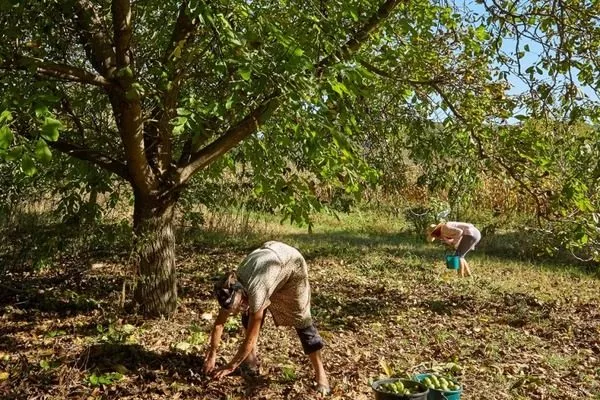
It is important to collect fallen nuts from the ground promptly: no later than 24 hours after falling, and in wet weather conditions – within 8-12 hours, to prevent mold formation and ensure long-term storage.
Peculiarities:
- To collect nuts from the ground, use metal brooms, rakes, or a specialized rolling tool that grabs the nuts through the rods into a container.
- Harvesting machines are used on industrial scale on plantations. They use vibration to quickly free the trees of their fruit, which falls onto spread tarps or oilcloths. The harvested nuts are placed in prepared containers.
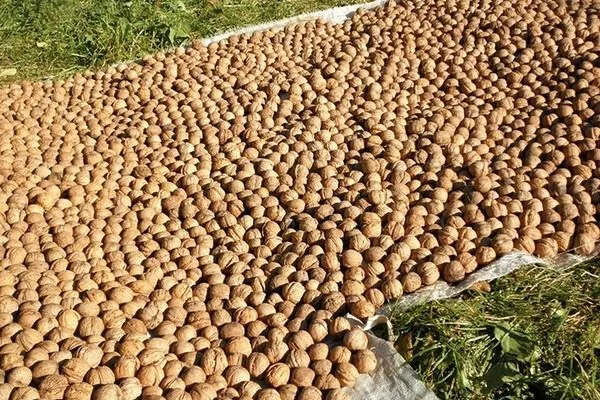
The nuts, with the soft shell still attached, are stored separately in a cool place for 1-2 weeks to ripen, until the shell begins to peel off easily. Before drying, the nuts are cleaned of any foreign matter or debris.
How to pick from a tree?
Harvesting begins with the lower, easily accessible branches, carefully picking the nuts by hand and placing them in prepared containers. A special tool is used to collect nuts from the upper branches:
- Securely attach a bag or plastic bottle with an open bottom to a long pole using wire or rope.
- Carefully knock the nuts down with a pole, directing them into the attached container to avoid damage.
- Sort the harvested nuts: nuts with tightly sealed shells are set aside for ripening. After sorting, the nuts are cleaned of any foreign matter and prepared for the drying process.
Cleaning Features and Recommendations
To optimally harvest nuts, it is necessary to consider the maturity stage and select the appropriate method:
- Harvest before the pericarp cracks. It's recommended to begin approximately two weeks before the outer shell begins to crack extensively. Focus on the lower branches—if the first cracks appear there, you're ready to begin.
Hand picking is often required because the nuts are so tightly held, so use a ladder. These nuts have a longer shelf life. - Collection at the stage of shell cracking. When the pericarps begin to split en masse, harvest the fruit by vigorously shaking the tree. Repeat several times on all branches. Harvest during the day after the dew has dried.
Repeat the procedure approximately once every two weeks, collecting ripe nuts in several stages.
Post-harvest processing
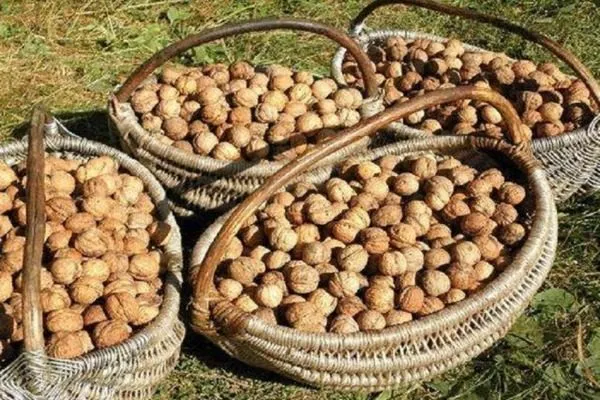
After harvesting, the question of further processing and storage arises. Initially, the nuts are sorted and dried. This process requires a warm, dry room, although in favorable weather conditions, drying outdoors in the sun is possible.
There are further alternative storage methods:
- whole, which allows maintaining the quality of the kernels for two years;
- peel the shell, but in this case the risk of damage to the fruit by pests increases.
You will find more details on how to properly store your walnut harvest so that it does not spoil for a long time. Here.
When to collect leaves?
The beneficial effects of walnuts on the body are widely known, but the healing properties of their leaves often remain underestimated. In folk medicine and cosmetology, walnut leaves are used to strengthen the immune system, promote overall health, and treat a number of ailments.
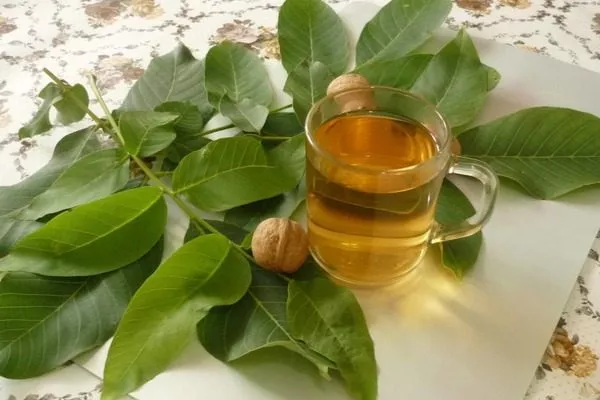
For maximum benefit, it's recommended to harvest them during the transition from spring to summer, when the concentration of nutrients in them reaches its peak. This is indicated by a rich, balsamic aroma.
Harvesting and shelling ripe walnuts is a simple process. The soft shell cracks easily, allowing the kernel to be extracted intact. If the nuts were harvested prematurely, it's recommended to dry them first by spreading them on trays in a well-ventilated area. This simple technique will facilitate further processing and save time.