
The Dessert walnut stands out among other varieties for its unique combination of qualities, making it an attractive choice for those seeking a bountiful harvest of delicious and nutritious fruit. The cultivar is drought- and frost-resistant, undemanding, and thrives in any climate, but consistent care is essential.
Botanical description
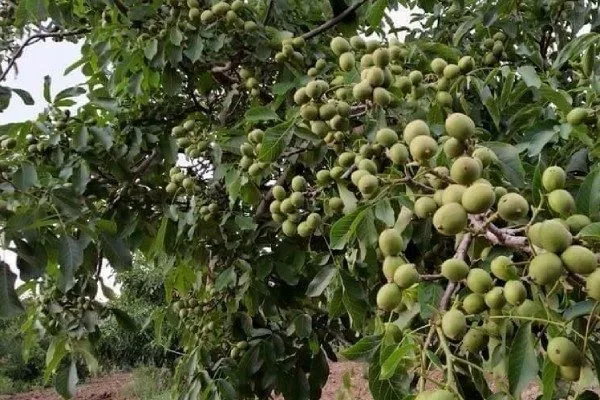
The Dessertny walnut variety was developed by A. A. Petrosyan in 1965 at the North Caucasus Zonal Research Institute of Horticulture and Viticulture. It is a short, compact tree, reaching a height of up to 3 meters, with a spreading crown and green leaves.
Fruit characteristics
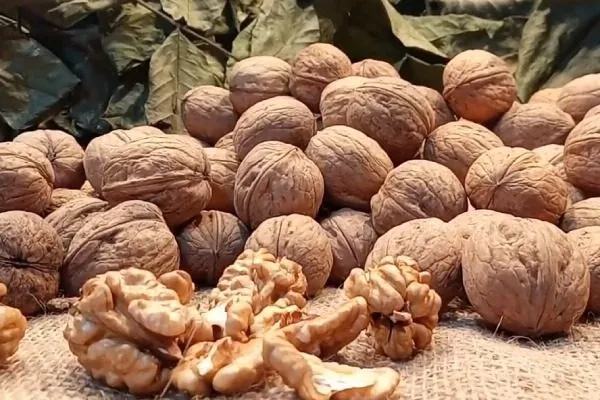
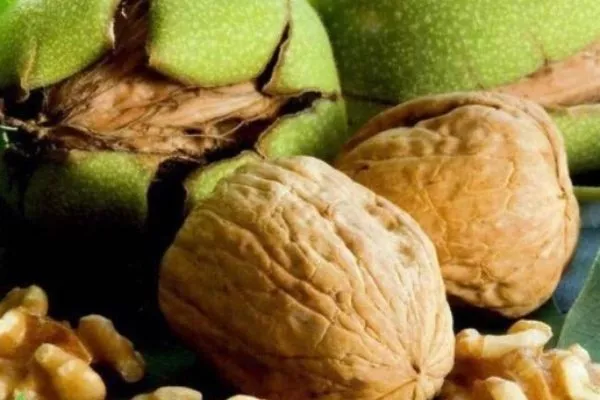
The fruits are medium-sized, weighing between 10 and 15 grams. They are characterized by an oblong-round shape without ribs. They are brown in color. The shell is 0.7 mm thick and easily separates from the kernel.
When grown properly, this variety begins bearing fruit in its third year. Ripening occurs in mid-September, and flowering occurs in April-May. The subspecies' main advantage is its high yield. A single tree can produce up to 25 kg of fruit.
Planting and growing conditions
Planting walnut trees requires certain precautions to ensure successful development and fruiting. Follow these recommendations:
- Selecting a location. Prefers sunny locations protected from cold winds. Suitable soil should be moderately fertile, well-drained, and neutral to slightly acidic.
- Preparing the soil. Before planting, prepare the soil thoroughly by digging a hole approximately 60x60x60 cm in size. Add organic fertilizer, such as humus or compost, mixed with a small amount of sand to the bottom of the hole.
- Planting a seedling. Place the seedling so that the root collar is slightly above the soil level. After covering the roots with a mixture of soil and fertilizer, water the hole thoroughly.
- Care after planting. After planting, regular watering is necessary, especially during periods of drought. Provide a weed-free environment around the plant. Walnut trees require regular fertilization with mineral fertilizers, especially during periods of active growth and fruiting.
- Crown formation. In the early years of a tree's life, shape its crown by removing excess or weak branches to ensure good lighting and ventilation.
- Protection from diseases and pests. Regular inspections of your plant will help identify potential diseases or pests. If you notice any problematic symptoms, take appropriate measures to combat them, including treatment with specialized products.
Gardeners' reviews
The Dessert walnut is a true treasure for gardeners and healthy eaters. Its juicy and delicious fruits are both enjoyable and beneficial, and tree care is accessible even to novice gardeners. By following simple gardening practices, you can grow plants with strong immunity and excellent varietal characteristics.