
Cherry plum is a valuable fruit tree that delights gardeners with its tasty and nutritious fruits. To grow a healthy and productive plant, it's important to choose the right seedling, select the right location, and follow basic planting guidelines. In this article, we'll explain in detail how to plant the plum so it thrives and yields a bountiful harvest.
Timing of planting seedlings
The timing of cherry plum planting depends on the region's climate, weather conditions, and local agricultural practices. The planting date may vary depending on the season:
- In the spring. The most favorable date for cultivating the crop is spring, when the soil warms up well and active plant development begins.

Planting is usually carried out from mid-April to mid-May, when the risk of recurrent frosts is already low and the soil temperature is conducive to successful rooting of seedlings. - In autumn. In some regions, autumn planting of cherry plums is acceptable, especially in mild climates and stable weather. This is most often done from mid-September to early October, when the soil still retains warmth and the cooler temperatures create comfortable conditions for the seedlings to root.
- In summer. When using containerized cherry plum seedlings, they can be planted throughout the warm season. These plants are sold in pots with closed root systems and can be transplanted into open ground at any convenient time, without any strict calendar deadlines.
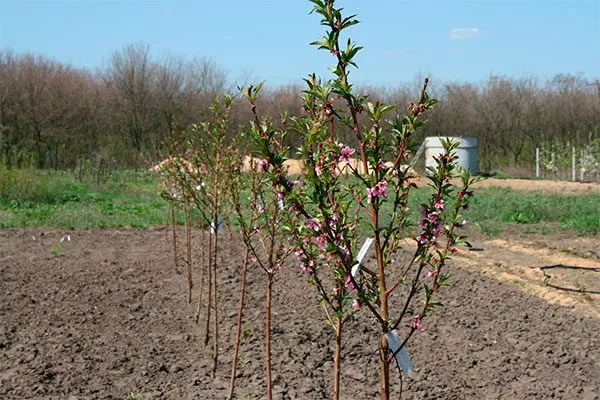
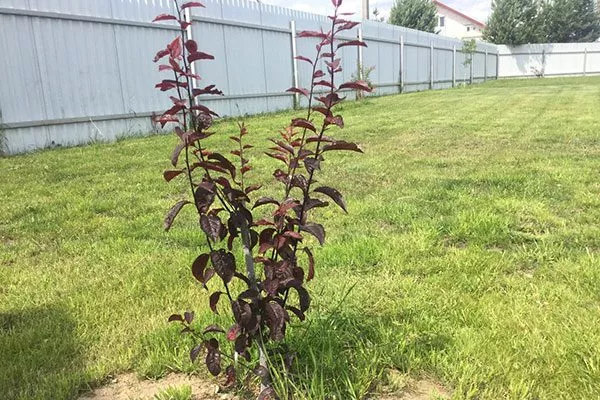
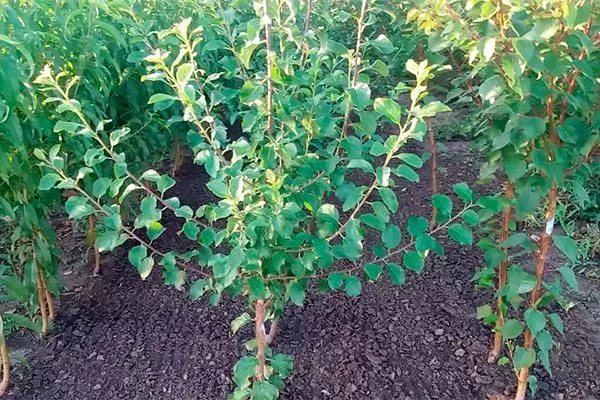
Cherry plum is a heat-loving plant, and when growing it outside of southern regions, it is important to take into account the climatic features of the area:
- Ural. The Ural climate combines short, hot summers with long, frosty winters. Only frost-hardy varieties capable of withstanding severe cold snaps are suitable here. Preference should be given to 2-3-year-old seedlings with a well-developed root system.
The planting site should be protected from strong winds and located away from nearby groundwater. Plant the cherry plum in the spring to allow the tree to establish itself over the summer. After planting, be sure to tie the trunk to a support to protect it from damage from gusts of wind during the winter. - Siberia. Harsh winters and sudden temperature fluctuations in Siberia require particularly cold-resistant hybrid varieties. It's best to plant seedlings in spring. Ideal sites should receive good sunlight but be free of drafts.
Cover young trees with breathable material for the first 1-2 winters, and insulate the root zone with spruce branches or mulch to prevent freezing. - Central Russia and Moscow region. The climate here is milder than in Siberia or the Urals, and the selection of varieties is much wider. However, late frosts are still possible in these regions, so it is recommended to plant varieties that are tolerant of low temperatures.
The planting site should be sheltered from the wind—sites near walls or slopes are suitable. During the winter, especially in cold and low-snow conditions, it is recommended to insulate the roots using a covering material or a layer of mulch.
With the right choice of variety and proper agricultural practices, cherry plum can be successfully grown not only in the south, but also in colder regions.
How to choose a cherry plum variety for planting?
To get a bountiful cherry plum harvest without unnecessary effort, it's important to choose the right variety from the start. Modern nurseries offer a wide selection of seedlings, each with a different characteristic.
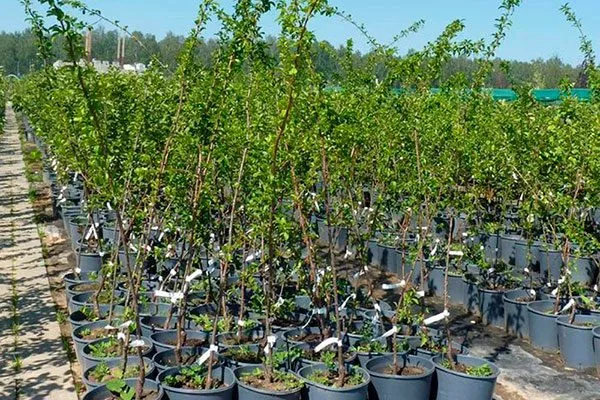
All varieties of cherry plum are classified according to ripening time:
- early – the fruits ripen in late July or early August;
- average – the harvest is collected in mid-August;
- late – The fruits are ready for harvesting in late August or September.
In addition, varieties are distinguished by plant height – low-growing, medium-growing and tall – as well as by pollination type – self-sterile and self-fertile.
Thanks to interspecific hybridization, varieties have emerged that are successfully grown not only in the Moscow region, but also in regions with harsher climates:
- Nesmeyana – An early, self-sterile variety with high winter hardiness. The tree is tall and spreading. The fruits are pale red, with fibrous, dense flesh and a sweet-tart flavor. The pit is easily separated.
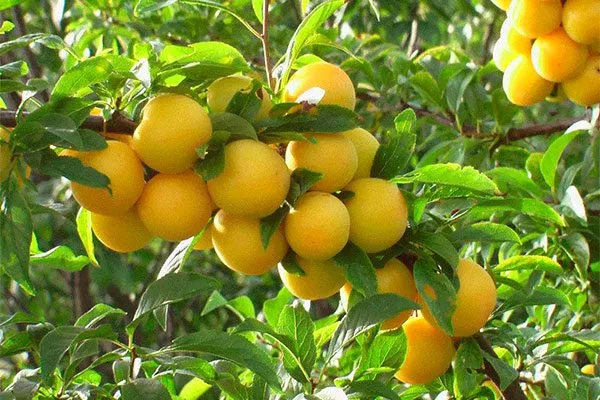
- Scythian gold – A very early self-sterile variety with good yields and good frost resistance. A medium-sized tree with a lush crown. The yellow fruits weigh about 35 g and are juicy and delicious.
- Traveler - An early, self-sterile cherry plum, frost-hardy. Small, yellow fruits with a purple-red bloom weigh about 27 g. The sweet, orange flesh has a delicate aroma and a fine-grained texture. The pit is difficult to remove.
- Cleopatra – A late-maturing, self-sterile variety with winter hardiness. A medium-sized tree with a broad, conical crown. Large, dark purple fruits weighing approximately 37 g have a bluish bloom. The dense, red flesh has a cartilaginous texture, and the pit is half-separated.
- Mara - A mid-season Belarusian variety, resistant to disease and frost. The tree is short, producing yellow fruits weighing approximately 23 g. The flesh is juicy and very sweet.
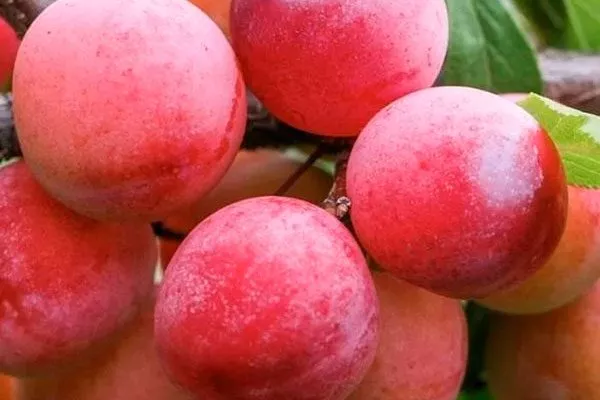
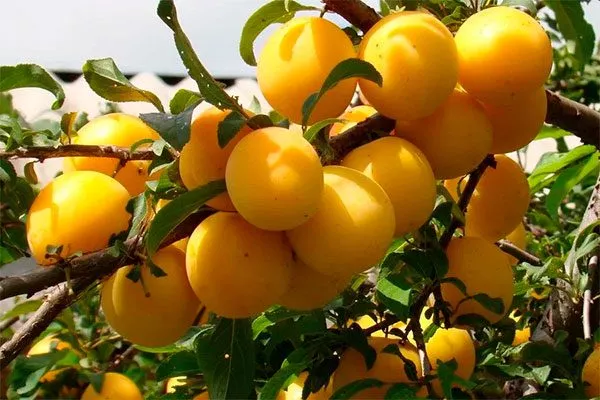
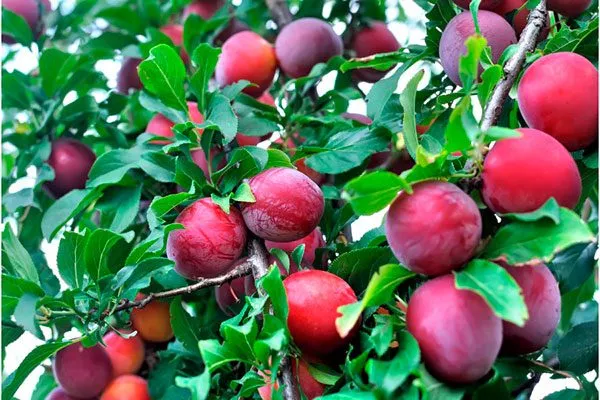
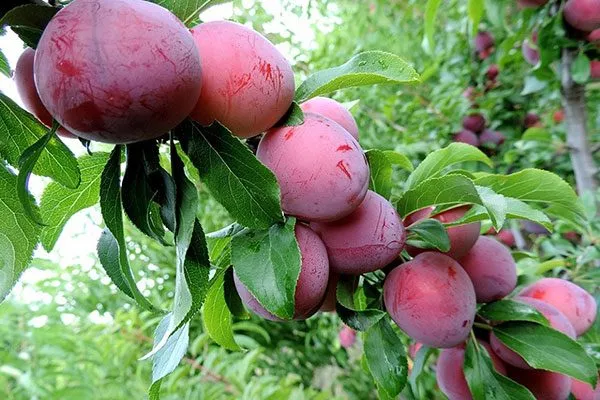
Popular early ripening varieties:
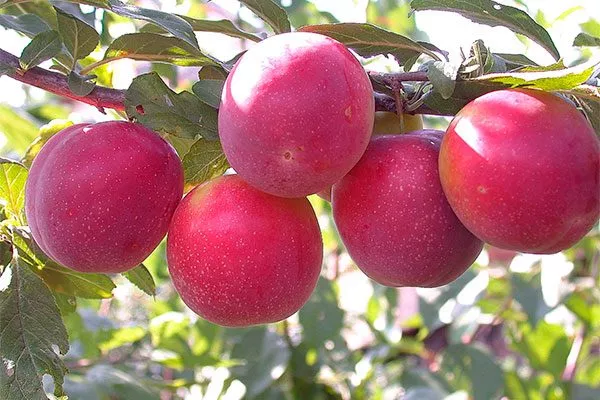
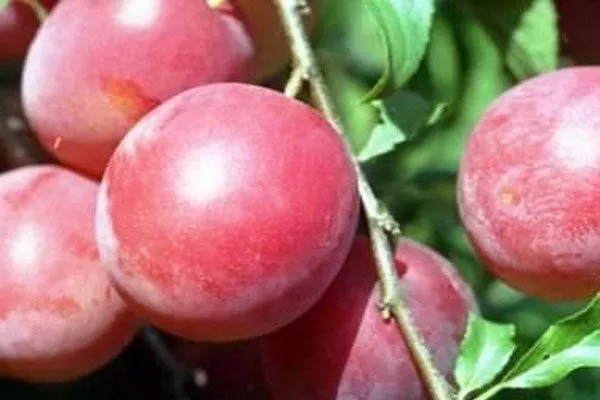
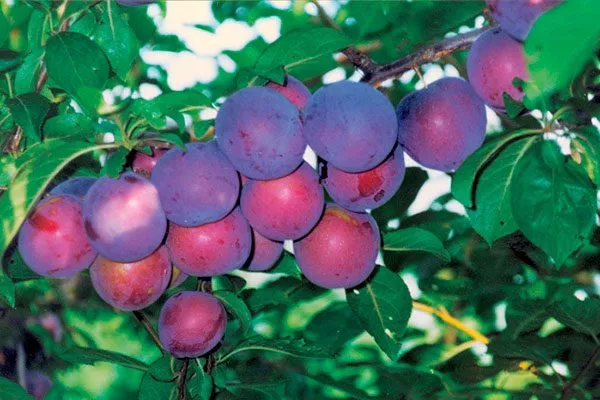
- Found – A self-sterile, stable, and productive cherry plum with high frost resistance. The fruits are purple-red, medium to large in size, up to 31 g, with slightly juicy, fibrous orange flesh.
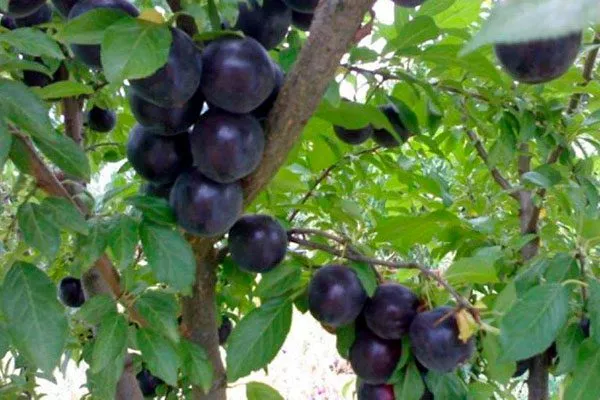
- Flint - A self-fertile, disease- and drought-resistant variety. Dark purple fruits with a waxy coating weigh about 29 g. Firm red flesh, the pit is difficult to remove.
- A gift to St. Petersburg – A self-sterile variety with frost resistance and stable yields. Small fruits, about 12 g each, have an orange-yellow hue and a waxy coating. The flesh is juicy, sweet and sour, with a fine-grained texture; the pit is difficult to remove.
- Yarilo – A very early cherry plum with glossy red fruits weighing about 35 g. Dense yellow flesh, sweet and sour, the stone is separated in half.
- Monomakh – An early-ripening, high-yielding variety with purple fruits weighing about 25 g. Sweet, juicy flesh with a red tint and fibrous structure; the stone separates easily.
The most popular mid-season varieties:
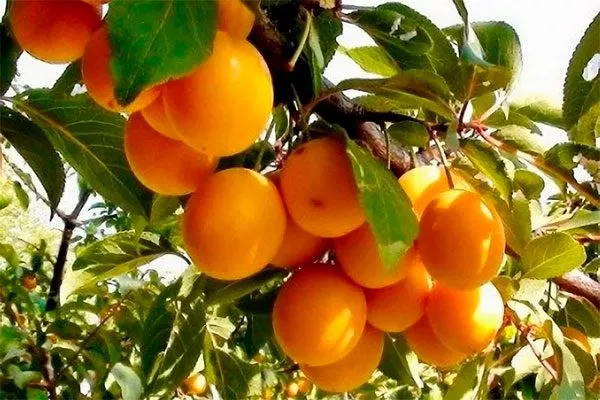
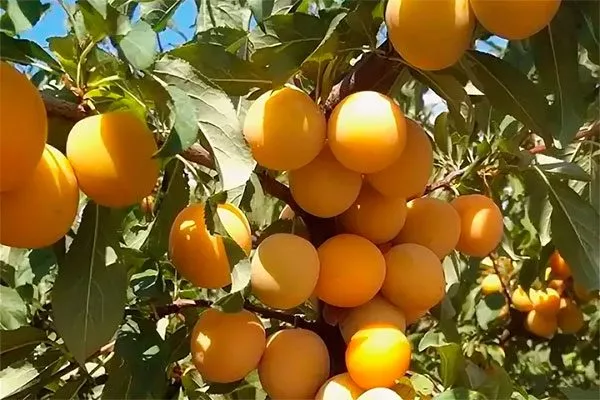
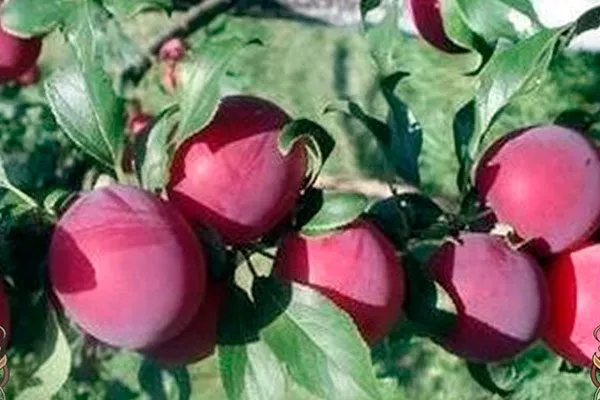
- Huck - Medium-sized, self-sterile, with stable yields and frost resistance. It has a lush, rounded crown. Large yellow fruits, about 35 g, have firm, sweet-tart flesh. The pit is difficult to remove.
- Sarmatian - A self-fertile, frost-hardy cherry plum that is resistant to diseases. The medium-sized, ovoid fruits are reddish-purple in color and have yellow, sweet-tart flesh. The pit is difficult to remove.
- Sigma – A high-yielding variety with excellent frost resistance. Large yellow fruits weigh about 35 g, with firm, sweet-tart flesh.
- Abundant – A self-sterile cherry plum with good productivity. The fruits are purple-red with a waxy coating, weighing approximately 40 g. The flesh is medium juicy and firm, orange in color, with a fibrous texture.
- Lama - A self-sterile, frost-resistant variety. Red leaf blades, large, dark raspberry-colored fruits weighing about 40 g. Fragrant, juicy, dark-red flesh with an easily separated pit.
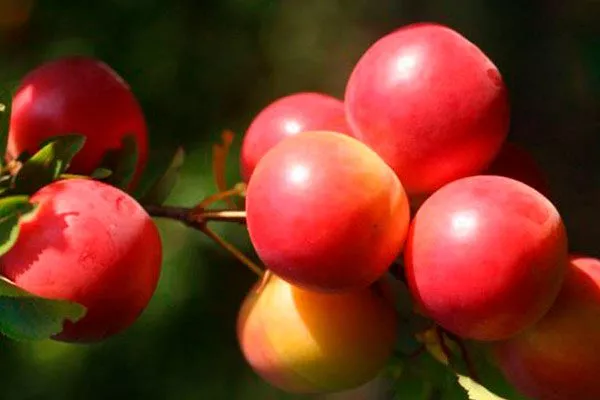
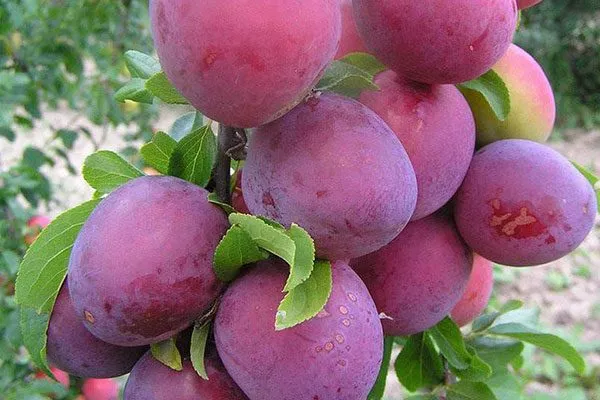
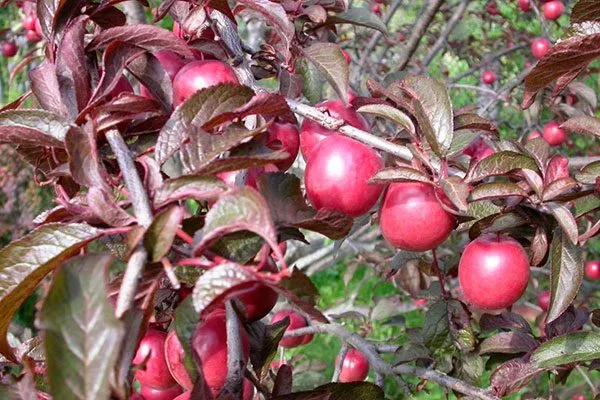
Popular late-ripening cherry plum:
- Comet late - A highly frost-resistant and productive variety. Dark red fruits weighing approximately 30 g each have fragrant, sweet-and-sour red flesh.
- Chuk - A self-sterile, dwarf variety with a compact crown, productive and disease-resistant. The burgundy fruits weigh approximately 28 g and have firm, juicy orange flesh. The pit is difficult to remove.
- Columnar – A hybrid created by crossing the Hiawatha cherry plum and the large-fruited cherry plum. A tall, compact plant with a frost-resistant crown. Large, dark-red fruits weighing approximately 40 g with a waxy coating. The flesh is juicy, aromatic, pink, and medium-firm.
- Melon - A self-fertile, medium-sized variety that is resistant to pests and diseases. Large, dark-red fruits, about 45 g, have a waxy coating. The sweet, yellow flesh has a delicate aroma and excellent flavor.
- Golden autumn – A frost-hardy, medium-sized cherry plum with a spindle-shaped crown. Small, golden fruits weighing about 20 grams remain on the branches after the leaves fall. The flesh is yellow with an almond hue and is very tasty.
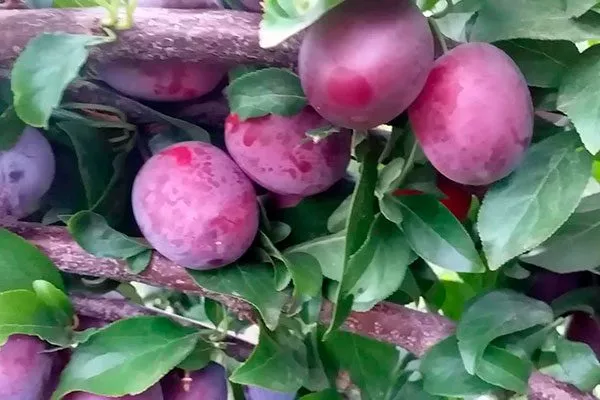
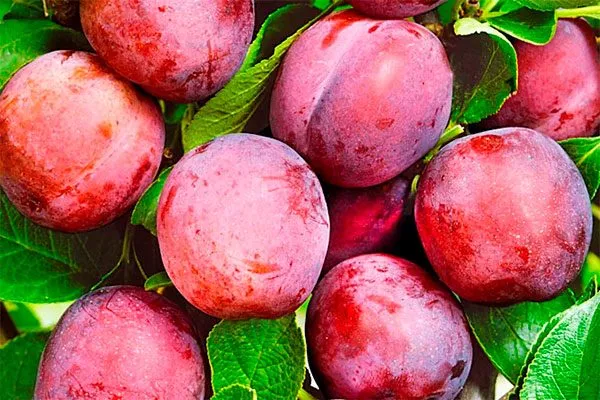
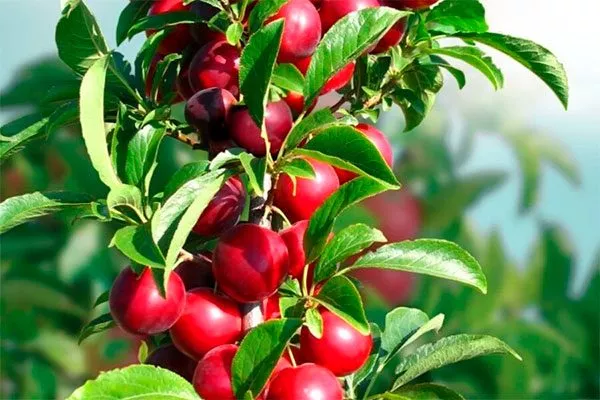
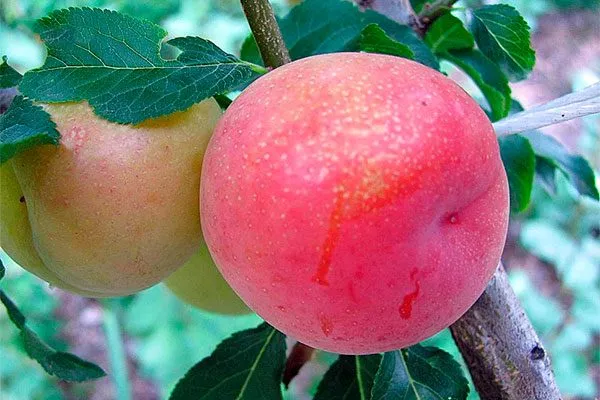
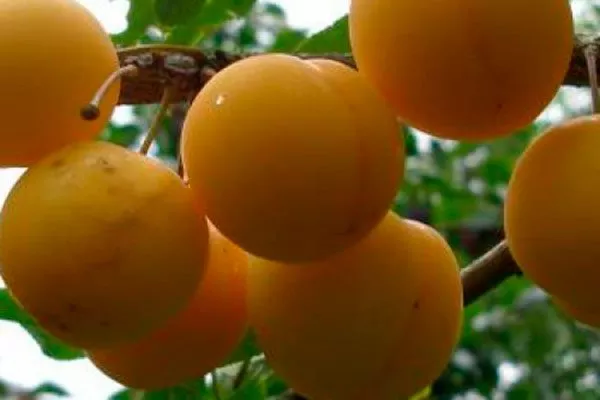
Such a wide selection of varieties allows you to choose the optimal option for different climatic conditions and the personal preferences of the gardener.
How to choose a place for cherry plum on your plot?
The plant is highly adaptable and can thrive not only in fertile black soil but also in lighter soils such as loamy or sandy loam. However, even with its undemanding nature, cherry plum's choice and preparation of the planting site play a crucial role in the tree's subsequent development and productivity.
Basic requirements for the landing site:
- Location. A south or southeast facing site with good sunlight is ideal. Shaded areas and low-lying areas where cold air accumulates are not suitable.
- Groundwater depth. At a water level of 2-2.5 meters, regular watering will be required. If the water level rises higher, especially closer than 1 meter, the risk of root waterlogging and rot increases.
- Soil acidity. Cherry plum prefers neutral soils. You can use litmus test strips to determine the pH. If the pH is high, add dolomite flour or lime; if the pH is alkaline, add gypsum.
A properly selected planting location is the key to a healthy tree, its resistance to disease, and a high yield in the future.
Neighborhood
A good combination of crops in the garden is one of the key factors for successfully growing cherry plum. In addition to soil and lighting, it's the right combination of crops that helps the plant thrive, be less susceptible to disease, and produce a consistent harvest.
Optimal neighbors for cherry plum:
- plum - close relative, highly compatible, promotes cross-pollination;
- apricot And peach - do not interfere with the development of cherry plum, have similar soil and care requirements;
- bird cherry – neutral and safe neighbor, does not displace cherry plum from the site.
It is not advisable to grow the plant next to the following crops:
- apple, pear, cherry – have an aggressive root system and suppress cherry plum;
- sea buckthorn, rowan - often suffer from similar diseases and pests, which increases the risks;
- nuts (walnuts, Manchurian) - secrete phytotoxins that inhibit the growth of other crops;
- birch - a strong competitor for moisture and nutrition, negatively affects the development of fruit trees.
Pay special attention to root depth: if plants' root systems are all at the same level, they compete for moisture and nutrients. Furthermore, some crops release substances into the soil that inhibit the growth of their neighbors.
That's why thoughtful placement of cherry plum in the garden will not only help you grow a healthy and strong tree, but also create a harmonious ecosystem on the property.
Basic rules for selecting cherry plum seedlings
When choosing planting material, it's important to pay attention to several key characteristics that determine the tree's future development. The main criteria are:
- Root system. Choose seedlings with well-branched, fresh, and moist roots. Avoid those with dried, damaged, or rotted roots.
- Escapes. Healthy shoots should be firm, smooth, and free of cracks, spots, or signs of damage. Brittle or dry branches are a warning sign.
- Foliage. Leaves should be a rich green color, without spots, wilting or other signs of disease.
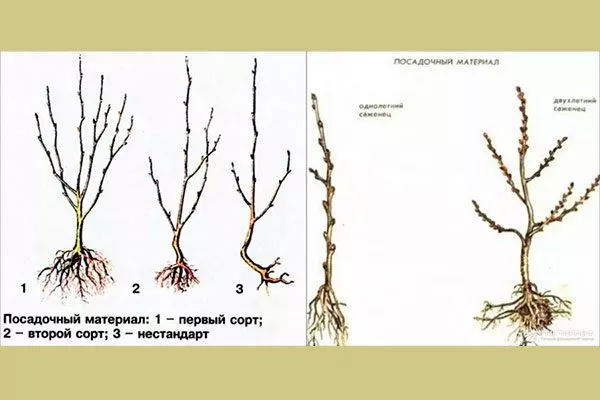
A correctly selected seedling is the key to a strong and fruitful tree in the future.
Cherry plum soil requirements
Cherry plums are less demanding of soil composition than plums and thrive in clay, sand, loam, and fertile, loose soils. Best results are achieved with neutral pH, but this can easily be adjusted if necessary:
- to reduce the indicators, use lime or dolomite flour;
- If the reaction is alkaline, add gypsum at a rate of 350 g per 1 sq. m.
Although cherry plum will thrive in almost any soil, following these recommendations will speed up the onset of fruiting and produce larger, juicier fruits.
What will be required?
Planting cherry plums is quite simple and can be done even by novice gardeners. To ensure a smooth and quick process, it's important to prepare the necessary equipment in advance.
You will need the following tools and materials:
- shovel;
- pruning shears;
- a bucket of water;
- clay;
- wooden support;
- elastic twine.
Planting diagram
If you plan to plant several seedlings or an entire line, maintain a distance of at least 3 m between them. The planting hole should be approximately 70 x 70 x 70 cm.
After planting, the root collar should be 5-7 cm above ground level. The soil will settle over time, so don't plant the seedling too deep, as this can lead to bark rot and weaken the plant.
Preparing the soil and planting hole
Cherry plum prefers loose, nutritious soil; loamy soil with neutral pH is ideal. Planting is also possible in clay soils, but it is recommended to add 20 kg of humus and sand per square meter beforehand.
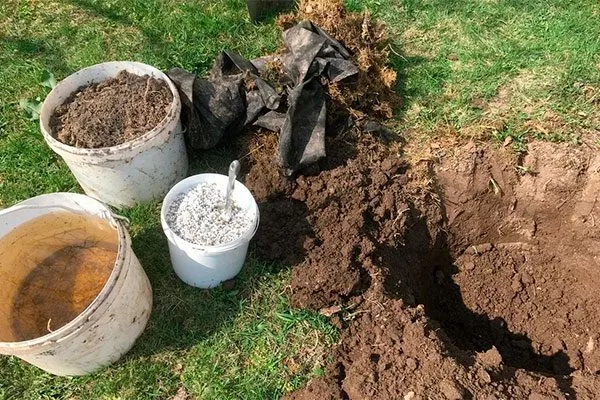
When preparing the site, follow these recommendations:
- Dig up the soil thoroughly, remove the roots of perennial weeds and level the surface.
- Two weeks before planting, prepare the planting hole: place a layer of crushed stone about 10 cm thick on the bottom, and fill the remaining space with a nutrient mixture of turf, peat and humus in a ratio of 2:1:1.
Preparing the seedling
On the day of planting, soak the tree's roots in a clay solution. To prepare it, thoroughly mix 1 kg of clay with 5 liters of water. Add a rooting stimulator to the solution according to the manufacturer's instructions.
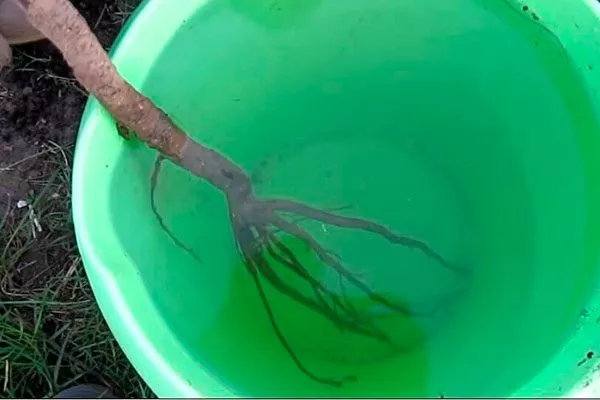
Before soaking, inspect the roots and remove any damaged or rotten areas with sharp, clean pruning shears. Then, soak the seedling in the prepared solution for 2-3 hours to ensure optimal moisture and stimulate root growth.
Autumn planting
Planting cherry plums in the fall has its own peculiarities: don't trim the seedling's roots; transplant them along with the root ball. This approach helps the plant develop more absorbent roots before the onset of sustained frost.
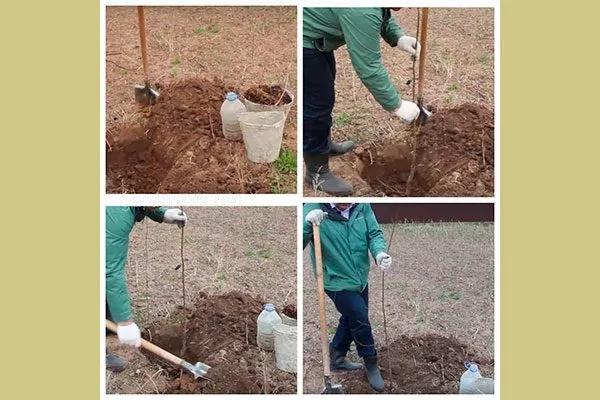
Step-by-step planting procedure:
- Form a small mound of soil in the center of the planting hole.
- Install a wooden support 1.2-1.5 m high nearby.
- Place the seedling on the mound so that the root collar rises above the soil level by about 4 cm.
- Fill the voids around the roots with soil.
- Firm the soil firmly around the base of the tree.
- Water the planted plant generously.
- Tie the seedling to the support with twine for stability.
Spring planting
For this event, it's best to choose bare-root seedlings. Before planting, carefully inspect the roots, trim off any damaged areas, and trim back any shoots to healthy tissue.
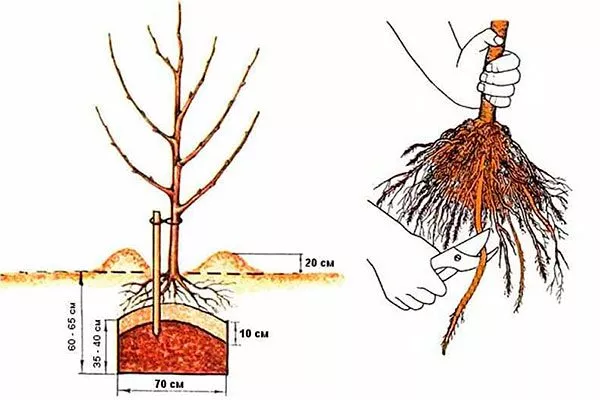
A day before planting, soak the tree in water to ensure the roots are well-hydrated. This will stimulate growth and speed up establishment. On the day of planting, prepare a thick clay slurry, similar to sour cream. Dip the seedling in it, then dry it in the sun to help retain moisture.
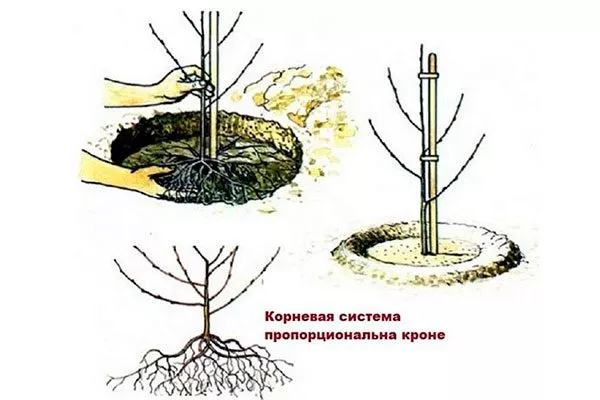
Step-by-step landing algorithm:
- Form a small mound in the center of the hole.
- Place a tree support nearby.
- Place the seedling on a raised platform, carefully spreading out the roots.
- Fill with soil, carefully filling all the voids.
- Compact the soil at the base.
- Water the tree thoroughly.
- Tie the plant to a stake.
Summer planting
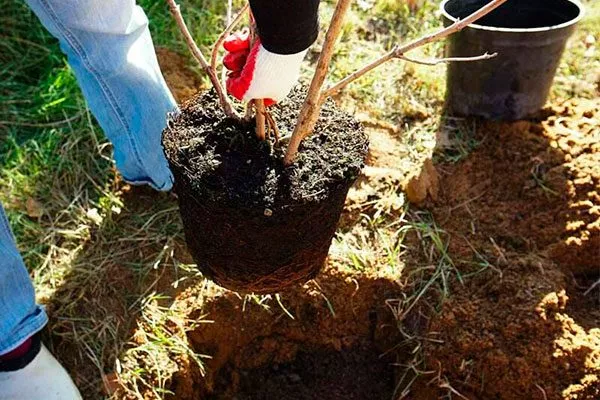
Cultivating cherry plums in summer is only permissible in exceptional cases and requires extreme caution. The best time to do this is in the evening after rain, when the air temperature is between 15 and 25°C.
Key recommendations:
- For summer planting, use seedlings with closed root systems to minimize the risk of root drying out. Otherwise, the process is similar to fall planting.
- The day after planting, mulch the root zone with peat or humus - this will help retain moisture in the soil and reduce evaporation.
- When planting in summer, it is especially important to regularly monitor the soil moisture to ensure the seedling takes root and begins to grow successfully.
Watering, fertilizing and mulching after planting
Despite cherry plum's high drought tolerance, regular watering is essential for good growth and a bountiful harvest. During a dry summer, the tree typically requires about three waterings:
- after flowering;
- during the period of cessation of shoot growth;
- when the berries ripen.
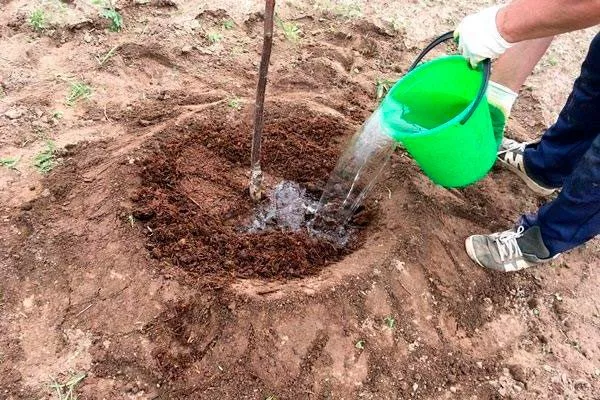
Perform pre-winter moisture-recharging irrigation in October. If the winter was light on snow and there was no rain in the spring, the tree should also be watered in May. A mature tree requires 15-20 liters of water per year. Young plants require more frequent watering – approximately 4-5 times per season.
Other agricultural measures:
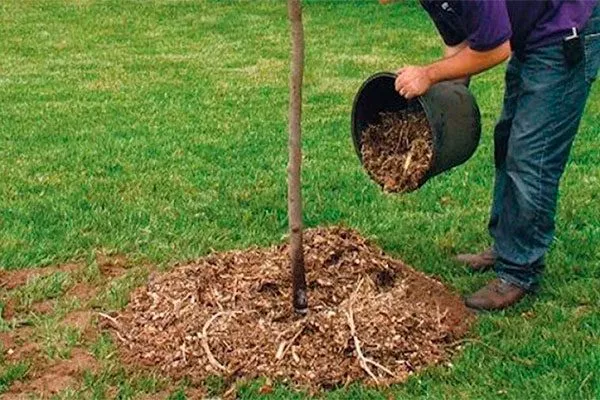
- Mulching is an important procedure that helps retain soil moisture, reduce weed growth, and maintain optimal root temperatures. After watering or rain, cover the tree trunk area with a 5-8 cm layer of mulch made from peat, humus, straw, or sawdust.
This reduces moisture evaporation and promotes more efficient plant nutrition. - Apply organic fertilizer to the tree trunk circle in the fall – approximately 10 kg per square meter. Perform this moisture-replenishing watering no more than once every 2-3 years.
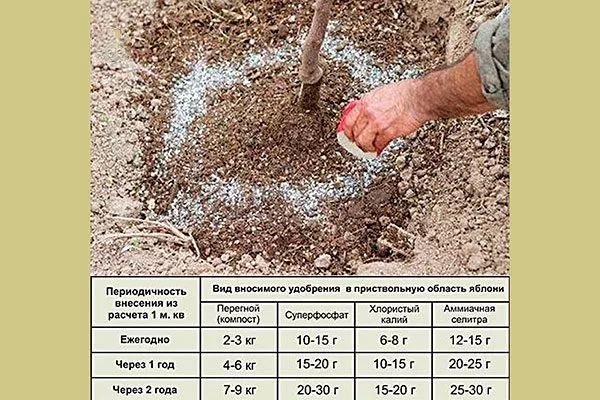
- Mineral fertilizers are necessary annually. In the spring, before flowering, apply nitrogen fertilizers (such as urea) to stimulate growth. In June, apply phosphorus and potassium fertilizers.
Recommended fertilizer rates per 1 sq.m:- potassium – potassium sulfate: 15-25 g;
- nitrogenous – urea: 10-20 g;
- phosphorus – Superphosphate: 40-50 g.
In addition to root feeding, carry out two foliar treatments:
- in May - use a microelement solution;
- in June – Add potassium and phosphorus to the nutrient mixture.
This comprehensive care promotes plant health and increases the quality and quantity of the harvest.
Main problems and errors
Mistakes in planting and caring for cherry plums often lead to weakening or even death of the tree. Consider the most common ones to avoid problems and ensure the healthy development of the plant.
Main difficulties:
- Lack of growth after planting. This is often due to high soil acidity or poor soil aeration. To correct this, replanting is required, following the cherry plum's growing requirements.
- Freezing of a young seedling. This usually occurs due to planting too late in the fall or purchasing a variety that is not adapted to the local climate.
- Abundant flowering with poor fruiting. It occurs when there are no nearby pollinator trees in self-sterile varieties, which prevents the formation of ovaries.
- Regular freezing of young growth. The reason is the failure of annual shoots to mature, caused by planting a non-zoned variety or excessive application of nitrogen fertilizers in the second half of summer and autumn.
- Lack of fruits. Often associated with deepening the root collar during planting or placing the tree in a shaded area.
Proper planting of cherry plum is the key to its health and productivity. By considering the specifics of seedling selection, soil preparation, and care in the first few years after planting, you can avoid common mistakes and ensure the tree's robust development. By following these important recommendations, you'll grow a beautiful and fruitful plant that will be a garden highlight for years to come.