
Cherry plum is a valuable fruit bush that delights gardeners with its tasty and healthy fruits. To maximize the harvest and maintain the plant's health, it's important to properly manage its nutrition throughout the season. It's important to know what to feed the tree during a given season to ensure abundant fruiting.
Nutritional requirements of cherry plum
To maintain strong and healthy plants, they require complete and balanced nutrition. Certain elements are especially important for normal growth and a bountiful harvest.
Essential nutrients for fruit trees:
- potassium – strengthens the immune system and increases resistance to diseases;
- nitrogen – responsible for the growth of green mass;
- phosphorus – necessary for root development and metabolic processes.
It is important not to overuse organic and nitrogen fertilizers, otherwise the cherry plum may become vulnerable to frost – the shoots will not have time to ripen before the onset of cold weather.
In addition to macronutrients, the plant also requires micronutrients: boron, iron, copper, zinc, molybdenum, and cobalt. These play a vital role in the formation of strong wood, leaves, and fruit, ensuring the overall health of the tree.
Choosing the right fertilizer
Organic and mineral nutrients have different effects on soil and plants, and each type has its own advantages. The best results in cherry plum cultivation come from a balanced approach: a combination of organic nutrients and moderate doses of chemicals.
Minerals
Mineral fertilizers are highly concentrated and quickly replenish essential elements. This is convenient during acute deficiencies, but excessive use can compromise soil fertility.
The most effective of them are:
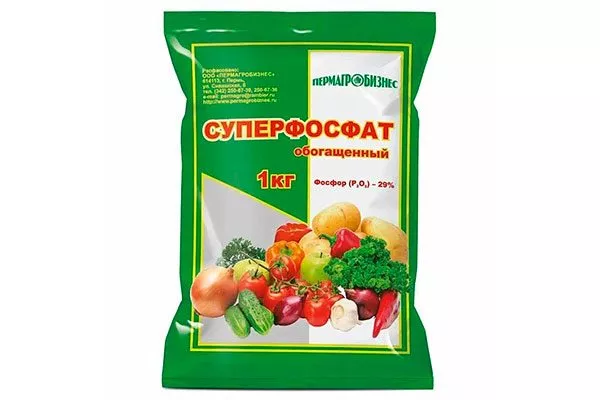
- Superphosphate – A source of phosphorus, essential for roots and flowering. It is used as an aqueous solution for root feeding.

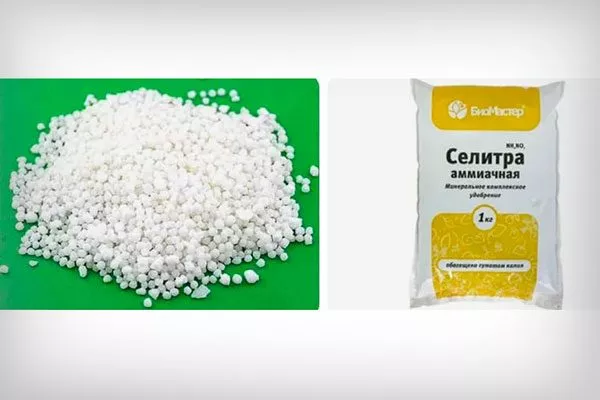
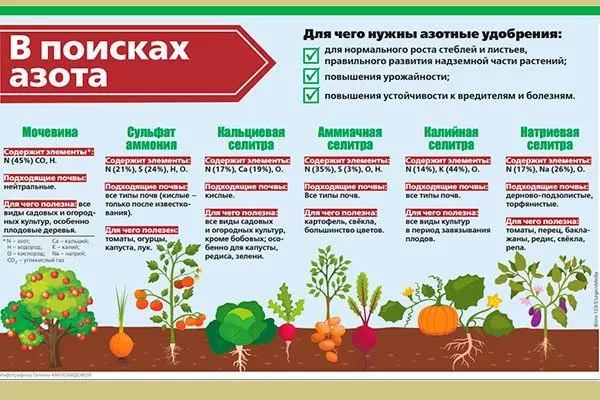
- Ammonium nitrate - saturated with nitrogen, which stimulates the rapid growth of seedlings and young shoots.
- Potassium sulfate – Important for stone fruit crops. It increases yield, strengthens the plant's immune system, and improves the fruit's flavor.
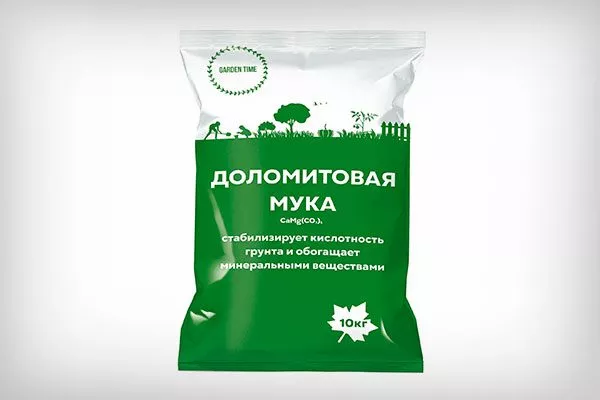
- Dolomite flour – It is used on acidic soils, neutralizes acidity and promotes better fruiting.
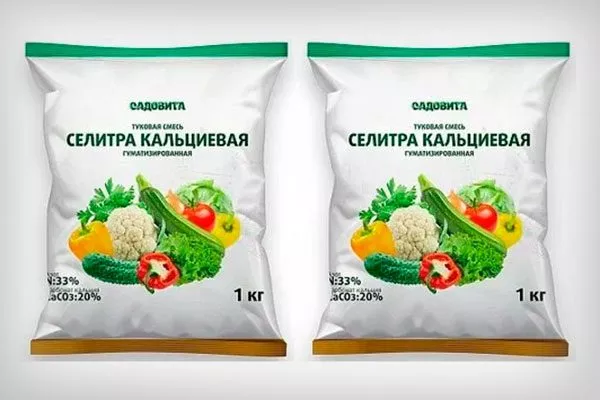
- Calcium nitrate – helps prevent calcium deficiency, reduces the risk of disease and increases the strength of plant tissue.
- Kemira-Lux – A complex fertilizer containing nitrogen, phosphorus, and potassium. It maintains the overall health of the tree and stimulates growth.
- Iron chelate – It is used to combat chlorosis, helps maintain healthy green foliage and prevents diseases.
- Magnesium nitrate - The combination of magnesium and nitrogen helps strengthen the immune system and promote active shoot growth.

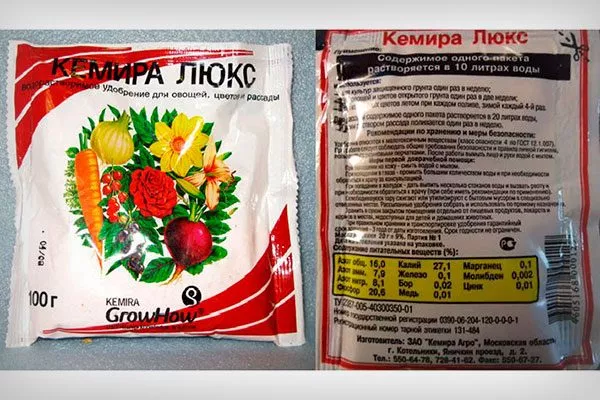
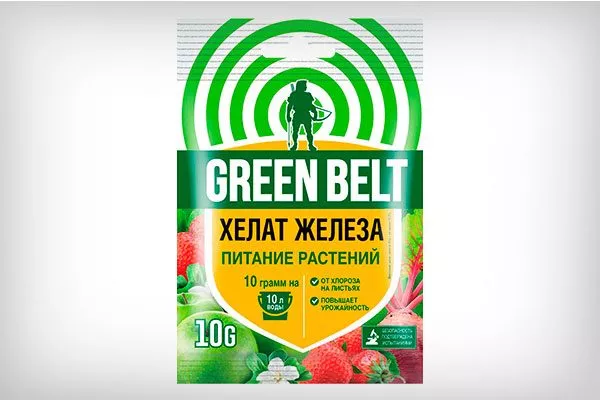
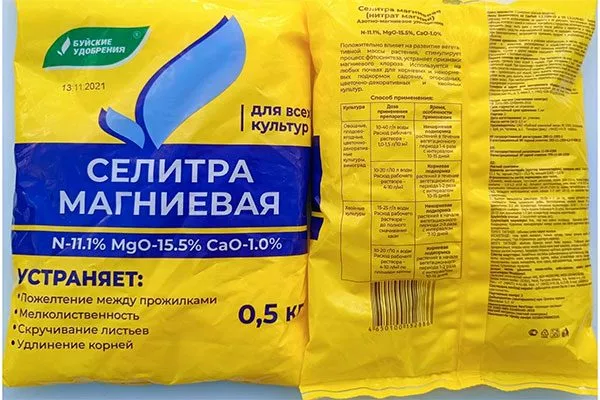
Regular and proper use of these substances provides the cherry plum with optimal conditions for development and abundant fruiting.
Organics
Organic fertilizers are widely used to increase plum yields and improve soil health. They are safe, environmentally friendly, and enrich the soil with nutrients, promoting tree growth and health.
Basic recharges:
- Chicken droppings. Use as a fermented solution: pour 0.5 kg of the raw material into 6 liters of water and leave in a warm place until fermentation is complete. Before applying, be sure to moisten the soil, and pour the fertilizer under the roots and into the trunk circle.
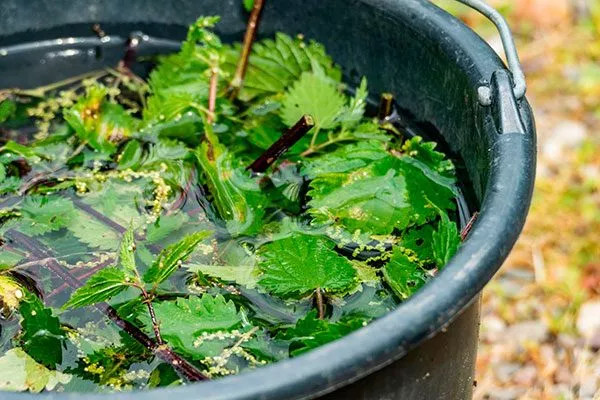
- Nettle infusion. Prepare the infusion from fresh stems without seeds: fill half a bucket, add water, and let it steep for about a week. Before use, dilute with water 1:10.
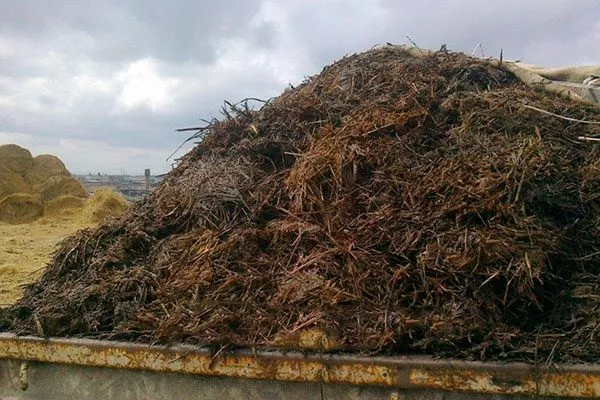
- Manure. Dilute at a rate of 1 kg per 10 liters of water, using 2 liters per tree. Dry application is also possible: mix the manure with ash, superphosphate, urea, and potassium salt in proportions calculated based on soil needs.
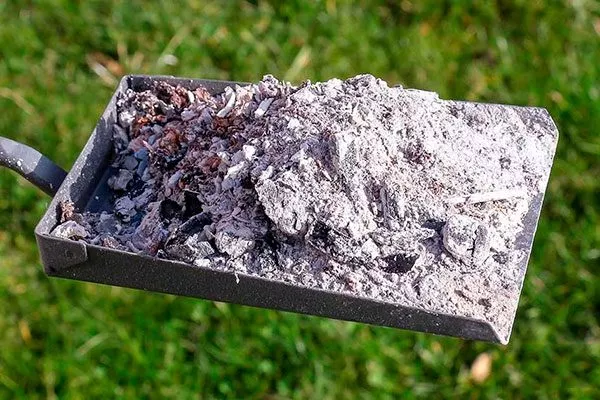
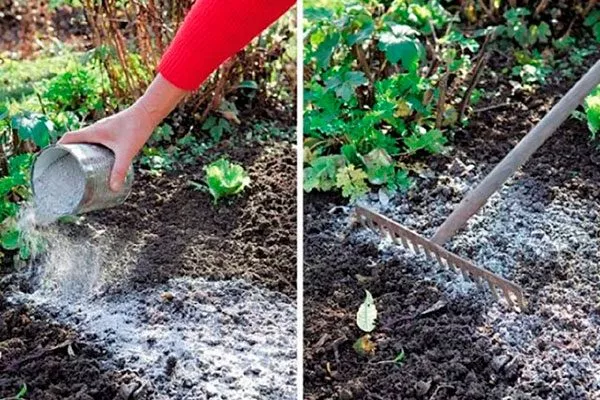
- Ash. Apply it dry – work it into the soil to a depth of 15 cm, or use it as a solution, mixing it with water and applying it under the roots.
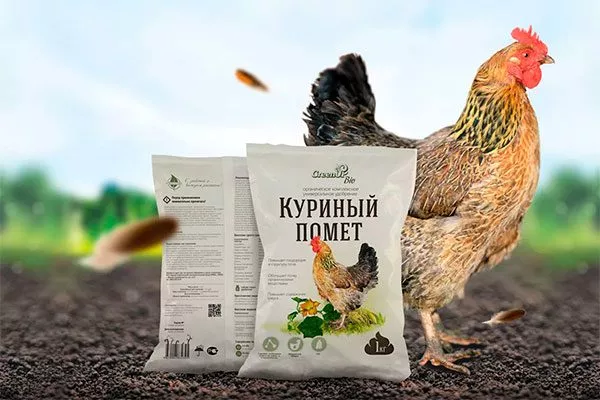
Organic matter improves soil structure, activates microflora, increases tree resistance to diseases and pests, and yields richer and higher quality crops.
Basic rules of feeding
Cherry plum thrives in fertile, nutrient-rich loam and clay soils. However, for stable growth and a bountiful harvest, it requires regular supplementation with phosphorus, magnesium, and other elements.
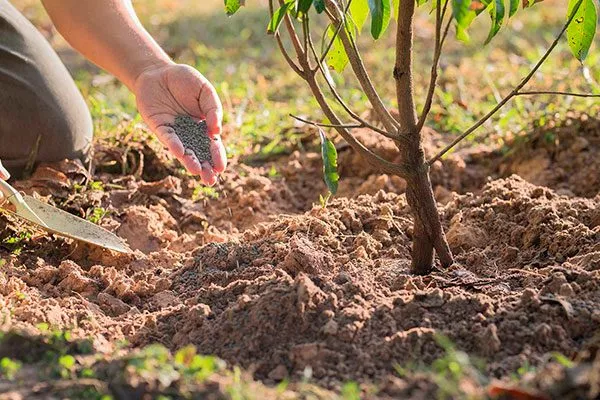
When planting in open ground, the tree receives its first fertilizer: eggshells, compost, and a mixture of peat and garden soil are added to the hole. Superphosphate, potassium sulfate, and urea are used as mineral supplements.
In acidic soils, trees slow down their growth and bear fruit poorly. Therefore, alkaline amendments such as dolomite flour or lime are added before planting. These normalize the acidity and create a favorable environment for the seedling's development.
Follow the feeding rules:
- time of application – spring, start feeding young trees from the second year after planting;
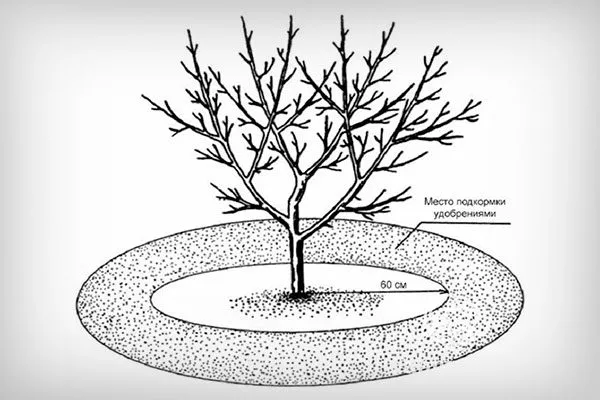
- liquid fertilizers apply into pre-dug grooves in a circle at a distance of 60-80 cm from the trunk;
- dry ingredients plant them in the soil and be sure to moisten them so that they are absorbed by the roots;
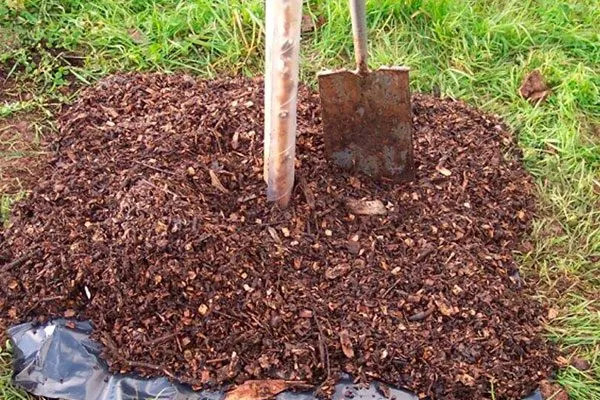
- mulch drain with peat or compost;
- manure and ash use no more than once every 2-3 years;
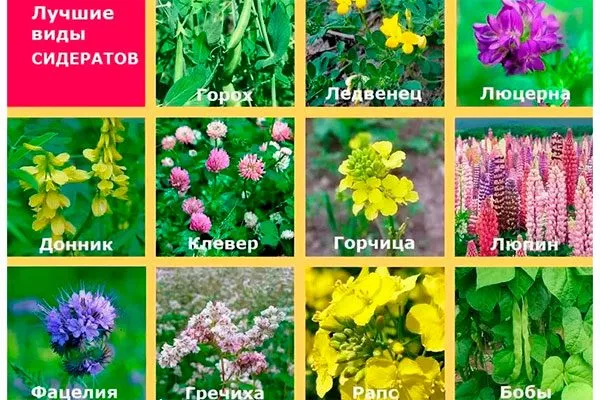
- green manure (mustard, rye), sown nearby, enrich the soil and serve as natural fertilizer.
What not to use:
- fresh manure in spring – too aggressive, can burn the roots;
- excess nitrogen – will produce a lot of foliage, but few ovaries;
- universal NPK without phosphorus bias – Cherry plum requires a balanced composition with an emphasis on phosphorus and potassium.
Spring nutrition
Fertilizing cherry plums in spring is an important step in agricultural management, affecting the tree's development, fruit set, and harvest quality. Properly selected fertilizers promote rapid recovery after winter and lay the foundation for abundant fruiting.
First feeding in spring
As soon as daytime temperatures rise steadily above freezing and the snow begins to melt rapidly, it's time to apply fertilizer to the cherry plum tree's trunk circle. During this period—early spring, after pruning, and when buds begin to swell—the plants especially need nitrogen fertilizer.
Fertilizing before flowering
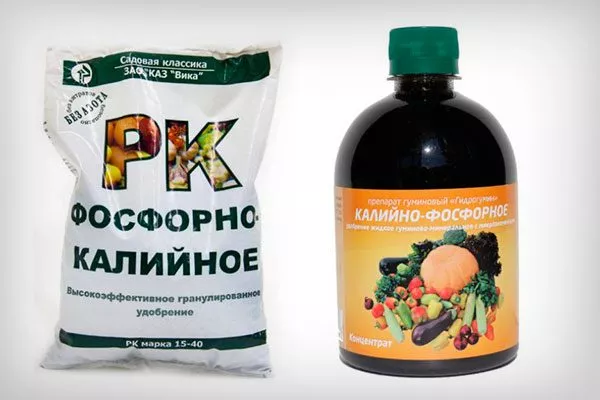
Before flowering, when petals are already visible from the buds, cherry plum needs feeding containing phosphorus and potassium.
Key recommendations:
- It is important to pre-dissolve fertilizers in water – dry granules dissolve slowly, preventing the nutrients from reaching the roots in a timely manner.
- The best results are achieved with a combination fertilizer containing both organic and mineral components. You can use an infusion of chicken manure or mullein, supplemented with superphosphate and potassium sulfate.
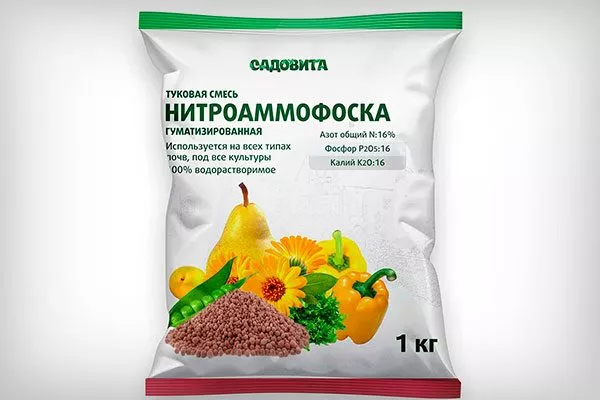
- Nitroammophoska works well; it contains all the necessary substances for spring nutrition of trees.
Experienced gardeners recommend the following dosage: 6 liters of solution is sufficient for young plants, and up to 20 liters for mature trees. If necessary, you can replace the mullein infusion with urea – 20 g per 10 liters of water.
What to fertilize with during flowering?
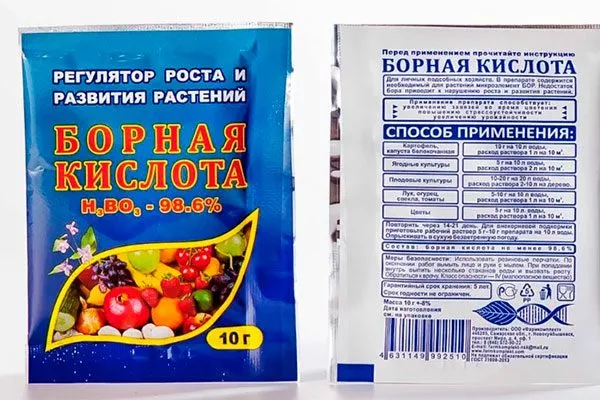
To improve fruit set, gardeners often apply foliar feeding of trees with a boric acid solution. This treatment is especially effective in the spring, at the beginning of flowering.
Preparation of solution:
- Add 5-10 g of boric acid to 10 liters of hot water.
- Stir thoroughly until the powder is completely dissolved.
Use 2 to 10 liters of the mixture per tree, depending on its age and size. Spray in the evening, on a dry, windless day – this will allow the product to be absorbed better and last longer on the leaves and buds.
Spring fertilizing after flowering
Immediately after flowering, in areas with acidic or slightly acidic soil, it is recommended to fertilize cherry plums with lime milk in the spring. This procedure helps increase yield and improve nutrient absorption.
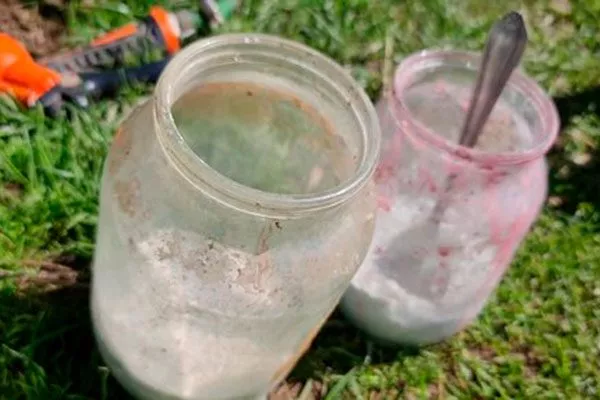
Preparation of solution:
- Dissolve 200 g of lime in 10 liters of water.
- Use 10 liters per 1 sq. m.
On neutral and alkaline soils, liming is not required.
Helpful tips:
- If your trees haven't received nitrogen fertilizer in the spring, apply it a week after flowering. Use urea or ammonium nitrate granules. Sprinkle them around the trunk or dissolve them in hot water first and water the soil.
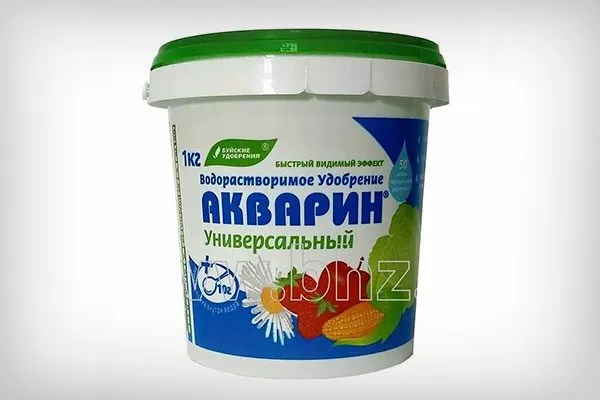
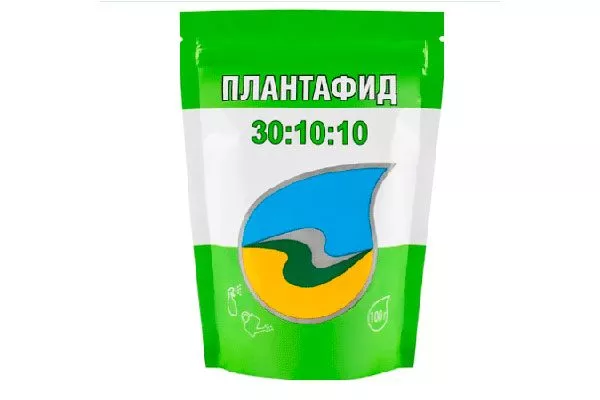
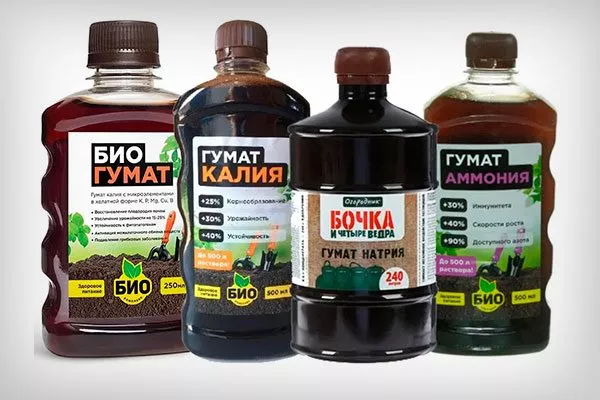
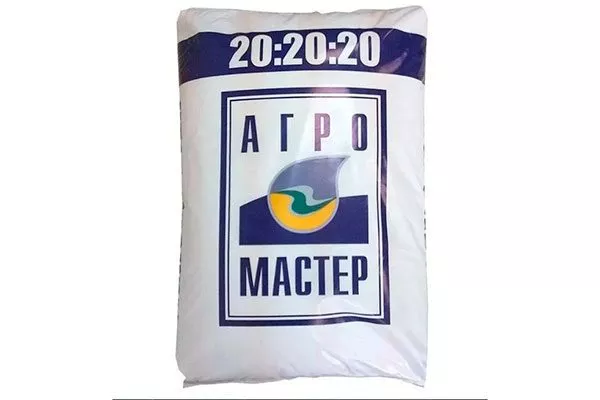
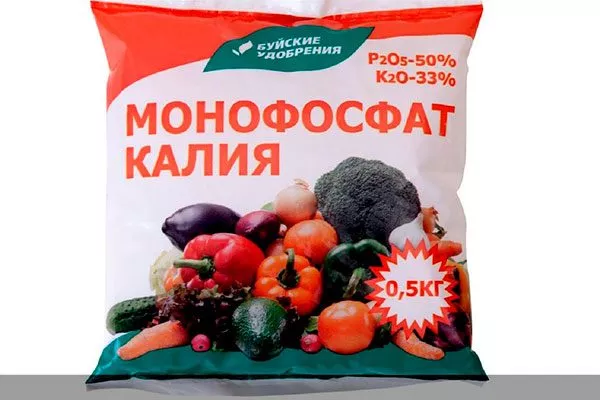
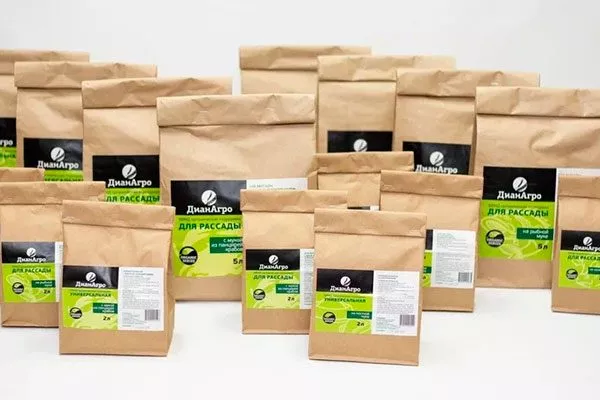
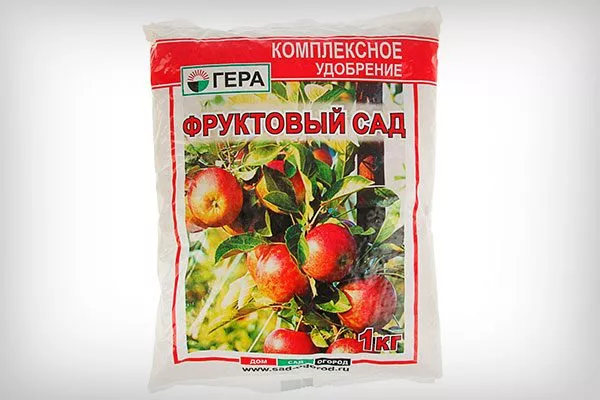
- When fruit buds begin to form, feed the trees with phosphorus-potassium fertilizers, preferably with added micronutrients. Complex formulas are available at specialty stores:
- Aquarin;
- Plantafid;
- Humates;
- AgroMaster;
- Potassium monophosphate;
- DiamAgro;
- Hera "Fruit Garden".
- Aquarin;
- Before applying nutrients, especially dry ones, be sure to moisten the soil around the tree trunk with plain water two hours beforehand. This is necessary to avoid burning the roots. In early spring, you don't need to do this, as the soil is still quite moist after the snow melts.
Fertilizers for planting cherry plum in spring
Prepare the cherry plum planting hole well in advance—at least 2-3 weeks before planting. Follow these guidelines:
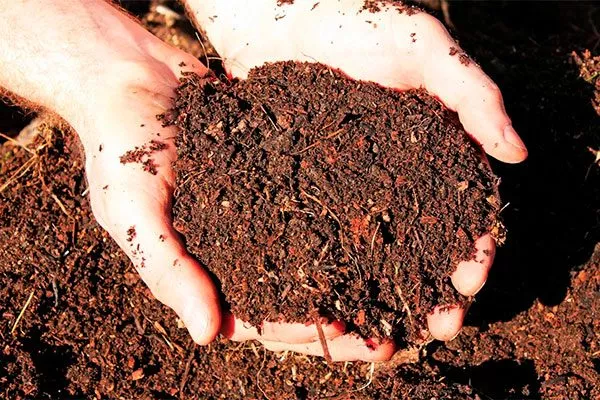
- Depending on the soil fertility, add 5 to 15 kg of organic fertilizer (humus, compost, or peat) to the hole. Additionally, add 0.5 to 2 liters of wood ash.
- If organic matter is unavailable, use mineral fertilizers: 20-40 g of urea or ammonium nitrate, 100-150 g of superphosphate, and 100-200 g of potassium sulfate. Alternatively, the entire fertilizer can be replaced with a complex component, such as nitroammophoska.
If the holes are prepared in the fall and planting is planned for the spring, replace superphosphate and potassium sulfate with phosphate rock (on acidic soils) and a high-concentration potassium fertilizer – potassium chloride.
How to feed cherry plum in spring so that the ovaries don’t fall off?
To ensure successful fruit formation, be sure to fertilize your cherry plum. Use one of the following:
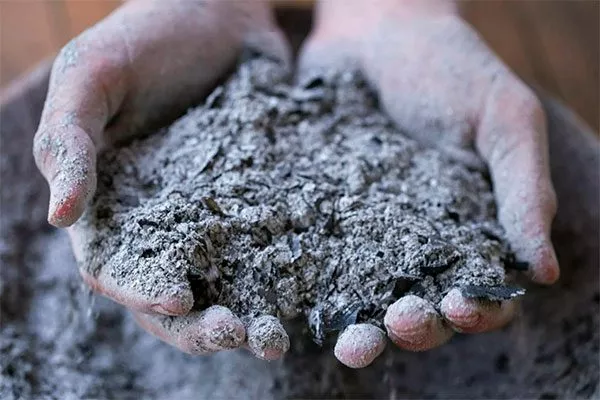
- wood ash – 200-400 g per 1 sq. m;
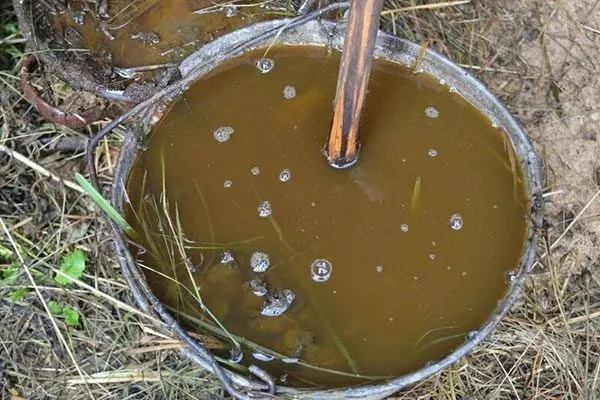
- mullein solution – 1:10;
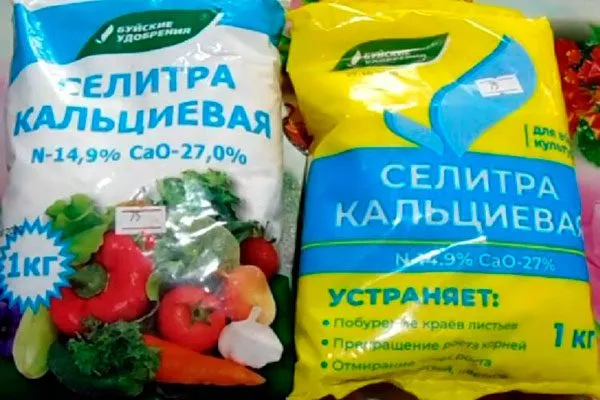
- calcium nitrate – 20 g per 10 l;
- bird droppings solution – 1:20;
- nitrophoska – 60 g per 10 l of water.
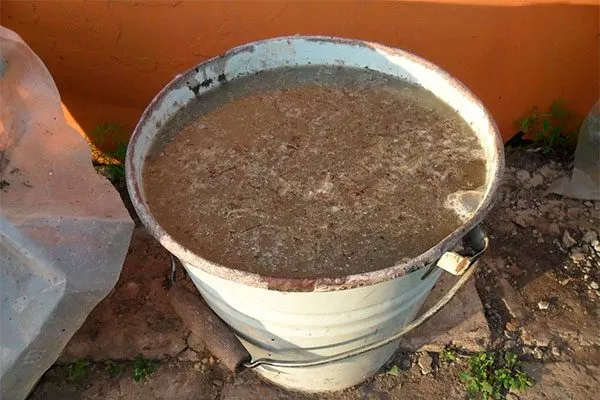
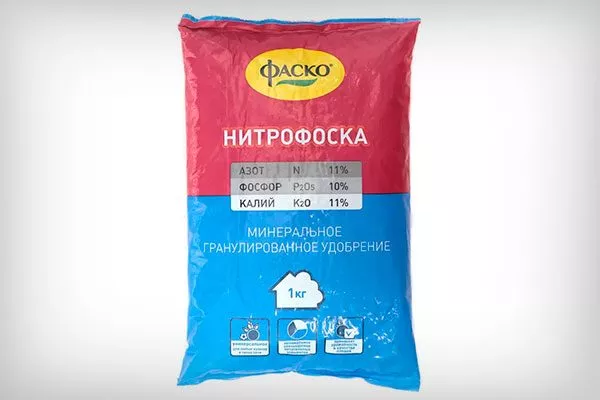
The consumption of liquid fertilizers is approximately 30-50 kg per tree.
Summer feeding of cherry plum
Cherry plum is a tasty and healthy fruit grown by many gardeners. To ensure a bountiful harvest, it's important to feed the tree during the fruiting period, when the fruits are actively gaining weight and becoming sweet.
Phosphorus-potassium fertilizers
To ensure abundant fruiting, feed cherry plums with phosphorus and potassium—this promotes rapid ripening and improves their flavor. High-quality potassium fertilizers are preferred.
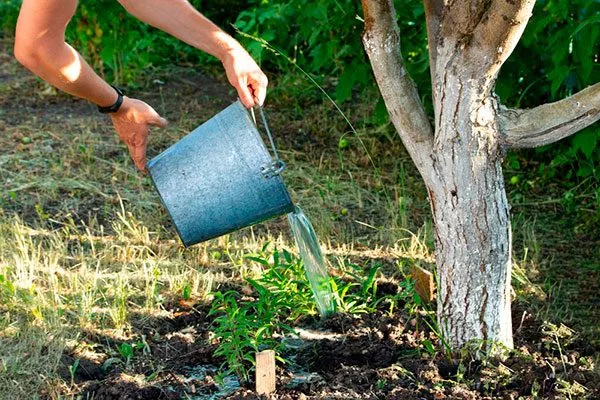
Wood ash is an excellent source of phosphorus and potassium. To prepare a solution, dilute 500 g of ash in 10 liters of warm water and pour 10 liters of this mixture under each tree.
Green nutrition
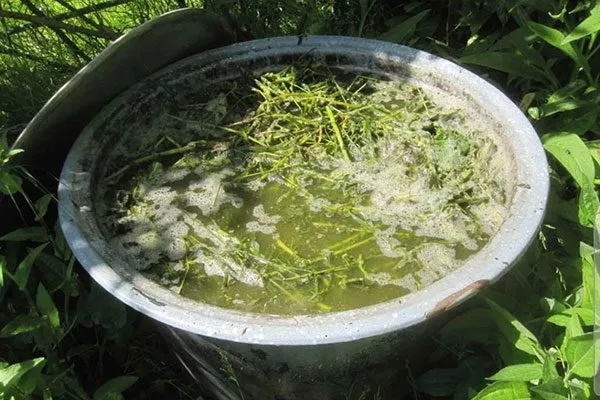
This fertilizer contains potassium, phosphorus, and other microelements necessary for good cherry plum fruiting. Preparation:
- Place grass – nettle, chamomile, shepherd’s purse and other weeds – in a container with a capacity of at least 100 liters.
- Fill with water.
- Add 10 g dry yeast and cover with a lid.
- Let it steep for 7 to 14 days. Once fermentation is complete, remove the grass, dilute the resulting solution with water in a 1:1 ratio, and use it to water the cherry plum.
Fertilizing helps increase yields and improve the taste of fruits by increasing sugar content and vitamin content.
What to fertilize with in the fall?
Summer is drawing to a close, and after a bountiful harvest, plants are beginning to prepare for winter dormancy. Cherry plums, which have provided gardeners with delicious and abundant fruit, also require care. During this period, it's important to pay attention to them, including fertilizing and pest control treatments.
The purpose of autumn feeding
Many gardeners stop caring for the cherry plum after harvesting, believing the tree no longer requires any attention. However, after fruiting, especially if the harvest is abundant, cherry plums require care and restoration.
Autumn fertilization is not aimed at promoting foliage growth, as the tree ceases vegetative growth at this time, and vital processes slow down. Only root growth continues, and with the onset of leaf fall, intensive nutrient accumulation occurs.
The main nutritional goals in autumn:
- restore strength after fruiting;
- replenish and accumulate nutrients;
- promote the formation of flower buds for the next season;
- strengthen the root system;
- ensure lignification of young shoots;
- increase immunity and frost resistance;
- prepare the tree for winter.
Best time depending on region
Choosing the right timing for autumn fertilization is very important and depends on the growing region and the specific weather conditions of each year. Fertilizer should be applied approximately one month before sustained frosts and the onset of winter—this is how long the plant needs to absorb the nutrients.
The timing of fertilizing varies significantly in different regions:
- In Siberia Winter comes early, frosts can begin as early as October, so apply nutrition in September.
- In the Central Belt and the Moscow Region Feed at the end of September - beginning of October.
- In the southern regions, where the heat remains longer, you can postpone the event until the end of October.
Apply fertilizer into special grooves or holes dug around the periphery of the tree's crown, 1-2 meters from the trunk, depending on the crown size. This will ensure an even supply of nutrients to the roots.
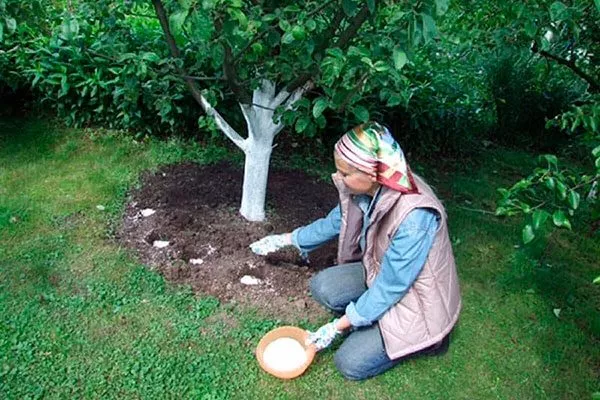
Types of autumn fertilizers
After fruiting has completed, fertilize your cherry plum to restore its strength and prepare it for the next season. Proper selection of nutrients and timely application will strengthen the root system, improve immunity and frost resistance, and improve the quality and quantity of the future harvest.
Use organic matter: rotted manure, compost, and humus. These products not only enrich the soil with nutrients but also improve its structure, making it looser, more permeable to moisture and air, and promoting the activity of beneficial microorganisms and earthworms.
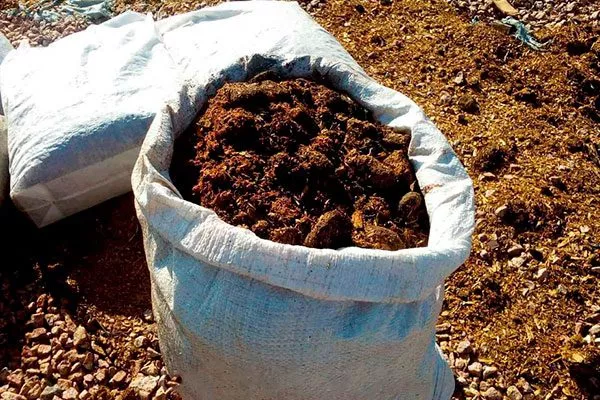
Basic requirements:
- For an average tree, 10 kg of rotted manure or compost is enough.
- If the soil is highly acidic, add approximately 500 g of slaked lime to the organic matter.
- Spread the mixture evenly around the tree trunk and lightly work it into the soil.
- For large adult plants, increase the dose to 5 kg.
- A good option is horse manure that has been aged for a year: 1.5 kg of manure per 10 liters of water, leave for 3 days, then dilute 1:10 and water the tree with 10 liters of the solution.
- You can use granulated chicken manure (for example, Kurovit).
- Mulching the tree trunk circle with humus or compost (6-10 kg per plant) is effective.
Autumn feeding after fruiting should contain primarily phosphorus and potassium. Nitrogen is not recommended in the fall, as it stimulates leaf and shoot growth, which is undesirable during the winter preparation period.
Use the following substances:
- Superphosphate. The best source of phosphorus, especially double superphosphate with a phosphorus content of up to 40%. Apply 20-30 g of dry matter per square meter, spreading it over the surface and lightly incorporating it into the soil.
- Potassium sulfate (potassium sulphate). Contains 46-54% potassium and up to 18% sulfur, as well as magnesium and calcium. Use as a dry powder or as a solution (40 g per 10 liters of water) – approximately 20 g per 1 sq. m.
- Potassium monophosphate. Contains up to 52% phosphates and 34% potassium. Increases resistance to fungal diseases, improves frost resistance, and fruiting. Apply as a solution (30 g per 10 liters of water).
- Wood ash. A natural fertilizer containing potassium and over 17 microelements. Apply 200-250 g per square meter, mixed with moist soil. Granulated ash is convenient to use.
- Bone meal. To increase the content of phosphorus and potassium, 400-800 g per tree trunk circle is sufficient.
- Dolomite flour. Improves the chemical properties of the soil, especially in acidic soils, stimulating the development of beneficial microflora.
Special autumn complex fertilizers are available for sale, which contain a balanced set of important elements:
- help to build a strong root system;
- promote lignification of shoots and the formation of flower buds;
- improve the survival rate of seedlings;
- increase resistance to winter cold.
The most effective substances are the following:
- Buyskoye Autumn;
- Fertika Autumn;
- Fasco Autumn;
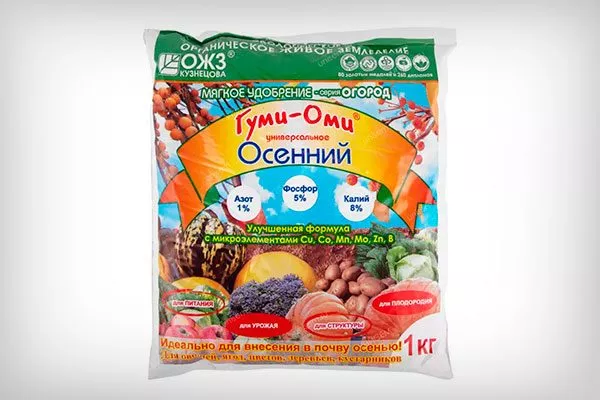
- Gumi-Omi Autumn.
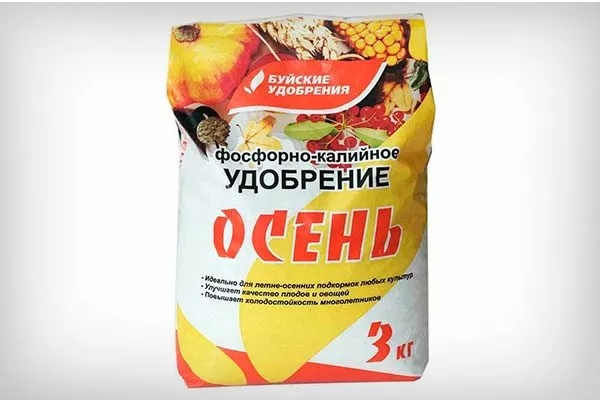

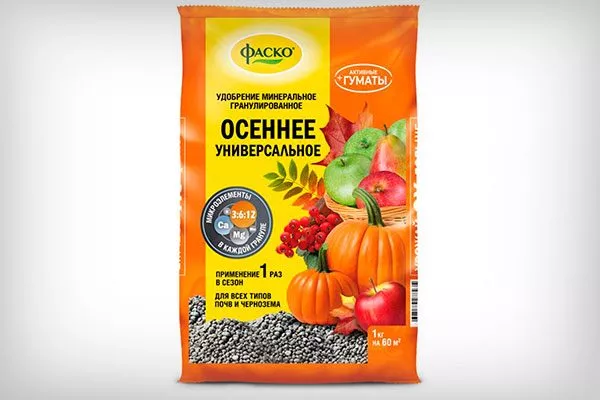
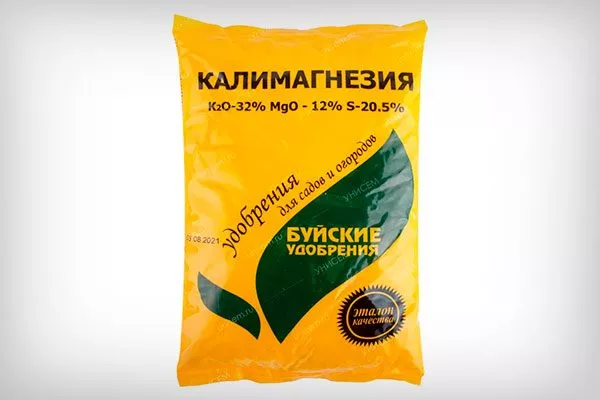
Also useful is Potassium Magnesia, a chlorine-free fertilizer containing up to 30% potassium, 10% magnesium, and 17% sulfur. Apply as a dry powder at a rate of up to 100 g per square meter.
In the fall, it's important not only to fertilize but also to protect cherry plums from pests that can survive the winter in the bark, soil, and fallen leaves. These include aphids, shoot moths, hawthorn moths, plum moths, and goldentails.
To protect yourself, follow these steps:
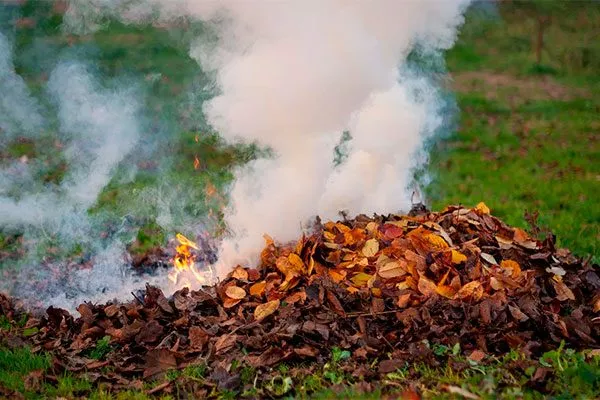
- collect and burn fallen leaves;
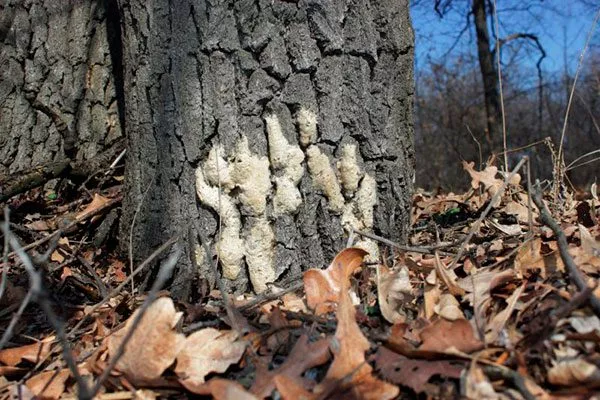
- destroy egg clutches in bark cracks by hand;
- Dig up the tree trunk circle, turning over the layer.
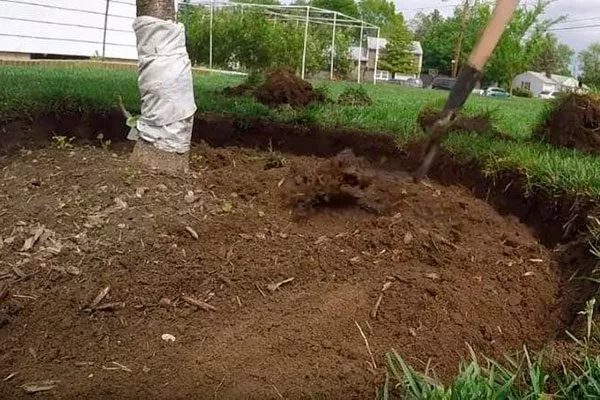
In case of severe pest infestation, treat with insecticides:
- Insector Supra;
- Aktara;
- Cortlis.
Fertilizing cherry plum depending on the tree's age
Feeding young plants is aimed at stimulating the growth of skeletal branches and forming a proper crown. During the first 2-3 years, if seedlings are planted in fertile soil, apply fertilizer primarily in the spring and use nitrogen-based fertilizers to stimulate vegetative growth.
If sufficient nutrients were not added to the holes during planting, feed the young trees in the fall with organic matter - manure or compost in the amount of 10-15 kg per trunk circle, as well as phosphorus-potassium mineral compounds.
How to understand what cherry plum is missing?
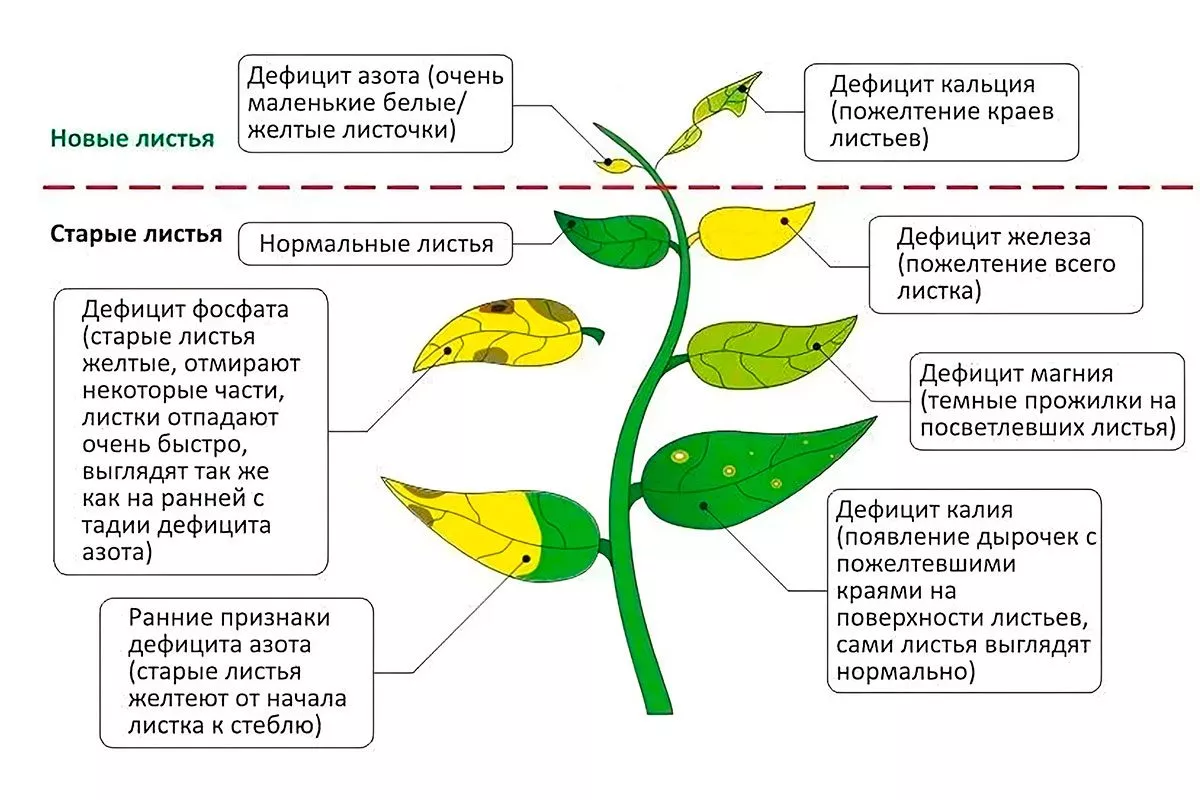
You can identify a specific nutrient deficiency in a crop by its characteristic external signs. Let's take a closer look:
- Nitrogen. When there's a deficiency, leaf blades shrink in size and turn yellow. Flowering slows, ovary quality deteriorates, and unripe fruits begin to fall off. The bark turns reddish, and new shoot growth almost ceases.
- Phosphorus. Its deficiency delays the growing season and fruit ripening, negatively affecting branches and roots. Leaves take on a purple tint and quickly fall off.
- Magnesium. Low levels weaken the cherry plum's immunity, degrading the taste and quality of the fruit. Foliage loses color and falls off rapidly.
- Copper. Its deficiency manifests itself in the development of chlorosis and the death of tree tops. Lateral buds begin to grow actively.
- Iron. The leaves lose their rich color and fall off, the fruits become smaller, and the upper branches gradually die off.
- Calcium. Deficiency slows the formation of new bark layers and the development of fruit seeds. Tree growth slows, and tree tops may die.
- Zinc. Its deficiency leads to a decrease in the size of leaves and deterioration of the health of young branches, which become thin and brittle.
Proper selection of fertilizers and timely application of fertilizers in spring, summer, and fall are key to growing healthy and productive cherry plums. Following nutritional recommendations will strengthen the tree, improve the quality of the fruit, and significantly increase its production.