
Cherry plum is a popular fruit tree that delights gardeners with its juicy and aromatic fruits. However, sometimes the plant stops producing despite its apparent health and abundant blooms. This causes concern and a desire to understand the cause of the problem. It's important to understand the underlying factors to effectively address the root cause.
The main reasons for the lack of fruit on cherry plums and what to do about it?
Sometimes a tree suddenly stops bearing fruit, causing concern among gardeners. To restore the tree's bountiful harvest of juicy fruit, it's important to understand the causes and take appropriate measures.
Lack of pollination
One of the common reasons for cherry plum crop failure is a lack of bees, the tree's primary pollinators. Without them, pollen is not transferred from the stamens to the pistils, meaning fruit does not set.
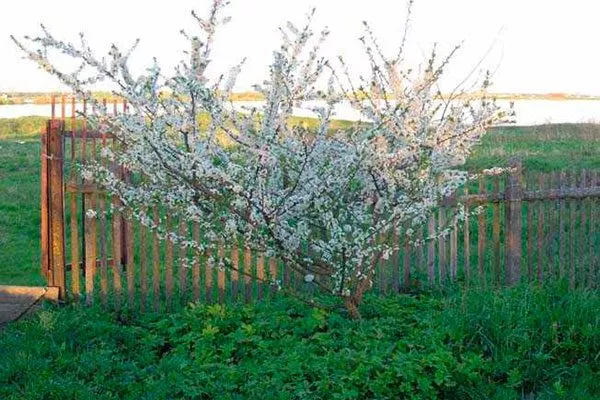
To stimulate the pollination process, use the following methods:
- Plant honey plants next to the cherry plum: lavender, calendula, catnip, sage - they attract bees with their aroma and nectar.
- Place waterers around the area for pollinating insects to quench their thirst and linger near the trees.
- Place bee and bumblebee houses – this will help attract insects, especially in places they rarely visit.
- Use sweet syrup in saucers or on cloths placed near the tree to attract the "workers" during the flowering period.
- Carry out hand pollination by transferring pollen from one flower to another with a brush or cotton swab.
- Try gently shaking the branches, especially in the morning – this helps the pollen fall onto the pistils of neighboring flowers.
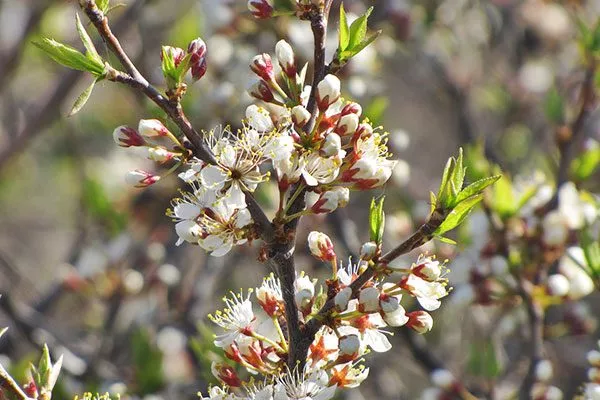
Results aren't always immediately noticeable, so it's important to take systematic action. The more attractive the cherry plum alley is to insects, the higher the likelihood of abundant fruiting.
Frosty winters and spring frosts
Low temperatures damage buds, flower stalks, and flowers, disrupting the entire fruit formation process. To minimize the risk of crop loss, it's important to understand the effects of cold and take protective measures.
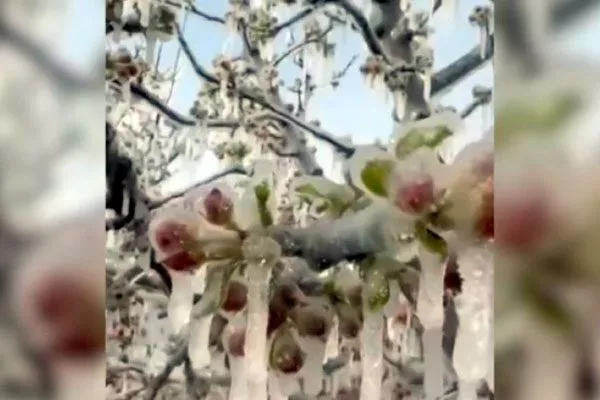
Here's what can happen when exposed to frost:
- Winter frosts inhibit the development of buds, which leads to their death or improper formation;
- the flower stalks freeze, losing the ability to develop into flowers and, as a result, into fruits;
- spring frosts damage already opened buds, making their pollination impossible – the flowers turn black and fall off;
- Temperature fluctuations prevent the plant from adapting, causing stress, especially if a warm spring suddenly gives way to cold weather.
To protect cherry plum from the negative effects of frost, use the following measures:
- Cover trees with agrofibre or garden film during cold spells, especially at night.
- Mulch the tree trunk area with straw, peat, and sawdust – this will help retain moisture and warm the root zone.
- Use smoke piles or candles to create a fog that traps heat around the crown during critical nights.
- Grow more frost-hardy cherry plum varieties, especially in regions with unpredictable climates.
- Choose areas protected from the winds – near buildings, fences, and southern slopes.
Timely protection of cherry plum from cold helps preserve not only future fruits, but also the overall health of the tree.
Insufficient care and improper pruning
Proper pruning of cherry plums plays a key role in their fruiting. Mistakes in this process can lead to a reduction in the number of flower buds and a deterioration in the overall health of the tree.
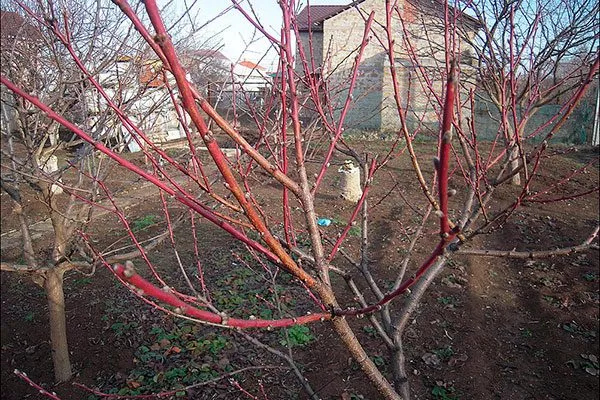
To ensure full fruiting of cherry plum, follow these recommendations:
- Prune in the spring before the sap starts to flow or in the fall after harvesting.
- Remove old, diseased and dried branches to stimulate the growth of young shoots.
- Form a sparse, tiered crown to allow light and air to penetrate freely.
- Do not leave branches growing into the crown or crossing - they create shade and thicken the tree.
- Maintain a balance between growth and removal to avoid weakening the plant by over-pruning.
- Water the cherry plum regularly, especially during flowering, fruit setting, and dry weather.
Properly conducted pruning and stable watering are the key not only to a good harvest, but also to the health of the tree for many years.
The cause of physiological carrion
The tree itself sheds buds, fruit ovaries, and even flower buds before they open. This is the plant's defensive response to unfavorable conditions or internal malfunctions.
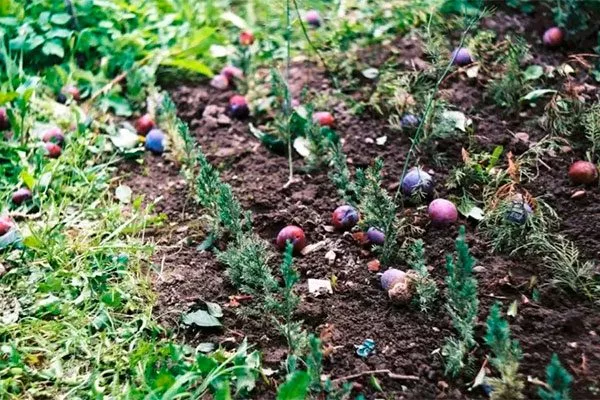
The reasons for physiological carrion may be different:
- lack of moisture during the period of flower bud formation;
- excess nitrogen fertilizers, which causes the tree to begin growing foliage rather than flowering;
- sharp temperature changes, especially in late winter and early spring;
- plant exhaustion after a bountiful harvest last season;
- thickening of the crown, which interferes with the normal development of buds.
To prevent fruit drop and restore flowering:
- Regulate the load on the tree, especially after a fruitful year – remove excess ovaries.
- Provide regular and moderate watering, especially during dry periods.
- Apply a balanced fertilizer – avoid over-fertilizing with nitrogen, especially in late summer.
- Perform annual sanitary and formative pruning to improve illumination and crown ventilation.
- Mulch the tree trunk area and protect the plant from spring temperature fluctuations.
Diseases and pests
Cherry plum can suffer not only from adverse weather conditions or improper care, but also from pest infestations. The tree is often attacked by:
- codling moth – lays eggs directly into the fruit, and its larvae eat away the pulp, causing the crop to spoil;

- firefly – feeds on the juices of leaves, which causes them to turn yellow and fall prematurely.
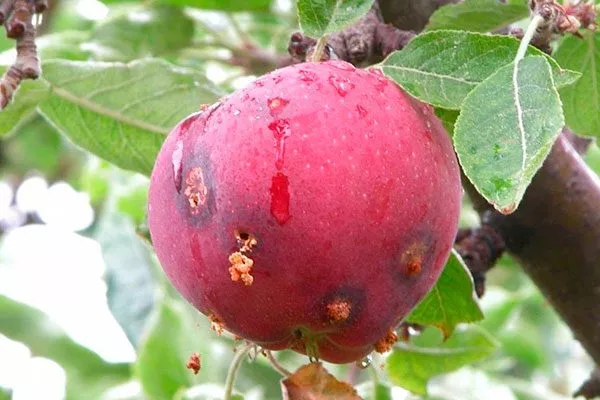
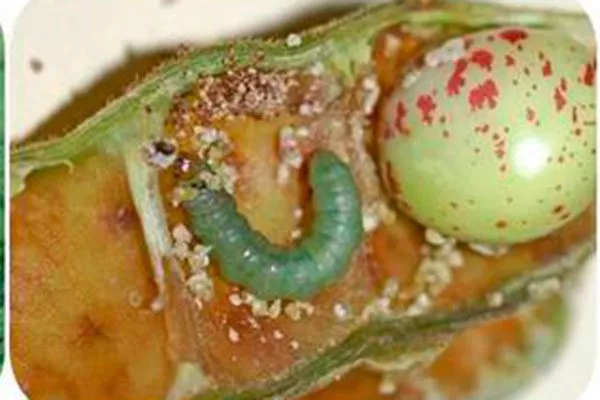
To protect cherry plum from pests and maintain its health, it is necessary:
- Inspect the tree regularly, especially before and after flowering.
- At the first signs of pests, use insecticides or biological products approved for fruit crops.
- Conduct preventive treatment with copper solutions (Bordeaux mixture) or sulfur.
- Remove and dispose of affected fruits and branches to prevent the spread of larvae.
- Clear the tree trunk area of fallen leaves and weeds, which can serve as a refuge for pests.
- Feed the tree with phosphorus-potassium fertilizers in a timely manner to strengthen the plant’s immunity.
- Monitor watering, avoiding both over-watering and drought.
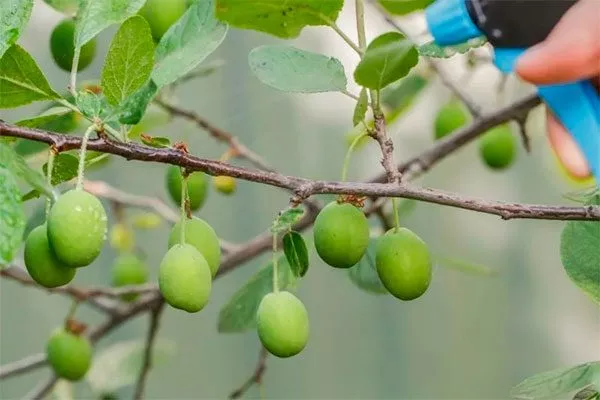
A comprehensive approach to cherry plum care helps increase its resistance to pests and preserve the harvest.
Oversaturation of soil with nitrogen
Excessive amounts of nutrients in the soil often cause cherry plums to stop bearing fruit after flowering. Under such conditions, the tree begins to actively grow green mass—leaves and shoots—at the expense of developing flower buds and fruit. The nutrient balance is disrupted, and the tree becomes overweight, failing to produce fruit.
To eliminate the effects of nitrogen overload and restore fruiting, follow these recommendations:
- Have your soil tested to determine nitrogen and other element levels.
- Reduce or eliminate nitrogen fertilizers, especially in late summer.
- Add phosphorus and potassium to stimulate flowering and strengthen ovaries.
- Loosen the soil and mulch the tree trunk area to improve air circulation and root nutrition.
- Regulate watering, avoiding overwatering, which increases nitrogen absorption.
- Monitor the tree's appearance - if there is excessive green growth, reduce fertilizing and regulate pruning.
Weakened plant
Under the influence of various adverse factors, the plant loses strength, weakens its immunity, and directs its resources toward survival rather than fruit formation. As a result, flowering occurs without subsequent harvest.
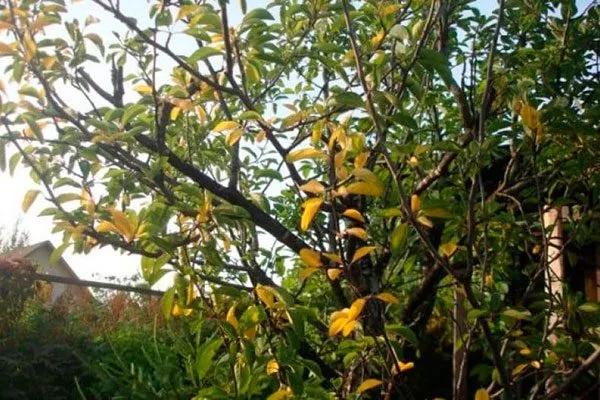
The reasons for the weakening of cherry plum may be:
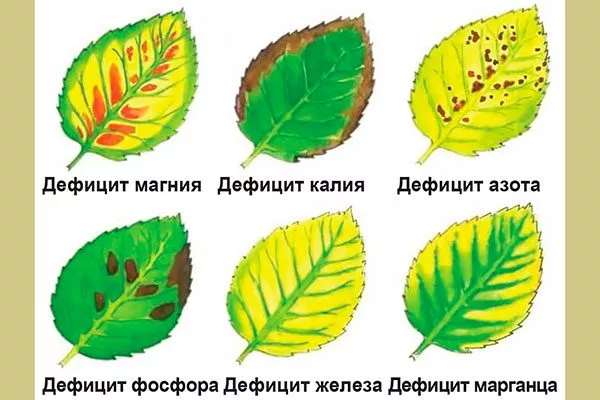
- lack of nutrients in the soil – especially nitrogen, phosphorus, potassium and microelements (iron, magnesium, zinc);
- damage by pests and diseases – take away nutrients and energy from the tree;
- unfavorable weather conditions – drought, waterlogging, frost, sharp temperature fluctuations;
- dense planting or poor ventilation – promote the development of fungi and reduce resistance;
- wear and tear of wood – In old plants or those overloaded with fruiting seasons, the ability to bear fruit fully is reduced.
To maintain the health of the cherry plum and prevent it from weakening:
- Conduct regular soil testing and fertilize the crop if necessary.
- Apply preventative treatments against pests and diseases in spring and autumn.
- Water the cherry plum regularly, especially during dry periods, avoiding drying out or over-watering.
- Protect the tree from cold and strong winds, especially during transitional seasons.
- Trim thick branches and remove diseased parts of the plant, improving light penetration and air circulation.
- Regulate the harvest – do not overload the cherry plum with fruits in fruitful years, so as not to deplete the resources.
Incorrect choice of variety and location
There are a wide variety of cherry plum varieties. Each has its own characteristics, including climate, soil, and light requirements. Mistakes in cultivar selection can result in a failed harvest or poor fruiting, especially if the plant is not adapted to the conditions of a particular region.
To ensure your cherry plum grows well and produces fruit consistently, consider the following recommendations:
- Choose varieties taking into account the climatic features of the region; winter hardiness and ripening time are crucial.
- Research characteristics before purchasing: disease resistance, pollination type, soil requirements.
- Plant cherry plum in a sunny, well-lit area, protected from draft winds.
- Avoid shaded areas and lowlands where moisture stagnates or the soil does not warm up well.
- Consider the need for pollinators - if the variety is self-sterile, there must be a pollinator variety nearby.
Other landing errors
Due to inexperience, gardeners often encounter certain difficulties that subsequently hinder the tree's full development and fruiting. The main ones are:
- Planting in autumn in regions with severe winters. A young tree may not have time to take root and die. In colder areas, it's best to postpone planting until spring.
- Unsuitable soil. Cherry plum prefers loose, fertile, and well-drained soil. Planting in heavy clay or waterlogged soil leads to root rot and weakening of the plant.
- Deep or, conversely, shallow planting. The root collar (the point where the root meets the trunk) should be at ground level. Planting too deep or too high above the ground disrupts growth and can lead to the tree's death.
- Lack of drainage. When planting in areas with a shallow water table, it's essential to provide a drainage layer of gravel or crushed stone. Without it, the roots may rot.
- Use of fresh manure. Adding organic fertilizer when planting can burn the roots. It's better to use humus or compost mixed with soil.
- Trees are planted too densely. Violating the distance between seedlings interferes with air exchange and sunlight, contributing to the development of diseases and a decrease in yield.
- Lack of watering after planting. Even if the soil is moist, the planted seedling must be thoroughly moistened to remove air pockets and ensure contact between the roots and the soil.
How to feed a plant for active fruiting?
Organic fertilizers, including compost or humus, help improve soil structure and provide long-term nutrition for plants. Nitrogen stimulates foliage and shoot growth, which is important for energy storage.
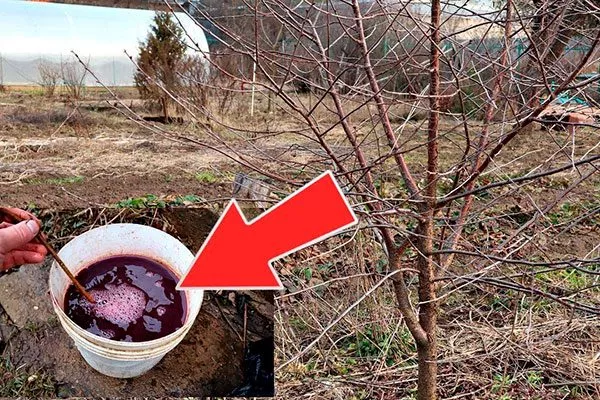
Phosphorus promotes the development of a strong root system and stimulates flowering, while potassium increases the cherry plum's resistance to disease and stress.
To ensure effective and safe feeding, follow these recommendations:
- organic fertilizers – apply in spring and autumn at a rate of 1-2 kg per 1 sq. m;
- nitrogenous substances – apply in spring, dosage – 30-40 g per 1 sq. m;
- phosphorus compounds – use in autumn, approximately 20-30 g per 1 sq. m;
- potassium solutions – Recommended in spring and summer, in the amount of 15-20 g per 1 sq. m.
Effective methods of stimulating fruiting and rules
To ensure the full development and high yield of cherry plums, it's important to use a comprehensive care program that includes several key measures. This approach enhances the fruit formation and ripening processes, which positively impacts the quantity and quality of the harvest.
Key recommendations:
- Maintain optimal soil moisture levels, avoiding both overwatering and overdrying. Adequate moisture is especially important during periods of active growth and fruiting.
- Apply balanced fertilizers with essential micronutrients. Phosphorus and potassium are especially important for fruit development and quality.
- Regular pruning helps create an optimal crown structure, improving light and air access. This promotes the even distribution of nutrients and stimulates the growth of fruiting shoots.
- Biostimulants based on seaweed extracts or humic acids strengthen the root system and increase resistance to stress, which has a positive effect on fruiting.
- Preventative measures and timely treatment help maintain tree health. Use environmentally friendly products and regularly check the condition of your plants.
- Buy seedlings grown specifically in your climate region. For example, plants from the south don't tolerate frost well and may die in cold conditions.
- Cherry plum prefers neutral soil. If the soil is acidic, it can be neutralized with chalk, lime, or dolomite flour. For alkaline soils, gypsum is recommended.
- Prepare the planting hole carefully. It's best to plant cherry plums in the southern part of the plot, where there's enough sun for vigorous growth and increased productivity.
- Plant the seedlings so that the root collar is at the soil surface level - this is optimal for rooting and development.
- To increase yield, plant two different cherry plum varieties next to each other – cross-pollination will improve fruit set and quality.
- Cherry plum roots are shallow, so water only in dry weather to avoid moisture stagnation and root rot.
The lack of fruiting in cherry plums can have many causes, ranging from improper care and unsuitable conditions to pest infestations and diseases. Careful attention to the plant, adherence to agricultural practices, and timely protective measures will help restore vigor and stable fruiting.