
Lodva is one of the most popular cherry plum varieties, sought after by Russian gardeners for its low maintenance and high-quality fruit. It is frost-resistant, boasts good yields, and boasts a pleasantly sweet fruit flavor, making it an ideal choice for gardening. Proper and timely care is key.
History of selection
This Belarusian-bred hybrid was created from the Vetraz and Olimpiyskaya varieties by cross-pollination at the Institute of Fruit Growing. The authors were V. Matveyev, M. Kastritskaya, and N. Karpenko. It was included in the State Register in 2011.
Description of the culture
The Lodva variety is a large-fruited variety of Russian plum, known as a diploid plum or hybrid cherry plum. It is characterized by early fruiting, large fruits, winter hardiness, and high yields.
The appearance of the tree
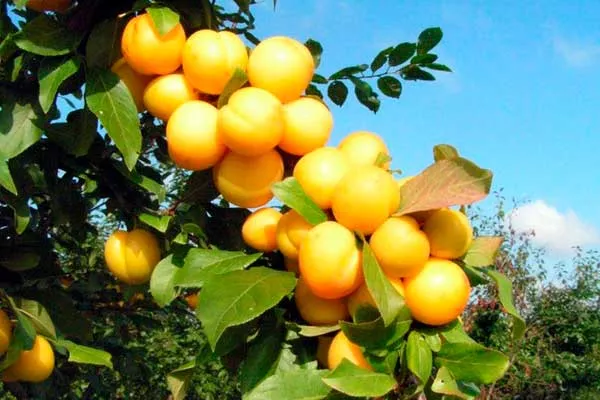
The plants are medium-sized, 4-5 m tall, with a rounded-pyramidal crown of medium density. Height depends on the type of rootstock. The branches are covered with smooth gray bark, and the foliage is small, glossy, and dark green. The inflorescences are small, paired, and pure white.
Fruits and their taste characteristics
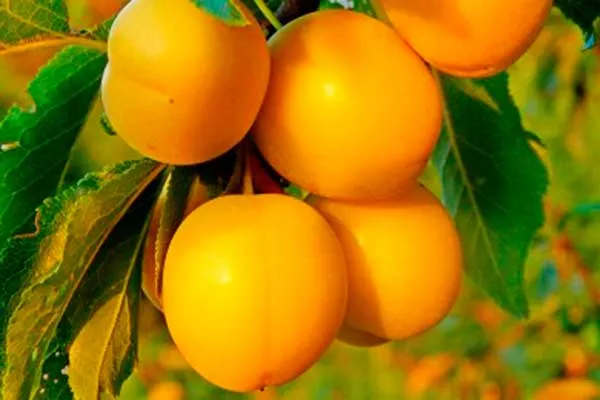
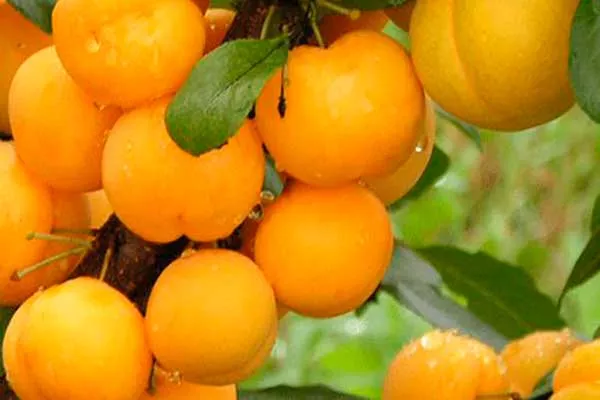
The fruits are large, weighing about 36 g, round in shape, and rich yellow in color. The ventral suture is prominent and deep.
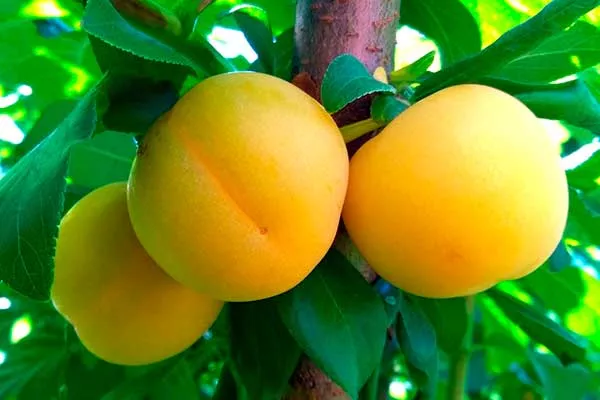
The flesh is tender and juicy, with a sweet and sour taste and a pleasant aroma reminiscent of caramel. The pit is small and easily separated from the flesh.
Characteristics
The Lodva cherry plum is highly frost-resistant and can survive in harsh climates. These qualities make it popular among gardeners, especially in regions where other fruit trees cannot grow.
Culinary uses of Lodva cherry plum
The fruits are versatile, ideal for cooking thanks to their rich flavor and aroma. Cherry plums complement both sweet and savory dishes perfectly, retaining their beneficial properties:
- Sweet desserts. It's an excellent ingredient for pies, muffins, puddings, and marmalade. The fruit is used fresh or cooked, added directly to dough, or combined with other fruits in vibrant salads.
- Drinks. Cherry plum juice is wonderfully refreshing and easy to prepare. It's perfect for making delicious cocktails and fruit smoothies with a rich flavor and aroma—pair it with banana, strawberries, and yogurt for a healthy drink.
- Sauces and jams. It's used to make a variety of sauces and jams. The sauce makes a wonderful complement to meat and fish dishes, and it also adds a touch of color to salads and appetizers. This sweet jam is a great alternative to traditional jams and pairs beautifully with toast, boiled corn, and yogurt.
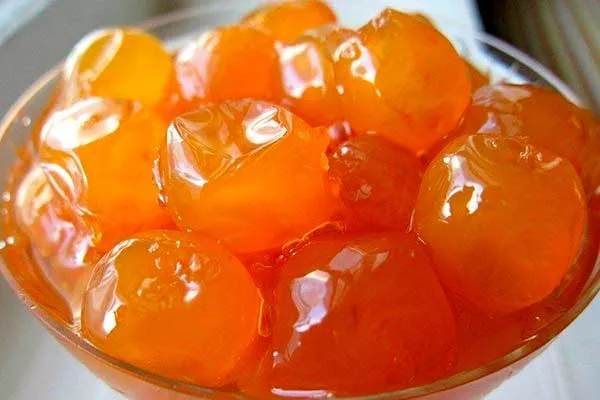
Cherry plum adds an interesting flavor to meat and fish marinades. It's often paired with vegetables like carrots, turnips, and cabbage, and added to vitamin-rich salads and appetizers.
Medicinal properties of Lodva cherry plum
Fruits have a number of beneficial medicinal properties that contribute to their positive impact on health. Let's take a closer look:
- Rich in vitamins C and E – powerful antioxidants that support the immune system and protect cells from free radicals.
- Contains vitamin A, which improves vision and skin condition.
- Contains potassium, magnesium, iron, and phosphorus, which support the optimal functioning of the body's organs and systems. Potassium strengthens the heart muscle and maintains a healthy heart rhythm.
- They contain biologically active substances with anti-inflammatory properties, which is beneficial for conditions such as arthritis, arthrosis, and rheumatism. Flavonoids also help reduce inflammation and alleviate allergic reactions.
- The dietary fiber it contains promotes normal bowel function, prevents constipation, and reduces the risk of digestive diseases, including colon cancer. Natural enzymes facilitate digestion and nutrient absorption.
Fruits reduce the risk of cardiovascular diseases – atherosclerosis and hypertension, helping to normalize cholesterol and blood pressure levels.
Self-fertility and pollinators
This is a self-sterile variety, so it requires pollinators to produce fruit. The best cherry plum companions for Lodva are Mara, Asaloda, and Puteshestvennitsa.
Ripening period and yield
Trees begin bearing fruit in the second or third year after planting, blooming in May with virtually no risk of damage to blossoms from recurrent frosts. Fruit is harvested in late July or early August.
The crop is highly productive: 3-4-year-old trees yield 4-5 kg of fruit, while 5-6-year-old trees yield 35 to 40 kg. Fruiting is consistent and annual.
Location and soil requirements
Lodva grows well in any soil, but fertile loam with a neutral pH level is best.
Winter hardiness
This plant is a frost-hardy variety and can withstand temperatures down to -35°C. However, the trees are sensitive to sudden temperature changes. The hybrid has average drought tolerance, so regular watering is required during hot and dry periods.
Regions for cultivation
Trees of this variety are successfully cultivated in central Russia and even in Siberia. The variety is in demand in Belarus, Ukraine, and the Baltic states.
Resistance to diseases and pests
This variety is characterized by good immunity to clasterosporium, but can be affected by moniliosis and coccomycosis. Prevention requires treatment with Horus in several stages: before flowering and during bud formation. To protect against powdery mildew and scab, use Skor.
Pests that threaten trees include aphids, codling moths, and plum moths. Trapping belts are used to protect against these insects.
Lodva cherry plum harvesting season and storage
For harvesting, select fruits that are richly colored and free of damage and signs of rot. Pick fruit from trees with hairs, as these plants typically produce the tastiest and juiciest fruit.
Follow these recommendations:
- Wash and dry the fruit thoroughly.
- Dry and cool places, such as cellars or basements, are suitable for storage.
- Place the fruits on special shelves or in boxes, laying them in one layer so that they do not touch each other and are not damaged.
- Periodically check the cherry plum for rot or mold and remove damaged specimens.
- For longer storage, freeze fruit. Wash, halve, and remove pits beforehand. Place in plastic containers or bags and place in the freezer.
Popular varieties of cherry plum in Lodva
| Name | Ripening period | Disease resistance | Fruit size |
|---|---|---|---|
| Lodvinskaya | early | high | large |
| Usmanskaya | early | average | very large |
There are several varieties of this species. Brief characteristics:
- Lodvinskaya. The fruits have a vibrant red hue, juicy flesh, and a sweet flavor. They withstand long-distance transportation well and have excellent shelf life.
- Usmanskaya. This variety is noted for its large fruits and sweet flavor. They have an orange color and juicy flesh. It boasts high yields and an early ripening period.
Choose the variety that best matches the description to grow it in your garden.
Landing rules
Growing the plant is fairly simple, but for successful growth and fruiting, it's important to follow certain guidelines. If you follow these guidelines, the cherry plum will reward you generously with abundant harvests and high-quality fruit.
Landing site
Choose a sunny location with well-drained soil. The plant should receive sufficient sunlight and not be overwatered.
Selecting a seedling
Give preference to one- or two-year-old plants. They take root more easily and begin bearing fruit sooner.
Key recommendations:
- The seedling should have a healthy and strong stem, without damage or signs of disease.
- The leaves should be green, without spots or yellowing.
- Make sure the roots are well developed and not overdried or damaged. Choose planting material with a closed root system (in containers).
- Buy seedlings from reputable nurseries or sellers who can guarantee the variety and quality.
If you buy a tree in the fall, make sure it was properly stored before planting. The roots should not be dry.
Landing
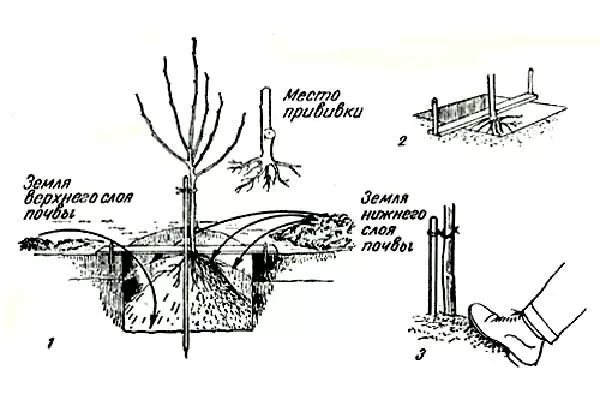
Trim any overly long roots to 20-25 cm. Soak the seedling in water for 2-3 hours before planting. Then follow the instructions:
- Dig a hole 50 cm wide and deep. The roots should fit freely in the hole.
- Place the plant in the hole and gently spread out the roots. The top of the root system should be level with the soil surface.
- Fill the hole with soil, gently tamping it around the roots to avoid air pockets.
- ✓ The seedling planting depth should be such that the root collar is 3-5 cm above the soil level.
- ✓ The distance between trees should be at least 3-4 meters to ensure sufficient space for growth.
Care instructions
Growing this crop requires careful care to ensure healthy growth and abundant fruiting. Proper agricultural practices will help maintain the tree's health, increase its resistance to diseases and pests, and improve the quality of its fruit.
Soil cultivation
Regular digging helps improve the soil structure, increase oxygen supply to the roots, and ensure better nutrient absorption. In the fall, add organic fertilizer such as humus or compost.
In spring, loosen the soil around the trunk and in the tree trunk circles to prevent crust formation and improve water permeability.
How to water
The plant requires regular watering, especially during dry periods. Use warm, settled water and pour it under the roots, avoiding drips on the foliage. The optimal frequency of watering is once a week, but increase the frequency in hot weather.
Fertilizer
This stage is key to achieving high yields. Follow this schedule:
- Apply nitrogen fertilizer in spring to stimulate growth.
- At the beginning of flowering, use complex mineral fertilizers containing phosphorus and potassium to support the formation of flowers and ovaries.
- Summer feeding can include wood ash and organic fertilizers.
Fertilize the crop in the fall to prepare it for winter.
Trimming
Pruning is a necessary procedure for shaping the crown and maintaining the tree's health. In the spring, before the sap begins to flow, remove diseased, damaged, and crossing branches.
Formative pruning will help create an open crown, which will provide better ventilation and light access to the fruits.
Wintering of cherry plum
Proper preparation for the cold season preserves the plant's health and increases its frost resistance. In regions with harsh winters, apply a layer of mulch around the tree trunk to protect the roots from frost.
If necessary, wrap the trunks of young trees with special covering materials to protect them from frost and rodents. Monitor the condition of the plant and take additional insulation measures if necessary.
Reproduction of cherry plum
To preserve the unique qualities of a variety and obtain new trees, it is important to learn how to increase the number of seedlings at home.
There are several main methods of reproduction, each of which has its own advantages and features:
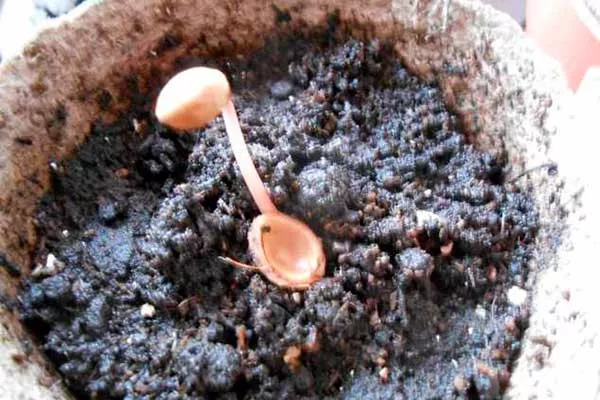
- Seeds. This method is one of the simplest and most accessible. To do this, collect the seeds from ripe fruits and prepare them. First, remove the pulp and soak them in water for 24 hours. Stratify them by storing them in the refrigerator at a low temperature for 2-3 months, which helps improve germination.
After stratification, plant the seedlings in prepared soil. This method may take several years before the seedlings begin to bear fruit.

- Cuttings. A faster and more effective method: In spring or early summer, cut one-year-old shoots 15-20 cm long from young, healthy plants. The cuttings should have several buds.
Treat the cuttings with rooting stimulants and plant them in loose, moist soil. Cover the cuttings with plastic wrap or glass to create a greenhouse effect, which promotes rapid rooting. Roots usually appear within 2-3 months. Transplant to a permanent location.
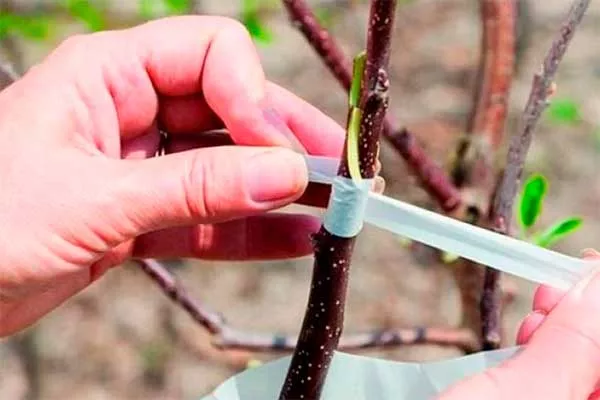
- By vaccination. This method allows for the preservation of varietal qualities and the use of more resilient rootstocks for propagation. The most common grafting methods are copulation and budding.
Choose healthy rootstocks and carefully perform all procedures to ensure successful scion engraftment. Grafting allows for harvesting within 2-3 years after the procedure.
- By layering. Another effective method for producing new plants while maintaining all varietal characteristics. In the spring, select healthy shoots, bend them toward the ground, and place them in a pre-prepared furrow, leaving the tips exposed.
Secure the shoots and cover them with soil, moisten them, and care for them throughout the season. The cuttings usually root by fall. Separate them from the mother plant and transplant them to their permanent location.

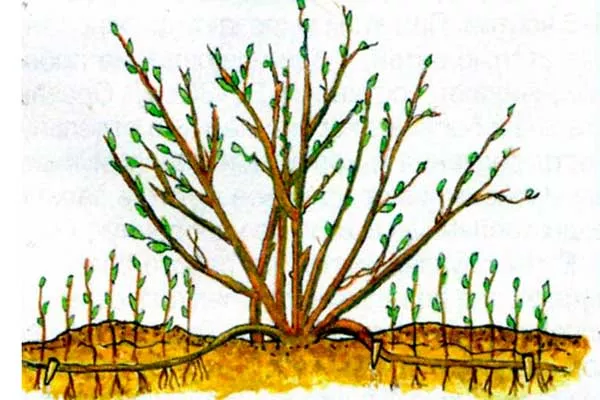
The choice of propagation method depends on your goals, available resources, and experience. Properly following these guidelines will allow you to successfully grow new trees and enjoy delicious fruit.
Diseases and pests: how to combat them
Despite a strong immune system, the plant can be susceptible to various problems. It's important to promptly identify the cause and begin treatment:
| Disease/Pest | Symptoms | Methods of control |
| Clusterosporiasis | The appearance of brown spots on the leaves, which may soon become perforated. | Treatment with fungicides (Horus). Removal of affected plant parts. |
| Moniliosis | Withering of flowers, rotting of fruits, formation of a grey coating. | Timely removal of damaged areas, spraying with fungicides. |
| Coccomycosis | The appearance of red or yellow spots on the leaves and their falling off. | Use of fungicides (Skor), compliance with agricultural technology. |
| Powdery mildew | White powdery coating on leaves and stems. | Use of preparations against powdery mildew (Topaz), increased ventilation. |
| Scab | Dark spots on fruits and leaves that may cause rot. | Treatment with fungicides, removal of affected parts, crop rotation. |
| Aphid | The leaves curl up and sticky secretions appear. | Spraying with insecticides, using biological methods (for example, garlic infusion). |
| Codling moth | Holes in fruits, presence of worms inside. | Collect and destroy damaged fruit, use traps. Insecticides are effective. |
| Brown plum sawfly | The appearance of holes in the leaves and their falling off. | Removal and burning of affected leaves, application of insecticides. |
Advantages and disadvantages
Before planting, carefully examine the positive and negative qualities of the variety. This will help avoid potential problems in the future.
Advantages of culture:
Some gardeners consider self-sterility to be a disadvantage.
Reviews
The Lodva cherry plum has become popular among gardeners due to its winter hardiness and ease of care. This variety is ideal for a variety of climates, including regions with harsh winters. With proper cultivation and care, it produces large quantities of sweet-flavored, juicy plums each year.