
Kubanskaya Kometa is an easy-to-care-for cherry plum variety. It produces good yields even with minimal care. The fruits are widely used in various preserves. Proper and timely care are important for a strong immune system and abundant fruiting.
Distinctive features of the hybrid cherry plum Kubanskaya Kometa
This variety is very popular among gardeners. It's considered easy to care for, making it a popular choice for planting in garden plots.
Characteristics of fruits and trees
The variety was developed using the Chinese early-ripening plum and the Pionerka cherry plum. In 1987, it was added to the State Register for the Northwestern, Central, North Caucasian, and Lower Volga regions.
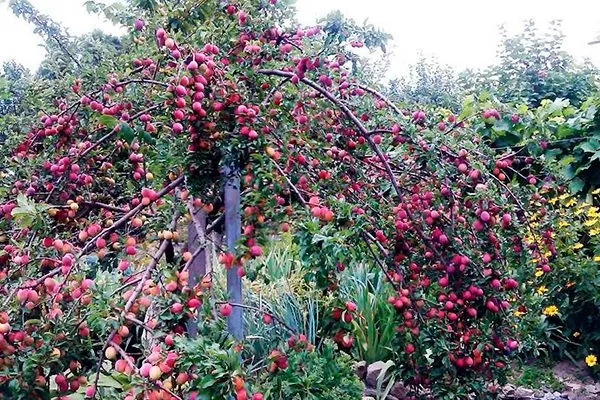
Characteristic features of the variety:
- The tree is small, reaching a height of up to 3 m, with a sparse, flattened, rounded crown. The trunk is gray and smooth, and the horizontal shoots are medium-thick and gray in color, becoming lighter on the sunny side.
- Flower buds are small or medium-sized, round, and turn pale pink when opened.
- The medium-sized, upright leaves are elongated and pointed at the tip. The glossy, rich green leaf blades are pubescent, with a serrate-crenate margin and slight waviness.
- The petiole has a deep groove. The flowers are white, with sepals closely adjacent to the petals. The peduncle produces two flowers from a single bud.
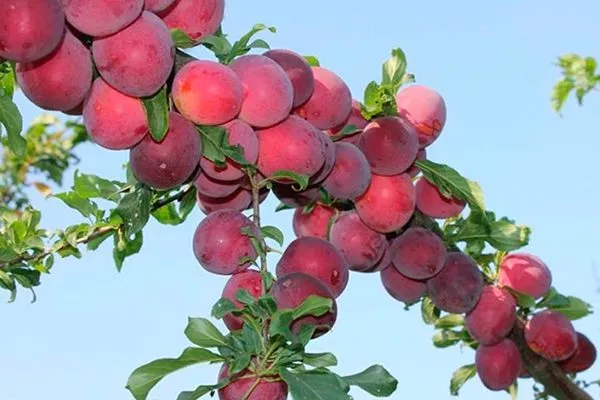
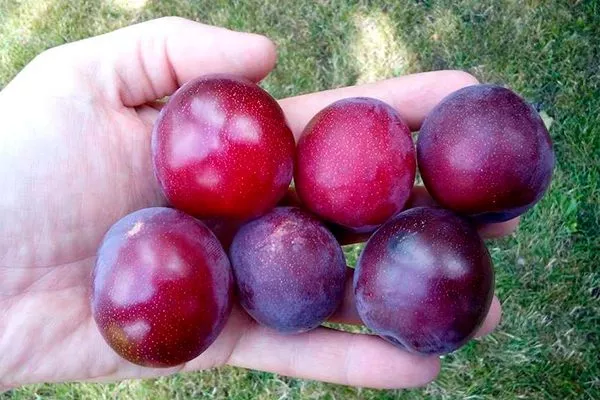
- The fruits are large, oblong, weighing between 35 and 45 g. The suture is asymmetrical and poorly defined. The skin is thick, burgundy in color, with a light waxy coating.
- The flesh is orange, medium-dense, fibrous and juicy.
- The stone is medium-sized, rough, and partially detachable. The peduncle is short. The fruits are resistant to cracking and falling out.
- ✓ The presence of flower buds, which acquire a pale pink hue when opening.
- ✓ The fruits are large, oblong in shape, weighing from 35 to 45 g and have thick, burgundy-colored skin.
Branching of the root system
The cherry plum root system is typically characterized by a branched structure. The roots extend in various directions, providing stability to the plant and efficient absorption of moisture and nutrients from the soil.
Branched roots improve soil retention and prevent erosion. Although the exact structure of the root system can vary depending on growing conditions, cherry plums generally have well-branched roots that promote healthy growth and development.
The best pollinators for the Kubanskaya Kometa cherry plum variety
| Name | Ripening period | Disease resistance | Fruit size |
|---|---|---|---|
| Kuban Comet | early ripening | high | 35-45 g |
| Mara | mid-season | average | 30-40 g |
| Pramen | early ripening | high | 25-35 g |
| Traveler | late-ripening | low | 20-30 g |
| A gift to St. Petersburg | mid-season | average | 25-35 g |
Kubanskaya cherry plum is partially self-fertile, so it can bear fruit even without pollination from other plants, but to increase the yield, other cherry plum varieties can be grown nearby.
Suitable varieties: Mara, Pramen, Puteshestvennitsa, Podarok Sankt-Peterburgu. According to gardeners' recommendations, this variety pairs well with the Chinese plum Skoroplodnaya. This partnership promotes cross-pollination and improves the overall yield.
Ripening and fruiting
The fruits ripen by mid-July, making this plant an early-ripening variety. Ripe fruits hold firmly to the branches, and cracking is virtually nonexistent.
Productivity
With proper care, this variety promises generous harvests. A single tree can produce up to 100 kg of fruit. The yield depends on the plant's age, growing conditions, and care provided. Trees that have just begun bearing fruit yield 30 to 50 kg, while young plants yield 10 kg of fruit.
Advantages and disadvantages of the variety - table
The Kubanskaya Kometa cherry plum has numerous characteristics. The table below presents the positive and negative qualities of this variety:
Landing features
Plant cherry plums in early fall or early spring. It's crucial to carefully select the site and purchase healthy seedlings.
Selecting a seedling
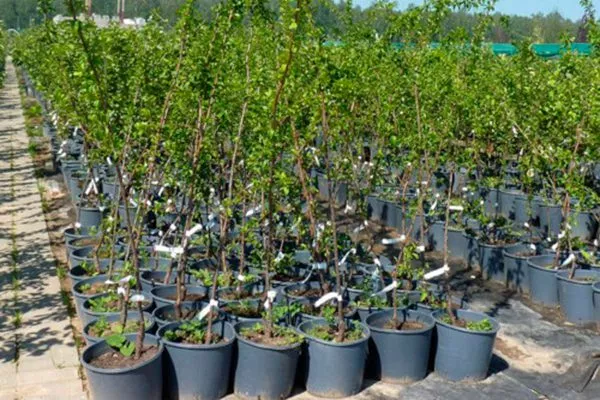
When choosing cherry plum seedlings, choose trees with a closed root system. Important indicators of high-quality planting material include:
- Height of seedling. The optimal size is 1-1.2 m. This promotes better survival and development of the plant after planting.
- Root system. Pay attention to the root system. Healthy seedlings should have many small roots and good root branching, which facilitates better absorption of nutrients from the soil.
- Kidney condition. The buds on the seedling should be swollen, which indicates its active growth and health.
- Condition of the bark. Visually inspect the bark of the branches and trunk. It should be free of mechanical damage, stains, ulcers, and pest signs.
- Cut of the shoot. It should be moist and yellow-green in color, indicating the plant is healthy.
- ✓ Check that the seller has a certificate of conformity for the variety.
- ✓ Make sure the seedling does not show signs of disease, such as spots on the leaves or bark.
Choosing a landing site
The ideal location for planting the Kubanskaya Kometa cherry plum variety is a sunny, south-facing site. This variety doesn't prefer shade, so choosing a south-facing location will provide it with sufficient sunlight, which is beneficial for its growth and development.
Avoid strong winds and drafts when choosing a planting location. The plant thrives near buildings with one side protected by a solid wall, which helps reduce wind exposure.
The Kubanskaya Kometa cherry plum doesn't like clay or loamy soils. Sandy, fertile soils with a neutral pH are the best choice. This will ensure good drainage and the fertility necessary for healthy growth. The groundwater level should be no higher than 1 meter.
Site preparation
Preparing the soil before planting cherry plums plays an important role in ensuring the plant's health and development. Below are recommendations for preparing planting holes and soil mixtures.
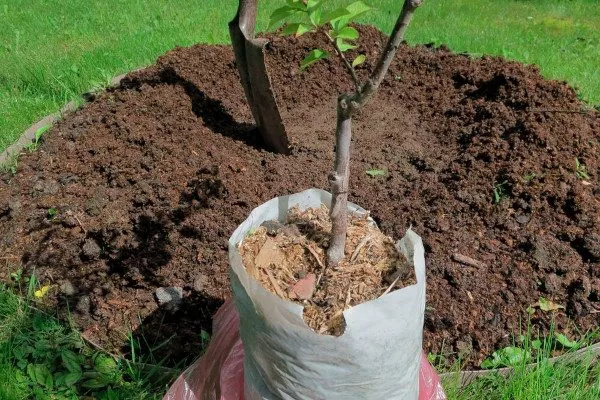
Autumn preparation:
- Dig holes measuring 80x80x80 cm. This provides enough space for the plant's roots.
- Mix the excavated soil with fertilizers: 12 kg of humus, 250 g of superphosphate and 50 g of potassium sulfide.
- If necessary, use a solution of lime or ash to deoxidize the soil.
Spring training:
- Dig holes 2 weeks before planting.
- Add fresh manure or humus.
Such steps provide the plant with optimal conditions for survival, development, and the formation of a strong root system.
Preparation of planting material
Soak the seedlings in a clay slurry for 1 hour or treat them with a rooting stimulant. This will promote active root development.
Step by step process
Planting Kubanskaya Kometa cherry plum seedlings involves several important steps. Follow these instructions:
- Place a small amount of soil in the form of a mound at the bottom of the planting hole.
- Drive a wooden stake into the hole.
- Place the seedling so deep that the root collar is 6 cm above ground level.
- Fill with soil and compact gently.
- Tie the seedling to the stake with twine. This provides support and protection from the wind.
- Form a hole 40 cm in diameter around the planting hole.
- Water the young tree with 20-30 liters of water. This will provide the necessary moisture.
- Once the water has completely absorbed, mulch the hole with wood chips. Mulch helps retain moisture, suppresses weed growth, and provides insulation for the root zone.
When planting multiple trees, consider the feeding area of each tree and maintain appropriate distances between rows (at least 3 m) and trees (2.5-3 m). This will ensure sufficient space for each plant to grow and develop normally.
Plant care
Timely tree care ensures a bountiful and high-quality harvest. These agronomic practices will help you produce juicy and delicious fruit.
Watering
Cherry plum is a plant that prefers humid conditions and requires additional irrigation even with normal soil moisture.
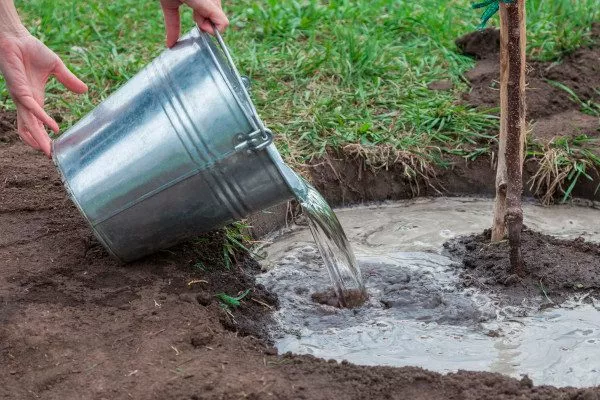
During the growing season, three main waterings are performed: in June, July, and September. Each tree requires approximately 30-40 liters of water. After watering, it is recommended to mulch the soil around the plant.
Pruning cherry plum Kubanskaya Kometa
During the first three years, the tree's crown is formed, which includes maintaining strong skeletal branches, pruning or shortening cuttings, and crown thinning. Two common crown shapes are flat and cup-shaped.
Pruning recommendations:
- Spring pruning (basic). During this period, the crown is formed, frozen and damaged branches are removed.
- Pruning in the summer season. Carried out as needed. Dry branches and young shoots growing inward are removed.
- Autumn pruning. At this stage, sanitary pruning is performed. Excess and drooping branches are removed. All infected and dead branches are completely cut out and destroyed.
Perform regular pruning annually. Cut areas must be treated with garden pitch. Pay particular attention to the crown density, as too much can lead to smaller fruit.
Fertilization
If the cherry plum was planted in pre-prepared, nutritious soil, the plant will not require additional fertilizing during the first year after planting. Subsequently, apply fertilizer annually, following these recommendations:
- In autumn. In the area around the trunk, evenly distribute humus or manure at a rate of 5 kg per 1 sq. m.
- In the spring. Immediately after flowering, while loosening the hole, add urea to the soil at a rate of 40 g per 1 sq. m.
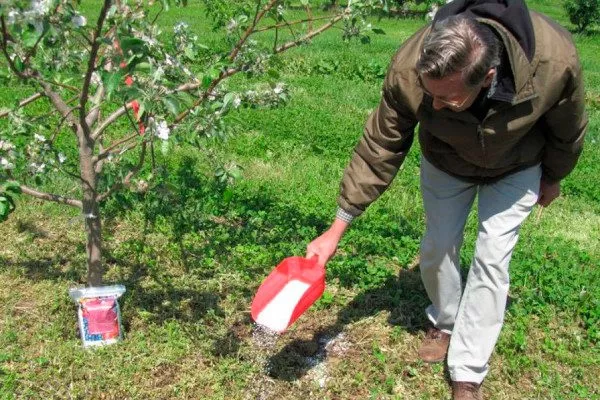
After the fruiting period is complete, add potassium sulfate to the soil under the tree at a rate of 30 g per 1 sq. m.
Shelter for the winter
To protect cherry plum seedlings from frost damage in the first few years after planting, complete covering is recommended. Use special gardening materials, spunbond, or burlap for covering. Do not use polyethylene to cover the trees.
Avoid mulching the holes with straw or hay in winter, as this may attract rodents. Proper covering helps protect plants from cold and winds during winter, ensuring optimal conditions for overwintering and maintaining their health.
Other important care nuances
To attract insects at the beginning of flowering, the Kubanskaya Kometa cherry plum, since it is partially self-fertile, is recommended to spray the tree with a honey solution. To prepare, dilute 20 g of honey in 1 liter of water. The amount of solution is calculated for one tree.
If it's not possible to plant several cherry plum varieties in a plot, graft a branch of the desired pollinator onto the Kubansky Comet. Keep the area around the trunk clean and regularly loosen the soil to ensure favorable conditions for the tree's growth and development.
Diseases and pests
By following the required treatment measures for the Kubanskaya Kometa cherry plum, a high level of disease protection is achieved. However, there is a potential risk of developing several diseases:
- Brown spot. Characterized by the appearance of brownish spots with a black border on the leaf blades. Treatment involves spraying with a 1% Bordeaux mixture before bud break or after flowering. A 1% copper sulfate solution can also be used in the first months of spring.
- Rust. It manifests as brown spots on the leaves. Treatment involves treating the tree with Actofit twice, 14 days apart.
- Gray rot. Characterized by gray growths on the bark and fruit, the affected parts must be removed and treated with a special preparation called Captan.
When growing Kubanskaya Kometa cherry plum, carefully monitor for pests:
- Bark beetle. Larvae laid in the bark begin to feed on tree sap after development. Treatment with Chlorophos (chlorophos) twice, several weeks apart, helps.
- Plum codling moth. The caterpillars attack the fruit, causing significant damage. Treatment is with Fosban, as directed.
- Downy silkworm. Leaves are affected, and small holes appear. Treatment with Nexion before flowering is effective.
Carry out all the above mentioned activities within the specified timeframes to prevent the development of diseases or the spread of pests, otherwise this may lead to a complete loss of the crop.
Reproduction of cherry plum
Cherry plum can be propagated in several ways. Gardeners use the following methods to increase the number of seedlings:
- By the undergrowth. This method is suitable for novice gardeners. In the fall, carefully remove a root from the mother tree, and by the following fall, a new shoot will appear in its place. When it grows, separate it and transplant it to a new location.
Cherry plum shoots are usually strong, which promotes rapid rooting, and the first fruits appear after a few years. - Cuttings. This is the most popular method of propagating cherry plum. In the fall, separate the planting material from the tree. Each cutting should be about 25 cm long. Store the cuttings in a wooden container with a mixture of peat, sawdust, and sand until spring.
In the spring, treat the edges of the cuttings with Kornevin and plant them in prepared soil in May. - By vaccination. Begin the procedure in early spring or late summer using green cuttings. Make a small cut in the branch and attach the cutting to it. Loosen the cutting after a month, and remove it after two. You can also graft onto a different tree variety, or even onto a plum tree.
- With bones. Cherry plums can also be propagated by seed. Select ripe, whole fruits during the fruiting season, remove the pits, and plant them immediately in prepared soil, leaving at least 5 cm between them. After planting, mulch the area well.
Cherry plum, being a strong plant, adapts well, and sowing seeds in natural conditions results in strong and healthy shoots.
Harvesting and storage
The Kubanskaya Kometa cherry plum is characterized by its early fruiting period, producing fruit throughout the entire two-year period after planting. The fruit ripens in late July and is harvested in stages.
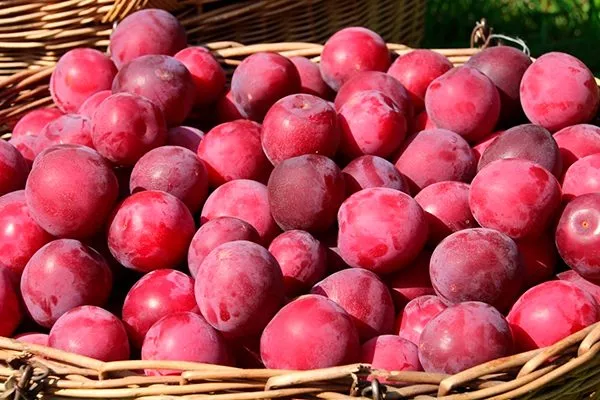
The fruits are ideal for eating fresh, making a wonderful dessert or addition to fruit salads. They are also widely used in preserves, including jams, jellies, compotes, marmalades, and sauces. Cherry plums are also suitable for making homemade wine and liqueurs.
Gardeners' reviews of the variety
Growing the Kubanskaya Kometa cherry plum is a simple process for both beginner and experienced gardeners. This early variety is highly productive, easy to grow, and characterized by its rich, flavorful fruit.