
The Cleopatra cherry plum boasts numerous varietal characteristics, including high yields, excellent flavor, and strong immunity. These qualities make it an attractive choice for gardens and summer cottages. With proper care and optimal growing conditions, you'll enjoy its juicy fruits for many years to come.
History of origin
Scientists from the Timiryazev Academy worked on developing the variety. Domestic breeders began working on it as early as 1991, but the variety was only added to the Russian State Register in 2004. Cleopatra was created through open pollination of the Kubanskaya Kometa variety.
Description of the culture
Gardeners have only recently begun growing cherry plums in their plots. When choosing a variety, they typically favor winter-hardy and low-maintenance varieties. One such variety is Cleopatra.
- ✓ The optimal soil acidity for Cleopatra cherry plum should be within the pH range of 6.5-7.5.
- ✓ The depth of groundwater should not exceed 1.5 m to prevent rotting of the root system.
The appearance of the tree
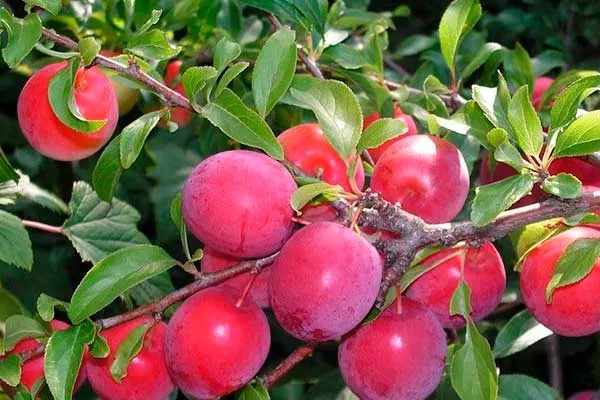
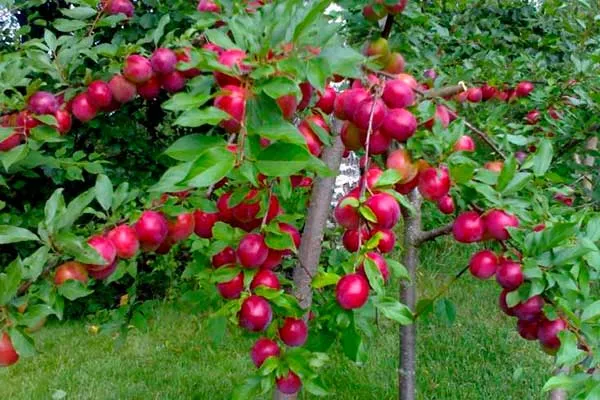
The plant is medium-sized, with a spreading crown resembling a wide cone and medium density. The tree's height varies from 3 to 4 meters. The straight, slender shoots are covered with brown bark. The leaves are rich green, elliptical, with serrated edges and a smooth surface.
Fruits and their taste characteristics
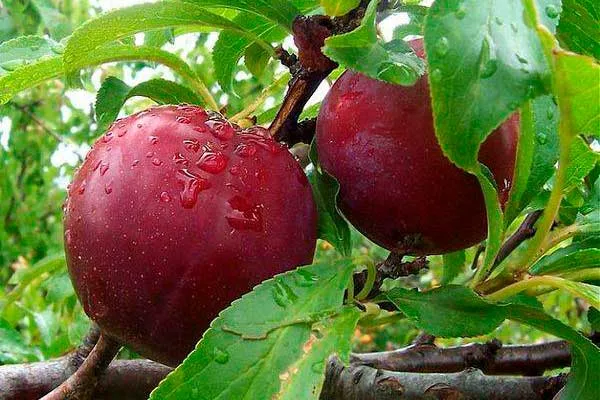
The fruits are large, weighing between 37 and 40 grams. They are symmetrical, round, and slightly elongated, with a dark purple-red skin. The skin is firm and covered with a bluish-white waxy coating. The flesh is cartilaginous with a pleasant sweet and sour taste.
Characteristics
This variety has many positive qualities, making it a popular choice for both experienced gardeners and novices. It's important to learn all the characteristics of the variety to ensure proper care for the tree.
Drought resistance, winter hardiness
Characterized by high winter hardiness and withstands temperatures down to -40°C. In severe cold, branches are moderately damaged, while shoots are minimally damaged. Flower buds are slightly susceptible to spring frosts. Drought resistance is above average.
Pollination, flowering period and ripening time
Cleopatra is a self-sterile variety, so it requires a pollinator. Domestic cherry plums are not suitable for this role, but hybrid plums or the Chinese variety make good neighbors.
When cross-pollinating, it's best to plant varieties that bloom at the same time. Flowering begins in mid-May, and the fruits ripen early—around mid-August or early September.
Productivity and fruiting
The first cherry plum fruits begin to be harvested within 3-4 years after planting. The crop is highly productive: a single tree yields 25 to 40 kg of fruit. The maximum lifespan of this variety is 45-60 years.
The benefits of cherry plum fruits Cleopatra
The berries of this columnar tree are rich in vitamins and valuable microelements. The juice obtained from cherry plums has healing properties and can be beneficial for the following conditions:
- anemia and anemia;
- decreased gastric secretion;
- avitaminosis;
- diabetes mellitus;
- obesity.
In the Caucasus, especially in Georgia, a sour sauce called tkemali is made from the fruit, and thin, dried flatbreads are also prepared, which serve as a seasoning for various dishes.
Application of fruits
The hybrid cherry plum Cleopatra is a dessert variety. The fruits are eaten fresh, but they are also excellent for making various winter preserves: jam, compote, juice, marmalade, and preserves. The fruits can also be frozen or dried.
Growing regions
The crop is successfully cultivated in the Central region, but it grows and develops well in colder climate zones.
Resistance to diseases and pests
The tree has a strong immune system. Leaf spot is not observed, and fruit rot occurs in only one case in a hundred. Aphids and codling moths rarely attack the plant, especially with proper and high-quality care.
Storage and collection
Begin harvesting when the fruit is fully ripe—mid-August to early September. Pick the fruit carefully to avoid damaging it, and it's best to do so in dry weather when there's minimal moisture on the fruit.
After harvesting, store the fruit at 0-5°C for 1-1.5 months. Place it in ventilated boxes to prevent rotting. Refrigerating or storing it in a cool room will help maintain freshness.
Landing features
To ensure the normal growth of the Cleopatra cherry plum, it's important to follow certain planting recommendations and guidelines. This will significantly impact its future yield.
Recommended timeframes
Plant seedlings in the fall (September-October) or spring (April-May). In southern regions, fall is best.
Choosing a suitable location
Choose well-lit areas for cultivation, as the crop prefers full sunlight. Avoid planting the seedling under the large canopies of other trees, as this will result in insufficient light.
The presence of groundwater at the planting site will be a major advantage. The plant grows and bears fruit well in black earth, chestnut, and sandy soils.
Favorable and unfavorable crops for planting near cherry plum
When planting cherry plum, consider its compatibility with other crops. It can be planted next to:
- Currants. Grows well nearby and does not compete for resources.
- Raspberries. Compatible and does not create problems.
- Small berry crops. For example, strawberries and wild strawberries.
- Herbs. Basil, mint and other aromatic herbs can help control pests.
You can't plant next to:
- Apple trees. These trees are often susceptible to the same diseases and insects.
- Pears. Like apples, they can compete for nutrients.
- Stone fruit crops. Cherries and peaches suffer from the same diseases as cherry plums.
- Carrots and parsley. They share common pests, such as the carrot fly.
Choosing the right neighbors for the Cleopatra cherry plum will not only increase yields but also prevent various problems.
Selection and preparation of planting material
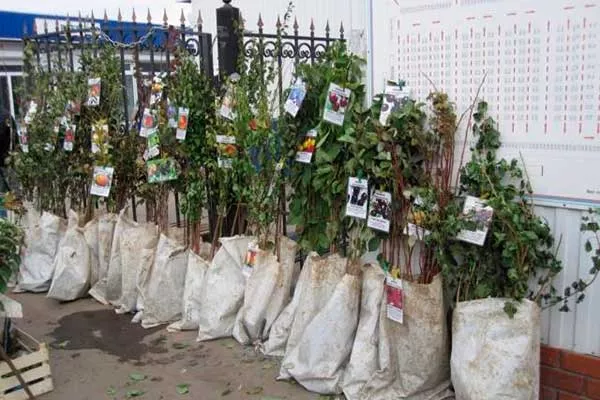
For good growth and fruiting, choose two-year-old seedlings with closed root systems. Before purchasing, inspect the seedlings to ensure there are no damages and the root system is intact, free of disease. Soak the roots in a growth stimulant for several hours before planting.
- 2-3 weeks before planting, deeply dig the area to a depth of 40-50 cm.
- Add organic fertilizers (humus or compost) at a rate of 10 kg per 1 m².
- Check the soil acidity and adjust it if necessary.
Landing algorithm
First, prepare a hole measuring 60x80 cm and 50 cm deep. Step-by-step instructions:
- Place the tree in the hole, placing a stake nearby for support and proper growth.
- Cover the roots slightly with soil and compact it.
- Prepare a fertilizer by mixing half the soil with 4-5 kg of humus and 15 g of complex fertilizer. Pour this mixture into the hole.
- After planting the seedling, fill the hole with freshly dug soil.
- Water the plant with 10-20 liters of water and mulch the soil around it.
Caring for cherry plum
Caring for the crop is the key to its health and high yield. To achieve optimal results, it's necessary to pay attention to several key aspects and follow standard agricultural practices. Each of these elements plays a vital role in ensuring the tree's healthy growth and fruiting.
Top dressing
To provide the plant with all the necessary nutrients, apply fertilizer twice a year. In the spring, during the active growth period, use complex mineral fertilizers containing nitrogen, phosphorus, and potassium. This promotes foliage development and fruit set.
In the fall, add organic fertilizers such as humus or compost to help the tree prepare for winter. Add wood ash to enrich the soil with potassium and calcium.
Watering cherry plums
Moisture is one of the most important aspects of plant care. Provide regular watering for young seedlings, especially in the first few years after planting.
Water the plants 1-2 times a week, especially in dry weather, using warm, settled water. Mature trees require infrequent but deep sprinkling – once every 10-14 days. Avoid overwatering to prevent root rot. Apply water at the roots, avoiding drips on the foliage.
Pruning cherry plum and shaping the crown
Pruning is important for shaping the tree's crown and improving fruit quality. Prune annually during the dormant period, usually in the fall or early spring, before the sap begins to flow. Remove dead, diseased, and damaged branches, as well as those that crowd the crown.
Train the tree into a cup or open bush to ensure good ventilation and light access to the fruit. This will help increase yields and prevent disease. Remove young shoots growing from the roots, as they can drain the tree's energy.
Protecting cherry plum from diseases and pests
Despite its strong immune system, the crop can be susceptible to various problems. It's important to recognize a disease or insect early enough to begin treatment:
| Disease/Pest | Signs | Control measures | Prevention |
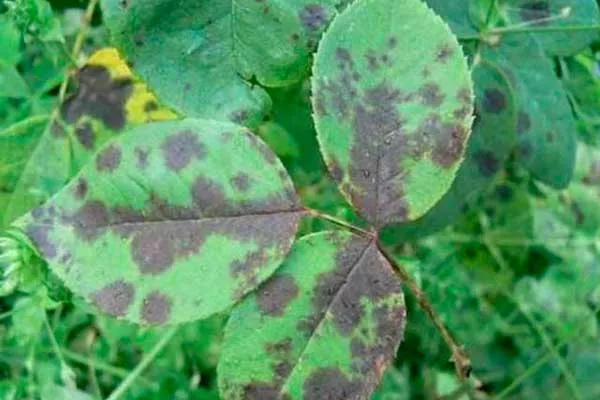
| Hollow spot | Dark spots with holes appear on the leaves. | Removal of affected parts, treatment with fungicides. | Maintaining optimal humidity levels, pruning. |
| Fruit rot | Formation of rot on fruits, softness and unpleasant odor. | Elimination of infected specimens, application of fungicides. | Cleaning up fallen fruits, observing agronomic rules. |
| Aphid | Bends and curls of leaves, sticky coating on the plant. | Treatment with insecticides, use of folk remedies (soap, garlic). | Regular inspection of trees, maintaining health. |
| Codling moth | Bites on fruits, worms appearing inside. | Removal of damaged fruits, treatment with insecticides. | Collecting fallen cherry plum, loosening the soil, attracting beneficial insects. |
| Powdery mildew | White coating on green mass and shoots, yellowing of leaves. | Spraying with fungicides, removing infected parts. | Good ventilation, maintaining distances when landing. |
| Bacterial cancer | Formation of ulcers on the trunk and branches, darkening of the wood. | Elimination of infected areas, use of fungicides. | Elimination of bark damage, disinfection of instruments. |
Positive and negative qualities
Before growing this crop in your garden, carefully consider its advantages and disadvantages. Cleopatra cherry plum has many advantages:
Among the negative qualities of the variety, some gardeners note self-sterility and average resistance to diseases.
Reviews
Cleopatra is a unique cherry plum variety popular among gardeners in our country. Its popularity is due to its high productivity and excellent taste. It attracts attention with its delicious and beautiful fruits, resistance to adverse conditions, and good immunity. The key is to understand the basic characteristics of the plant and follow basic farming practices.