
The Hek cherry plum is a yellow-fruited variety, particularly prized by gardeners and food producers. This cherry plum attracts gardeners with its high yield and tasty, large fruits, which make excellent preserves.
Description of the variety
The Gek cherry plum is a versatile, large-fruited hybrid known for its high yields. This beautiful and delicious cherry plum is a mid-late variety.
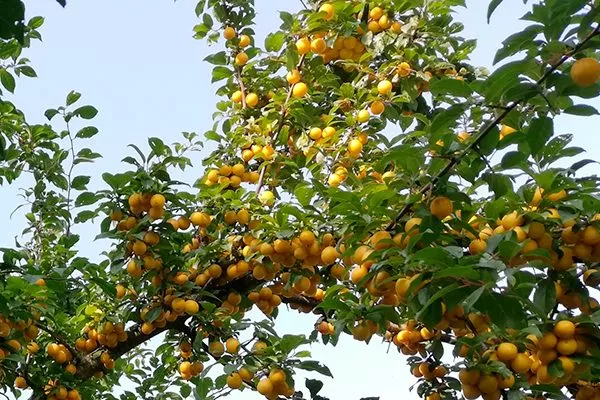
Description of the Gek variety:
- Tree Medium-sized, with a flat, rounded crown of medium density. The trunk is smooth, gray, and of medium thickness, with numerous lenticels (textured, raised spots on the trunk).
- Shoots, rAs they develop, they change direction, first growing vertically and then horizontally. The growing tips have a rich anthocyanin hue.
- Leaves Large, elongated-oval, shiny. Directed upward during growth.
- Flowers. White, medium-sized, petals are loosely closed, with a corrugated structure.
Characteristics of fruits
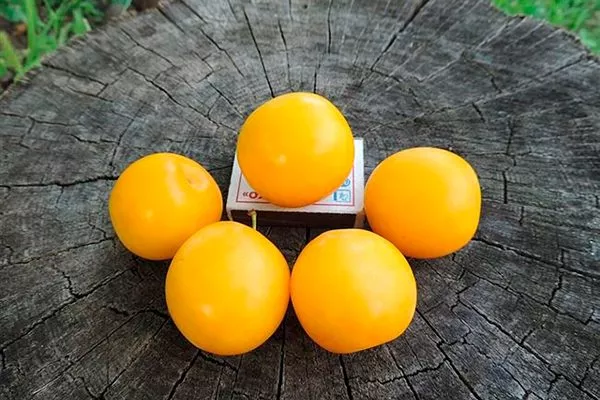
The fruits of the Hek cherry plum are yellow, with an orange-pink blush covering approximately 25% of the surface area. The fruits are ovoid in shape and have a distinct ventral suture. The skin has a waxy coating and a few subcutaneous dots.
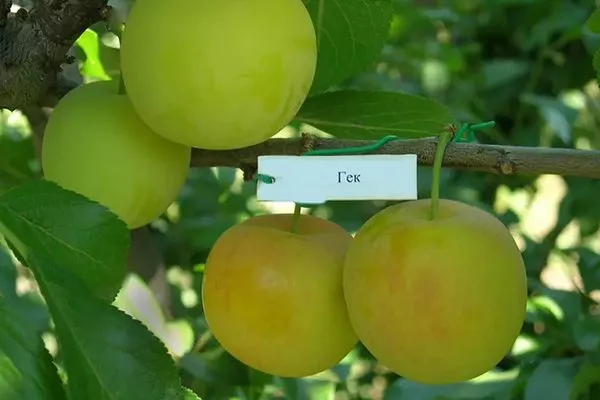
Each fruit is approximately 40 mm in diameter, widening slightly toward the base. Each fruit weighs approximately 30 g. The flesh is yellow, slightly juicy, fine-grained, and medium-dense. The stone is medium in size and difficult to separate from the flesh.
Fruit composition
- dry matter - 11.7%;
- sugars - 8.3%;
- acids - 2.4%;
- ascorbic acid - 5.1%.
The fruits of the Gek cherry plum are characterized by medium sugar content and medium acidity.
Agrotechnical characteristics
The Gek variety has good agronomic and taste characteristics, allowing it to be grown in various regions of the country.
Characteristics of Gek cherry plum:
- Taste: sweet and sour.
- Self-fertility: Self-sterile. The best pollinators are Naydena and Puteshestvennitsa.
- Purpose: for fresh consumption, for canning.
- Productivity: high, about 45 kg from 1 tree.
- Winter hardiness: high.
- Drought resistance: average.
- Frost resistance: high, up to -29….-34°C.
- Flowering time: beginning of April.
- Ripening period: in the second half of July.
- Fruiting frequency: regular.
- Resistance to diseases and pests: high.
- Early fruiting: The harvest is collected in the third year after planting.
The Gek cherry plum is a product of domestic selection. It was developed in the Krasnodar Krai by breeders in the city of Krymsk. State trials began in 1991, and in 1995 the variety was included in the State Register of the Russian Federation.
Pros and cons
Before planting the Hek cherry plum in your garden, it's important to evaluate all its pros and cons. This will help you determine whether this variety is truly suitable for your garden and your intended purposes.
Storage of the harvest
Hek cherry plum is not intended for long-term storage. After harvesting, you need to immediately decide how much to keep for consumption and what to process.
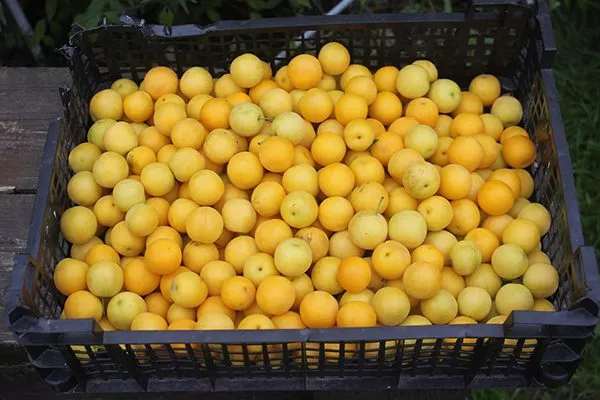
Tips for storing your harvest:
- If the plums are picked before they're fully ripe, it's best to store them in a dark room. Under these conditions, the cherry plums can ripen for a while before they're ready for processing.
- Ripe plums should be stored in the refrigerator's crisper and vegetable drawer. Avoid wrapping cherry plums in plastic; use ventilated containers.
- The longest shelf life for cherry plums is achieved when stored in a cellar. The optimal storage temperature is between +3°C and +5°C, with humidity of 80-90%. To extend their shelf life, cherry plums are stored in wooden boxes lined with paper.
If the harvest is to be stored for a while, it should be harvested on a dry day. Before storing, cherry plums are sorted, discarding soft and damaged fruits for immediate processing.
Landing site requirements
The Gek cherry plum is a low-maintenance and undemanding variety. However, the better the growing conditions, the stronger, healthier, and more productive the tree becomes, and the higher and better the yield.
Basic requirements for the landing site:
- loose and fertile soil;
- good lighting;
- protection from strong winds and drafts;
- flat or elevated surface, lowlands are contraindicated;
- maximum groundwater level - 1.5 m;
- neutral soil acidity.
- ✓ The optimal soil pH level should be between 6.5-7.5 to ensure better absorption of nutrients.
- ✓ The depth of groundwater should not exceed 1.5 meters to prevent rotting of the root system.
Landing
To ensure the Hek cherry plum takes root successfully, it is important to plant it in accordance with the planting rules and technology, and to take into account the varietal requirements and characteristics.
Planting dates
The tree is planted taking into account the local climate. In the south, autumn planting is preferred, as cherry plums planted in the winter are stronger and more seasoned, and they quickly begin to grow and develop vigorously in the spring. Autumn planting is done approximately 3-4 weeks before the onset of cold weather, around mid- to late October.
In regions with cold winters, seedlings are not subjected to extreme frosts, so they are planted in March, after the snow has melted and the soil has warmed slightly. It is important to plant the trees before the sap begins to flow.
Selection and preparation of seedlings
The optimal age for planting a seedling is 1-2 years. It should have a well-developed root system and no dried or rotted shoots. The seedling itself should be free of damage, signs of disease, or other defects.
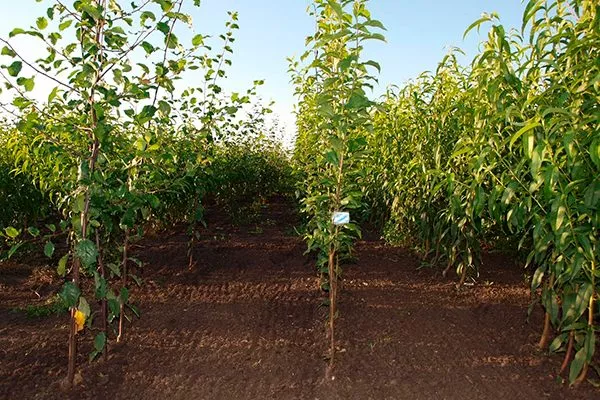
Before planting, soak the exposed roots in water for 24 hours. It is also recommended to soak them in a growth stimulant solution for several hours. Immediately before planting, dip the root system in a clay slurry.
Preparing the pit
Planting holes are prepared in advance, at least a month before the fall planting. For spring, holes are dug in the fall.
How to prepare a planting hole:
- In the fall, dig over the planting area and add humus, compost, or other organic matter. It's recommended to add sand to clay soils to improve their structure, and to deacidify acidic soils, it's a good idea to add wood ash.
- Dig a hole 60-70 cm deep. The diameter should be approximately the same, but the hole should be spacious enough for the seedling's roots to fit comfortably.
- Place drainage material at the bottom of the hole. Use pebbles, expanded clay, or crushed rock. Apply a layer about 20 cm thick.
- Add a nutritious soil mixture over the drainage layer. This can be made from a mixture of fertile soil, sand, peat, and humus. Drive a stake into the center of the hole, 70-80 cm above the surface.
- Cover the hole with roofing felt and leave for a month or for the whole winter (if planting is planned for spring).
- 6 months before planting, analyze the soil for pH and nutrient content.
- Add corrective additives (lime to reduce acidity, sulfur to increase it) according to the analysis results.
- Three months before planting, add organic fertilizers (humus or compost) at a rate of 10 kg per 1 m².
Planting technology
Choose a windless day for planting. Preferably, avoid bright sun and rain. Prepare settled, room-temperature water for watering in advance.
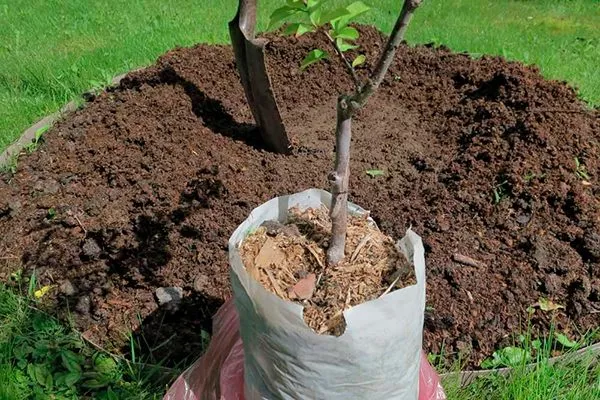
Planting order:
- Rake the soil mixture into the hole to form a mound.
- Place the seedling on top of the mound and carefully spread out the roots. They should lie flat on the slopes of the mound, not curling upward or sideways. Position the seedling so that its root collar is buried 3-4 cm deep after planting.
- Sprinkle the roots with soil, fill all the free space in the hole with it, and then compact it thoroughly.
- Tie the planted tree to the support with soft twine. Do not use wire, as it can damage the bark.
- Water the planted cherry plum generously with prepared water. Once the moisture has been absorbed, mulch the area around the trunk with humus, peat, or sawdust.
Care
To ensure that the tree is healthy and bears fruit well, it requires care throughout the growing season.
Watering
The Hek cherry plum has moderate drought tolerance and therefore requires regular watering. The tree can only tolerate short-term droughts without consequences.
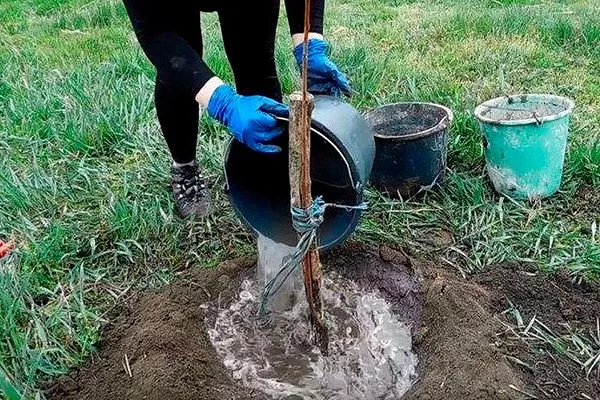
Features of watering the Gek variety:
- It is recommended to water a young tree every week;
- adult trees are watered approximately 6 times per season;
- After watering, the soil around the tree trunks must be loosened to prevent the formation of a crust that impedes the passage of air;
- the watering rate for a young tree is 15 liters;
- The older the tree, the more water it requires; an adult cherry plum requires 30-40 liters.
- In autumn it is necessary to carry out abundant moisture-recharging watering;
- in hot weather, young trees are watered every 3-4 days;
- Cherry plum especially needs watering when young and during the ripening stage of the fruit.
Top dressing
The Hek cherry plum is fertilized 2-3 years after planting, as the nutrients placed in the planting hole are sufficient for the initial period. Subsequently, the tree is fertilized approximately three times per season.
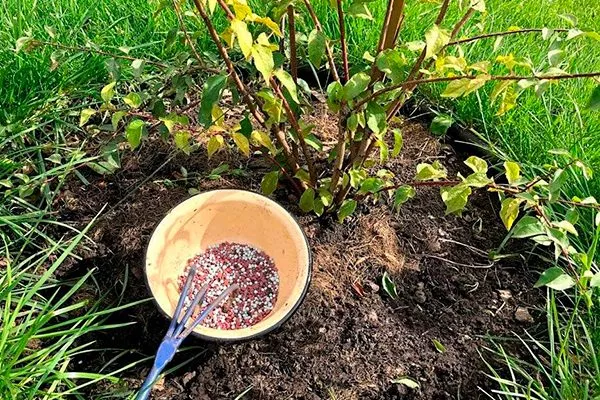
Recommended fertilizing regime:
- In early spring, nitrogen-containing fertilizers are applied, as they stimulate the growth of green mass.
- After flowering, the tree needs potassium-phosphorus complexes.
- In autumn, organic fertilizers are added - humus or compost.
Trimming
The Hek cherry plum grows quite intensively, so it is necessary to thin out its crown every spring, otherwise its fruits will not have enough sunlight.
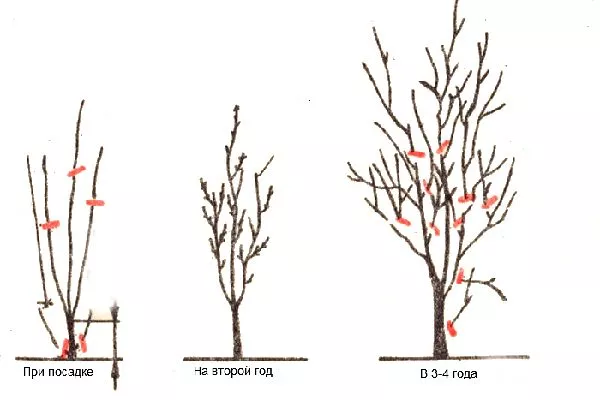
In spring and fall, sanitary pruning is performed, removing damaged, diseased, and dead branches. The bulk of the work is done in the spring; in the fall, pruning should be minimal to avoid stressing the tree before winter.
Wintering
The Gek variety is quite winter-hardy, so it's safe in the south—its frost resistance is sufficient to withstand even the coldest southern winters. However, in regions with harsh climates (Siberia, the Volga region), it's recommended to insulate the Gek cherry plum by covering the area around the trunk with fallen leaves, compost, or tree bark.
In addition to mulching the root zone, in regions with harsh winters, insulating the trunk with a covering material, such as spunbond, can also be used. The younger the tree, the more thoroughly it needs to be insulated before winter.
Disease and pest control
The variety can be affected by a number of diseases, which most often appear due to the dense crown and prolonged damp weather.
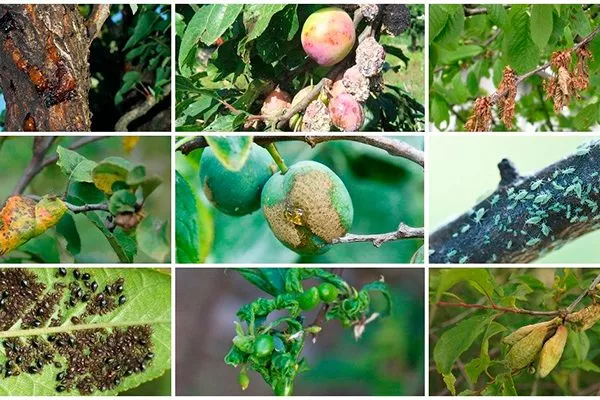
The most dangerous for the Hek variety is gray rot, the tree can also be affected by brown mold, moniliosis, coccomycosis, and clasterosporium.
Preventive spraying of the crown is recommended:
- copper sulfate;
- Bordeaux mixture;
- colloidal sulfur.
Spider mites, thrips, codling moths, plum aphids, and other insects can damage the Hek cherry plum. To prevent these pests, treat the trees with a 1% malathion solution. In severe cases, use powerful insecticides, such as Inta-Vir. Treat the tree at least twice, with intervals of 2 to 14 days.
The Gek cherry plum is rightfully considered one of the best yellow-fruited varieties. It's not perfect and has some shortcomings, but these are offset by its undeniable advantages: excellent taste and presentation, high yield, early maturity, and ease of maintenance. The Gek variety will undoubtedly be a wonderful addition to any garden.