
There are many varieties of cherry plum, but not all are popular among gardeners. The plant is in demand both for commercial cultivation and for winter preservation. Beginner gardeners often choose the plant, and one of these easy-to-care-for varieties is the Puteshestvennitsa cherry plum.
The history of the Traveler variety
The Puteshestvennitsa variety, developed at the Crimean Experimental Breeding Station of the Federal Research Center of the Vavilov All-Russian Institute of Plant Genetic Resources, is the result of crossing the Dessert plum with the willow-leaved plum.
The hybrid was obtained by natural pollination and was developed by G. V. Eremin and L. E. Velenchuk. The variety successfully passed state trials, which began in 1977, and was added to the State Register of the Russian Federation in 1986.
Description of the variety and photo
The Puteshestvennitsa cherry plum is an early variety, both in terms of flowering and ripening time. Its versatile use means its fruits can be used for a variety of purposes: fresh, canned, and used for making jam, compotes, and other homemade preserves.
Tree
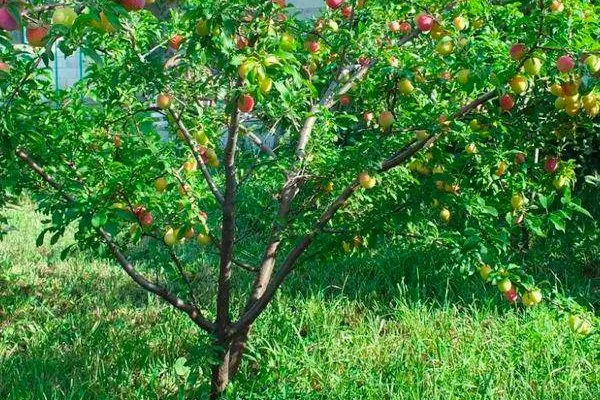
The columnar cherry plum tree grows rapidly, reaching an average height of around 3 meters. Its crown is moderately dense and has a wide oval shape. Smooth gray bark on the trunk gives the tree an aesthetic appearance.
Leaves
The leaves of this variety are characterized by an oval shape with an arcuate base and a distinctly pointed tip. Other foliage features:
- The length is twice the width.
- The front side has a light green hue with moderate shine and is not pubescent.
- The underside is slightly pubescent.
- The edge is crenate-serrated with moderate waviness.
- The petiole length is 1.2 cm.
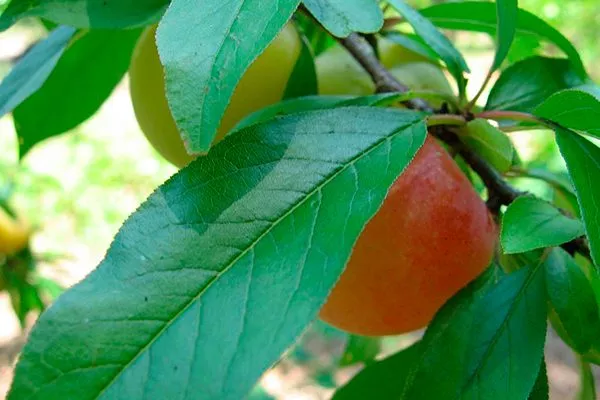
The presence of a groove of medium depth, anthocyanin color is not observed.
Flowers
The buds of the Puteshestvennitsa cherry plum produce two flowers. Each flower measures 2.8 cm. The petals are white, ovoid, and loosely closed, measuring 1.1 cm long and 0.9 cm wide. The peduncle reaches 1.8 cm in length.
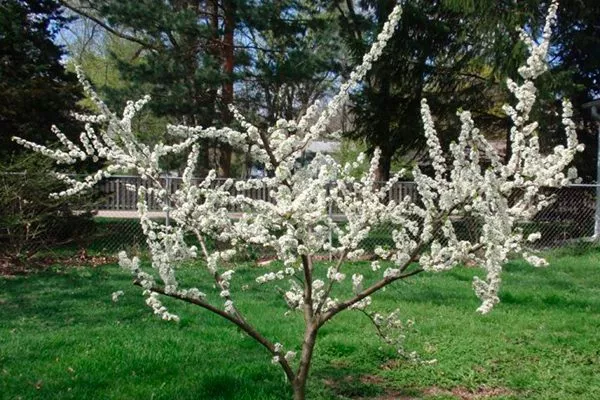
The anthers are yellow. The sepals are oval, 4 mm long and 3 mm wide. There is one pistil, longer than the stamens; the stigma is located above the anthers.
- ✓ Early flowering, beginning in the second or third decade of April.
- ✓ High winter hardiness, corresponding to zone 4, with the ability to withstand temperatures down to -30°C.
Fruit
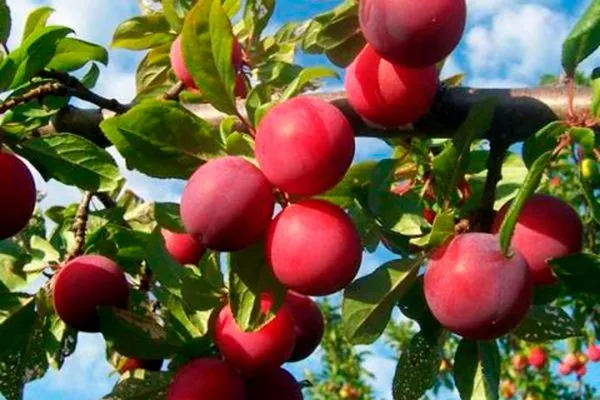
The fruits are round and small. The ventral suture runs the entire length of the berry. A waxy coating is present, although difficult to notice at first glance. The cherry plum skin is yellow, without streaks. Separating the skin from the pit is difficult due to its medium consistency.
Frost resistance
The Puteshestvennitsa cherry plum has high winter hardiness, corresponding to zone 4. This means the plant tolerates cold well and can withstand temperatures down to -30°C.
Due to its early flowering, there is a risk of damage from spring frosts. A sharp drop in temperature can cause buds to fall off, especially in the central and northwestern regions.
Pollinators
The Puteshestvennitsa cherry plum is self-sterile, so to ensure a full harvest, pollinators must be planted nearby. Other cherry plum trees with similar flowering periods, as well as Russian plum and willow-leaved plum, can serve as pollinators.
Productivity
The Puteshestvennitsa variety has a long fruiting period, which means the fruits ripen unevenly. Pick ripe berries immediately to prevent them from becoming fallen fruit. A mature Puteshestvennitsa tree can produce 35 to 40 kg of fruit.
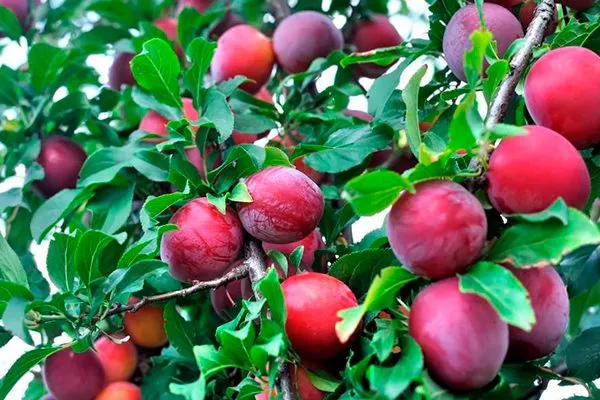
The impressive productivity is achieved thanks to the numerous ovaries, although the fruits themselves are not particularly large. On commercial plots, the average yield per hectare is 501.4 centners.
Storage of the harvest
The Puteshestvennitsa cherry plum is not recommended for long-term storage due to its soft texture. This makes it unsuitable for long-distance transportation, as significant losses can occur.
If you need to extend the shelf life, the fruits can be refrigerated. Even if fully ripe, they will only last 3-4 days in these conditions. Another storage option is a cellar at a temperature of 3-5°C and humidity of 80-90%. In this case, plums should be picked before they are fully ripe.
Advantages and disadvantages of the variety
Before planting the Puteshestvennitsa cherry plum variety, consider its advantages and some limitations. Gardeners note the following advantages:
- High winter hardiness, ensuring successful survival in harsh winter conditions.
- Rapid onset of fruiting, allowing for harvesting relatively quickly after planting.
- Annual abundant fruiting guarantees a stable harvest.
- Resistance to diseases such as moniliosis and clasterosporiosis, thereby reducing the risk of problems with the plant.
Among the disadvantages of this variety are:
- Low drought tolerance, requiring soil moisture control.
- The small size of the ripe fruits may be a factor for those who prefer large berries.
- Difficulty separating the pulp from the pit. This can cause discomfort during consumption.
- There is a risk of flowers freezing during spring frosts, as flowering begins very early.
- The limited shelf life of fruits requires prompt use of the harvest.
It is important to consider these factors when deciding to plant the Puteshestvennitsa cherry plum.
Landing features
The Puteshestvennitsa cherry plum adapts well to various soil types, begins bearing fruit shortly after planting, and provides gardeners with a stable and abundant harvest. It's important to plant the seedling correctly to ensure the plant takes root and remains disease-free.
Place and time of landing
Cherry plum prefers well-lit locations, yet sheltered from gusty winds, with a groundwater level no more than 1 meter above the soil surface. The tree thrives in fertile, slightly alkaline loamy soils with good drainage.
Cherry plums are best planted in the spring, before the sap begins to flow. Planting in the fall can be unfavorable for young seedlings due to insufficient time for rooting and the risk of frost.
Selection of seedlings
Choose one-year-old cherry plum seedlings propagated by root suckers or cuttings. This type of planting material has improved recovery after crown frost.
- ✓ The presence of at least 3 main roots with a length of 20 cm.
- ✓ Absence of mechanical damage and signs of disease on the bark and roots.
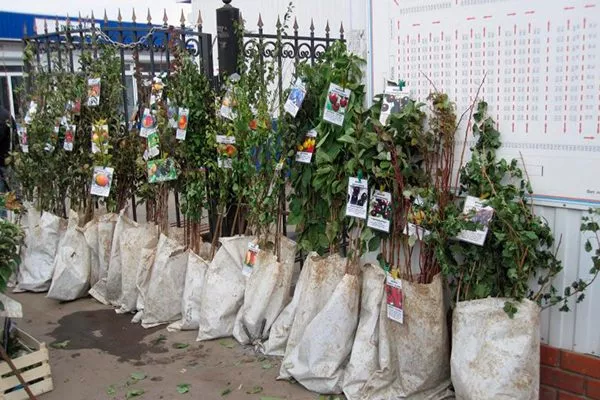
When choosing seedlings, pay attention to well-developed and established root systems. If you purchase plants in special containers or plastic bags, the roots should grow through pre-drilled holes.
Site preparation
A month before planting cherry plums, thoroughly prepare the soil. This process includes deep plowing and clearing away debris, last year's leaves, and weed roots.
Important preparation steps to take in advance:
- Two weeks before planting, dig holes measuring 70x100 cm, at a distance of 2-2.5 m from each other.
- Mix the fertile soil layer with 15 kg of humus, 50 g of superphosphate, and 60 g of potassium salt. Fill the holes 2/3 full with this mixture.
- If the soil is too acidic, lime it by adding wood ash at a rate of 400–500 g per 1 sq. m.
These preparatory measures create favorable conditions for the successful planting of cherry plum.
Step by step process
To successfully plant cherry plums, follow a specific sequence of steps. This will ensure the plant's stability and successful development, even for a gardening novice. Follow these instructions:
- Before planting, immerse the roots of the seedling in a clay slurry, adding Heteroauxin (1 part clay and peat per 10 liters of water + 0.1 g of the preparation).
- Drive a stake 1.3-1.5 m long and 3-4 cm in diameter into a pre-prepared hole, forming a mound around it.
- Place the seedling on the mound, carefully spread the roots and fill it with soil, lightly compacting it to eliminate voids.
- The root collar of the plant should be located at a height of 4-6 cm from the ground surface.
- Tie the seedling to a stake with twine.
- Water the tree with 15-30 liters of water and mulch the trunk circle with compost or peat to a thickness of 5-7 cm.
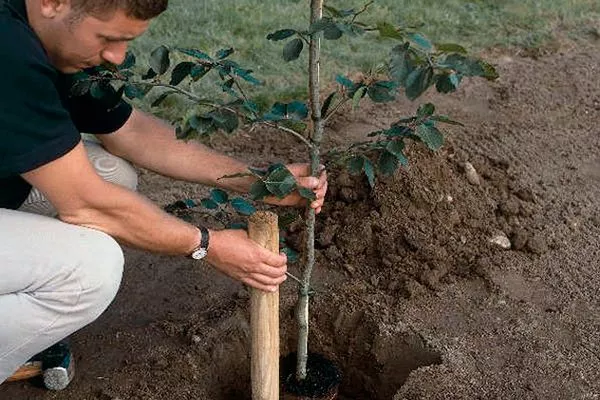
By following these recommendations, you will ensure successful establishment of cherry plum in the soil and stimulate its active growth.
Care
Regular irrigation, fertilization, pruning, and disease and pest prevention ensure the tree's proper development, strong immunity, and protection from external aggressions. These agronomic practices will ensure high crop yields.
Pruning cherry plum
Proper pruning is an important step in caring for a young cherry plum tree. This process offers several benefits:
- Protection against viral diseases. Removing affected areas prevents the spread of viral infections in the tree.
- Formation of a healthy crown. Proper pruning helps to form a correct and healthy crown, which is important for the longevity of the tree.
- Increasing yield and its quality. Pruning procedures improve fruiting and also increase the quality of the fruit.
In the first year after planting, prune all branches of the seedling by 1/3. In subsequent years, perform sanitary pruning and thin the crown to ensure adequate light reaches the inner branches. Rapidly growing shoots that reach 1 m in length should be pruned to 40-50 cm.
Pruning should be carried out in the fall and spring, including removing diseased, damaged, dead, crooked, and abnormally growing branches. Make cuts with sharp garden tools, and treat exposed areas with garden pitch to prevent pathogens from penetrating the tree.
Top dressing
Fertilizing cherry plums plays an important role in their care and development, and a specific schedule should be followed. Apply fertilizer three times per season. Apply the first dose before budding begins, then during flowering, and finally in the fall. Apply compost once, preferably in the spring.
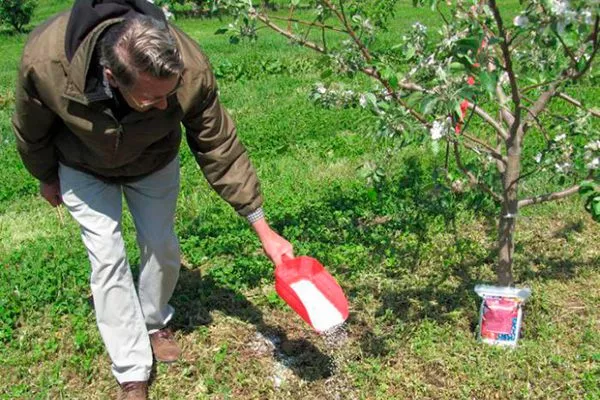
Combine mineral fertilizers with watering for best results. Before flowering, apply ammonium nitrate at a rate of 70 g per square meter. After harvesting, apply superphosphate (40 g) and potassium salt (20 g). This will help provide the crop with the necessary nutrients for healthy growth and development.
Fertilizer application schedule
Fertilizing the cherry plum soil is an important aspect of its care. Fertilization schedule:
- Organic matter (humus, compost or manure). Quantity: 10 kg per 1 sq. m. Application time: Autumn, every 2-3 years. Application method: into the soil during digging.
- Ammonium nitrate. Quantity: 70-90 g per 1 sq. m. Application time: annually before flowering. Application method: into the soil around the tree trunk.
- Superphosphate and potassium sulfate. Quantity: 50-60 g superphosphate, 150-180 g potassium sulfate. Application time: June.
- Superphosphate and potassium salt.
- Quantity: 40-50 g superphosphate, 20-40 g potassium salt. Application time: after harvest.
- Urea and potassium salt. Quantity: 50-70 g urea, 20-30 g potassium salt. Frequency: three times per season – during bud break, flowering, and fruit set.
These measures will provide the cherry plum with the necessary nutrients for healthy growth and development.
Watering
The Traveler's cherry plum does not tolerate stagnant water and requires moderate watering. Given the tree's growth habit, water it with 20 to 60 liters of water, depending on its size. Avoid watering during rainy periods.
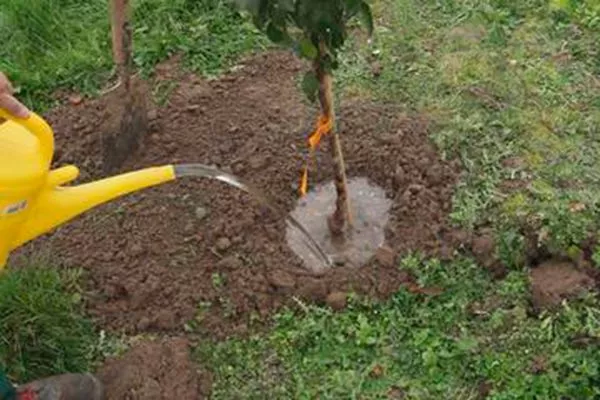
In the fall, the tree doesn't require additional watering, as it's important to ensure moisture is removed from the wood to create favorable wintering conditions. To prevent meltwater and rainwater from penetrating the root collar, ensure drainage channels are in place.
Shelter for the winter
The Puteshestvennitsa cherry plum is frost-resistant, but young seedlings require protection during their first few years. To protect the root system, mulch the area around the trunk with peat or humus. Apply a mulch layer 7-9 cm thick.
Secrets of growing cherry plums
The secrets to growing cherry plums lie in modern plant care. The video provides detailed recommendations for growing a healthy, fruit-bearing tree:
Diseases and pests
The Puteshestvennitsa cherry plum has strong disease resistance and is rarely affected when properly cared for. The hybrid can be susceptible to fungal attack, especially if exposed to excessive moisture during the season or overwatering.
When the first signs of disease appear, use fungicides:
- copper sulfate;
- Bordeaux mixture;
- Horus;
- Fast;
- Tsideli;
- Switch;
- Topaz.
Pests that can affect the Puteshestvennitsa cherry plum include sawflies and aphids. To control them, use insecticides:
- Aktara;
- Biotlin;
- Decis Profi;
- Golden Spark;
- Inta-Vir;
- Confidor;
- Novaktion;
- Tanrek;
- Fufanon.
Harvesting
The Puteshestvennitsa cherry plum begins bearing fruit 3-4 years after planting. Ripening occurs in early July and lasts 4-5 weeks, requiring harvesting in several stages. Harvest promptly, as overripe fruits may fall off.
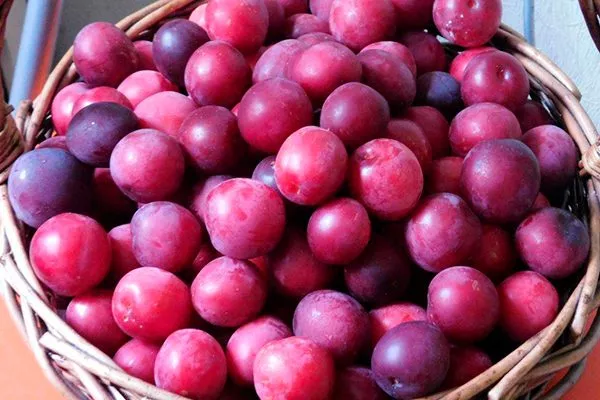
This variety is distinguished by its regular and abundant fruiting. The flesh of this cherry plum has a delicate and crumbly texture, making the fruit unsuitable for long-term storage and transportation. Harvested fruits retain their freshness when stored in the refrigerator for 3-4 days.
The Puteshestvennitsa cherry plum is versatile. It can be eaten fresh or used to make preserves, marmalades, compotes, and homemade drinks.
Gardeners' reviews
The Puteshestvennitsa cherry plum is an excellent choice for gardeners of all experience levels. This variety is easy to care for, produces high yields, and produces delicious, aromatic fruits. It also stands out for its resistance to diseases and pests. Proper care will ensure abundant and delicious harvests.