
Alex cucumbers are a versatile hybrid suitable for both open and protected soil. This early-ripening, self-pollinating variety ensures a consistent harvest and excellent shelf life after harvest.
Introduction to the variety
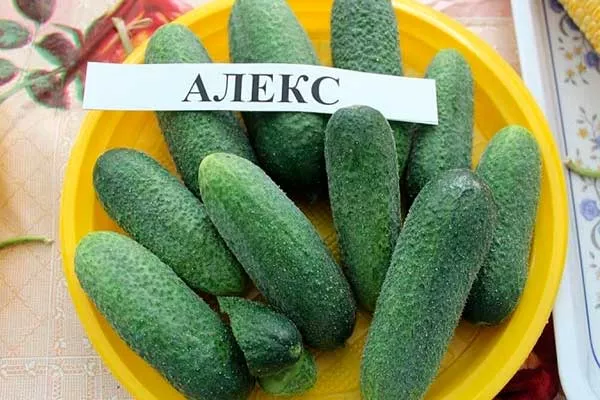
Alex f1 is an early hybrid of Dutch selection, renowned for its high commercial yield, reaching 94%. The first vegetables begin to ripen within a month of planting. The cucumbers are short, all the fruits are uniform in size, and do not overgrow, even if they are not picked promptly.
Creators of the variety
This hybrid was added to the State Register in 2007 and is the result of the work of Dutch breeders. There is no information on the duration of the breeding and testing work to create it.
In 2009, a branch opened in the Rostov region selling these seeds, bred by Dutch specialists. This made planting material more accessible to the general public.
Specificity of bushes and cucumbers
The plant bush is of medium compactness, reaching a height of 140-150 cm. The hybrid is characterized by the following varietal characteristics:
- Leaves with a bright green tint.
- The stems are densely pubescent.
- The culture is distinguished by the fact that the flowers are only female, which makes the participation of insects in the pollination process insignificant.
- Alex produces numerous ovaries: up to three in each leaf axil. With proper care, they yield a bountiful harvest.
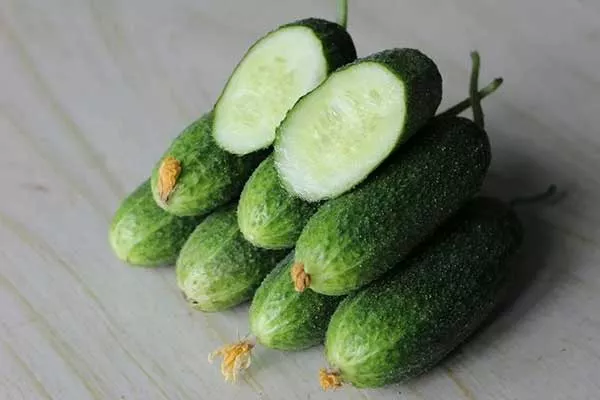
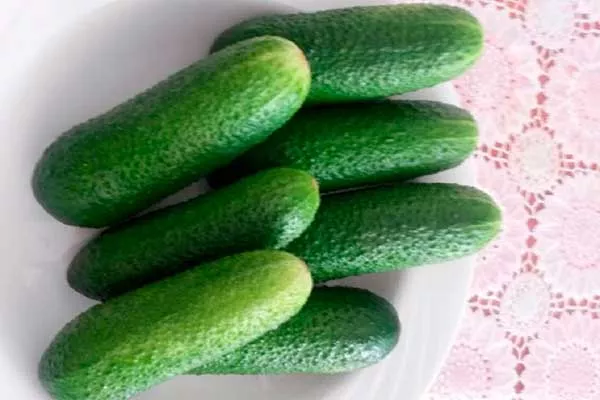
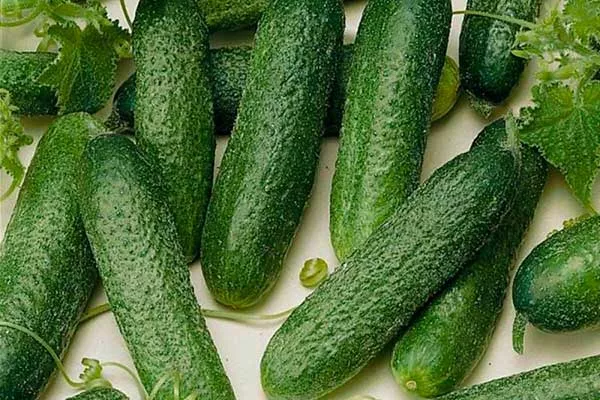
- The cylindrical cucumbers have a smooth surface without a ribbed texture, are densely filled with seeds inside, and do not contain any voids.
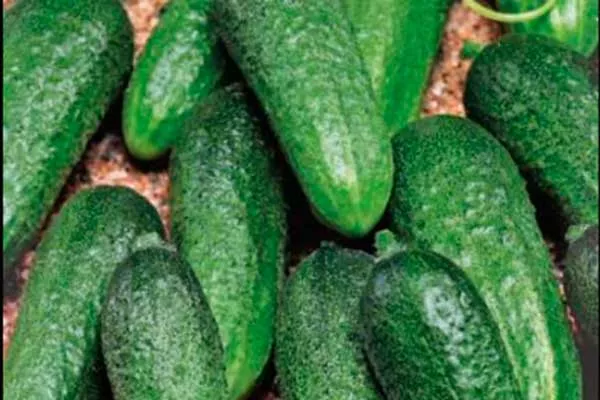
- The skin is taut and thin, rich green in color (closer to dark), covered with small tuberculate formations without sharp spines.
- The flesh is sweet, juicy, and crisp, without any sharp bitterness. Each cucumber contains numerous seeds, but they are all minimalist.
- The surface of the peel is decorated with light lines and barely noticeable spots.
- The fruits weigh from 70 to 100 g.
- ✓ Self-pollination ability, which eliminates the need for pollinating insects.
- ✓ High percentage of marketable produce (up to 94%), which makes the variety economically viable for cultivation.
Taste and purpose
The fruits of this variety have a soft, juicy texture and a crisp skin, with a subtle sweet flavor and no hint of bitterness. They are versatile in use: ideal for fresh consumption, pickling, marinating, and canning.
Benefit
Per 100 g of cucumbers of this variety you will get:
- calories – 14 kcal;
- proteins – 0.8%;
- fats – 0.1%;
- carbohydrates – 2.5%;
- water – 95%;
- fiber – 1%.
Health benefits:
- helps restore water balance;
- accelerates metabolism;
- promotes cleansing of blood vessels;
- normalizes blood pressure;
- reduces the level of “bad” cholesterol;
- improves skin color and hydration;
- regulates the functions of the pancreas.
Ripening time, productivity
Fruit ripening occurs synchronously. Adhering to agronomic standards, yields can range from 2.8 to 5.8-6 kg per square meter. Harvesting occurs every two to three days.
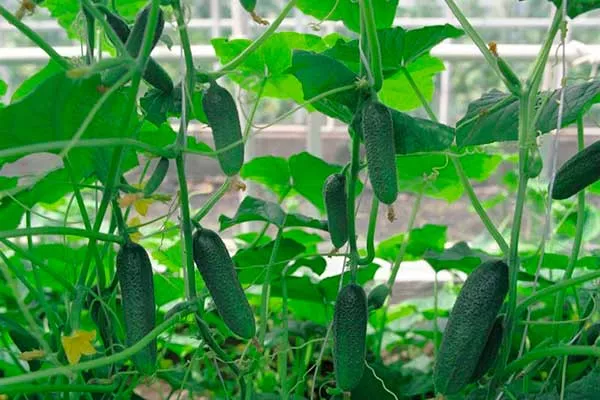
The period from the first shoots to harvesting young cucumbers ranges from 38 to 50 days, largely determined by cultivation method and regional conditions. Cucumber bushes of the Alex F1 variety enter the active flowering stage approximately 25-30 days after germination. The fruits reach maturity within 10-12 days after this.
Sowing methods
Most farmers prefer to plant cucumbers directly into the soil. However, some start by growing seedlings, which are then transplanted to their permanent locations.
Direct seeding
Cucumbers prefer nutritious, moderately moist, and aerated soil. By following crop rotation rules and providing the soil with the necessary nitrogen, phosphorus, potassium, and humic substances, you can achieve significant fertility. Maintaining soil fertility in open fields is much easier than in greenhouses.
- ✓ The optimal soil temperature for sowing should be no lower than +16°C at a depth of 5 cm.
- ✓ Soil pH should be in the range of 6.0-6.8 to ensure better nutrient absorption.
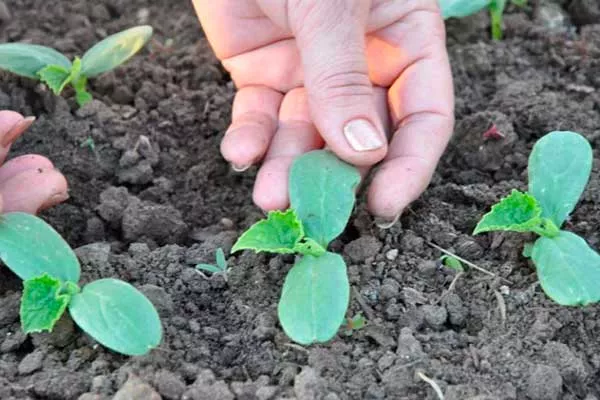
Things to know before direct seeding:
- In protected structures, change the location of crops more often, as the soil dries out much faster and begins to accumulate pathogenic microorganisms, which are not always destroyed by chemicals.
Removing the soil layer and replacing it with a new layer helps solve the problem, but this process requires significant effort and expense. - In a greenhouse, soil fertility is quickly restored by planting oats, white mustard, oilseed radish, and legumes. These plants increase the content of essential elements and inhibit the growth of fungi and bacteria.
They are sown in the fall and grow vigorously in just a month, after which they are mown down and added directly to the greenhouse substrate. Microbiological preparations such as Vostok-EM or Baikal-EM promote accelerated decomposition of these residues. - Open fields require slightly different green manure crops: clover, lupine, oats, beans, and peas. These are recommended for sowing between March and April. These plants improve soil structure and fertility and are often used for mulching garden beds.
- The Alex F1 hybrid, thanks to its early maturity, can be planted outdoors from May to June, depending on the region's climate. However, the optimal sowing temperature is at least 16°C in the upper soil layers and 20°C in the air.
- Before sowing, thoroughly loosen the soil and fertilize it with chicken manure at a rate of 19-10 liters per 1 sq. m.
- Form the beds with a spade and rake them into a level surface. The seeding depth should be 2 cm.
- Before planting, place the seeds in pre-moistened holes, treat them with a hot solution of potassium permanganate, and sprinkle with wood ash. Space the seeds 20-30 cm apart and cover with moist peat. Row spacing is 50-80 cm.
- To protect against possible frost and maintain the necessary moisture, cover the beds with agrofibre or plastic film. Once the seedlings emerge, remove the cover and thin the plants if necessary, even if two seeds were planted per hole. Pinch out weak seedlings, leaving the stronger ones for further growth.
Growing seedlings
It's recommended to start sowing cucumber seeds for seedlings a month before transplanting them outdoors. To do this, follow these simple guidelines:
- To create a nutrient mixture, combine two parts compost and manure with one part medium-fine river sand or wood shavings. Mix all ingredients thoroughly in a large container and treat with a solution of Fitosporin-M or potassium permanganate for disinfection.
- Then fill peat cups with at least 500 ml of the moist mixture, and place two seeds in each cup at a depth of 1.5 cm. Cover with plastic wrap and place in a warm place for germination.
- As soon as the sprouts appear, remove the covering and move the seedlings to a well-lit windowsill. If there's insufficient light, the seedlings can be provided with additional illumination using fluorescent lamps.
- Inspect the plant regularly as it grows: gently pinch out weak shoots without pulling them out to avoid damaging the roots. Water sparingly with warm water, about once or twice a week.
- Transplant the seedlings into the garden or greenhouse when they have formed four true leaves, and the soil temperature warms up to at least +16°C, and the air temperature to +20°C.
- Maintain a distance between plants of 20-25 cm in width and 60-70 cm in length, placing 4-5 bushes per 1 sq. m.
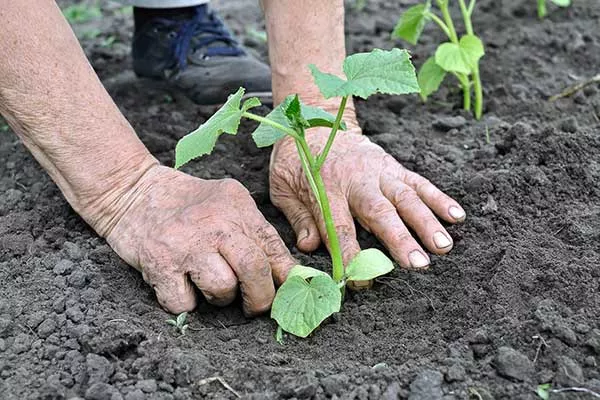
When replanting, carefully straighten the roots, lightly compact the soil around them and water generously.
Caring for cucumbers Alex
Alex cucumbers don't require any special growing conditions, but to achieve maximum yields, they do require a little attention. The plant prefers ample watering and responds well to fertilizer.
Watering
Cucumbers prefer moist soil and require regular watering. It's important to avoid overwatering, as this can lead to root rot. Water the plants with warm, settled water, preferably in the morning or evening, avoiding drips on the foliage.
Loosening, weeding, mulching
It's best to loosen the soil around the tree trunk after rain or watering. Weeding should be done regularly, preferably once a week, to prevent weeds from growing.
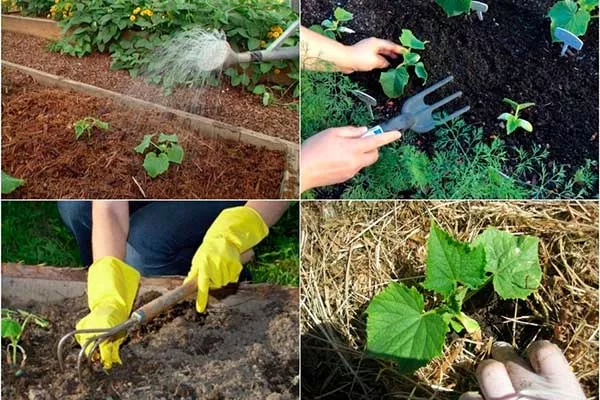
Mulching increases cucumber yields and is especially helpful during the seedlings' adaptation period after transplanting. Sawdust, grass clippings, or agrofibre can be used to retain moisture.
Top dressing
Cucumber variety Alex F1 requires regular feeding:
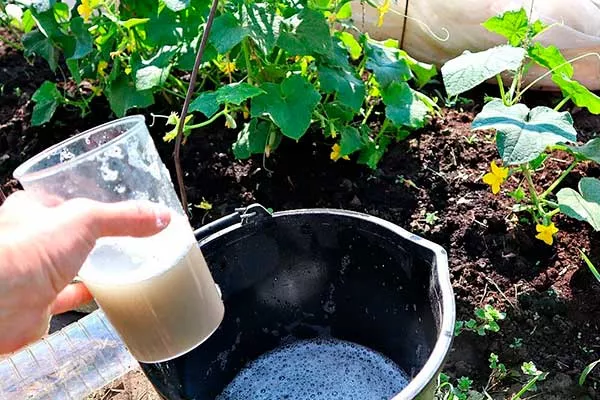
- Apply nitrogen and organic fertilizers after the plant blooms. This is necessary for foliage development.
- During budding and fruit set, feed cucumbers with nitrophoska. Additionally, spray the green foliage with boric acid, to which manganese crystals can be added for disinfectant prevention.
- When the first fruits appear, apply urea in two ways: root and foliar.
Garter and shaping of bushes
When grown outdoors, the Alex hybrid requires no special shaping or support. Cucumbers are grown horizontally, with only the side shoots (male flowers) being pruned.
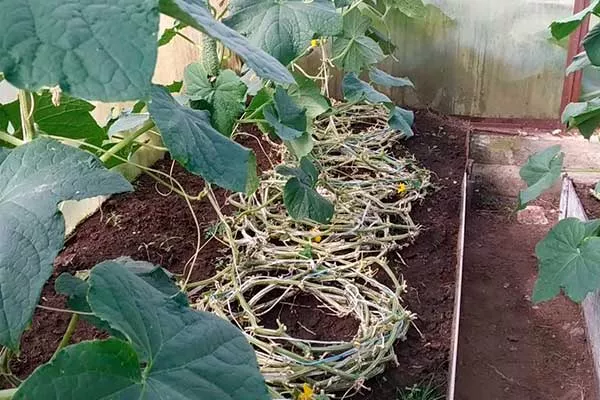
In the greenhouse, the bushes are placed on a trellis system:
- When 3-4 leaves have grown, a loop is attached to the plant.
- The main shoot is directed upwards along the sword, twisting it clockwise.
- After 10 fully formed leaves have formed, the stem is pinched.
- The lateral shoots in the first three axils are removed, and the rest are pinched above the third leaf.
Resistance to diseases and pests
Alex F1 is resistant to diseases that often affect other varieties. However, if infected plants are nearby, it will be difficult to completely avoid infection.
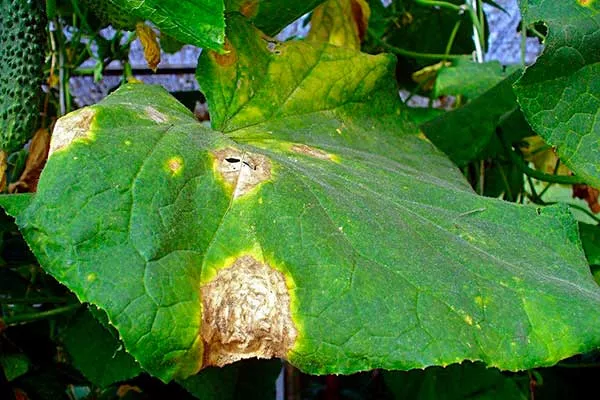
Among the greatest threats to Alex F1 are the following diseases:
- Anthracnose – Characterized by the appearance of spots on the entire green part. At the first sign of damage, treat with Bordeaux mixture or copper sulfate.
- White rot – A fungal disease that manifests itself in high humidity. It is recognized by a white coating on the leaves. To combat the disease, remove the affected parts and treat the cuts with charcoal.
- Downy mildew – This causes angular spots to appear on cucumber leaves. If Bordeaux mixture treatment is ineffective, fungicides such as Ridomil or Ordan can be used as an alternative.
- Powdery mildew - It causes a whitish coating on leaf blades. Folk remedies for treatment include a solution of potassium permanganate (1.5-2% concentration). Chemical treatments include Skor or Topaz.
Among pests, be wary of whiteflies, spider mites, and thrips. Preventative measures, such as timely weed control and crop rotation, as well as insecticides such as Confidor, Fitoverm, or Intavir, will help combat them.
Harvesting and storage
The fruits are easy to pick but are not designed for long-term storage. They can become bitter just a couple of days after being picked from the bush. To prolong freshness, it is recommended to store them in an open container in a cool, dark place with good air circulation, where they can stay fresh for up to 10 days.
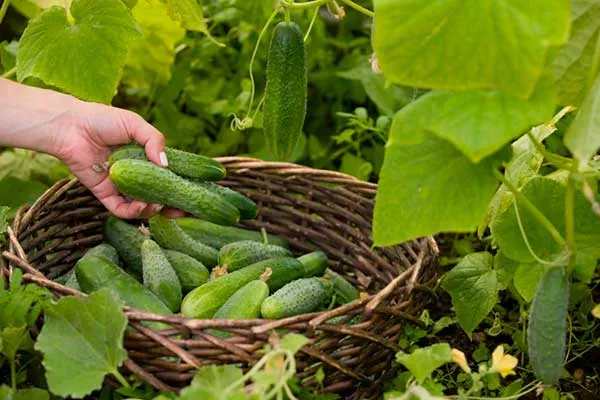
The Alex variety tends to grow too big, so it's important to harvest on time, when the cucumbers reach 7-8 cm in length and 3 cm in diameter. Delayed harvesting results in the fruits becoming inedible and the seeds inside becoming hard.
Positive and negative qualities
The Alex cucumber is distinguished by its long and abundant fruiting. It's not just its high productivity that makes this variety attractive—a single plant can produce up to six fruits per node. It also offers a number of other advantages:
But there is one drawback: to achieve the best results, it is necessary to shape the bushes by blinding.
Reviews
The Alex variety is popular among gardeners due to its ease of care. This plant is resistant to most diseases, exhibits excellent germination, and produces a bountiful harvest. Gardeners note its excellent flavor and lack of bitterness, which is a problem with other varieties.